Overview of Llanito Culture
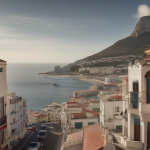
Llanito culture is a vibrant and unique cultural identity that originates from Gibraltar, a British Overseas Territory located at the southern tip of the Iberian Peninsula. This culture is deeply rooted in the everyday lives of Gibraltarians and represents a rich blend of influences due to Gibraltar’s diverse history and strategic location. Llanito, both a language and a cultural expression, reflects Gibraltar’s complex heritage, combining elements from British, Spanish, Mediterranean, and other Mediterranean communities.
The origins of Llanito culture can be traced back centuries when Gibraltar became a crossroads for various peoples and trades. This mingling of communities fostered a distinctive way of life that embraces multiculturalism and bilingualism. Llanito, the vernacular spoken by locals, is a mix of Andalusian Spanish and English, enriched with words from Genoese, Maltese, Portuguese, and other languages, symbolizing Gibraltar’s openness and adaptability through time. Llanito culture thus embodies the fusion of traditions that have been passed down through generations, making it an emblem of Gibraltar’s identity.
Significance-wise, Llanito culture is more than just a means of communication; it is a fundamental part of the social fabric and pride of Gibraltar’s people. It represents resilience, community spirit, and a celebration of diversity, marking the distinctiveness of Gibraltar among the nations of the world. Embracing Llanito culture means acknowledging the shared history and collective experiences of its inhabitants, which have shaped their values, customs, and perceptions.
The community that Llanito culture represents is primarily the Gibraltarians themselves—people who identify strongly with their territory’s unique multicultural heritage. This community actively preserves and promotes its traditions through festivals, language, music, and everyday social practices. Gibraltar traditions connected to Llanito culture include local celebrations, culinary arts, folk music, and a distinctive sense of humor, all of which highlight the close-knit and spirited nature of the population.
In essence, Llanito culture stands as a testament to Gibraltar’s cultural background—an ongoing story of adaptation, coexistence, and identity that continues to evolve while firmly anchoring its roots in the past. Understanding Llanito culture is key to appreciating the true character of Gibraltar and the resilient spirit of its people.
Origins and Historical Background
The Llanito culture is a fascinating blend shaped by centuries of historical development and diverse influences. At its core, Llanito origins lie in the melting pot of people who have inhabited Gibraltar, a strategic territory with a rich and complex history. The cultural roots of Llanito are deeply intertwined with the history of Gibraltar, which has been influenced by British, Spanish, Genoese, Maltese, and North African communities, among others. This mixture of peoples brought together their languages, traditions, and customs, creating a unique and vibrant culture that is distinctively Llanito.
The history of Llanito reflects Gibraltar’s role as a crossroads of Mediterranean civilizations and an important naval base for the British Empire. The blending of English and Andalusian Spanish languages gave rise to the Llanito dialect, a linguistic symbol of this hybrid identity. Furthermore, Llanito culture has absorbed culinary influences, folklore, and social practices from its diverse population, enriching its heritage. Understanding the historical development of Llanito culture provides insight into how this distinctive community emerged through centuries of coexistence and cultural exchange, making Llanito a vivid example of multicultural heritage.
Language and Communication
The Llanito language is a unique blend of Spanish and English, often described as a form of Spanglish, that reflects the rich cultural tapestry of Gibraltar. This bilingual linguistic trait is not only a means of communication but a vivid expression of the community’s identity, shaped by centuries of interaction between British and Spanish influences. Llanito incorporates vocabulary, grammar, and expressions from both languages, creating a fluid, hybrid language that is distinctively local.
In everyday conversations, speakers switch seamlessly between English and Spanish words, often within the same sentence, demonstrating a natural fluency in both languages. This code-switching is more than practicality; it is a cultural marker that conveys belonging and shared heritage among the people of Gibraltar. Llanito’s linguistic traits also include the use of idiomatic phrases, borrowings from other Mediterranean languages, and local slang, adding to its vibrancy and uniqueness.
The language embodies the warmth and conviviality of Llanito culture, where communication is lively, inclusive, and expressive. It is a living testament to Gibraltar’s history as a crossroads of civilizations, illustrating how language can evolve to encompass multiple cultural influences while fostering a strong sense of community and pride.
Cultural Practices and Traditions
Llanito culture is richly defined by its unique traditions, vibrant festivals, and enduring customs that shape the everyday lives of its people. Rooted deeply in the distinct blend of British and Andalusian influences, Llanito traditions reflect a harmonious fusion that is celebrated with great pride and enthusiasm.
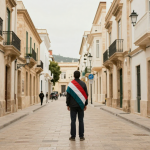
One of the most notable aspects of Llanito culture is its festivals. These lively events serve as a window into the community’s spirit and historical heritage. Celebrations such as National Day, which marks Gibraltar’s identity, bring together locals for parades, music, and traditional dances, creating an atmosphere filled with joy and a strong sense of belonging. During these festivals, streets are adorned with flags, and stalls offer local delicacies, showcasing the community’s culinary customs.
Customs in Llanito society often revolve around family, food, and religious observances. Family gatherings are central to social life, where traditional meals featuring Mediterranean flavors are prepared and shared, strengthening bonds between generations. Religious festivals, particularly those connected to Catholicism, like the Feast of Our Lady of Europe, play a key role in community life. These events combine solemn ceremonies with spirited celebrations, embodying the Llanito’s deep-rooted values and faith.
Everyday practices in Llanito culture also highlight a strong connection with the sea and nature. Fishing has historically been a vital part of the community, with its methods and techniques passed down through generations, reflecting both a livelihood and cultural identity. Additionally, the use of Llanito language—a unique blend of English, Spanish, and other influences—remains an everyday tradition that enriches communication and cultural expression.
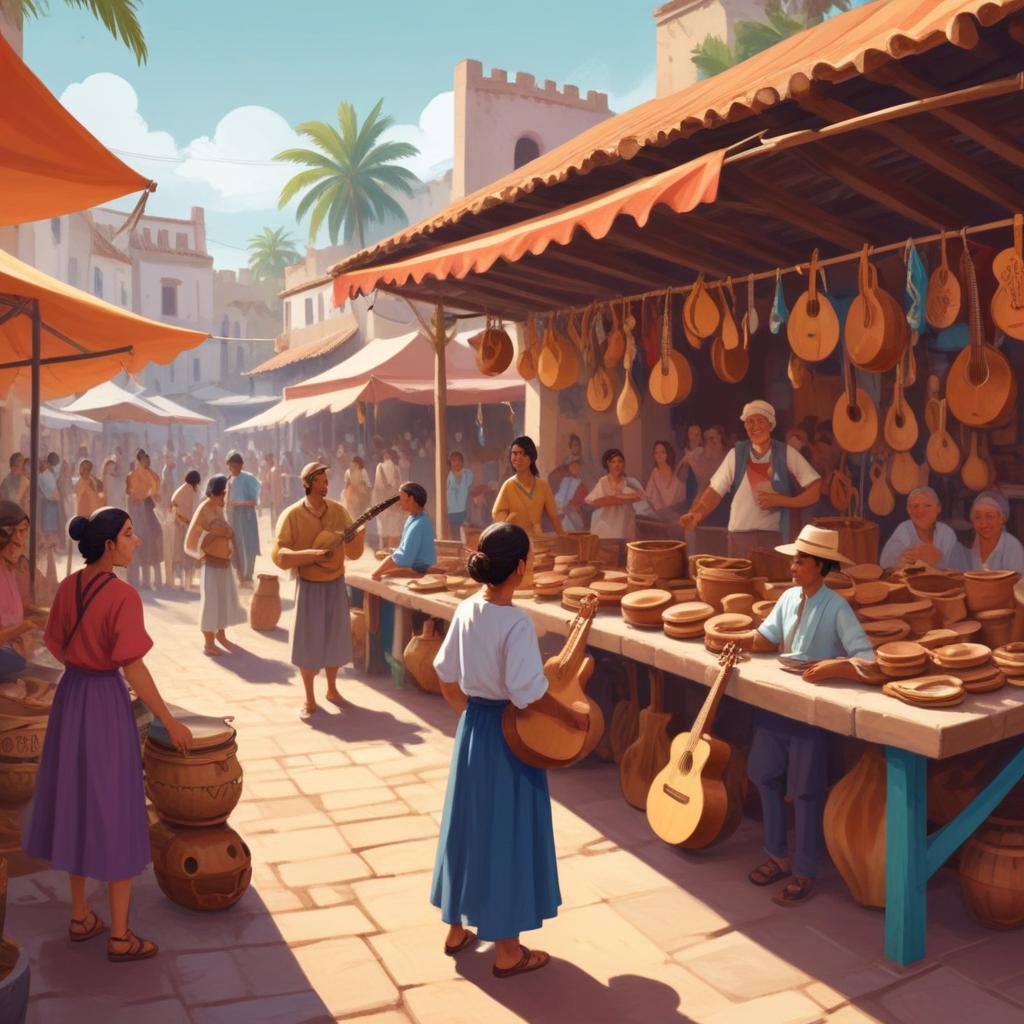
Community solidarity and respect for heritage are further expressed through art and music, which accompany many Llanito festivals and ceremonies. Flamenco rhythms often intertwine with British folk tunes, creating a distinct sound that is emblematic of Llanito’s multicultural roots. This artistic expression is a vibrant thread in the fabric of Llanito traditions, preserving their history while welcoming modern influences.
Overall, Llanito customs, festivals, and daily practices collectively define a culture that is both resilient and dynamic. They provide a meaningful link between past and present, forging a shared identity that continues to thrive in the community today.
Festivals and Celebrations
The Llanito culture of Gibraltar is richly expressed through its vibrant festivals and cultural celebrations, which play a vital role in fostering community spirit and preserving heritage. Llanito festivals are unique events that blend local traditions with the influences of the diverse communities that make up Gibraltar.
One of the most significant Gibraltar events is the National Day, celebrated annually on September 10th. This day is a powerful expression of pride in the Llanito identity, featuring vibrant parades, live music, and fireworks. It’s a time when the entire community comes together to celebrate their shared history, language, and culture.
Another landmark celebration is the Gibraltar Music Festival, which showcases a mix of local and international artists, reflecting the eclectic spirit of the Llanito people. This event highlights the importance of music as a cultural bridge within the community.
Religious festivals such as the Feast of Our Lady of Europa also hold a special place in Llanito culture. These celebrations blend faith with cultural traditions, reinforcing the community’s strong ties to their historical roots.
Overall, cultural celebrations in Gibraltar not only honor the past but also strengthen the bonds among Llanito people, ensuring that their distinctive identity continues to thrive amidst a dynamic and multicultural environment.
Cuisine and Food Culture
Llanito cuisine is a vibrant reflection of Gibraltar’s rich cultural tapestry, combining influences from British, Spanish, Mediterranean, and North African culinary traditions. This fusion creates a unique gastronomy that is central to the Llanito identity and their daily life. Traditional food plays a significant role in social gatherings, celebrations, and family meals, emphasizing fresh, locally sourced ingredients.
Common Gibraltar dishes often feature seafood, owing to the territory’s coastal location. Dishes like calentita—a chickpea flour-based savory pancake—and panissa are staples at many tables, enjoyed by locals and visitors alike. Other favorites include “rafas,” small fish typically fried and eaten whole, as well as meat stews and hearty soups infused with Mediterranean herbs.
Beyond dishes, food habits among the Llanito community emphasize conviviality and sharing. Meals are seen as opportunities for bonding, often lasting for several hours and accompanied by lively conversation in Llanito, the local dialect. This communal dining tradition strengthens social ties and reinforces a shared cultural heritage.
Overall, Llanito cuisine is more than sustenance: it embodies the community’s resilience, adaptability, and pride. By preserving traditional food and eating practices, the Llanito people maintain a strong connection to their roots and continue to celebrate the diverse influences that shape their cultural identity.
Llanito Identity in Modern Society
The modern Llanito embodies a unique cultural identity that is both resilient and adaptive amidst the evolving social and political landscape. As a community, Llanitos have continuously preserved their traditions while embracing change, allowing their cultural identity to thrive in a world of globalization and shifting political currents. This balance between preservation and evolution ensures that Llanito culture remains relevant and vibrant today.
One of the key ways Llanito culture is preserved is through the sustained use of the Llanito language, a vibrant mix of Andalusian Spanish, British English, and other Mediterranean linguistic influences. This linguistic blend not only fosters a shared sense of identity but also acts as a living heritage passed down through generations. In modern society, Llanito remains a marker of cultural pride and a tool for community cohesion amid external influences.
Social dynamics in Gibraltar contribute significantly to how Llanito identity is expressed and maintained. The community’s social interactions, celebrations, and daily life practices keep cultural customs alive. Events such as local festivals, cuisine, and music showcase Llanito heritage vividly. Furthermore, the younger generations actively participate in these cultural expressions, blending traditional elements with contemporary influences, which helps evolve the culture without diluting its roots.
Politically, the position of Gibraltar and its residents has informed and shaped Llanito cultural identity. The community’s ongoing dialogue about sovereignty and self-determination reinforces a strong collective identity that is distinct from both Spanish and British identities. This political backdrop encourages Llanitos to hold tightly to their unique heritage as a manifestation of their historical experience and aspirations.
In summary, the modern Llanito identity is a dynamic interplay of preservation and transformation. Through language, social customs, and a politically charged environment, Llanito culture continually adapts while safeguarding its distinctiveness. This adaptive cultural identity is essential for Llanitos as they navigate the complexities of contemporary society while honoring their rich heritage.
Challenges and Preservation Efforts
The Llanito culture faces several significant challenges that threaten its continuity and vibrancy. One of the primary Llanito challenges is the influence of globalization, which introduces dominant languages and cultures that can overshadow the unique linguistic and cultural blend of Llanito. This has led to a gradual decline in the everyday use of the Llanito dialect, putting cultural preservation at risk. Additionally, younger generations may feel less connected to traditional customs and heritage, opting instead for more widely spoken languages and contemporary lifestyles. Urban development and economic changes in Gibraltar further complicate efforts, as they can disrupt close-knit community networks that are vital for passing down traditions.
Despite these challenges, there are vibrant efforts underway to protect Llanito heritage. Cultural organizations and community groups actively promote Llanito through educational programs, festivals, and media that celebrate its unique identity. These initiatives aim to engage younger people by making cultural preservation relevant and accessible. Schools in the region also incorporate Llanito history and language in their curricula, helping to foster pride and awareness from an early age. Furthermore, digital platforms and social media are used to document and share Llanito traditions, expanding its reach beyond Gibraltar and connecting diaspora communities. These combined efforts demonstrate a strong commitment to safeguarding Llanito culture for future generations while navigating the challenges they face today.
Influence on Gibraltar and Beyond
The cultural influence of Llanito is profound and multifaceted, playing a pivotal role in shaping Gibraltar’s unique identity. Llanito, as a vibrant and hybrid cultural expression, represents the daily lived experience of the people of Gibraltar. It seamlessly blends elements from British, Spanish, Genoese, Portuguese, and North African traditions, creating a distinct cultural mosaic. This Llanito impact can be seen in Gibraltar’s language, cuisine, celebrations, and social customs, all of which contribute to a strong sense of community pride and identity.
Beyond the borders of Gibraltar, Llanito’s cultural influence extends into the broader regional culture. It acts as a bridge between the diverse Mediterranean and British influences that converge in the area, fostering cross-cultural understanding and exchange. The Llanito dialect, for example, with its unique blend of English and Spanish, is a testament to cultural coexistence and hybridity, resonating with communities both within and beyond Gibraltar. This cultural influence enriches the regional culture by highlighting the possibilities of multicultural harmony.
Moreover, Llanito culture’s adaptability and resilience in preserving its distinctiveness amidst global pressures contribute to its ongoing cultural significance. It encourages an appreciation of cultural diversity and promotes Gibraltar as a place where different worlds meet and merge. Consequently, the Llanito impact is not only a reflection of Gibraltar’s past and present but also a beacon of multicultural coexistence for the wider region.

I have always been captivated by the unique cultural tapestry of the Rock, particularly how Moorish, Spanish, and British influences shaped its development over centuries. My passion lies in translating these complex historical narratives into engaging educational resources that make Gibraltar’s past accessible to everyone. I spend my free time exploring military fortifications and reading first-hand accounts of life at the Pillar of Hercules.