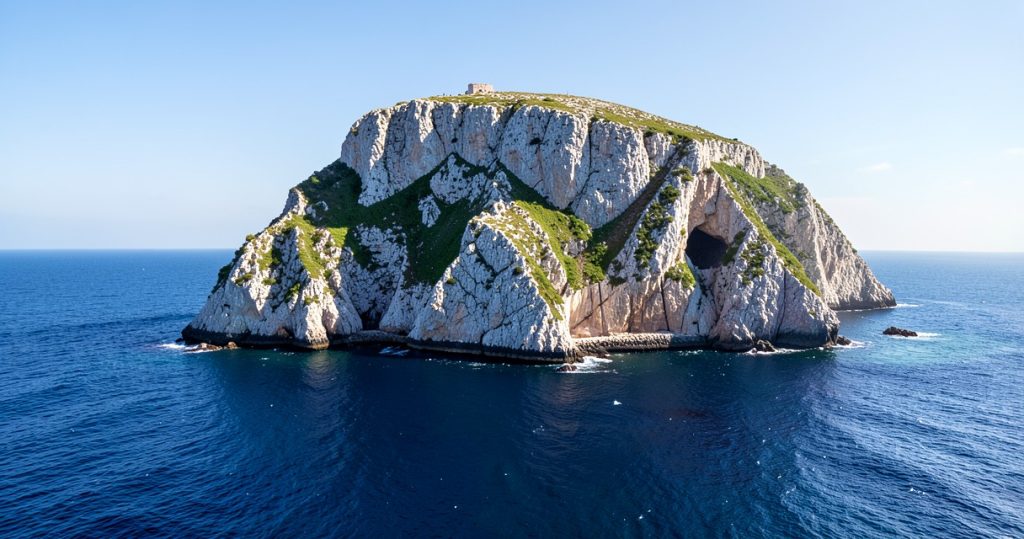
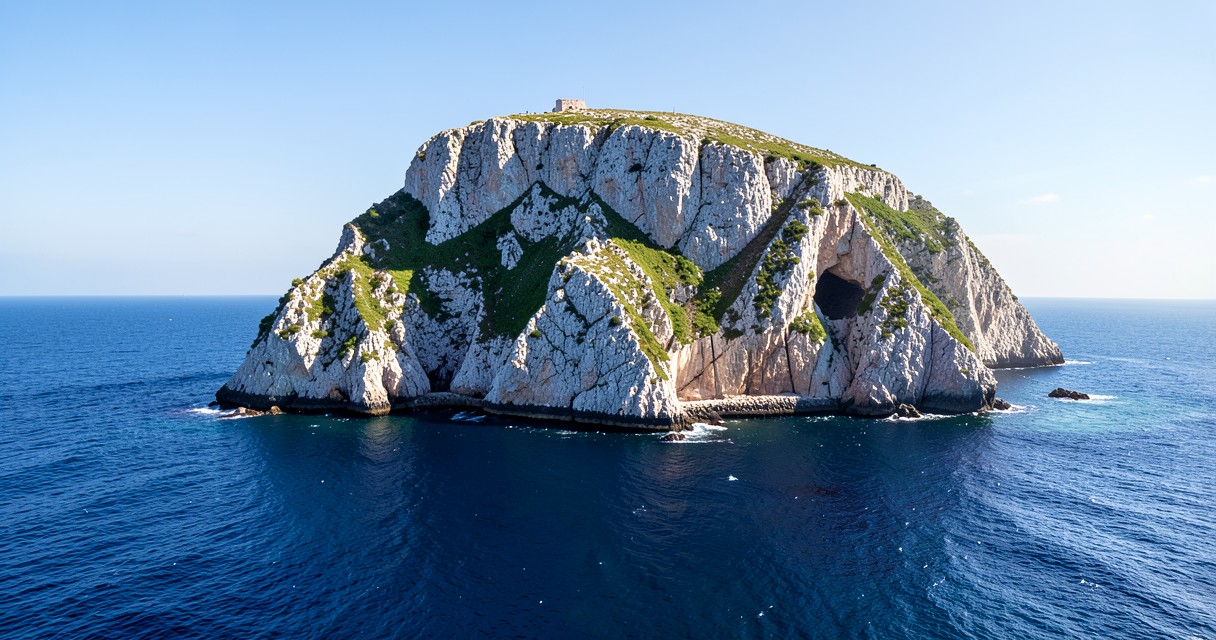
The Rock of Gibraltar is an iconic landmark that holds significant geological and historical importance. The formation of this massive limestone rock is a fascinating story that spans millions of years. Understanding the geological timeline of Gibraltar not only illuminates the physical characteristics of this natural wonder but also offers insights into the environmental changes that have shaped its current state. The history of Gibraltar’s formation is intertwined with the broader geological processes that have occurred in the Mediterranean region, making it a key area of study for geologists and historians alike.
Early Geological History
The geological history of Gibraltar begins in the late Paleozoic era, around 300 million years ago. During this time, the region was part of a vast marine environment characterized by shallow seas. Sediments settled on the ocean floor, gradually forming layers of limestone that would later become the foundation of the Rock of Gibraltar. These sedimentary deposits are primarily composed of marine organisms, including corals and shellfish, which thrived in the warm waters of the ancient seas.
As the Paleozoic era transitioned into the Mesozoic era, tectonic activity began to reshape the region. The collision of the African and Eurasian tectonic plates led to significant geological upheaval. This tectonic movement caused the deposition of various rock types, including dolostone and limestone, which are predominant in Gibraltar today. The ancient seabed was uplifted, forming the rugged limestone cliffs we see now, characterized by their striking vertical faces and unique karst formations.
The Tectonic Forces at Play
The formation of the Rock of Gibraltar is heavily influenced by tectonic forces. The collision between the African and Eurasian plates not only shaped the landscape but also contributed to the complex geological structure of the region. This tectonic activity is responsible for the folding and faulting of the rock layers, leading to the formation of distinct geological features. The intense pressure and heat generated during these processes resulted in the metamorphosis of some rock types, creating a diverse geological composition.
Additionally, the ongoing tectonic activity continues to play a role in the stability of the region. The Rock of Gibraltar is considered a seismically active area, with occasional earthquakes serving as reminders of the geological forces at work beneath the surface. These seismic events can cause further erosion and alteration of the rock’s features, making the study of Gibraltar’s geology a dynamic and ever-evolving field.
Marine Influences and Erosion
The Mediterranean Sea has played a crucial role in shaping the geology of Gibraltar. Over millions of years, the sea has influenced erosion patterns, sculpting the limestone cliffs and creating various geological formations. The action of waves, combined with the natural weathering processes, has led to the development of caves, arches, and other karst features that enhance the visual appeal of the Rock of Gibraltar.
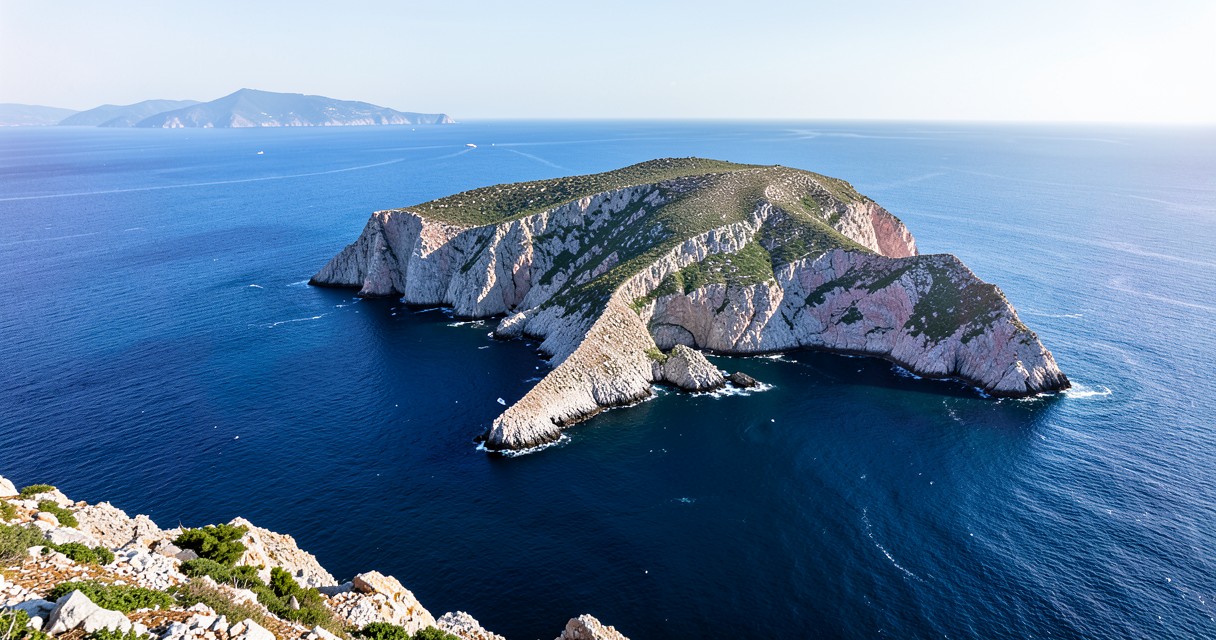
One of the most notable features is St. Michael’s Cave, a large limestone cave system that has been formed through the dissolution of rock by acidic rainwater. The cave is not only a geological marvel but also holds historical significance, having been used for various purposes throughout history, including as a refuge during wartime. The continuous interplay between marine forces and geological processes ensures that Gibraltar remains a site of ongoing interest for both scientists and tourists.
The Mediterranean Flood and Its Impact
A significant geological event known as the Zanclean Flood around 5.3 million years ago drastically transformed the Mediterranean region. This catastrophic flood occurred when the Atlantic Ocean breached the Gibraltar Strait, flooding the previously dry basin of the Mediterranean Sea. The sudden influx of water led to dramatic changes in the geology and ecology of the region, including the formation of new sedimentary deposits and the alteration of existing landscapes.
This event is believed to have played a vital role in shaping the current geographical and geological features of Gibraltar. The rapid flooding and subsequent sedimentation contributed to the layering of rock formations, further influencing the limestone structures that characterize the Rock today. Researchers continue to study the implications of this flood on the geological timeline of Gibraltar, as it provides insights into the historical climate changes and tectonic activity in the region.
Fossils and Paleontological Significance
The Rock of Gibraltar is not only a geological wonder but also a treasure trove of paleontological significance. Fossils found in the limestone layers provide valuable information about the ancient marine life that inhabited the region millions of years ago. These fossils include remnants of mollusks, corals, and other marine organisms that thrived in the warm seas of the past.
One of the most famous discoveries in Gibraltar is the fossilized remains of the Neanderthals, which were found in the Gorham’s Cave complex. These findings have provided crucial insights into human evolution and migration patterns. The presence of such significant fossils underscores the importance of Gibraltar as a site for understanding both geological and biological history, making it a key location for researchers studying the evolution of life on Earth.
Modern Geological Studies and Conservation
Today, the Rock of Gibraltar continues to be a focal point for geological research and conservation efforts. Scientists from various disciplines are studying the unique geological formations and the ecological systems that depend on them. Ongoing research aims to understand the impact of climate change on the region’s geology and biodiversity, as well as to develop strategies for preserving its natural heritage.
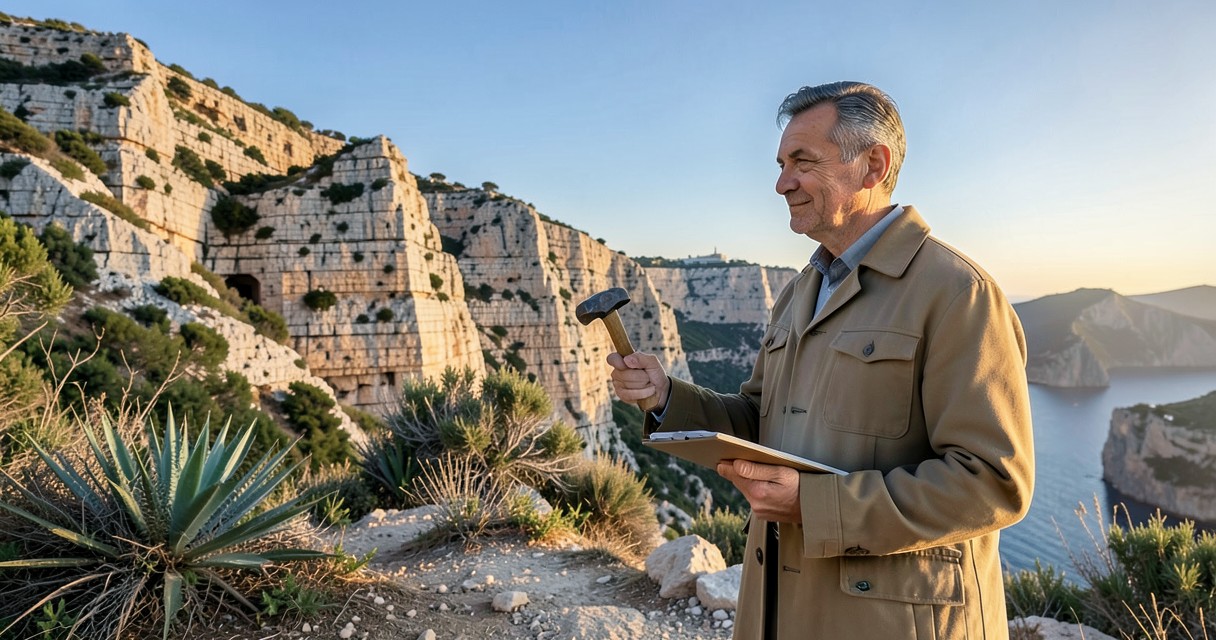
Conservation initiatives are crucial for protecting the delicate ecosystems that thrive in Gibraltar, including its rich flora and fauna. These efforts not only safeguard the geological integrity of the Rock but also enhance its value as a site for education and tourism. By promoting awareness of Gibraltar’s geological significance, conservationists hope to foster a deeper appreciation for the natural world and encourage sustainable practices among visitors and residents alike.
Gibraltar in the Context of Global Geology
Understanding the geological timeline of Gibraltar provides a broader perspective on global geological processes. The Rock serves as a microcosm of the complex interactions between tectonic movements, marine influences, and ecological changes that have shaped the Earth over millions of years. Its unique position at the crossroads of two continents offers valuable insights into the geological history of the Mediterranean region and beyond.
As a site of geological interest, Gibraltar contributes to our understanding of plate tectonics, sedimentation, and erosion. The ongoing research conducted here not only enriches the scientific community’s knowledge but also has implications for global geological theories. By studying Gibraltar, geologists can draw parallels with other regions, enhancing our understanding of the Earth’s dynamic systems and the forces that continue to shape our planet.

I have always been captivated by the unique cultural tapestry of the Rock, particularly how Moorish, Spanish, and British influences shaped its development over centuries. My passion lies in translating these complex historical narratives into engaging educational resources that make Gibraltar’s past accessible to everyone. I spend my free time exploring military fortifications and reading first-hand accounts of life at the Pillar of Hercules.