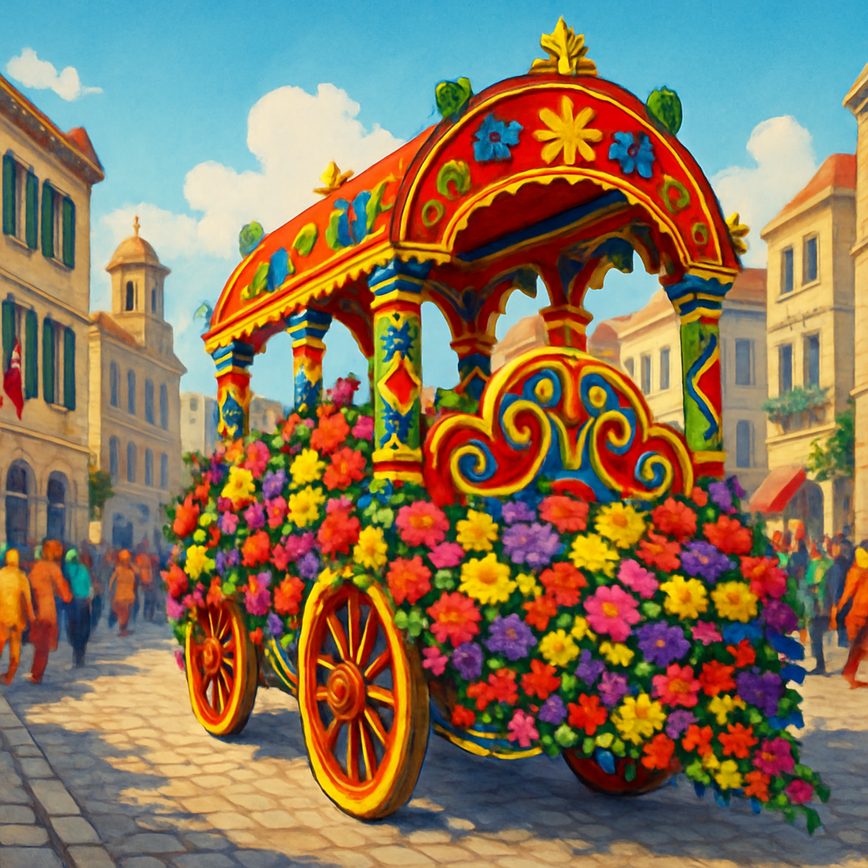
Introduction to Feast and Festivals in Gibraltar
Gibraltar festivals play a vital role in the cultural fabric of this unique British Overseas Territory, reflecting a rich tapestry of traditions and historical events that have shaped its identity. The feasts and festivals celebrated here are not merely occasions for communal enjoyment but are profound expressions of Gibraltar’s diverse heritage and social cohesion. They form an essential bridge between the past and the present, highlighting the community’s respect for its roots and the preservation of its customs in an ever-evolving world.
The feast history in Gibraltar is deeply intertwined with its strategic geographical position and the cultural confluence resulting from centuries of interaction among different peoples, including British, Spanish, Genoese, Maltese, and Moroccan influences. This blend of cultures is vividly showcased through the annual celebrations that punctuate the calendar year, each with its own unique customs, rituals, and symbolic significance. These festivals serve as living reminders of historical milestones, religious devotion, and the resilience of the local population in maintaining their distinct identity amidst external influences.
Cultural celebrations in Gibraltar are occasions that unite the community, providing a sense of belonging and shared pride. Events such as the Gibraltar National Day, the festival of Saint Michael, and the traditional maritime celebrations highlight the importance of collective memory and the communal spirit that defines the territory. These festivals often incorporate traditional music, dance, food, and religious ceremonies, enriching the cultural landscape and offering both residents and visitors an immersive experience into the heart of Gibraltar’s social life.
Moreover, the significance of these feasts and festivals extends beyond entertainment; they function as educational platforms that pass down stories and values to younger generations. The preservation of Gibraltar’s feast history and cultural celebrations reinforces a strong identity and pride among its people, ensuring that the unique character of Gibraltar is not lost but celebrated continually. In this way, festivals in Gibraltar are crucial to maintaining the cultural vitality and historical consciousness that define this vibrant community.
Historical Background of Gibraltar’s Festivals
The history of festivals in Gibraltar is a fascinating reflection of the territory’s unique cultural and historical tapestry. Traditional feasts in Gibraltar have deep roots, often blending influences from British, Spanish, Moorish, and Mediterranean customs. These celebrations have not only been pivotal in marking religious and seasonal events but also in solidifying the community spirit throughout the centuries.
The Gibraltar celebrations history reveals origins that date back many centuries, with early festivals linked closely to the patron saints and religious observances of the predominant communities in the area. For instance, the Feast of Our Lady of Europe, a significant religious celebration, has its roots in the 15th century following the Christian reconquest. This feast has evolved to become a symbol of unity amongst the diverse inhabitants of Gibraltar. Over time, such religious festivals grew to incorporate local traditions, music, and food, making them a vital part of the fabric of local life.
As Gibraltar developed as a strategic fortress and a melting pot of cultures, the history of festivals expanded to include secular celebrations as well. The famous Gibraltar National Day, celebrated annually on September 10th, honours the sovereignty and identity of Gibraltar. This modern celebration, however, is grounded in a long history of local patriotism and communal gatherings that have evolved since the mid-20th century. It showcases how the traditional feasts in Gibraltar are continuously adapting and incorporating contemporary elements while respecting their origins.
Another key aspect of the traditional feasts in Gibraltar is their strong connection to the sea and fishing communities. The Festival of St. Michael, patron saint of mariners, is an example where the history of festivals is tied directly to local livelihoods. Dating back centuries, this celebration included processions and blessings of boats, rituals designed to ensure safe seas and bountiful catches. This blend of spiritual and practical traditions highlights the intertwined nature of Gibraltar’s cultural heritage and daily life.
In summary, the history of festivals in Gibraltar is rich and complex, reflecting the region’s varied cultural influences and historical developments. From religious feasts to national celebrations and community-centric maritime festivals, Gibraltar’s celebrations history illustrates a vibrant tradition of festivity and cultural identity that continues to thrive today.
Origins of Major Feasts
The origins of major feasts celebrated in Gibraltar are deeply rooted in the rich tapestry of its cultural history, shaped by the influences of diverse civilizations and significant historical events. These traditional feasts often reflect a blend of customs from the British, Spanish, Moorish, and Genoese cultures, each contributing unique elements to the vibrant festival scene in Gibraltar. Understanding the festival origins provides insight into how historical celebrations have evolved into the modern-day communal events cherished by residents and visitors alike.
Many of Gibraltar’s prominent feasts stem from religious and historical occasions. For example, the annual celebration of Gibraltar National Day marks the resilience and unity of its people, rooted in historical milestones like the Treaty of Utrecht. Other traditional feasts, such as those honoring patron saints, highlight the religious heritage imported primarily from Mediterranean cultures, where processions and communal gatherings play a central role. These celebrations often feature traditional music, dance, and culinary delights, passed down through generations.
Moreover, Gibraltar’s position as a crossroads between Europe and Africa has infused its festivals with unique multicultural influences. Moorish and North African festivities have left an imprint on the ceremonial aspects of some feasts, enriching the island’s cultural mosaic. The fusion of these varied traditions emphasizes the historical celebrations’ role in fostering a strong sense of identity and community spirit, illustrating how festival origins are not only about commemorating the past but also about celebrating the diverse heritage that defines Gibraltar today.
Impact of Colonial and Cultural Influences
Gibraltar’s feast and festival traditions have been profoundly shaped by its unique colonial history and the rich tapestry of cultural influences that have converged in this strategic Mediterranean enclave. The colonial influence, primarily stemming from British rule since the early 18th century, introduced new elements to local celebrations, merging with established customs to create distinctive hybrid festivities. British holidays and public ceremonies became part of Gibraltar’s calendar, while local communities adapted their traditional observances to reflect the colonial presence.
Beyond colonial impact, Gibraltar’s position as a crossroads of civilizations brought diverse cultural influences that enriched its festival traditions. Residents from Andalusian, Genoese, Maltese, and Moroccan backgrounds, among others, contributed customs, cuisine, music, and dance, which fused into vibrant local celebrations. This cultural amalgamation is evident in the variety of feasts honoring patron saints, as well as in celebrations like the Gibraltar National Day, which combines patriotic pride with multicultural expressions.
The interplay of colonial influence and cultural diversity has ensured that Gibraltar’s festivals are not mere reproductions of foreign events but living expressions of its unique identity. These festivals act as a reflection of Gibraltar’s layered history, showcasing how the colony’s past and cultural heterogeneity shape communal practices and social cohesion through shared celebrations and rituals.
Popular Feasts and Festivals Celebrated Today
In Gibraltar, popular festivals and feasts serve as vibrant expressions of the territory’s rich cultural tapestry. These current celebrations highlight the customs, history, and community spirit that define Gibraltar, making them significant cultural events in Gibraltar’s yearly calendar.
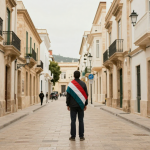
One of the most anticipated festivals is the Gibraltar National Day, celebrated every September 10th. It is a deeply patriotic event that marks Gibraltar’s identity and self-governance. Residents and visitors alike take part in a day filled with parades, music, and fireworks. The iconic red and white colors adorn the streets, and citizens celebrate their heritage with traditional dress and flags. This festival embodies the pride and unity of Gibraltar’s people while offering a lively atmosphere rich in local customs.
Another popular festival is the Gibraltar International Music Festival, a key event that brings an array of musical styles and artists to the Rock. This festival typically spans several days and includes outdoor concerts, jazz nights, and classical music performances. It is a significant cultural event in Gibraltar that highlights the territory’s commitment to arts and entertainment, providing a platform for both international and local talent.
Carnival is also a vibrant and colorful feast celebrated with great enthusiasm. This lively event sees the streets transform with dazzling costumes, street dancing, and energetic music. Traditional parades mix with modern elements, combining the old and new customs. Carnival is a time for community bonding and joyous festivity, attracting large crowds who enjoy the playful and inclusive atmosphere.
The Calentita, held every October, is another beloved feast that showcases Gibraltar’s culinary heritage. This food festival celebrates the territory’s Mediterranean influences with tastings of traditional dishes such as calentita (a chickpea flour cake), calentita sandwiches, and local wines. It is a warm-hearted cultural event in Gibraltar where people gather to appreciate local flavors while enjoying live music and street entertainment.
These popular festivals in Gibraltar not only highlight the diverse customs and traditions but also emphasize the strong sense of community and cultural pride. From patriotic celebrations to musical gatherings and culinary feasts, the current celebrations in Gibraltar offer an immersive experience of the territory’s unique heritage and vibrant social life.
The Gibraltar National Day
The Gibraltar National Day is a significant local festival that embodies the spirit and pride of the people of Gibraltar. Celebrated annually on September 10th, this community celebration marks the day when Gibraltarians first voted in 1967 to remain under British sovereignty, a pivotal moment in the territory’s modern history. The festival has grown over the years, becoming a vibrant display of patriotism and cultural identity.
On Gibraltar National Day, the entire community comes together to participate in various activities that highlight the territory’s unique heritage. The day typically kicks off with a flag-raising ceremony, followed by speeches from political leaders and community representatives. Streets and public spaces are adorned with red and white decorations— the colors of the Gibraltar flag. Traditional music fills the air as locals and visitors enjoy concerts, food stalls, and parades. One of the most iconic moments is the release of thousands of red and white balloons, symbolizing unity and pride.
This local festival is more than just a day of celebration; it holds deep importance for Gibraltar’s identity. It reinforces a strong sense of belonging and community amongst its residents, reminding them of their resilience and history. The Gibraltar National Day is a time to honor the territory’s past while looking forward to its future, making it an essential chapter in Gibraltar’s story and a cherished tradition for its people.
Religious and Cultural Festivals
Gibraltar is rich in religious festivals and cultural celebrations that reflect its diverse community and historic roots. Traditional events like the annual Gibraltar National Day, celebrated with fervor, highlight the strong sense of identity shared by its residents. This day combines patriotic displays with cultural activities, showcasing Gibraltar’s unique blend of influences.
Religious festivals in Gibraltar often center around the town’s Catholic heritage, with one of the most prominent being the Feast of Our Lady of Europe. This event commemorates the patron saint of Gibraltar and includes processions, masses, and community gatherings that date back several centuries. It is a vivid expression of faith and tradition that continues to unite locals today.
Another significant traditional event is the Gibraltar Easter celebrations, where religious ceremonies and cultural parades illustrate the community’s devotion and historical continuity. Alongside Christian festivals, other cultural celebrations such as the Jewish Festival of Purim and Muslim festivities illustrate the territory’s multicultural fabric, emphasizing tolerance and shared heritage.
These religious festivals and cultural celebrations are vital in preserving Gibraltar’s history and strengthening its community bonds. They serve not only as a link to the past but also as dynamic events that enliven present-day practices and promote cultural understanding among residents and visitors alike.

I have always been captivated by the unique cultural tapestry of the Rock, particularly how Moorish, Spanish, and British influences shaped its development over centuries. My passion lies in translating these complex historical narratives into engaging educational resources that make Gibraltar’s past accessible to everyone. I spend my free time exploring military fortifications and reading first-hand accounts of life at the Pillar of Hercules.