Cultural Impact and Contributions
The Genoese community has had a profound and lasting impact on the cultural fabric of Gibraltar, weaving its influences deeply into the territory’s traditions, architecture, language, and cuisine. Originating from the Italian region of Liguria, the Genoese brought with them rich cultural practices that have since been adapted and integrated into local Gibraltarian life, creating a unique cultural blend visible even today.
One of the most visible contributions of the Genoese community is in Gibraltar’s architecture. The Genoese introduced distinctive Mediterranean styles characterized by bright colors, compact structures, and functional design well suited to the local climate. Elements such as narrow alleys, stone façades, and shuttered windows can often be traced back to Genoese influences, contributing to the unique architectural landscape of Gibraltar. This architectural heritage continues to be a point of pride and an integral part of the town’s visual identity.
Genoese culture also enriched Gibraltar’s traditional festivities and social customs. While Gibraltar developed its own distinct identity over centuries, traces of Genoese festivals, music, and community spirit remain evident. These elements have been preserved and merged with other cultural influences to shape the vibrant and diverse traditions celebrated by Gibraltarians today, fostering a sense of community and cultural pride.
The Genoese language, or Ligurian dialect, had a subtle yet significant influence on the local vernacular known as Llanito. This hybrid dialect incorporates elements from English, Spanish, and Genoese, among other languages, reflecting Gibraltar’s multicultural heritage. Certain expressions and linguistic nuances originating from the Genoese have endured, underscoring the community’s historic presence and contribution to Gibraltar’s linguistic tapestry.
Perhaps one of the most beloved and enduring aspects of the Genoese cultural contribution is found in Gibraltar’s cuisine. The Genoese introduced a variety of culinary traditions that influenced local dishes, blending Mediterranean flavors with local ingredients. Pasta dishes, seafood preparations, and characteristic herbs and spices have been incorporated into Gibraltarian cooking, enriching its culinary diversity. The fusion of Genoese cuisine with other cultural influences has helped define the exceptional and diverse food scene in Gibraltar.
Overall, the Genoese community’s cultural impact is a vital chapter in Gibraltar’s history. Their traditions, architectural styles, linguistic influences, and culinary contributions continue to resonate throughout Gibraltar, reinforcing the territory’s identity as a place where diverse cultures come together to create a rich and enduring heritage.
Architectural and Linguistic Influences
The Genoese community has left an indelible mark on Gibraltar, particularly evident in its architectural styles and linguistic landscape. Genoese architecture is distinguishable through the use of brightly painted façades, narrow streets, and wrought iron balconies, which are still prominent in many of Gibraltar’s older neighborhoods. These design elements reflect traditional Genoese urban planning and aesthetic preferences, blending seamlessly with Mediterranean influences to create Gibraltar’s unique charm.
In addition to physical structures, the Genoese have contributed significantly to the linguistic tapestry of Gibraltar. The local Gibraltar dialect, known as Llanito, incorporates numerous Genoese words and phrases, alongside Spanish, English, and other Mediterranean languages. This linguistic blending highlights the deep cultural integration and exchanges facilitated by the Genoese settlers. Words related to everyday life, cuisine, and maritime activities often trace back to Genoese origins, underscoring their lasting influence on Gibraltar’s spoken language.
Overall, the Genoese architectural styles and language influences in Gibraltar serve as enduring reminders of a rich cultural blending. This fusion not only honors the Genoese heritage but also enriches Gibraltar’s identity as a vibrant and diverse community. Preserving these influences is key to understanding Gibraltar’s historical narrative and ongoing cultural evolution.
Genoese Traditions and Festivals
The Genoese community in Gibraltar has preserved a rich tapestry of customs and festivals that continue to play a vital role in the cultural heritage of the territory. These traditions serve as a living link to the community’s roots, celebrated with great enthusiasm and pride at various Gibraltar events throughout the year. Among the most significant Genoese customs are the annual festivals that commemorate historical and religious occasions, blending both solemnity and festivity.
One prominent festival is the celebration of the Virgin of Carmel, a deeply revered figure in Genoese culture. This event draws members of the Genoese community and the wider Gibraltar population together, featuring religious processions, traditional music, and local culinary specialties. Such festivals offer a unique opportunity for cultural exchange and reinforce a sense of belonging among descendants of Genoese immigrants.
In addition to religious observances, Genoese customs include folk dances, music, and craft demonstrations that have been handed down through generations. These cultural expressions are integral to Gibraltar’s multicultural identity and contribute significantly to the territory’s vibrant event calendar. By maintaining these traditions, the Genoese community ensures that their cultural heritage remains an active and enriching part of contemporary Gibraltar, fostering intergenerational connections and cultural pride.
The preservation and celebration of Genoese festivals and customs not only honor the community’s past but also enhance Gibraltar’s diverse cultural landscape, making these events an essential part of the territory’s communal life and identity.
Legacy and Modern-Day Presence
The Genoese legacy in Gibraltar is deeply woven into the cultural and social fabric of the territory, reflecting centuries of influence that continue to shape modern Gibraltar. The Genoese community, originally arriving as traders and settlers, established a strong presence that contributed to the development of Gibraltar’s unique identity. Today, their descendants remain an integral part of the population, embodying the historical ties between Gibraltar and the Ligurian region of Italy.
Despite being a relatively small community in terms of numbers, the Genoese influence within modern Gibraltar is unmistakable. This influence can be seen in the local dialect, Llanito, which incorporates elements of Genoese language, and in culinary traditions that have been preserved and adapted over generations. The community’s demographic presence, while somewhat diminished from its historical peak, remains visible through family names, cultural associations, and active participation in the social life of Gibraltar.
Efforts to preserve the heritage of the Genoese community have grown in recent years, with local organizations and heritage groups dedicated to maintaining historical records, promoting traditional Genoese customs, and organizing cultural events that celebrate this rich heritage. These initiatives help to keep the community’s history alive and enhance public understanding of their significant role in Gibraltar’s development.
Moreover, educational programs and heritage projects often highlight the Genoese influence, ensuring that younger generations are aware of their ancestral roots and the enduring contributions their forebears made. The preservation of historic Genoese landmarks and the promotion of Genoese cultural assets have also become focal points in Gibraltar’s broader cultural preservation strategies.
In summary, the community influence of the Genoese in Gibraltar extends beyond mere population statistics. Their legacy touches language, food, social customs, and a shared sense of identity, all of which are actively cultivated today to foster a connection between past and present. The Genoese legacy remains a vital thread in the tapestry of modern Gibraltar, symbolizing the enduring presence and cultural richness of this historic community.
Demographic and Social Influence Today
The Genoese descendants in Gibraltar continue to hold a significant demographic presence within the territory. Though their numbers have become part of a more diverse population fabric over the years, their influence remains notable in various aspects of Gibraltar’s social structure. These descendants contribute meaningfully to Gibraltar demographics as a distinct community with deep-rooted cultural ties and family histories that trace back to Genoa.
Socially, the Genoese descendants engage actively in community roles that help preserve their unique heritage while integrating harmoniously with broader Gibraltar society. They participate in local cultural organizations, festivals, and educational initiatives that celebrate Genoese history and traditions, thereby enriching Gibraltar’s multicultural identity.
Economically, members of the Genoese community have been instrumental in various sectors including commerce, fishing, and increasingly in professional services and entrepreneurship. Their contributions to the economic landscape of Gibraltar reflect a blend of traditional trades and modern business acumen, underscoring their adaptability and ongoing impact. The social impact of Genoese descendants extends to leadership roles and public service, reinforcing their importance within Gibraltar’s community dynamics.
Overall, the Genoese descendants maintain a vibrant presence with sustained social and economic roles that influence both the character and development of Gibraltar. Their heritage continues to shape the social fabric, fostering a sense of identity and belonging within the broader demographic milieu.
Preservation of Genoese Heritage
The preservation of Genoese heritage within the Gibraltar community is a testament to the enduring bond between the people and their cultural roots. Various initiatives have been undertaken to ensure that the rich history and traditions of the Genoese settlers are not lost to time. Cultural organizations play a pivotal role in these efforts, acting as custodians of heritage preservation. They organize events, exhibitions, and educational programs that celebrate Genoese customs, language, and culinary traditions, fostering a strong sense of identity among community members.
In addition to cultural organizations, significant historical sites in Gibraltar serve as physical reminders of Genoese influence. These sites, carefully maintained and often open to the public, provide a tangible connection to the past. Efforts to protect and restore these landmarks underscore the community’s commitment to heritage preservation. Through guided tours and informative displays, locals and visitors alike gain insight into the Genoese contribution to Gibraltar’s development.
Collectively, these initiatives, cultural organizations, and historical sites contribute to a vibrant cultural landscape that honors the Genoese legacy. They ensure that the stories, traditions, and achievements of the Genoese community continue to inspire and educate future generations, maintaining a unique and cherished aspect of Gibraltar’s diverse heritage.
Origins of the Genoese Community in Gibraltar
The origins of the Genoese community in Gibraltar trace back to the early phases of Mediterranean migration, which played a significant role in shaping Gibraltar’s diverse cultural landscape. The Genoese, hailing from the prominent maritime city of Genoa in present-day Italy, were among the earliest settlers who contributed to the historical tapestry of Gibraltar. Their arrival and settlement are deeply intertwined with broader historical contexts, including trade, politics, and migration patterns from the Italian peninsula to strategic Mediterranean locations.
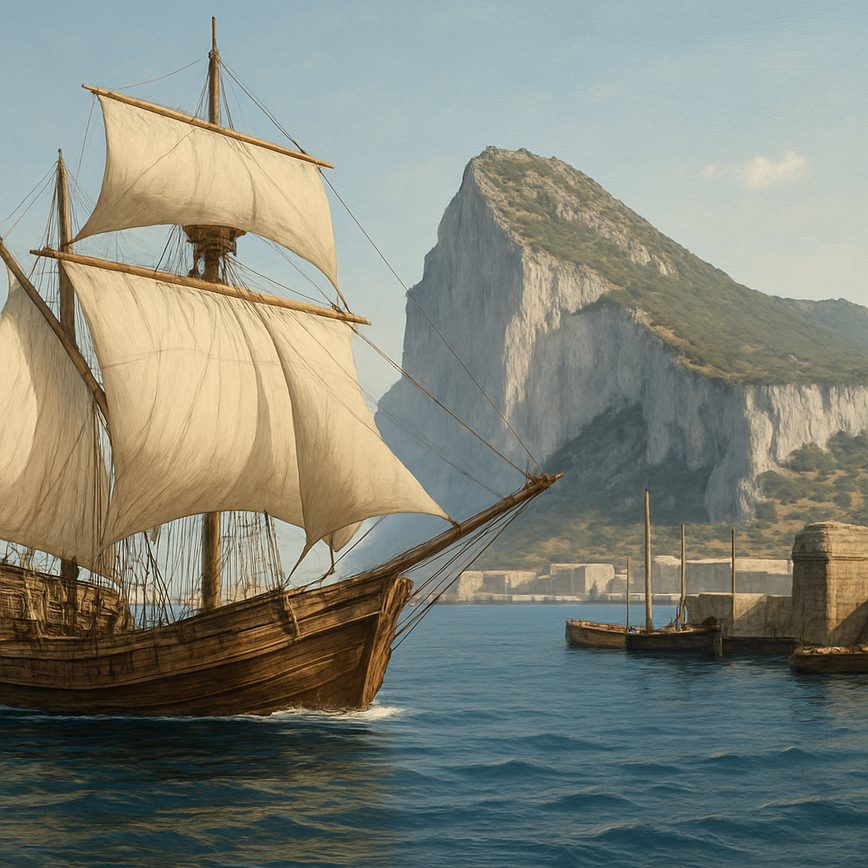
During the late Middle Ages and into the early modern period, Genoa was a powerful maritime republic with extensive commercial networks across the Mediterranean. This maritime prowess encouraged many Genoese families and merchants to establish themselves in key trading hubs. Gibraltar, located at the crossroads of the Mediterranean and the Atlantic, became an attractive destination for these Italian settlers. Their migration was motivated by economic opportunities, especially the thriving trade routes passing through the Strait of Gibraltar.
Historical documents reveal that Genoese settlers began arriving in notable numbers following the capture of Gibraltar by Anglo-Dutch forces in 1704 during the War of Spanish Succession. With the departure of the Spanish population, the British authorities encouraged settlers from other parts of the Mediterranean, especially from Italy and more specifically Genoa, to inhabit and develop the territory. The Genoese community brought with them distinct cultural traits, language, and commercial skills that quickly integrated into Gibraltar’s social fabric.
Migration patterns from Genoa to Gibraltar were shaped by familial ties and established trade connections. Many Genoese families maintained strong links back to their homeland, which facilitated a continuous flow of migration and cultural exchange. These settlers often worked as fishermen, merchants, and artisans, establishing a robust Genoese presence that influenced Gibraltar history profoundly. Over time, the Genoese origins became a source of pride for the community, symbolizing resilience and adaptation in a diverse Mediterranean environment.
In sum, the Genoese community’s settlement in Gibraltar was not a random occurrence but a strategic and economically motivated migration from one of Italy’s most influential maritime cities. Their contributions helped shape Gibraltar’s identity, making the Genoese an integral part of its history and cultural heritage.
Historical Context of Genoese Migration
The Genoese migration to Gibraltar during the 15th century was significantly influenced by broader historical and economic factors that shaped population movements throughout the Mediterranean region. During this period, Genoa emerged as a powerful maritime republic with expansive trade networks spanning the Mediterranean Sea. This dominance in Mediterranean trade was a key driver behind the migration patterns of Genoese people, seeking economic opportunities and strategic footholds in vital trading hubs.
The 15th century was marked by intense competition among maritime powers, and Genoa’s control over crucial sea routes facilitated the movement of people and goods. Gibraltar, situated at the crossroads between the Mediterranean and the Atlantic, became an attractive destination for Genoese merchants and settlers. This population movement was not merely economic but also driven by geopolitical factors, as controlling Gibraltar meant having influence over naval passages and Mediterranean commerce.
Furthermore, during the 15th century, economic fluctuations in Genoa, along with pressures from rival powers such as Aragon and Castile, made migration a viable option for many Genoese seeking stability and growth. The influx of Genoese migrants to Gibraltar contributed to the development of the community, which would later play a crucial role in the social and economic fabric of the region. Thus, the Genoese migration to Gibraltar reflects a combination of strategic economic interests and broader Mediterranean trade dynamics characteristic of the era.
Early Settlement and Integration
The Genoese settlers played a pivotal role in the early history of Gibraltar, arriving during the late 16th and early 17th centuries. These settlers were primarily fishermen, tradesmen, and artisans who sought new opportunities in the strategically located territory. Their arrival marked the beginning of a distinctive community formation that would leave a lasting cultural imprint on Gibraltar.
Upon settling, the Genoese people faced the challenge of adapting to a new environment while preserving their unique customs and language. Despite these challenges, they successfully integrated into Gibraltar society through active participation in local trade, fishing, and communal activities. Their expertise in maritime trades complemented Gibraltar’s growing economic framework, facilitating smoother integration and acceptance among the diverse population.
Community formation among the Genoese settlers was characterized by strong family ties and the establishment of social institutions that reflected their heritage. They built churches, social clubs, and mutual aid societies which served as centers for cultural integration and social support. These institutions helped the Genoese retain their identity while also promoting interaction and cohesion with other ethnic groups in Gibraltar.
Overall, the Genoese settlers’ early experiences in Gibraltar were marked by a balanced blend of adaptation and cultural preservation. Their contributions to the economic and social fabrics of Gibraltar society set a foundation for a unique cultural integration that continues to influence the region’s identity to this day.

I have always been captivated by the unique cultural tapestry of the Rock, particularly how Moorish, Spanish, and British influences shaped its development over centuries. My passion lies in translating these complex historical narratives into engaging educational resources that make Gibraltar’s past accessible to everyone. I spend my free time exploring military fortifications and reading first-hand accounts of life at the Pillar of Hercules.