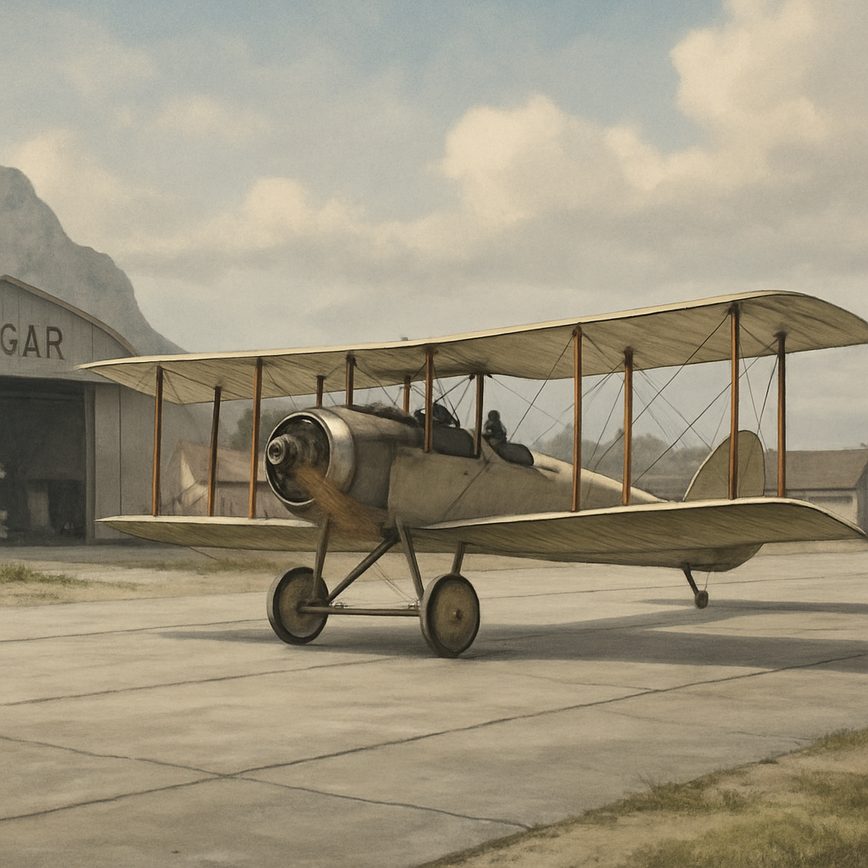
Origins and Early Development of Gibraltar Airfield
The Gibraltar airfield history begins with its initial establishment in the early 20th century, driven by the strategic importance of Gibraltar as a key naval and military outpost. The origins of Gibraltar airfield were closely tied to the military demands of the time, as the location provided a crucial vantage point controlling the entrance to the Mediterranean Sea. This made the airfield an essential asset for protecting the British Empire’s interests and monitoring naval traffic through the Strait of Gibraltar.
The early airfield development focused on creating a functional landing ground for military aircraft, which was quite challenging due to the limited flat terrain available on the Rock of Gibraltar. The initial airstrip was constructed on a narrow isthmus between the Rock and the Bay of Gibraltar, utilizing reclaimed land to maximize usable space. This location was chosen strategically for its proximity to both the naval base and the town, ensuring rapid deployment of aircraft for reconnaissance, defense, and communication purposes.
In its nascent stages, the Gibraltar airfield served multiple early uses, including facilitating the transportation of military personnel, conducting aerial patrols, and acting as a coordinating point for maritime operations. The airfield was pivotal during World War I, where it helped safeguard Allied naval convoys against submarine threats in the Mediterranean. Its continued development was spurred by the increasing role of air power in military strategy, prompting improvements in infrastructure and the extension of runways to accommodate more advanced aircraft.
The strategic reasons for the airfield’s location are deeply entwined with the unique geography of Gibraltar. As a narrow peninsula with limited expansion possibilities, the airfield’s placement on reclaimed land demonstrated resourcefulness in overcoming geographic constraints. Additionally, its position allowed for direct control over the southern entry point to Europe, enabling rapid response capabilities against potential threats from the sea or air. This made the origins of Gibraltar airfield not just a matter of convenience but a critical element in Britain’s defense strategy in the region.
Overall, the early airfield development marked the beginning of Gibraltar’s transformation into a vital military aviation hub. The emphasis on strategic location and the versatile early uses of the airfield underscore its importance in Gibraltar airfield history, laying the foundation for its future role in regional and global military operations.
Strategic Importance Before World War II
Before World War II, the pre-war airfield at Gibraltar held immense strategic importance due to its unique position at the crossroads of Europe and Africa. As a military stronghold, the Gibraltar military airfield served as a crucial point for controlling naval and aerial routes through the Mediterranean. Its location enabled the British to monitor and regulate maritime traffic entering and exiting the Mediterranean Sea, which was vital for maintaining imperial communications and safeguarding shipping lanes.
The airfield not only bolstered Gibraltar’s defense capabilities but also acted as a forward base for reconnaissance and quick deployment of forces. This made it significant in the broader geopolitical context, as control over Gibraltar meant dominance over one of the most critical naval choke points in the world. The military airfield thus contributed to the British Empire’s ability to project power and maintain influence across multiple continents during the turbulent years leading up to the war.
Furthermore, the development of the airfield during the pre-war period underscored the shifting priorities in military strategy, where air power was becoming increasingly important. Gibraltar’s airfield was positioned to support both defensive operations and offensive strategies, reinforcing the territory’s role as a linchpin in the defense of the Western Mediterranean. Hence, the strategic importance of the Gibraltar military airfield before World War II cannot be overstated, as it played a key role in preparing for the conflict and securing British interests in the region.
Construction Challenges and Initial Design
The construction of Gibraltar airfield presented numerous challenges from the outset, primarily due to the territory’s unique geography and limited land availability. Engineers faced the difficult task of building a functional airfield on a narrow isthmus, flanked by sea on both sides, which drastically restricted the space for runway layout and expansion. This made the early airfield construction efforts particularly complex as they had to maximize utility while contending with natural obstacles.
One of the key early design challenges was ensuring the stability and durability of the runway amidst the harsh marine environment. Saltwater corrosion and strong winds demanded innovative materials and construction techniques to maintain the runway’s integrity. Additionally, engineers had to design a runway that could accommodate both military and civilian aircraft, which necessitated versatile and resilient structural solutions.
To overcome these hurdles, the Gibraltar runway design incorporated a mixture of reclaimed land and cutting into the existing terrain to extend the available flat area. This approach allowed the creation of a longer and safer runway while still respecting the geographic constraints. Advanced drainage systems and reinforced concrete surfaces were also implemented to ensure operational resilience under demanding conditions.
Overall, the construction challenges of the Gibraltar airfield spurred innovative design solutions that balanced practicality with the unique environmental demands of the region, resulting in an airfield that has served both military and commercial aviation effectively for decades.
Role of Gibraltar Airfield During World War II
During World War II, the Gibraltar airfield played a crucial strategic role in the Allied military operations Gibraltar. Its unique geographical position at the gateway between the Atlantic Ocean and the Mediterranean Sea made it an indispensable asset for wartime efforts. The airfield was pivotal in launching and supporting numerous strategic missions that aimed to control sea routes, gather intelligence, and defend against Axis threats.
Throughout the conflict, the airfield wartime usage expanded significantly. Initially a small installation, it was rapidly developed to accommodate a variety of aircraft, including fighters, bombers, and reconnaissance planes. This growth enabled Gibraltar to become a key air defense hub, protecting both naval convoys and land forces in the region. The airfield served as a base for patrols that monitored enemy movements and provided escort protection, thus preventing Axis ships and submarines from gaining control of critical maritime passages.
Military operations Gibraltar relied heavily on airfield capabilities for quick response and coordination. The strategic missions launched from Gibraltar included bombing runs, air reconnaissance, and support for ground and naval units during combined operations. The airfield’s fortified defenses and constant readiness allowed Allied forces to maintain a stronghold in the region despite persistent enemy threats. It also functioned as a vital refueling and repair point for aircraft transiting between Europe, North Africa, and beyond.
Furthermore, the airfield’s role in WWII Gibraltar airfield operations was not limited to offensive missions but also included vital defensive duties. Anti-aircraft artillery and radar installations protected the airfield from air raids, while strict operational security measures ensured that the airfield remained a secure base of operations. This comprehensive defense system was critical in maintaining uninterrupted air support, helping the Allies sustain their strategic advantage throughout the war.
In summary, the airfield wartime usage at Gibraltar during WWII was integral to the success of military operations Gibraltar. Its strategic location, operational versatility, and robust defenses underscored its importance as a linchpin in the Allied campaign across the Mediterranean theater. The legacy of Gibraltar airfield’s role during this period remains a testament to its crucial contribution to wartime efforts and regional security.
Military Aviation and Key Operations
Military aviation in Gibraltar played a crucial role during World War II, serving as a strategic hub for Allied air operations. The airfield was vital for controlling access to the Mediterranean Sea and supporting naval and ground forces. Gibraltar’s unique position allowed it to be a launch point for numerous air missions Gibraltar, targeting enemy ships and submarines attempting to disrupt Allied supply lines.
Throughout WWII operations, the airfield was fortified with advanced radar and anti-aircraft defenses, enhancing its ability to detect and respond to Axis threats. It hosted a variety of aircraft, including fighters, bombers, and reconnaissance planes, which conducted patrols and escort missions. These operations were critical in maintaining air superiority and securing the vital naval routes around the Strait of Gibraltar.
Significant air missions Gibraltar included attacks on enemy convoys and support for amphibious landings in North Africa. The airfield also functioned as an emergency landing site for damaged planes and a training ground for aircrews preparing for combat. The concentration of military aviation Gibraltar at this site underscored its importance as a key operational base during the war, contributing significantly to the Allied victory in the Mediterranean theater.
Impact on Local Community and Infrastructure
The wartime use of the Gibraltar airfield had a significant local impact, reshaping both the community and the surrounding infrastructure in profound ways. As the airfield became a strategic military hub, the influx of personnel and equipment demanded rapid expansion and modernization of local services and facilities. This transformation brought about considerable changes in the daily lives of Gibraltar’s residents, who found themselves at the intersection of global conflict and local reality.
One of the most noticeable effects on the community was the increased interaction with Allied forces, which introduced new cultural influences and economic opportunities. Many locals found employment related directly to the airfield infrastructure, from construction and maintenance to logistical support. The airfield’s operational needs spurred the development of roads, communication systems, and housing projects, fundamentally altering the physical landscape around Gibraltar.
The expansion of airfield infrastructure also necessitated improvements in utilities such as water and electricity supply, which benefited the broader community. However, the intense military focus often curtailed civilian movements and imposed restrictions, creating a complex dynamic where local residents balanced the benefits of economic activity against the disruptions of war. Despite these challenges, the airfield’s presence accelerated modernization efforts that had lasting impacts beyond the war years.
In summary, the community effects Gibraltar airfield experienced during wartime were multifaceted. The local impact extended beyond immediate military needs, fostering infrastructural growth and socio-economic changes that shaped Gibraltar’s post-war development trajectory.
Post-War Development and Modernization
Following the end of World War II, the Gibraltar airfield underwent significant transformation, marking a new chapter in its history. The post-war airfield was no longer solely a military stronghold; it began evolving to meet the increasing demands of civil aviation. This period of Gibraltar airfield modernization was driven by advances in aviation technology and the strategic importance of connecting Gibraltar to wider international air routes.
One of the first major steps in the modernization process was upgrading the airfield’s infrastructure. The runway was extended and strengthened to accommodate larger, more modern aircraft that had emerged after the war. Facilities such as air traffic control towers and hangars were also improved to enhance operational efficiency and safety standards. These efforts were crucial in transitioning Gibraltar from a predominantly military airbase to a versatile airfield capable of supporting both military and civilian aviation activities.
Integration of civil aviation became a central focus during this post-war development phase. The airfield started welcoming commercial flights, connecting Gibraltar with key destinations in the United Kingdom and across Europe. This integration not only facilitated tourism and commerce but also played a role in supporting the local economy by improving accessibility. As civil aviation Gibraltar expanded, the airfield adapted by adding passenger terminals and upgrading navigational aids to meet the expectations of commercial aviation operators.
The modernization efforts also included advances in ground support services and safety regulations. Firefighting capabilities were enhanced and new communication systems were introduced to ensure reliable and secure operations. Gibraltar’s unique geographic and political position made these improvements vital for maintaining the airfield’s status as a dependable hub for both military and civil aviation.
Today, the Gibraltar airfield stands as a testament to successful post-war redevelopment, balancing its historical military significance with its modern role as an international gateway. The continuous investment in infrastructure and technology ensures it remains capable of handling contemporary air traffic demands while contributing to the region’s connectivity and growth.
Transition to Civilian Use and Commercial Flights
The transition of Gibraltar airfield from a strictly military installation to a hub for civil aviation Gibraltar marked a significant turning point in its history. As military demands lessened in the post-war era, efforts were made to repurpose the airfield to serve commercial interests. This shift was driven by the growing need to connect Gibraltar with other regions through regular air services accessible to civilians.
Initiatives to modernize the airport were critical during this transition. Airport modernization efforts included upgrading runways, enhancing passenger facilities, and ensuring compliance with civil aviation standards. These improvements laid the foundation for the safe operation of commercial flights, facilitating the smooth handling of both passengers and cargo. The infrastructure changes not only reflected global aviation trends but also underscored Gibraltar’s strategic importance as a gateway between Europe and Africa.
With the establishment of commercial flights, Gibraltar’s connectivity improved dramatically. Airlines began to operate scheduled services, providing residents and visitors with reliable air travel options. The introduction of civil aviation Gibraltar contributed not only to the region’s economic growth but also to its cultural exchange and tourism. This transition highlighted the adaptability of the airfield, evolving from a wartime asset to a civilian transportation hub integral to Gibraltar’s modern identity.
Current Role and Strategic Importance
The current role of the Gibraltar airfield extends well beyond its original wartime purposes, now serving as a vital hub for both military and commercial activities. Strategically positioned at the southern tip of the Iberian Peninsula, the airfield plays a critical role in monitoring and controlling maritime traffic through the crucial Strait of Gibraltar, one of the world’s most important naval chokepoints.
From a military standpoint, the airfield remains an essential asset for British and allied defense operations. It supports a range of military aircraft operations, providing rapid deployment capabilities and surveillance functions that bolster regional security. The airfield’s proximity to North Africa and Southern Europe enhances its strategic importance, enabling it to act as a forward operating base in response to evolving geopolitical developments.
Commercially, the modern Gibraltar airport has evolved to accommodate increasing passenger and cargo traffic, blending its strategic military purpose with growing economic needs. As tourism in Gibraltar expands, the airfield facilitates international connectivity, promoting the territory’s economic development. Its unique location and the ability to handle both civilian and military operations give it a distinct competitive advantage in the region.
In summary, the current airfield role in Gibraltar is multifaceted—supporting strategic military defense and maritime security while fostering commercial growth through its modern airport facilities. This combination ensures its continued significance both regionally and globally as a key aviation asset.

I have always been captivated by the unique cultural tapestry of the Rock, particularly how Moorish, Spanish, and British influences shaped its development over centuries. My passion lies in translating these complex historical narratives into engaging educational resources that make Gibraltar’s past accessible to everyone. I spend my free time exploring military fortifications and reading first-hand accounts of life at the Pillar of Hercules.