Origins of Broadcasting in Gibraltar
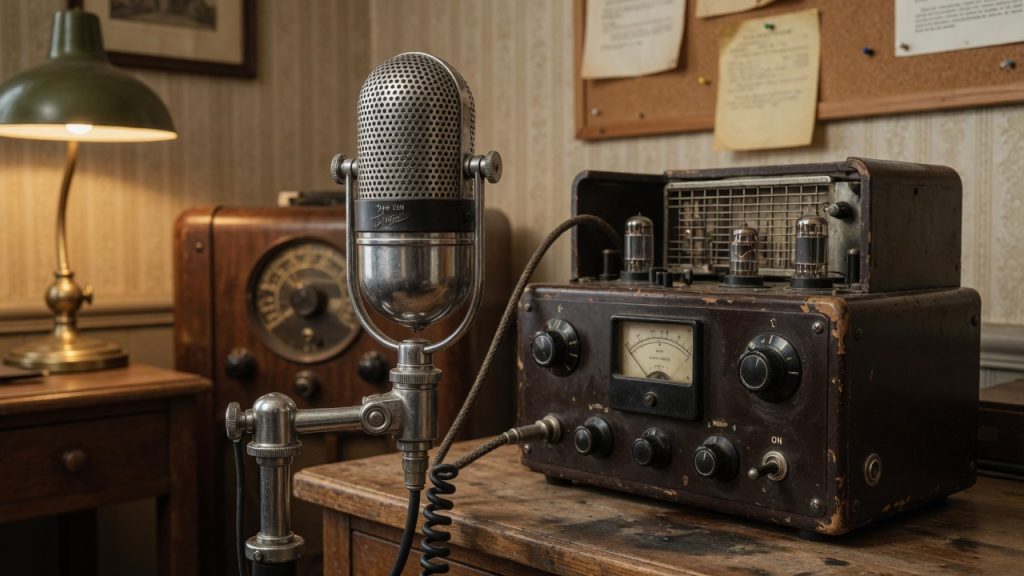
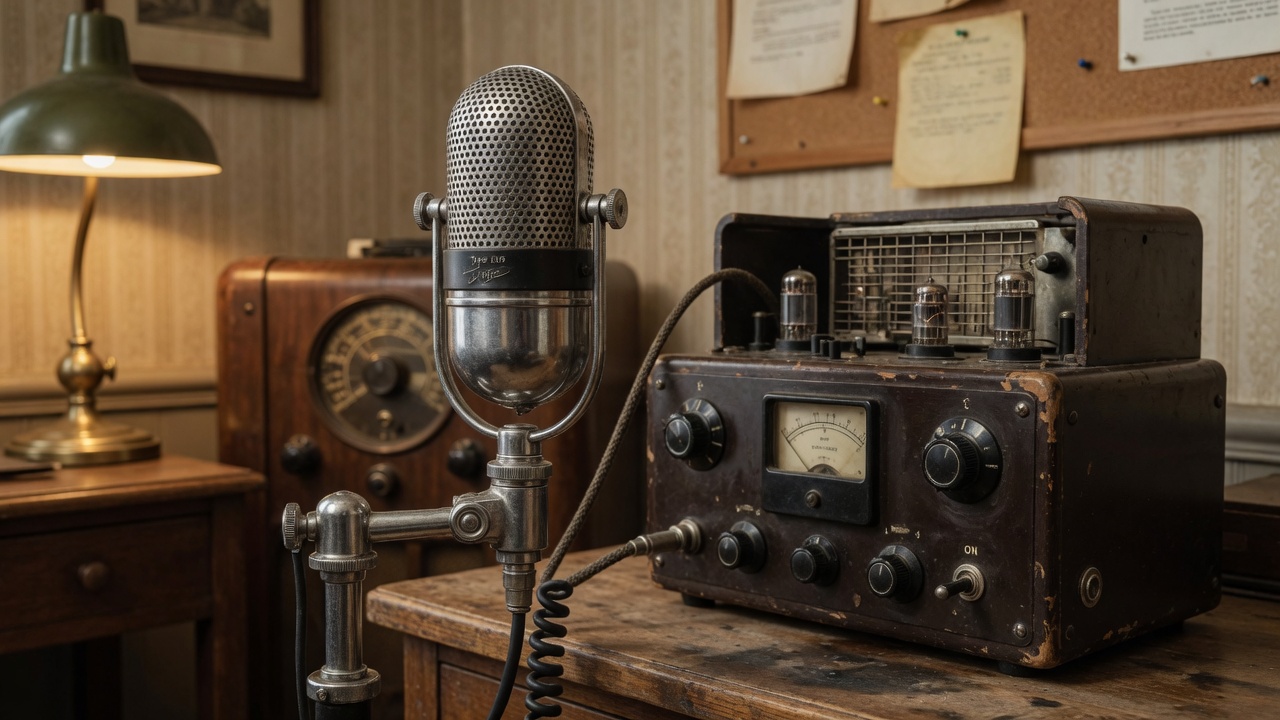
The Gibraltar broadcasting history dates back to the early 20th century, a time when radio technology was beginning to influence communication worldwide. Gibraltar, with its strategic position at the entrance to the Mediterranean Sea, quickly recognized the importance of embracing this new form of communication. The early radio Gibraltar broadcasts emerged as a vital tool not just for entertainment but also for military and maritime communications, reflecting the unique geopolitical significance of the territory.
The broadcast origins in Gibraltar are closely tied to the pioneering days of wireless communication. The first radio transmissions in Gibraltar were primarily experimental, conducted by amateur radio enthusiasts and the British military, who valued radio’s potential for both naval coordination and civil defense. These early broadcasts laid the foundation for more structured and regular programming that would follow.
In the initial years, the broadcasts were modest in scope, often limited to weather reports, news, and announcements crucial to the local population and the many servicemen stationed there. However, these transmissions marked a significant step forward in connecting Gibraltar with the broader world and fostering a shared sense of community. The power of radio as a medium for real-time communication became evident, influencing Gibraltar’s social fabric and its interaction with the outside world.
Technological advances soon allowed for the establishment of permanent radio stations in Gibraltar. These stations were equipped to broadcast a range of content, from music and cultural programs to educational material and public safety information. The growth of broadcasting services reinforced Gibraltar’s strategic importance and contributed to the global history of radio as it adapted to local needs.
Thus, the origins of broadcasting in Gibraltar reflect an era of innovation and adaptation, where early radio Gibraltar played a crucial role in the community’s daily life. The initial broadcasts set a precedent for the development of modern communication infrastructures, making the history of broadcasting in Gibraltar a fascinating chapter of technological and cultural evolution.
First Radio Transmissions
The history of radio transmission in Gibraltar dates back to the early 20th century, marking a significant milestone in the region’s communication capabilities. The first broadcasts in Gibraltar were established around the 1920s, during a period when radio technology was rapidly evolving across the globe. These early transmissions were groundbreaking as they introduced a new era of mass communication to Gibraltar, connecting the territory with the wider world.
The initial radio transmissions in Gibraltar relied on analog technology, utilizing amplitude modulation (AM) to broadcast audio signals over the airwaves. This technology involved the transmission of radio waves with varying amplitudes to carry sound information. Early radio equipment comprised large transmitters, cumbersome receivers, and manually operated controls, demanding skilled technicians to maintain and operate the systems effectively.
Historic radio broadcasts played a crucial role in disseminating news, music, and cultural programming to the residents of Gibraltar. The radio stations used strategically placed antennas and transmitters to maximize the reach of the broadcast signals, enabling effective communication within the territory and to neighboring regions. These pioneering efforts laid the foundation for modern broadcasting in Gibraltar, showcasing the importance of radio transmission as a communication medium during its formative years.
Impact of World War II on Broadcasting
World War II marked a pivotal era for broadcasting in Gibraltar, greatly accelerating the development and strategic use of radio communications. The outbreak of the war underscored the critical importance of reliable wartime communication, making broadcasting an essential tool for both military coordination and civilian information dissemination. Gibraltar, with its strategic location at the entrance to the Mediterranean, became a significant hub for WWII broadcasting efforts, often referred to as the Gibraltar radio war.
The conflict necessitated enhancements in radio technology and infrastructure within Gibraltar, enabling the transmission of critical updates, news, and propaganda. British authorities utilized broadcasting not only to maintain morale among the local population and stationed troops but also to counter Axis propaganda by delivering targeted messages that reinforced Allied resolve and unity. This wartime communication strategy proved vital in sustaining public support and ensuring operational security.
Moreover, the experience gained during WWII laid foundational advancements for post-war broadcasting in Gibraltar, accelerating the region’s transition from mere military transmissions to a more organized and civilian-oriented radio service. The war underscored broadcasting’s power as a tool for influence, information, and resilience, illustrating how the medium could be mobilized effectively in times of crisis and thereby shaping Gibraltar’s enduring broadcasting legacy.
Development of Modern Broadcasting Services
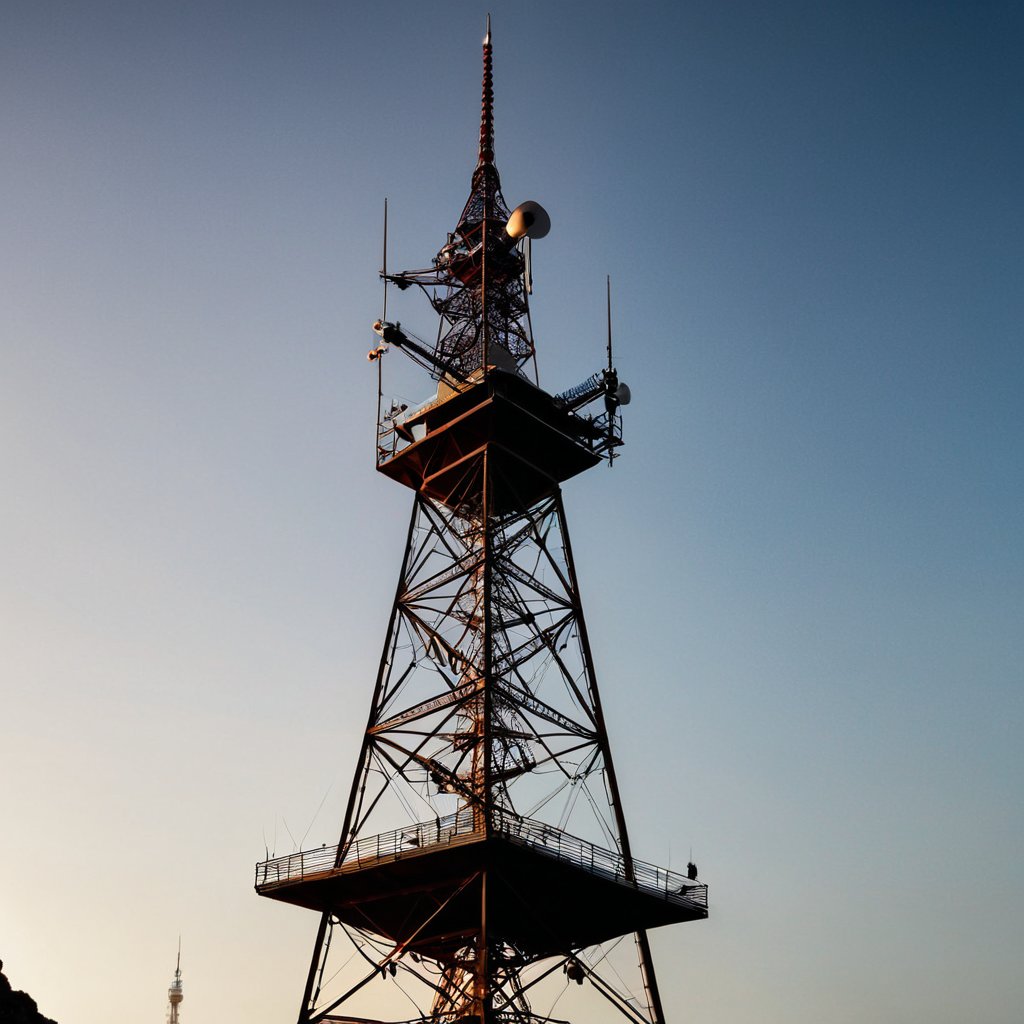
The evolution of modern broadcasting in Gibraltar reflects a journey from humble beginnings to sophisticated media networks. Early broadcasting efforts, primarily focused on radio, laid the foundation for what would later become a multi-faceted broadcast landscape in this British Overseas Territory. Initial broadcasts were characterized by limited technology and reach, but they played a crucial role in connecting the local community and providing a medium for news, entertainment, and cultural expression.
As technology advanced globally, Gibraltar embraced innovations that transformed its broadcasting capabilities. The transition from AM and FM radio to digital formats broadened the spectrum and quality of radio services available to the public. This period witnessed the upgrading of infrastructure and the introduction of new content providers, bringing a richer and more varied listening experience to audiences across Gibraltar.
Parallel to the development of radio, the emergence of modern television services marked a significant milestone in Gibraltar’s broadcast evolution. Television started as a minimal service with limited channels and coverage but quickly expanded in response to growing demand. Today, TV services in Gibraltar include a diverse selection of local and international channels, delivered through digital platforms that ensure high-definition quality and accessibility.
Modern broadcasting in Gibraltar now integrates both TV and radio services seamlessly, supported by state-of-the-art technology and regulatory frameworks designed to foster competitive and dynamic media environments. The emphasis on digital transmission and online streaming platforms has further enhanced content delivery, enabling audiences to access programming anytime and anywhere, effectively bridging traditional and new media landscapes.
Overall, the broadcast evolution in Gibraltar showcases a resilient adaptation to changing technologies and audience needs. From early radio transmissions to contemporary digital TV and radio services, the progression underscores the territory’s commitment to maintaining a vibrant media presence that informs, entertains, and unites its population under the banner of modern broadcasting Gibraltar.
Introduction of Television
The introduction of television broadcasting marked a significant milestone in Gibraltar television history. This transformative event commenced in the mid-20th century, reshaping the way information and entertainment were consumed across the territory. The first official broadcasts in Gibraltar began around the 1950s, during a period when television was gaining widespread popularity worldwide. This timing aligned Gibraltar with broader global advancements in broadcast technology and media accessibility.
The arrival of television brought new opportunities for cultural expression and information dissemination. It bridged communities, offering shared experiences through news, sports, and entertainment programming. The TV introduction was not merely about entertainment; it played a crucial role in educating the public and enhancing awareness on local, national, and international matters. With television, Gibraltar could document and broadcast its unique history and evolving identity more vividly than ever before.
Broadcast milestones in Gibraltar television history include the gradual transition from black-and-white to color transmissions, expansion of local programming, and integration of modern broadcasting technologies. These developments reflected the territory’s commitment to keeping pace with media innovations while preserving its cultural heritage. The legacy of TV introduction continues to influence Gibraltar’s media landscape, underscoring the enduring importance of television as a powerful communication tool.
Expansion of Radio Stations
The radio landscape in Gibraltar has experienced significant growth and diversification over the years, marked by the expansion of both public and private radio stations. As radio stations Gibraltar evolved, the introduction of various FM and AM radio services played a crucial role in broadening the listening options available to the community. This broadcast expansion allowed for a more dynamic and competitive media environment, facilitating a richer cultural and informational exchange.
Historically dominated by a few key broadcasters, the territory has seen a surge of new entrants, each carving a niche through specialized content ranging from music and news to sports and cultural programming. Public radio stations have focused on inclusive, community-centered content, providing news updates and cultural programming that reflect Gibraltar’s unique heritage. Meanwhile, private broadcasters have introduced diverse formats, appealing to younger and more varied audiences with contemporary music and talk shows.
The growth of FM and AM radio frequencies has been instrumental in this broadcast expansion, ensuring stronger signal reach and clearer audio quality across Gibraltar. These technological advances have enabled stations to expand their coverage area, reaching listeners in all parts of the territory as well as cross-border audiences. This has fostered increased listener engagement and has allowed radio stations Gibraltar to thrive as an essential medium for communication and entertainment in the region.
Current State and Future of Broadcasting in Gibraltar
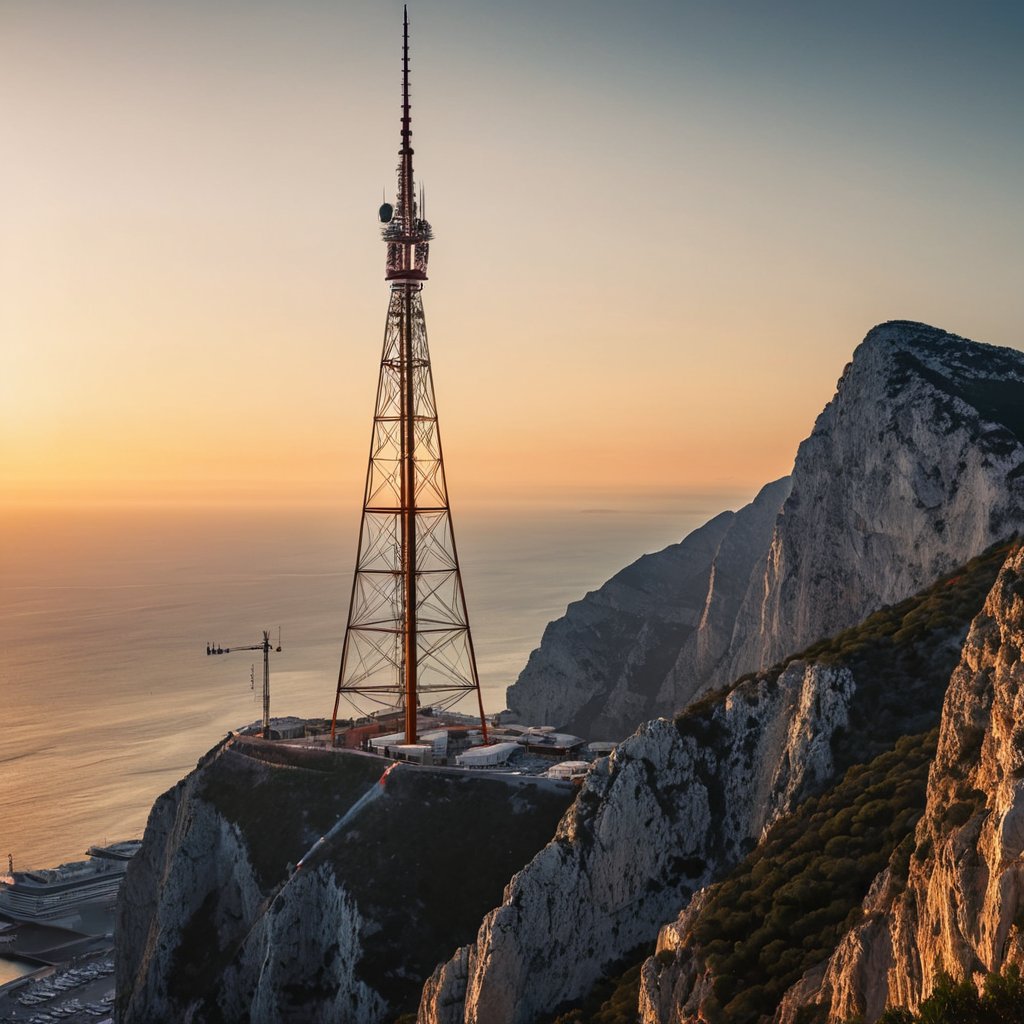
The current broadcasting landscape in Gibraltar reflects a blend of traditional media and modern technological advancements. Local broadcasters continue to provide television and radio services that cater to the unique cultural and linguistic needs of the community. With a focus on both English and Llanito, Gibraltar’s distinctive vernacular, broadcasters strive to maintain a balance between preserving local heritage and embracing broader technological developments. The current broadcasting Gibraltar scene is supported by robust infrastructure, including digital and satellite platforms, which ensure wide accessibility and high-quality transmission for residents.
In terms of media technology Gibraltar has embraced digital transformation, enabling broadcasters to expand their reach through online streaming and on-demand content. This shift has opened up new opportunities for engagement, allowing audiences to access programming anytime and anywhere. Local broadcasters are increasingly investing in interactive platforms and social media integration to create more personalized and engaging viewer experiences. This has not only enhanced audience engagement but also attracted younger demographics who consume media primarily through mobile devices and internet services.
Looking ahead, future broadcasting trends point toward further convergence of broadcasting and digital media. Developments in artificial intelligence and data analytics are expected to play a significant role in tailoring content to viewer preferences. Virtual reality (VR) and augmented reality (AR) technologies may also become key components in broadcasting, offering immersive experiences that go beyond traditional viewing. Moreover, 5G connectivity promises faster and more reliable media delivery, enabling innovative formats such as live interactive broadcasts and seamless multi-platform streaming.
From a policy and regulatory perspective, Gibraltar is poised to continue supporting advancements in media technology while ensuring content diversity and freedom of expression. Collaborations between government, broadcasters, and technology providers will be crucial to fostering an environment conducive to innovation. Overall, the future of broadcasting in Gibraltar looks dynamic, driven by a commitment to integrating cutting-edge technology with local cultural preservation to meet the evolving needs of its audience.
Digital and Online Broadcasting
The advent of digital broadcasting in Gibraltar has revolutionized the media landscape, offering unprecedented access and variety for audiences. Digital broadcasting Gibraltar has allowed traditional radio and television stations to expand their reach and improve sound and picture quality, creating a more engaging experience for viewers and listeners. This shift has paved the way for the rapid integration of online media platforms into Gibraltar’s broadcasting environment.
Online media has emerged as a significant force, providing residents with diverse content that spans news, entertainment, and cultural programming accessible anytime and anywhere. The rise of internet radio Gibraltar is a testament to the growing preference for digital alternatives, allowing local broadcasters to cater to niche audiences while maintaining a strong connection with the community. Internet radio channels stream live programs and offer on-demand content, making it easier for listeners to stay informed and entertained.
Moreover, digital and online platforms have enhanced interactive possibilities, enabling real-time audience engagement through social media and streaming services. This transformation has not only expanded content accessibility but also fostered a more dynamic and participatory media environment within Gibraltar. As broadband and mobile internet penetration increase, digital broadcasting and online media will continue to play a crucial role in shaping the future of Gibraltar’s media ecosystem.
Challenges and Opportunities Ahead
The broadcasting sector in Gibraltar stands at a crossroads, facing both significant challenges and promising opportunities. One of the foremost broadcasting challenges is adapting to rapid technological advancements and shifting consumer preferences. With the rise of digital platforms and on-demand content, traditional broadcasters must innovate to remain relevant and competitive. This transition requires investment in infrastructure and skills development to fully leverage new technologies such as streaming and interactive media.
Moreover, Gibraltar’s unique geopolitical context adds complexity to its media landscape. Regulatory changes, cross-border content rights, and the need to preserve local identity while appealing to a broader audience are ongoing challenges. However, these challenges also open doors for fresh content creation that emphasizes Gibraltar’s distinctive culture and history, potentially attracting a global audience interested in niche programming.
On the side of media opportunities in Gibraltar, the growing demand for localized, authentic content creates a niche for regional producers and broadcasters. Collaborations with international partners can bring in new formats and funding, enriching the local media ecosystem. Additionally, emerging advertising models on digital platforms offer broadcasters new revenue streams, essential for sustainable growth.
Looking ahead, Gibraltar’s broadcast future depends on balancing tradition with innovation, embracing digital transformation, and fostering an inclusive media environment. By addressing these broadcasting challenges proactively and capitalizing on emerging media opportunities, Gibraltar can position itself as a vibrant hub for media and culture in the region.

I have always been captivated by the unique cultural tapestry of the Rock, particularly how Moorish, Spanish, and British influences shaped its development over centuries. My passion lies in translating these complex historical narratives into engaging educational resources that make Gibraltar’s past accessible to everyone. I spend my free time exploring military fortifications and reading first-hand accounts of life at the Pillar of Hercules.