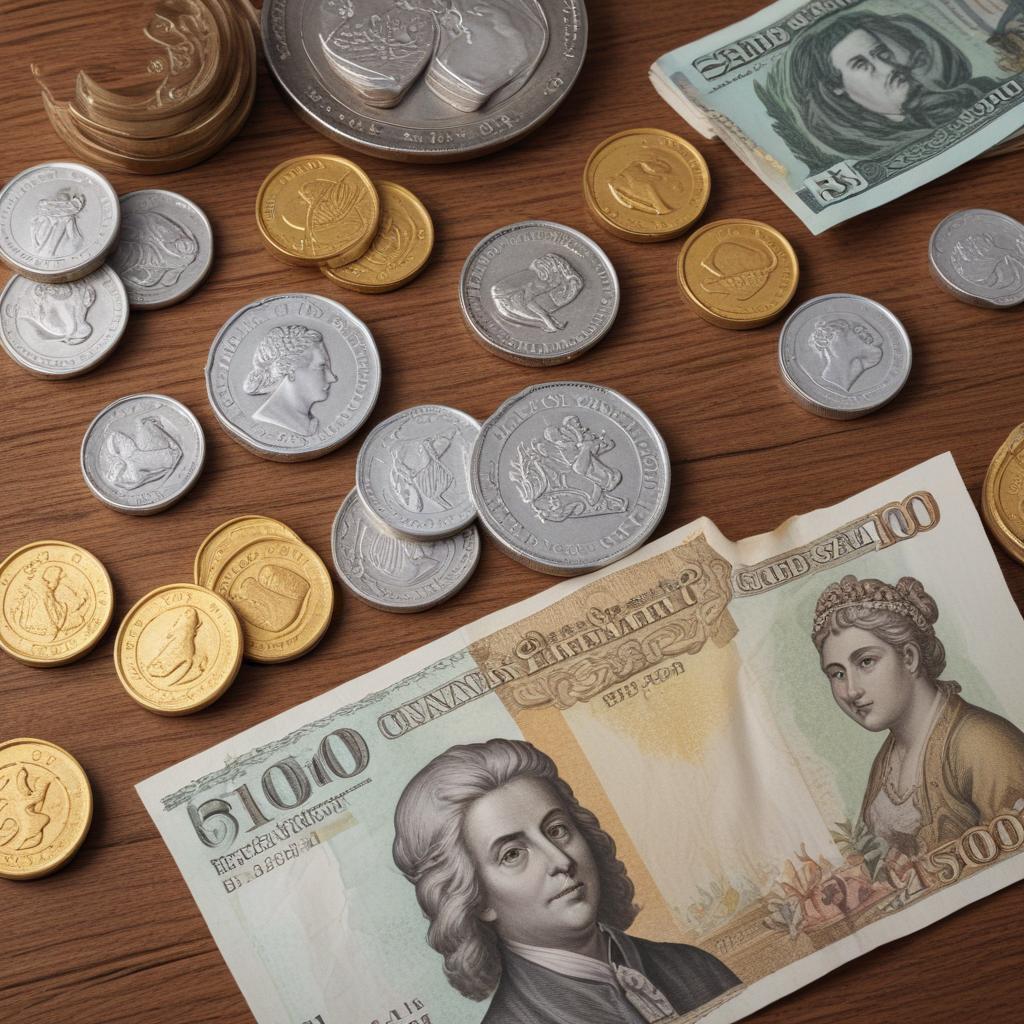
Historical Overview of Gibraltar’s Currency
The history of Gibraltar currency history reflects a fascinating journey shaped by various cultural and political influences over the centuries. Situated at a strategic point between Europe and Africa, Gibraltar has experienced a unique monetary evolution that mirrors its complex history. From early barter systems to the adoption of modern currency, the historical currencies of Gibraltar offer insight into the area’s economic and social transformations.
In the earliest periods, before any official currency system was established, trade in Gibraltar was largely conducted through barter and the use of foreign coins, reflecting its position as a crossroads of civilizations. The monetary evolution of Gibraltar began in earnest after the British took control of the territory in 1704, marking a significant turning point in its currency history. Initially, the region used Spanish reales and other Spanish coins due to close proximity and strong economic ties with Spain.
By the early 19th century, the British influence became more pronounced with the introduction of British currency alongside Spanish coins. This dual currency usage was a key characteristic of Gibraltar’s monetary landscape. The coexistence of these currencies was practical, given the extensive trade links Gibraltar maintained with both Britain and Spain, and it also reflected the gradual integration of Gibraltar into the British economic system.
The late 19th and early 20th centuries saw a more formalized approach to currency in Gibraltar. In 1898, the Government of Gibraltar began issuing its own banknotes and coins, distinct but closely linked to the British pound. This was a critical development in the Gibraltar monetary evolution, giving the territory a unique monetary identity while maintaining stability through ties to the British currency standard. This shift marked the beginning of modern historical currencies Gibraltar would recognize as emblematic of their economic autonomy.
Throughout the 20th century, Gibraltar currency history continued to evolve with the territory issuing its own pound sterling notes and coins, officially pegged to the British pound at par. This linkage provided economic stability and maintained Gibraltar’s importance as a financial hub. The historical currencies of Gibraltar – now primarily the Gibraltar pound – symbolize a blend of local pride and historical connection to Britain, embodying centuries of monetary shifts influenced by geopolitical changes, trade demands, and sovereignty concerns.
In conclusion, the Gibraltar currency history is marked by a rich monetary evolution from early foreign coin circulation and barter to the introduction of British currency and ultimately Gibraltar’s own distinctive notes and coins. This evolution highlights the territory’s strategic significance and its adaptive economic policies, which continue to shape its financial identity to this day.
Early Currency and Coinage
The early Gibraltar currency system reflects its rich and diverse history, predating British control with notable Spanish and Moorish influences. Before Gibraltar became a British territory, the region’s commerce relied on a variety of coins and money forms used by its inhabitants and trading partners. Early Gibraltar currency was deeply intertwined with the broader monetary practices of the Iberian Peninsula and North Africa, making it a fascinating subject for historical study.
During the Moorish period, which lasted from the early 8th century until the late 15th century, the currency in use was largely influenced by the Islamic Caliphates. Copper and silver coins, often inscribed with Arabic calligraphy and Islamic motifs, were common. These coins served as the ancient money Gibraltar used in daily transactions and trade, reflecting the prosperous Moorish economy and its extensive trade networks.
Following the Reconquista and the rise of Spanish control, the currency in Gibraltar shifted to reflect Spanish monetary practices. Historical coins Gibraltar from this time include maravedís and reales, which were widely circulated across Spain’s territories. These coins bore the marks of Spanish monarchs and symbols and played a crucial role in local commerce, linking Gibraltar to the economic systems of mainland Spain.
Thus, the early Gibraltar currency tells a story of cultural exchange and economic adaptation, with its early Gibraltar currency system blending Moorish coinage and Spanish monetary traditions. This mix of historical coins Gibraltar exemplifies the area’s strategic and commercial importance long before British rule.
Transition to British Currency
The transition to British currency in Gibraltar marked a significant shift in the territory’s monetary history. During the 18th and 19th centuries, Gibraltar was under British control, which led to profound changes in its economic and financial systems. Initially, Spanish currency was widely used in Gibraltar due to its geographic proximity to Spain and historical ties. However, as British influence grew stronger, there was a gradual move to replace Spanish money with British currency Gibraltar residents became more accustomed to.
The most notable period of currency transition Gibraltar experienced was in the early 19th century when the British authorities decided to officially introduce the British pound as the standard currency. This change was driven by practical needs to simplify trade and financial administration between Gibraltar and Britain. The transition was carefully managed to minimize disruption, allowing both Spanish and British currencies to circulate during the adjustment period.
Eventually, the introduction of the Gibraltar pound further solidified the British influence Gibraltar money. The Gibraltar pound, pegged to the British pound sterling, became the official currency of the territory, symbolizing Gibraltar’s political and economic ties to Britain. This local currency is still used today alongside the British pound sterling, underscoring the lasting impact of the currency transition Gibraltar underwent in its history.
The Gibraltar Pound and Its Usage
The Gibraltar pound is the official currency of Gibraltar and plays a crucial role in the financial and daily life of the territory. It is unique in that it is pegged at par with the British pound sterling (GBP), meaning one Gibraltar pound is always equal in value to one British pound. This peg provides stability and confidence in the currency, making it a trusted medium of exchange both locally and in trade relations.
The physical appearance of the Gibraltar pound includes distinct banknotes and coins that feature iconic symbols and images representing Gibraltar’s rich heritage. While the Gibraltar pound is legal tender within the territory, British pounds are also widely accepted, further illustrating the close financial ties between Gibraltar and the United Kingdom. However, Gibraltar currency use is primarily dominated by the Gibraltar pound, especially in local businesses, government transactions, and everyday purchases.
In everyday life, the Gibraltar pound is used for everything from shopping and dining to paying for public services and utilities. Its availability and acceptance ensure that residents and visitors alike experience seamless economic interactions. Retailers, restaurants, and service providers all handle transactions in Gibraltar pounds, contributing to a vibrant and stable economic environment.
Trade in Gibraltar also benefits from the stability the Gibraltar pound provides. Because it is pegged to the British pound, businesses engaged in import-export activities enjoy reduced currency exchange risk, fostering smoother commercial agreements. The currency also facilitates tourism, as tourists from the UK and elsewhere find it convenient to use a currency closely linked to their own.
Overall, the current money Gibraltar uses—the Gibraltar pound—represents not only a practical tool for commerce and daily use but also a symbol of Gibraltar’s unique identity and economic sovereignty. Its fixed exchange rate with the British pound assures stability, while its local issuance underscores Gibraltar’s autonomy in monetary matters. This duality makes the Gibraltar pound both a functional currency and a cultural emblem.
Design and Issuance of Gibraltar Banknotes and Coins
Gibraltar banknotes and coins are distinctive representations of the territory’s rich cultural heritage and political identity. The design elements often include images of the iconic Rock of Gibraltar, the effigy of the reigning British monarch, and various heraldic symbols reflecting Gibraltar’s unique status as a British Overseas Territory. This characteristic design sets Gibraltar currency apart from others, emphasizing both its local significance and British ties.
The denominations of Gibraltar banknotes typically range from £5 to £50, while Gibraltar coins are minted in popular denominations such as 1p, 2p, 5p, 10p, 20p, 50p, £1, and £2. Each coin and banknote’s design is carefully crafted to maintain consistency while highlighting different historical and cultural themes relevant to Gibraltar. Special commemorative coins are also issued occasionally, celebrating significant events or anniversaries tied to the territory.
The issuing authority responsible for Gibraltar’s banknotes and coins is the Government of Gibraltar. The Treasury works in conjunction with the Royal Mint in the United Kingdom for the production and distribution of the currency. This collaborative process ensures the currency meets high standards of quality and security, helping to protect against counterfeiting while preserving the distinct identity of Gibraltar coins and banknotes. Overall, the currency design Gibraltar embodies is a blend of tradition, authority, and local pride.
Legal Status and International Acceptance
The Gibraltar pound holds a unique legal currency status within Gibraltar. It is the official currency authorized by the Government of Gibraltar and is pegged at par with the British pound sterling. This ensures a stable monetary foundation for the territory. Legally, the Gibraltar pound is issued under the aegis of the Government of Gibraltar and enjoys full recognition within the region, making it the legal currency Gibraltar businesses and citizens rely on for everyday transactions.
Currency acceptance Gibraltar-wide is comprehensive, with the Gibraltar pound being accepted everywhere from retail stores to government offices. Although it resembles the British pound in value, Gibraltar issues its own distinct banknotes and coins, which are legal tender solely within Gibraltar. Outside Gibraltar, acceptance of the Gibraltar pound becomes more limited. In many cases, shops and businesses in neighboring Spain or international markets may not recognize it officially, despite its equal value with the pound sterling.
International use of the Gibraltar pound is primarily limited and typically faces restrictions outside Gibraltar and the United Kingdom. While the Gibraltar pound is interchangeable with the British pound sterling, it is not generally circulated freely outside Gibraltar. Visitors often need to exchange Gibraltar pounds for other currencies once they leave the territory. Nonetheless, the currency’s close alignment with the pound sterling facilitates its practical acceptance and provides economic confidence both at home and to international partners dealing with Gibraltar.

I have always been captivated by the unique cultural tapestry of the Rock, particularly how Moorish, Spanish, and British influences shaped its development over centuries. My passion lies in translating these complex historical narratives into engaging educational resources that make Gibraltar’s past accessible to everyone. I spend my free time exploring military fortifications and reading first-hand accounts of life at the Pillar of Hercules.