Strategic Importance of Gibraltar in World War II
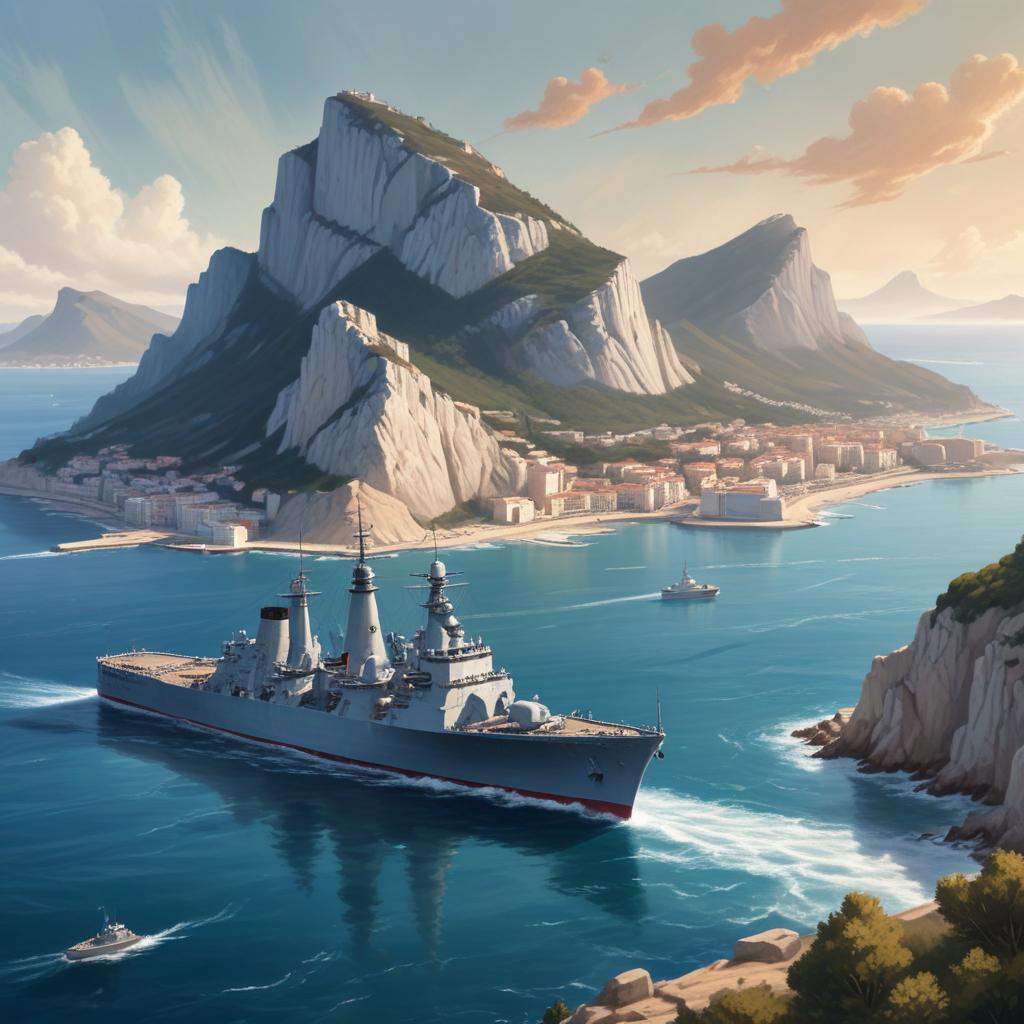
Gibraltar held a uniquely strategic role during World War II due to its geographic location at the entrance of the Mediterranean Sea. The British territory, located on the southern tip of the Iberian Peninsula, commanded the vital naval gateway linking the Atlantic Ocean with the Mediterranean. This positioning was a cornerstone of the World War II military strategy, as controlling Gibraltar meant having significant influence over maritime traffic between the two seas. It allowed the Allied forces to monitor and regulate naval access, which was crucial for maintaining supply routes and troop movements across various theaters of war.
The strategic importance of Gibraltar was further heightened by its ability to control the Strait of Gibraltar, a narrow passage only about 14 kilometers wide at its narrowest point. This passage is the only natural route for ships traveling between the Mediterranean Sea and the Atlantic Ocean, making Gibraltar a key choke point. Control of this narrow waterway was essential because it could be used to restrict or permit the passage of Axis or Allied naval vessels, effectively influencing the course of naval engagements and supply chain security throughout the war.
In World War II military strategy, Gibraltar served as a base for the British Royal Navy and a vital listening post for intelligence gathering and early warning systems. The fortress-like nature of Gibraltar, complete with extensive fortifications and underground tunnels, made it a nearly impenetrable stronghold. This military infrastructure ensured that Gibraltar remained in Allied hands throughout the conflict, securing control of the Mediterranean’s entrance and safeguarding critical maritime routes.
Moreover, Gibraltar’s location allowed the Allies to launch naval and air operations aimed at disrupting Axis supply lines to North Africa and Southern Europe. Its presence forced the Axis powers to reroute their shipping and naval strategies, which depended heavily on maintaining access to Mediterranean ports. This control was instrumental in limiting Axis mobility and supply capabilities, impacting campaigns such as those in North Africa. Therefore, Gibraltar’s strategic importance in World War II cannot be overstated, as it was a pivotal point in controlling regional maritime dominance and ensuring Allied operational success in multiple battlefronts.
Geopolitical Position and Control
Gibraltar’s geopolitical position has long been recognized as a vital strategic asset, particularly during World War II. Situated at the southern tip of the Iberian Peninsula, Gibraltar commands the entrance and exit to the Mediterranean Sea from the Atlantic Ocean. This narrow strait, known as the Strait of Gibraltar, serves as a crucial maritime chokepoint. Control over Gibraltar meant control over naval traffic heading to and from the Mediterranean, making it indispensable for any power aiming to dominate Mediterranean naval operations. For the Allies, Gibraltar functioned as a fortified naval base that was critical for launching and supporting military operations throughout the region.
The Allied naval base at Gibraltar allowed for extensive surveillance, defense, and the regulation of maritime movement in the Mediterranean. It provided a secure harbor for warships, a staging ground for convoy escorts, and a hub for coordinating anti-submarine warfare efforts. The ability to control this gateway translated into a significant advantage in protecting supply routes, maintaining naval supremacy, and restricting Axis naval forces from freely operating in the Mediterranean Sea. Gibraltar’s control helped the Allies secure vital communication and supply lines between Europe, Africa, and the Middle East, proving to be a linchpin in the overall Mediterranean strategy.
In summary, Gibraltar’s geopolitical position not only enhanced the Allied naval base’s operational capacity but also directly influenced the outcome of naval engagements in the Mediterranean. Holding Gibraltar was synonymous with maintaining strategic dominance over one of the world’s most important maritime theaters during World War II.
Impact on Naval and Air Operations
During World War II, Gibraltar was a strategic nucleus for Allied naval and air operations, playing a crucial role in the Mediterranean and Atlantic theatres. Its geographic position at the entrance of the Mediterranean Sea allowed the Allies to coordinate convoy protection missions efficiently, ensuring the safe passage of troops, supplies, and equipment essential for various WWII military campaigns.
The naval base in Gibraltar served as a vital staging point where Allied naval forces could refuel, resupply, and repair warships, maintaining combat readiness. This capability was essential for escorting convoys through submarine-infested waters, helping to thwart Axis attempts to cut off supply lines. Gibraltar’s naval operations thus became a linchpin in the larger strategy to secure supply routes between the United Kingdom, North Africa, and the Middle East.
On the air operations front, Gibraltar hosted airbases that supported reconnaissance flights and aerial patrols over crucial sea lanes. These missions provided up-to-date intelligence on enemy naval movements, submarines, and aircraft, enabling timely defensive and offensive actions. The air operations based in Gibraltar also included anti-submarine warfare patrols, which were critical in mitigating U-boat threats to Allied shipping.
In summary, Gibraltar’s support of Allied naval and air operations was indispensable for the success of WWII military campaigns. Its role in convoy protection and reconnaissance ensured the Allies maintained maritime supremacy, helping to secure victory in a complex and multifaceted theatre of war.
Military Defenses and Infrastructure During WWII
During World War II, Gibraltar’s strategic position at the entrance to the Mediterranean Sea necessitated the development of extensive military defenses and infrastructure. The British military undertook a massive effort to fortify the Rock in order to protect it from possible attacks by Axis powers. These efforts transformed Gibraltar into one of the most heavily fortified places during the war, creating a formidable barrier that played a critical role in controlling naval passage.
The Gibraltar military defenses included a complex network of bunkers, gun emplacements, and coastal artillery batteries designed to repel enemy ships and aircraft. These installations were strategically placed to cover both the sea approaches and possible landing sites. Heavy-caliber guns and anti-aircraft artillery were positioned throughout the peninsula to ensure a continuous and overlapping field of fire, making any attempt to capture Gibraltar extremely costly and difficult for the Axis forces.
Perhaps most impressive were the tunnel systems Gibraltar featured, which became one of the largest underground networks in the world at the time. These tunnels were carved deep into the limestone Rock and stretched over 50 kilometers, serving multiple crucial functions. They provided protected movement routes for troops, secure storage for weapons and supplies, and housed command centers away from enemy observation and bombardment.
The tunnel systems in Gibraltar were not only extensive but also ingeniously designed with ventilation, rail tracks, and living quarters, allowing soldiers to live and operate underground for extended periods. This subterranean infrastructure made Gibraltar remarkably resilient during air raids and sieges, as the population and military forces could remain safe while continuing their defense operations efficiently.
Overall, the WWII fortifications and tunnel systems in Gibraltar demonstrated exceptional military engineering and strategic foresight. The fortified Rock of Gibraltar exemplified how natural geography could be combined with man-made defenses to create an impregnable fortress. These military defenses ensured that Gibraltar remained a vital Allied stronghold throughout the war, effectively limiting Axis naval ambitions in the Mediterranean region.
Tunnel Network and Underground Facilities
The extensive Gibraltar tunnels played a crucial role in the territory’s defense strategy and wartime infrastructure during World War II. These underground military facilities were meticulously constructed within the Rock of Gibraltar to provide secure shelter and operational bases away from enemy attacks. The tunnel network expanded over time, creating an intricate maze of passageways capable of housing troops, supplies, and artillery installations.
Built primarily to protect against aerial and naval bombardments, Gibraltar tunnels served as vital communication routes and logistics hubs. The underground military facilities included command centers, ammunition storage, and medical stations, all shielded from the external threats above ground. This allowed the Allied forces to maintain continuous defense readiness, even under sustained enemy shelling.
Strategically, these tunnels not only enhanced Gibraltar’s resilience but also facilitated covert operations. Their concealed entrances and well-planned interiors made it possible to move troops and equipment quickly without detection. Moreover, the wartime infrastructure of the tunnel network contributed significantly to the overall success in defending Gibraltar, making it one of the most fortified and impenetrable military strongholds in the Mediterranean.
In essence, the Gibraltar tunnels and underground military facilities were indispensable, reflecting advanced engineering and strategic foresight. They symbolized a perfect blend of natural geography and human ingenuity, ensuring Gibraltar’s critical role in the Allied victory during World War II.
Artillery and Coastal Defenses
Gibraltar’s strategic position at the entrance to the Mediterranean made it imperative to establish robust coastal artillery and fortifications during World War II. To defend against potential naval and aerial attacks, an extensive network of defense guns was deployed along the coastline and key vantage points. These coastal artillery batteries were equipped with a variety of caliber guns capable of targeting enemy ships attempting to breach the Strait or bombard the territory from the sea.
The fortifications included numerous gun emplacements fortified with concrete, strategically placed to cover overlapping fields of fire. Among these were powerful coastal artillery pieces situated at locations such as the Europa Point and the northern end of the Rock, allowing effective control over both the Mediterranean and the Atlantic approaches. Anti-aircraft guns were also installed in significant numbers to counteract aerial assaults, providing a layered defense against bombing raids and strafing runs.
Additionally, searchlights and observation posts complemented the coastal artillery, enhancing targeting accuracy during night or low-visibility conditions. The integration of these defense guns and fortifications created a formidable barrier, effectively deterring enemy fleets and safeguarding Gibraltar’s naval base and civilian population throughout the conflict.
Civilian Life and Evacuations
During World War II, the civilian population of Gibraltar experienced drastic changes that altered their daily lives profoundly. As a strategic military stronghold, Gibraltar saw the implementation of widespread evacuations aimed at protecting non-combatants from the threats of war. Many Gibraltar civilians were relocated to safety, with evacuations WWII efforts sending families to locations such as the United Kingdom, Jamaica, and Madeira. These moves, while necessary for security, imposed significant emotional and social challenges on the evacuees who were displaced far from their homes and familiar surroundings.
The evacuation process disrupted the tightly-knit community of Gibraltar civilians, creating a sense of loss and uncertainty. Children were separated from parents, and families faced long periods of separation, heightening the civilian impact war Gibraltar. Those who remained faced rationing, blackouts, and the constant threat of military action. Daily life became a balancing act between maintaining normalcy and adapting to the rigors of wartime conditions.
Despite these hardships, the resilience of Gibraltar civilians throughout WWII was remarkable. Communities united to support one another, and a spirit of perseverance flourished amid adversity. Civilians not only endured the evacuations but also contributed to the war effort by cooperating with military authorities and maintaining essential services. Local traditions and culture served as a source of strength, helping to sustain morale among both those at home and those evacuated abroad.
The collective experience of evacuation and wartime life left a lasting impression on Gibraltar’s society. It shaped the identity of the community, reinforcing bonds through shared sacrifice and solidarity. The story of Gibraltar civilians WWII is one of endurance and adaptability, highlighting how even in the face of displacement and disruption, the people of Gibraltar upheld their spirit and commitment to their home.
Evacuation of Civilians and Refugee Handling
During World War II, the civilian evacuation in Gibraltar was a critical measure taken to protect its inhabitants from potential bombings and military confrontations. The British authorities organized comprehensive evacuation programs that relocated most of the civilian population, primarily women, children, and the elderly, to safer locations such as the United Kingdom, Jamaica, and Madeira. This large-scale population displacement aimed to safeguard vulnerable civilians while allowing Gibraltar to focus on its strategic military defense role.
Handling refugees and evacuees during this turbulent period posed numerous challenges. Many families were separated, and evacuees often faced harsh living conditions and uncertainty about their future. Refugees Gibraltar WWII efforts included establishing temporary accommodations and support systems in host countries, though cultural differences and isolation added to the refugees’ difficulties. Despite these hardships, the resilience of the evacuated community helped maintain their identity and spirit throughout the war.
The impact of the civilian evacuation on Gibraltar’s community was profound. While it ensured the safety of many, it also caused a significant disruption in the social fabric of the territory. The displacement led to a temporary depopulation of Gibraltar, affecting local economies and altering daily life. However, when the civilian population eventually returned after the war, the shared wartime experience fostered a stronger sense of unity and collective memory among the people.
Daily Life Under Wartime Conditions
During the war years in Gibraltar, daily life was marked by significant adjustments as residents adapted to the realities of wartime living conditions. One of the most pervasive changes was the introduction of strict rationing. Food, fuel, and other essential goods were carefully controlled to ensure equitable distribution among civilians and military personnel. This rationing meant that families had to become resourceful, often relying on substitute ingredients and home-grown produce to supplement their limited provisions.
Security measures deeply influenced everyday routines. Civilians were required to adhere to blackout regulations, curfews, and restricted movement zones to protect against enemy attacks and espionage. Frequent air raid drills and the presence of military personnel heightened awareness of the ongoing conflict, while also fostering a spirit of resilience within the community.
Despite the hardships, the civilian morale remained remarkably strong throughout the conflict. The shared experience of wartime living conditions cultivated a sense of solidarity and mutual support among residents. Community activities, despite limitations, played a crucial role in maintaining morale, with public gatherings and cultural events adapted to wartime constraints. Gibraltar’s population demonstrated extraordinary endurance, balancing the stringent demands of rationing and security with a steadfast commitment to morale and normalcy amid the turbulence of war.

I have always been captivated by the unique cultural tapestry of the Rock, particularly how Moorish, Spanish, and British influences shaped its development over centuries. My passion lies in translating these complex historical narratives into engaging educational resources that make Gibraltar’s past accessible to everyone. I spend my free time exploring military fortifications and reading first-hand accounts of life at the Pillar of Hercules.