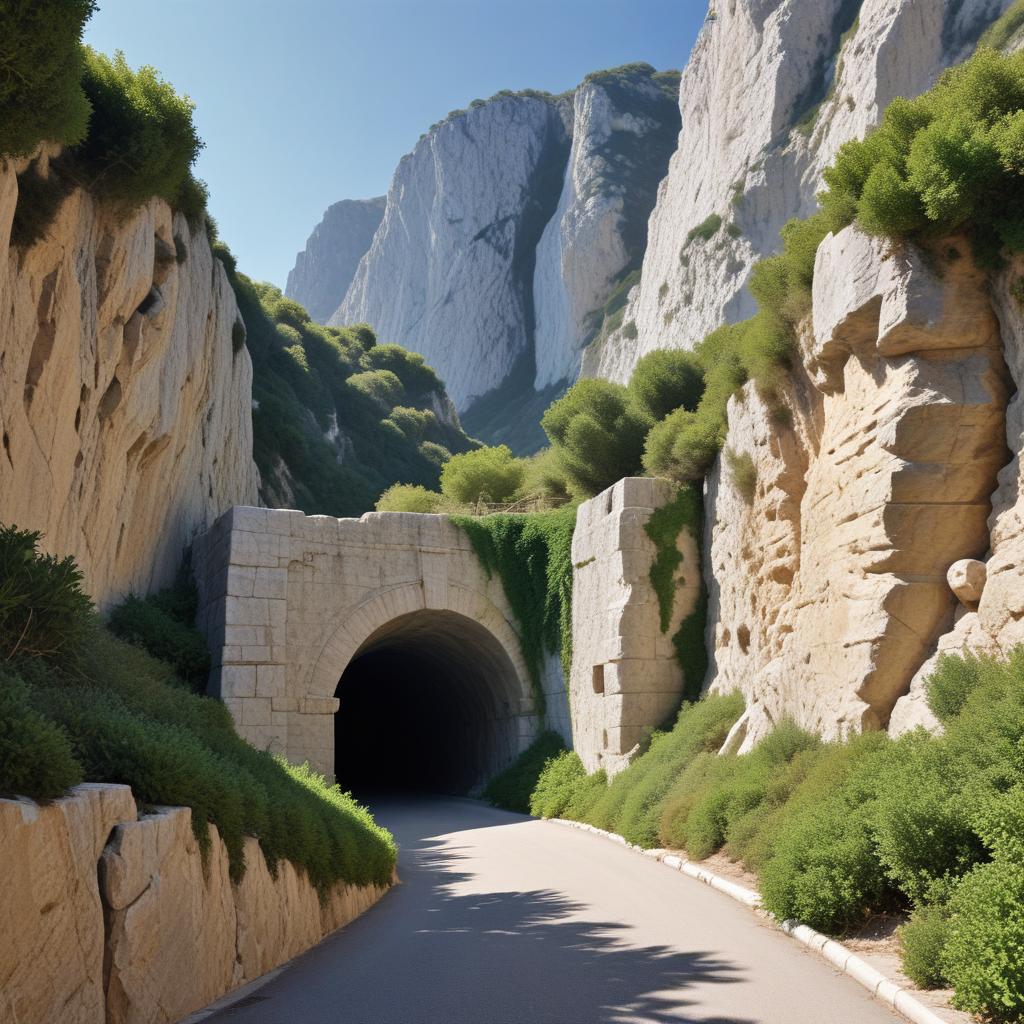
Historical Background of Gibraltar Tunnels
The Gibraltar tunnels history is a fascinating tale that dates back several centuries, rooted deeply in the strategic significance of the Rock of Gibraltar. The tunnel origins in Gibraltar began as early as the 18th century, driven by military necessity and the desire to defend this crucial gateway between the Mediterranean Sea and the Atlantic Ocean. These historical tunnels were primarily constructed to provide safe and hidden passageways within the fortress, enabling movement of troops, storage of supplies, and coordinated defense against potential invasions.
The initial phase of construction focused on carving out pathways within the limestone rock of Gibraltar itself. Early engineers and soldiers manually blasted and shaped the tunnels using gunpowder and basic tools, an arduous and dangerous process that required both precision and endurance. The tunnels were designed to be narrow and winding to maximize protection and concealment from enemy forces while facilitating patrol and communication routes across different parts of the fortress.
As the historical tunnels expanded, their purpose evolved beyond simple passageways. They became integral to Gibraltar’s defensive infrastructure, housing artillery batteries, ammunition depots, and even living quarters for the garrison. The tunnel origins in Gibraltar also included ventilation shafts and underground water reservoirs to sustain prolonged sieges. This multi-functional use cemented the tunnels as a vital asset in maintaining British control over the territory through various conflicts, including the Great Siege of Gibraltar in the late 1700s.
Throughout their early history, the Gibraltar tunnels reflected advances in military engineering and strategic thinking. Successive expansions and improvements were made to adapt to changing warfare technologies and emerging threats. Despite their military roots, these tunnels now serve as a remarkable historical legacy, offering insight into Gibraltar’s role as a fortress and the ingenuity behind its defense mechanisms. The Gibraltar tunnels history remains an essential chapter in understanding the broader historical and geopolitical significance of this iconic rock.
Early Construction and Uses
The early tunnels in Gibraltar represent some of the most remarkable feats of military engineering from the 18th century. These initial construction efforts began as a way to enhance the fortress-like nature of the Rock of Gibraltar, providing strategic advantages in defense and communication. The earliest phases involved simple excavation techniques to carve passageways into the limestone, enabling troops to move swiftly and remain protected during sieges and bombardments.
These early tunnels in Gibraltar were primarily designed for military purposes, serving as protected routes for soldiers and storage for ammunition and supplies. Their strategic location allowed the British forces to observe and control access to the critical naval passage between the Atlantic and the Mediterranean. The military tunnels history of Gibraltar shows how these subterranean passages enabled effective surveillance and offered secure positions from which to defend against attackers.
As the initial construction progressed, the tunnels evolved beyond mere passageways into a complex network, featuring firing positions and observation posts. This early military tunnels history underscores the importance of Gibraltar as a fortress and the role these tunnels played in maintaining British dominance in the region. The early tunnels laid the groundwork for subsequent expansions that would further fortify the Rock, cementing its place as a vital strategic stronghold.
Development through the 18th and 19th Centuries
During the 18th century tunnels in Gibraltar began to see significant expansion as part of the broader enhancements to the territory’s fortifications. The strategic importance of Gibraltar as a gateway between the Atlantic Ocean and the Mediterranean Sea meant that its defenses had to be constantly improved and adapted to evolving military technologies. In this period, tunnel construction was intensified to provide safer and more effective communication routes within the Rock, protect gun emplacements, and facilitate the movement of troops and supplies under cover.
The 19th century development of the Gibraltar tunnels marked a further evolution in their design and use, with advancements in engineering allowing for more complex and extensive underground networks. These tunnels became integral to the defensive strategy, as they enabled the fortress to withstand prolonged sieges by allowing secure access to ammunition stores, command centers, and living quarters shielded from enemy fire. New tunnels were drilled deeper and connected to earlier ones, ensuring a highly fortified and interconnected system.
The fortifications of Gibraltar throughout the 18th and 19th centuries thus relied heavily on the continuous growth and improvement of the tunnel system. This development not only enhanced the military resilience of the territory but also reflected the technological and tactical advances of the era, securing Gibraltar’s reputation as an impregnable fortress for centuries to come.
World War II Enhancements and Strategic Importance
The WWII Gibraltar tunnels underwent some of their most significant expansions and strategic enhancements during the Second World War, showcasing their critical role in military strategy Gibraltar-wide. Originally conceived as a defensive stronghold, the network of tunnels was dramatically extended to serve the increasing demands of wartime operations. These WWII Gibraltar tunnels became an extensive underground fortress, capable of sheltering thousands of troops, storing ammunition, and housing command centers and hospitals.
As wartime expansions continued, engineers and military planners carved deeper and wider passageways into the Rock of Gibraltar, creating new chambers and complex interconnecting routes. These wartime expansions not only increased the logistical capacity but also enhanced the defensive capabilities of the territory. The Gibraltar tunnels were designed to withstand aerial bombardment and naval attacks, reinforcing the British strategic position in the Mediterranean region. The expanded tunnels allowed for the discreet movement of personnel and materials, ensuring operational secrecy and protection from enemy reconnaissance.
The military strategy Gibraltar employed during World War II hinged heavily on the effective use of these tunnels. They enabled a multi-layered defense system that integrated artillery posts, observation points, and supply depots in a compact but formidable underground fortress. This extensive tunnel network allowed Gibraltar to serve as a vital base for the Allies, controlling naval access to the Mediterranean Sea and protecting supply routes. The fortified tunnels ensured that even in the event of a siege or heavy bombardment, military operations could be maintained with minimal disruption.
Moreover, the WWII Gibraltar tunnels exemplify the ingenuity and resourcefulness of wartime engineering. Specialized ventilation systems were installed to provide fresh air, and electric lighting was introduced to make the tunnels functional around the clock. Medical facilities within the tunnels ensured that wounded soldiers could be treated safely away from the dangers of active combat above ground. These improvements drastically increased the operational efficiency and survivability of the troops stationed in Gibraltar.
In summary, the wartime expansions and strategic improvements made to the WWII Gibraltar tunnels transformed them from a simple network of passages into a comprehensive military complex. These enhancements played a pivotal role in Gibraltar’s defense strategy, making it one of the most secure and important strongholds during the war. The tunnels remain a striking testament to the military foresight and engineering skill that defined Gibraltar’s role in WWII.
Tunnel Expansion During WWII
During WWII, Gibraltar saw an unprecedented expansion of its tunnel network, driven by urgent military needs and the challenges posed by wartime conditions. The strategic position of Gibraltar demanded extensive tunneling to strengthen defense capabilities and provide secure communication and transportation routes. This period marked a remarkable era of military engineering, as thousands of feet of new tunnels were excavated using advanced techniques of the time.
The construction efforts focused on creating a labyrinth of underground passageways capable of housing troops, storing ammunition, and protecting essential military assets from aerial bombardment. WWII tunnel construction in Gibraltar was notable for its speed and scale, with military engineers overcoming geological challenges, such as hard limestone rock, to complete the work under tight deadlines. These tunnels also featured air filtration systems and powered lighting, underscoring the level of sophistication achieved.
The wartime tunnels were more than just defensive structures; they represented an engineering triumph that boosted Gibraltar’s resilience. They enabled secure movement of personnel and supplies, significantly contributing to the Allied war effort in the Mediterranean. The legacy of Gibraltar wartime tunnels remains a testament to the ingenuity and determination of the engineers and soldiers who built and utilized them throughout WWII.
Role in Allied Military Operations
During WWII, the strategic tunnels of Gibraltar played a crucial role in Allied operations Gibraltar, serving multiple vital functions that significantly bolstered the military efforts in the region. These extensive underground passages were adapted to house command centers where military leaders could plan and coordinate operations safely away from enemy air raids. The natural protection offered by the limestone rock made the tunnels an ideal location for secure communications and operational planning, ensuring uninterrupted control even during intense attacks.
The use of the strategic tunnels went beyond command functions, extending to the protection of personnel and critical equipment. The tunnels provided shelter for troops and vital supplies, preserving them from enemy bombings and harsh environmental conditions. This safeguarded resource stockpiling was essential for sustaining prolonged military engagements and ensured that the Allied forces maintained their defensive and offensive strength.
Moreover, the tunnels were intricately linked to Gibraltar’s overall defense strategy, allowing quick and concealed movement of soldiers and materials. Their design enabled efficient access to artillery positions and observation points, facilitating rapid response during attacks. The strategic tunnels thus became a backbone of the WWII military use of Gibraltar, underscoring their significance in maintaining Allied dominance in the Mediterranean theater.
Post-War Period and Modern Use of the Gibraltar Tunnels
Following the end of World War II, the role of the Gibraltar tunnels underwent a significant transformation. Originally conceived and constructed as a formidable military defense network, the post-war Gibraltar tunnels transitioned from strictly strategic military applications to a variety of peacetime roles. The geopolitical landscape of the Rock changed dramatically, reducing the urgency for active military usage. As a consequence, many sections of the extensive tunnel system found new purposes beyond warfare.
During the immediate post-war period, a portion of the tunnels was repurposed for storage and civil defense operations. Their vast underground spaces provided secure, weather-proof environments ideal for preserving supplies and equipment. Additionally, the tunnels served as shelters, safeguarding the population from any unforeseen emergencies during the tense periods of the Cold War.
As military necessity continued to diminish, the government of Gibraltar and heritage organizations began to recognize the historical importance of these tunnels. This recognition paved the way for the development of the tunnels as a significant cultural asset, culminating in their modern tunnel use as a major tourist attraction. Today, parts of the tunnels have been opened to the public, offering fascinating guided tours that reveal insights into the military ingenuity and resilience evidenced during wartime Gibraltar.
The tourism Gibraltar tunnels have become a key component of Gibraltar’s visitor economy, attracting history enthusiasts, families, and curious travelers alike. Visitors walk through carefully preserved sections where exhibits depict life during the war, showcasing weapons, living quarters, and strategic command centers carved out beneath the Rock. The dramatic underground environment, combined with vivid storytelling and multimedia displays, enhances the experience, making it both educational and memorable.
Moreover, modern tunnel use in Gibraltar extends beyond tourism. Some tunnels are utilized for government and military reserve purposes, while others are adapted for commercial or infrastructural needs. This dual functionality ensures that Gibraltar’s tunnels remain not only as historical relics but also as active components of its contemporary urban fabric. The synergy between preservation and practical use exemplifies how heritage sites can be revitalized thoughtfully.
In conclusion, the post-war Gibraltar tunnels narrative is one of adaptation and preservation. From their original military role to their current status as historical monuments and tourist hotspots, these tunnels stand as enduring symbols of Gibraltar’s strategic importance and cultural heritage. Their evolving use reflects the ability of this remarkable underground network to meet the needs of changing times while continuing to tell the story of Gibraltar’s past.
Decommissioning and Preservation Efforts
The process of tunnel decommissioning in Gibraltar involves careful planning and implementation to ensure both safety and the preservation of historical integrity. As sections of the extensive tunnel network reach the end of their operational life or are rendered obsolete, they are systematically closed off and rendered inaccessible to the public and military personnel. This is done to prevent structural degradation and reduce maintenance costs in areas that no longer serve active purposes.
Alongside decommissioning, significant initiatives have been put in place to promote historical preservation of the Gibraltar tunnels. The cultural and strategic importance of these underground passages has driven efforts to maintain key sections as heritage sites. This involves stabilizing tunnel walls, installing informative displays, and facilitating controlled public access through guided tours. These measures ensure that the history of Gibraltar’s tunnels remains tangible for future generations.
Gibraltar tunnels maintenance is a continuous effort led by specialized conservation teams who work diligently to balance preservation with safety. These teams conduct regular inspections, reinforce vulnerable structures, and manage environmental conditions such as humidity and ventilation to prevent deterioration. Through coordinated tunnel decommissioning and preservation efforts, Gibraltar honors its rich history while adapting its tunnel infrastructure to current needs.
Tourism and Educational Significance Today
The Gibraltar tunnels have evolved into a major hub for tourism and educational tours, drawing visitors keen to explore a unique blend of history and adventure. As prominent visitor attractions in Gibraltar, these tunnels provide a vivid, immersive experience that highlights their strategic role during critical periods such as World War II. Tourists can walk through the labyrinth of tunnels, witnessing original wartime features, which helps bring Gibraltar’s rich historical narrative to life.
Gibraltar tunnels tourism not only serves as a leisure activity but also plays a crucial role in educating the public about the complex military and social history embedded within the rock. Guided educational tours offer comprehensive insights into the engineering feats and the lives of the soldiers who inhabited the tunnels. These tours emphasize the tunnels’ importance in Gibraltar’s defense while fostering appreciation for the site’s historical significance.
Furthermore, the preservation and presentation of the tunnels as visitor attractions Gibraltar creates a valuable educational resource for schools and history enthusiasts alike. By maintaining these tunnels and providing detailed exhibitions, the heritage of Gibraltar is effectively communicated to current and future generations. This ensures that the story of Gibraltar’s resilience and strategic importance continues to be a living part of the territory’s cultural identity.

I have always been captivated by the unique cultural tapestry of the Rock, particularly how Moorish, Spanish, and British influences shaped its development over centuries. My passion lies in translating these complex historical narratives into engaging educational resources that make Gibraltar’s past accessible to everyone. I spend my free time exploring military fortifications and reading first-hand accounts of life at the Pillar of Hercules.