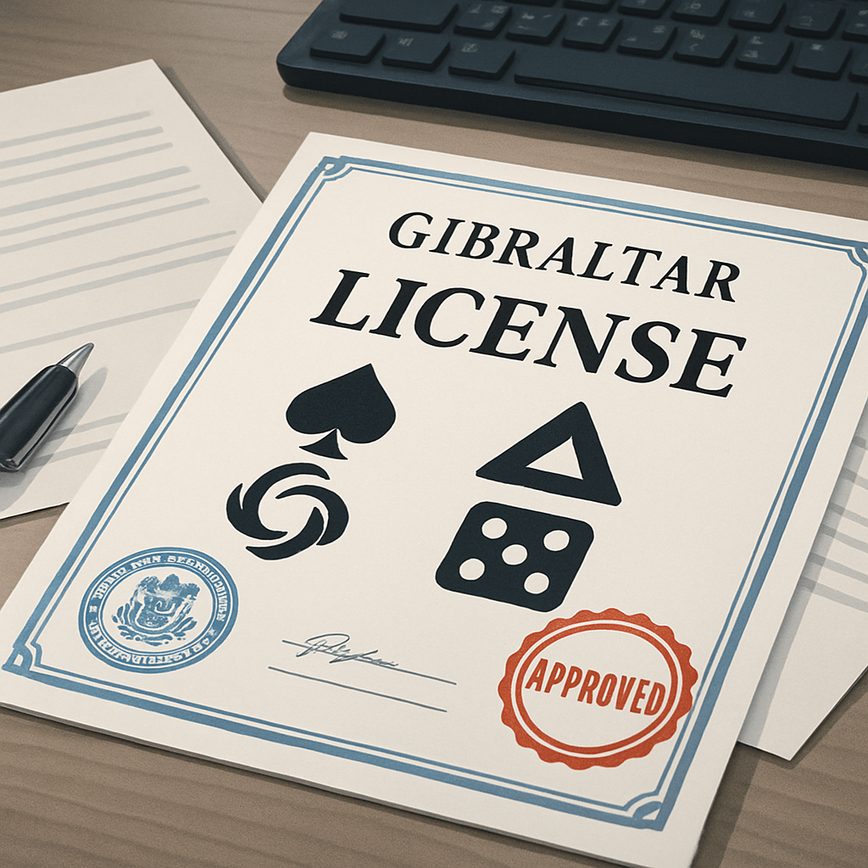
Overview of Gaming Licenses in Gibraltar
Gaming licenses in Gibraltar are a critical element within the global gaming industry, recognized for their robust regulatory framework and high standards of compliance. Gibraltar has established itself as a premier jurisdiction for gaming licenses, attracting numerous operators due to its favorable environment that balances stringent regulatory oversight with business-friendly policies. The gaming licenses issued here provide a mark of trust and reliability, given the thorough vetting processes that applicants must undergo to operate legally in this territory.
The regulatory environment in Gibraltar is overseen by the Gibraltar Gambling Commission, which ensures that all license holders adhere to strict guidelines designed to protect players and maintain the integrity of the gaming sector. This regulatory body monitors operators continuously to guarantee fair play, transparency, and responsible gaming practices. The rigorous nature of this regulation enhances Gibraltar’s reputation as a safe and credible location for gaming businesses, making its licenses highly sought after by operators worldwide.
Obtaining a gaming license in Gibraltar involves meeting comprehensive criteria related to financial stability, operational competence, and anti-money laundering provisions. These requirements ensure that only qualified and trustworthy operators are granted permission to offer their gaming services. Furthermore, Gibraltar’s legal framework supports innovation and technological advancement in the gaming industry, encouraging licensees to adopt cutting-edge solutions in their operations.
The significance of gaming licenses in Gibraltar extends beyond legal authorization; they serve as a seal of quality and regulatory compliance that enhances an operator’s brand credibility in the international market. This has made Gibraltar a preferred hub for many leading gaming companies seeking to demonstrate their commitment to high standards and responsible gaming. Overall, the overview of gaming licenses in Gibraltar reveals a jurisdiction that prides itself on a balanced approach to regulation—providing robust protection for players while fostering a dynamic and thriving gaming industry.
History and Development of Gibraltar Gaming Licenses
The history and development of gaming licenses in Gibraltar reflect the territory’s commitment to establishing a robust and reputable gambling jurisdiction. Gibraltar introduced its first gaming license framework in the early 1990s, positioning itself as one of the pioneering regulated online gambling hubs. This early adoption was driven by the rapid growth of the internet and the demand for trustworthy online gaming environments.
Over the years, Gibraltar’s gaming licenses have evolved significantly, adapting to changes in technology and international standards. Key milestones include the formalization of the Gambling Act, which established clear regulatory requirements and licensing conditions designed to protect players and promote fair gaming. This legal framework has been continually refined to address emerging risks, such as money laundering and problem gambling.
One major development was the introduction of stricter compliance measures and enhanced oversight by the Gibraltar Regulatory Authority, ensuring that license holders adhere to the highest operational and ethical standards. The region’s proactive regulatory approach has attracted many prominent gaming operators, further solidifying Gibraltar’s status as a trusted gaming hub.
Overall, the history and development of gaming licenses in Gibraltar showcase a dynamic regulatory landscape that balances innovation with player protection. This evolution continues to influence the global gaming industry while supporting Gibraltar’s reputation as a leader in gaming license regulation.
Types of Gaming Licenses Available
Gibraltar offers a variety of types of gaming licenses to cater to both online and land-based gaming operators, making it a strategic jurisdiction for the gaming industry. The license categories are designed to oversee and regulate different types of gaming activities, ensuring compliance with stringent regulatory standards while promoting a secure gaming environment.
One of the primary types of gaming licenses available in Gibraltar is the online gaming license. This license is highly sought after by online casinos, sports betting companies, and other internet-based gaming operators. It allows companies to operate gambling services over the internet, providing a gateway to international markets. The licensing process involves rigorous checks on operators to ensure fairness, transparency, and the prevention of money laundering and fraud.
In addition to online licenses, Gibraltar also issues licenses for land-based gaming establishments. These licenses are oriented toward physical casinos and betting shops located within Gibraltar. Operators must adhere to strict local regulatory requirements concerning operational conduct, security measures, and the protection of vulnerable players.
Moreover, specific license categories exist for ancillary gaming activities such as software provision and betting intermediary services. These categories support the broader gaming ecosystem, enabling specialized service providers to operate legally and efficiently.
Overall, the diverse types of gaming licenses in Gibraltar reflect the territory’s commitment to fostering a responsible and well-regulated gaming sector, which benefits operators and players alike.
Application Process for a Gaming License in Gibraltar
Applying for a gaming license in Gibraltar involves a comprehensive application process designed to ensure that all operators meet stringent regulatory standards. This process is essential for securing the legal right to operate gaming activities within the jurisdiction, and it requires adherence to specific requirements and proper documentation submission.
- Preliminary Consultation: Begin by contacting the Gibraltar Gambling Commissioner’s office to discuss your intended gaming activities. This initial step is crucial for understanding the scope of your application and any specific considerations related to your business model.
- Prepare the Application Form: Complete the official application form provided by the Gibraltar Regulatory Authority. This form requests detailed information about the applicant, including company structure, financial standing, and details of key personnel.
- Submit Supporting Documentation: You must provide comprehensive supporting documents, such as certified company incorporation certificates, detailed business plans, financial statements, and evidence of sufficient capital to operate affordably. Additionally, background checks and personal information for all directors and shareholders are required to verify integrity and suitability.
- Compliance with Legal Requirements: Applicants must demonstrate compliance with Gibraltar’s Anti-Money Laundering (AML) and Know Your Customer (KYC) regulations. Legal requirements also include proof of robust data protection measures and responsible gaming policies to protect players and ensure fair play.
- Technical and Security Assessment: A critical part of the application process involves a thorough evaluation of the technical infrastructure supporting the gaming operations. The platform must undergo testing to meet Gibraltar’s stringent technical standards concerning software integrity, system security, and fair gaming algorithms.
- Licensing Fees and Payment: Submit the required application fees and security deposits as prescribed by the Gibraltar Gambling Commissioner. The fee structure is designed to cover administrative costs and ensure that operators have a reliable financial commitment to maintaining high standards.
- Review and Investigation: Once submitted, the application undergoes a detailed review process, during which the regulatory authority carries out investigations and background checks. This stage may involve direct meetings with applicants to clarify any questions or concerns.
- Granting of License: If all the requirements are satisfactorily met, the Gaming License in Gibraltar will be granted officially. Licensees must agree to ongoing compliance monitoring and submit regular reports as part of maintaining their authorized status.
The application process for a gaming license in Gibraltar is rigorous but essential. By thoroughly meeting all steps and fulfilling legal and documentation requirements, operators can benefit from access to a reputable and well-regulated market, thus enhancing their credibility and player trust.
Eligibility Criteria and Documentation
When applying for a gaming license in Gibraltar, applicants must meet specific eligibility criteria and prepare comprehensive documentation to ensure a smooth gaming license application process.
- Eligibility Criteria: Applicants must be legally registered entities, demonstrating financial stability and good reputation. They should have a clear organizational structure and transparent ownership to comply with Gibraltar’s strict regulatory framework.
- Background Checks: All key personnel including directors, major shareholders, and senior managers must successfully pass thorough background checks, ensuring no criminal records or regulatory sanctions.
- Financial Soundness: Proof of sufficient financial resources to sustainably operate gaming activities is essential. This includes evidence of capital adequacy and ongoing financial viability to prevent any risk to players or the industry.
- Technical Competence: Applicants should demonstrate the technical capability to operate gaming systems securely and fairly. This criterion verifies that the gaming operations are reliable and resistant to fraud.
Regarding documentation, applicants need to prepare:
- Corporate Documents: Certified copies of incorporation certificates, memorandum and articles of association, and detailed organizational charts.
- Financial Statements: Recent audited accounts, bank statements, and proof of financial reserves required to support the gaming operations.
- Disclosure Documents: Detailed background information on shareholders, directors, and key officers to facilitate due diligence checks.
- Operational Plans: Comprehensive plans outlining the gaming business models, risk management strategies, and technical systems employed.
- Compliance Policies: Anti-money laundering (AML), responsible gaming, and data protection policies must be clearly documented.
Meeting these eligibility criteria and assembling the necessary documentation are crucial steps in submitting a successful gaming license application in Gibraltar.
Fees and Costs Associated with Licensing
Obtaining and maintaining a gaming license in Gibraltar involves several fees and costs that operators must carefully consider. The initial application fee is a key expense, typically set to cover the administrative and regulatory costs incurred by the Gibraltar Gambling Commissioner. This fee is non-refundable and must be paid when submitting the licensing application.
In addition to the application fee, there is an annual license fee that operators are required to pay to legally continue their gaming activities in Gibraltar. This recurring fee varies depending on the size and scale of the gaming operation but is an essential cost for maintaining compliance within Gibraltar gaming regulations.
Operators should also be prepared for ongoing costs such as compliance and auditing fees. These cover regular inspections and reviews to ensure that the gaming operator adheres to the strict regulatory standards set by the Gibraltar Regulatory Authority. Failure to meet these standards can result in penalties, which adds to the overall costs.
Additional operational costs may include fees related to security measures, technology audits, and payment processing oversight, all integral parts of Gibraltar gaming licensing requirements. While these fees contribute to protecting player interests and maintaining fair gaming, they enhance the total cost of operation.
Overall, businesses should anticipate a combination of upfront fees, annual charges, and periodic compliance costs to successfully secure and maintain a Gibraltar gaming license. Understanding these fees and costs is crucial for effective financial planning and regulatory adherence in the competitive Gibraltar gaming sector.
Benefits and Challenges of Holding a Gibraltar Gaming License
Obtaining a gaming license in Gibraltar offers numerous benefits for operators seeking to establish credibility and competitive advantage in the global online gambling market. One of the primary benefits is the jurisdiction’s strong regulatory framework, which is widely respected internationally. This lends a high level of trust and assurance to players and partners, helping operators attract a larger, quality player base. Gibraltar’s licensing authority enforces strict compliance standards related to player protection, fairness, and responsible gambling, which enhances the reputation of licensed operators.
Another significant advantage is Gibraltar’s favorable tax regime. Operators holding a Gibraltar gaming license benefit from competitive corporate tax rates and favorable treatment compared to other jurisdictions. This financial advantage supports higher profitability and reinvestment opportunities. Additionally, Gibraltar’s strategic location as a gateway between Europe and other global markets allows for beneficial access to key regions, facilitating international growth and partnerships.
Moreover, Gibraltar has a well-established infrastructure and experienced workforce specializing in gaming technology and compliance. This operational environment helps licensed operators streamline their service provision and scale rapidly with high standards. Enhanced data protection laws and investment in secure technologies further strengthen the position of Gibraltar license holders in managing sensitive information and combating fraud.
However, despite these benefits, there are challenges associated with holding a Gibraltar gaming license. The regulatory requirements, while providing trust, are rigorous and may lead to higher compliance costs, including regular audits and continuous updates to stay aligned with evolving regulations. This can be resource-intensive for smaller operators or new entrants to the market.
Furthermore, recent geopolitical changes like Brexit have introduced some uncertainty regarding access to European markets under Gibraltar’s license, requiring operators to carefully navigate legal complexities and potential restrictions. Operators must also consider competition from other popular licensing jurisdictions that may offer quicker or more flexible licensing processes or lower regulatory barriers.
In conclusion, holding a Gibraltar gaming license brings significant benefits that enhance an operator’s credibility, operational efficiency, and tax advantages in the global online gambling market. However, these benefits come with challenges such as compliance costs, regulatory demands, and geopolitical uncertainties that operators must strategically manage to fully leverage their license’s potential.
Competitive Advantages in the Gambling Industry
Obtaining a Gibraltar license offers gaming operators distinctive competitive advantages within the gaming industry. This esteemed regulatory approval serves as a mark of trust and credibility, making it highly attractive to both players and business partners. A Gibraltar-issued gaming license provides operators with access to a well-regulated and transparent market framework, fostering consumer confidence and ensuring compliance with international standards.
One of the key market benefits of having a Gibraltar license is the jurisdiction’s favorable tax regime, which allows gaming companies to operate with reduced fiscal burdens compared to other markets. This financial advantage enables operators to reinvest in technology, marketing, and customer experience, thereby enhancing their competitive presence. Additionally, Gibraltar’s robust legal system supports quick dispute resolution, further protecting operators and their clients.
Furthermore, the Gibraltar regulatory authority actively collaborates with international bodies, ensuring that licensed operators can smoothly expand into multiple markets. This global recognition of the Gibraltar license facilitates ease of access to new jurisdictions and partnerships, creating scalable business opportunities. Together, these factors combine to make the Gibraltar license a strategic asset for gaming operators seeking sustainable growth and success in the competitive gambling industry.
Regulatory Compliance and Operational Challenges
Holders of a gaming license in Gibraltar face a range of regulatory compliance and operational challenges that require diligent attention. The regulatory framework in Gibraltar is robust, designed to ensure transparency and fairness within the gaming industry. However, this complexity can create significant hurdles for license holders who must meet stringent reporting requirements, undergo regular audits, and adhere to evolving legislation. Compliance demands often necessitate substantial investment in legal expertise and technological solutions to monitor and document all operations accurately.
Additionally, operational challenges arise from the need to balance compliance with efficient business functioning. License holders must manage the intricacies of anti-money laundering (AML) measures, player protection protocols, and data security regulations. These layers of regulation can slow down decision-making processes and limit flexibility, impacting the ability to innovate quickly in a competitive market. The potential limitations imposed by these regulations may also restrict market access and impose additional costs, requiring operators to carefully strategize their operations to maintain profitability.
In summary, obtaining a gaming license in Gibraltar entails navigating a complex landscape of regulatory compliance and operational challenges. Licensees must remain vigilant to ensure ongoing adherence to all requirements, while simultaneously addressing the limitations and costs associated with these regulatory obligations. Successfully managing these challenges is crucial to sustaining a reputable and legally compliant gaming operation within Gibraltar.

I have always been captivated by the unique cultural tapestry of the Rock, particularly how Moorish, Spanish, and British influences shaped its development over centuries. My passion lies in translating these complex historical narratives into engaging educational resources that make Gibraltar’s past accessible to everyone. I spend my free time exploring military fortifications and reading first-hand accounts of life at the Pillar of Hercules.