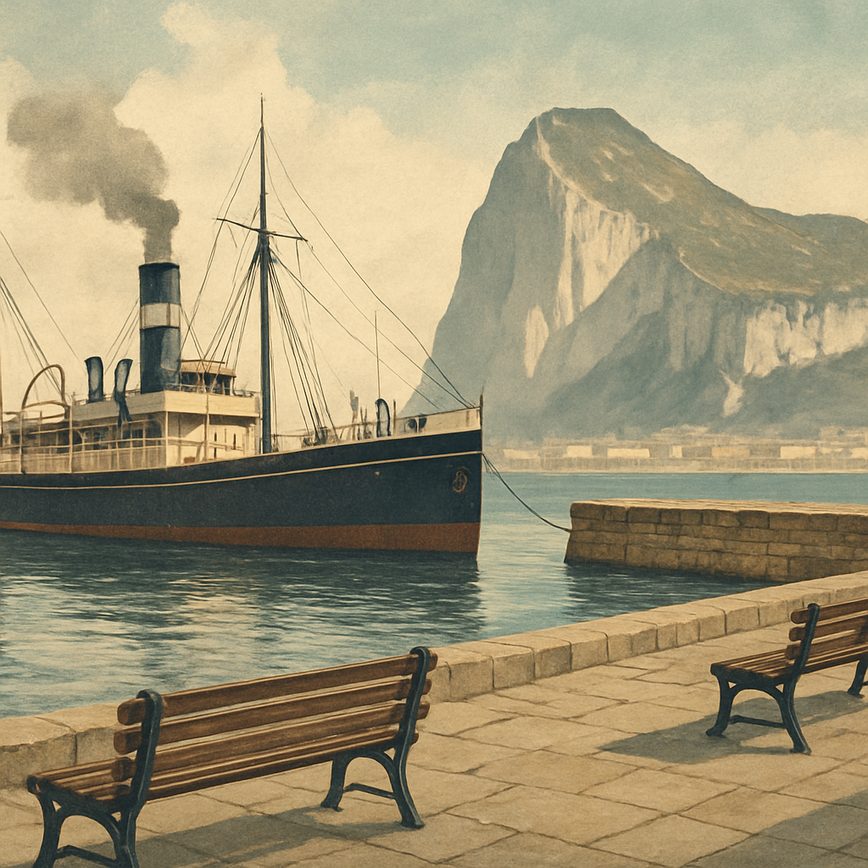
Early Tourism Development in Gibraltar
The origins of tourism in Gibraltar can be traced back to the 18th and 19th centuries when the region began attracting visitors fascinated by its unique strategic position and natural beauty. Early tourism in Gibraltar was primarily driven by military personnel, merchants, and adventurers who visited the Rock not only for business or duty but also out of curiosity and a desire to explore its remarkable landscape. This marked the initial phase in Gibraltar history where the concept of travel for leisure began to take shape.
During this period, historical visitors to Gibraltar often came as part of naval expeditions or diplomatic missions. However, word of its stunning views, mild climate, and interesting cultural blend gradually spread, enticing more travelers looking for relaxation and exploration. The motivations behind early tourism were multifaceted, ranging from scientific interest in its flora and fauna to the allure of experiencing a place where European and African influences converged.
Gibraltar’s early tourism development was also influenced by broader historical contexts, such as the expansion of the British Empire and improvements in travel and shipping routes. These factors made Gibraltar more accessible to visitors from Britain and other parts of Europe. Additionally, its reputation as a fortress and a gateway between two continents added a sense of mystique and adventure that appealed to early tourists seeking unique experiences.
As visitor numbers slowly increased, basic accommodations and services began to develop to cater to the needs of these travelers, laying the groundwork for more organized tourism. The early tourism phase in Gibraltar history highlighted the nascent stages of what would eventually grow into a significant economic sector for the territory. By understanding the origins of tourism and the profile of historical visitors, one can appreciate how Gibraltar’s identity as a tourist destination started to evolve.
In summary, early tourism in Gibraltar was characterized by a blend of military, scientific, and leisure travel. The initial travel motivations centered on exploration, natural beauty, and strategic curiosity, setting the foundation for Gibraltar’s rich tourism history that continues to attract visitors from around the world today.
19th Century Visitor Attractions
During the 19th century, Gibraltar became a prominent destination for travelers drawn to its unique blend of natural beauty, military significance, and rich history. The strategic location of Gibraltar at the crossroads of the Mediterranean and the Atlantic Ocean made it a vital naval base, which fascinated many visitors interested in military history and engineering marvels. Prominent Gibraltar landmarks such as the Rock of Gibraltar itself provided breathtaking views and adventurous opportunities for tourists who explored its extensive network of caves and tunnels.
Key visitor attractions included the Great Siege Tunnels, carved out during the late 18th century and expanded in the 19th, which stood as a testament to Gibraltar’s resilience. Travelers were also captivated by the Moorish Castle, a historic fortress offering insights into the region’s Islamic heritage. The natural wildlife, particularly the famous Barbary macaques, added to the charm and distinctiveness of the destination. Beyond military and historical sites, the town’s vibrant culture and bustling port attracted merchants and curious wanderers alike.
19th century tourism in Gibraltar was thus shaped by a unique combination of its historical sites, spectacular landscapes, and its role as a strategic stronghold. Visitors seeking both education and adventure found Gibraltar’s attractions appealing, creating a rich legacy of travel and exploration linked to this remarkable peninsula.
Role of British Military Presence
The British military presence has played a pivotal role in shaping Gibraltar’s appeal to tourists, particularly those interested in its rich history and strategic importance. With its extensive Gibraltar fortifications, the territory stands as a testament to centuries of military defense, attracting visitors eager to explore the remnants of its defensive structures. These fortifications, many of which were built and maintained by the British military, serve as key historical landmarks that narrate the story of Gibraltar’s strategic value in global defense.
Military tourism in Gibraltar has flourished due to the fascination with its well-preserved forts, tunnels, and military installations. The British military’s longstanding presence has ensured that these sites were not only protected but also documented and sometimes opened to the public for educational tours. These sites provide an immersive experience, allowing tourists to understand the tactical significance of the Rock of Gibraltar throughout various conflicts, including World War II.
The historical defense mechanisms showcased here emphasize Gibraltar’s role as a fortress and a naval stronghold for the British Empire. This legacy attracts history buffs and military enthusiasts, contributing significantly to Gibraltar’s tourism industry. Visitors come to witness firsthand how the British military presence influenced the development and preservation of these defensive structures, making Gibraltar an intriguing destination for those interested in military history and historical defense strategies.
Tourism Growth in the 20th Century
The 20th century marked a significant period of tourism expansion in Gibraltar, transforming the territory into a bustling destination favored by travelers from around the world. This era witnessed the rise of modern tourism marked by improvements in Gibraltar infrastructure which supported and encouraged the influx of visitors.
At the beginning of the century, tourism in Gibraltar was relatively modest, primarily catering to British military personnel and a limited group of visitors. However, as the decades progressed, the appeal of Gibraltar’s unique blend of cultural heritage, scenic landscapes, and strategic location on the Mediterranean Sea drew an increasing number of tourists. The expansion of the tourism industry became a pivotal facet of the local economy.
One of the key drivers for the 20th century tourism boom was the development of transportation infrastructure. The establishment of improved port facilities allowed cruise ships and commercial vessels to dock more efficiently, making Gibraltar an accessible stopover for travelers. Additionally, enhancements in road networks and the introduction of regular ferry services connected Gibraltar seamlessly with neighboring Spain and beyond, facilitating easier movement for tourists.
Moreover, the construction of hotels, restaurants, and recreational facilities catered to the demands of the growing numbers of visitors. These developments were accompanied by concerted efforts to preserve and promote Gibraltar’s historical landmarks and natural attractions, creating a well-rounded tourist experience. As a result, tourism expanded beyond military and commercial circles to embrace leisure travelers, families, and day visitors.
Visitor trends during the 20th century reflected a diversification in the tourist demographic. Cruises, cultural tourism, and shopping emerged as popular activities. Gibraltar capitalized on its duty-free status, attracting shoppers from nearby regions. The tourism sector also adapted to seasonal patterns, with peak visitor numbers typically observed during the warmer months, contributing to a cyclical yet robust economic impact.
In summary, the 20th century saw a profound transformation in Gibraltar’s tourism landscape. The combination of strategic infrastructure investments, modernization of tourist facilities, and evolving visitor interests collectively drove the growth of 20th century tourism. This period laid the foundation for Gibraltar’s reputation as a dynamic destination, balancing its historical charm with the needs of modern tourism.
Impact of World Wars on Tourism
The First and Second World Wars had profound effects on tourism in Gibraltar, causing significant disruption and altering tourism patterns. During both conflicts, Gibraltar’s strategic military importance transformed the region into a heavily fortified military base, which drastically reduced tourism activities. Civilian travel was restricted, and many tourist facilities were repurposed to support war efforts, leading to a sharp decline in visitor numbers.
The disruption of international travel routes during the world wars further compounded the decline in tourism. With shipping lanes and air travel prioritized for military use, leisure travel was virtually impossible. The economic impact on Gibraltar was considerable, as tourism had been an important component of the local economy. Businesses relying on visitor spending suffered, contributing to economic hardship during these tumultuous years.
Additionally, the war effects extended beyond just reduced numbers; there was a shift in tourism patterns once peace was restored. The rebuilding period emphasized Gibraltar’s role as both a military and civilian hub, encouraging new forms of tourism with a focus on its rich wartime history. This shift helped Gibraltar gradually recover economically by attracting visitors interested in its unique wartime legacy, though the heavy interruption during the world wars left a lasting mark on the tourism industry.
Post-War Tourism Development
Following the end of World War II, Gibraltar witnessed a significant resurgence in its tourism industry, which became a crucial component of the territory’s economic recovery. The immediate post-war years marked the beginning of concerted efforts to rebuild and expand tourism facilities that had been neglected or repurposed during wartime. This revitalization was essential in attracting visitors back to Gibraltar, offering them improved accommodations, transportation options, and leisure activities tailored to a growing demand.
The post-war tourism boom played a pivotal role in stimulating Gibraltar’s economy, providing new employment opportunities and encouraging investment in infrastructure. Hotels and resorts were modernized and expanded, while restaurants and entertainment venues flourished, enhancing the overall visitor experience. Additionally, the local government and private sector worked together to promote Gibraltar as a desirable tourist destination, highlighting its unique blend of British and Mediterranean culture along with its strategic location at the crossroads of Europe and Africa.
As a result of these developments, the number of visitors steadily increased throughout the 1950s and beyond. The post-war tourism industry not only helped to stabilize the economy but also fostered a sense of community pride and identity. Gibraltar’s commitment to developing its tourism sector ensured the territory remained competitive in the region, laying a strong foundation for future growth and diversification in the years to come.
Contemporary Tourism and Future Trends
Contemporary tourism in Gibraltar has evolved into a dynamic sector that plays a critical role in the local economy. Known for its unique blend of British and Mediterranean cultures, the territory attracts a diverse range of visitors year-round. Modern travel trends have emphasized experiential tourism, where visitors seek authentic interactions with the local community, wildlife, and historical sites. Gibraltar’s tourism industry has embraced this shift by promoting eco-tourism, cultural tours, and outdoor adventures such as hiking the famous Rock or exploring the St. Michael’s Cave.
The strategic location of Gibraltar at the crossroads of Europe and Africa, coupled with its well-preserved heritage sites like the Moorish Castle and the Great Siege Tunnels, continues to draw history enthusiasts and casual tourists alike. Contemporary tourism infrastructure, including upgraded ports for cruise liners and modernized visitor facilities, supports increased tourist arrivals and enhances the overall experience. The proliferation of digital technology has also transformed how tourists engage with Gibraltar, with virtual tours and online booking tools facilitating easier access and better-informed travel planning.
Looking ahead, future trends in the Gibraltar tourism industry suggest a growing focus on sustainability and innovation. As global awareness of environmental impacts strengthens, Gibraltar is poised to integrate greener practices into its tourism offerings. This includes energy-efficient transportation options, waste reduction programs, and conservation efforts aimed at protecting local biodiversity, particularly the Barbary macaques. Additionally, there is an increasing interest in leveraging smart tourism technologies such as augmented reality experiences and personalized mobile guides to enrich visitor engagement.
Furthermore, diversification of tourism products is expected to play a key role in Gibraltar’s future development. This might encompass the expansion of niche tourism sectors like wellness tourism, culinary tours highlighting the territory’s unique fusion cuisine, and events designed to attract international audiences. The resilience of Gibraltar’s tourism industry will also depend on its ability to adapt swiftly to changing global travel patterns, including the aftermath of the COVID-19 pandemic and emerging preferences for safe, socially distant travel experiences.
In summary, contemporary tourism in Gibraltar combines rich cultural heritage with modern travel conveniences, setting a robust foundation for the future. By embracing sustainable practices and innovative technologies, the Gibraltar tourism industry is well-positioned to meet evolving traveler expectations and secure its status as a unique and attractive destination for years to come.
Current Popular Tourist Attractions
Gibraltar today offers a variety of popular tourist attractions that cater to diverse visitor interests, making it a vibrant destination in modern tourism. Among the most iconic sites is the Rock of Gibraltar itself, a towering limestone promontory that provides panoramic views of the surrounding sea and landscapes. Visitors often explore the famous St. Michael’s Cave, known for its stunning natural formations and occasional cultural events held within its vast chambers.
Another key attraction is the Gibraltar Nature Reserve, where tourists can encounter the famous Barbary macaques, Europe’s only wild monkey population. This unique experience consistently ranks high among what Gibraltar tourism offers for wildlife enthusiasts. In addition, the Great Siege Tunnels are a remarkable historical and architectural site that draws many visitors interested in Gibraltar’s rich military past.
For those fascinated by modern sites, the Marina Bay area presents a blend of contemporary leisure and dining options alongside beautiful sea views. The Gibraltar Museum provides deep insights into the region’s history and cultural heritage, enriching the overall visitor experience. These attractions contribute to a well-rounded tourism scene that respects Gibraltar’s heritage while embracing modernity, continuously attracting tourist interests from around the world.
Sustainable Tourism and Development Plans
Gibraltar has increasingly embraced sustainable tourism as a core element of its future development plans. Recognizing the delicate balance between tourism growth and environmental impact, local authorities and stakeholders have launched numerous initiatives aimed at minimizing ecological footprints while enhancing visitor experiences. These efforts include promoting eco-friendly transportation options, such as electric buses and bike rentals, to reduce carbon emissions within the territory.
Another critical aspect of sustainable tourism in Gibraltar is the preservation of its unique natural habitats and biodiversity. Conservation programs coupled with educational campaigns encourage both tourists and residents to protect and appreciate the environment. Additionally, development plans prioritize using sustainable building materials and adopting energy-efficient technologies in new infrastructure projects to limit environmental degradation.
Looking ahead, Gibraltar’s strategic development plans aim to foster a resilient tourism sector that supports the economy without compromising the environment. This includes expanding sustainable tourism offerings such as eco-tours, heritage trails, and cultural experiences that emphasize the region’s rich history and natural beauty. By balancing tourism growth with environmental responsibility, Gibraltar strives to create a model of sustainable tourism that benefits present and future generations alike.

I have always been captivated by the unique cultural tapestry of the Rock, particularly how Moorish, Spanish, and British influences shaped its development over centuries. My passion lies in translating these complex historical narratives into engaging educational resources that make Gibraltar’s past accessible to everyone. I spend my free time exploring military fortifications and reading first-hand accounts of life at the Pillar of Hercules.