Historical Significance of Gibraltar in Europe
Gibraltar has held a pivotal role in European history due to its unparalleled strategic location at the crossroads of the Mediterranean Sea and the Atlantic Ocean. This unique positioning allowed Gibraltar to become a significant military stronghold and a vital hub for trade throughout centuries. European powers have long recognized the immense value of controlling Gibraltar, often resulting in intense military disputes and diplomatic negotiations to secure this keystone territory.
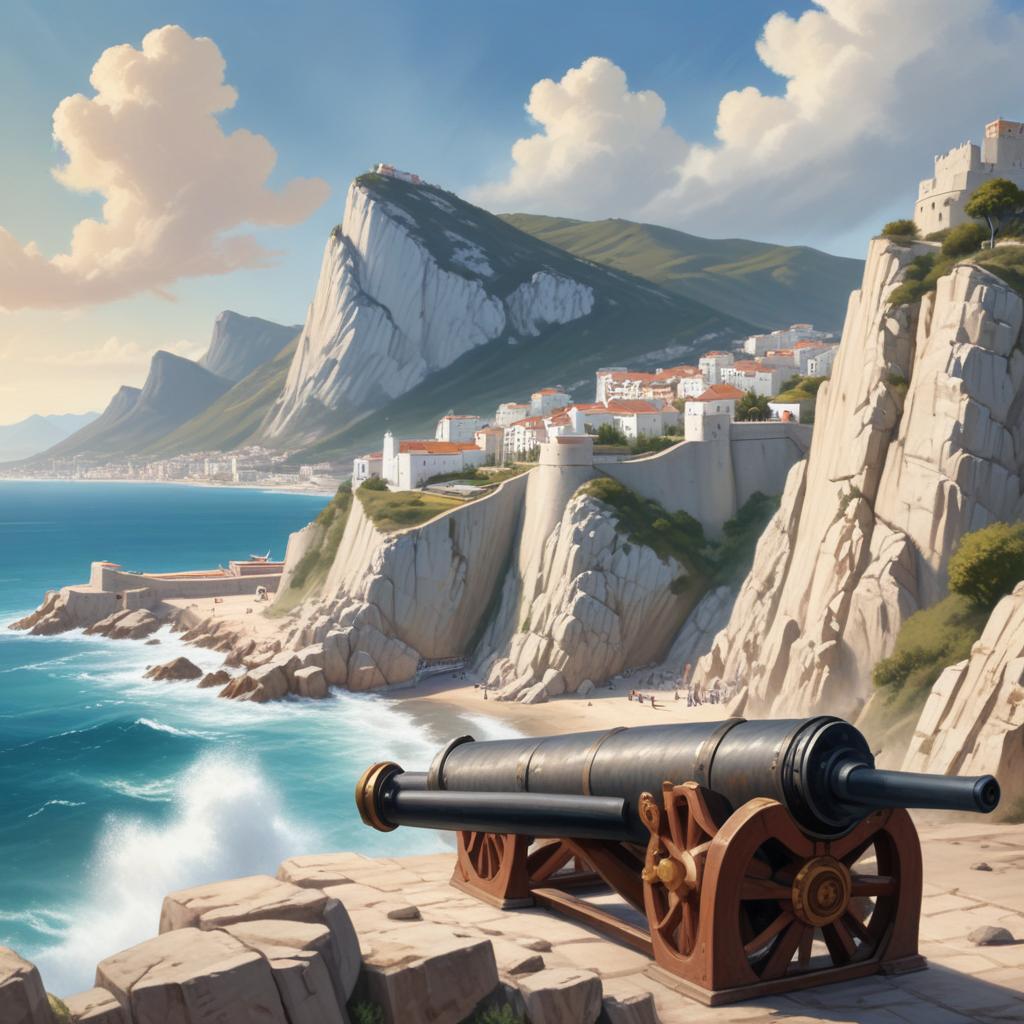
The military importance of Gibraltar cannot be overstated. Its fortress, perched on the Rock of Gibraltar, served as a defensive bastion against invasions, controlling access to the Mediterranean from the Atlantic. This made Gibraltar essential for naval dominance, particularly for the British Empire, which fortified the territory extensively after its capture in 1704 during the War of Spanish Succession. The military presence ensured control over maritime routes vital for European powers, protecting their trade interests and colonial possessions.
In addition to its military role, Gibraltar’s position facilitated the flourishing of trade across Europe and beyond. As a gateway between continents, it was integral in the exchange of goods, cultures, and ideas. Control of Gibraltar meant access to key shipping lanes, enabling European trading nations to expand their economic influence and establish vital supply lines. This strategic location contributed significantly to the economic prosperity of several European powers throughout history.
Moreover, Gibraltar functioned as a crucial maritime base, offering safe harbor and resupply points for ships navigating treacherous waters. Its military installations and naval facilities enhanced the defense capabilities of European fleets, reinforcing their dominance over the Mediterranean. The strategic importance of Gibraltar ensured it remained a focal point during conflicts such as the Napoleonic Wars and both World Wars, highlighting its enduring military significance in European history.
In summary, Gibraltar’s historical significance in Europe is deeply rooted in its strategic location. Over the centuries, it has been a cornerstone of military strength and an indispensable node in trade networks. Its commanding presence has shaped the geopolitical landscape of Europe, underlining the continued importance of Gibraltar in European history.
Gibraltar’s Role in the Age of Exploration
During the Age of Exploration, Gibraltar held a pivotal position as a strategic naval base and gateway for European explorers. Its location at the southern tip of the Iberian Peninsula allowed it to control the entrance to the Mediterranean Sea, making it a crucial point for ships navigating European maritime routes. Explorers and fleets departed from or passed through Gibraltar on their voyages of discovery, benefiting from its natural harbor and fortifications that ensured safe anchorage and replenishment of supplies.
The importance of Gibraltar in the age of discovery cannot be overstated. It served as a launching point for many expeditions venturing into uncharted waters, facilitating European nations’ ambitions to explore and establish new trade routes across the globe. Control of Gibraltar meant dominance over key maritime passages, which was essential for the economic and military successes of emerging European powers. Thus, Gibraltar was more than just a geographical landmark; it was a gateway that connected and advanced European exploration efforts during this transformative period.
Furthermore, Gibraltar’s strategic naval role helped secure European maritime routes against rival powers, pirates, and other threats. The fortress and naval facilities established there provided a secure base for maintaining naval supremacy in the region. This, in turn, ensured that the flow of goods, treasures, and knowledge from distant lands back to Europe continued smoothly. Gibraltar’s role in exploration marks it as a significant historical hub in European maritime history and the broader age of discovery.
Military Conflicts Involving Gibraltar
Gibraltar has played a pivotal role in European military history, largely due to its strategic position at the entrance to the Mediterranean Sea. Throughout the centuries, it has been the focal point of numerous Gibraltar sieges, which underscore its importance in broader European wars. One of the most notable sieges was the Great Siege of Gibraltar (1779-1783), when Spanish and French forces attempted to wrest control from the British during the American Revolutionary War. This protracted siege highlighted Gibraltar’s formidable defenses and the military strategy Gibraltar offered as a gateway for naval dominance in the region.
In addition to the Great Siege, Gibraltar endured several other military confrontations, including the War of Spanish Succession and the Napoleonic Wars, where control over Gibraltar was crucial for maintaining naval supremacy and protecting trade routes. The fortress’s natural geographic advantages combined with human-engineered fortifications made Gibraltar a keystone for projecting power across the Mediterranean and into Europe. Its military strategy Gibraltar status was solidified by the ability to withstand prolonged sieges and deter enemy fleets.
The continuous military conflicts involving Gibraltar demonstrate its enduring strategic value. Holding Gibraltar allowed powers to monitor and control naval traffic between the Atlantic Ocean and the Mediterranean Sea, influencing the outcomes of wider European wars. Therefore, the history of Gibraltar sieges is not just a story of local defense but a testament to its broader military significance in shaping European geopolitical landscapes.
Political and Cultural Impact of Gibraltar on Europe
Gibraltar’s political status remains one of the most enduring sovereignty disputes in Europe. As a British Overseas Territory located at the southern tip of the Iberian Peninsula, Gibraltar has been a focal point of contention between the United Kingdom and Spain for centuries. The political landscape surrounding Gibraltar is complex, shaped by historical treaties, strategic military importance, and contemporary diplomatic negotiations. Despite its modest geographic size, Gibraltar’s role in European politics is significant, representing larger themes of national sovereignty, self-determination, and international law.
The politics of Gibraltar often revolve around the desires of its inhabitants, who overwhelmingly favor remaining under British sovereignty, contrasting with Spanish claims asserting the territory should be ceded back. This dispute influences broader British-European Union dynamics, especially given Gibraltar’s unique position post-Brexit, affecting border controls, trade, and cross-border cooperation. Gibraltar has been at the center of numerous bilateral talks seeking to resolve the sovereignty dispute while balancing the region’s economic stability and political rights of its people.
Culturally, Gibraltar exhibits a rich tapestry influenced by its diverse history and geographical context. The mixture of British, Spanish, Genoese, Portuguese, and Moroccan cultures has created a unique European cultural enclave. This is reflected in the local language, Llanito, which blends English and Andalusian Spanish elements, as well as in traditions, cuisine, and festivals. Gibraltar’s cultural influence is subtle yet meaningful within European culture, showcasing how territorial intersections can produce hybrid identities contributing to Europe’s cultural diversity.
The sovereignty disputes also affect Gibraltar’s cultural exchanges. Political tensions occasionally complicate cultural interactions with neighboring Spain and the larger European community. Nevertheless, Gibraltar continues to foster artistic, musical, and educational exchanges that enrich its cultural connections within Europe. This resilience underscores Gibraltar’s capability to maintain its distinct identity while simultaneously contributing to the collective European cultural heritage.
In summary, Gibraltar’s political status intricately intertwines with European geopolitics, shaping ongoing debates about sovereignty and self-governance. At the same time, its cultural influences highlight the blending of multiple heritages, portraying a microcosm of European diversity. Gibraltar’s sovereignty disputes remain a salient issue, yet its cultural dynamism persists, making it a unique and influential player within European politics and culture.
Sovereignty and Diplomatic Relations
The question of Gibraltar sovereignty remains a significant point of contention in UK Spain relations, deeply influencing European diplomacy. Since the Treaty of Utrecht in 1713, when Gibraltar was ceded to Britain, Spain has consistently sought to reclaim the territory, asserting its historical and geographical claims. This ongoing dispute has led to periodic diplomatic tensions, impacting broader bilateral relations between the UK and Spain.
Throughout the 20th and 21st centuries, several efforts have been made to manage these tensions through diplomatic channels. Agreements such as the Cordoba Agreement in 2006 aimed to improve cooperation on issues like border controls and air traffic, reflecting a pragmatic approach despite unresolved sovereignty claims. Nevertheless, sovereignty remains a core issue, influencing negotiations within the context of European Union frameworks and bilateral talks.
European diplomacy often serves as a platform where Gibraltar’s status is indirectly discussed, especially regarding Brexit and its aftermath. The territory’s unique position at Europe’s southern edge positions it as a strategic and symbolic point in broader UK Spain relations. The local population’s consistent desire to remain British complicates diplomatic efforts, making Gibraltar sovereignty not only a matter of international law but also of self-determination.
In summary, the diplomatic landscape surrounding Gibraltar sovereignty is characterized by complex negotiations and evolving agreements. While the core dispute persists, continuous dialogue within European diplomacy frameworks helps to manage tensions, balancing national interests and regional stability.
Cultural Integration and Influence
Gibraltar stands as a remarkable testament to cultural integration, where diverse traditions and communities have coalesced over centuries. The unique Gibraltar culture is characterized by a rich tapestry of influences, including British, Spanish, Portuguese, Genoese, and North African elements, among others. This multiculturalism has shaped Gibraltar not only as a distinct identity but also as a bridge facilitating European cultural exchange.
The blending of languages, cuisine, festivals, and customs creates a vibrant environment where coexistence and mutual influence thrive. Gibraltar’s strategic geographic position at the crossroads of Europe and Africa has historically made it a gateway for trade and ideas, further enriching its cultural landscape. This dynamic has allowed Gibraltar to serve as a conduit, spreading aspects of its hybrid culture to surrounding European regions and contributing to a broader cultural dialogue in the Mediterranean and beyond.
Moreover, Gibraltar’s multiculturalism fosters a spirit of openness and adaptability, influencing neighboring communities through shared traditions and economic partnerships. It exemplifies how diverse populations can merge yet maintain distinct cultural identities, positively impacting European cultural heritage. The ongoing exchange nurtures a better understanding among different peoples, reinforcing Gibraltar’s role in European history not only as a military and strategic site but also as a flourishing cultural hub.

I have always been captivated by the unique cultural tapestry of the Rock, particularly how Moorish, Spanish, and British influences shaped its development over centuries. My passion lies in translating these complex historical narratives into engaging educational resources that make Gibraltar’s past accessible to everyone. I spend my free time exploring military fortifications and reading first-hand accounts of life at the Pillar of Hercules.