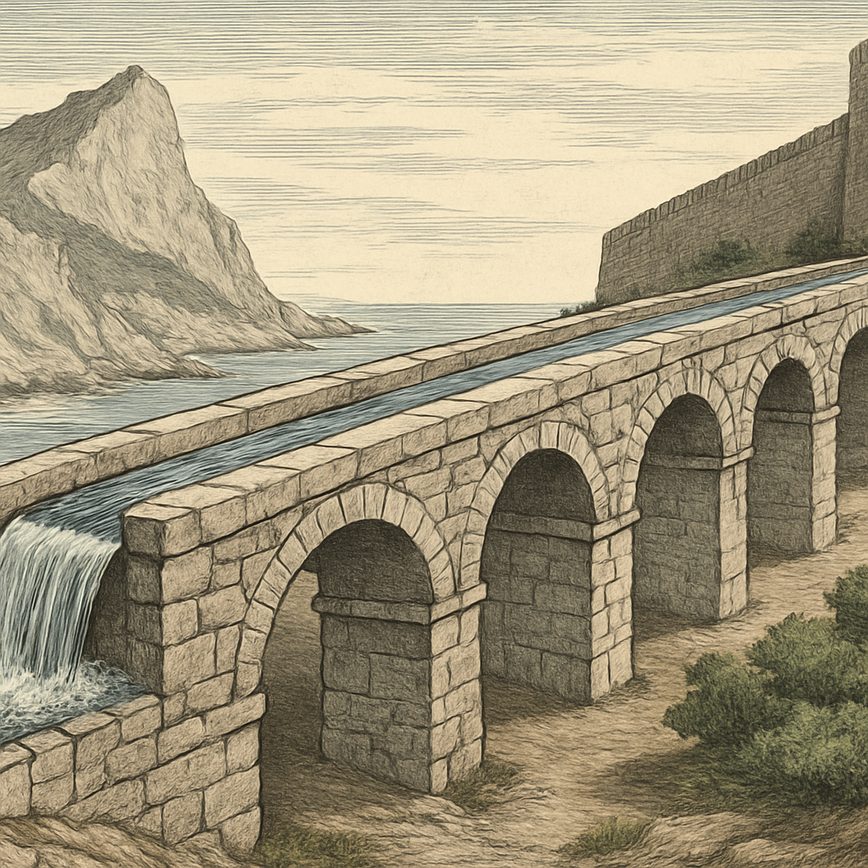
Historical Overview of Gibraltar’s Water Supply
The history of Gibraltar’s water supply is rich and fascinating, deeply intertwined with the region’s unique geographical and cultural context. From ancient times through early modern history, the water supply system in Gibraltar evolved alongside its inhabitants’ needs and technological advancements. Understanding this historical journey provides insight into how natural sources and early methods of collection and storage shaped the development of Gibraltar’s water infrastructure.
Gibraltar’s geography played a crucial role in its water supply history. The Rock of Gibraltar, a towering limestone promontory, offered limited natural freshwater sources. Early inhabitants relied heavily on rainfall and natural springs, although the latter were scarce and often insufficient to meet their needs. The Mediterranean climate, characterized by dry summers and limited rainfall, posed significant challenges for sustaining the population and military garrison throughout history.
One of the earliest known sources of water in Gibraltar was the naturally occurring groundwater and springs found at the base and slopes of the Rock. These springs provided a vital if limited, supply. The water from these sources was collected and conserved carefully, often stored in cisterns or reservoirs constructed near settlements. The reliance on these natural water sources defined early water management strategies in Gibraltar, emphasizing the importance of conservation and efficient use.
During the ancient and medieval periods, inhabitants implemented rudimentary yet effective techniques to collect and store rainwater. Large cisterns were carved into the rock or constructed using local materials, allowing communities to capture and conserve rainfall during wetter months. This method was critical given the lack of large rivers or lakes in the area, and it represented one of the earliest forms of water infrastructure in the region.
With the growing strategic importance of Gibraltar, especially from the early modern period onward, the need for a reliable water supply became even more pronounced. As military fortifications expanded, so too did the demand for consistent water access. This led to more advanced engineering solutions, including the improvement of cisterns and the introduction of water channels and aqueducts designed to maximize the efficiency of water collection from both natural and artificial sources.
Overall, the Gibraltar history regarding water supply reveals a resilient adaptation to environmental challenges, emphasizing innovation in using historical water sources and early collection methods. These foundational efforts laid the groundwork for the modern water infrastructure that supports Gibraltar today, showcasing a continuous evolution rooted in a deep understanding of the local environment and practical necessity.
Natural Sources and Early Collection Methods
Gibraltar’s natural landscape offered limited but vital water resources to its early inhabitants. The primary natural water sources included rainwater and underground wells, which played a crucial role in sustaining communities. Due to Gibraltar’s rocky terrain and limited surface freshwater streams, rainwater harvesting became an essential practice. Early inhabitants ingeniously collected rainwater by directing it from rooftops and natural rock formations into cisterns and storage tanks, ensuring a steady supply during dry periods.
Wells, dug into the rock, tapped into scarce underground water reserves, providing a supplementary means of water collection. These wells were critical, especially during times of drought when surface water was scarce. The combination of natural water sources and these early water collection techniques reflected the adaptability and resourcefulness of Gibraltar’s population, allowing them to meet their daily water needs despite challenging environmental conditions.
Rainwater harvesting, in particular, was a widespread early water collection method. Techniques included the use of large stone or masonry tanks to store rainwater collected from roofs and catchment areas. This method not only prevented water scarcity but also minimized dependency on the unpredictable natural springs. The historical reliance on natural water sources and early collection methods laid the foundation for Gibraltar’s evolving water supply systems.
Water Supply Challenges in the 18th and 19th Centuries
During the 18th century Gibraltar faced significant water scarcity, which was a major challenge for both the local population and the military garrison stationed on the Rock. The natural water sources were limited, and the increasing population exacerbated the problem. Wells and cisterns that previously sustained the community were often insufficient to meet the demand, especially during dry periods. This scarcity impacted daily life and posed a strategic challenge, as reliable water supply was critical for maintaining military readiness and health.
In the 19th century, water issues continued to be a pressing concern. The British military authorities implemented various measures to improve the situation, including the construction of reservoirs and the importation of water by ship from nearby sources. Despite these efforts, water shortages remained frequent, affecting both civilians and soldiers. The lack of adequate water supply sometimes led to hardship, disease, and operational difficulties. These challenges highlighted the ongoing struggle to secure a sustainable water system on Gibraltar during the 18th and 19th centuries.
Modern Developments in Gibraltar’s Water Infrastructure
Gibraltar has witnessed significant progress in its water supply system through the integration of modern water supply technologies and innovative infrastructure. Given the region’s limited natural freshwater resources, these advancements have proven essential in ensuring a sustainable and reliable water supply for both residents and industries. Among the most transformative developments is the adoption of advanced desalination techniques, which have revolutionized how Gibraltar manages its scarce water resources.
The establishment of state-of-the-art desalination plants forms the backbone of Gibraltar’s contemporary water infrastructure. These facilities employ reverse osmosis technology, which efficiently converts seawater into potable water. This technology has enabled Gibraltar to significantly reduce its dependence on imported water and groundwater extraction, thereby alleviating pressure on traditional sources. Moreover, the ongoing enhancements to desalination processes have improved energy efficiency and water recovery rates, aligning with global sustainability trends.
In addition to desalination, Gibraltar has invested heavily in modern storage solutions to optimize water management. Large-capacity water reservoirs, coupled with smart monitoring systems, allow for precise control of water levels and distribution. These infrastructures not only enhance the reliability of supply during peak demand and drought periods but also help minimize water loss through leak detection and timely maintenance. The integration of digital control centers ensures that water distribution is handled effectively, maintaining balance between supply and demand at all times.
Water management strategies in Gibraltar now incorporate data-driven approaches leveraging technology to forecast consumption trends and respond proactively to potential shortages. This holistic system empowers authorities to manage resources judiciously, promoting conservation efforts alongside infrastructure growth. Investments in both hardware and software infrastructure reinforce Gibraltar’s commitment to securing a resilient water supply for the future.
Overall, the modernization of Gibraltar’s water supply infrastructure reflects a forward-thinking approach. By combining cutting-edge desalination plants with sophisticated storage and management systems, Gibraltar continues to address its unique water challenges efficiently. These developments underscore the territory’s dedication to sustainable water management, ensuring that the needs of its population and environment are met through innovative solutions and continuous improvement.
Introduction of Desalination Technology
Gibraltar’s implementation of desalination plants marks a significant advancement in its water technology, addressing the region’s ongoing challenges with freshwater scarcity. Desalination, the process of removing salt and impurities from seawater, offers modern water solutions that are both efficient and sustainable. The establishment of these plants has transformed Gibraltar’s water supply system by providing a reliable and independent source of potable water.
The desalination plant utilizes advanced techniques, typically reverse osmosis, where seawater is forced through fine membranes that filter out salt and other contaminants. This technology ensures the production of high-quality drinking water that meets stringent health standards, thereby reducing Gibraltar’s reliance on imported water and limited natural sources. This innovation is essential for sustaining the growing population and supporting economic development without compromising environmental integrity.
Moreover, the integration of desalination technology into Gibraltar’s infrastructure underscores a commitment to sustainable water supply. By harnessing seawater, which is abundantly available, Gibraltar mitigates the pressures of drought and climate variability. The desalination plant stands as a testament to modern water solutions, balancing technological advancement and ecological responsibility, ensuring that Gibraltar’s water needs are met well into the future.
Recent Water Conservation and Management Strategies
In recent years, Gibraltar has implemented a series of advanced water conservation and management strategies aimed at enhancing sustainability and ensuring a reliable water supply. Recognizing the challenges posed by its limited natural freshwater resources, the government has prioritized efficient water use and innovative regulation policies.
One significant approach has been the introduction of stricter water usage regulations for both residential and commercial users. These include incentives for installing water-saving appliances and penalties for excessive consumption, encouraging residents and businesses alike to adopt more sustainable water practices.
Gibraltar has also invested heavily in upgrading its water infrastructure to reduce loss and optimize distribution. Technologies such as smart metering and real-time monitoring systems enable more accurate tracking of water consumption and leakage, facilitating prompt management interventions. Moreover, the implementation of water recycling and desalination plants has bolstered the territory’s capacity to meet demand sustainably.
Community engagement and education campaigns have played a pivotal role in promoting the ethos of water conservation. By raising awareness about the importance of sustainability, these initiatives have fostered a culture of responsible water use throughout Gibraltar.
Overall, Gibraltar’s recent water management strategies highlight a comprehensive approach combining regulatory measures, technological innovation, and public cooperation to secure a sustainable water future.
Future Prospects and Sustainability of Gibraltar’s Water Supply
Gibraltar’s future water supply is a critical concern that demands innovative solutions and sustainable practices to address increasing demand and the impacts of climate change. With the territory’s limited natural freshwater sources, ongoing projects and strategic plans are vital to ensure long-term water security, focusing on resilience and environmental responsibility.
One key initiative is the expansion and modernization of desalination facilities. Gibraltar has invested heavily in state-of-the-art reverse osmosis plants that convert seawater into potable water. These facilities are designed to increase capacity while enhancing energy efficiency, which is essential for sustainability. By reducing the carbon footprint of water production, these plants address the climate impact associated with conventional energy-intensive desalination methods.
In addition to enhancing desalination, Gibraltar is prioritizing water conservation through public awareness campaigns and the introduction of water-saving technologies. Measures such as rainwater harvesting and wastewater recycling are being explored and integrated where feasible. These approaches help decrease overall water demand by encouraging responsible use and maximizing the use of available resources.
Environmental monitoring programs have also been established to study the effects of climate change on Gibraltar’s water supply. Rising temperatures and shifting precipitation patterns pose challenges, including potential seawater intrusion into aquifers and variability in rainfall. By understanding these dynamics, Gibraltar can proactively adjust its water management strategies to minimize risks and adapt to future conditions.
Collaborative efforts with neighboring regions and international partners further support Gibraltar’s water sustainability goals. Sharing knowledge, technology, and infrastructure capacities enables more robust responses to water scarcity challenges across the region. This cooperation also aids in leveraging funding and expertise for ambitious projects aimed at securing the future water supply.
Ultimately, the future water supply of Gibraltar depends on a balanced integration of advanced technology, environmental stewardship, and community engagement. By continually advancing desalination technology, promoting conservation, and adapting to climate impacts, Gibraltar is positioning itself to meet growing water needs sustainably and resiliently for generations to come.
Innovations and Potential Technologies
Gibraltar’s water supply history reflects a steady evolution in overcoming scarcity, and looking ahead, water innovation will be crucial in securing a sustainable and efficient future. Emerging new water technologies offer exciting opportunities to enhance Gibraltar’s capacity to meet growing demand while conserving precious resources.
Desalination advancements, particularly in energy-efficient reverse osmosis systems, are at the forefront of this transformation. These new water technologies not only reduce energy consumption but also improve water quality. Incorporating renewable energy sources, such as solar power, with desalination plants can significantly lower the environmental impact and operational costs.
Another promising area is smart water management systems that use sensors and data analytics to monitor supply and demand in real time. This water innovation allows for proactive maintenance, leak detection, and optimized distribution, ensuring minimal waste and maximum efficiency. These intelligent systems also support future planning by providing data-driven insights into consumption trends and resource availability.
Additionally, Gibraltar could explore water recycling and rainwater harvesting innovations to diversify its water sources. Integrating these with new technologies creates resilient infrastructure capable of adapting to climate variability and population growth.
By embracing these cutting-edge approaches, Gibraltar can secure a sustainable water future, balancing environmental stewardship with community needs and setting an example for innovative water management in arid regions.
Impact of Climate Change on Water Resources
Climate change poses significant challenges to water resources in Gibraltar, impacting both availability and quality. As global temperatures rise, the region is expected to experience altered rainfall patterns, leading to increased variability in water supply. Prolonged drought periods may reduce freshwater inflows, while more intense storms could cause saltwater intrusion, degrading water quality. These environmental challenges threaten Gibraltar’s delicate water balance, which is crucial for residential, agricultural, and industrial uses.
The impact of climate change on water resources is driving Gibraltar to implement adaptive measures to safeguard its future water security. Efforts include improving water storage infrastructure to capture and retain more rainwater during wet periods. Additionally, the incorporation of desalination plants has become a key strategy to supplement natural water sources, providing a stable supply despite external climate pressures. Water conservation programs are also actively promoted among residents and businesses to reduce demand and mitigate the stress on limited resources.
Gibraltar is also investing in advanced monitoring systems to detect changes in water quality and availability promptly. These systems allow for efficient management and quick responses to potential contamination or shortages. Overall, addressing the water resources impact of climate change requires a multifaceted approach that combines technology, policy, and community engagement. By adopting these measures, Gibraltar aims to build resilience against the environmental challenges imposed by a changing climate, ensuring sustainable water access for future generations.

I have always been captivated by the unique cultural tapestry of the Rock, particularly how Moorish, Spanish, and British influences shaped its development over centuries. My passion lies in translating these complex historical narratives into engaging educational resources that make Gibraltar’s past accessible to everyone. I spend my free time exploring military fortifications and reading first-hand accounts of life at the Pillar of Hercules.