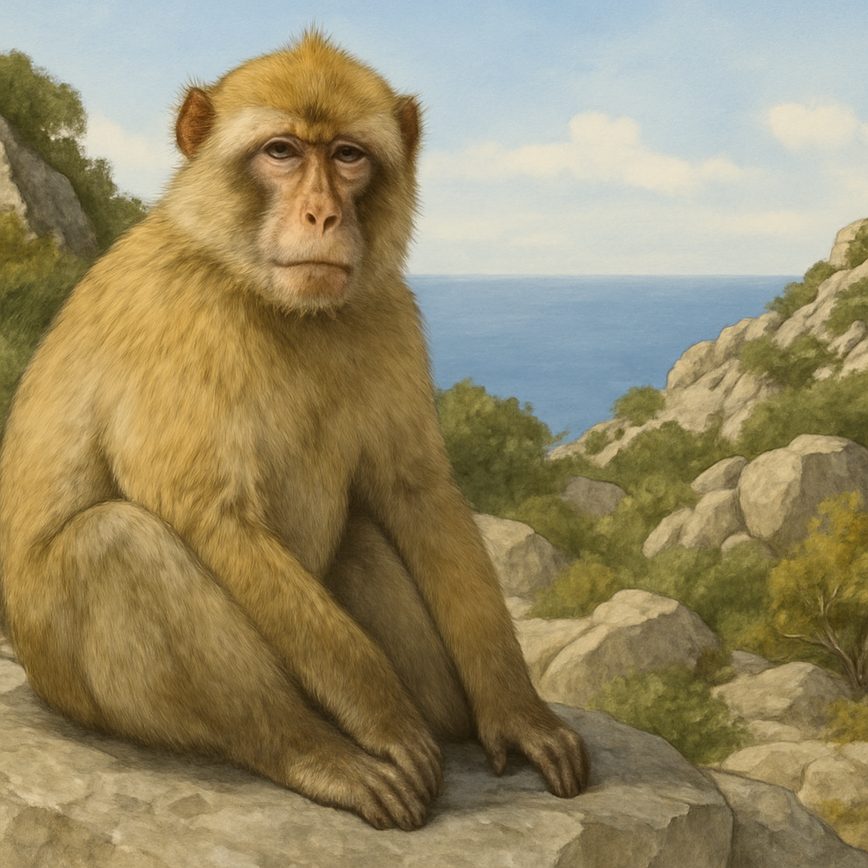
Introduction to Barbary Macaques of Gibraltar
The Barbary macaques of Gibraltar are a unique and fascinating component of Gibraltar wildlife, renowned for being the only wild monkey population in Europe. These macaques hold a special place in the natural history and cultural heritage of the region. Their presence on the Rock of Gibraltar has intrigued scientists, tourists, and locals alike for centuries, making their history intertwined with the human story of Gibraltar itself.
Barbary macaques are native to the mountainous regions of North Africa, particularly in countries like Morocco and Algeria. However, the group found in Gibraltar is distinct due to its long-established population living freely in the wild. These macaques have adapted well to the environment of the limestone ridge that defines Gibraltar, thriving among its rugged terrain and Mediterranean climate.
Their significance goes beyond ecology; they are a symbol of Gibraltar and feature prominently in local myths and traditions. One widely known belief is that as long as the Barbary macaques remain on Gibraltar, the territory will stay under British control. This legend adds a layer of cultural identity and pride among the residents and highlights the importance placed on the macaques by both the government and the community.
From a historical perspective, the presence of Barbary macaques in Gibraltar is thought to be centuries old, with some theories suggesting they were introduced by the Moors or even earlier by the Romans. Regardless of their exact origin, their continuous presence has contributed to Gibraltar’s unique biodiversity. Today, they are protected by law and managed by the Gibraltar Government to ensure their population remains healthy and sustainable.
Studying the macaques history offers insight into Gibraltar wildlife and the ecological dynamics of the region. The macaques interact with their environment and human visitors, providing important opportunities for research and conservation. Visitors to Gibraltar often find observing these primates a highlight of their trip, as the macaques are notable for their playful nature and social behavior.
In summary, the Barbary macaques of Gibraltar are more than just animals; they are living representatives of the region’s natural and cultural history. Their significance, storied past, and continued presence make them a cherished element of the Gibraltar wildlife landscape, symbolizing the rich intersection of nature and heritage.
Historical Background of Barbary Macaques in Gibraltar
The history of the Barbary macaques in Gibraltar is a fascinating tale interwoven with the region’s unique cultural and natural heritage. These monkeys, often referred to as the Gibraltar monkeys, are the only wild primates in Europe, and their origins have sparked numerous theories and debates among historians and researchers alike. Understanding the macaques’ history offers valuable insight into how these creatures came to inhabit the Rock of Gibraltar and the significance they hold in local folklore.
One prevalent theory about the Gibraltar monkeys’ origins suggests that the Barbary macaques were introduced by the Moors during their rule over the Iberian Peninsula, which began in the early 8th century. It is believed that the macaques were transported from North Africa, where their closest relatives are native, to serve as pets or to symbolize power and influence. Alternatively, some historians propose that these macaques might have arrived as stowaways naturally crossing the narrow Strait of Gibraltar, although there is less evidence supporting this natural migration.
Historical records from the 18th century provide the most concrete evidence of resident macaque populations on Gibraltar. British soldiers stationed at the garrison reportedly kept and protected these monkeys, which had become an established feature of the area. The macaques’ presence was so valued that during World War II, British Prime Minister Winston Churchill was famously advised that Gibraltar would remain under British rule as long as the macaques stayed on the Rock. This tale underscores the cultural and symbolic importance of the macaques beyond their biological presence.
Modern conservation efforts in Gibraltar emphasize the protection of these Barbary macaques due to their historical, ecological, and touristic value. Their survival is closely linked to the island’s identity, making their introduction more than a mere biological occurrence but a shared historical legacy.
Origins and Arrival Theories
Theories surrounding the origin and introduction timeline of the Barbary macaques in Gibraltar vary, reflecting a blend of historical documentation, genetic studies, and ecological observations. One widely accepted origin theory posits that these macaques are descendants of populations from North Africa, introduced to Gibraltar by the British in the 18th century to serve as a natural defense against enemy forces. Supporting this is historical military correspondence referencing the presence of macaques during the Great Siege of Gibraltar.
Another theory suggests that the Barbary macaques in Gibraltar may have arrived naturally via land bridges or island hopping during the last Ice Age when sea levels were lower, allowing a natural introduction timeline that predates human intervention. This theory is supported by genetic evidence showing close relations between the Gibraltar macaques and some North African populations, suggesting a long-standing connection.
Further complicating the origin theories is the possibility that multiple introduction events occurred, including both natural dispersal and human-assisted translocation. Archaeological findings and genetic diversity assessments provide supporting evidence for this multi-faceted approach, indicating that the macaque arrival in Gibraltar might have been influenced by various ecological and anthropogenic factors over time.
Role During British Rule
During the period of British sovereignty over Gibraltar, the Barbary macaques played a unique and significant role. The British authorities recognized the macaques as an important symbol of the territory and took active measures to ensure their protection. This protectiveness was not solely sentimental but also tied to military history and local folklore.
The presence of the macaques was closely linked to the British military’s operations in Gibraltar. Local legend held that as long as the macaques remained on the Rock, Gibraltar would stay under British control. This belief motivated the military to maintain their population carefully, seeing them as a talisman for the security of the strategic fortress. Consequently, the macaques were well cared for, with rangers appointed to oversee their welfare.
Throughout British rule, efforts were made to provide the macaques with sufficient food and medical attention when needed. Their protection was legislated, preventing hunting or harm to the animals. This special status elevated the macaques from mere wildlife to a guarded emblem of Gibraltar’s identity during a time when control over the territory was of paramount importance.
In summary, the Barbary macaques were not only protected animals but also played a symbolic and morale-boosting role during British rule. Their continued presence was deeply interwoven with Gibraltar’s military history and the British commitment to protect both the territory and its famed primates.
Conservation and Cultural Significance Today
The Barbary macaques of Gibraltar continue to be a symbol of both natural heritage and cultural identity. Today, macaques conservation efforts are more robust than ever, involving a combination of legal protections, habitat management, and community engagement. These initiatives aim to ensure the survival of the macaque population, which is not only an important component of Gibraltar’s wildlife but also a cherished part of its cultural landscape.
Gibraltar has implemented stringent wildlife protection laws specifically designed to safeguard the Barbary macaques. These legal protections prohibit poaching, harassment, and the feeding of macaques by the public, measures that help reduce human-wildlife conflict and maintain the animals’ health and well-being. Additionally, the Royal Gibraltar Regiment plays a unique role in managing and protecting the macaques, underscoring their importance at a national level.
Conservation programs involve careful monitoring of the macaque population, health assessments, and research to understand their behavior and habitat needs better. Wildlife officers and conservationists work together to manage their habitat on the Rock of Gibraltar, ensuring the environment remains conducive to their natural lifestyle. These efforts are complemented by public awareness campaigns that educate residents and visitors about the importance of respecting and protecting the macaques.
The cultural significance of the Barbary macaques in Gibraltar is deeply intertwined with local traditions and identity. They are not only a major tourist attraction, drawing thousands of visitors each year, but also a source of pride for Gibraltarians. Folklore and historical accounts often highlight the macaques as guardians of the Rock, a belief that continues to resonate today and reinforces their symbolic value.
Moreover, the macaques have become ambassadors for broader wildlife protection efforts in Gibraltar, helping to foster a culture of conservation and environmental stewardship. Their presence reminds locals and tourists alike of the delicate balance between urban life and nature, advocating for sustainable coexistence. Through continuous conservation efforts and community involvement, the Barbary macaques remain vital to Gibraltar’s culture and natural heritage.
Conservation Efforts and Challenges
Modern conservation efforts for the Barbary macaques of Gibraltar focus heavily on wildlife management practices that aim to maintain a balanced and healthy population. One of the key approaches involves continuous population monitoring to track the number of macaques and ensure their wellbeing. This monitoring helps wildlife managers understand the dynamics of the group, detect any health issues early, and manage the environment to support their natural behaviors.
Conservation measures include habitat protection to preserve the natural environment where the macaques thrive, along with controlled human interaction guidelines to minimize stress and prevent the dangers associated with feeding or close contact with tourists. Educational campaigns have also been implemented to raise awareness about the species’ ecological importance and the challenges they face.
Despite these efforts, several population challenges persist. The limited geographical range of Gibraltar restricts the macaques’ habitat expansion, leading to competition for resources within the troop. Additionally, the population faces threats from occasional human interference and the risk of genetic bottleneck due to their isolated environment. Conservationists continuously strive to address these challenges by researching genetic diversity and proposing measures to maintain a sustainable population.
Overall, the combined approach of wildlife management, population monitoring, and community education plays a crucial role in the ongoing conservation of Gibraltar’s Barbary macaques, ensuring that these iconic primates remain a vibrant and protected part of the region’s natural heritage.
Symbolism and Role in Tourism
The Barbary macaques hold a unique place in the cultural symbolism of Gibraltar, serving as a living emblem of the territory’s rich natural heritage. These distinctive primates are more than just animals inhabiting the famous Rock; they are deeply woven into the identity and folklore of Gibraltar. Their presence is often seen as a symbol of the resilience and spirit of the people, representing a direct connection to the wild and untamed aspects of the region’s history and landscape.
As a major tourism attraction, the macaques play a crucial role in Gibraltar’s economy and global reputation. Visitors from around the world are drawn to Gibraltar not only for its strategic location and stunning views but also for the opportunity to observe these charismatic creatures in their natural habitat. The macaques’ interaction with tourists creates a memorable experience that reinforces Gibraltar’s distinctive character and appeals to wildlife enthusiasts and casual travelers alike.
Furthermore, the Barbary macaques’ significance extends beyond mere entertainment; they enhance Gibraltar’s tourism appeal by fostering awareness and appreciation for wildlife conservation. Guided tours and educational programs about the macaques highlight their importance to the ecosystem and the need to protect their habitat. This integration of cultural symbolism and tourism helps maintain the macaques as a cherished attraction, ensuring that they remain a vibrant part of Gibraltar’s identity for generations to come.

I have always been captivated by the unique cultural tapestry of the Rock, particularly how Moorish, Spanish, and British influences shaped its development over centuries. My passion lies in translating these complex historical narratives into engaging educational resources that make Gibraltar’s past accessible to everyone. I spend my free time exploring military fortifications and reading first-hand accounts of life at the Pillar of Hercules.