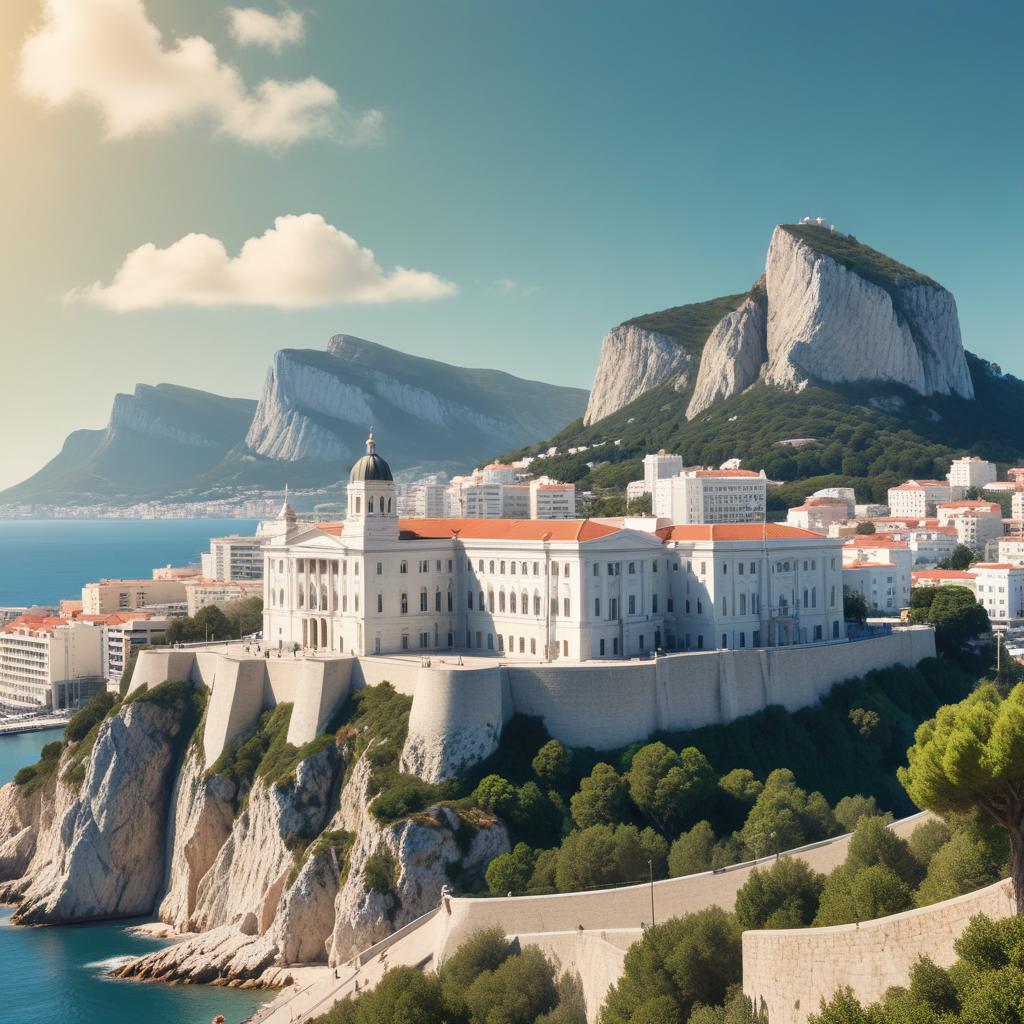
Overview of the Chief Minister Role in Gibraltar
The Chief Minister is a pivotal figure in Gibraltar politics, serving as the head of the government and the primary leader responsible for shaping the territory’s policies and legislative agenda. As the leader of the government, the Chief Minister holds a significant government role, overseeing the execution of laws, directing public administration, and representing Gibraltar both domestically and internationally.
The position of Chief Minister was established following the introduction of constitutional reforms in Gibraltar during the mid-20th century, which granted the territory greater autonomy from British colonial rule. This historical context is essential to understanding the evolution of Gibraltar’s political system, where the Chief Minister emerged as the central authority figure, embodying local governance and democratic leadership. Over time, the role has consolidated authority necessary to manage internal affairs while maintaining close relations with the United Kingdom.
In Gibraltar politics, the Chief Minister is elected by the Gibraltar Parliament, typically the leader of the majority party or coalition. This leader position carries the responsibility of forming a government, selecting ministers, and setting strategic priorities to promote the welfare and development of Gibraltar. The Chief Minister’s powers include proposing legislation, guiding economic and social policy, and managing external relations, especially considering Gibraltar’s unique geopolitical status.
Given Gibraltar’s size and distinctive political landscape, the Chief Minister plays a crucial role in balancing local interests with broader international dynamics. The role demands diplomatic acuity, political leadership, and a profound understanding of Gibraltar’s legal and constitutional framework. Through the office of the Chief Minister, Gibraltar asserts its political identity and exercises self-governance within the framework of its relationship with the United Kingdom.
Overall, the Chief Minister in Gibraltar is not only the leading political figure but also a symbol of the territory’s autonomy and democratic governance, carrying responsibilities that influence the territory’s future and place in regional politics. This blend of leadership, governance, and historical significance makes the Chief Minister role a cornerstone of Gibraltar’s political system.
Historical Formation and Evolution
The history of Gibraltar’s leadership is deeply intertwined with the political development and government evolution of the territory. The role of Chief Minister was formally established in 1964, marking a significant milestone in Gibraltar’s self-governance. This position was created as part of a broader effort to grant Gibraltar greater internal autonomy and to formalize local leadership within the British Overseas Territory’s government structure.
Initially, the Chief Minister acted as the head of the elected Government of Gibraltar, responsible for steering local policies and representing the territory both domestically and internationally. Over time, the role has evolved to reflect the changing political landscape and increasing demands for self-determination among Gibraltar’s residents. The Chief Minister has become a central figure in negotiating Gibraltar’s position on issues such as sovereignty, economic development, and international relations.
The evolution of the position illustrates Gibraltar’s journey from a colonial administration to a more responsive and representative government. This progression in government evolution underscores the complexity of Gibraltar’s political development and highlights the importance of the Chief Minister in balancing local interests with the broader framework of British governance. Today, the Chief Minister remains pivotal in shaping Gibraltar’s future, embodying the territory’s resilient leadership and its historic struggle for political identity.
Powers and Responsibilities
The Chief Minister of Gibraltar holds significant authority as the head of government, responsible for guiding the overall governance of the territory. Constitutionally, the Chief Minister exercises executive powers that include formulating government policies, implementing laws passed by the Gibraltar Parliament, and representing Gibraltar in negotiations with external entities, especially the United Kingdom.
Administratively, the Chief Minister oversees the daily operations of the government, coordinating between various departments to ensure effective delivery of public services. This involves directing the work of ministers, ensuring proper use of public funds, and maintaining the integrity of government institutions. The Chief Minister’s duties also encompass managing crises and responding to public concerns, reinforcing the government’s accountability.
Politically, the Chief Minister embodies the leadership and vision essential for Gibraltar’s development. The role demands balancing internal political dynamics and external diplomatic relations. The Chief Minister drives legislative agendas, liaises with the Gibraltar Parliament, and fosters political consensus to maintain stability. This leadership role solidifies the Chief Minister’s responsibility for upholding democracy and the rule of law in Gibraltar.
Overall, the Chief Minister’s powers and responsibilities are extensive, combining constitutional authority, administrative oversight, and political stewardship to ensure effective governance. Their capacity to wield executive powers decisively while being accountable to the public is central to Gibraltar’s self-governance and continued prosperity.
Notable Chief Ministers of Gibraltar
Gibraltar’s political history has been shaped by several famous leaders who served as Chief Ministers, each leaving a significant impact on the territory’s governance and international standing. These past Chief Ministers played pivotal roles in transforming Gibraltar’s political landscape, advocating for the rights and welfare of its people, and strengthening its identity on the global stage. Below is a list of some of the most influential political figures and Gibraltar leaders whose legacies continue to influence the present and future of the territory.
- Sir Joshua Hassan (1915-1997) – Often regarded as one of the founding fathers of modern Gibraltar, Sir Joshua Hassan was the first Chief Minister, serving multiple terms between 1964 and 1987. His leadership was instrumental during critical periods, including the 1967 sovereignty referendum where Gibraltarians overwhelmingly chose to remain under British sovereignty. Hassan promoted social reforms and played a key role in establishing Gibraltar’s constitutional framework.
- Sir Robert Peliza (1920-2011) – Serving from 1969 to 1972, Sir Robert Peliza was notable for his strong stance against Spanish claims to Gibraltar. He worked to strengthen Gibraltar’s local government institutions and set the stage for future self-governance. As a prominent political figure, Peliza was also active in fostering community development and economic growth.
- Sir Joe Bossano (born 1939) – Chief Minister from 1988 to 1996, Joe Bossano is known for his assertive approach in defending Gibraltar’s sovereignty. His administration focused on economic diversification, reducing dependence on the British military presence, and expanding the financial services sector. Bossano’s era marked a period of increased political confidence for Gibraltar on the international front.
- Peter Caruana (born 1956) – One of the longest-serving Chief Ministers, Caruana held office from 1996 until 2011. Under his leadership, Gibraltar saw significant constitutional advancements, including the 2006 Constitution, which enhanced self-governance and safeguarded the rights of Gibraltarians. Caruana played a vital role in negotiations with the UK and Spain regarding Gibraltar’s status, continually prioritizing the will of the people.
- Fabian Picardo (born 1972) – The current Chief Minister since 2011, Fabian Picardo has continued the legacy of defending Gibraltar’s interests with determination. His tenure has been marked by efforts to fortify Gibraltar’s economy, education, and infrastructure, as well as navigating complex Brexit-related challenges. Picardo remains a prominent political figure advocating for the rights and recognition of Gibraltar internationally.
These prominent Gibraltar leaders exemplify the commitment and resilience of the territory’s political figures. Each past Chief Minister has contributed uniquely to the development of Gibraltar, shaping its identity as a robust and self-determined community. Their legacies as famous leaders continue to inspire present and future generations, ensuring Gibraltar’s place on the world stage remains firm and respected.
Sir Joshua Hassan
Sir Joshua Hassan is widely regarded as the founding leader of modern Gibraltar, leaving an indelible mark on its political landscape. Serving multiple terms as Chief Minister, his leadership was pivotal during a transformative era for the territory. Hassan’s tenure was characterized by his unwavering dedication to enhancing Gibraltar’s political autonomy and advocating fiercely for the rights and welfare of its people.
His political influence extended beyond local governance, as he played a crucial role in negotiating Gibraltar’s relationship with the United Kingdom and Spain. Hassan faced numerous challenges, including territorial disputes and economic pressures that threatened Gibraltar’s stability. Despite these obstacles, he championed policies that encouraged social infrastructure development and economic diversification, helping to solidify Gibraltar’s unique identity.
One of Sir Joshua Hassan’s notable legacies is his contribution to the constitutional development of Gibraltar, laying groundwork for greater self-government and democratic representation. His leadership fostered a sense of unity and pride among Gibraltarians, which remains a significant element of Gibraltar’s history. Today, Sir Joshua Hassan is remembered not only as a skilled politician but as a visionary who shaped the path of Gibraltar’s progress and resilience.
Sir Peter Caruana
Sir Peter Caruana served as Chief Minister of Gibraltar during the modern era, leaving a lasting impact on the territory’s governance and international standing. His leadership, spanning from 1996 to 2011, was marked by decisive policy achievements that shaped Gibraltar’s political landscape and advanced its aspirations for greater autonomy. A skilled politician, Caruana championed constitutional reforms that enhanced Gibraltar’s self-government, solidifying its political identity distinct from the United Kingdom and Spain.
One of Sir Peter Caruana’s notable policy achievements was steering Gibraltar towards broader international recognition and participation. Under his leadership, Gibraltar engaged more actively in diplomacy, advocating for its right to self-determination in forums such as the United Nations. Caruana also prioritized economic diversification and development, fostering growth in sectors like finance, online gaming, and tourism, which helped modernize Gibraltar’s economy and reduce dependency on traditional industries.
Caruana’s tenure was critical in enhancing Gibraltar’s governance by promoting transparency, effective administration, and legal reforms reflective of democratic principles. Furthermore, his diplomatic efforts contributed to a more pragmatic and constructive relationship with neighboring Spain, balancing the delicate international relations Gibraltar must navigate. Overall, Sir Peter Caruana’s legacy in Gibraltar politics is defined by his commitment to strengthening the territory’s status, improving its governance framework, and positioning Gibraltar as a confident and sovereign-minded community on the global stage.
Fabian Picardo
Fabian Picardo, the current Chief Minister of Gibraltar, has played a pivotal role in shaping the latest administration’s direction since he assumed office. His tenure is marked by a strong commitment to safeguarding Gibraltar’s interests and promoting sustainable development. As a prominent figure in Gibraltar’s political landscape, Picardo’s political agenda has focused on enhancing economic resilience, diversifying industries, and protecting the territory’s sovereignty amid evolving geopolitical challenges.
Under Picardo’s leadership, recent initiatives have included investments in infrastructure, expanding digital services, and fostering innovation within the local economy. His administration has emphasized the importance of education, healthcare, and community welfare, ensuring that growth benefits all sectors of society. Furthermore, Picardo has been a vocal advocate for Gibraltar in international forums, striving to maintain strong relations with neighboring countries and the United Kingdom.
The ongoing influence of Fabian Picardo on Gibraltar’s development is evident in the policies aimed at long-term sustainability and social cohesion. His vision continues to guide the territory through complex political landscapes, balancing tradition with modernity. Through persistent advocacy and strategic planning, Picardo’s current Chief Ministership remains central to Gibraltar’s progress and stability.
Impact of Chief Ministers on Gibraltar’s Political Landscape
The Chief Ministers of Gibraltar have played a pivotal role in shaping the territory’s political impact, particularly in terms of political stability, policy changes, government reforms, and issues concerning Gibraltar’s sovereignty. Each Chief Minister, through their leadership style and vision, has influenced the political landscape in unique ways, contributing to Gibraltar’s resilience and evolving governance structure.
Political stability in Gibraltar has often been maintained through the careful navigation of external pressures and internal consensus-building by successive Chief Ministers. Their ability to uphold Gibraltar’s constitutional status while managing relationships with the United Kingdom and Spain has been crucial. This delicate balancing act has ensured ongoing political stability, which is a cornerstone for economic growth and social cohesion in the territory.
Policy changes and government reforms under various Chief Ministers have reflected the needs and aspirations of the Gibraltarian people. From advancing social welfare programs to infrastructure development and economic diversification, these leaders have implemented reforms that modernize governance and improve public services. Notably, several Chief Ministers have championed transparency and efficiency in government operations, enhancing public trust and political accountability.
One of the most sensitive and enduring issues addressed by Gibraltar’s Chief Ministers is the sovereignty of the territory. The political impact of their leadership is evident in their firm stance on maintaining Gibraltar’s right to self-determination. Chief Ministers have engaged in diplomatic efforts and local campaigns to reinforce Gibraltar’s sovereignty claims, asserting the wishes of its people against external pressures. This unwavering commitment has become a defining feature of Gibraltar’s political identity and continues to influence policy making and international relations.
In summary, the Chief Ministers of Gibraltar have significantly influenced the territory’s political fabric by ensuring stability, driving policy innovation, and safeguarding sovereignty. Their roles have extended beyond governance to include advocacy on the world stage, shaping a political environment that respects Gibraltar’s unique status and the aspirations of its citizens. This legacy of strong leadership remains integral to Gibraltar’s continued progress and resilience in the face of regional and global challenges.
Contributions to Gibraltar’s Self-Governance
The Chief Ministers of Gibraltar have played a pivotal role in advancing the territory’s self-government and autonomy. Through visionary political leadership, they have championed constitutional reforms that have progressively enhanced Gibraltar’s ability to govern its own affairs. Their efforts have been central to shaping the constitutional landscape, culminating in key agreements and legislative changes that affirm Gibraltar’s distinct political status.
Starting from limited self-government arrangements, successive Chief Ministers have negotiated with the United Kingdom to extend Gibraltar’s autonomy, allowing for greater control over internal matters while maintaining the benefits of British sovereignty. These constitutional reforms have incorporated safeguards for Gibraltar’s interests, embedding self-government principles in the territory’s political framework. The steady pacing of reforms has ensured a balance between administrative independence and diplomatic considerations.
Political leadership under the Chief Ministers has also been instrumental in promoting Gibraltar’s voice on the international stage, asserting its rights and status. The leadership’s commitment to self-government has fostered a strong local identity, encouraging civic participation and governance transparency. Over time, these contributions have solidified Gibraltar’s position as a self-governing territory with a robust constitutional foundation.
Role in International Relations and Brexit
The Chief Ministers of Gibraltar have played a crucial role in managing the territory’s international relations, especially during the unprecedented challenges posed by Brexit. Their diplomatic efforts have been essential in maintaining strong UK-Gibraltar relations while navigating the complexities of Gibraltar’s unique political and geographical position. Acting as the primary representatives of Gibraltar, Chief Ministers engage actively with UK officials to secure Gibraltar’s interests, ensuring that the territory remains closely aligned with Britain’s policies and benefits from continued support.
In dealing with Spain, the Chief Ministers have often had to balance diplomacy with firmness to protect Gibraltar’s sovereignty. Given the historical tensions and disputes, their role involves continuous negotiation and dialogue with Spanish authorities to safeguard Gibraltar’s rights and facilitate cross-border cooperation where possible. This diplomacy is crucial for maintaining peace and stability in the region while advocating for Gibraltar’s voice on the international stage.
The Brexit impact has further intensified the Chief Ministers’ responsibilities in international relations. With Gibraltar leaving the EU alongside the UK, they have worked to mitigate the effects on trade, movement, and regulatory matters that directly affect the territory. Their diplomatic strategies focus on securing agreements that preserve Gibraltar’s access to European markets and protect the interests of its citizens. In summary, Chief Ministers act as Gibraltar’s key diplomats, adeptly handling relations with the UK, Spain, and the EU to safeguard the territory’s future in a post-Brexit world.

I have always been captivated by the unique cultural tapestry of the Rock, particularly how Moorish, Spanish, and British influences shaped its development over centuries. My passion lies in translating these complex historical narratives into engaging educational resources that make Gibraltar’s past accessible to everyone. I spend my free time exploring military fortifications and reading first-hand accounts of life at the Pillar of Hercules.