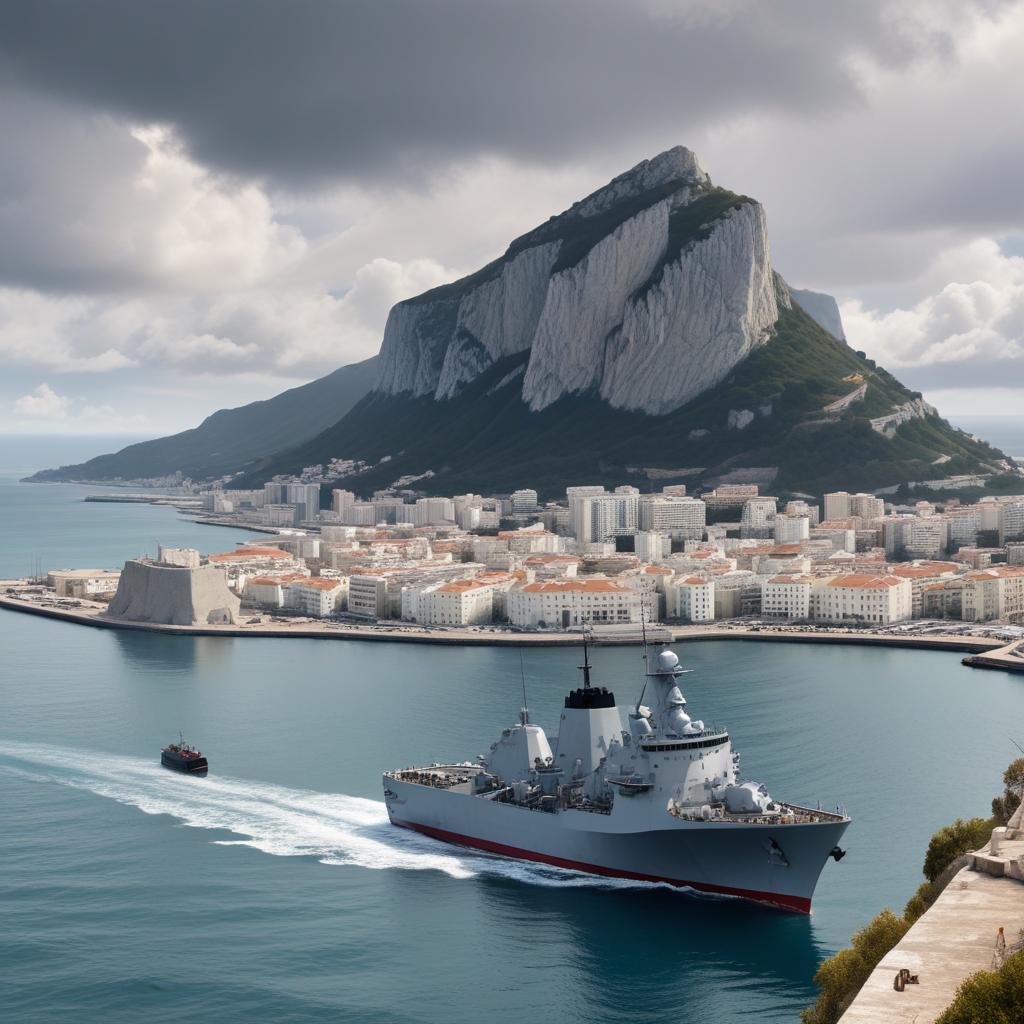
Strategic Importance of Gibraltar During the Cold War
During the Cold War, Gibraltar held a pivotal position that defined its strategic role in military and naval operations. Situated at the southern tip of the Iberian Peninsula, Gibraltar’s unique location commanding the entrance and exit to the Mediterranean Sea made it an indispensable Cold War naval base. This geographic advantage allowed the controlling forces to monitor and influence naval traffic between the Atlantic Ocean and the Mediterranean, acting as a maritime gatekeeper in an era marked by intense geopolitical rivalry.
Gibraltar’s strategic role extended beyond simple geography. Its fortified presence and well-equipped naval facilities provided NATO forces with a critical stronghold to project power and maintain surveillance over Soviet and allied movements in the Mediterranean theatre. Control over Gibraltar offered the West a critical window into naval maneuvers, submarine activity, and maritime logistics, which were vital in maintaining the balance of power during the Cold War.
The importance of Gibraltar as a Cold War naval base was amplified by its natural features. The Rock of Gibraltar itself offered elevated vantage points for radar installations and communication systems, enabling effective early warning and intelligence gathering. Its deep-water port facilities were capable of accommodating large warships and logistical support vessels, making it a hub for naval resupply, repairs, and coordination of operations across the Mediterranean.
Moreover, Gibraltar’s position underscored the Mediterranean’s overall military importance, serving as a fulcrum for controlling sea lanes critical for both military strategy and commercial shipping routes. The ability to control and monitor these passageways directly influenced regional security dynamics and offered a strategic advantage in potential conflict scenarios. Thus, Gibraltar was not only a military asset but also a symbol of Western influence in the Mediterranean during the Cold War era.
In summary, Gibraltar’s geographic location, fortified infrastructure, and role as a Cold War naval base made it a cornerstone of Mediterranean military importance. Its strategic role ensured it remained a key asset in the geopolitical chess game between the Western powers and the Soviet bloc throughout the Cold War.
Geopolitical Location and Influence
Gibraltar’s geopolitical location at the Strait of Gibraltar made it a pivotal strategic point during the Cold War. Sitting at the narrow entrance connecting the Atlantic Ocean and the Mediterranean Sea, Gibraltar allowed for unique control over naval movements between these two vast bodies of water. The significance of this position was heightened by the broader geopolitical tensions of the era, placing Gibraltar at the center of Mediterranean control efforts.
Throughout the Cold War, the ability to monitor and regulate naval traffic through the Strait was crucial for both NATO and Warsaw Pact forces. Gibraltar served as a vital listening post and naval base, enabling allied forces to secure the passageway, maintain surveillance, and assert dominance within the region. This control extended not only to military vessels but also to commercial shipping, affecting supply routes and strategic naval deployments.
The rock’s fortified naval installations and airbases enhanced its defensive capabilities, helping to maintain a balance of power in the Mediterranean. Gibraltar’s strategic location effectively bridged two critical maritime theaters—allowing forces stationed there to project power and influence throughout the Mediterranean basin while also controlling access to the Atlantic. As a result, Gibraltar’s geopolitical location was a key factor in Cold War naval strategy and maritime security.
British and NATO Military Presence
During the Cold War, Gibraltar played a pivotal role as a strategic military outpost for both the British military and NATO alliances. The British military installations on the Rock included fortified naval docks, airfields, and underground tunnels, which served as essential hubs for the projection of Western power in the Mediterranean region. These installations ensured the rapid deployment and resupply of naval and air forces, reinforcing Gibraltar’s status as a critical military stronghold.
Furthermore, Gibraltar’s significance extended beyond national interests to NATO’s collective defense strategy. The base functioned as a crucial NATO outpost, facilitating surveillance, intelligence gathering, and coordination among allied forces. Its location was strategically vital for monitoring Soviet naval movements and securing key maritime routes essential for Western Europe’s security. NATO bases in Gibraltar worked closely with British military forces to maintain robust readiness and operational control across the area.
The integration of British military capabilities with NATO’s Cold War alliances underscored Gibraltar’s importance in sustaining a balance of power against Eastern Bloc forces. This cooperation helped safeguard Western interests in the Mediterranean and Atlantic, ensuring that Gibraltar remained a linchpin in the defense architecture throughout the Cold War. The military presence there symbolized not only British sovereignty but also the unity of NATO in confronting geopolitical threats during this tense period of modern history.
Intelligence and Surveillance Activities in Gibraltar
Throughout the Cold War, Gibraltar stood as a crucial hub for Cold War espionage due to its strategic position controlling access to the Mediterranean Sea. Intelligence gathering and surveillance operations became paramount in this region, enabling Western powers to monitor Soviet naval activities and ensure maritime security. The Rock’s unique geographical vantage point made it an ideal location for intercepting communications and tracking movements, which played a crucial role in the broader intelligence landscape of the Cold War.
Gibraltar intelligence activities encompassed a wide range of surveillance techniques, including electronic eavesdropping, signal interception, and human intelligence operations. British intelligence agencies established sophisticated listening posts and radar stations on the Rock, designed to detect and decode transmissions from Soviet and other Eastern Bloc vessels and aircraft operating in the region. These efforts were part of a larger network of signals intelligence (SIGINT) initiatives aimed at maintaining Western dominance in naval intelligence.
In addition to passive surveillance measures, active counterintelligence operations were rigorously employed to protect Gibraltar from espionage threats. The presence of foreign agents seeking to infiltrate the territory or compromise its facilities necessitated stringent security protocols. British counterespionage units conducted thorough background checks, monitored suspicious activities, and worked in close cooperation with allied intelligence organizations to thwart attempts at gathering sensitive information. This was especially important given Gibraltar’s role as a key NATO listening post.
The Cold War espionage efforts in Gibraltar were also supported by maritime patrols and aerial reconnaissance missions around the Rock and surrounding sea lanes. These operations aimed to detect any submarine or surface vessel movements that could hint at hostile activities. Such surveillance was critical in maintaining situational awareness and ensuring that Gibraltar’s strategic advantage was never compromised by Soviet or allied agents.
Moreover, intelligence sharing between British forces in Gibraltar and their NATO counterparts enhanced the effectiveness of surveillance operations. This collaboration allowed for a more comprehensive picture of Soviet naval deployments and facilitated coordinated responses to potential threats. Gibraltar’s intelligence role extended beyond simple monitoring; it was a frontline outpost in the broader Cold War struggle for information superiority.
In summary, the intelligence and surveillance activities conducted in and around Gibraltar during the Cold War were characterized by a blend of advanced technology, vigilant human efforts, and international cooperation. These operations underscored Gibraltar’s vital role in Cold War espionage, maintaining a cautious watch over maritime routes and protecting Western security interests from the pervasive threats of the era.
Signals Intelligence and Monitoring
During the Cold War, Gibraltar played a critical role in signals intelligence (SIGINT) and monitoring operations. Its strategic location at the entrance to the Mediterranean Sea made it an ideal site for intercepting communications and electronic signals from both Soviet and NATO forces. The British military and intelligence agencies established advanced listening posts and radar installations on the Rock, enabling continuous surveillance of naval and air movements throughout the region.
Gibraltar’s SIGINT facilities were equipped with cutting-edge technology to intercept radio transmissions, microwave signals, and other forms of electronic communication. This information was crucial for deciphering enemy plans, monitoring troop deployments, and maintaining an intelligence advantage during the tense geopolitical standoff of the Cold War. The data collected at Gibraltar was shared with allied intelligence networks, contributing significantly to the overall understanding of Soviet capabilities and strategies.
Cold War monitoring activities in Gibraltar extended beyond mere interception; they also included electronic warfare measures aimed at disrupting hostile communications if necessary. The combination of geographical advantage and technological prowess made Gibraltar one of the most valuable listening posts in Western Europe, underlining its integral role in the broader intelligence framework of the era.
Notable Espionage Incidents
During the Cold War, Gibraltar was a hotspot for Cold War espionage due to its strategic location controlling access to the Mediterranean. Several key spy activities in Gibraltar underscored the intense intelligence challenges faced by the Allied forces and their adversaries. One notable incident involved the penetration of Soviet agents who sought to gather naval intelligence on British and NATO movements at the Rock. These spy activities Gibraltar were marked by covert communications, secret meetings, and surveillance operations that often pushed the limits of international law.
Another significant Cold War espionage event was the discovery of surveillance devices hidden within Gibraltar’s military installations, revealing how deeply intelligence incidents disrupted regional security. British intelligence countered these efforts with rigorous counter-espionage operations, deploying double agents to feed false information to Soviet intelligence. This cat-and-mouse game heightened tensions and underscored Gibraltar’s pivotal role as a frontline intelligence post during the Cold War.
The espionage cases in Gibraltar exemplify the broader Cold War struggle for information dominance. They highlight not only the strategic importance of the territory but also the risks and complexities associated with intelligence work in such a contested space. Overall, these intelligence incidents and spy activities Gibraltar demonstrate how Gibraltar was far more than a military outpost; it was a critical crossroads of Cold War espionage efforts that shaped geopolitical dynamics for decades.
Impact of the Cold War on Gibraltar’s Society and Economy
The Cold War era had profound influences on Cold War Gibraltar society, deeply shaping its social fabric and economic landscape. The geopolitical tensions and military activities that characterized this period transformed Gibraltar from a mere strategic military outpost into a dynamic community heavily intertwined with defense-related functions. This transformation brought notable changes that persistently impacted everyday life and the economy of the territory.
Economically, the military presence became a cornerstone of Gibraltar’s economy. The extensive military installations and ongoing operations required a significant workforce, which increased employment opportunities for local residents. Jobs were created not only within the military ranks but also in supporting industries such as logistics, maintenance, and supply chains. These jobs infused a measure of stability and increased incomes, which contributed to a more robust local economy dependent on defense spending. The economic impact of Cold War Gibraltar’s military economy effects was therefore significant, as it fostered growth in infrastructure and local businesses that catered to the needs of the military personnel and their families.
The social realm also evolved considerably due to the military and geopolitical climate. Gibraltar’s society during the Cold War became markedly militarized, with the presence of British military personnel influencing local customs, social events, and community relations. The interaction between military personnel and local civilians led to cultural exchanges but also occasionally to tension, especially given Gibraltar’s contested political status. Nevertheless, the Cold War period instilled a strong sense of identity and resilience within the population, as residents balanced their unique civilian lives with the demands and disruptions brought by ongoing military readiness and geopolitical uncertainty.
Moreover, the military economy effects extended beyond employment and social dynamics. Infrastructure developments, such as enhanced port facilities and fortified defenses, not only served military needs but also improved Gibraltar’s strategic connectivity and trade capabilities. This dual-use infrastructure played a part in expanding commercial activities once the immediacy of Cold War tensions reduced, helping transition parts of the local economy to more diverse sectors.
In conclusion, the Cold War deeply influenced Gibraltar’s society and economy through its military and geopolitical activities. The interdependence between the military presence and local socio-economic conditions defined much of Gibraltar’s mid-20th century experience, embedding a military economy that shaped both livelihoods and community interactions. The legacy of this period remains evident in Gibraltar’s modern identity and economic structures, reflecting the profound and lasting impact of that historic era.
Economic Benefits and Challenges
During the Cold War, Gibraltar experienced both economic benefits and challenges due to its unique geopolitical position and the substantial military presence on the territory. The economic impact of the Cold War was significant as military spending pumped funds into local businesses and infrastructure development. The presence of British military forces created a steady demand for goods, services, and housing, which stimulated the Gibraltar economy and provided employment opportunities for many residents.
Military spending effects extended beyond direct government contracts, generating secondary economic activity through supply chains and supporting industries. This influx of resources helped modernize Gibraltar’s infrastructure, including ports and telecommunications, enhancing its strategic importance. However, dependence on the military presence also posed substantial risks. Any reduction in defense budgets or strategic shifts could threaten local livelihoods and economic stability.
Moreover, the geopolitical tension inherent in the Cold War created uncertainties that sometimes hindered broader economic diversification. While the military base was a central pillar of the economy, Gibraltar faced challenges in attracting non-military investment due to the perceived risks tied to its role in global Cold War dynamics. Balancing the advantages of military spending with the need for long-term sustainable economic growth remained a delicate task for the territory.
In summary, the economic impact Cold War conditions had on Gibraltar was a mixture of opportunity and challenge, with military presence playing a key role in shaping the Gibraltar economy during this tense historical period.
Social and Cultural Changes
The prolonged military focus and constant threat environment of the Cold War had a profound social impact on Gibraltar. The local population experienced a shift in daily life as the territory became heavily militarized. This militarization influenced community changes in Gibraltar by fostering a close-knit society bound by shared experiences of vigilance and defense readiness. The presence of military personnel not only altered the demographic makeup but also introduced new cultural dynamics to the traditionally civilian populace.
The social impact Cold War imposed on Gibraltar included economic shifts and the adaptation of civil services to support defense needs. Families often faced separations due to deployments, and educational institutions incorporated broader geopolitical themes into their curricula, reflecting the pervasive influence of global tensions. Community gatherings and cultural events frequently carried patriotic tones, emphasizing unity and resilience.
Cultural influence military was evident through the blending of traditional Gibraltarian customs with military customs, ceremonies, and lifestyles. This fusion shaped local identity, reflecting a community that was both proud of its heritage and its strategic role during the Cold War. Gibraltar’s unique bicultural atmosphere today owes much to the decades of military presence, highlighting how hard geopolitical realities can drive profound social and cultural transformation.

I have always been captivated by the unique cultural tapestry of the Rock, particularly how Moorish, Spanish, and British influences shaped its development over centuries. My passion lies in translating these complex historical narratives into engaging educational resources that make Gibraltar’s past accessible to everyone. I spend my free time exploring military fortifications and reading first-hand accounts of life at the Pillar of Hercules.