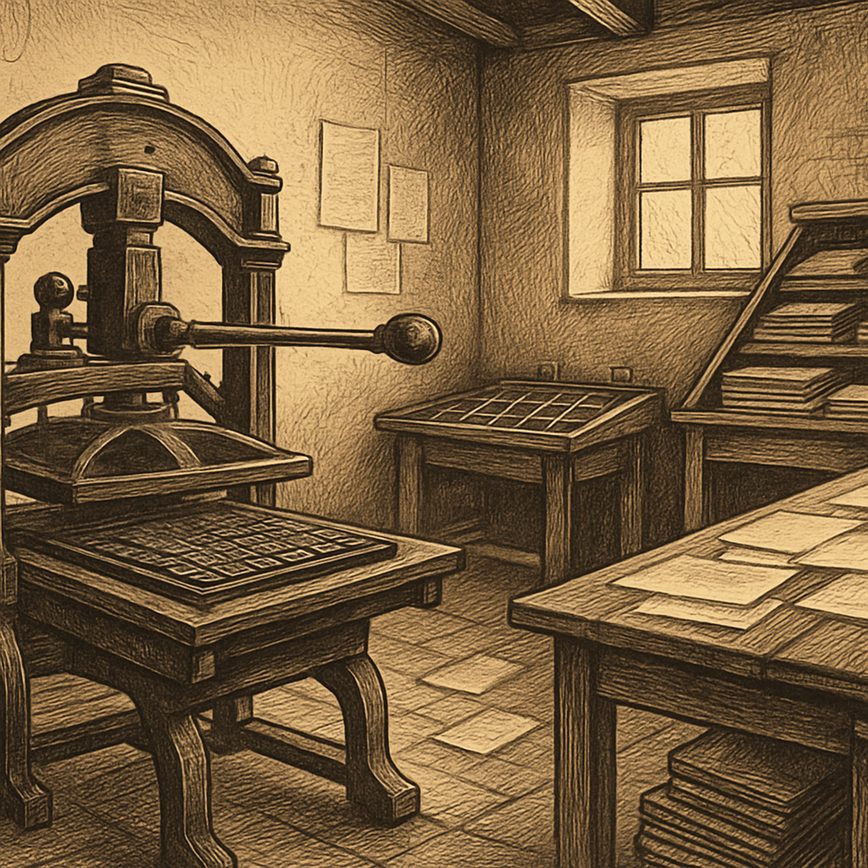
In addition to these established institutions, Gibraltar has seen the rise of various digital news platforms and online publications. These newer media outlets Gibraltar inhabitants engage with contribute to the diversity of voices and perspectives available. Online forums and social media have also become important channels through which popular Gibraltar press content circulates rapidly, keeping the public informed in real time.
The influence of Gibraltar’s main newspapers and media outlets extends beyond mere reporting. They act as forums for civic engagement, allowing citizens to express their views and hold authorities accountable. This dynamic media environment ensures that Gibraltar’s public discourse remains lively and that the community remains well-informed and connected.
In summary, the dominant newspapers and media outlets Gibraltar has cultivated over the years continue to serve as indispensable pillars of information and culture. Their role in preserving Gibraltar’s identity and informing its people underscores their enduring importance in the territory’s history and daily life.
The Gibraltar Chronicle and Its Legacy
The Gibraltar Chronicle holds the distinguished title of being the longest running newspaper in the region, a historic newspaper Gibraltar can be proud of. Established in 1801, it has served as a vital source of news and information for the residents of Gibraltar and its surrounding areas for over two centuries. The Chronicle’s rich history reflects the evolution of print journalism in a unique and strategic location.
Throughout its existence, The Gibraltar Chronicle has played a crucial role in documenting significant events, from military engagements and political changes to social and cultural developments. Its pages have captured the community’s response to challenges, celebrations, and everyday life, making it an invaluable archive of Gibraltar’s heritage. The newspaper has preserved the voice and identity of the territory through times of change and uncertainty.
Its contributions extend beyond mere reportage; The Gibraltar Chronicle has been a platform for public discourse and opinion shaping, fostering informed citizenship. As a historic newspaper Gibraltar continues to rely on, it blends tradition with modernity by adapting to digital platforms while maintaining its reputation for reliable journalism. This legacy cements its status not only as the longest running newspaper but also as a cornerstone of Gibraltar’s media landscape.
Modern Newspapers and Digital Transition
The modern Gibraltar press has undergone significant transformation as it embraces digital newspapers Gibraltar. Traditional print media, once the primary source of news, has had to adapt to rapidly evolving media technology Gibraltar to remain relevant in today’s fast-paced information environment. This digital transition has allowed Gibraltar’s newspapers to reach a wider audience through online platforms, social media, and mobile applications, providing instant access to news and updates.
Digital newspapers in Gibraltar are leveraging advanced media technology Gibraltar to enhance user experience, incorporating multimedia content such as videos, interactive graphics, and real-time reporting. This shift not only broadens the scope of content delivery but also encourages greater engagement from the local community and international readers interested in Gibraltar’s affairs. The transition to digital platforms also presents opportunities for newspapers to diversify revenue streams through digital advertising and subscription models.
Despite the challenges brought on by the digital age, including competition from global news outlets and changing reader habits, the modern Gibraltar press continues to innovate. Newspapers are investing in digital infrastructure, training journalists in new media skills, and fostering online communities to secure their place in Gibraltar’s contemporary media landscape. This ongoing evolution ensures that Gibraltar’s press remains a vital and dynamic force, preserving its rich history while embracing the future.
Press Freedom and Regulation in Gibraltar
Press freedom in Gibraltar has evolved through a complex interplay of historical, legal, and political factors. Situated at a strategic crossroads, Gibraltar’s media landscape reflects a unique blend of British influence and local sensitivities, making the state of press freedom Gibraltar experiences both distinctive and nuanced. While Gibraltar enjoys a tradition of relatively open access to information, this liberty is balanced carefully against the need for regulatory oversight and respect for national security considerations.
Media laws Gibraltar enforces have traditionally drawn heavily from UK legislation, coupled with local ordinances that address the specific social and political context of the territory. These laws regulate the press to ensure ethical journalism, prevent defamatory or harmful publications, and maintain public order. Over the years, the regulatory framework has been refined to accommodate new forms of media and technological advancements, while still maintaining core principles of accountability and transparency within the press. This continual balancing act underscores the delicate relationship between freedom and responsibility in Gibraltar’s media sphere.
The history of press regulation in Gibraltar is marked by periods of both liberalization and restriction, often influenced by geopolitical tensions and governance priorities. During times of political sensitivity or security concerns, regulatory measures have occasionally tightened, leading to debates about their impact on journalistic independence. Nonetheless, Gibraltar has generally maintained a press environment where media outlets can operate with a degree of editorial independence uncommon in many other small territories. The press freedom Gibraltar media enjoys today owes much to persistent efforts by journalists and civil society groups advocating for open and transparent communication channels.
Governmental impact on media in Gibraltar has manifested primarily through legislation, licensing requirements, and public broadcasting policies. While the government exercises oversight to prevent misinformation and protect community interests, it also engages in dialogue with media practitioners to ensure regulations reflect contemporary realities and respect the fundamental right to free expression. This dynamic interaction has facilitated a media climate that, while regulated, supports diverse voices and informed public discourse in Gibraltar. Ultimately, the history of press regulation in Gibraltar is a story of ongoing negotiation between safeguarding freedoms and ensuring responsible journalism.
Legal Framework Governing the Press
The media landscape in Gibraltar is shaped by a specific set of media laws Gibraltar that establish the foundation for press freedom while also ensuring responsible journalism. These laws regulate newspaper publication and press activities, providing a structured environment in which journalists operate. Key among these legislations are provisions that govern press regulations to maintain ethical standards and protect the public interest.
Press regulations in Gibraltar require media outlets to adhere to codes of conduct that emphasize accuracy, fairness, and impartiality in reporting. These journalism rules Gibraltar include guidelines for avoiding defamation, respecting privacy, and ensuring transparency in editorial processes. The laws also address the licensing and operation of newspapers, stipulating clear protocols to ensure they meet legal and professional requirements.
Moreover, the legal framework includes provisions for handling complaints against the press, with mechanisms in place to investigate breaches and impose penalties when necessary. This reinforces accountability among journalists and media entities. Overall, the media laws Gibraltar balance the freedom of the press with the responsibility to report truthfully and respectfully, fostering a press environment that supports democratic values and public trust.
Challenges and Opportunities for Journalists
Journalism in Gibraltar faces unique challenges and promising opportunities as the media landscape continues to evolve. Understanding these press issues is crucial for journalists striving to maintain integrity and relevance in this dynamic environment.
- Limited Market Size: Gibraltar’s small population restricts the audience reach, making it challenging for journalists to attract broad readership and secure diverse revenue streams.
- Resource Constraints: Smaller newsrooms often mean fewer resources, impacting the ability to cover a wide range of topics comprehensively and invest in investigative journalism.
- Political and Social Pressures: Journalists encounter difficulties balancing impartial reporting with local sensitivities and political influences, which can affect editorial freedom and trust.
- Technological Adaptation: The shift to digital platforms requires media professionals in Gibraltar to continually adapt skills and tools to remain competitive and engage younger audiences effectively.
- Opportunities for Growth: Emerging digital media and social networks open up new avenues for storytelling, enabling journalists to reach global audiences and diversify content formats.
- Collaborative Potential: Partnerships between local media and international outlets can enrich coverage depth, provide training opportunities, and help address press issues collaboratively.
- Community Engagement: Increased focus on community-driven journalism and niche reporting offers opportunities to build stronger connections and deliver highly relevant news.
Historical Development of Press and Newspapers in Gibraltar
The history of the Gibraltar press is a fascinating journey that traces the origins and evolution of newspapers and media development in Gibraltar from its earliest days to the present. The Gibraltar press history is deeply intertwined with the political, social, and economic changes the region has undergone over the centuries. Newspapers in Gibraltar played a crucial role in informing the public, shaping opinion, and documenting the unique experiences of this British overseas territory.
The origins of press media in Gibraltar date back to the early 19th century when the first newspapers began to appear amidst the strategic military and commercial significance of the territory. These early publications, often focused on naval and military news, reflected the importance of Gibraltar as a fortress and gateway between the Atlantic Ocean and the Mediterranean Sea. Over time, the press expanded its coverage to include local affairs, politics, and culture, becoming a vital platform for communication among the diverse population.
Throughout the 20th century, newspapers in Gibraltar evolved significantly with advances in printing technology and changes in political governance. Press freedom grew, and media outlets began to address a wider array of topics, including social issues, education, and Gibraltar’s relationship with Spain and the United Kingdom. This period saw newspapers assume an increasingly influential role in the media development of Gibraltar by advocating for the community’s interests and providing a voice for different social groups.
Modern times have witnessed the digital transformation of Gibraltar’s press and newspapers. Traditional print media has expanded into online platforms, enabling faster dissemination of news and interactive engagement with readers. The Gibraltar press history now embraces multimedia formats, social media presence, and 24-hour news cycles, reflecting global trends while retaining a local focus. Today, Gibraltar’s media landscape stands as a testament to a rich history of press origins that have continually adapted to meet the needs of its population in a rapidly changing world.
Early Newspapers and Publications
The history of early Gibraltar newspapers reflects the emergence of an original press in Gibraltar that played a crucial role in shaping local society. The first newspapers in Gibraltar appeared in the early 19th century, marking a significant milestone in the communication landscape of this strategic British territory. These early Gibraltar newspapers were primarily founded by individuals keen to provide residents with timely news, information, and opinions relevant to both local and broader geopolitical developments.
Among the pioneering historical publications was the “Gibraltar Chronicle,” established in 1801. It is often recognized as one of the oldest English-language newspapers still in circulation, founded by a group of businessmen and military personnel who recognized the need for a reliable source of information amidst the bustling activity at the port. The original press Gibraltar scene also included smaller pamphlets and gazettes that catered to diverse segments of the population, from commercial interests to local government announcements.
The initial impact of these early Gibraltar newspapers was profound. They not only provided news but also fostered a sense of community and civic identity among the residents. By delivering information about trade, military matters, and social events, these publications helped connect Gibraltar’s population, giving them a voice and a medium through which to engage with the wider world. The legacy of these historical publications continues to influence Gibraltar’s vibrant media environment today.
Press During Key Historical Periods
The Gibraltar press has undergone significant transformation during key historical periods, notably during World War II and under British colonial rule. During World War II, Gibraltar’s press played a crucial role in disseminating information, boosting morale, and maintaining public order amidst the tensions of war. The colonial press in Gibraltar acted not only as a source of news but also as a platform for colonial authorities to communicate policies and promote a cohesive identity among the diverse population. This period marked an evolution in the press’s role, where newspapers transitioned from simple news outlets to vital tools of information management and political influence.
The Gibraltar press during WW2 adapted to the restrictions and censorship imposed by the military and colonial administration, yet it remained a key medium for community connection. Newspapers documented the hardships and resilience of the local population, fostering a collective spirit. Post-war, the press evolved further, expanding its coverage and embracing new journalistic standards, reflecting changes in both local society and the broader colonial landscape.
The press evolution history in Gibraltar highlights its journey from modest colonial newsletters to more complex newspapers that balanced colonial interests with the growing aspirations of the local populace. This transformation underscores the press’s pivotal role in shaping public opinion and recording the unique historical narrative of Gibraltar through times of war and peace.
Prominent Newspapers and Media Outlets in Gibraltar
Gibraltar, with its unique cultural and political landscape, is home to several main newspapers Gibraltar residents rely on for news, opinions, and local updates. These popular Gibraltar press outlets play a crucial role in shaping public discourse and reflecting the territory’s vibrant community.
Among the most influential media outlets Gibraltar boasts is the Gibraltar Chronicle, the oldest English-language newspaper in Gibraltar and one of the oldest in the world still in publication. Established in the 19th century, the Gibraltar Chronicle has long been a cornerstone of Gibraltar’s press, delivering comprehensive coverage of local, regional, and international news. Its longevity and consistent quality have earned it a reputation as a trusted source for residents and visitors alike.
Another key player in Gibraltar’s media landscape is the Gibraltar Broadcasting Corporation (GBC), the territory’s public service broadcaster. GBC operates television and radio stations that provide a mix of news, entertainment, and cultural programming. As a media outlet Gibraltar audiences frequently turn to, GBC helps foster a sense of community by highlighting local issues and promoting Gibraltar’s interests on a broader scale.

I have always been captivated by the unique cultural tapestry of the Rock, particularly how Moorish, Spanish, and British influences shaped its development over centuries. My passion lies in translating these complex historical narratives into engaging educational resources that make Gibraltar’s past accessible to everyone. I spend my free time exploring military fortifications and reading first-hand accounts of life at the Pillar of Hercules.