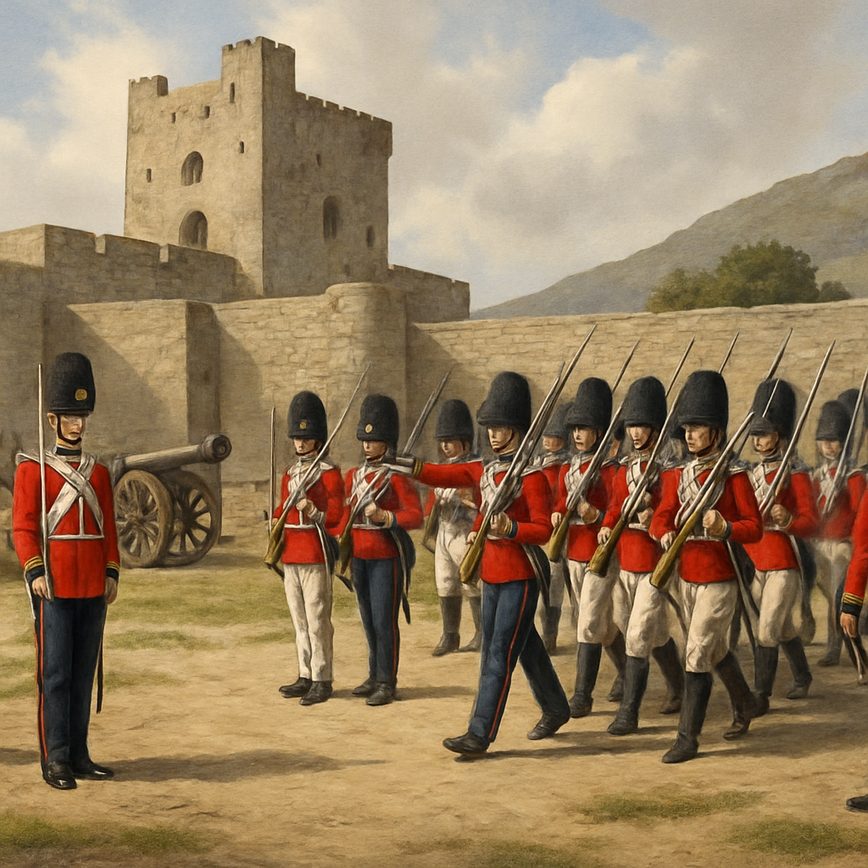
The regiment was heavily involved in manning the extensive fortifications and anti-aircraft defenses that guarded Gibraltar’s rock and surrounding waters. Their duties included operating coastal artillery batteries, conducting patrols, and maintaining a state of high alert against potential invasions or air raids. These actions were vital in protecting the key naval base and maintaining British control throughout the war.
In addition to static defense, the regiment’s soldiers were trained and prepared for offensive operations if necessary. They undertook specialized training in commando tactics and amphibious landings, ready to respond swiftly to any threats that emerged beyond Gibraltar’s shores. This dual capability underscored their critical role during the wartime period.
The contributions of the Royal Gibraltar Regiment during World War II were a testament to their dedication and strategic importance. Their effective combination of defensive fortitude and offensive preparedness helped ensure Gibraltar’s position as a key Allied stronghold, influencing the Mediterranean theater’s outcome significantly.
Post-War Missions and Modern Deployments
Since the end of World War II, the Royal Gibraltar Regiment has played a vital role in numerous post-war missions, reflecting its evolving role on the international stage. The regiment has been actively engaged in peacekeeping operations, often working alongside United Nations forces to help maintain stability in conflict zones around the world. These peacekeeping duties underscore the regiment’s commitment to global security and humanitarian efforts.
Throughout the latter half of the 20th century and into the 21st century, the Royal Gibraltar Regiment has seen a broad range of modern deployments. These deployments not only include defensive responsibilities within Gibraltar but also extend to operational support and coalition missions abroad. The regiment’s adaptability and professionalism have earned it recognition in multinational environments, contributing to peacekeeping efforts and security operations in various regions.
Modern deployments have often involved collaborative missions under the auspices of the United Nations, where the regiment has taken part in efforts ranging from monitoring ceasefires to providing humanitarian aid in vulnerable areas. These post-war missions have helped reinforce the regiment’s reputation as a disciplined and versatile force, capable of responding to diverse challenges in contemporary military scenarios.
Current Role and Legacy of the Royal Gibraltar Regiment
The Royal Gibraltar Regiment holds a vital position within Gibraltar’s defense force, embodying a rich military legacy while adapting to modern defense challenges. Established originally as a militia and evolving over decades, the regiment today acts as the primary military stronghold responsible for the protection and security of the British Overseas Territory of Gibraltar.
In its current role, the Royal Gibraltar Regiment functions as a versatile defense unit integrating infantry, engineering, and ceremonial duties. This multifaceted responsibility ensures that Gibraltar remains well-defended against any threats, maintaining sovereignty and security through a blend of traditional military practices and contemporary tactical approaches. The regiment also supports the wider British Armed Forces when needed, demonstrating readiness to contribute beyond its borders.
As part of Gibraltar’s defense force, the regiment is actively engaged in training and preparedness, maintaining operations that safeguard critical strategic points, such as the Rock of Gibraltar and surrounding territories. The regiment’s soldiers are trained to handle various scenarios, from conventional defense to civil aid and crisis response, thereby underscoring their indispensable role in Gibraltar’s national security architecture.
The military legacy of the Royal Gibraltar Regiment is deeply woven into the cultural and historical identity of Gibraltar. It reflects a lineage of commitment, resilience, and service that has been passed down through generations. This legacy is honored in ceremonial functions and memorials, reinforcing the regiment’s role not only as a modern defense force but also as a custodian of Gibraltar’s proud martial traditions.
Today, the regiment remains a symbol of Gibraltar’s enduring spirit and commitment to defense. Its presence strengthens the territory’s strategic importance on the global stage, contributing to peace and stability in the region. The Royal Gibraltar Regiment’s current role and enduring legacy continue to inspire pride among Gibraltarians, ensuring that their defense force remains robust and respected.
Today’s Structure and Capabilities
The Royal Gibraltar Regiment’s current structure is designed to meet the demands of modern military operations while maintaining its historical legacy. The regiment is organized into a headquarters company alongside operational companies that focus on infantry and support roles. This structure ensures flexibility and rapid deployment capabilities suitable for Gibraltar’s unique strategic position.
In terms of military capabilities, the regiment is trained to conduct a variety of defense and security operations, including territorial defense, internal security, and support to civil authorities. Training programs emphasize both conventional infantry skills and specialized operations, ensuring personnel are well-prepared for diverse scenarios. Continuous exercises are conducted to maintain a high level of readiness and operational proficiency.
The equipment used by the Royal Gibraltar Regiment reflects modern defense needs. Soldiers are equipped with contemporary small arms and personal protective gear suitable for different environments. The regiment employs armored vehicles, communication systems, and surveillance equipment that enable effective command and control in both urban and rugged terrains. These assets enhance their ability to perform reconnaissance, defense, and rapid response tasks.
Overall, the regiment’s current structure, military capabilities, and equipment ensure it remains a vital component of Gibraltar’s defense. Its well-trained troops and modern arsenal enable it to adapt to evolving threats and maintain security in this strategically important region.
Legacy and Cultural Significance
The Royal Gibraltar Regiment holds a profound cultural significance that extends beyond its military duties, deeply woven into the heritage of Gibraltar. As a symbol of pride and resilience, the regiment embodies centuries-old military traditions that continue to be honored and preserved by both its members and the local community. These traditions reflect the unique identity of Gibraltar and foster a strong sense of belonging among its citizens.
The regiment’s legacy is evident in its ceremonial duties and public engagements, which serve as important cultural events for the community. Parades, commemorations, and the regiment’s distinctive dress and drills are not only military displays but also celebrations of Gibraltar’s rich history and collective memory. These events provide an opportunity for locals and visitors alike to engage with and appreciate the military heritage that shapes Gibraltar’s identity.
Beyond Gibraltar, the Royal Gibraltar Regiment is recognized for its role in peacekeeping and defense, carrying its cultural values and traditions onto the international stage. This has helped to cement a legacy of honor, discipline, and community impact that resonates well beyond its immediate surroundings. The regiment’s story continues to inspire new generations, highlighting the enduring impact of military heritage on cultural continuity and community spirit.
Throughout its history, the Royal Gibraltar Regiment has also contributed to broader British military operations beyond the territory. The regiment has been deployed in various peacekeeping and combat operations worldwide, reflecting its adaptability to different conflict environments. These operations not only bolstered the regiment’s experience but also enhanced its reputation within the British Army.
In addition to peacekeeping, the regiment has seen action in active combat zones, participating in several battles that tested its tactical proficiency and resilience. The regiment’s involvement in these battles underscored its readiness to support the British Armed Forces in critical scenarios, contributing to mission success while upholding its proud military tradition.
Operational history for the Royal Gibraltar Regiment also includes extensive training exercises aimed at preparing for modern warfare challenges. These exercises, often conducted in collaboration with other units of the British Army, highlight the regiment’s commitment to maintaining high standards of combat readiness and operational effectiveness.
Overall, the military engagements and operations of the Royal Gibraltar Regiment illustrate a legacy of disciplined service and tactical expertise. The regiment’s experiences in numerous operations and battles have cemented its role as a crucial component of British military strategy, particularly in the defense of Gibraltar and contributions to global military missions.
World War II Contributions
During World War II, the Royal Gibraltar Regiment played a crucial role in the defense and security of Gibraltar, a strategic stronghold at the entrance to the Mediterranean. The regiment’s wartime service was marked by a combination of both defensive vigilance and offensive readiness, ensuring that Gibraltar remained secure against Axis threats.
The regiment was heavily involved in manning the extensive fortifications and anti-aircraft defenses that guarded Gibraltar’s rock and surrounding waters. Their duties included operating coastal artillery batteries, conducting patrols, and maintaining a state of high alert against potential invasions or air raids. These actions were vital in protecting the key naval base and maintaining British control throughout the war.
In addition to static defense, the regiment’s soldiers were trained and prepared for offensive operations if necessary. They undertook specialized training in commando tactics and amphibious landings, ready to respond swiftly to any threats that emerged beyond Gibraltar’s shores. This dual capability underscored their critical role during the wartime period.
The contributions of the Royal Gibraltar Regiment during World War II were a testament to their dedication and strategic importance. Their effective combination of defensive fortitude and offensive preparedness helped ensure Gibraltar’s position as a key Allied stronghold, influencing the Mediterranean theater’s outcome significantly.
Post-War Missions and Modern Deployments
Since the end of World War II, the Royal Gibraltar Regiment has played a vital role in numerous post-war missions, reflecting its evolving role on the international stage. The regiment has been actively engaged in peacekeeping operations, often working alongside United Nations forces to help maintain stability in conflict zones around the world. These peacekeeping duties underscore the regiment’s commitment to global security and humanitarian efforts.
Throughout the latter half of the 20th century and into the 21st century, the Royal Gibraltar Regiment has seen a broad range of modern deployments. These deployments not only include defensive responsibilities within Gibraltar but also extend to operational support and coalition missions abroad. The regiment’s adaptability and professionalism have earned it recognition in multinational environments, contributing to peacekeeping efforts and security operations in various regions.
Modern deployments have often involved collaborative missions under the auspices of the United Nations, where the regiment has taken part in efforts ranging from monitoring ceasefires to providing humanitarian aid in vulnerable areas. These post-war missions have helped reinforce the regiment’s reputation as a disciplined and versatile force, capable of responding to diverse challenges in contemporary military scenarios.
Current Role and Legacy of the Royal Gibraltar Regiment
The Royal Gibraltar Regiment holds a vital position within Gibraltar’s defense force, embodying a rich military legacy while adapting to modern defense challenges. Established originally as a militia and evolving over decades, the regiment today acts as the primary military stronghold responsible for the protection and security of the British Overseas Territory of Gibraltar.
In its current role, the Royal Gibraltar Regiment functions as a versatile defense unit integrating infantry, engineering, and ceremonial duties. This multifaceted responsibility ensures that Gibraltar remains well-defended against any threats, maintaining sovereignty and security through a blend of traditional military practices and contemporary tactical approaches. The regiment also supports the wider British Armed Forces when needed, demonstrating readiness to contribute beyond its borders.
As part of Gibraltar’s defense force, the regiment is actively engaged in training and preparedness, maintaining operations that safeguard critical strategic points, such as the Rock of Gibraltar and surrounding territories. The regiment’s soldiers are trained to handle various scenarios, from conventional defense to civil aid and crisis response, thereby underscoring their indispensable role in Gibraltar’s national security architecture.
The military legacy of the Royal Gibraltar Regiment is deeply woven into the cultural and historical identity of Gibraltar. It reflects a lineage of commitment, resilience, and service that has been passed down through generations. This legacy is honored in ceremonial functions and memorials, reinforcing the regiment’s role not only as a modern defense force but also as a custodian of Gibraltar’s proud martial traditions.
Today, the regiment remains a symbol of Gibraltar’s enduring spirit and commitment to defense. Its presence strengthens the territory’s strategic importance on the global stage, contributing to peace and stability in the region. The Royal Gibraltar Regiment’s current role and enduring legacy continue to inspire pride among Gibraltarians, ensuring that their defense force remains robust and respected.
Today’s Structure and Capabilities
The Royal Gibraltar Regiment’s current structure is designed to meet the demands of modern military operations while maintaining its historical legacy. The regiment is organized into a headquarters company alongside operational companies that focus on infantry and support roles. This structure ensures flexibility and rapid deployment capabilities suitable for Gibraltar’s unique strategic position.
In terms of military capabilities, the regiment is trained to conduct a variety of defense and security operations, including territorial defense, internal security, and support to civil authorities. Training programs emphasize both conventional infantry skills and specialized operations, ensuring personnel are well-prepared for diverse scenarios. Continuous exercises are conducted to maintain a high level of readiness and operational proficiency.
The equipment used by the Royal Gibraltar Regiment reflects modern defense needs. Soldiers are equipped with contemporary small arms and personal protective gear suitable for different environments. The regiment employs armored vehicles, communication systems, and surveillance equipment that enable effective command and control in both urban and rugged terrains. These assets enhance their ability to perform reconnaissance, defense, and rapid response tasks.
Overall, the regiment’s current structure, military capabilities, and equipment ensure it remains a vital component of Gibraltar’s defense. Its well-trained troops and modern arsenal enable it to adapt to evolving threats and maintain security in this strategically important region.
Legacy and Cultural Significance
The Royal Gibraltar Regiment holds a profound cultural significance that extends beyond its military duties, deeply woven into the heritage of Gibraltar. As a symbol of pride and resilience, the regiment embodies centuries-old military traditions that continue to be honored and preserved by both its members and the local community. These traditions reflect the unique identity of Gibraltar and foster a strong sense of belonging among its citizens.
The regiment’s legacy is evident in its ceremonial duties and public engagements, which serve as important cultural events for the community. Parades, commemorations, and the regiment’s distinctive dress and drills are not only military displays but also celebrations of Gibraltar’s rich history and collective memory. These events provide an opportunity for locals and visitors alike to engage with and appreciate the military heritage that shapes Gibraltar’s identity.
Beyond Gibraltar, the Royal Gibraltar Regiment is recognized for its role in peacekeeping and defense, carrying its cultural values and traditions onto the international stage. This has helped to cement a legacy of honor, discipline, and community impact that resonates well beyond its immediate surroundings. The regiment’s story continues to inspire new generations, highlighting the enduring impact of military heritage on cultural continuity and community spirit.
Throughout its history, the Royal Gibraltar Regiment has also contributed to broader British military operations beyond the territory. The regiment has been deployed in various peacekeeping and combat operations worldwide, reflecting its adaptability to different conflict environments. These operations not only bolstered the regiment’s experience but also enhanced its reputation within the British Army.
In addition to peacekeeping, the regiment has seen action in active combat zones, participating in several battles that tested its tactical proficiency and resilience. The regiment’s involvement in these battles underscored its readiness to support the British Armed Forces in critical scenarios, contributing to mission success while upholding its proud military tradition.
Operational history for the Royal Gibraltar Regiment also includes extensive training exercises aimed at preparing for modern warfare challenges. These exercises, often conducted in collaboration with other units of the British Army, highlight the regiment’s commitment to maintaining high standards of combat readiness and operational effectiveness.
Overall, the military engagements and operations of the Royal Gibraltar Regiment illustrate a legacy of disciplined service and tactical expertise. The regiment’s experiences in numerous operations and battles have cemented its role as a crucial component of British military strategy, particularly in the defense of Gibraltar and contributions to global military missions.
World War II Contributions
During World War II, the Royal Gibraltar Regiment played a crucial role in the defense and security of Gibraltar, a strategic stronghold at the entrance to the Mediterranean. The regiment’s wartime service was marked by a combination of both defensive vigilance and offensive readiness, ensuring that Gibraltar remained secure against Axis threats.
The regiment was heavily involved in manning the extensive fortifications and anti-aircraft defenses that guarded Gibraltar’s rock and surrounding waters. Their duties included operating coastal artillery batteries, conducting patrols, and maintaining a state of high alert against potential invasions or air raids. These actions were vital in protecting the key naval base and maintaining British control throughout the war.
In addition to static defense, the regiment’s soldiers were trained and prepared for offensive operations if necessary. They undertook specialized training in commando tactics and amphibious landings, ready to respond swiftly to any threats that emerged beyond Gibraltar’s shores. This dual capability underscored their critical role during the wartime period.
The contributions of the Royal Gibraltar Regiment during World War II were a testament to their dedication and strategic importance. Their effective combination of defensive fortitude and offensive preparedness helped ensure Gibraltar’s position as a key Allied stronghold, influencing the Mediterranean theater’s outcome significantly.
Post-War Missions and Modern Deployments
Since the end of World War II, the Royal Gibraltar Regiment has played a vital role in numerous post-war missions, reflecting its evolving role on the international stage. The regiment has been actively engaged in peacekeeping operations, often working alongside United Nations forces to help maintain stability in conflict zones around the world. These peacekeeping duties underscore the regiment’s commitment to global security and humanitarian efforts.
Throughout the latter half of the 20th century and into the 21st century, the Royal Gibraltar Regiment has seen a broad range of modern deployments. These deployments not only include defensive responsibilities within Gibraltar but also extend to operational support and coalition missions abroad. The regiment’s adaptability and professionalism have earned it recognition in multinational environments, contributing to peacekeeping efforts and security operations in various regions.
Modern deployments have often involved collaborative missions under the auspices of the United Nations, where the regiment has taken part in efforts ranging from monitoring ceasefires to providing humanitarian aid in vulnerable areas. These post-war missions have helped reinforce the regiment’s reputation as a disciplined and versatile force, capable of responding to diverse challenges in contemporary military scenarios.
Current Role and Legacy of the Royal Gibraltar Regiment
The Royal Gibraltar Regiment holds a vital position within Gibraltar’s defense force, embodying a rich military legacy while adapting to modern defense challenges. Established originally as a militia and evolving over decades, the regiment today acts as the primary military stronghold responsible for the protection and security of the British Overseas Territory of Gibraltar.
In its current role, the Royal Gibraltar Regiment functions as a versatile defense unit integrating infantry, engineering, and ceremonial duties. This multifaceted responsibility ensures that Gibraltar remains well-defended against any threats, maintaining sovereignty and security through a blend of traditional military practices and contemporary tactical approaches. The regiment also supports the wider British Armed Forces when needed, demonstrating readiness to contribute beyond its borders.
As part of Gibraltar’s defense force, the regiment is actively engaged in training and preparedness, maintaining operations that safeguard critical strategic points, such as the Rock of Gibraltar and surrounding territories. The regiment’s soldiers are trained to handle various scenarios, from conventional defense to civil aid and crisis response, thereby underscoring their indispensable role in Gibraltar’s national security architecture.
The military legacy of the Royal Gibraltar Regiment is deeply woven into the cultural and historical identity of Gibraltar. It reflects a lineage of commitment, resilience, and service that has been passed down through generations. This legacy is honored in ceremonial functions and memorials, reinforcing the regiment’s role not only as a modern defense force but also as a custodian of Gibraltar’s proud martial traditions.
Today, the regiment remains a symbol of Gibraltar’s enduring spirit and commitment to defense. Its presence strengthens the territory’s strategic importance on the global stage, contributing to peace and stability in the region. The Royal Gibraltar Regiment’s current role and enduring legacy continue to inspire pride among Gibraltarians, ensuring that their defense force remains robust and respected.
Today’s Structure and Capabilities
The Royal Gibraltar Regiment’s current structure is designed to meet the demands of modern military operations while maintaining its historical legacy. The regiment is organized into a headquarters company alongside operational companies that focus on infantry and support roles. This structure ensures flexibility and rapid deployment capabilities suitable for Gibraltar’s unique strategic position.
In terms of military capabilities, the regiment is trained to conduct a variety of defense and security operations, including territorial defense, internal security, and support to civil authorities. Training programs emphasize both conventional infantry skills and specialized operations, ensuring personnel are well-prepared for diverse scenarios. Continuous exercises are conducted to maintain a high level of readiness and operational proficiency.
The equipment used by the Royal Gibraltar Regiment reflects modern defense needs. Soldiers are equipped with contemporary small arms and personal protective gear suitable for different environments. The regiment employs armored vehicles, communication systems, and surveillance equipment that enable effective command and control in both urban and rugged terrains. These assets enhance their ability to perform reconnaissance, defense, and rapid response tasks.
Overall, the regiment’s current structure, military capabilities, and equipment ensure it remains a vital component of Gibraltar’s defense. Its well-trained troops and modern arsenal enable it to adapt to evolving threats and maintain security in this strategically important region.
Legacy and Cultural Significance
The Royal Gibraltar Regiment holds a profound cultural significance that extends beyond its military duties, deeply woven into the heritage of Gibraltar. As a symbol of pride and resilience, the regiment embodies centuries-old military traditions that continue to be honored and preserved by both its members and the local community. These traditions reflect the unique identity of Gibraltar and foster a strong sense of belonging among its citizens.
The regiment’s legacy is evident in its ceremonial duties and public engagements, which serve as important cultural events for the community. Parades, commemorations, and the regiment’s distinctive dress and drills are not only military displays but also celebrations of Gibraltar’s rich history and collective memory. These events provide an opportunity for locals and visitors alike to engage with and appreciate the military heritage that shapes Gibraltar’s identity.
Beyond Gibraltar, the Royal Gibraltar Regiment is recognized for its role in peacekeeping and defense, carrying its cultural values and traditions onto the international stage. This has helped to cement a legacy of honor, discipline, and community impact that resonates well beyond its immediate surroundings. The regiment’s story continues to inspire new generations, highlighting the enduring impact of military heritage on cultural continuity and community spirit.
The post-war years brought further transformations, as the regiment adapted to peacetime roles and the evolving political climate surrounding Gibraltar. During the latter half of the 20th century, the regiment became more structured and professionalized, reflecting broader military reforms. These changes were essential to maintain readiness amid the fluctuating tensions around Gibraltar’s sovereignty and its strategic importance.
In summary, the 20th century was a period of profound military changes for the Royal Gibraltar Regiment. From its origins as a local defense force to a modern regiment capable of diverse military operations, the unit’s evolution mirrored the dynamic history of the century and Gibraltar’s unique strategic position.

Key Engagements and Operational History
The Royal Gibraltar Regiment has a rich history marked by various significant military engagements and operations that have demonstrated its strategic importance and operational capabilities. Since its establishment, the regiment has been actively involved in a range of military operations, showcasing the versatility and dedication of its personnel.
One of the earliest notable engagements involving the Royal Gibraltar Regiment was during the defense of Gibraltar itself, where the unit played a crucial role in maintaining territorial security. The regiment’s military engagements often focused on safeguarding the strategic British territory, which has been a vital naval base and fortress in the Mediterranean.
Throughout its history, the Royal Gibraltar Regiment has also contributed to broader British military operations beyond the territory. The regiment has been deployed in various peacekeeping and combat operations worldwide, reflecting its adaptability to different conflict environments. These operations not only bolstered the regiment’s experience but also enhanced its reputation within the British Army.
In addition to peacekeeping, the regiment has seen action in active combat zones, participating in several battles that tested its tactical proficiency and resilience. The regiment’s involvement in these battles underscored its readiness to support the British Armed Forces in critical scenarios, contributing to mission success while upholding its proud military tradition.
Operational history for the Royal Gibraltar Regiment also includes extensive training exercises aimed at preparing for modern warfare challenges. These exercises, often conducted in collaboration with other units of the British Army, highlight the regiment’s commitment to maintaining high standards of combat readiness and operational effectiveness.
Overall, the military engagements and operations of the Royal Gibraltar Regiment illustrate a legacy of disciplined service and tactical expertise. The regiment’s experiences in numerous operations and battles have cemented its role as a crucial component of British military strategy, particularly in the defense of Gibraltar and contributions to global military missions.
World War II Contributions
During World War II, the Royal Gibraltar Regiment played a crucial role in the defense and security of Gibraltar, a strategic stronghold at the entrance to the Mediterranean. The regiment’s wartime service was marked by a combination of both defensive vigilance and offensive readiness, ensuring that Gibraltar remained secure against Axis threats.
The regiment was heavily involved in manning the extensive fortifications and anti-aircraft defenses that guarded Gibraltar’s rock and surrounding waters. Their duties included operating coastal artillery batteries, conducting patrols, and maintaining a state of high alert against potential invasions or air raids. These actions were vital in protecting the key naval base and maintaining British control throughout the war.
In addition to static defense, the regiment’s soldiers were trained and prepared for offensive operations if necessary. They undertook specialized training in commando tactics and amphibious landings, ready to respond swiftly to any threats that emerged beyond Gibraltar’s shores. This dual capability underscored their critical role during the wartime period.
The contributions of the Royal Gibraltar Regiment during World War II were a testament to their dedication and strategic importance. Their effective combination of defensive fortitude and offensive preparedness helped ensure Gibraltar’s position as a key Allied stronghold, influencing the Mediterranean theater’s outcome significantly.
Post-War Missions and Modern Deployments
Since the end of World War II, the Royal Gibraltar Regiment has played a vital role in numerous post-war missions, reflecting its evolving role on the international stage. The regiment has been actively engaged in peacekeeping operations, often working alongside United Nations forces to help maintain stability in conflict zones around the world. These peacekeeping duties underscore the regiment’s commitment to global security and humanitarian efforts.
Throughout the latter half of the 20th century and into the 21st century, the Royal Gibraltar Regiment has seen a broad range of modern deployments. These deployments not only include defensive responsibilities within Gibraltar but also extend to operational support and coalition missions abroad. The regiment’s adaptability and professionalism have earned it recognition in multinational environments, contributing to peacekeeping efforts and security operations in various regions.
Modern deployments have often involved collaborative missions under the auspices of the United Nations, where the regiment has taken part in efforts ranging from monitoring ceasefires to providing humanitarian aid in vulnerable areas. These post-war missions have helped reinforce the regiment’s reputation as a disciplined and versatile force, capable of responding to diverse challenges in contemporary military scenarios.
Current Role and Legacy of the Royal Gibraltar Regiment
The Royal Gibraltar Regiment holds a vital position within Gibraltar’s defense force, embodying a rich military legacy while adapting to modern defense challenges. Established originally as a militia and evolving over decades, the regiment today acts as the primary military stronghold responsible for the protection and security of the British Overseas Territory of Gibraltar.
In its current role, the Royal Gibraltar Regiment functions as a versatile defense unit integrating infantry, engineering, and ceremonial duties. This multifaceted responsibility ensures that Gibraltar remains well-defended against any threats, maintaining sovereignty and security through a blend of traditional military practices and contemporary tactical approaches. The regiment also supports the wider British Armed Forces when needed, demonstrating readiness to contribute beyond its borders.
As part of Gibraltar’s defense force, the regiment is actively engaged in training and preparedness, maintaining operations that safeguard critical strategic points, such as the Rock of Gibraltar and surrounding territories. The regiment’s soldiers are trained to handle various scenarios, from conventional defense to civil aid and crisis response, thereby underscoring their indispensable role in Gibraltar’s national security architecture.
The military legacy of the Royal Gibraltar Regiment is deeply woven into the cultural and historical identity of Gibraltar. It reflects a lineage of commitment, resilience, and service that has been passed down through generations. This legacy is honored in ceremonial functions and memorials, reinforcing the regiment’s role not only as a modern defense force but also as a custodian of Gibraltar’s proud martial traditions.
Today, the regiment remains a symbol of Gibraltar’s enduring spirit and commitment to defense. Its presence strengthens the territory’s strategic importance on the global stage, contributing to peace and stability in the region. The Royal Gibraltar Regiment’s current role and enduring legacy continue to inspire pride among Gibraltarians, ensuring that their defense force remains robust and respected.
Today’s Structure and Capabilities
The Royal Gibraltar Regiment’s current structure is designed to meet the demands of modern military operations while maintaining its historical legacy. The regiment is organized into a headquarters company alongside operational companies that focus on infantry and support roles. This structure ensures flexibility and rapid deployment capabilities suitable for Gibraltar’s unique strategic position.
In terms of military capabilities, the regiment is trained to conduct a variety of defense and security operations, including territorial defense, internal security, and support to civil authorities. Training programs emphasize both conventional infantry skills and specialized operations, ensuring personnel are well-prepared for diverse scenarios. Continuous exercises are conducted to maintain a high level of readiness and operational proficiency.
The equipment used by the Royal Gibraltar Regiment reflects modern defense needs. Soldiers are equipped with contemporary small arms and personal protective gear suitable for different environments. The regiment employs armored vehicles, communication systems, and surveillance equipment that enable effective command and control in both urban and rugged terrains. These assets enhance their ability to perform reconnaissance, defense, and rapid response tasks.
Overall, the regiment’s current structure, military capabilities, and equipment ensure it remains a vital component of Gibraltar’s defense. Its well-trained troops and modern arsenal enable it to adapt to evolving threats and maintain security in this strategically important region.
Legacy and Cultural Significance
The Royal Gibraltar Regiment holds a profound cultural significance that extends beyond its military duties, deeply woven into the heritage of Gibraltar. As a symbol of pride and resilience, the regiment embodies centuries-old military traditions that continue to be honored and preserved by both its members and the local community. These traditions reflect the unique identity of Gibraltar and foster a strong sense of belonging among its citizens.
The regiment’s legacy is evident in its ceremonial duties and public engagements, which serve as important cultural events for the community. Parades, commemorations, and the regiment’s distinctive dress and drills are not only military displays but also celebrations of Gibraltar’s rich history and collective memory. These events provide an opportunity for locals and visitors alike to engage with and appreciate the military heritage that shapes Gibraltar’s identity.
Beyond Gibraltar, the Royal Gibraltar Regiment is recognized for its role in peacekeeping and defense, carrying its cultural values and traditions onto the international stage. This has helped to cement a legacy of honor, discipline, and community impact that resonates well beyond its immediate surroundings. The regiment’s story continues to inspire new generations, highlighting the enduring impact of military heritage on cultural continuity and community spirit.
The post-war years brought further transformations, as the regiment adapted to peacetime roles and the evolving political climate surrounding Gibraltar. During the latter half of the 20th century, the regiment became more structured and professionalized, reflecting broader military reforms. These changes were essential to maintain readiness amid the fluctuating tensions around Gibraltar’s sovereignty and its strategic importance.
In summary, the 20th century was a period of profound military changes for the Royal Gibraltar Regiment. From its origins as a local defense force to a modern regiment capable of diverse military operations, the unit’s evolution mirrored the dynamic history of the century and Gibraltar’s unique strategic position.
Key Engagements and Operational History
The Royal Gibraltar Regiment has a rich history marked by various significant military engagements and operations that have demonstrated its strategic importance and operational capabilities. Since its establishment, the regiment has been actively involved in a range of military operations, showcasing the versatility and dedication of its personnel.
One of the earliest notable engagements involving the Royal Gibraltar Regiment was during the defense of Gibraltar itself, where the unit played a crucial role in maintaining territorial security. The regiment’s military engagements often focused on safeguarding the strategic British territory, which has been a vital naval base and fortress in the Mediterranean.
Throughout its history, the Royal Gibraltar Regiment has also contributed to broader British military operations beyond the territory. The regiment has been deployed in various peacekeeping and combat operations worldwide, reflecting its adaptability to different conflict environments. These operations not only bolstered the regiment’s experience but also enhanced its reputation within the British Army.
In addition to peacekeeping, the regiment has seen action in active combat zones, participating in several battles that tested its tactical proficiency and resilience. The regiment’s involvement in these battles underscored its readiness to support the British Armed Forces in critical scenarios, contributing to mission success while upholding its proud military tradition.
Operational history for the Royal Gibraltar Regiment also includes extensive training exercises aimed at preparing for modern warfare challenges. These exercises, often conducted in collaboration with other units of the British Army, highlight the regiment’s commitment to maintaining high standards of combat readiness and operational effectiveness.
Overall, the military engagements and operations of the Royal Gibraltar Regiment illustrate a legacy of disciplined service and tactical expertise. The regiment’s experiences in numerous operations and battles have cemented its role as a crucial component of British military strategy, particularly in the defense of Gibraltar and contributions to global military missions.
World War II Contributions
During World War II, the Royal Gibraltar Regiment played a crucial role in the defense and security of Gibraltar, a strategic stronghold at the entrance to the Mediterranean. The regiment’s wartime service was marked by a combination of both defensive vigilance and offensive readiness, ensuring that Gibraltar remained secure against Axis threats.
The regiment was heavily involved in manning the extensive fortifications and anti-aircraft defenses that guarded Gibraltar’s rock and surrounding waters. Their duties included operating coastal artillery batteries, conducting patrols, and maintaining a state of high alert against potential invasions or air raids. These actions were vital in protecting the key naval base and maintaining British control throughout the war.
In addition to static defense, the regiment’s soldiers were trained and prepared for offensive operations if necessary. They undertook specialized training in commando tactics and amphibious landings, ready to respond swiftly to any threats that emerged beyond Gibraltar’s shores. This dual capability underscored their critical role during the wartime period.
The contributions of the Royal Gibraltar Regiment during World War II were a testament to their dedication and strategic importance. Their effective combination of defensive fortitude and offensive preparedness helped ensure Gibraltar’s position as a key Allied stronghold, influencing the Mediterranean theater’s outcome significantly.
Post-War Missions and Modern Deployments
Since the end of World War II, the Royal Gibraltar Regiment has played a vital role in numerous post-war missions, reflecting its evolving role on the international stage. The regiment has been actively engaged in peacekeeping operations, often working alongside United Nations forces to help maintain stability in conflict zones around the world. These peacekeeping duties underscore the regiment’s commitment to global security and humanitarian efforts.
Throughout the latter half of the 20th century and into the 21st century, the Royal Gibraltar Regiment has seen a broad range of modern deployments. These deployments not only include defensive responsibilities within Gibraltar but also extend to operational support and coalition missions abroad. The regiment’s adaptability and professionalism have earned it recognition in multinational environments, contributing to peacekeeping efforts and security operations in various regions.
Modern deployments have often involved collaborative missions under the auspices of the United Nations, where the regiment has taken part in efforts ranging from monitoring ceasefires to providing humanitarian aid in vulnerable areas. These post-war missions have helped reinforce the regiment’s reputation as a disciplined and versatile force, capable of responding to diverse challenges in contemporary military scenarios.
Current Role and Legacy of the Royal Gibraltar Regiment
The Royal Gibraltar Regiment holds a vital position within Gibraltar’s defense force, embodying a rich military legacy while adapting to modern defense challenges. Established originally as a militia and evolving over decades, the regiment today acts as the primary military stronghold responsible for the protection and security of the British Overseas Territory of Gibraltar.
In its current role, the Royal Gibraltar Regiment functions as a versatile defense unit integrating infantry, engineering, and ceremonial duties. This multifaceted responsibility ensures that Gibraltar remains well-defended against any threats, maintaining sovereignty and security through a blend of traditional military practices and contemporary tactical approaches. The regiment also supports the wider British Armed Forces when needed, demonstrating readiness to contribute beyond its borders.
As part of Gibraltar’s defense force, the regiment is actively engaged in training and preparedness, maintaining operations that safeguard critical strategic points, such as the Rock of Gibraltar and surrounding territories. The regiment’s soldiers are trained to handle various scenarios, from conventional defense to civil aid and crisis response, thereby underscoring their indispensable role in Gibraltar’s national security architecture.
The military legacy of the Royal Gibraltar Regiment is deeply woven into the cultural and historical identity of Gibraltar. It reflects a lineage of commitment, resilience, and service that has been passed down through generations. This legacy is honored in ceremonial functions and memorials, reinforcing the regiment’s role not only as a modern defense force but also as a custodian of Gibraltar’s proud martial traditions.
Today, the regiment remains a symbol of Gibraltar’s enduring spirit and commitment to defense. Its presence strengthens the territory’s strategic importance on the global stage, contributing to peace and stability in the region. The Royal Gibraltar Regiment’s current role and enduring legacy continue to inspire pride among Gibraltarians, ensuring that their defense force remains robust and respected.
Today’s Structure and Capabilities
The Royal Gibraltar Regiment’s current structure is designed to meet the demands of modern military operations while maintaining its historical legacy. The regiment is organized into a headquarters company alongside operational companies that focus on infantry and support roles. This structure ensures flexibility and rapid deployment capabilities suitable for Gibraltar’s unique strategic position.
In terms of military capabilities, the regiment is trained to conduct a variety of defense and security operations, including territorial defense, internal security, and support to civil authorities. Training programs emphasize both conventional infantry skills and specialized operations, ensuring personnel are well-prepared for diverse scenarios. Continuous exercises are conducted to maintain a high level of readiness and operational proficiency.
The equipment used by the Royal Gibraltar Regiment reflects modern defense needs. Soldiers are equipped with contemporary small arms and personal protective gear suitable for different environments. The regiment employs armored vehicles, communication systems, and surveillance equipment that enable effective command and control in both urban and rugged terrains. These assets enhance their ability to perform reconnaissance, defense, and rapid response tasks.
Overall, the regiment’s current structure, military capabilities, and equipment ensure it remains a vital component of Gibraltar’s defense. Its well-trained troops and modern arsenal enable it to adapt to evolving threats and maintain security in this strategically important region.
Legacy and Cultural Significance
The Royal Gibraltar Regiment holds a profound cultural significance that extends beyond its military duties, deeply woven into the heritage of Gibraltar. As a symbol of pride and resilience, the regiment embodies centuries-old military traditions that continue to be honored and preserved by both its members and the local community. These traditions reflect the unique identity of Gibraltar and foster a strong sense of belonging among its citizens.
The regiment’s legacy is evident in its ceremonial duties and public engagements, which serve as important cultural events for the community. Parades, commemorations, and the regiment’s distinctive dress and drills are not only military displays but also celebrations of Gibraltar’s rich history and collective memory. These events provide an opportunity for locals and visitors alike to engage with and appreciate the military heritage that shapes Gibraltar’s identity.
Beyond Gibraltar, the Royal Gibraltar Regiment is recognized for its role in peacekeeping and defense, carrying its cultural values and traditions onto the international stage. This has helped to cement a legacy of honor, discipline, and community impact that resonates well beyond its immediate surroundings. The regiment’s story continues to inspire new generations, highlighting the enduring impact of military heritage on cultural continuity and community spirit.
Origins and Formation of the Royal Gibraltar Regiment
The Royal Gibraltar Regiment has a rich formation history that traces back to the early military beginnings of Gibraltar. Established to serve as a local defense force, its origins are deeply rooted in the strategic importance of Gibraltar as a fortress and key military outpost. The initial purpose of the Royal Gibraltar Regiment was to safeguard the territory against potential threats and invasions, reflecting Gibraltar’s long-standing role as a critical naval and land stronghold for the British Empire.
The formation of the regiment emerged from the necessity to create a reliable, fully integrated unit composed of local volunteers who were familiar with the terrain and climate of Gibraltar. This local connection not only strengthened the regiment’s defensive capabilities but also fostered a sense of pride and loyalty among its members. The origins of the Royal Gibraltar Regiment are closely associated with this community-based approach to defense, providing a unique blend of professional military training and intimate knowledge of the region.
Initially, the regiment’s duties encompassed guarding the fortress, manning key defensive positions, and supporting the broader British forces stationed in Gibraltar. Over time, the Royal Gibraltar Regiment gained recognition for its disciplined structure and operational effectiveness, reflecting the robust military beginnings upon which it was founded. These early activities set the foundation for its evolution into a highly respected unit within the British Army.
Understanding the royal regiment’s formation history offers insight into its enduring legacy and continued importance. From its establishment, the unit has embodied the spirit of Gibraltar’s resilience and strategic significance. The Royal Gibraltar Regiment remains a symbol of the territory’s military heritage, with its origins and formation marking the beginning of a proud chapter in Gibraltar’s defense history.
Early Military Roles and Responsibilities
In its formative years, the Royal Gibraltar Regiment was primarily tasked with vital early roles that laid the foundation for Gibraltar’s defense history. The regiment’s military duties were focused on protecting the strategic fortress of Gibraltar, a key point controlling access to the Mediterranean Sea. These early roles included manning coastal defenses, operating artillery positions, and conducting patrols to safeguard the territory against potential invasion or sabotage. The regiment was responsible for maintaining security and order within the territory, acting as both a defensive force and a symbol of British military presence in the region.
Throughout its initial period, the regiment’s military duties evolved to adapt to changing threats and technological advancements, yet its core responsibility remained the defense of Gibraltar’s borders and infrastructure. The early years were marked by rigorous training and discipline to ensure that the regiment could swiftly respond to any military threat. By fulfilling these roles, the Royal Gibraltar Regiment played a crucial part in shaping the defense history of Gibraltar, asserting its importance in the broader strategic defense network of the British Empire.
Overall, the regiment’s early roles established the framework for its ongoing commitment to Gibraltar’s security, making it an integral institution in the territory’s military heritage. Its foundational duties ensured readiness and resilience, characteristics that continue to define the regiment’s purpose today.
Evolution Through the 20th Century
The Royal Gibraltar Regiment experienced significant evolution throughout the 20th century, shaped by major historical events and shifting military demands. Initially formed to safeguard Gibraltar during times of conflict, the regiment adapted continuously to the changing nature of warfare and geopolitical challenges that characterized the century.
During World War I and World War II, the regiment’s role expanded beyond local defense to include more extensive operational duties. This period marked a crucial phase in the regiment evolution as it incorporated modern military strategies and technologies, reflecting broader military changes occurring worldwide. The regiment’s contribution during these wars strengthened its operational capabilities and forged a reputation for resilience and effectiveness.
The post-war years brought further transformations, as the regiment adapted to peacetime roles and the evolving political climate surrounding Gibraltar. During the latter half of the 20th century, the regiment became more structured and professionalized, reflecting broader military reforms. These changes were essential to maintain readiness amid the fluctuating tensions around Gibraltar’s sovereignty and its strategic importance.
In summary, the 20th century was a period of profound military changes for the Royal Gibraltar Regiment. From its origins as a local defense force to a modern regiment capable of diverse military operations, the unit’s evolution mirrored the dynamic history of the century and Gibraltar’s unique strategic position.
Key Engagements and Operational History
The Royal Gibraltar Regiment has a rich history marked by various significant military engagements and operations that have demonstrated its strategic importance and operational capabilities. Since its establishment, the regiment has been actively involved in a range of military operations, showcasing the versatility and dedication of its personnel.
One of the earliest notable engagements involving the Royal Gibraltar Regiment was during the defense of Gibraltar itself, where the unit played a crucial role in maintaining territorial security. The regiment’s military engagements often focused on safeguarding the strategic British territory, which has been a vital naval base and fortress in the Mediterranean.
Throughout its history, the Royal Gibraltar Regiment has also contributed to broader British military operations beyond the territory. The regiment has been deployed in various peacekeeping and combat operations worldwide, reflecting its adaptability to different conflict environments. These operations not only bolstered the regiment’s experience but also enhanced its reputation within the British Army.
In addition to peacekeeping, the regiment has seen action in active combat zones, participating in several battles that tested its tactical proficiency and resilience. The regiment’s involvement in these battles underscored its readiness to support the British Armed Forces in critical scenarios, contributing to mission success while upholding its proud military tradition.
Operational history for the Royal Gibraltar Regiment also includes extensive training exercises aimed at preparing for modern warfare challenges. These exercises, often conducted in collaboration with other units of the British Army, highlight the regiment’s commitment to maintaining high standards of combat readiness and operational effectiveness.
Overall, the military engagements and operations of the Royal Gibraltar Regiment illustrate a legacy of disciplined service and tactical expertise. The regiment’s experiences in numerous operations and battles have cemented its role as a crucial component of British military strategy, particularly in the defense of Gibraltar and contributions to global military missions.
World War II Contributions
During World War II, the Royal Gibraltar Regiment played a crucial role in the defense and security of Gibraltar, a strategic stronghold at the entrance to the Mediterranean. The regiment’s wartime service was marked by a combination of both defensive vigilance and offensive readiness, ensuring that Gibraltar remained secure against Axis threats.
The regiment was heavily involved in manning the extensive fortifications and anti-aircraft defenses that guarded Gibraltar’s rock and surrounding waters. Their duties included operating coastal artillery batteries, conducting patrols, and maintaining a state of high alert against potential invasions or air raids. These actions were vital in protecting the key naval base and maintaining British control throughout the war.
In addition to static defense, the regiment’s soldiers were trained and prepared for offensive operations if necessary. They undertook specialized training in commando tactics and amphibious landings, ready to respond swiftly to any threats that emerged beyond Gibraltar’s shores. This dual capability underscored their critical role during the wartime period.
The contributions of the Royal Gibraltar Regiment during World War II were a testament to their dedication and strategic importance. Their effective combination of defensive fortitude and offensive preparedness helped ensure Gibraltar’s position as a key Allied stronghold, influencing the Mediterranean theater’s outcome significantly.
Post-War Missions and Modern Deployments
Since the end of World War II, the Royal Gibraltar Regiment has played a vital role in numerous post-war missions, reflecting its evolving role on the international stage. The regiment has been actively engaged in peacekeeping operations, often working alongside United Nations forces to help maintain stability in conflict zones around the world. These peacekeeping duties underscore the regiment’s commitment to global security and humanitarian efforts.
Throughout the latter half of the 20th century and into the 21st century, the Royal Gibraltar Regiment has seen a broad range of modern deployments. These deployments not only include defensive responsibilities within Gibraltar but also extend to operational support and coalition missions abroad. The regiment’s adaptability and professionalism have earned it recognition in multinational environments, contributing to peacekeeping efforts and security operations in various regions.
Modern deployments have often involved collaborative missions under the auspices of the United Nations, where the regiment has taken part in efforts ranging from monitoring ceasefires to providing humanitarian aid in vulnerable areas. These post-war missions have helped reinforce the regiment’s reputation as a disciplined and versatile force, capable of responding to diverse challenges in contemporary military scenarios.
Current Role and Legacy of the Royal Gibraltar Regiment
The Royal Gibraltar Regiment holds a vital position within Gibraltar’s defense force, embodying a rich military legacy while adapting to modern defense challenges. Established originally as a militia and evolving over decades, the regiment today acts as the primary military stronghold responsible for the protection and security of the British Overseas Territory of Gibraltar.
In its current role, the Royal Gibraltar Regiment functions as a versatile defense unit integrating infantry, engineering, and ceremonial duties. This multifaceted responsibility ensures that Gibraltar remains well-defended against any threats, maintaining sovereignty and security through a blend of traditional military practices and contemporary tactical approaches. The regiment also supports the wider British Armed Forces when needed, demonstrating readiness to contribute beyond its borders.
As part of Gibraltar’s defense force, the regiment is actively engaged in training and preparedness, maintaining operations that safeguard critical strategic points, such as the Rock of Gibraltar and surrounding territories. The regiment’s soldiers are trained to handle various scenarios, from conventional defense to civil aid and crisis response, thereby underscoring their indispensable role in Gibraltar’s national security architecture.
The military legacy of the Royal Gibraltar Regiment is deeply woven into the cultural and historical identity of Gibraltar. It reflects a lineage of commitment, resilience, and service that has been passed down through generations. This legacy is honored in ceremonial functions and memorials, reinforcing the regiment’s role not only as a modern defense force but also as a custodian of Gibraltar’s proud martial traditions.
Today, the regiment remains a symbol of Gibraltar’s enduring spirit and commitment to defense. Its presence strengthens the territory’s strategic importance on the global stage, contributing to peace and stability in the region. The Royal Gibraltar Regiment’s current role and enduring legacy continue to inspire pride among Gibraltarians, ensuring that their defense force remains robust and respected.
Today’s Structure and Capabilities
The Royal Gibraltar Regiment’s current structure is designed to meet the demands of modern military operations while maintaining its historical legacy. The regiment is organized into a headquarters company alongside operational companies that focus on infantry and support roles. This structure ensures flexibility and rapid deployment capabilities suitable for Gibraltar’s unique strategic position.
In terms of military capabilities, the regiment is trained to conduct a variety of defense and security operations, including territorial defense, internal security, and support to civil authorities. Training programs emphasize both conventional infantry skills and specialized operations, ensuring personnel are well-prepared for diverse scenarios. Continuous exercises are conducted to maintain a high level of readiness and operational proficiency.
The equipment used by the Royal Gibraltar Regiment reflects modern defense needs. Soldiers are equipped with contemporary small arms and personal protective gear suitable for different environments. The regiment employs armored vehicles, communication systems, and surveillance equipment that enable effective command and control in both urban and rugged terrains. These assets enhance their ability to perform reconnaissance, defense, and rapid response tasks.
Overall, the regiment’s current structure, military capabilities, and equipment ensure it remains a vital component of Gibraltar’s defense. Its well-trained troops and modern arsenal enable it to adapt to evolving threats and maintain security in this strategically important region.
Legacy and Cultural Significance
The Royal Gibraltar Regiment holds a profound cultural significance that extends beyond its military duties, deeply woven into the heritage of Gibraltar. As a symbol of pride and resilience, the regiment embodies centuries-old military traditions that continue to be honored and preserved by both its members and the local community. These traditions reflect the unique identity of Gibraltar and foster a strong sense of belonging among its citizens.
The regiment’s legacy is evident in its ceremonial duties and public engagements, which serve as important cultural events for the community. Parades, commemorations, and the regiment’s distinctive dress and drills are not only military displays but also celebrations of Gibraltar’s rich history and collective memory. These events provide an opportunity for locals and visitors alike to engage with and appreciate the military heritage that shapes Gibraltar’s identity.
Beyond Gibraltar, the Royal Gibraltar Regiment is recognized for its role in peacekeeping and defense, carrying its cultural values and traditions onto the international stage. This has helped to cement a legacy of honor, discipline, and community impact that resonates well beyond its immediate surroundings. The regiment’s story continues to inspire new generations, highlighting the enduring impact of military heritage on cultural continuity and community spirit.
Throughout its history, the Royal Gibraltar Regiment has also contributed to broader British military operations beyond the territory. The regiment has been deployed in various peacekeeping and combat operations worldwide, reflecting its adaptability to different conflict environments. These operations not only bolstered the regiment’s experience but also enhanced its reputation within the British Army.
In addition to peacekeeping, the regiment has seen action in active combat zones, participating in several battles that tested its tactical proficiency and resilience. The regiment’s involvement in these battles underscored its readiness to support the British Armed Forces in critical scenarios, contributing to mission success while upholding its proud military tradition.
Operational history for the Royal Gibraltar Regiment also includes extensive training exercises aimed at preparing for modern warfare challenges. These exercises, often conducted in collaboration with other units of the British Army, highlight the regiment’s commitment to maintaining high standards of combat readiness and operational effectiveness.
Overall, the military engagements and operations of the Royal Gibraltar Regiment illustrate a legacy of disciplined service and tactical expertise. The regiment’s experiences in numerous operations and battles have cemented its role as a crucial component of British military strategy, particularly in the defense of Gibraltar and contributions to global military missions.
World War II Contributions
During World War II, the Royal Gibraltar Regiment played a crucial role in the defense and security of Gibraltar, a strategic stronghold at the entrance to the Mediterranean. The regiment’s wartime service was marked by a combination of both defensive vigilance and offensive readiness, ensuring that Gibraltar remained secure against Axis threats.
The regiment was heavily involved in manning the extensive fortifications and anti-aircraft defenses that guarded Gibraltar’s rock and surrounding waters. Their duties included operating coastal artillery batteries, conducting patrols, and maintaining a state of high alert against potential invasions or air raids. These actions were vital in protecting the key naval base and maintaining British control throughout the war.
In addition to static defense, the regiment’s soldiers were trained and prepared for offensive operations if necessary. They undertook specialized training in commando tactics and amphibious landings, ready to respond swiftly to any threats that emerged beyond Gibraltar’s shores. This dual capability underscored their critical role during the wartime period.
The contributions of the Royal Gibraltar Regiment during World War II were a testament to their dedication and strategic importance. Their effective combination of defensive fortitude and offensive preparedness helped ensure Gibraltar’s position as a key Allied stronghold, influencing the Mediterranean theater’s outcome significantly.
Post-War Missions and Modern Deployments
Since the end of World War II, the Royal Gibraltar Regiment has played a vital role in numerous post-war missions, reflecting its evolving role on the international stage. The regiment has been actively engaged in peacekeeping operations, often working alongside United Nations forces to help maintain stability in conflict zones around the world. These peacekeeping duties underscore the regiment’s commitment to global security and humanitarian efforts.
Throughout the latter half of the 20th century and into the 21st century, the Royal Gibraltar Regiment has seen a broad range of modern deployments. These deployments not only include defensive responsibilities within Gibraltar but also extend to operational support and coalition missions abroad. The regiment’s adaptability and professionalism have earned it recognition in multinational environments, contributing to peacekeeping efforts and security operations in various regions.
Modern deployments have often involved collaborative missions under the auspices of the United Nations, where the regiment has taken part in efforts ranging from monitoring ceasefires to providing humanitarian aid in vulnerable areas. These post-war missions have helped reinforce the regiment’s reputation as a disciplined and versatile force, capable of responding to diverse challenges in contemporary military scenarios.
Current Role and Legacy of the Royal Gibraltar Regiment
The Royal Gibraltar Regiment holds a vital position within Gibraltar’s defense force, embodying a rich military legacy while adapting to modern defense challenges. Established originally as a militia and evolving over decades, the regiment today acts as the primary military stronghold responsible for the protection and security of the British Overseas Territory of Gibraltar.
In its current role, the Royal Gibraltar Regiment functions as a versatile defense unit integrating infantry, engineering, and ceremonial duties. This multifaceted responsibility ensures that Gibraltar remains well-defended against any threats, maintaining sovereignty and security through a blend of traditional military practices and contemporary tactical approaches. The regiment also supports the wider British Armed Forces when needed, demonstrating readiness to contribute beyond its borders.
As part of Gibraltar’s defense force, the regiment is actively engaged in training and preparedness, maintaining operations that safeguard critical strategic points, such as the Rock of Gibraltar and surrounding territories. The regiment’s soldiers are trained to handle various scenarios, from conventional defense to civil aid and crisis response, thereby underscoring their indispensable role in Gibraltar’s national security architecture.
The military legacy of the Royal Gibraltar Regiment is deeply woven into the cultural and historical identity of Gibraltar. It reflects a lineage of commitment, resilience, and service that has been passed down through generations. This legacy is honored in ceremonial functions and memorials, reinforcing the regiment’s role not only as a modern defense force but also as a custodian of Gibraltar’s proud martial traditions.
Today, the regiment remains a symbol of Gibraltar’s enduring spirit and commitment to defense. Its presence strengthens the territory’s strategic importance on the global stage, contributing to peace and stability in the region. The Royal Gibraltar Regiment’s current role and enduring legacy continue to inspire pride among Gibraltarians, ensuring that their defense force remains robust and respected.
Today’s Structure and Capabilities
The Royal Gibraltar Regiment’s current structure is designed to meet the demands of modern military operations while maintaining its historical legacy. The regiment is organized into a headquarters company alongside operational companies that focus on infantry and support roles. This structure ensures flexibility and rapid deployment capabilities suitable for Gibraltar’s unique strategic position.
In terms of military capabilities, the regiment is trained to conduct a variety of defense and security operations, including territorial defense, internal security, and support to civil authorities. Training programs emphasize both conventional infantry skills and specialized operations, ensuring personnel are well-prepared for diverse scenarios. Continuous exercises are conducted to maintain a high level of readiness and operational proficiency.
The equipment used by the Royal Gibraltar Regiment reflects modern defense needs. Soldiers are equipped with contemporary small arms and personal protective gear suitable for different environments. The regiment employs armored vehicles, communication systems, and surveillance equipment that enable effective command and control in both urban and rugged terrains. These assets enhance their ability to perform reconnaissance, defense, and rapid response tasks.
Overall, the regiment’s current structure, military capabilities, and equipment ensure it remains a vital component of Gibraltar’s defense. Its well-trained troops and modern arsenal enable it to adapt to evolving threats and maintain security in this strategically important region.
Legacy and Cultural Significance
The Royal Gibraltar Regiment holds a profound cultural significance that extends beyond its military duties, deeply woven into the heritage of Gibraltar. As a symbol of pride and resilience, the regiment embodies centuries-old military traditions that continue to be honored and preserved by both its members and the local community. These traditions reflect the unique identity of Gibraltar and foster a strong sense of belonging among its citizens.
The regiment’s legacy is evident in its ceremonial duties and public engagements, which serve as important cultural events for the community. Parades, commemorations, and the regiment’s distinctive dress and drills are not only military displays but also celebrations of Gibraltar’s rich history and collective memory. These events provide an opportunity for locals and visitors alike to engage with and appreciate the military heritage that shapes Gibraltar’s identity.
Beyond Gibraltar, the Royal Gibraltar Regiment is recognized for its role in peacekeeping and defense, carrying its cultural values and traditions onto the international stage. This has helped to cement a legacy of honor, discipline, and community impact that resonates well beyond its immediate surroundings. The regiment’s story continues to inspire new generations, highlighting the enduring impact of military heritage on cultural continuity and community spirit.
Origins and Formation of the Royal Gibraltar Regiment
The Royal Gibraltar Regiment has a rich formation history that traces back to the early military beginnings of Gibraltar. Established to serve as a local defense force, its origins are deeply rooted in the strategic importance of Gibraltar as a fortress and key military outpost. The initial purpose of the Royal Gibraltar Regiment was to safeguard the territory against potential threats and invasions, reflecting Gibraltar’s long-standing role as a critical naval and land stronghold for the British Empire.
The formation of the regiment emerged from the necessity to create a reliable, fully integrated unit composed of local volunteers who were familiar with the terrain and climate of Gibraltar. This local connection not only strengthened the regiment’s defensive capabilities but also fostered a sense of pride and loyalty among its members. The origins of the Royal Gibraltar Regiment are closely associated with this community-based approach to defense, providing a unique blend of professional military training and intimate knowledge of the region.
Initially, the regiment’s duties encompassed guarding the fortress, manning key defensive positions, and supporting the broader British forces stationed in Gibraltar. Over time, the Royal Gibraltar Regiment gained recognition for its disciplined structure and operational effectiveness, reflecting the robust military beginnings upon which it was founded. These early activities set the foundation for its evolution into a highly respected unit within the British Army.
Understanding the royal regiment’s formation history offers insight into its enduring legacy and continued importance. From its establishment, the unit has embodied the spirit of Gibraltar’s resilience and strategic significance. The Royal Gibraltar Regiment remains a symbol of the territory’s military heritage, with its origins and formation marking the beginning of a proud chapter in Gibraltar’s defense history.
Early Military Roles and Responsibilities
In its formative years, the Royal Gibraltar Regiment was primarily tasked with vital early roles that laid the foundation for Gibraltar’s defense history. The regiment’s military duties were focused on protecting the strategic fortress of Gibraltar, a key point controlling access to the Mediterranean Sea. These early roles included manning coastal defenses, operating artillery positions, and conducting patrols to safeguard the territory against potential invasion or sabotage. The regiment was responsible for maintaining security and order within the territory, acting as both a defensive force and a symbol of British military presence in the region.
Throughout its initial period, the regiment’s military duties evolved to adapt to changing threats and technological advancements, yet its core responsibility remained the defense of Gibraltar’s borders and infrastructure. The early years were marked by rigorous training and discipline to ensure that the regiment could swiftly respond to any military threat. By fulfilling these roles, the Royal Gibraltar Regiment played a crucial part in shaping the defense history of Gibraltar, asserting its importance in the broader strategic defense network of the British Empire.
Overall, the regiment’s early roles established the framework for its ongoing commitment to Gibraltar’s security, making it an integral institution in the territory’s military heritage. Its foundational duties ensured readiness and resilience, characteristics that continue to define the regiment’s purpose today.
Evolution Through the 20th Century
The Royal Gibraltar Regiment experienced significant evolution throughout the 20th century, shaped by major historical events and shifting military demands. Initially formed to safeguard Gibraltar during times of conflict, the regiment adapted continuously to the changing nature of warfare and geopolitical challenges that characterized the century.
During World War I and World War II, the regiment’s role expanded beyond local defense to include more extensive operational duties. This period marked a crucial phase in the regiment evolution as it incorporated modern military strategies and technologies, reflecting broader military changes occurring worldwide. The regiment’s contribution during these wars strengthened its operational capabilities and forged a reputation for resilience and effectiveness.
The post-war years brought further transformations, as the regiment adapted to peacetime roles and the evolving political climate surrounding Gibraltar. During the latter half of the 20th century, the regiment became more structured and professionalized, reflecting broader military reforms. These changes were essential to maintain readiness amid the fluctuating tensions around Gibraltar’s sovereignty and its strategic importance.
In summary, the 20th century was a period of profound military changes for the Royal Gibraltar Regiment. From its origins as a local defense force to a modern regiment capable of diverse military operations, the unit’s evolution mirrored the dynamic history of the century and Gibraltar’s unique strategic position.
Key Engagements and Operational History
The Royal Gibraltar Regiment has a rich history marked by various significant military engagements and operations that have demonstrated its strategic importance and operational capabilities. Since its establishment, the regiment has been actively involved in a range of military operations, showcasing the versatility and dedication of its personnel.
One of the earliest notable engagements involving the Royal Gibraltar Regiment was during the defense of Gibraltar itself, where the unit played a crucial role in maintaining territorial security. The regiment’s military engagements often focused on safeguarding the strategic British territory, which has been a vital naval base and fortress in the Mediterranean.
Throughout its history, the Royal Gibraltar Regiment has also contributed to broader British military operations beyond the territory. The regiment has been deployed in various peacekeeping and combat operations worldwide, reflecting its adaptability to different conflict environments. These operations not only bolstered the regiment’s experience but also enhanced its reputation within the British Army.
In addition to peacekeeping, the regiment has seen action in active combat zones, participating in several battles that tested its tactical proficiency and resilience. The regiment’s involvement in these battles underscored its readiness to support the British Armed Forces in critical scenarios, contributing to mission success while upholding its proud military tradition.
Operational history for the Royal Gibraltar Regiment also includes extensive training exercises aimed at preparing for modern warfare challenges. These exercises, often conducted in collaboration with other units of the British Army, highlight the regiment’s commitment to maintaining high standards of combat readiness and operational effectiveness.
Overall, the military engagements and operations of the Royal Gibraltar Regiment illustrate a legacy of disciplined service and tactical expertise. The regiment’s experiences in numerous operations and battles have cemented its role as a crucial component of British military strategy, particularly in the defense of Gibraltar and contributions to global military missions.
World War II Contributions
During World War II, the Royal Gibraltar Regiment played a crucial role in the defense and security of Gibraltar, a strategic stronghold at the entrance to the Mediterranean. The regiment’s wartime service was marked by a combination of both defensive vigilance and offensive readiness, ensuring that Gibraltar remained secure against Axis threats.
The regiment was heavily involved in manning the extensive fortifications and anti-aircraft defenses that guarded Gibraltar’s rock and surrounding waters. Their duties included operating coastal artillery batteries, conducting patrols, and maintaining a state of high alert against potential invasions or air raids. These actions were vital in protecting the key naval base and maintaining British control throughout the war.
In addition to static defense, the regiment’s soldiers were trained and prepared for offensive operations if necessary. They undertook specialized training in commando tactics and amphibious landings, ready to respond swiftly to any threats that emerged beyond Gibraltar’s shores. This dual capability underscored their critical role during the wartime period.
The contributions of the Royal Gibraltar Regiment during World War II were a testament to their dedication and strategic importance. Their effective combination of defensive fortitude and offensive preparedness helped ensure Gibraltar’s position as a key Allied stronghold, influencing the Mediterranean theater’s outcome significantly.
Post-War Missions and Modern Deployments
Since the end of World War II, the Royal Gibraltar Regiment has played a vital role in numerous post-war missions, reflecting its evolving role on the international stage. The regiment has been actively engaged in peacekeeping operations, often working alongside United Nations forces to help maintain stability in conflict zones around the world. These peacekeeping duties underscore the regiment’s commitment to global security and humanitarian efforts.
Throughout the latter half of the 20th century and into the 21st century, the Royal Gibraltar Regiment has seen a broad range of modern deployments. These deployments not only include defensive responsibilities within Gibraltar but also extend to operational support and coalition missions abroad. The regiment’s adaptability and professionalism have earned it recognition in multinational environments, contributing to peacekeeping efforts and security operations in various regions.
Modern deployments have often involved collaborative missions under the auspices of the United Nations, where the regiment has taken part in efforts ranging from monitoring ceasefires to providing humanitarian aid in vulnerable areas. These post-war missions have helped reinforce the regiment’s reputation as a disciplined and versatile force, capable of responding to diverse challenges in contemporary military scenarios.
Current Role and Legacy of the Royal Gibraltar Regiment
The Royal Gibraltar Regiment holds a vital position within Gibraltar’s defense force, embodying a rich military legacy while adapting to modern defense challenges. Established originally as a militia and evolving over decades, the regiment today acts as the primary military stronghold responsible for the protection and security of the British Overseas Territory of Gibraltar.
In its current role, the Royal Gibraltar Regiment functions as a versatile defense unit integrating infantry, engineering, and ceremonial duties. This multifaceted responsibility ensures that Gibraltar remains well-defended against any threats, maintaining sovereignty and security through a blend of traditional military practices and contemporary tactical approaches. The regiment also supports the wider British Armed Forces when needed, demonstrating readiness to contribute beyond its borders.
As part of Gibraltar’s defense force, the regiment is actively engaged in training and preparedness, maintaining operations that safeguard critical strategic points, such as the Rock of Gibraltar and surrounding territories. The regiment’s soldiers are trained to handle various scenarios, from conventional defense to civil aid and crisis response, thereby underscoring their indispensable role in Gibraltar’s national security architecture.
The military legacy of the Royal Gibraltar Regiment is deeply woven into the cultural and historical identity of Gibraltar. It reflects a lineage of commitment, resilience, and service that has been passed down through generations. This legacy is honored in ceremonial functions and memorials, reinforcing the regiment’s role not only as a modern defense force but also as a custodian of Gibraltar’s proud martial traditions.
Today, the regiment remains a symbol of Gibraltar’s enduring spirit and commitment to defense. Its presence strengthens the territory’s strategic importance on the global stage, contributing to peace and stability in the region. The Royal Gibraltar Regiment’s current role and enduring legacy continue to inspire pride among Gibraltarians, ensuring that their defense force remains robust and respected.
Today’s Structure and Capabilities
The Royal Gibraltar Regiment’s current structure is designed to meet the demands of modern military operations while maintaining its historical legacy. The regiment is organized into a headquarters company alongside operational companies that focus on infantry and support roles. This structure ensures flexibility and rapid deployment capabilities suitable for Gibraltar’s unique strategic position.
In terms of military capabilities, the regiment is trained to conduct a variety of defense and security operations, including territorial defense, internal security, and support to civil authorities. Training programs emphasize both conventional infantry skills and specialized operations, ensuring personnel are well-prepared for diverse scenarios. Continuous exercises are conducted to maintain a high level of readiness and operational proficiency.
The equipment used by the Royal Gibraltar Regiment reflects modern defense needs. Soldiers are equipped with contemporary small arms and personal protective gear suitable for different environments. The regiment employs armored vehicles, communication systems, and surveillance equipment that enable effective command and control in both urban and rugged terrains. These assets enhance their ability to perform reconnaissance, defense, and rapid response tasks.
Overall, the regiment’s current structure, military capabilities, and equipment ensure it remains a vital component of Gibraltar’s defense. Its well-trained troops and modern arsenal enable it to adapt to evolving threats and maintain security in this strategically important region.
Legacy and Cultural Significance
The Royal Gibraltar Regiment holds a profound cultural significance that extends beyond its military duties, deeply woven into the heritage of Gibraltar. As a symbol of pride and resilience, the regiment embodies centuries-old military traditions that continue to be honored and preserved by both its members and the local community. These traditions reflect the unique identity of Gibraltar and foster a strong sense of belonging among its citizens.
The regiment’s legacy is evident in its ceremonial duties and public engagements, which serve as important cultural events for the community. Parades, commemorations, and the regiment’s distinctive dress and drills are not only military displays but also celebrations of Gibraltar’s rich history and collective memory. These events provide an opportunity for locals and visitors alike to engage with and appreciate the military heritage that shapes Gibraltar’s identity.
Beyond Gibraltar, the Royal Gibraltar Regiment is recognized for its role in peacekeeping and defense, carrying its cultural values and traditions onto the international stage. This has helped to cement a legacy of honor, discipline, and community impact that resonates well beyond its immediate surroundings. The regiment’s story continues to inspire new generations, highlighting the enduring impact of military heritage on cultural continuity and community spirit.
Throughout its history, the Royal Gibraltar Regiment has also contributed to broader British military operations beyond the territory. The regiment has been deployed in various peacekeeping and combat operations worldwide, reflecting its adaptability to different conflict environments. These operations not only bolstered the regiment’s experience but also enhanced its reputation within the British Army.
In addition to peacekeeping, the regiment has seen action in active combat zones, participating in several battles that tested its tactical proficiency and resilience. The regiment’s involvement in these battles underscored its readiness to support the British Armed Forces in critical scenarios, contributing to mission success while upholding its proud military tradition.
Operational history for the Royal Gibraltar Regiment also includes extensive training exercises aimed at preparing for modern warfare challenges. These exercises, often conducted in collaboration with other units of the British Army, highlight the regiment’s commitment to maintaining high standards of combat readiness and operational effectiveness.
Overall, the military engagements and operations of the Royal Gibraltar Regiment illustrate a legacy of disciplined service and tactical expertise. The regiment’s experiences in numerous operations and battles have cemented its role as a crucial component of British military strategy, particularly in the defense of Gibraltar and contributions to global military missions.
World War II Contributions
During World War II, the Royal Gibraltar Regiment played a crucial role in the defense and security of Gibraltar, a strategic stronghold at the entrance to the Mediterranean. The regiment’s wartime service was marked by a combination of both defensive vigilance and offensive readiness, ensuring that Gibraltar remained secure against Axis threats.
The regiment was heavily involved in manning the extensive fortifications and anti-aircraft defenses that guarded Gibraltar’s rock and surrounding waters. Their duties included operating coastal artillery batteries, conducting patrols, and maintaining a state of high alert against potential invasions or air raids. These actions were vital in protecting the key naval base and maintaining British control throughout the war.
In addition to static defense, the regiment’s soldiers were trained and prepared for offensive operations if necessary. They undertook specialized training in commando tactics and amphibious landings, ready to respond swiftly to any threats that emerged beyond Gibraltar’s shores. This dual capability underscored their critical role during the wartime period.
The contributions of the Royal Gibraltar Regiment during World War II were a testament to their dedication and strategic importance. Their effective combination of defensive fortitude and offensive preparedness helped ensure Gibraltar’s position as a key Allied stronghold, influencing the Mediterranean theater’s outcome significantly.
Post-War Missions and Modern Deployments
Since the end of World War II, the Royal Gibraltar Regiment has played a vital role in numerous post-war missions, reflecting its evolving role on the international stage. The regiment has been actively engaged in peacekeeping operations, often working alongside United Nations forces to help maintain stability in conflict zones around the world. These peacekeeping duties underscore the regiment’s commitment to global security and humanitarian efforts.
Throughout the latter half of the 20th century and into the 21st century, the Royal Gibraltar Regiment has seen a broad range of modern deployments. These deployments not only include defensive responsibilities within Gibraltar but also extend to operational support and coalition missions abroad. The regiment’s adaptability and professionalism have earned it recognition in multinational environments, contributing to peacekeeping efforts and security operations in various regions.
Modern deployments have often involved collaborative missions under the auspices of the United Nations, where the regiment has taken part in efforts ranging from monitoring ceasefires to providing humanitarian aid in vulnerable areas. These post-war missions have helped reinforce the regiment’s reputation as a disciplined and versatile force, capable of responding to diverse challenges in contemporary military scenarios.
Current Role and Legacy of the Royal Gibraltar Regiment
The Royal Gibraltar Regiment holds a vital position within Gibraltar’s defense force, embodying a rich military legacy while adapting to modern defense challenges. Established originally as a militia and evolving over decades, the regiment today acts as the primary military stronghold responsible for the protection and security of the British Overseas Territory of Gibraltar.
In its current role, the Royal Gibraltar Regiment functions as a versatile defense unit integrating infantry, engineering, and ceremonial duties. This multifaceted responsibility ensures that Gibraltar remains well-defended against any threats, maintaining sovereignty and security through a blend of traditional military practices and contemporary tactical approaches. The regiment also supports the wider British Armed Forces when needed, demonstrating readiness to contribute beyond its borders.
As part of Gibraltar’s defense force, the regiment is actively engaged in training and preparedness, maintaining operations that safeguard critical strategic points, such as the Rock of Gibraltar and surrounding territories. The regiment’s soldiers are trained to handle various scenarios, from conventional defense to civil aid and crisis response, thereby underscoring their indispensable role in Gibraltar’s national security architecture.
The military legacy of the Royal Gibraltar Regiment is deeply woven into the cultural and historical identity of Gibraltar. It reflects a lineage of commitment, resilience, and service that has been passed down through generations. This legacy is honored in ceremonial functions and memorials, reinforcing the regiment’s role not only as a modern defense force but also as a custodian of Gibraltar’s proud martial traditions.
Today, the regiment remains a symbol of Gibraltar’s enduring spirit and commitment to defense. Its presence strengthens the territory’s strategic importance on the global stage, contributing to peace and stability in the region. The Royal Gibraltar Regiment’s current role and enduring legacy continue to inspire pride among Gibraltarians, ensuring that their defense force remains robust and respected.
Today’s Structure and Capabilities
The Royal Gibraltar Regiment’s current structure is designed to meet the demands of modern military operations while maintaining its historical legacy. The regiment is organized into a headquarters company alongside operational companies that focus on infantry and support roles. This structure ensures flexibility and rapid deployment capabilities suitable for Gibraltar’s unique strategic position.
In terms of military capabilities, the regiment is trained to conduct a variety of defense and security operations, including territorial defense, internal security, and support to civil authorities. Training programs emphasize both conventional infantry skills and specialized operations, ensuring personnel are well-prepared for diverse scenarios. Continuous exercises are conducted to maintain a high level of readiness and operational proficiency.
The equipment used by the Royal Gibraltar Regiment reflects modern defense needs. Soldiers are equipped with contemporary small arms and personal protective gear suitable for different environments. The regiment employs armored vehicles, communication systems, and surveillance equipment that enable effective command and control in both urban and rugged terrains. These assets enhance their ability to perform reconnaissance, defense, and rapid response tasks.
Overall, the regiment’s current structure, military capabilities, and equipment ensure it remains a vital component of Gibraltar’s defense. Its well-trained troops and modern arsenal enable it to adapt to evolving threats and maintain security in this strategically important region.
Legacy and Cultural Significance
The Royal Gibraltar Regiment holds a profound cultural significance that extends beyond its military duties, deeply woven into the heritage of Gibraltar. As a symbol of pride and resilience, the regiment embodies centuries-old military traditions that continue to be honored and preserved by both its members and the local community. These traditions reflect the unique identity of Gibraltar and foster a strong sense of belonging among its citizens.
The regiment’s legacy is evident in its ceremonial duties and public engagements, which serve as important cultural events for the community. Parades, commemorations, and the regiment’s distinctive dress and drills are not only military displays but also celebrations of Gibraltar’s rich history and collective memory. These events provide an opportunity for locals and visitors alike to engage with and appreciate the military heritage that shapes Gibraltar’s identity.
Beyond Gibraltar, the Royal Gibraltar Regiment is recognized for its role in peacekeeping and defense, carrying its cultural values and traditions onto the international stage. This has helped to cement a legacy of honor, discipline, and community impact that resonates well beyond its immediate surroundings. The regiment’s story continues to inspire new generations, highlighting the enduring impact of military heritage on cultural continuity and community spirit.
Origins and Formation of the Royal Gibraltar Regiment
The Royal Gibraltar Regiment has a rich formation history that traces back to the early military beginnings of Gibraltar. Established to serve as a local defense force, its origins are deeply rooted in the strategic importance of Gibraltar as a fortress and key military outpost. The initial purpose of the Royal Gibraltar Regiment was to safeguard the territory against potential threats and invasions, reflecting Gibraltar’s long-standing role as a critical naval and land stronghold for the British Empire.
The formation of the regiment emerged from the necessity to create a reliable, fully integrated unit composed of local volunteers who were familiar with the terrain and climate of Gibraltar. This local connection not only strengthened the regiment’s defensive capabilities but also fostered a sense of pride and loyalty among its members. The origins of the Royal Gibraltar Regiment are closely associated with this community-based approach to defense, providing a unique blend of professional military training and intimate knowledge of the region.
Initially, the regiment’s duties encompassed guarding the fortress, manning key defensive positions, and supporting the broader British forces stationed in Gibraltar. Over time, the Royal Gibraltar Regiment gained recognition for its disciplined structure and operational effectiveness, reflecting the robust military beginnings upon which it was founded. These early activities set the foundation for its evolution into a highly respected unit within the British Army.
Understanding the royal regiment’s formation history offers insight into its enduring legacy and continued importance. From its establishment, the unit has embodied the spirit of Gibraltar’s resilience and strategic significance. The Royal Gibraltar Regiment remains a symbol of the territory’s military heritage, with its origins and formation marking the beginning of a proud chapter in Gibraltar’s defense history.
Early Military Roles and Responsibilities
In its formative years, the Royal Gibraltar Regiment was primarily tasked with vital early roles that laid the foundation for Gibraltar’s defense history. The regiment’s military duties were focused on protecting the strategic fortress of Gibraltar, a key point controlling access to the Mediterranean Sea. These early roles included manning coastal defenses, operating artillery positions, and conducting patrols to safeguard the territory against potential invasion or sabotage. The regiment was responsible for maintaining security and order within the territory, acting as both a defensive force and a symbol of British military presence in the region.
Throughout its initial period, the regiment’s military duties evolved to adapt to changing threats and technological advancements, yet its core responsibility remained the defense of Gibraltar’s borders and infrastructure. The early years were marked by rigorous training and discipline to ensure that the regiment could swiftly respond to any military threat. By fulfilling these roles, the Royal Gibraltar Regiment played a crucial part in shaping the defense history of Gibraltar, asserting its importance in the broader strategic defense network of the British Empire.
Overall, the regiment’s early roles established the framework for its ongoing commitment to Gibraltar’s security, making it an integral institution in the territory’s military heritage. Its foundational duties ensured readiness and resilience, characteristics that continue to define the regiment’s purpose today.
Evolution Through the 20th Century
The Royal Gibraltar Regiment experienced significant evolution throughout the 20th century, shaped by major historical events and shifting military demands. Initially formed to safeguard Gibraltar during times of conflict, the regiment adapted continuously to the changing nature of warfare and geopolitical challenges that characterized the century.
During World War I and World War II, the regiment’s role expanded beyond local defense to include more extensive operational duties. This period marked a crucial phase in the regiment evolution as it incorporated modern military strategies and technologies, reflecting broader military changes occurring worldwide. The regiment’s contribution during these wars strengthened its operational capabilities and forged a reputation for resilience and effectiveness.
The post-war years brought further transformations, as the regiment adapted to peacetime roles and the evolving political climate surrounding Gibraltar. During the latter half of the 20th century, the regiment became more structured and professionalized, reflecting broader military reforms. These changes were essential to maintain readiness amid the fluctuating tensions around Gibraltar’s sovereignty and its strategic importance.
In summary, the 20th century was a period of profound military changes for the Royal Gibraltar Regiment. From its origins as a local defense force to a modern regiment capable of diverse military operations, the unit’s evolution mirrored the dynamic history of the century and Gibraltar’s unique strategic position.
Key Engagements and Operational History
The Royal Gibraltar Regiment has a rich history marked by various significant military engagements and operations that have demonstrated its strategic importance and operational capabilities. Since its establishment, the regiment has been actively involved in a range of military operations, showcasing the versatility and dedication of its personnel.
One of the earliest notable engagements involving the Royal Gibraltar Regiment was during the defense of Gibraltar itself, where the unit played a crucial role in maintaining territorial security. The regiment’s military engagements often focused on safeguarding the strategic British territory, which has been a vital naval base and fortress in the Mediterranean.
Throughout its history, the Royal Gibraltar Regiment has also contributed to broader British military operations beyond the territory. The regiment has been deployed in various peacekeeping and combat operations worldwide, reflecting its adaptability to different conflict environments. These operations not only bolstered the regiment’s experience but also enhanced its reputation within the British Army.
In addition to peacekeeping, the regiment has seen action in active combat zones, participating in several battles that tested its tactical proficiency and resilience. The regiment’s involvement in these battles underscored its readiness to support the British Armed Forces in critical scenarios, contributing to mission success while upholding its proud military tradition.
Operational history for the Royal Gibraltar Regiment also includes extensive training exercises aimed at preparing for modern warfare challenges. These exercises, often conducted in collaboration with other units of the British Army, highlight the regiment’s commitment to maintaining high standards of combat readiness and operational effectiveness.
Overall, the military engagements and operations of the Royal Gibraltar Regiment illustrate a legacy of disciplined service and tactical expertise. The regiment’s experiences in numerous operations and battles have cemented its role as a crucial component of British military strategy, particularly in the defense of Gibraltar and contributions to global military missions.
World War II Contributions
During World War II, the Royal Gibraltar Regiment played a crucial role in the defense and security of Gibraltar, a strategic stronghold at the entrance to the Mediterranean. The regiment’s wartime service was marked by a combination of both defensive vigilance and offensive readiness, ensuring that Gibraltar remained secure against Axis threats.
The regiment was heavily involved in manning the extensive fortifications and anti-aircraft defenses that guarded Gibraltar’s rock and surrounding waters. Their duties included operating coastal artillery batteries, conducting patrols, and maintaining a state of high alert against potential invasions or air raids. These actions were vital in protecting the key naval base and maintaining British control throughout the war.
In addition to static defense, the regiment’s soldiers were trained and prepared for offensive operations if necessary. They undertook specialized training in commando tactics and amphibious landings, ready to respond swiftly to any threats that emerged beyond Gibraltar’s shores. This dual capability underscored their critical role during the wartime period.
The contributions of the Royal Gibraltar Regiment during World War II were a testament to their dedication and strategic importance. Their effective combination of defensive fortitude and offensive preparedness helped ensure Gibraltar’s position as a key Allied stronghold, influencing the Mediterranean theater’s outcome significantly.
Post-War Missions and Modern Deployments
Since the end of World War II, the Royal Gibraltar Regiment has played a vital role in numerous post-war missions, reflecting its evolving role on the international stage. The regiment has been actively engaged in peacekeeping operations, often working alongside United Nations forces to help maintain stability in conflict zones around the world. These peacekeeping duties underscore the regiment’s commitment to global security and humanitarian efforts.
Throughout the latter half of the 20th century and into the 21st century, the Royal Gibraltar Regiment has seen a broad range of modern deployments. These deployments not only include defensive responsibilities within Gibraltar but also extend to operational support and coalition missions abroad. The regiment’s adaptability and professionalism have earned it recognition in multinational environments, contributing to peacekeeping efforts and security operations in various regions.
Modern deployments have often involved collaborative missions under the auspices of the United Nations, where the regiment has taken part in efforts ranging from monitoring ceasefires to providing humanitarian aid in vulnerable areas. These post-war missions have helped reinforce the regiment’s reputation as a disciplined and versatile force, capable of responding to diverse challenges in contemporary military scenarios.
Current Role and Legacy of the Royal Gibraltar Regiment
The Royal Gibraltar Regiment holds a vital position within Gibraltar’s defense force, embodying a rich military legacy while adapting to modern defense challenges. Established originally as a militia and evolving over decades, the regiment today acts as the primary military stronghold responsible for the protection and security of the British Overseas Territory of Gibraltar.
In its current role, the Royal Gibraltar Regiment functions as a versatile defense unit integrating infantry, engineering, and ceremonial duties. This multifaceted responsibility ensures that Gibraltar remains well-defended against any threats, maintaining sovereignty and security through a blend of traditional military practices and contemporary tactical approaches. The regiment also supports the wider British Armed Forces when needed, demonstrating readiness to contribute beyond its borders.
As part of Gibraltar’s defense force, the regiment is actively engaged in training and preparedness, maintaining operations that safeguard critical strategic points, such as the Rock of Gibraltar and surrounding territories. The regiment’s soldiers are trained to handle various scenarios, from conventional defense to civil aid and crisis response, thereby underscoring their indispensable role in Gibraltar’s national security architecture.
The military legacy of the Royal Gibraltar Regiment is deeply woven into the cultural and historical identity of Gibraltar. It reflects a lineage of commitment, resilience, and service that has been passed down through generations. This legacy is honored in ceremonial functions and memorials, reinforcing the regiment’s role not only as a modern defense force but also as a custodian of Gibraltar’s proud martial traditions.
Today, the regiment remains a symbol of Gibraltar’s enduring spirit and commitment to defense. Its presence strengthens the territory’s strategic importance on the global stage, contributing to peace and stability in the region. The Royal Gibraltar Regiment’s current role and enduring legacy continue to inspire pride among Gibraltarians, ensuring that their defense force remains robust and respected.
Today’s Structure and Capabilities
The Royal Gibraltar Regiment’s current structure is designed to meet the demands of modern military operations while maintaining its historical legacy. The regiment is organized into a headquarters company alongside operational companies that focus on infantry and support roles. This structure ensures flexibility and rapid deployment capabilities suitable for Gibraltar’s unique strategic position.
In terms of military capabilities, the regiment is trained to conduct a variety of defense and security operations, including territorial defense, internal security, and support to civil authorities. Training programs emphasize both conventional infantry skills and specialized operations, ensuring personnel are well-prepared for diverse scenarios. Continuous exercises are conducted to maintain a high level of readiness and operational proficiency.
The equipment used by the Royal Gibraltar Regiment reflects modern defense needs. Soldiers are equipped with contemporary small arms and personal protective gear suitable for different environments. The regiment employs armored vehicles, communication systems, and surveillance equipment that enable effective command and control in both urban and rugged terrains. These assets enhance their ability to perform reconnaissance, defense, and rapid response tasks.
Overall, the regiment’s current structure, military capabilities, and equipment ensure it remains a vital component of Gibraltar’s defense. Its well-trained troops and modern arsenal enable it to adapt to evolving threats and maintain security in this strategically important region.
Legacy and Cultural Significance
The Royal Gibraltar Regiment holds a profound cultural significance that extends beyond its military duties, deeply woven into the heritage of Gibraltar. As a symbol of pride and resilience, the regiment embodies centuries-old military traditions that continue to be honored and preserved by both its members and the local community. These traditions reflect the unique identity of Gibraltar and foster a strong sense of belonging among its citizens.
The regiment’s legacy is evident in its ceremonial duties and public engagements, which serve as important cultural events for the community. Parades, commemorations, and the regiment’s distinctive dress and drills are not only military displays but also celebrations of Gibraltar’s rich history and collective memory. These events provide an opportunity for locals and visitors alike to engage with and appreciate the military heritage that shapes Gibraltar’s identity.
Beyond Gibraltar, the Royal Gibraltar Regiment is recognized for its role in peacekeeping and defense, carrying its cultural values and traditions onto the international stage. This has helped to cement a legacy of honor, discipline, and community impact that resonates well beyond its immediate surroundings. The regiment’s story continues to inspire new generations, highlighting the enduring impact of military heritage on cultural continuity and community spirit.
The post-war years brought further transformations, as the regiment adapted to peacetime roles and the evolving political climate surrounding Gibraltar. During the latter half of the 20th century, the regiment became more structured and professionalized, reflecting broader military reforms. These changes were essential to maintain readiness amid the fluctuating tensions around Gibraltar’s sovereignty and its strategic importance.
In summary, the 20th century was a period of profound military changes for the Royal Gibraltar Regiment. From its origins as a local defense force to a modern regiment capable of diverse military operations, the unit’s evolution mirrored the dynamic history of the century and Gibraltar’s unique strategic position.
Key Engagements and Operational History
The Royal Gibraltar Regiment has a rich history marked by various significant military engagements and operations that have demonstrated its strategic importance and operational capabilities. Since its establishment, the regiment has been actively involved in a range of military operations, showcasing the versatility and dedication of its personnel.
One of the earliest notable engagements involving the Royal Gibraltar Regiment was during the defense of Gibraltar itself, where the unit played a crucial role in maintaining territorial security. The regiment’s military engagements often focused on safeguarding the strategic British territory, which has been a vital naval base and fortress in the Mediterranean.
Throughout its history, the Royal Gibraltar Regiment has also contributed to broader British military operations beyond the territory. The regiment has been deployed in various peacekeeping and combat operations worldwide, reflecting its adaptability to different conflict environments. These operations not only bolstered the regiment’s experience but also enhanced its reputation within the British Army.
In addition to peacekeeping, the regiment has seen action in active combat zones, participating in several battles that tested its tactical proficiency and resilience. The regiment’s involvement in these battles underscored its readiness to support the British Armed Forces in critical scenarios, contributing to mission success while upholding its proud military tradition.
Operational history for the Royal Gibraltar Regiment also includes extensive training exercises aimed at preparing for modern warfare challenges. These exercises, often conducted in collaboration with other units of the British Army, highlight the regiment’s commitment to maintaining high standards of combat readiness and operational effectiveness.
Overall, the military engagements and operations of the Royal Gibraltar Regiment illustrate a legacy of disciplined service and tactical expertise. The regiment’s experiences in numerous operations and battles have cemented its role as a crucial component of British military strategy, particularly in the defense of Gibraltar and contributions to global military missions.
World War II Contributions
During World War II, the Royal Gibraltar Regiment played a crucial role in the defense and security of Gibraltar, a strategic stronghold at the entrance to the Mediterranean. The regiment’s wartime service was marked by a combination of both defensive vigilance and offensive readiness, ensuring that Gibraltar remained secure against Axis threats.
The regiment was heavily involved in manning the extensive fortifications and anti-aircraft defenses that guarded Gibraltar’s rock and surrounding waters. Their duties included operating coastal artillery batteries, conducting patrols, and maintaining a state of high alert against potential invasions or air raids. These actions were vital in protecting the key naval base and maintaining British control throughout the war.
In addition to static defense, the regiment’s soldiers were trained and prepared for offensive operations if necessary. They undertook specialized training in commando tactics and amphibious landings, ready to respond swiftly to any threats that emerged beyond Gibraltar’s shores. This dual capability underscored their critical role during the wartime period.
The contributions of the Royal Gibraltar Regiment during World War II were a testament to their dedication and strategic importance. Their effective combination of defensive fortitude and offensive preparedness helped ensure Gibraltar’s position as a key Allied stronghold, influencing the Mediterranean theater’s outcome significantly.
Post-War Missions and Modern Deployments
Since the end of World War II, the Royal Gibraltar Regiment has played a vital role in numerous post-war missions, reflecting its evolving role on the international stage. The regiment has been actively engaged in peacekeeping operations, often working alongside United Nations forces to help maintain stability in conflict zones around the world. These peacekeeping duties underscore the regiment’s commitment to global security and humanitarian efforts.
Throughout the latter half of the 20th century and into the 21st century, the Royal Gibraltar Regiment has seen a broad range of modern deployments. These deployments not only include defensive responsibilities within Gibraltar but also extend to operational support and coalition missions abroad. The regiment’s adaptability and professionalism have earned it recognition in multinational environments, contributing to peacekeeping efforts and security operations in various regions.
Modern deployments have often involved collaborative missions under the auspices of the United Nations, where the regiment has taken part in efforts ranging from monitoring ceasefires to providing humanitarian aid in vulnerable areas. These post-war missions have helped reinforce the regiment’s reputation as a disciplined and versatile force, capable of responding to diverse challenges in contemporary military scenarios.
Current Role and Legacy of the Royal Gibraltar Regiment
The Royal Gibraltar Regiment holds a vital position within Gibraltar’s defense force, embodying a rich military legacy while adapting to modern defense challenges. Established originally as a militia and evolving over decades, the regiment today acts as the primary military stronghold responsible for the protection and security of the British Overseas Territory of Gibraltar.
In its current role, the Royal Gibraltar Regiment functions as a versatile defense unit integrating infantry, engineering, and ceremonial duties. This multifaceted responsibility ensures that Gibraltar remains well-defended against any threats, maintaining sovereignty and security through a blend of traditional military practices and contemporary tactical approaches. The regiment also supports the wider British Armed Forces when needed, demonstrating readiness to contribute beyond its borders.
As part of Gibraltar’s defense force, the regiment is actively engaged in training and preparedness, maintaining operations that safeguard critical strategic points, such as the Rock of Gibraltar and surrounding territories. The regiment’s soldiers are trained to handle various scenarios, from conventional defense to civil aid and crisis response, thereby underscoring their indispensable role in Gibraltar’s national security architecture.
The military legacy of the Royal Gibraltar Regiment is deeply woven into the cultural and historical identity of Gibraltar. It reflects a lineage of commitment, resilience, and service that has been passed down through generations. This legacy is honored in ceremonial functions and memorials, reinforcing the regiment’s role not only as a modern defense force but also as a custodian of Gibraltar’s proud martial traditions.
Today, the regiment remains a symbol of Gibraltar’s enduring spirit and commitment to defense. Its presence strengthens the territory’s strategic importance on the global stage, contributing to peace and stability in the region. The Royal Gibraltar Regiment’s current role and enduring legacy continue to inspire pride among Gibraltarians, ensuring that their defense force remains robust and respected.
Today’s Structure and Capabilities
The Royal Gibraltar Regiment’s current structure is designed to meet the demands of modern military operations while maintaining its historical legacy. The regiment is organized into a headquarters company alongside operational companies that focus on infantry and support roles. This structure ensures flexibility and rapid deployment capabilities suitable for Gibraltar’s unique strategic position.
In terms of military capabilities, the regiment is trained to conduct a variety of defense and security operations, including territorial defense, internal security, and support to civil authorities. Training programs emphasize both conventional infantry skills and specialized operations, ensuring personnel are well-prepared for diverse scenarios. Continuous exercises are conducted to maintain a high level of readiness and operational proficiency.
The equipment used by the Royal Gibraltar Regiment reflects modern defense needs. Soldiers are equipped with contemporary small arms and personal protective gear suitable for different environments. The regiment employs armored vehicles, communication systems, and surveillance equipment that enable effective command and control in both urban and rugged terrains. These assets enhance their ability to perform reconnaissance, defense, and rapid response tasks.
Overall, the regiment’s current structure, military capabilities, and equipment ensure it remains a vital component of Gibraltar’s defense. Its well-trained troops and modern arsenal enable it to adapt to evolving threats and maintain security in this strategically important region.
Legacy and Cultural Significance
The Royal Gibraltar Regiment holds a profound cultural significance that extends beyond its military duties, deeply woven into the heritage of Gibraltar. As a symbol of pride and resilience, the regiment embodies centuries-old military traditions that continue to be honored and preserved by both its members and the local community. These traditions reflect the unique identity of Gibraltar and foster a strong sense of belonging among its citizens.
The regiment’s legacy is evident in its ceremonial duties and public engagements, which serve as important cultural events for the community. Parades, commemorations, and the regiment’s distinctive dress and drills are not only military displays but also celebrations of Gibraltar’s rich history and collective memory. These events provide an opportunity for locals and visitors alike to engage with and appreciate the military heritage that shapes Gibraltar’s identity.
Beyond Gibraltar, the Royal Gibraltar Regiment is recognized for its role in peacekeeping and defense, carrying its cultural values and traditions onto the international stage. This has helped to cement a legacy of honor, discipline, and community impact that resonates well beyond its immediate surroundings. The regiment’s story continues to inspire new generations, highlighting the enduring impact of military heritage on cultural continuity and community spirit.
Origins and Formation of the Royal Gibraltar Regiment
The Royal Gibraltar Regiment has a rich formation history that traces back to the early military beginnings of Gibraltar. Established to serve as a local defense force, its origins are deeply rooted in the strategic importance of Gibraltar as a fortress and key military outpost. The initial purpose of the Royal Gibraltar Regiment was to safeguard the territory against potential threats and invasions, reflecting Gibraltar’s long-standing role as a critical naval and land stronghold for the British Empire.
The formation of the regiment emerged from the necessity to create a reliable, fully integrated unit composed of local volunteers who were familiar with the terrain and climate of Gibraltar. This local connection not only strengthened the regiment’s defensive capabilities but also fostered a sense of pride and loyalty among its members. The origins of the Royal Gibraltar Regiment are closely associated with this community-based approach to defense, providing a unique blend of professional military training and intimate knowledge of the region.
Initially, the regiment’s duties encompassed guarding the fortress, manning key defensive positions, and supporting the broader British forces stationed in Gibraltar. Over time, the Royal Gibraltar Regiment gained recognition for its disciplined structure and operational effectiveness, reflecting the robust military beginnings upon which it was founded. These early activities set the foundation for its evolution into a highly respected unit within the British Army.
Understanding the royal regiment’s formation history offers insight into its enduring legacy and continued importance. From its establishment, the unit has embodied the spirit of Gibraltar’s resilience and strategic significance. The Royal Gibraltar Regiment remains a symbol of the territory’s military heritage, with its origins and formation marking the beginning of a proud chapter in Gibraltar’s defense history.
Early Military Roles and Responsibilities
In its formative years, the Royal Gibraltar Regiment was primarily tasked with vital early roles that laid the foundation for Gibraltar’s defense history. The regiment’s military duties were focused on protecting the strategic fortress of Gibraltar, a key point controlling access to the Mediterranean Sea. These early roles included manning coastal defenses, operating artillery positions, and conducting patrols to safeguard the territory against potential invasion or sabotage. The regiment was responsible for maintaining security and order within the territory, acting as both a defensive force and a symbol of British military presence in the region.
Throughout its initial period, the regiment’s military duties evolved to adapt to changing threats and technological advancements, yet its core responsibility remained the defense of Gibraltar’s borders and infrastructure. The early years were marked by rigorous training and discipline to ensure that the regiment could swiftly respond to any military threat. By fulfilling these roles, the Royal Gibraltar Regiment played a crucial part in shaping the defense history of Gibraltar, asserting its importance in the broader strategic defense network of the British Empire.
Overall, the regiment’s early roles established the framework for its ongoing commitment to Gibraltar’s security, making it an integral institution in the territory’s military heritage. Its foundational duties ensured readiness and resilience, characteristics that continue to define the regiment’s purpose today.
Evolution Through the 20th Century
The Royal Gibraltar Regiment experienced significant evolution throughout the 20th century, shaped by major historical events and shifting military demands. Initially formed to safeguard Gibraltar during times of conflict, the regiment adapted continuously to the changing nature of warfare and geopolitical challenges that characterized the century.
During World War I and World War II, the regiment’s role expanded beyond local defense to include more extensive operational duties. This period marked a crucial phase in the regiment evolution as it incorporated modern military strategies and technologies, reflecting broader military changes occurring worldwide. The regiment’s contribution during these wars strengthened its operational capabilities and forged a reputation for resilience and effectiveness.
The post-war years brought further transformations, as the regiment adapted to peacetime roles and the evolving political climate surrounding Gibraltar. During the latter half of the 20th century, the regiment became more structured and professionalized, reflecting broader military reforms. These changes were essential to maintain readiness amid the fluctuating tensions around Gibraltar’s sovereignty and its strategic importance.
In summary, the 20th century was a period of profound military changes for the Royal Gibraltar Regiment. From its origins as a local defense force to a modern regiment capable of diverse military operations, the unit’s evolution mirrored the dynamic history of the century and Gibraltar’s unique strategic position.
Key Engagements and Operational History
The Royal Gibraltar Regiment has a rich history marked by various significant military engagements and operations that have demonstrated its strategic importance and operational capabilities. Since its establishment, the regiment has been actively involved in a range of military operations, showcasing the versatility and dedication of its personnel.
One of the earliest notable engagements involving the Royal Gibraltar Regiment was during the defense of Gibraltar itself, where the unit played a crucial role in maintaining territorial security. The regiment’s military engagements often focused on safeguarding the strategic British territory, which has been a vital naval base and fortress in the Mediterranean.
Throughout its history, the Royal Gibraltar Regiment has also contributed to broader British military operations beyond the territory. The regiment has been deployed in various peacekeeping and combat operations worldwide, reflecting its adaptability to different conflict environments. These operations not only bolstered the regiment’s experience but also enhanced its reputation within the British Army.
In addition to peacekeeping, the regiment has seen action in active combat zones, participating in several battles that tested its tactical proficiency and resilience. The regiment’s involvement in these battles underscored its readiness to support the British Armed Forces in critical scenarios, contributing to mission success while upholding its proud military tradition.
Operational history for the Royal Gibraltar Regiment also includes extensive training exercises aimed at preparing for modern warfare challenges. These exercises, often conducted in collaboration with other units of the British Army, highlight the regiment’s commitment to maintaining high standards of combat readiness and operational effectiveness.
Overall, the military engagements and operations of the Royal Gibraltar Regiment illustrate a legacy of disciplined service and tactical expertise. The regiment’s experiences in numerous operations and battles have cemented its role as a crucial component of British military strategy, particularly in the defense of Gibraltar and contributions to global military missions.
World War II Contributions
During World War II, the Royal Gibraltar Regiment played a crucial role in the defense and security of Gibraltar, a strategic stronghold at the entrance to the Mediterranean. The regiment’s wartime service was marked by a combination of both defensive vigilance and offensive readiness, ensuring that Gibraltar remained secure against Axis threats.
The regiment was heavily involved in manning the extensive fortifications and anti-aircraft defenses that guarded Gibraltar’s rock and surrounding waters. Their duties included operating coastal artillery batteries, conducting patrols, and maintaining a state of high alert against potential invasions or air raids. These actions were vital in protecting the key naval base and maintaining British control throughout the war.
In addition to static defense, the regiment’s soldiers were trained and prepared for offensive operations if necessary. They undertook specialized training in commando tactics and amphibious landings, ready to respond swiftly to any threats that emerged beyond Gibraltar’s shores. This dual capability underscored their critical role during the wartime period.
The contributions of the Royal Gibraltar Regiment during World War II were a testament to their dedication and strategic importance. Their effective combination of defensive fortitude and offensive preparedness helped ensure Gibraltar’s position as a key Allied stronghold, influencing the Mediterranean theater’s outcome significantly.
Post-War Missions and Modern Deployments
Since the end of World War II, the Royal Gibraltar Regiment has played a vital role in numerous post-war missions, reflecting its evolving role on the international stage. The regiment has been actively engaged in peacekeeping operations, often working alongside United Nations forces to help maintain stability in conflict zones around the world. These peacekeeping duties underscore the regiment’s commitment to global security and humanitarian efforts.
Throughout the latter half of the 20th century and into the 21st century, the Royal Gibraltar Regiment has seen a broad range of modern deployments. These deployments not only include defensive responsibilities within Gibraltar but also extend to operational support and coalition missions abroad. The regiment’s adaptability and professionalism have earned it recognition in multinational environments, contributing to peacekeeping efforts and security operations in various regions.
Modern deployments have often involved collaborative missions under the auspices of the United Nations, where the regiment has taken part in efforts ranging from monitoring ceasefires to providing humanitarian aid in vulnerable areas. These post-war missions have helped reinforce the regiment’s reputation as a disciplined and versatile force, capable of responding to diverse challenges in contemporary military scenarios.
Current Role and Legacy of the Royal Gibraltar Regiment
The Royal Gibraltar Regiment holds a vital position within Gibraltar’s defense force, embodying a rich military legacy while adapting to modern defense challenges. Established originally as a militia and evolving over decades, the regiment today acts as the primary military stronghold responsible for the protection and security of the British Overseas Territory of Gibraltar.
In its current role, the Royal Gibraltar Regiment functions as a versatile defense unit integrating infantry, engineering, and ceremonial duties. This multifaceted responsibility ensures that Gibraltar remains well-defended against any threats, maintaining sovereignty and security through a blend of traditional military practices and contemporary tactical approaches. The regiment also supports the wider British Armed Forces when needed, demonstrating readiness to contribute beyond its borders.
As part of Gibraltar’s defense force, the regiment is actively engaged in training and preparedness, maintaining operations that safeguard critical strategic points, such as the Rock of Gibraltar and surrounding territories. The regiment’s soldiers are trained to handle various scenarios, from conventional defense to civil aid and crisis response, thereby underscoring their indispensable role in Gibraltar’s national security architecture.
The military legacy of the Royal Gibraltar Regiment is deeply woven into the cultural and historical identity of Gibraltar. It reflects a lineage of commitment, resilience, and service that has been passed down through generations. This legacy is honored in ceremonial functions and memorials, reinforcing the regiment’s role not only as a modern defense force but also as a custodian of Gibraltar’s proud martial traditions.
Today, the regiment remains a symbol of Gibraltar’s enduring spirit and commitment to defense. Its presence strengthens the territory’s strategic importance on the global stage, contributing to peace and stability in the region. The Royal Gibraltar Regiment’s current role and enduring legacy continue to inspire pride among Gibraltarians, ensuring that their defense force remains robust and respected.
Today’s Structure and Capabilities
The Royal Gibraltar Regiment’s current structure is designed to meet the demands of modern military operations while maintaining its historical legacy. The regiment is organized into a headquarters company alongside operational companies that focus on infantry and support roles. This structure ensures flexibility and rapid deployment capabilities suitable for Gibraltar’s unique strategic position.
In terms of military capabilities, the regiment is trained to conduct a variety of defense and security operations, including territorial defense, internal security, and support to civil authorities. Training programs emphasize both conventional infantry skills and specialized operations, ensuring personnel are well-prepared for diverse scenarios. Continuous exercises are conducted to maintain a high level of readiness and operational proficiency.
The equipment used by the Royal Gibraltar Regiment reflects modern defense needs. Soldiers are equipped with contemporary small arms and personal protective gear suitable for different environments. The regiment employs armored vehicles, communication systems, and surveillance equipment that enable effective command and control in both urban and rugged terrains. These assets enhance their ability to perform reconnaissance, defense, and rapid response tasks.
Overall, the regiment’s current structure, military capabilities, and equipment ensure it remains a vital component of Gibraltar’s defense. Its well-trained troops and modern arsenal enable it to adapt to evolving threats and maintain security in this strategically important region.
Legacy and Cultural Significance
The Royal Gibraltar Regiment holds a profound cultural significance that extends beyond its military duties, deeply woven into the heritage of Gibraltar. As a symbol of pride and resilience, the regiment embodies centuries-old military traditions that continue to be honored and preserved by both its members and the local community. These traditions reflect the unique identity of Gibraltar and foster a strong sense of belonging among its citizens.
The regiment’s legacy is evident in its ceremonial duties and public engagements, which serve as important cultural events for the community. Parades, commemorations, and the regiment’s distinctive dress and drills are not only military displays but also celebrations of Gibraltar’s rich history and collective memory. These events provide an opportunity for locals and visitors alike to engage with and appreciate the military heritage that shapes Gibraltar’s identity.
Beyond Gibraltar, the Royal Gibraltar Regiment is recognized for its role in peacekeeping and defense, carrying its cultural values and traditions onto the international stage. This has helped to cement a legacy of honor, discipline, and community impact that resonates well beyond its immediate surroundings. The regiment’s story continues to inspire new generations, highlighting the enduring impact of military heritage on cultural continuity and community spirit.
The post-war years brought further transformations, as the regiment adapted to peacetime roles and the evolving political climate surrounding Gibraltar. During the latter half of the 20th century, the regiment became more structured and professionalized, reflecting broader military reforms. These changes were essential to maintain readiness amid the fluctuating tensions around Gibraltar’s sovereignty and its strategic importance.
In summary, the 20th century was a period of profound military changes for the Royal Gibraltar Regiment. From its origins as a local defense force to a modern regiment capable of diverse military operations, the unit’s evolution mirrored the dynamic history of the century and Gibraltar’s unique strategic position.
Key Engagements and Operational History
The Royal Gibraltar Regiment has a rich history marked by various significant military engagements and operations that have demonstrated its strategic importance and operational capabilities. Since its establishment, the regiment has been actively involved in a range of military operations, showcasing the versatility and dedication of its personnel.
One of the earliest notable engagements involving the Royal Gibraltar Regiment was during the defense of Gibraltar itself, where the unit played a crucial role in maintaining territorial security. The regiment’s military engagements often focused on safeguarding the strategic British territory, which has been a vital naval base and fortress in the Mediterranean.
Throughout its history, the Royal Gibraltar Regiment has also contributed to broader British military operations beyond the territory. The regiment has been deployed in various peacekeeping and combat operations worldwide, reflecting its adaptability to different conflict environments. These operations not only bolstered the regiment’s experience but also enhanced its reputation within the British Army.
In addition to peacekeeping, the regiment has seen action in active combat zones, participating in several battles that tested its tactical proficiency and resilience. The regiment’s involvement in these battles underscored its readiness to support the British Armed Forces in critical scenarios, contributing to mission success while upholding its proud military tradition.
Operational history for the Royal Gibraltar Regiment also includes extensive training exercises aimed at preparing for modern warfare challenges. These exercises, often conducted in collaboration with other units of the British Army, highlight the regiment’s commitment to maintaining high standards of combat readiness and operational effectiveness.
Overall, the military engagements and operations of the Royal Gibraltar Regiment illustrate a legacy of disciplined service and tactical expertise. The regiment’s experiences in numerous operations and battles have cemented its role as a crucial component of British military strategy, particularly in the defense of Gibraltar and contributions to global military missions.
World War II Contributions
During World War II, the Royal Gibraltar Regiment played a crucial role in the defense and security of Gibraltar, a strategic stronghold at the entrance to the Mediterranean. The regiment’s wartime service was marked by a combination of both defensive vigilance and offensive readiness, ensuring that Gibraltar remained secure against Axis threats.
The regiment was heavily involved in manning the extensive fortifications and anti-aircraft defenses that guarded Gibraltar’s rock and surrounding waters. Their duties included operating coastal artillery batteries, conducting patrols, and maintaining a state of high alert against potential invasions or air raids. These actions were vital in protecting the key naval base and maintaining British control throughout the war.
In addition to static defense, the regiment’s soldiers were trained and prepared for offensive operations if necessary. They undertook specialized training in commando tactics and amphibious landings, ready to respond swiftly to any threats that emerged beyond Gibraltar’s shores. This dual capability underscored their critical role during the wartime period.
The contributions of the Royal Gibraltar Regiment during World War II were a testament to their dedication and strategic importance. Their effective combination of defensive fortitude and offensive preparedness helped ensure Gibraltar’s position as a key Allied stronghold, influencing the Mediterranean theater’s outcome significantly.
Post-War Missions and Modern Deployments
Since the end of World War II, the Royal Gibraltar Regiment has played a vital role in numerous post-war missions, reflecting its evolving role on the international stage. The regiment has been actively engaged in peacekeeping operations, often working alongside United Nations forces to help maintain stability in conflict zones around the world. These peacekeeping duties underscore the regiment’s commitment to global security and humanitarian efforts.
Throughout the latter half of the 20th century and into the 21st century, the Royal Gibraltar Regiment has seen a broad range of modern deployments. These deployments not only include defensive responsibilities within Gibraltar but also extend to operational support and coalition missions abroad. The regiment’s adaptability and professionalism have earned it recognition in multinational environments, contributing to peacekeeping efforts and security operations in various regions.
Modern deployments have often involved collaborative missions under the auspices of the United Nations, where the regiment has taken part in efforts ranging from monitoring ceasefires to providing humanitarian aid in vulnerable areas. These post-war missions have helped reinforce the regiment’s reputation as a disciplined and versatile force, capable of responding to diverse challenges in contemporary military scenarios.
Current Role and Legacy of the Royal Gibraltar Regiment
The Royal Gibraltar Regiment holds a vital position within Gibraltar’s defense force, embodying a rich military legacy while adapting to modern defense challenges. Established originally as a militia and evolving over decades, the regiment today acts as the primary military stronghold responsible for the protection and security of the British Overseas Territory of Gibraltar.
In its current role, the Royal Gibraltar Regiment functions as a versatile defense unit integrating infantry, engineering, and ceremonial duties. This multifaceted responsibility ensures that Gibraltar remains well-defended against any threats, maintaining sovereignty and security through a blend of traditional military practices and contemporary tactical approaches. The regiment also supports the wider British Armed Forces when needed, demonstrating readiness to contribute beyond its borders.
As part of Gibraltar’s defense force, the regiment is actively engaged in training and preparedness, maintaining operations that safeguard critical strategic points, such as the Rock of Gibraltar and surrounding territories. The regiment’s soldiers are trained to handle various scenarios, from conventional defense to civil aid and crisis response, thereby underscoring their indispensable role in Gibraltar’s national security architecture.
The military legacy of the Royal Gibraltar Regiment is deeply woven into the cultural and historical identity of Gibraltar. It reflects a lineage of commitment, resilience, and service that has been passed down through generations. This legacy is honored in ceremonial functions and memorials, reinforcing the regiment’s role not only as a modern defense force but also as a custodian of Gibraltar’s proud martial traditions.
Today, the regiment remains a symbol of Gibraltar’s enduring spirit and commitment to defense. Its presence strengthens the territory’s strategic importance on the global stage, contributing to peace and stability in the region. The Royal Gibraltar Regiment’s current role and enduring legacy continue to inspire pride among Gibraltarians, ensuring that their defense force remains robust and respected.
Today’s Structure and Capabilities
The Royal Gibraltar Regiment’s current structure is designed to meet the demands of modern military operations while maintaining its historical legacy. The regiment is organized into a headquarters company alongside operational companies that focus on infantry and support roles. This structure ensures flexibility and rapid deployment capabilities suitable for Gibraltar’s unique strategic position.
In terms of military capabilities, the regiment is trained to conduct a variety of defense and security operations, including territorial defense, internal security, and support to civil authorities. Training programs emphasize both conventional infantry skills and specialized operations, ensuring personnel are well-prepared for diverse scenarios. Continuous exercises are conducted to maintain a high level of readiness and operational proficiency.
The equipment used by the Royal Gibraltar Regiment reflects modern defense needs. Soldiers are equipped with contemporary small arms and personal protective gear suitable for different environments. The regiment employs armored vehicles, communication systems, and surveillance equipment that enable effective command and control in both urban and rugged terrains. These assets enhance their ability to perform reconnaissance, defense, and rapid response tasks.
Overall, the regiment’s current structure, military capabilities, and equipment ensure it remains a vital component of Gibraltar’s defense. Its well-trained troops and modern arsenal enable it to adapt to evolving threats and maintain security in this strategically important region.
Legacy and Cultural Significance
The Royal Gibraltar Regiment holds a profound cultural significance that extends beyond its military duties, deeply woven into the heritage of Gibraltar. As a symbol of pride and resilience, the regiment embodies centuries-old military traditions that continue to be honored and preserved by both its members and the local community. These traditions reflect the unique identity of Gibraltar and foster a strong sense of belonging among its citizens.
The regiment’s legacy is evident in its ceremonial duties and public engagements, which serve as important cultural events for the community. Parades, commemorations, and the regiment’s distinctive dress and drills are not only military displays but also celebrations of Gibraltar’s rich history and collective memory. These events provide an opportunity for locals and visitors alike to engage with and appreciate the military heritage that shapes Gibraltar’s identity.
Beyond Gibraltar, the Royal Gibraltar Regiment is recognized for its role in peacekeeping and defense, carrying its cultural values and traditions onto the international stage. This has helped to cement a legacy of honor, discipline, and community impact that resonates well beyond its immediate surroundings. The regiment’s story continues to inspire new generations, highlighting the enduring impact of military heritage on cultural continuity and community spirit.
Origins and Formation of the Royal Gibraltar Regiment
The Royal Gibraltar Regiment has a rich formation history that traces back to the early military beginnings of Gibraltar. Established to serve as a local defense force, its origins are deeply rooted in the strategic importance of Gibraltar as a fortress and key military outpost. The initial purpose of the Royal Gibraltar Regiment was to safeguard the territory against potential threats and invasions, reflecting Gibraltar’s long-standing role as a critical naval and land stronghold for the British Empire.
The formation of the regiment emerged from the necessity to create a reliable, fully integrated unit composed of local volunteers who were familiar with the terrain and climate of Gibraltar. This local connection not only strengthened the regiment’s defensive capabilities but also fostered a sense of pride and loyalty among its members. The origins of the Royal Gibraltar Regiment are closely associated with this community-based approach to defense, providing a unique blend of professional military training and intimate knowledge of the region.
Initially, the regiment’s duties encompassed guarding the fortress, manning key defensive positions, and supporting the broader British forces stationed in Gibraltar. Over time, the Royal Gibraltar Regiment gained recognition for its disciplined structure and operational effectiveness, reflecting the robust military beginnings upon which it was founded. These early activities set the foundation for its evolution into a highly respected unit within the British Army.
Understanding the royal regiment’s formation history offers insight into its enduring legacy and continued importance. From its establishment, the unit has embodied the spirit of Gibraltar’s resilience and strategic significance. The Royal Gibraltar Regiment remains a symbol of the territory’s military heritage, with its origins and formation marking the beginning of a proud chapter in Gibraltar’s defense history.
Early Military Roles and Responsibilities
In its formative years, the Royal Gibraltar Regiment was primarily tasked with vital early roles that laid the foundation for Gibraltar’s defense history. The regiment’s military duties were focused on protecting the strategic fortress of Gibraltar, a key point controlling access to the Mediterranean Sea. These early roles included manning coastal defenses, operating artillery positions, and conducting patrols to safeguard the territory against potential invasion or sabotage. The regiment was responsible for maintaining security and order within the territory, acting as both a defensive force and a symbol of British military presence in the region.
Throughout its initial period, the regiment’s military duties evolved to adapt to changing threats and technological advancements, yet its core responsibility remained the defense of Gibraltar’s borders and infrastructure. The early years were marked by rigorous training and discipline to ensure that the regiment could swiftly respond to any military threat. By fulfilling these roles, the Royal Gibraltar Regiment played a crucial part in shaping the defense history of Gibraltar, asserting its importance in the broader strategic defense network of the British Empire.
Overall, the regiment’s early roles established the framework for its ongoing commitment to Gibraltar’s security, making it an integral institution in the territory’s military heritage. Its foundational duties ensured readiness and resilience, characteristics that continue to define the regiment’s purpose today.
Evolution Through the 20th Century
The Royal Gibraltar Regiment experienced significant evolution throughout the 20th century, shaped by major historical events and shifting military demands. Initially formed to safeguard Gibraltar during times of conflict, the regiment adapted continuously to the changing nature of warfare and geopolitical challenges that characterized the century.
During World War I and World War II, the regiment’s role expanded beyond local defense to include more extensive operational duties. This period marked a crucial phase in the regiment evolution as it incorporated modern military strategies and technologies, reflecting broader military changes occurring worldwide. The regiment’s contribution during these wars strengthened its operational capabilities and forged a reputation for resilience and effectiveness.
The post-war years brought further transformations, as the regiment adapted to peacetime roles and the evolving political climate surrounding Gibraltar. During the latter half of the 20th century, the regiment became more structured and professionalized, reflecting broader military reforms. These changes were essential to maintain readiness amid the fluctuating tensions around Gibraltar’s sovereignty and its strategic importance.
In summary, the 20th century was a period of profound military changes for the Royal Gibraltar Regiment. From its origins as a local defense force to a modern regiment capable of diverse military operations, the unit’s evolution mirrored the dynamic history of the century and Gibraltar’s unique strategic position.
Key Engagements and Operational History
The Royal Gibraltar Regiment has a rich history marked by various significant military engagements and operations that have demonstrated its strategic importance and operational capabilities. Since its establishment, the regiment has been actively involved in a range of military operations, showcasing the versatility and dedication of its personnel.
One of the earliest notable engagements involving the Royal Gibraltar Regiment was during the defense of Gibraltar itself, where the unit played a crucial role in maintaining territorial security. The regiment’s military engagements often focused on safeguarding the strategic British territory, which has been a vital naval base and fortress in the Mediterranean.
Throughout its history, the Royal Gibraltar Regiment has also contributed to broader British military operations beyond the territory. The regiment has been deployed in various peacekeeping and combat operations worldwide, reflecting its adaptability to different conflict environments. These operations not only bolstered the regiment’s experience but also enhanced its reputation within the British Army.
In addition to peacekeeping, the regiment has seen action in active combat zones, participating in several battles that tested its tactical proficiency and resilience. The regiment’s involvement in these battles underscored its readiness to support the British Armed Forces in critical scenarios, contributing to mission success while upholding its proud military tradition.
Operational history for the Royal Gibraltar Regiment also includes extensive training exercises aimed at preparing for modern warfare challenges. These exercises, often conducted in collaboration with other units of the British Army, highlight the regiment’s commitment to maintaining high standards of combat readiness and operational effectiveness.
Overall, the military engagements and operations of the Royal Gibraltar Regiment illustrate a legacy of disciplined service and tactical expertise. The regiment’s experiences in numerous operations and battles have cemented its role as a crucial component of British military strategy, particularly in the defense of Gibraltar and contributions to global military missions.
World War II Contributions
During World War II, the Royal Gibraltar Regiment played a crucial role in the defense and security of Gibraltar, a strategic stronghold at the entrance to the Mediterranean. The regiment’s wartime service was marked by a combination of both defensive vigilance and offensive readiness, ensuring that Gibraltar remained secure against Axis threats.
The regiment was heavily involved in manning the extensive fortifications and anti-aircraft defenses that guarded Gibraltar’s rock and surrounding waters. Their duties included operating coastal artillery batteries, conducting patrols, and maintaining a state of high alert against potential invasions or air raids. These actions were vital in protecting the key naval base and maintaining British control throughout the war.
In addition to static defense, the regiment’s soldiers were trained and prepared for offensive operations if necessary. They undertook specialized training in commando tactics and amphibious landings, ready to respond swiftly to any threats that emerged beyond Gibraltar’s shores. This dual capability underscored their critical role during the wartime period.
The contributions of the Royal Gibraltar Regiment during World War II were a testament to their dedication and strategic importance. Their effective combination of defensive fortitude and offensive preparedness helped ensure Gibraltar’s position as a key Allied stronghold, influencing the Mediterranean theater’s outcome significantly.
Post-War Missions and Modern Deployments
Since the end of World War II, the Royal Gibraltar Regiment has played a vital role in numerous post-war missions, reflecting its evolving role on the international stage. The regiment has been actively engaged in peacekeeping operations, often working alongside United Nations forces to help maintain stability in conflict zones around the world. These peacekeeping duties underscore the regiment’s commitment to global security and humanitarian efforts.
Throughout the latter half of the 20th century and into the 21st century, the Royal Gibraltar Regiment has seen a broad range of modern deployments. These deployments not only include defensive responsibilities within Gibraltar but also extend to operational support and coalition missions abroad. The regiment’s adaptability and professionalism have earned it recognition in multinational environments, contributing to peacekeeping efforts and security operations in various regions.
Modern deployments have often involved collaborative missions under the auspices of the United Nations, where the regiment has taken part in efforts ranging from monitoring ceasefires to providing humanitarian aid in vulnerable areas. These post-war missions have helped reinforce the regiment’s reputation as a disciplined and versatile force, capable of responding to diverse challenges in contemporary military scenarios.
Current Role and Legacy of the Royal Gibraltar Regiment
The Royal Gibraltar Regiment holds a vital position within Gibraltar’s defense force, embodying a rich military legacy while adapting to modern defense challenges. Established originally as a militia and evolving over decades, the regiment today acts as the primary military stronghold responsible for the protection and security of the British Overseas Territory of Gibraltar.
In its current role, the Royal Gibraltar Regiment functions as a versatile defense unit integrating infantry, engineering, and ceremonial duties. This multifaceted responsibility ensures that Gibraltar remains well-defended against any threats, maintaining sovereignty and security through a blend of traditional military practices and contemporary tactical approaches. The regiment also supports the wider British Armed Forces when needed, demonstrating readiness to contribute beyond its borders.
As part of Gibraltar’s defense force, the regiment is actively engaged in training and preparedness, maintaining operations that safeguard critical strategic points, such as the Rock of Gibraltar and surrounding territories. The regiment’s soldiers are trained to handle various scenarios, from conventional defense to civil aid and crisis response, thereby underscoring their indispensable role in Gibraltar’s national security architecture.
The military legacy of the Royal Gibraltar Regiment is deeply woven into the cultural and historical identity of Gibraltar. It reflects a lineage of commitment, resilience, and service that has been passed down through generations. This legacy is honored in ceremonial functions and memorials, reinforcing the regiment’s role not only as a modern defense force but also as a custodian of Gibraltar’s proud martial traditions.
Today, the regiment remains a symbol of Gibraltar’s enduring spirit and commitment to defense. Its presence strengthens the territory’s strategic importance on the global stage, contributing to peace and stability in the region. The Royal Gibraltar Regiment’s current role and enduring legacy continue to inspire pride among Gibraltarians, ensuring that their defense force remains robust and respected.
Today’s Structure and Capabilities
The Royal Gibraltar Regiment’s current structure is designed to meet the demands of modern military operations while maintaining its historical legacy. The regiment is organized into a headquarters company alongside operational companies that focus on infantry and support roles. This structure ensures flexibility and rapid deployment capabilities suitable for Gibraltar’s unique strategic position.
In terms of military capabilities, the regiment is trained to conduct a variety of defense and security operations, including territorial defense, internal security, and support to civil authorities. Training programs emphasize both conventional infantry skills and specialized operations, ensuring personnel are well-prepared for diverse scenarios. Continuous exercises are conducted to maintain a high level of readiness and operational proficiency.
The equipment used by the Royal Gibraltar Regiment reflects modern defense needs. Soldiers are equipped with contemporary small arms and personal protective gear suitable for different environments. The regiment employs armored vehicles, communication systems, and surveillance equipment that enable effective command and control in both urban and rugged terrains. These assets enhance their ability to perform reconnaissance, defense, and rapid response tasks.
Overall, the regiment’s current structure, military capabilities, and equipment ensure it remains a vital component of Gibraltar’s defense. Its well-trained troops and modern arsenal enable it to adapt to evolving threats and maintain security in this strategically important region.
Legacy and Cultural Significance
The Royal Gibraltar Regiment holds a profound cultural significance that extends beyond its military duties, deeply woven into the heritage of Gibraltar. As a symbol of pride and resilience, the regiment embodies centuries-old military traditions that continue to be honored and preserved by both its members and the local community. These traditions reflect the unique identity of Gibraltar and foster a strong sense of belonging among its citizens.
The regiment’s legacy is evident in its ceremonial duties and public engagements, which serve as important cultural events for the community. Parades, commemorations, and the regiment’s distinctive dress and drills are not only military displays but also celebrations of Gibraltar’s rich history and collective memory. These events provide an opportunity for locals and visitors alike to engage with and appreciate the military heritage that shapes Gibraltar’s identity.
Beyond Gibraltar, the Royal Gibraltar Regiment is recognized for its role in peacekeeping and defense, carrying its cultural values and traditions onto the international stage. This has helped to cement a legacy of honor, discipline, and community impact that resonates well beyond its immediate surroundings. The regiment’s story continues to inspire new generations, highlighting the enduring impact of military heritage on cultural continuity and community spirit.
Throughout its history, the Royal Gibraltar Regiment has also contributed to broader British military operations beyond the territory. The regiment has been deployed in various peacekeeping and combat operations worldwide, reflecting its adaptability to different conflict environments. These operations not only bolstered the regiment’s experience but also enhanced its reputation within the British Army.
In addition to peacekeeping, the regiment has seen action in active combat zones, participating in several battles that tested its tactical proficiency and resilience. The regiment’s involvement in these battles underscored its readiness to support the British Armed Forces in critical scenarios, contributing to mission success while upholding its proud military tradition.
Operational history for the Royal Gibraltar Regiment also includes extensive training exercises aimed at preparing for modern warfare challenges. These exercises, often conducted in collaboration with other units of the British Army, highlight the regiment’s commitment to maintaining high standards of combat readiness and operational effectiveness.
Overall, the military engagements and operations of the Royal Gibraltar Regiment illustrate a legacy of disciplined service and tactical expertise. The regiment’s experiences in numerous operations and battles have cemented its role as a crucial component of British military strategy, particularly in the defense of Gibraltar and contributions to global military missions.
World War II Contributions
During World War II, the Royal Gibraltar Regiment played a crucial role in the defense and security of Gibraltar, a strategic stronghold at the entrance to the Mediterranean. The regiment’s wartime service was marked by a combination of both defensive vigilance and offensive readiness, ensuring that Gibraltar remained secure against Axis threats.
The regiment was heavily involved in manning the extensive fortifications and anti-aircraft defenses that guarded Gibraltar’s rock and surrounding waters. Their duties included operating coastal artillery batteries, conducting patrols, and maintaining a state of high alert against potential invasions or air raids. These actions were vital in protecting the key naval base and maintaining British control throughout the war.
In addition to static defense, the regiment’s soldiers were trained and prepared for offensive operations if necessary. They undertook specialized training in commando tactics and amphibious landings, ready to respond swiftly to any threats that emerged beyond Gibraltar’s shores. This dual capability underscored their critical role during the wartime period.
The contributions of the Royal Gibraltar Regiment during World War II were a testament to their dedication and strategic importance. Their effective combination of defensive fortitude and offensive preparedness helped ensure Gibraltar’s position as a key Allied stronghold, influencing the Mediterranean theater’s outcome significantly.
Post-War Missions and Modern Deployments
Since the end of World War II, the Royal Gibraltar Regiment has played a vital role in numerous post-war missions, reflecting its evolving role on the international stage. The regiment has been actively engaged in peacekeeping operations, often working alongside United Nations forces to help maintain stability in conflict zones around the world. These peacekeeping duties underscore the regiment’s commitment to global security and humanitarian efforts.
Throughout the latter half of the 20th century and into the 21st century, the Royal Gibraltar Regiment has seen a broad range of modern deployments. These deployments not only include defensive responsibilities within Gibraltar but also extend to operational support and coalition missions abroad. The regiment’s adaptability and professionalism have earned it recognition in multinational environments, contributing to peacekeeping efforts and security operations in various regions.
Modern deployments have often involved collaborative missions under the auspices of the United Nations, where the regiment has taken part in efforts ranging from monitoring ceasefires to providing humanitarian aid in vulnerable areas. These post-war missions have helped reinforce the regiment’s reputation as a disciplined and versatile force, capable of responding to diverse challenges in contemporary military scenarios.
Current Role and Legacy of the Royal Gibraltar Regiment
The Royal Gibraltar Regiment holds a vital position within Gibraltar’s defense force, embodying a rich military legacy while adapting to modern defense challenges. Established originally as a militia and evolving over decades, the regiment today acts as the primary military stronghold responsible for the protection and security of the British Overseas Territory of Gibraltar.
In its current role, the Royal Gibraltar Regiment functions as a versatile defense unit integrating infantry, engineering, and ceremonial duties. This multifaceted responsibility ensures that Gibraltar remains well-defended against any threats, maintaining sovereignty and security through a blend of traditional military practices and contemporary tactical approaches. The regiment also supports the wider British Armed Forces when needed, demonstrating readiness to contribute beyond its borders.
As part of Gibraltar’s defense force, the regiment is actively engaged in training and preparedness, maintaining operations that safeguard critical strategic points, such as the Rock of Gibraltar and surrounding territories. The regiment’s soldiers are trained to handle various scenarios, from conventional defense to civil aid and crisis response, thereby underscoring their indispensable role in Gibraltar’s national security architecture.
The military legacy of the Royal Gibraltar Regiment is deeply woven into the cultural and historical identity of Gibraltar. It reflects a lineage of commitment, resilience, and service that has been passed down through generations. This legacy is honored in ceremonial functions and memorials, reinforcing the regiment’s role not only as a modern defense force but also as a custodian of Gibraltar’s proud martial traditions.
Today, the regiment remains a symbol of Gibraltar’s enduring spirit and commitment to defense. Its presence strengthens the territory’s strategic importance on the global stage, contributing to peace and stability in the region. The Royal Gibraltar Regiment’s current role and enduring legacy continue to inspire pride among Gibraltarians, ensuring that their defense force remains robust and respected.
Today’s Structure and Capabilities
The Royal Gibraltar Regiment’s current structure is designed to meet the demands of modern military operations while maintaining its historical legacy. The regiment is organized into a headquarters company alongside operational companies that focus on infantry and support roles. This structure ensures flexibility and rapid deployment capabilities suitable for Gibraltar’s unique strategic position.
In terms of military capabilities, the regiment is trained to conduct a variety of defense and security operations, including territorial defense, internal security, and support to civil authorities. Training programs emphasize both conventional infantry skills and specialized operations, ensuring personnel are well-prepared for diverse scenarios. Continuous exercises are conducted to maintain a high level of readiness and operational proficiency.
The equipment used by the Royal Gibraltar Regiment reflects modern defense needs. Soldiers are equipped with contemporary small arms and personal protective gear suitable for different environments. The regiment employs armored vehicles, communication systems, and surveillance equipment that enable effective command and control in both urban and rugged terrains. These assets enhance their ability to perform reconnaissance, defense, and rapid response tasks.
Overall, the regiment’s current structure, military capabilities, and equipment ensure it remains a vital component of Gibraltar’s defense. Its well-trained troops and modern arsenal enable it to adapt to evolving threats and maintain security in this strategically important region.
Legacy and Cultural Significance
The Royal Gibraltar Regiment holds a profound cultural significance that extends beyond its military duties, deeply woven into the heritage of Gibraltar. As a symbol of pride and resilience, the regiment embodies centuries-old military traditions that continue to be honored and preserved by both its members and the local community. These traditions reflect the unique identity of Gibraltar and foster a strong sense of belonging among its citizens.
The regiment’s legacy is evident in its ceremonial duties and public engagements, which serve as important cultural events for the community. Parades, commemorations, and the regiment’s distinctive dress and drills are not only military displays but also celebrations of Gibraltar’s rich history and collective memory. These events provide an opportunity for locals and visitors alike to engage with and appreciate the military heritage that shapes Gibraltar’s identity.
Beyond Gibraltar, the Royal Gibraltar Regiment is recognized for its role in peacekeeping and defense, carrying its cultural values and traditions onto the international stage. This has helped to cement a legacy of honor, discipline, and community impact that resonates well beyond its immediate surroundings. The regiment’s story continues to inspire new generations, highlighting the enduring impact of military heritage on cultural continuity and community spirit.
The post-war years brought further transformations, as the regiment adapted to peacetime roles and the evolving political climate surrounding Gibraltar. During the latter half of the 20th century, the regiment became more structured and professionalized, reflecting broader military reforms. These changes were essential to maintain readiness amid the fluctuating tensions around Gibraltar’s sovereignty and its strategic importance.
In summary, the 20th century was a period of profound military changes for the Royal Gibraltar Regiment. From its origins as a local defense force to a modern regiment capable of diverse military operations, the unit’s evolution mirrored the dynamic history of the century and Gibraltar’s unique strategic position.
Key Engagements and Operational History
The Royal Gibraltar Regiment has a rich history marked by various significant military engagements and operations that have demonstrated its strategic importance and operational capabilities. Since its establishment, the regiment has been actively involved in a range of military operations, showcasing the versatility and dedication of its personnel.
One of the earliest notable engagements involving the Royal Gibraltar Regiment was during the defense of Gibraltar itself, where the unit played a crucial role in maintaining territorial security. The regiment’s military engagements often focused on safeguarding the strategic British territory, which has been a vital naval base and fortress in the Mediterranean.
Throughout its history, the Royal Gibraltar Regiment has also contributed to broader British military operations beyond the territory. The regiment has been deployed in various peacekeeping and combat operations worldwide, reflecting its adaptability to different conflict environments. These operations not only bolstered the regiment’s experience but also enhanced its reputation within the British Army.
In addition to peacekeeping, the regiment has seen action in active combat zones, participating in several battles that tested its tactical proficiency and resilience. The regiment’s involvement in these battles underscored its readiness to support the British Armed Forces in critical scenarios, contributing to mission success while upholding its proud military tradition.
Operational history for the Royal Gibraltar Regiment also includes extensive training exercises aimed at preparing for modern warfare challenges. These exercises, often conducted in collaboration with other units of the British Army, highlight the regiment’s commitment to maintaining high standards of combat readiness and operational effectiveness.
Overall, the military engagements and operations of the Royal Gibraltar Regiment illustrate a legacy of disciplined service and tactical expertise. The regiment’s experiences in numerous operations and battles have cemented its role as a crucial component of British military strategy, particularly in the defense of Gibraltar and contributions to global military missions.
World War II Contributions
During World War II, the Royal Gibraltar Regiment played a crucial role in the defense and security of Gibraltar, a strategic stronghold at the entrance to the Mediterranean. The regiment’s wartime service was marked by a combination of both defensive vigilance and offensive readiness, ensuring that Gibraltar remained secure against Axis threats.
The regiment was heavily involved in manning the extensive fortifications and anti-aircraft defenses that guarded Gibraltar’s rock and surrounding waters. Their duties included operating coastal artillery batteries, conducting patrols, and maintaining a state of high alert against potential invasions or air raids. These actions were vital in protecting the key naval base and maintaining British control throughout the war.
In addition to static defense, the regiment’s soldiers were trained and prepared for offensive operations if necessary. They undertook specialized training in commando tactics and amphibious landings, ready to respond swiftly to any threats that emerged beyond Gibraltar’s shores. This dual capability underscored their critical role during the wartime period.
The contributions of the Royal Gibraltar Regiment during World War II were a testament to their dedication and strategic importance. Their effective combination of defensive fortitude and offensive preparedness helped ensure Gibraltar’s position as a key Allied stronghold, influencing the Mediterranean theater’s outcome significantly.
Post-War Missions and Modern Deployments
Since the end of World War II, the Royal Gibraltar Regiment has played a vital role in numerous post-war missions, reflecting its evolving role on the international stage. The regiment has been actively engaged in peacekeeping operations, often working alongside United Nations forces to help maintain stability in conflict zones around the world. These peacekeeping duties underscore the regiment’s commitment to global security and humanitarian efforts.
Throughout the latter half of the 20th century and into the 21st century, the Royal Gibraltar Regiment has seen a broad range of modern deployments. These deployments not only include defensive responsibilities within Gibraltar but also extend to operational support and coalition missions abroad. The regiment’s adaptability and professionalism have earned it recognition in multinational environments, contributing to peacekeeping efforts and security operations in various regions.
Modern deployments have often involved collaborative missions under the auspices of the United Nations, where the regiment has taken part in efforts ranging from monitoring ceasefires to providing humanitarian aid in vulnerable areas. These post-war missions have helped reinforce the regiment’s reputation as a disciplined and versatile force, capable of responding to diverse challenges in contemporary military scenarios.
Current Role and Legacy of the Royal Gibraltar Regiment
The Royal Gibraltar Regiment holds a vital position within Gibraltar’s defense force, embodying a rich military legacy while adapting to modern defense challenges. Established originally as a militia and evolving over decades, the regiment today acts as the primary military stronghold responsible for the protection and security of the British Overseas Territory of Gibraltar.
In its current role, the Royal Gibraltar Regiment functions as a versatile defense unit integrating infantry, engineering, and ceremonial duties. This multifaceted responsibility ensures that Gibraltar remains well-defended against any threats, maintaining sovereignty and security through a blend of traditional military practices and contemporary tactical approaches. The regiment also supports the wider British Armed Forces when needed, demonstrating readiness to contribute beyond its borders.
As part of Gibraltar’s defense force, the regiment is actively engaged in training and preparedness, maintaining operations that safeguard critical strategic points, such as the Rock of Gibraltar and surrounding territories. The regiment’s soldiers are trained to handle various scenarios, from conventional defense to civil aid and crisis response, thereby underscoring their indispensable role in Gibraltar’s national security architecture.
The military legacy of the Royal Gibraltar Regiment is deeply woven into the cultural and historical identity of Gibraltar. It reflects a lineage of commitment, resilience, and service that has been passed down through generations. This legacy is honored in ceremonial functions and memorials, reinforcing the regiment’s role not only as a modern defense force but also as a custodian of Gibraltar’s proud martial traditions.
Today, the regiment remains a symbol of Gibraltar’s enduring spirit and commitment to defense. Its presence strengthens the territory’s strategic importance on the global stage, contributing to peace and stability in the region. The Royal Gibraltar Regiment’s current role and enduring legacy continue to inspire pride among Gibraltarians, ensuring that their defense force remains robust and respected.
Today’s Structure and Capabilities
The Royal Gibraltar Regiment’s current structure is designed to meet the demands of modern military operations while maintaining its historical legacy. The regiment is organized into a headquarters company alongside operational companies that focus on infantry and support roles. This structure ensures flexibility and rapid deployment capabilities suitable for Gibraltar’s unique strategic position.
In terms of military capabilities, the regiment is trained to conduct a variety of defense and security operations, including territorial defense, internal security, and support to civil authorities. Training programs emphasize both conventional infantry skills and specialized operations, ensuring personnel are well-prepared for diverse scenarios. Continuous exercises are conducted to maintain a high level of readiness and operational proficiency.
The equipment used by the Royal Gibraltar Regiment reflects modern defense needs. Soldiers are equipped with contemporary small arms and personal protective gear suitable for different environments. The regiment employs armored vehicles, communication systems, and surveillance equipment that enable effective command and control in both urban and rugged terrains. These assets enhance their ability to perform reconnaissance, defense, and rapid response tasks.
Overall, the regiment’s current structure, military capabilities, and equipment ensure it remains a vital component of Gibraltar’s defense. Its well-trained troops and modern arsenal enable it to adapt to evolving threats and maintain security in this strategically important region.
Legacy and Cultural Significance
The Royal Gibraltar Regiment holds a profound cultural significance that extends beyond its military duties, deeply woven into the heritage of Gibraltar. As a symbol of pride and resilience, the regiment embodies centuries-old military traditions that continue to be honored and preserved by both its members and the local community. These traditions reflect the unique identity of Gibraltar and foster a strong sense of belonging among its citizens.
The regiment’s legacy is evident in its ceremonial duties and public engagements, which serve as important cultural events for the community. Parades, commemorations, and the regiment’s distinctive dress and drills are not only military displays but also celebrations of Gibraltar’s rich history and collective memory. These events provide an opportunity for locals and visitors alike to engage with and appreciate the military heritage that shapes Gibraltar’s identity.
Beyond Gibraltar, the Royal Gibraltar Regiment is recognized for its role in peacekeeping and defense, carrying its cultural values and traditions onto the international stage. This has helped to cement a legacy of honor, discipline, and community impact that resonates well beyond its immediate surroundings. The regiment’s story continues to inspire new generations, highlighting the enduring impact of military heritage on cultural continuity and community spirit.
Origins and Formation of the Royal Gibraltar Regiment
The Royal Gibraltar Regiment has a rich formation history that traces back to the early military beginnings of Gibraltar. Established to serve as a local defense force, its origins are deeply rooted in the strategic importance of Gibraltar as a fortress and key military outpost. The initial purpose of the Royal Gibraltar Regiment was to safeguard the territory against potential threats and invasions, reflecting Gibraltar’s long-standing role as a critical naval and land stronghold for the British Empire.
The formation of the regiment emerged from the necessity to create a reliable, fully integrated unit composed of local volunteers who were familiar with the terrain and climate of Gibraltar. This local connection not only strengthened the regiment’s defensive capabilities but also fostered a sense of pride and loyalty among its members. The origins of the Royal Gibraltar Regiment are closely associated with this community-based approach to defense, providing a unique blend of professional military training and intimate knowledge of the region.
Initially, the regiment’s duties encompassed guarding the fortress, manning key defensive positions, and supporting the broader British forces stationed in Gibraltar. Over time, the Royal Gibraltar Regiment gained recognition for its disciplined structure and operational effectiveness, reflecting the robust military beginnings upon which it was founded. These early activities set the foundation for its evolution into a highly respected unit within the British Army.
Understanding the royal regiment’s formation history offers insight into its enduring legacy and continued importance. From its establishment, the unit has embodied the spirit of Gibraltar’s resilience and strategic significance. The Royal Gibraltar Regiment remains a symbol of the territory’s military heritage, with its origins and formation marking the beginning of a proud chapter in Gibraltar’s defense history.
Early Military Roles and Responsibilities
In its formative years, the Royal Gibraltar Regiment was primarily tasked with vital early roles that laid the foundation for Gibraltar’s defense history. The regiment’s military duties were focused on protecting the strategic fortress of Gibraltar, a key point controlling access to the Mediterranean Sea. These early roles included manning coastal defenses, operating artillery positions, and conducting patrols to safeguard the territory against potential invasion or sabotage. The regiment was responsible for maintaining security and order within the territory, acting as both a defensive force and a symbol of British military presence in the region.
Throughout its initial period, the regiment’s military duties evolved to adapt to changing threats and technological advancements, yet its core responsibility remained the defense of Gibraltar’s borders and infrastructure. The early years were marked by rigorous training and discipline to ensure that the regiment could swiftly respond to any military threat. By fulfilling these roles, the Royal Gibraltar Regiment played a crucial part in shaping the defense history of Gibraltar, asserting its importance in the broader strategic defense network of the British Empire.
Overall, the regiment’s early roles established the framework for its ongoing commitment to Gibraltar’s security, making it an integral institution in the territory’s military heritage. Its foundational duties ensured readiness and resilience, characteristics that continue to define the regiment’s purpose today.
Evolution Through the 20th Century
The Royal Gibraltar Regiment experienced significant evolution throughout the 20th century, shaped by major historical events and shifting military demands. Initially formed to safeguard Gibraltar during times of conflict, the regiment adapted continuously to the changing nature of warfare and geopolitical challenges that characterized the century.
During World War I and World War II, the regiment’s role expanded beyond local defense to include more extensive operational duties. This period marked a crucial phase in the regiment evolution as it incorporated modern military strategies and technologies, reflecting broader military changes occurring worldwide. The regiment’s contribution during these wars strengthened its operational capabilities and forged a reputation for resilience and effectiveness.
The post-war years brought further transformations, as the regiment adapted to peacetime roles and the evolving political climate surrounding Gibraltar. During the latter half of the 20th century, the regiment became more structured and professionalized, reflecting broader military reforms. These changes were essential to maintain readiness amid the fluctuating tensions around Gibraltar’s sovereignty and its strategic importance.
In summary, the 20th century was a period of profound military changes for the Royal Gibraltar Regiment. From its origins as a local defense force to a modern regiment capable of diverse military operations, the unit’s evolution mirrored the dynamic history of the century and Gibraltar’s unique strategic position.
Key Engagements and Operational History
The Royal Gibraltar Regiment has a rich history marked by various significant military engagements and operations that have demonstrated its strategic importance and operational capabilities. Since its establishment, the regiment has been actively involved in a range of military operations, showcasing the versatility and dedication of its personnel.
One of the earliest notable engagements involving the Royal Gibraltar Regiment was during the defense of Gibraltar itself, where the unit played a crucial role in maintaining territorial security. The regiment’s military engagements often focused on safeguarding the strategic British territory, which has been a vital naval base and fortress in the Mediterranean.
Throughout its history, the Royal Gibraltar Regiment has also contributed to broader British military operations beyond the territory. The regiment has been deployed in various peacekeeping and combat operations worldwide, reflecting its adaptability to different conflict environments. These operations not only bolstered the regiment’s experience but also enhanced its reputation within the British Army.
In addition to peacekeeping, the regiment has seen action in active combat zones, participating in several battles that tested its tactical proficiency and resilience. The regiment’s involvement in these battles underscored its readiness to support the British Armed Forces in critical scenarios, contributing to mission success while upholding its proud military tradition.
Operational history for the Royal Gibraltar Regiment also includes extensive training exercises aimed at preparing for modern warfare challenges. These exercises, often conducted in collaboration with other units of the British Army, highlight the regiment’s commitment to maintaining high standards of combat readiness and operational effectiveness.
Overall, the military engagements and operations of the Royal Gibraltar Regiment illustrate a legacy of disciplined service and tactical expertise. The regiment’s experiences in numerous operations and battles have cemented its role as a crucial component of British military strategy, particularly in the defense of Gibraltar and contributions to global military missions.
World War II Contributions
During World War II, the Royal Gibraltar Regiment played a crucial role in the defense and security of Gibraltar, a strategic stronghold at the entrance to the Mediterranean. The regiment’s wartime service was marked by a combination of both defensive vigilance and offensive readiness, ensuring that Gibraltar remained secure against Axis threats.
The regiment was heavily involved in manning the extensive fortifications and anti-aircraft defenses that guarded Gibraltar’s rock and surrounding waters. Their duties included operating coastal artillery batteries, conducting patrols, and maintaining a state of high alert against potential invasions or air raids. These actions were vital in protecting the key naval base and maintaining British control throughout the war.
In addition to static defense, the regiment’s soldiers were trained and prepared for offensive operations if necessary. They undertook specialized training in commando tactics and amphibious landings, ready to respond swiftly to any threats that emerged beyond Gibraltar’s shores. This dual capability underscored their critical role during the wartime period.
The contributions of the Royal Gibraltar Regiment during World War II were a testament to their dedication and strategic importance. Their effective combination of defensive fortitude and offensive preparedness helped ensure Gibraltar’s position as a key Allied stronghold, influencing the Mediterranean theater’s outcome significantly.
Post-War Missions and Modern Deployments
Since the end of World War II, the Royal Gibraltar Regiment has played a vital role in numerous post-war missions, reflecting its evolving role on the international stage. The regiment has been actively engaged in peacekeeping operations, often working alongside United Nations forces to help maintain stability in conflict zones around the world. These peacekeeping duties underscore the regiment’s commitment to global security and humanitarian efforts.
Throughout the latter half of the 20th century and into the 21st century, the Royal Gibraltar Regiment has seen a broad range of modern deployments. These deployments not only include defensive responsibilities within Gibraltar but also extend to operational support and coalition missions abroad. The regiment’s adaptability and professionalism have earned it recognition in multinational environments, contributing to peacekeeping efforts and security operations in various regions.
Modern deployments have often involved collaborative missions under the auspices of the United Nations, where the regiment has taken part in efforts ranging from monitoring ceasefires to providing humanitarian aid in vulnerable areas. These post-war missions have helped reinforce the regiment’s reputation as a disciplined and versatile force, capable of responding to diverse challenges in contemporary military scenarios.
Current Role and Legacy of the Royal Gibraltar Regiment
The Royal Gibraltar Regiment holds a vital position within Gibraltar’s defense force, embodying a rich military legacy while adapting to modern defense challenges. Established originally as a militia and evolving over decades, the regiment today acts as the primary military stronghold responsible for the protection and security of the British Overseas Territory of Gibraltar.
In its current role, the Royal Gibraltar Regiment functions as a versatile defense unit integrating infantry, engineering, and ceremonial duties. This multifaceted responsibility ensures that Gibraltar remains well-defended against any threats, maintaining sovereignty and security through a blend of traditional military practices and contemporary tactical approaches. The regiment also supports the wider British Armed Forces when needed, demonstrating readiness to contribute beyond its borders.
As part of Gibraltar’s defense force, the regiment is actively engaged in training and preparedness, maintaining operations that safeguard critical strategic points, such as the Rock of Gibraltar and surrounding territories. The regiment’s soldiers are trained to handle various scenarios, from conventional defense to civil aid and crisis response, thereby underscoring their indispensable role in Gibraltar’s national security architecture.
The military legacy of the Royal Gibraltar Regiment is deeply woven into the cultural and historical identity of Gibraltar. It reflects a lineage of commitment, resilience, and service that has been passed down through generations. This legacy is honored in ceremonial functions and memorials, reinforcing the regiment’s role not only as a modern defense force but also as a custodian of Gibraltar’s proud martial traditions.
Today, the regiment remains a symbol of Gibraltar’s enduring spirit and commitment to defense. Its presence strengthens the territory’s strategic importance on the global stage, contributing to peace and stability in the region. The Royal Gibraltar Regiment’s current role and enduring legacy continue to inspire pride among Gibraltarians, ensuring that their defense force remains robust and respected.
Today’s Structure and Capabilities
The Royal Gibraltar Regiment’s current structure is designed to meet the demands of modern military operations while maintaining its historical legacy. The regiment is organized into a headquarters company alongside operational companies that focus on infantry and support roles. This structure ensures flexibility and rapid deployment capabilities suitable for Gibraltar’s unique strategic position.
In terms of military capabilities, the regiment is trained to conduct a variety of defense and security operations, including territorial defense, internal security, and support to civil authorities. Training programs emphasize both conventional infantry skills and specialized operations, ensuring personnel are well-prepared for diverse scenarios. Continuous exercises are conducted to maintain a high level of readiness and operational proficiency.
The equipment used by the Royal Gibraltar Regiment reflects modern defense needs. Soldiers are equipped with contemporary small arms and personal protective gear suitable for different environments. The regiment employs armored vehicles, communication systems, and surveillance equipment that enable effective command and control in both urban and rugged terrains. These assets enhance their ability to perform reconnaissance, defense, and rapid response tasks.
Overall, the regiment’s current structure, military capabilities, and equipment ensure it remains a vital component of Gibraltar’s defense. Its well-trained troops and modern arsenal enable it to adapt to evolving threats and maintain security in this strategically important region.
Legacy and Cultural Significance
The Royal Gibraltar Regiment holds a profound cultural significance that extends beyond its military duties, deeply woven into the heritage of Gibraltar. As a symbol of pride and resilience, the regiment embodies centuries-old military traditions that continue to be honored and preserved by both its members and the local community. These traditions reflect the unique identity of Gibraltar and foster a strong sense of belonging among its citizens.
The regiment’s legacy is evident in its ceremonial duties and public engagements, which serve as important cultural events for the community. Parades, commemorations, and the regiment’s distinctive dress and drills are not only military displays but also celebrations of Gibraltar’s rich history and collective memory. These events provide an opportunity for locals and visitors alike to engage with and appreciate the military heritage that shapes Gibraltar’s identity.
Beyond Gibraltar, the Royal Gibraltar Regiment is recognized for its role in peacekeeping and defense, carrying its cultural values and traditions onto the international stage. This has helped to cement a legacy of honor, discipline, and community impact that resonates well beyond its immediate surroundings. The regiment’s story continues to inspire new generations, highlighting the enduring impact of military heritage on cultural continuity and community spirit.
Throughout its history, the Royal Gibraltar Regiment has also contributed to broader British military operations beyond the territory. The regiment has been deployed in various peacekeeping and combat operations worldwide, reflecting its adaptability to different conflict environments. These operations not only bolstered the regiment’s experience but also enhanced its reputation within the British Army.
In addition to peacekeeping, the regiment has seen action in active combat zones, participating in several battles that tested its tactical proficiency and resilience. The regiment’s involvement in these battles underscored its readiness to support the British Armed Forces in critical scenarios, contributing to mission success while upholding its proud military tradition.
Operational history for the Royal Gibraltar Regiment also includes extensive training exercises aimed at preparing for modern warfare challenges. These exercises, often conducted in collaboration with other units of the British Army, highlight the regiment’s commitment to maintaining high standards of combat readiness and operational effectiveness.
Overall, the military engagements and operations of the Royal Gibraltar Regiment illustrate a legacy of disciplined service and tactical expertise. The regiment’s experiences in numerous operations and battles have cemented its role as a crucial component of British military strategy, particularly in the defense of Gibraltar and contributions to global military missions.
World War II Contributions
During World War II, the Royal Gibraltar Regiment played a crucial role in the defense and security of Gibraltar, a strategic stronghold at the entrance to the Mediterranean. The regiment’s wartime service was marked by a combination of both defensive vigilance and offensive readiness, ensuring that Gibraltar remained secure against Axis threats.
The regiment was heavily involved in manning the extensive fortifications and anti-aircraft defenses that guarded Gibraltar’s rock and surrounding waters. Their duties included operating coastal artillery batteries, conducting patrols, and maintaining a state of high alert against potential invasions or air raids. These actions were vital in protecting the key naval base and maintaining British control throughout the war.
In addition to static defense, the regiment’s soldiers were trained and prepared for offensive operations if necessary. They undertook specialized training in commando tactics and amphibious landings, ready to respond swiftly to any threats that emerged beyond Gibraltar’s shores. This dual capability underscored their critical role during the wartime period.
The contributions of the Royal Gibraltar Regiment during World War II were a testament to their dedication and strategic importance. Their effective combination of defensive fortitude and offensive preparedness helped ensure Gibraltar’s position as a key Allied stronghold, influencing the Mediterranean theater’s outcome significantly.
Post-War Missions and Modern Deployments
Since the end of World War II, the Royal Gibraltar Regiment has played a vital role in numerous post-war missions, reflecting its evolving role on the international stage. The regiment has been actively engaged in peacekeeping operations, often working alongside United Nations forces to help maintain stability in conflict zones around the world. These peacekeeping duties underscore the regiment’s commitment to global security and humanitarian efforts.
Throughout the latter half of the 20th century and into the 21st century, the Royal Gibraltar Regiment has seen a broad range of modern deployments. These deployments not only include defensive responsibilities within Gibraltar but also extend to operational support and coalition missions abroad. The regiment’s adaptability and professionalism have earned it recognition in multinational environments, contributing to peacekeeping efforts and security operations in various regions.
Modern deployments have often involved collaborative missions under the auspices of the United Nations, where the regiment has taken part in efforts ranging from monitoring ceasefires to providing humanitarian aid in vulnerable areas. These post-war missions have helped reinforce the regiment’s reputation as a disciplined and versatile force, capable of responding to diverse challenges in contemporary military scenarios.
Current Role and Legacy of the Royal Gibraltar Regiment
The Royal Gibraltar Regiment holds a vital position within Gibraltar’s defense force, embodying a rich military legacy while adapting to modern defense challenges. Established originally as a militia and evolving over decades, the regiment today acts as the primary military stronghold responsible for the protection and security of the British Overseas Territory of Gibraltar.
In its current role, the Royal Gibraltar Regiment functions as a versatile defense unit integrating infantry, engineering, and ceremonial duties. This multifaceted responsibility ensures that Gibraltar remains well-defended against any threats, maintaining sovereignty and security through a blend of traditional military practices and contemporary tactical approaches. The regiment also supports the wider British Armed Forces when needed, demonstrating readiness to contribute beyond its borders.
As part of Gibraltar’s defense force, the regiment is actively engaged in training and preparedness, maintaining operations that safeguard critical strategic points, such as the Rock of Gibraltar and surrounding territories. The regiment’s soldiers are trained to handle various scenarios, from conventional defense to civil aid and crisis response, thereby underscoring their indispensable role in Gibraltar’s national security architecture.
The military legacy of the Royal Gibraltar Regiment is deeply woven into the cultural and historical identity of Gibraltar. It reflects a lineage of commitment, resilience, and service that has been passed down through generations. This legacy is honored in ceremonial functions and memorials, reinforcing the regiment’s role not only as a modern defense force but also as a custodian of Gibraltar’s proud martial traditions.
Today, the regiment remains a symbol of Gibraltar’s enduring spirit and commitment to defense. Its presence strengthens the territory’s strategic importance on the global stage, contributing to peace and stability in the region. The Royal Gibraltar Regiment’s current role and enduring legacy continue to inspire pride among Gibraltarians, ensuring that their defense force remains robust and respected.
Today’s Structure and Capabilities
The Royal Gibraltar Regiment’s current structure is designed to meet the demands of modern military operations while maintaining its historical legacy. The regiment is organized into a headquarters company alongside operational companies that focus on infantry and support roles. This structure ensures flexibility and rapid deployment capabilities suitable for Gibraltar’s unique strategic position.
In terms of military capabilities, the regiment is trained to conduct a variety of defense and security operations, including territorial defense, internal security, and support to civil authorities. Training programs emphasize both conventional infantry skills and specialized operations, ensuring personnel are well-prepared for diverse scenarios. Continuous exercises are conducted to maintain a high level of readiness and operational proficiency.
The equipment used by the Royal Gibraltar Regiment reflects modern defense needs. Soldiers are equipped with contemporary small arms and personal protective gear suitable for different environments. The regiment employs armored vehicles, communication systems, and surveillance equipment that enable effective command and control in both urban and rugged terrains. These assets enhance their ability to perform reconnaissance, defense, and rapid response tasks.
Overall, the regiment’s current structure, military capabilities, and equipment ensure it remains a vital component of Gibraltar’s defense. Its well-trained troops and modern arsenal enable it to adapt to evolving threats and maintain security in this strategically important region.
Legacy and Cultural Significance
The Royal Gibraltar Regiment holds a profound cultural significance that extends beyond its military duties, deeply woven into the heritage of Gibraltar. As a symbol of pride and resilience, the regiment embodies centuries-old military traditions that continue to be honored and preserved by both its members and the local community. These traditions reflect the unique identity of Gibraltar and foster a strong sense of belonging among its citizens.
The regiment’s legacy is evident in its ceremonial duties and public engagements, which serve as important cultural events for the community. Parades, commemorations, and the regiment’s distinctive dress and drills are not only military displays but also celebrations of Gibraltar’s rich history and collective memory. These events provide an opportunity for locals and visitors alike to engage with and appreciate the military heritage that shapes Gibraltar’s identity.
Beyond Gibraltar, the Royal Gibraltar Regiment is recognized for its role in peacekeeping and defense, carrying its cultural values and traditions onto the international stage. This has helped to cement a legacy of honor, discipline, and community impact that resonates well beyond its immediate surroundings. The regiment’s story continues to inspire new generations, highlighting the enduring impact of military heritage on cultural continuity and community spirit.
The post-war years brought further transformations, as the regiment adapted to peacetime roles and the evolving political climate surrounding Gibraltar. During the latter half of the 20th century, the regiment became more structured and professionalized, reflecting broader military reforms. These changes were essential to maintain readiness amid the fluctuating tensions around Gibraltar’s sovereignty and its strategic importance.
In summary, the 20th century was a period of profound military changes for the Royal Gibraltar Regiment. From its origins as a local defense force to a modern regiment capable of diverse military operations, the unit’s evolution mirrored the dynamic history of the century and Gibraltar’s unique strategic position.
Key Engagements and Operational History
The Royal Gibraltar Regiment has a rich history marked by various significant military engagements and operations that have demonstrated its strategic importance and operational capabilities. Since its establishment, the regiment has been actively involved in a range of military operations, showcasing the versatility and dedication of its personnel.
One of the earliest notable engagements involving the Royal Gibraltar Regiment was during the defense of Gibraltar itself, where the unit played a crucial role in maintaining territorial security. The regiment’s military engagements often focused on safeguarding the strategic British territory, which has been a vital naval base and fortress in the Mediterranean.
Throughout its history, the Royal Gibraltar Regiment has also contributed to broader British military operations beyond the territory. The regiment has been deployed in various peacekeeping and combat operations worldwide, reflecting its adaptability to different conflict environments. These operations not only bolstered the regiment’s experience but also enhanced its reputation within the British Army.
In addition to peacekeeping, the regiment has seen action in active combat zones, participating in several battles that tested its tactical proficiency and resilience. The regiment’s involvement in these battles underscored its readiness to support the British Armed Forces in critical scenarios, contributing to mission success while upholding its proud military tradition.
Operational history for the Royal Gibraltar Regiment also includes extensive training exercises aimed at preparing for modern warfare challenges. These exercises, often conducted in collaboration with other units of the British Army, highlight the regiment’s commitment to maintaining high standards of combat readiness and operational effectiveness.
Overall, the military engagements and operations of the Royal Gibraltar Regiment illustrate a legacy of disciplined service and tactical expertise. The regiment’s experiences in numerous operations and battles have cemented its role as a crucial component of British military strategy, particularly in the defense of Gibraltar and contributions to global military missions.
World War II Contributions
During World War II, the Royal Gibraltar Regiment played a crucial role in the defense and security of Gibraltar, a strategic stronghold at the entrance to the Mediterranean. The regiment’s wartime service was marked by a combination of both defensive vigilance and offensive readiness, ensuring that Gibraltar remained secure against Axis threats.
The regiment was heavily involved in manning the extensive fortifications and anti-aircraft defenses that guarded Gibraltar’s rock and surrounding waters. Their duties included operating coastal artillery batteries, conducting patrols, and maintaining a state of high alert against potential invasions or air raids. These actions were vital in protecting the key naval base and maintaining British control throughout the war.
In addition to static defense, the regiment’s soldiers were trained and prepared for offensive operations if necessary. They undertook specialized training in commando tactics and amphibious landings, ready to respond swiftly to any threats that emerged beyond Gibraltar’s shores. This dual capability underscored their critical role during the wartime period.
The contributions of the Royal Gibraltar Regiment during World War II were a testament to their dedication and strategic importance. Their effective combination of defensive fortitude and offensive preparedness helped ensure Gibraltar’s position as a key Allied stronghold, influencing the Mediterranean theater’s outcome significantly.
Post-War Missions and Modern Deployments
Since the end of World War II, the Royal Gibraltar Regiment has played a vital role in numerous post-war missions, reflecting its evolving role on the international stage. The regiment has been actively engaged in peacekeeping operations, often working alongside United Nations forces to help maintain stability in conflict zones around the world. These peacekeeping duties underscore the regiment’s commitment to global security and humanitarian efforts.
Throughout the latter half of the 20th century and into the 21st century, the Royal Gibraltar Regiment has seen a broad range of modern deployments. These deployments not only include defensive responsibilities within Gibraltar but also extend to operational support and coalition missions abroad. The regiment’s adaptability and professionalism have earned it recognition in multinational environments, contributing to peacekeeping efforts and security operations in various regions.
Modern deployments have often involved collaborative missions under the auspices of the United Nations, where the regiment has taken part in efforts ranging from monitoring ceasefires to providing humanitarian aid in vulnerable areas. These post-war missions have helped reinforce the regiment’s reputation as a disciplined and versatile force, capable of responding to diverse challenges in contemporary military scenarios.
Current Role and Legacy of the Royal Gibraltar Regiment
The Royal Gibraltar Regiment holds a vital position within Gibraltar’s defense force, embodying a rich military legacy while adapting to modern defense challenges. Established originally as a militia and evolving over decades, the regiment today acts as the primary military stronghold responsible for the protection and security of the British Overseas Territory of Gibraltar.
In its current role, the Royal Gibraltar Regiment functions as a versatile defense unit integrating infantry, engineering, and ceremonial duties. This multifaceted responsibility ensures that Gibraltar remains well-defended against any threats, maintaining sovereignty and security through a blend of traditional military practices and contemporary tactical approaches. The regiment also supports the wider British Armed Forces when needed, demonstrating readiness to contribute beyond its borders.
As part of Gibraltar’s defense force, the regiment is actively engaged in training and preparedness, maintaining operations that safeguard critical strategic points, such as the Rock of Gibraltar and surrounding territories. The regiment’s soldiers are trained to handle various scenarios, from conventional defense to civil aid and crisis response, thereby underscoring their indispensable role in Gibraltar’s national security architecture.
The military legacy of the Royal Gibraltar Regiment is deeply woven into the cultural and historical identity of Gibraltar. It reflects a lineage of commitment, resilience, and service that has been passed down through generations. This legacy is honored in ceremonial functions and memorials, reinforcing the regiment’s role not only as a modern defense force but also as a custodian of Gibraltar’s proud martial traditions.
Today, the regiment remains a symbol of Gibraltar’s enduring spirit and commitment to defense. Its presence strengthens the territory’s strategic importance on the global stage, contributing to peace and stability in the region. The Royal Gibraltar Regiment’s current role and enduring legacy continue to inspire pride among Gibraltarians, ensuring that their defense force remains robust and respected.
Today’s Structure and Capabilities
The Royal Gibraltar Regiment’s current structure is designed to meet the demands of modern military operations while maintaining its historical legacy. The regiment is organized into a headquarters company alongside operational companies that focus on infantry and support roles. This structure ensures flexibility and rapid deployment capabilities suitable for Gibraltar’s unique strategic position.
In terms of military capabilities, the regiment is trained to conduct a variety of defense and security operations, including territorial defense, internal security, and support to civil authorities. Training programs emphasize both conventional infantry skills and specialized operations, ensuring personnel are well-prepared for diverse scenarios. Continuous exercises are conducted to maintain a high level of readiness and operational proficiency.
The equipment used by the Royal Gibraltar Regiment reflects modern defense needs. Soldiers are equipped with contemporary small arms and personal protective gear suitable for different environments. The regiment employs armored vehicles, communication systems, and surveillance equipment that enable effective command and control in both urban and rugged terrains. These assets enhance their ability to perform reconnaissance, defense, and rapid response tasks.
Overall, the regiment’s current structure, military capabilities, and equipment ensure it remains a vital component of Gibraltar’s defense. Its well-trained troops and modern arsenal enable it to adapt to evolving threats and maintain security in this strategically important region.
Legacy and Cultural Significance
The Royal Gibraltar Regiment holds a profound cultural significance that extends beyond its military duties, deeply woven into the heritage of Gibraltar. As a symbol of pride and resilience, the regiment embodies centuries-old military traditions that continue to be honored and preserved by both its members and the local community. These traditions reflect the unique identity of Gibraltar and foster a strong sense of belonging among its citizens.
The regiment’s legacy is evident in its ceremonial duties and public engagements, which serve as important cultural events for the community. Parades, commemorations, and the regiment’s distinctive dress and drills are not only military displays but also celebrations of Gibraltar’s rich history and collective memory. These events provide an opportunity for locals and visitors alike to engage with and appreciate the military heritage that shapes Gibraltar’s identity.
Beyond Gibraltar, the Royal Gibraltar Regiment is recognized for its role in peacekeeping and defense, carrying its cultural values and traditions onto the international stage. This has helped to cement a legacy of honor, discipline, and community impact that resonates well beyond its immediate surroundings. The regiment’s story continues to inspire new generations, highlighting the enduring impact of military heritage on cultural continuity and community spirit.
Origins and Formation of the Royal Gibraltar Regiment
The Royal Gibraltar Regiment has a rich formation history that traces back to the early military beginnings of Gibraltar. Established to serve as a local defense force, its origins are deeply rooted in the strategic importance of Gibraltar as a fortress and key military outpost. The initial purpose of the Royal Gibraltar Regiment was to safeguard the territory against potential threats and invasions, reflecting Gibraltar’s long-standing role as a critical naval and land stronghold for the British Empire.
The formation of the regiment emerged from the necessity to create a reliable, fully integrated unit composed of local volunteers who were familiar with the terrain and climate of Gibraltar. This local connection not only strengthened the regiment’s defensive capabilities but also fostered a sense of pride and loyalty among its members. The origins of the Royal Gibraltar Regiment are closely associated with this community-based approach to defense, providing a unique blend of professional military training and intimate knowledge of the region.
Initially, the regiment’s duties encompassed guarding the fortress, manning key defensive positions, and supporting the broader British forces stationed in Gibraltar. Over time, the Royal Gibraltar Regiment gained recognition for its disciplined structure and operational effectiveness, reflecting the robust military beginnings upon which it was founded. These early activities set the foundation for its evolution into a highly respected unit within the British Army.
Understanding the royal regiment’s formation history offers insight into its enduring legacy and continued importance. From its establishment, the unit has embodied the spirit of Gibraltar’s resilience and strategic significance. The Royal Gibraltar Regiment remains a symbol of the territory’s military heritage, with its origins and formation marking the beginning of a proud chapter in Gibraltar’s defense history.
Early Military Roles and Responsibilities
In its formative years, the Royal Gibraltar Regiment was primarily tasked with vital early roles that laid the foundation for Gibraltar’s defense history. The regiment’s military duties were focused on protecting the strategic fortress of Gibraltar, a key point controlling access to the Mediterranean Sea. These early roles included manning coastal defenses, operating artillery positions, and conducting patrols to safeguard the territory against potential invasion or sabotage. The regiment was responsible for maintaining security and order within the territory, acting as both a defensive force and a symbol of British military presence in the region.
Throughout its initial period, the regiment’s military duties evolved to adapt to changing threats and technological advancements, yet its core responsibility remained the defense of Gibraltar’s borders and infrastructure. The early years were marked by rigorous training and discipline to ensure that the regiment could swiftly respond to any military threat. By fulfilling these roles, the Royal Gibraltar Regiment played a crucial part in shaping the defense history of Gibraltar, asserting its importance in the broader strategic defense network of the British Empire.
Overall, the regiment’s early roles established the framework for its ongoing commitment to Gibraltar’s security, making it an integral institution in the territory’s military heritage. Its foundational duties ensured readiness and resilience, characteristics that continue to define the regiment’s purpose today.
Evolution Through the 20th Century
The Royal Gibraltar Regiment experienced significant evolution throughout the 20th century, shaped by major historical events and shifting military demands. Initially formed to safeguard Gibraltar during times of conflict, the regiment adapted continuously to the changing nature of warfare and geopolitical challenges that characterized the century.
During World War I and World War II, the regiment’s role expanded beyond local defense to include more extensive operational duties. This period marked a crucial phase in the regiment evolution as it incorporated modern military strategies and technologies, reflecting broader military changes occurring worldwide. The regiment’s contribution during these wars strengthened its operational capabilities and forged a reputation for resilience and effectiveness.
The post-war years brought further transformations, as the regiment adapted to peacetime roles and the evolving political climate surrounding Gibraltar. During the latter half of the 20th century, the regiment became more structured and professionalized, reflecting broader military reforms. These changes were essential to maintain readiness amid the fluctuating tensions around Gibraltar’s sovereignty and its strategic importance.
In summary, the 20th century was a period of profound military changes for the Royal Gibraltar Regiment. From its origins as a local defense force to a modern regiment capable of diverse military operations, the unit’s evolution mirrored the dynamic history of the century and Gibraltar’s unique strategic position.
Key Engagements and Operational History
The Royal Gibraltar Regiment has a rich history marked by various significant military engagements and operations that have demonstrated its strategic importance and operational capabilities. Since its establishment, the regiment has been actively involved in a range of military operations, showcasing the versatility and dedication of its personnel.
One of the earliest notable engagements involving the Royal Gibraltar Regiment was during the defense of Gibraltar itself, where the unit played a crucial role in maintaining territorial security. The regiment’s military engagements often focused on safeguarding the strategic British territory, which has been a vital naval base and fortress in the Mediterranean.
Throughout its history, the Royal Gibraltar Regiment has also contributed to broader British military operations beyond the territory. The regiment has been deployed in various peacekeeping and combat operations worldwide, reflecting its adaptability to different conflict environments. These operations not only bolstered the regiment’s experience but also enhanced its reputation within the British Army.
In addition to peacekeeping, the regiment has seen action in active combat zones, participating in several battles that tested its tactical proficiency and resilience. The regiment’s involvement in these battles underscored its readiness to support the British Armed Forces in critical scenarios, contributing to mission success while upholding its proud military tradition.
Operational history for the Royal Gibraltar Regiment also includes extensive training exercises aimed at preparing for modern warfare challenges. These exercises, often conducted in collaboration with other units of the British Army, highlight the regiment’s commitment to maintaining high standards of combat readiness and operational effectiveness.
Overall, the military engagements and operations of the Royal Gibraltar Regiment illustrate a legacy of disciplined service and tactical expertise. The regiment’s experiences in numerous operations and battles have cemented its role as a crucial component of British military strategy, particularly in the defense of Gibraltar and contributions to global military missions.
World War II Contributions
During World War II, the Royal Gibraltar Regiment played a crucial role in the defense and security of Gibraltar, a strategic stronghold at the entrance to the Mediterranean. The regiment’s wartime service was marked by a combination of both defensive vigilance and offensive readiness, ensuring that Gibraltar remained secure against Axis threats.
The regiment was heavily involved in manning the extensive fortifications and anti-aircraft defenses that guarded Gibraltar’s rock and surrounding waters. Their duties included operating coastal artillery batteries, conducting patrols, and maintaining a state of high alert against potential invasions or air raids. These actions were vital in protecting the key naval base and maintaining British control throughout the war.
In addition to static defense, the regiment’s soldiers were trained and prepared for offensive operations if necessary. They undertook specialized training in commando tactics and amphibious landings, ready to respond swiftly to any threats that emerged beyond Gibraltar’s shores. This dual capability underscored their critical role during the wartime period.
The contributions of the Royal Gibraltar Regiment during World War II were a testament to their dedication and strategic importance. Their effective combination of defensive fortitude and offensive preparedness helped ensure Gibraltar’s position as a key Allied stronghold, influencing the Mediterranean theater’s outcome significantly.
Post-War Missions and Modern Deployments
Since the end of World War II, the Royal Gibraltar Regiment has played a vital role in numerous post-war missions, reflecting its evolving role on the international stage. The regiment has been actively engaged in peacekeeping operations, often working alongside United Nations forces to help maintain stability in conflict zones around the world. These peacekeeping duties underscore the regiment’s commitment to global security and humanitarian efforts.
Throughout the latter half of the 20th century and into the 21st century, the Royal Gibraltar Regiment has seen a broad range of modern deployments. These deployments not only include defensive responsibilities within Gibraltar but also extend to operational support and coalition missions abroad. The regiment’s adaptability and professionalism have earned it recognition in multinational environments, contributing to peacekeeping efforts and security operations in various regions.
Modern deployments have often involved collaborative missions under the auspices of the United Nations, where the regiment has taken part in efforts ranging from monitoring ceasefires to providing humanitarian aid in vulnerable areas. These post-war missions have helped reinforce the regiment’s reputation as a disciplined and versatile force, capable of responding to diverse challenges in contemporary military scenarios.
Current Role and Legacy of the Royal Gibraltar Regiment
The Royal Gibraltar Regiment holds a vital position within Gibraltar’s defense force, embodying a rich military legacy while adapting to modern defense challenges. Established originally as a militia and evolving over decades, the regiment today acts as the primary military stronghold responsible for the protection and security of the British Overseas Territory of Gibraltar.
In its current role, the Royal Gibraltar Regiment functions as a versatile defense unit integrating infantry, engineering, and ceremonial duties. This multifaceted responsibility ensures that Gibraltar remains well-defended against any threats, maintaining sovereignty and security through a blend of traditional military practices and contemporary tactical approaches. The regiment also supports the wider British Armed Forces when needed, demonstrating readiness to contribute beyond its borders.
As part of Gibraltar’s defense force, the regiment is actively engaged in training and preparedness, maintaining operations that safeguard critical strategic points, such as the Rock of Gibraltar and surrounding territories. The regiment’s soldiers are trained to handle various scenarios, from conventional defense to civil aid and crisis response, thereby underscoring their indispensable role in Gibraltar’s national security architecture.
The military legacy of the Royal Gibraltar Regiment is deeply woven into the cultural and historical identity of Gibraltar. It reflects a lineage of commitment, resilience, and service that has been passed down through generations. This legacy is honored in ceremonial functions and memorials, reinforcing the regiment’s role not only as a modern defense force but also as a custodian of Gibraltar’s proud martial traditions.
Today, the regiment remains a symbol of Gibraltar’s enduring spirit and commitment to defense. Its presence strengthens the territory’s strategic importance on the global stage, contributing to peace and stability in the region. The Royal Gibraltar Regiment’s current role and enduring legacy continue to inspire pride among Gibraltarians, ensuring that their defense force remains robust and respected.
Today’s Structure and Capabilities
The Royal Gibraltar Regiment’s current structure is designed to meet the demands of modern military operations while maintaining its historical legacy. The regiment is organized into a headquarters company alongside operational companies that focus on infantry and support roles. This structure ensures flexibility and rapid deployment capabilities suitable for Gibraltar’s unique strategic position.
In terms of military capabilities, the regiment is trained to conduct a variety of defense and security operations, including territorial defense, internal security, and support to civil authorities. Training programs emphasize both conventional infantry skills and specialized operations, ensuring personnel are well-prepared for diverse scenarios. Continuous exercises are conducted to maintain a high level of readiness and operational proficiency.
The equipment used by the Royal Gibraltar Regiment reflects modern defense needs. Soldiers are equipped with contemporary small arms and personal protective gear suitable for different environments. The regiment employs armored vehicles, communication systems, and surveillance equipment that enable effective command and control in both urban and rugged terrains. These assets enhance their ability to perform reconnaissance, defense, and rapid response tasks.
Overall, the regiment’s current structure, military capabilities, and equipment ensure it remains a vital component of Gibraltar’s defense. Its well-trained troops and modern arsenal enable it to adapt to evolving threats and maintain security in this strategically important region.
Legacy and Cultural Significance
The Royal Gibraltar Regiment holds a profound cultural significance that extends beyond its military duties, deeply woven into the heritage of Gibraltar. As a symbol of pride and resilience, the regiment embodies centuries-old military traditions that continue to be honored and preserved by both its members and the local community. These traditions reflect the unique identity of Gibraltar and foster a strong sense of belonging among its citizens.
The regiment’s legacy is evident in its ceremonial duties and public engagements, which serve as important cultural events for the community. Parades, commemorations, and the regiment’s distinctive dress and drills are not only military displays but also celebrations of Gibraltar’s rich history and collective memory. These events provide an opportunity for locals and visitors alike to engage with and appreciate the military heritage that shapes Gibraltar’s identity.
Beyond Gibraltar, the Royal Gibraltar Regiment is recognized for its role in peacekeeping and defense, carrying its cultural values and traditions onto the international stage. This has helped to cement a legacy of honor, discipline, and community impact that resonates well beyond its immediate surroundings. The regiment’s story continues to inspire new generations, highlighting the enduring impact of military heritage on cultural continuity and community spirit.
The post-war years brought further transformations, as the regiment adapted to peacetime roles and the evolving political climate surrounding Gibraltar. During the latter half of the 20th century, the regiment became more structured and professionalized, reflecting broader military reforms. These changes were essential to maintain readiness amid the fluctuating tensions around Gibraltar’s sovereignty and its strategic importance.
In summary, the 20th century was a period of profound military changes for the Royal Gibraltar Regiment. From its origins as a local defense force to a modern regiment capable of diverse military operations, the unit’s evolution mirrored the dynamic history of the century and Gibraltar’s unique strategic position.
Key Engagements and Operational History
The Royal Gibraltar Regiment has a rich history marked by various significant military engagements and operations that have demonstrated its strategic importance and operational capabilities. Since its establishment, the regiment has been actively involved in a range of military operations, showcasing the versatility and dedication of its personnel.
One of the earliest notable engagements involving the Royal Gibraltar Regiment was during the defense of Gibraltar itself, where the unit played a crucial role in maintaining territorial security. The regiment’s military engagements often focused on safeguarding the strategic British territory, which has been a vital naval base and fortress in the Mediterranean.
Throughout its history, the Royal Gibraltar Regiment has also contributed to broader British military operations beyond the territory. The regiment has been deployed in various peacekeeping and combat operations worldwide, reflecting its adaptability to different conflict environments. These operations not only bolstered the regiment’s experience but also enhanced its reputation within the British Army.
In addition to peacekeeping, the regiment has seen action in active combat zones, participating in several battles that tested its tactical proficiency and resilience. The regiment’s involvement in these battles underscored its readiness to support the British Armed Forces in critical scenarios, contributing to mission success while upholding its proud military tradition.
Operational history for the Royal Gibraltar Regiment also includes extensive training exercises aimed at preparing for modern warfare challenges. These exercises, often conducted in collaboration with other units of the British Army, highlight the regiment’s commitment to maintaining high standards of combat readiness and operational effectiveness.
Overall, the military engagements and operations of the Royal Gibraltar Regiment illustrate a legacy of disciplined service and tactical expertise. The regiment’s experiences in numerous operations and battles have cemented its role as a crucial component of British military strategy, particularly in the defense of Gibraltar and contributions to global military missions.
World War II Contributions
During World War II, the Royal Gibraltar Regiment played a crucial role in the defense and security of Gibraltar, a strategic stronghold at the entrance to the Mediterranean. The regiment’s wartime service was marked by a combination of both defensive vigilance and offensive readiness, ensuring that Gibraltar remained secure against Axis threats.
The regiment was heavily involved in manning the extensive fortifications and anti-aircraft defenses that guarded Gibraltar’s rock and surrounding waters. Their duties included operating coastal artillery batteries, conducting patrols, and maintaining a state of high alert against potential invasions or air raids. These actions were vital in protecting the key naval base and maintaining British control throughout the war.
In addition to static defense, the regiment’s soldiers were trained and prepared for offensive operations if necessary. They undertook specialized training in commando tactics and amphibious landings, ready to respond swiftly to any threats that emerged beyond Gibraltar’s shores. This dual capability underscored their critical role during the wartime period.
The contributions of the Royal Gibraltar Regiment during World War II were a testament to their dedication and strategic importance. Their effective combination of defensive fortitude and offensive preparedness helped ensure Gibraltar’s position as a key Allied stronghold, influencing the Mediterranean theater’s outcome significantly.
Post-War Missions and Modern Deployments
Since the end of World War II, the Royal Gibraltar Regiment has played a vital role in numerous post-war missions, reflecting its evolving role on the international stage. The regiment has been actively engaged in peacekeeping operations, often working alongside United Nations forces to help maintain stability in conflict zones around the world. These peacekeeping duties underscore the regiment’s commitment to global security and humanitarian efforts.
Throughout the latter half of the 20th century and into the 21st century, the Royal Gibraltar Regiment has seen a broad range of modern deployments. These deployments not only include defensive responsibilities within Gibraltar but also extend to operational support and coalition missions abroad. The regiment’s adaptability and professionalism have earned it recognition in multinational environments, contributing to peacekeeping efforts and security operations in various regions.
Modern deployments have often involved collaborative missions under the auspices of the United Nations, where the regiment has taken part in efforts ranging from monitoring ceasefires to providing humanitarian aid in vulnerable areas. These post-war missions have helped reinforce the regiment’s reputation as a disciplined and versatile force, capable of responding to diverse challenges in contemporary military scenarios.
Current Role and Legacy of the Royal Gibraltar Regiment
The Royal Gibraltar Regiment holds a vital position within Gibraltar’s defense force, embodying a rich military legacy while adapting to modern defense challenges. Established originally as a militia and evolving over decades, the regiment today acts as the primary military stronghold responsible for the protection and security of the British Overseas Territory of Gibraltar.
In its current role, the Royal Gibraltar Regiment functions as a versatile defense unit integrating infantry, engineering, and ceremonial duties. This multifaceted responsibility ensures that Gibraltar remains well-defended against any threats, maintaining sovereignty and security through a blend of traditional military practices and contemporary tactical approaches. The regiment also supports the wider British Armed Forces when needed, demonstrating readiness to contribute beyond its borders.
As part of Gibraltar’s defense force, the regiment is actively engaged in training and preparedness, maintaining operations that safeguard critical strategic points, such as the Rock of Gibraltar and surrounding territories. The regiment’s soldiers are trained to handle various scenarios, from conventional defense to civil aid and crisis response, thereby underscoring their indispensable role in Gibraltar’s national security architecture.
The military legacy of the Royal Gibraltar Regiment is deeply woven into the cultural and historical identity of Gibraltar. It reflects a lineage of commitment, resilience, and service that has been passed down through generations. This legacy is honored in ceremonial functions and memorials, reinforcing the regiment’s role not only as a modern defense force but also as a custodian of Gibraltar’s proud martial traditions.
Today, the regiment remains a symbol of Gibraltar’s enduring spirit and commitment to defense. Its presence strengthens the territory’s strategic importance on the global stage, contributing to peace and stability in the region. The Royal Gibraltar Regiment’s current role and enduring legacy continue to inspire pride among Gibraltarians, ensuring that their defense force remains robust and respected.
Today’s Structure and Capabilities
The Royal Gibraltar Regiment’s current structure is designed to meet the demands of modern military operations while maintaining its historical legacy. The regiment is organized into a headquarters company alongside operational companies that focus on infantry and support roles. This structure ensures flexibility and rapid deployment capabilities suitable for Gibraltar’s unique strategic position.
In terms of military capabilities, the regiment is trained to conduct a variety of defense and security operations, including territorial defense, internal security, and support to civil authorities. Training programs emphasize both conventional infantry skills and specialized operations, ensuring personnel are well-prepared for diverse scenarios. Continuous exercises are conducted to maintain a high level of readiness and operational proficiency.
The equipment used by the Royal Gibraltar Regiment reflects modern defense needs. Soldiers are equipped with contemporary small arms and personal protective gear suitable for different environments. The regiment employs armored vehicles, communication systems, and surveillance equipment that enable effective command and control in both urban and rugged terrains. These assets enhance their ability to perform reconnaissance, defense, and rapid response tasks.
Overall, the regiment’s current structure, military capabilities, and equipment ensure it remains a vital component of Gibraltar’s defense. Its well-trained troops and modern arsenal enable it to adapt to evolving threats and maintain security in this strategically important region.
Legacy and Cultural Significance
The Royal Gibraltar Regiment holds a profound cultural significance that extends beyond its military duties, deeply woven into the heritage of Gibraltar. As a symbol of pride and resilience, the regiment embodies centuries-old military traditions that continue to be honored and preserved by both its members and the local community. These traditions reflect the unique identity of Gibraltar and foster a strong sense of belonging among its citizens.
The regiment’s legacy is evident in its ceremonial duties and public engagements, which serve as important cultural events for the community. Parades, commemorations, and the regiment’s distinctive dress and drills are not only military displays but also celebrations of Gibraltar’s rich history and collective memory. These events provide an opportunity for locals and visitors alike to engage with and appreciate the military heritage that shapes Gibraltar’s identity.
Beyond Gibraltar, the Royal Gibraltar Regiment is recognized for its role in peacekeeping and defense, carrying its cultural values and traditions onto the international stage. This has helped to cement a legacy of honor, discipline, and community impact that resonates well beyond its immediate surroundings. The regiment’s story continues to inspire new generations, highlighting the enduring impact of military heritage on cultural continuity and community spirit.
The post-war years brought further transformations, as the regiment adapted to peacetime roles and the evolving political climate surrounding Gibraltar. During the latter half of the 20th century, the regiment became more structured and professionalized, reflecting broader military reforms. These changes were essential to maintain readiness amid the fluctuating tensions around Gibraltar’s sovereignty and its strategic importance.
In summary, the 20th century was a period of profound military changes for the Royal Gibraltar Regiment. From its origins as a local defense force to a modern regiment capable of diverse military operations, the unit’s evolution mirrored the dynamic history of the century and Gibraltar’s unique strategic position.
Key Engagements and Operational History
The Royal Gibraltar Regiment has a rich history marked by various significant military engagements and operations that have demonstrated its strategic importance and operational capabilities. Since its establishment, the regiment has been actively involved in a range of military operations, showcasing the versatility and dedication of its personnel.
One of the earliest notable engagements involving the Royal Gibraltar Regiment was during the defense of Gibraltar itself, where the unit played a crucial role in maintaining territorial security. The regiment’s military engagements often focused on safeguarding the strategic British territory, which has been a vital naval base and fortress in the Mediterranean.
Throughout its history, the Royal Gibraltar Regiment has also contributed to broader British military operations beyond the territory. The regiment has been deployed in various peacekeeping and combat operations worldwide, reflecting its adaptability to different conflict environments. These operations not only bolstered the regiment’s experience but also enhanced its reputation within the British Army.
In addition to peacekeeping, the regiment has seen action in active combat zones, participating in several battles that tested its tactical proficiency and resilience. The regiment’s involvement in these battles underscored its readiness to support the British Armed Forces in critical scenarios, contributing to mission success while upholding its proud military tradition.
Operational history for the Royal Gibraltar Regiment also includes extensive training exercises aimed at preparing for modern warfare challenges. These exercises, often conducted in collaboration with other units of the British Army, highlight the regiment’s commitment to maintaining high standards of combat readiness and operational effectiveness.
Overall, the military engagements and operations of the Royal Gibraltar Regiment illustrate a legacy of disciplined service and tactical expertise. The regiment’s experiences in numerous operations and battles have cemented its role as a crucial component of British military strategy, particularly in the defense of Gibraltar and contributions to global military missions.
World War II Contributions
During World War II, the Royal Gibraltar Regiment played a crucial role in the defense and security of Gibraltar, a strategic stronghold at the entrance to the Mediterranean. The regiment’s wartime service was marked by a combination of both defensive vigilance and offensive readiness, ensuring that Gibraltar remained secure against Axis threats.
The regiment was heavily involved in manning the extensive fortifications and anti-aircraft defenses that guarded Gibraltar’s rock and surrounding waters. Their duties included operating coastal artillery batteries, conducting patrols, and maintaining a state of high alert against potential invasions or air raids. These actions were vital in protecting the key naval base and maintaining British control throughout the war.
In addition to static defense, the regiment’s soldiers were trained and prepared for offensive operations if necessary. They undertook specialized training in commando tactics and amphibious landings, ready to respond swiftly to any threats that emerged beyond Gibraltar’s shores. This dual capability underscored their critical role during the wartime period.
The contributions of the Royal Gibraltar Regiment during World War II were a testament to their dedication and strategic importance. Their effective combination of defensive fortitude and offensive preparedness helped ensure Gibraltar’s position as a key Allied stronghold, influencing the Mediterranean theater’s outcome significantly.
Post-War Missions and Modern Deployments
Since the end of World War II, the Royal Gibraltar Regiment has played a vital role in numerous post-war missions, reflecting its evolving role on the international stage. The regiment has been actively engaged in peacekeeping operations, often working alongside United Nations forces to help maintain stability in conflict zones around the world. These peacekeeping duties underscore the regiment’s commitment to global security and humanitarian efforts.
Throughout the latter half of the 20th century and into the 21st century, the Royal Gibraltar Regiment has seen a broad range of modern deployments. These deployments not only include defensive responsibilities within Gibraltar but also extend to operational support and coalition missions abroad. The regiment’s adaptability and professionalism have earned it recognition in multinational environments, contributing to peacekeeping efforts and security operations in various regions.
Modern deployments have often involved collaborative missions under the auspices of the United Nations, where the regiment has taken part in efforts ranging from monitoring ceasefires to providing humanitarian aid in vulnerable areas. These post-war missions have helped reinforce the regiment’s reputation as a disciplined and versatile force, capable of responding to diverse challenges in contemporary military scenarios.
Current Role and Legacy of the Royal Gibraltar Regiment
The Royal Gibraltar Regiment holds a vital position within Gibraltar’s defense force, embodying a rich military legacy while adapting to modern defense challenges. Established originally as a militia and evolving over decades, the regiment today acts as the primary military stronghold responsible for the protection and security of the British Overseas Territory of Gibraltar.
In its current role, the Royal Gibraltar Regiment functions as a versatile defense unit integrating infantry, engineering, and ceremonial duties. This multifaceted responsibility ensures that Gibraltar remains well-defended against any threats, maintaining sovereignty and security through a blend of traditional military practices and contemporary tactical approaches. The regiment also supports the wider British Armed Forces when needed, demonstrating readiness to contribute beyond its borders.
As part of Gibraltar’s defense force, the regiment is actively engaged in training and preparedness, maintaining operations that safeguard critical strategic points, such as the Rock of Gibraltar and surrounding territories. The regiment’s soldiers are trained to handle various scenarios, from conventional defense to civil aid and crisis response, thereby underscoring their indispensable role in Gibraltar’s national security architecture.
The military legacy of the Royal Gibraltar Regiment is deeply woven into the cultural and historical identity of Gibraltar. It reflects a lineage of commitment, resilience, and service that has been passed down through generations. This legacy is honored in ceremonial functions and memorials, reinforcing the regiment’s role not only as a modern defense force but also as a custodian of Gibraltar’s proud martial traditions.
Today, the regiment remains a symbol of Gibraltar’s enduring spirit and commitment to defense. Its presence strengthens the territory’s strategic importance on the global stage, contributing to peace and stability in the region. The Royal Gibraltar Regiment’s current role and enduring legacy continue to inspire pride among Gibraltarians, ensuring that their defense force remains robust and respected.
Today’s Structure and Capabilities
The Royal Gibraltar Regiment’s current structure is designed to meet the demands of modern military operations while maintaining its historical legacy. The regiment is organized into a headquarters company alongside operational companies that focus on infantry and support roles. This structure ensures flexibility and rapid deployment capabilities suitable for Gibraltar’s unique strategic position.
In terms of military capabilities, the regiment is trained to conduct a variety of defense and security operations, including territorial defense, internal security, and support to civil authorities. Training programs emphasize both conventional infantry skills and specialized operations, ensuring personnel are well-prepared for diverse scenarios. Continuous exercises are conducted to maintain a high level of readiness and operational proficiency.
The equipment used by the Royal Gibraltar Regiment reflects modern defense needs. Soldiers are equipped with contemporary small arms and personal protective gear suitable for different environments. The regiment employs armored vehicles, communication systems, and surveillance equipment that enable effective command and control in both urban and rugged terrains. These assets enhance their ability to perform reconnaissance, defense, and rapid response tasks.
Overall, the regiment’s current structure, military capabilities, and equipment ensure it remains a vital component of Gibraltar’s defense. Its well-trained troops and modern arsenal enable it to adapt to evolving threats and maintain security in this strategically important region.
Legacy and Cultural Significance
The Royal Gibraltar Regiment holds a profound cultural significance that extends beyond its military duties, deeply woven into the heritage of Gibraltar. As a symbol of pride and resilience, the regiment embodies centuries-old military traditions that continue to be honored and preserved by both its members and the local community. These traditions reflect the unique identity of Gibraltar and foster a strong sense of belonging among its citizens.
The regiment’s legacy is evident in its ceremonial duties and public engagements, which serve as important cultural events for the community. Parades, commemorations, and the regiment’s distinctive dress and drills are not only military displays but also celebrations of Gibraltar’s rich history and collective memory. These events provide an opportunity for locals and visitors alike to engage with and appreciate the military heritage that shapes Gibraltar’s identity.
Beyond Gibraltar, the Royal Gibraltar Regiment is recognized for its role in peacekeeping and defense, carrying its cultural values and traditions onto the international stage. This has helped to cement a legacy of honor, discipline, and community impact that resonates well beyond its immediate surroundings. The regiment’s story continues to inspire new generations, highlighting the enduring impact of military heritage on cultural continuity and community spirit.
Origins and Formation of the Royal Gibraltar Regiment
The Royal Gibraltar Regiment has a rich formation history that traces back to the early military beginnings of Gibraltar. Established to serve as a local defense force, its origins are deeply rooted in the strategic importance of Gibraltar as a fortress and key military outpost. The initial purpose of the Royal Gibraltar Regiment was to safeguard the territory against potential threats and invasions, reflecting Gibraltar’s long-standing role as a critical naval and land stronghold for the British Empire.
The formation of the regiment emerged from the necessity to create a reliable, fully integrated unit composed of local volunteers who were familiar with the terrain and climate of Gibraltar. This local connection not only strengthened the regiment’s defensive capabilities but also fostered a sense of pride and loyalty among its members. The origins of the Royal Gibraltar Regiment are closely associated with this community-based approach to defense, providing a unique blend of professional military training and intimate knowledge of the region.
Initially, the regiment’s duties encompassed guarding the fortress, manning key defensive positions, and supporting the broader British forces stationed in Gibraltar. Over time, the Royal Gibraltar Regiment gained recognition for its disciplined structure and operational effectiveness, reflecting the robust military beginnings upon which it was founded. These early activities set the foundation for its evolution into a highly respected unit within the British Army.
Understanding the royal regiment’s formation history offers insight into its enduring legacy and continued importance. From its establishment, the unit has embodied the spirit of Gibraltar’s resilience and strategic significance. The Royal Gibraltar Regiment remains a symbol of the territory’s military heritage, with its origins and formation marking the beginning of a proud chapter in Gibraltar’s defense history.
Early Military Roles and Responsibilities
In its formative years, the Royal Gibraltar Regiment was primarily tasked with vital early roles that laid the foundation for Gibraltar’s defense history. The regiment’s military duties were focused on protecting the strategic fortress of Gibraltar, a key point controlling access to the Mediterranean Sea. These early roles included manning coastal defenses, operating artillery positions, and conducting patrols to safeguard the territory against potential invasion or sabotage. The regiment was responsible for maintaining security and order within the territory, acting as both a defensive force and a symbol of British military presence in the region.
Throughout its initial period, the regiment’s military duties evolved to adapt to changing threats and technological advancements, yet its core responsibility remained the defense of Gibraltar’s borders and infrastructure. The early years were marked by rigorous training and discipline to ensure that the regiment could swiftly respond to any military threat. By fulfilling these roles, the Royal Gibraltar Regiment played a crucial part in shaping the defense history of Gibraltar, asserting its importance in the broader strategic defense network of the British Empire.
Overall, the regiment’s early roles established the framework for its ongoing commitment to Gibraltar’s security, making it an integral institution in the territory’s military heritage. Its foundational duties ensured readiness and resilience, characteristics that continue to define the regiment’s purpose today.
Evolution Through the 20th Century
The Royal Gibraltar Regiment experienced significant evolution throughout the 20th century, shaped by major historical events and shifting military demands. Initially formed to safeguard Gibraltar during times of conflict, the regiment adapted continuously to the changing nature of warfare and geopolitical challenges that characterized the century.
During World War I and World War II, the regiment’s role expanded beyond local defense to include more extensive operational duties. This period marked a crucial phase in the regiment evolution as it incorporated modern military strategies and technologies, reflecting broader military changes occurring worldwide. The regiment’s contribution during these wars strengthened its operational capabilities and forged a reputation for resilience and effectiveness.
The post-war years brought further transformations, as the regiment adapted to peacetime roles and the evolving political climate surrounding Gibraltar. During the latter half of the 20th century, the regiment became more structured and professionalized, reflecting broader military reforms. These changes were essential to maintain readiness amid the fluctuating tensions around Gibraltar’s sovereignty and its strategic importance.
In summary, the 20th century was a period of profound military changes for the Royal Gibraltar Regiment. From its origins as a local defense force to a modern regiment capable of diverse military operations, the unit’s evolution mirrored the dynamic history of the century and Gibraltar’s unique strategic position.
Key Engagements and Operational History
The Royal Gibraltar Regiment has a rich history marked by various significant military engagements and operations that have demonstrated its strategic importance and operational capabilities. Since its establishment, the regiment has been actively involved in a range of military operations, showcasing the versatility and dedication of its personnel.
One of the earliest notable engagements involving the Royal Gibraltar Regiment was during the defense of Gibraltar itself, where the unit played a crucial role in maintaining territorial security. The regiment’s military engagements often focused on safeguarding the strategic British territory, which has been a vital naval base and fortress in the Mediterranean.
Throughout its history, the Royal Gibraltar Regiment has also contributed to broader British military operations beyond the territory. The regiment has been deployed in various peacekeeping and combat operations worldwide, reflecting its adaptability to different conflict environments. These operations not only bolstered the regiment’s experience but also enhanced its reputation within the British Army.
In addition to peacekeeping, the regiment has seen action in active combat zones, participating in several battles that tested its tactical proficiency and resilience. The regiment’s involvement in these battles underscored its readiness to support the British Armed Forces in critical scenarios, contributing to mission success while upholding its proud military tradition.
Operational history for the Royal Gibraltar Regiment also includes extensive training exercises aimed at preparing for modern warfare challenges. These exercises, often conducted in collaboration with other units of the British Army, highlight the regiment’s commitment to maintaining high standards of combat readiness and operational effectiveness.
Overall, the military engagements and operations of the Royal Gibraltar Regiment illustrate a legacy of disciplined service and tactical expertise. The regiment’s experiences in numerous operations and battles have cemented its role as a crucial component of British military strategy, particularly in the defense of Gibraltar and contributions to global military missions.
World War II Contributions
During World War II, the Royal Gibraltar Regiment played a crucial role in the defense and security of Gibraltar, a strategic stronghold at the entrance to the Mediterranean. The regiment’s wartime service was marked by a combination of both defensive vigilance and offensive readiness, ensuring that Gibraltar remained secure against Axis threats.
The regiment was heavily involved in manning the extensive fortifications and anti-aircraft defenses that guarded Gibraltar’s rock and surrounding waters. Their duties included operating coastal artillery batteries, conducting patrols, and maintaining a state of high alert against potential invasions or air raids. These actions were vital in protecting the key naval base and maintaining British control throughout the war.
In addition to static defense, the regiment’s soldiers were trained and prepared for offensive operations if necessary. They undertook specialized training in commando tactics and amphibious landings, ready to respond swiftly to any threats that emerged beyond Gibraltar’s shores. This dual capability underscored their critical role during the wartime period.
The contributions of the Royal Gibraltar Regiment during World War II were a testament to their dedication and strategic importance. Their effective combination of defensive fortitude and offensive preparedness helped ensure Gibraltar’s position as a key Allied stronghold, influencing the Mediterranean theater’s outcome significantly.
Post-War Missions and Modern Deployments
Since the end of World War II, the Royal Gibraltar Regiment has played a vital role in numerous post-war missions, reflecting its evolving role on the international stage. The regiment has been actively engaged in peacekeeping operations, often working alongside United Nations forces to help maintain stability in conflict zones around the world. These peacekeeping duties underscore the regiment’s commitment to global security and humanitarian efforts.
Throughout the latter half of the 20th century and into the 21st century, the Royal Gibraltar Regiment has seen a broad range of modern deployments. These deployments not only include defensive responsibilities within Gibraltar but also extend to operational support and coalition missions abroad. The regiment’s adaptability and professionalism have earned it recognition in multinational environments, contributing to peacekeeping efforts and security operations in various regions.
Modern deployments have often involved collaborative missions under the auspices of the United Nations, where the regiment has taken part in efforts ranging from monitoring ceasefires to providing humanitarian aid in vulnerable areas. These post-war missions have helped reinforce the regiment’s reputation as a disciplined and versatile force, capable of responding to diverse challenges in contemporary military scenarios.
Current Role and Legacy of the Royal Gibraltar Regiment
The Royal Gibraltar Regiment holds a vital position within Gibraltar’s defense force, embodying a rich military legacy while adapting to modern defense challenges. Established originally as a militia and evolving over decades, the regiment today acts as the primary military stronghold responsible for the protection and security of the British Overseas Territory of Gibraltar.
In its current role, the Royal Gibraltar Regiment functions as a versatile defense unit integrating infantry, engineering, and ceremonial duties. This multifaceted responsibility ensures that Gibraltar remains well-defended against any threats, maintaining sovereignty and security through a blend of traditional military practices and contemporary tactical approaches. The regiment also supports the wider British Armed Forces when needed, demonstrating readiness to contribute beyond its borders.
As part of Gibraltar’s defense force, the regiment is actively engaged in training and preparedness, maintaining operations that safeguard critical strategic points, such as the Rock of Gibraltar and surrounding territories. The regiment’s soldiers are trained to handle various scenarios, from conventional defense to civil aid and crisis response, thereby underscoring their indispensable role in Gibraltar’s national security architecture.
The military legacy of the Royal Gibraltar Regiment is deeply woven into the cultural and historical identity of Gibraltar. It reflects a lineage of commitment, resilience, and service that has been passed down through generations. This legacy is honored in ceremonial functions and memorials, reinforcing the regiment’s role not only as a modern defense force but also as a custodian of Gibraltar’s proud martial traditions.
Today, the regiment remains a symbol of Gibraltar’s enduring spirit and commitment to defense. Its presence strengthens the territory’s strategic importance on the global stage, contributing to peace and stability in the region. The Royal Gibraltar Regiment’s current role and enduring legacy continue to inspire pride among Gibraltarians, ensuring that their defense force remains robust and respected.
Today’s Structure and Capabilities
The Royal Gibraltar Regiment’s current structure is designed to meet the demands of modern military operations while maintaining its historical legacy. The regiment is organized into a headquarters company alongside operational companies that focus on infantry and support roles. This structure ensures flexibility and rapid deployment capabilities suitable for Gibraltar’s unique strategic position.
In terms of military capabilities, the regiment is trained to conduct a variety of defense and security operations, including territorial defense, internal security, and support to civil authorities. Training programs emphasize both conventional infantry skills and specialized operations, ensuring personnel are well-prepared for diverse scenarios. Continuous exercises are conducted to maintain a high level of readiness and operational proficiency.
The equipment used by the Royal Gibraltar Regiment reflects modern defense needs. Soldiers are equipped with contemporary small arms and personal protective gear suitable for different environments. The regiment employs armored vehicles, communication systems, and surveillance equipment that enable effective command and control in both urban and rugged terrains. These assets enhance their ability to perform reconnaissance, defense, and rapid response tasks.
Overall, the regiment’s current structure, military capabilities, and equipment ensure it remains a vital component of Gibraltar’s defense. Its well-trained troops and modern arsenal enable it to adapt to evolving threats and maintain security in this strategically important region.
Legacy and Cultural Significance
The Royal Gibraltar Regiment holds a profound cultural significance that extends beyond its military duties, deeply woven into the heritage of Gibraltar. As a symbol of pride and resilience, the regiment embodies centuries-old military traditions that continue to be honored and preserved by both its members and the local community. These traditions reflect the unique identity of Gibraltar and foster a strong sense of belonging among its citizens.
The regiment’s legacy is evident in its ceremonial duties and public engagements, which serve as important cultural events for the community. Parades, commemorations, and the regiment’s distinctive dress and drills are not only military displays but also celebrations of Gibraltar’s rich history and collective memory. These events provide an opportunity for locals and visitors alike to engage with and appreciate the military heritage that shapes Gibraltar’s identity.
Beyond Gibraltar, the Royal Gibraltar Regiment is recognized for its role in peacekeeping and defense, carrying its cultural values and traditions onto the international stage. This has helped to cement a legacy of honor, discipline, and community impact that resonates well beyond its immediate surroundings. The regiment’s story continues to inspire new generations, highlighting the enduring impact of military heritage on cultural continuity and community spirit.
Throughout its history, the Royal Gibraltar Regiment has also contributed to broader British military operations beyond the territory. The regiment has been deployed in various peacekeeping and combat operations worldwide, reflecting its adaptability to different conflict environments. These operations not only bolstered the regiment’s experience but also enhanced its reputation within the British Army.
In addition to peacekeeping, the regiment has seen action in active combat zones, participating in several battles that tested its tactical proficiency and resilience. The regiment’s involvement in these battles underscored its readiness to support the British Armed Forces in critical scenarios, contributing to mission success while upholding its proud military tradition.
Operational history for the Royal Gibraltar Regiment also includes extensive training exercises aimed at preparing for modern warfare challenges. These exercises, often conducted in collaboration with other units of the British Army, highlight the regiment’s commitment to maintaining high standards of combat readiness and operational effectiveness.
Overall, the military engagements and operations of the Royal Gibraltar Regiment illustrate a legacy of disciplined service and tactical expertise. The regiment’s experiences in numerous operations and battles have cemented its role as a crucial component of British military strategy, particularly in the defense of Gibraltar and contributions to global military missions.
World War II Contributions
During World War II, the Royal Gibraltar Regiment played a crucial role in the defense and security of Gibraltar, a strategic stronghold at the entrance to the Mediterranean. The regiment’s wartime service was marked by a combination of both defensive vigilance and offensive readiness, ensuring that Gibraltar remained secure against Axis threats.
The regiment was heavily involved in manning the extensive fortifications and anti-aircraft defenses that guarded Gibraltar’s rock and surrounding waters. Their duties included operating coastal artillery batteries, conducting patrols, and maintaining a state of high alert against potential invasions or air raids. These actions were vital in protecting the key naval base and maintaining British control throughout the war.
In addition to static defense, the regiment’s soldiers were trained and prepared for offensive operations if necessary. They undertook specialized training in commando tactics and amphibious landings, ready to respond swiftly to any threats that emerged beyond Gibraltar’s shores. This dual capability underscored their critical role during the wartime period.
The contributions of the Royal Gibraltar Regiment during World War II were a testament to their dedication and strategic importance. Their effective combination of defensive fortitude and offensive preparedness helped ensure Gibraltar’s position as a key Allied stronghold, influencing the Mediterranean theater’s outcome significantly.
Post-War Missions and Modern Deployments
Since the end of World War II, the Royal Gibraltar Regiment has played a vital role in numerous post-war missions, reflecting its evolving role on the international stage. The regiment has been actively engaged in peacekeeping operations, often working alongside United Nations forces to help maintain stability in conflict zones around the world. These peacekeeping duties underscore the regiment’s commitment to global security and humanitarian efforts.
Throughout the latter half of the 20th century and into the 21st century, the Royal Gibraltar Regiment has seen a broad range of modern deployments. These deployments not only include defensive responsibilities within Gibraltar but also extend to operational support and coalition missions abroad. The regiment’s adaptability and professionalism have earned it recognition in multinational environments, contributing to peacekeeping efforts and security operations in various regions.
Modern deployments have often involved collaborative missions under the auspices of the United Nations, where the regiment has taken part in efforts ranging from monitoring ceasefires to providing humanitarian aid in vulnerable areas. These post-war missions have helped reinforce the regiment’s reputation as a disciplined and versatile force, capable of responding to diverse challenges in contemporary military scenarios.
Current Role and Legacy of the Royal Gibraltar Regiment
The Royal Gibraltar Regiment holds a vital position within Gibraltar’s defense force, embodying a rich military legacy while adapting to modern defense challenges. Established originally as a militia and evolving over decades, the regiment today acts as the primary military stronghold responsible for the protection and security of the British Overseas Territory of Gibraltar.
In its current role, the Royal Gibraltar Regiment functions as a versatile defense unit integrating infantry, engineering, and ceremonial duties. This multifaceted responsibility ensures that Gibraltar remains well-defended against any threats, maintaining sovereignty and security through a blend of traditional military practices and contemporary tactical approaches. The regiment also supports the wider British Armed Forces when needed, demonstrating readiness to contribute beyond its borders.
As part of Gibraltar’s defense force, the regiment is actively engaged in training and preparedness, maintaining operations that safeguard critical strategic points, such as the Rock of Gibraltar and surrounding territories. The regiment’s soldiers are trained to handle various scenarios, from conventional defense to civil aid and crisis response, thereby underscoring their indispensable role in Gibraltar’s national security architecture.
The military legacy of the Royal Gibraltar Regiment is deeply woven into the cultural and historical identity of Gibraltar. It reflects a lineage of commitment, resilience, and service that has been passed down through generations. This legacy is honored in ceremonial functions and memorials, reinforcing the regiment’s role not only as a modern defense force but also as a custodian of Gibraltar’s proud martial traditions.
Today, the regiment remains a symbol of Gibraltar’s enduring spirit and commitment to defense. Its presence strengthens the territory’s strategic importance on the global stage, contributing to peace and stability in the region. The Royal Gibraltar Regiment’s current role and enduring legacy continue to inspire pride among Gibraltarians, ensuring that their defense force remains robust and respected.
Today’s Structure and Capabilities
The Royal Gibraltar Regiment’s current structure is designed to meet the demands of modern military operations while maintaining its historical legacy. The regiment is organized into a headquarters company alongside operational companies that focus on infantry and support roles. This structure ensures flexibility and rapid deployment capabilities suitable for Gibraltar’s unique strategic position.
In terms of military capabilities, the regiment is trained to conduct a variety of defense and security operations, including territorial defense, internal security, and support to civil authorities. Training programs emphasize both conventional infantry skills and specialized operations, ensuring personnel are well-prepared for diverse scenarios. Continuous exercises are conducted to maintain a high level of readiness and operational proficiency.
The equipment used by the Royal Gibraltar Regiment reflects modern defense needs. Soldiers are equipped with contemporary small arms and personal protective gear suitable for different environments. The regiment employs armored vehicles, communication systems, and surveillance equipment that enable effective command and control in both urban and rugged terrains. These assets enhance their ability to perform reconnaissance, defense, and rapid response tasks.
Overall, the regiment’s current structure, military capabilities, and equipment ensure it remains a vital component of Gibraltar’s defense. Its well-trained troops and modern arsenal enable it to adapt to evolving threats and maintain security in this strategically important region.
Legacy and Cultural Significance
The Royal Gibraltar Regiment holds a profound cultural significance that extends beyond its military duties, deeply woven into the heritage of Gibraltar. As a symbol of pride and resilience, the regiment embodies centuries-old military traditions that continue to be honored and preserved by both its members and the local community. These traditions reflect the unique identity of Gibraltar and foster a strong sense of belonging among its citizens.
The regiment’s legacy is evident in its ceremonial duties and public engagements, which serve as important cultural events for the community. Parades, commemorations, and the regiment’s distinctive dress and drills are not only military displays but also celebrations of Gibraltar’s rich history and collective memory. These events provide an opportunity for locals and visitors alike to engage with and appreciate the military heritage that shapes Gibraltar’s identity.
Beyond Gibraltar, the Royal Gibraltar Regiment is recognized for its role in peacekeeping and defense, carrying its cultural values and traditions onto the international stage. This has helped to cement a legacy of honor, discipline, and community impact that resonates well beyond its immediate surroundings. The regiment’s story continues to inspire new generations, highlighting the enduring impact of military heritage on cultural continuity and community spirit.
The post-war years brought further transformations, as the regiment adapted to peacetime roles and the evolving political climate surrounding Gibraltar. During the latter half of the 20th century, the regiment became more structured and professionalized, reflecting broader military reforms. These changes were essential to maintain readiness amid the fluctuating tensions around Gibraltar’s sovereignty and its strategic importance.
In summary, the 20th century was a period of profound military changes for the Royal Gibraltar Regiment. From its origins as a local defense force to a modern regiment capable of diverse military operations, the unit’s evolution mirrored the dynamic history of the century and Gibraltar’s unique strategic position.
Key Engagements and Operational History
The Royal Gibraltar Regiment has a rich history marked by various significant military engagements and operations that have demonstrated its strategic importance and operational capabilities. Since its establishment, the regiment has been actively involved in a range of military operations, showcasing the versatility and dedication of its personnel.
One of the earliest notable engagements involving the Royal Gibraltar Regiment was during the defense of Gibraltar itself, where the unit played a crucial role in maintaining territorial security. The regiment’s military engagements often focused on safeguarding the strategic British territory, which has been a vital naval base and fortress in the Mediterranean.
Throughout its history, the Royal Gibraltar Regiment has also contributed to broader British military operations beyond the territory. The regiment has been deployed in various peacekeeping and combat operations worldwide, reflecting its adaptability to different conflict environments. These operations not only bolstered the regiment’s experience but also enhanced its reputation within the British Army.
In addition to peacekeeping, the regiment has seen action in active combat zones, participating in several battles that tested its tactical proficiency and resilience. The regiment’s involvement in these battles underscored its readiness to support the British Armed Forces in critical scenarios, contributing to mission success while upholding its proud military tradition.
Operational history for the Royal Gibraltar Regiment also includes extensive training exercises aimed at preparing for modern warfare challenges. These exercises, often conducted in collaboration with other units of the British Army, highlight the regiment’s commitment to maintaining high standards of combat readiness and operational effectiveness.
Overall, the military engagements and operations of the Royal Gibraltar Regiment illustrate a legacy of disciplined service and tactical expertise. The regiment’s experiences in numerous operations and battles have cemented its role as a crucial component of British military strategy, particularly in the defense of Gibraltar and contributions to global military missions.
World War II Contributions
During World War II, the Royal Gibraltar Regiment played a crucial role in the defense and security of Gibraltar, a strategic stronghold at the entrance to the Mediterranean. The regiment’s wartime service was marked by a combination of both defensive vigilance and offensive readiness, ensuring that Gibraltar remained secure against Axis threats.
The regiment was heavily involved in manning the extensive fortifications and anti-aircraft defenses that guarded Gibraltar’s rock and surrounding waters. Their duties included operating coastal artillery batteries, conducting patrols, and maintaining a state of high alert against potential invasions or air raids. These actions were vital in protecting the key naval base and maintaining British control throughout the war.
In addition to static defense, the regiment’s soldiers were trained and prepared for offensive operations if necessary. They undertook specialized training in commando tactics and amphibious landings, ready to respond swiftly to any threats that emerged beyond Gibraltar’s shores. This dual capability underscored their critical role during the wartime period.
The contributions of the Royal Gibraltar Regiment during World War II were a testament to their dedication and strategic importance. Their effective combination of defensive fortitude and offensive preparedness helped ensure Gibraltar’s position as a key Allied stronghold, influencing the Mediterranean theater’s outcome significantly.
Post-War Missions and Modern Deployments
Since the end of World War II, the Royal Gibraltar Regiment has played a vital role in numerous post-war missions, reflecting its evolving role on the international stage. The regiment has been actively engaged in peacekeeping operations, often working alongside United Nations forces to help maintain stability in conflict zones around the world. These peacekeeping duties underscore the regiment’s commitment to global security and humanitarian efforts.
Throughout the latter half of the 20th century and into the 21st century, the Royal Gibraltar Regiment has seen a broad range of modern deployments. These deployments not only include defensive responsibilities within Gibraltar but also extend to operational support and coalition missions abroad. The regiment’s adaptability and professionalism have earned it recognition in multinational environments, contributing to peacekeeping efforts and security operations in various regions.
Modern deployments have often involved collaborative missions under the auspices of the United Nations, where the regiment has taken part in efforts ranging from monitoring ceasefires to providing humanitarian aid in vulnerable areas. These post-war missions have helped reinforce the regiment’s reputation as a disciplined and versatile force, capable of responding to diverse challenges in contemporary military scenarios.
Current Role and Legacy of the Royal Gibraltar Regiment
The Royal Gibraltar Regiment holds a vital position within Gibraltar’s defense force, embodying a rich military legacy while adapting to modern defense challenges. Established originally as a militia and evolving over decades, the regiment today acts as the primary military stronghold responsible for the protection and security of the British Overseas Territory of Gibraltar.
In its current role, the Royal Gibraltar Regiment functions as a versatile defense unit integrating infantry, engineering, and ceremonial duties. This multifaceted responsibility ensures that Gibraltar remains well-defended against any threats, maintaining sovereignty and security through a blend of traditional military practices and contemporary tactical approaches. The regiment also supports the wider British Armed Forces when needed, demonstrating readiness to contribute beyond its borders.
As part of Gibraltar’s defense force, the regiment is actively engaged in training and preparedness, maintaining operations that safeguard critical strategic points, such as the Rock of Gibraltar and surrounding territories. The regiment’s soldiers are trained to handle various scenarios, from conventional defense to civil aid and crisis response, thereby underscoring their indispensable role in Gibraltar’s national security architecture.
The military legacy of the Royal Gibraltar Regiment is deeply woven into the cultural and historical identity of Gibraltar. It reflects a lineage of commitment, resilience, and service that has been passed down through generations. This legacy is honored in ceremonial functions and memorials, reinforcing the regiment’s role not only as a modern defense force but also as a custodian of Gibraltar’s proud martial traditions.
Today, the regiment remains a symbol of Gibraltar’s enduring spirit and commitment to defense. Its presence strengthens the territory’s strategic importance on the global stage, contributing to peace and stability in the region. The Royal Gibraltar Regiment’s current role and enduring legacy continue to inspire pride among Gibraltarians, ensuring that their defense force remains robust and respected.
Today’s Structure and Capabilities
The Royal Gibraltar Regiment’s current structure is designed to meet the demands of modern military operations while maintaining its historical legacy. The regiment is organized into a headquarters company alongside operational companies that focus on infantry and support roles. This structure ensures flexibility and rapid deployment capabilities suitable for Gibraltar’s unique strategic position.
In terms of military capabilities, the regiment is trained to conduct a variety of defense and security operations, including territorial defense, internal security, and support to civil authorities. Training programs emphasize both conventional infantry skills and specialized operations, ensuring personnel are well-prepared for diverse scenarios. Continuous exercises are conducted to maintain a high level of readiness and operational proficiency.
The equipment used by the Royal Gibraltar Regiment reflects modern defense needs. Soldiers are equipped with contemporary small arms and personal protective gear suitable for different environments. The regiment employs armored vehicles, communication systems, and surveillance equipment that enable effective command and control in both urban and rugged terrains. These assets enhance their ability to perform reconnaissance, defense, and rapid response tasks.
Overall, the regiment’s current structure, military capabilities, and equipment ensure it remains a vital component of Gibraltar’s defense. Its well-trained troops and modern arsenal enable it to adapt to evolving threats and maintain security in this strategically important region.
Legacy and Cultural Significance
The Royal Gibraltar Regiment holds a profound cultural significance that extends beyond its military duties, deeply woven into the heritage of Gibraltar. As a symbol of pride and resilience, the regiment embodies centuries-old military traditions that continue to be honored and preserved by both its members and the local community. These traditions reflect the unique identity of Gibraltar and foster a strong sense of belonging among its citizens.
The regiment’s legacy is evident in its ceremonial duties and public engagements, which serve as important cultural events for the community. Parades, commemorations, and the regiment’s distinctive dress and drills are not only military displays but also celebrations of Gibraltar’s rich history and collective memory. These events provide an opportunity for locals and visitors alike to engage with and appreciate the military heritage that shapes Gibraltar’s identity.
Beyond Gibraltar, the Royal Gibraltar Regiment is recognized for its role in peacekeeping and defense, carrying its cultural values and traditions onto the international stage. This has helped to cement a legacy of honor, discipline, and community impact that resonates well beyond its immediate surroundings. The regiment’s story continues to inspire new generations, highlighting the enduring impact of military heritage on cultural continuity and community spirit.
The post-war years brought further transformations, as the regiment adapted to peacetime roles and the evolving political climate surrounding Gibraltar. During the latter half of the 20th century, the regiment became more structured and professionalized, reflecting broader military reforms. These changes were essential to maintain readiness amid the fluctuating tensions around Gibraltar’s sovereignty and its strategic importance.
In summary, the 20th century was a period of profound military changes for the Royal Gibraltar Regiment. From its origins as a local defense force to a modern regiment capable of diverse military operations, the unit’s evolution mirrored the dynamic history of the century and Gibraltar’s unique strategic position.
Key Engagements and Operational History
The Royal Gibraltar Regiment has a rich history marked by various significant military engagements and operations that have demonstrated its strategic importance and operational capabilities. Since its establishment, the regiment has been actively involved in a range of military operations, showcasing the versatility and dedication of its personnel.
One of the earliest notable engagements involving the Royal Gibraltar Regiment was during the defense of Gibraltar itself, where the unit played a crucial role in maintaining territorial security. The regiment’s military engagements often focused on safeguarding the strategic British territory, which has been a vital naval base and fortress in the Mediterranean.
Throughout its history, the Royal Gibraltar Regiment has also contributed to broader British military operations beyond the territory. The regiment has been deployed in various peacekeeping and combat operations worldwide, reflecting its adaptability to different conflict environments. These operations not only bolstered the regiment’s experience but also enhanced its reputation within the British Army.
In addition to peacekeeping, the regiment has seen action in active combat zones, participating in several battles that tested its tactical proficiency and resilience. The regiment’s involvement in these battles underscored its readiness to support the British Armed Forces in critical scenarios, contributing to mission success while upholding its proud military tradition.
Operational history for the Royal Gibraltar Regiment also includes extensive training exercises aimed at preparing for modern warfare challenges. These exercises, often conducted in collaboration with other units of the British Army, highlight the regiment’s commitment to maintaining high standards of combat readiness and operational effectiveness.
Overall, the military engagements and operations of the Royal Gibraltar Regiment illustrate a legacy of disciplined service and tactical expertise. The regiment’s experiences in numerous operations and battles have cemented its role as a crucial component of British military strategy, particularly in the defense of Gibraltar and contributions to global military missions.
World War II Contributions
During World War II, the Royal Gibraltar Regiment played a crucial role in the defense and security of Gibraltar, a strategic stronghold at the entrance to the Mediterranean. The regiment’s wartime service was marked by a combination of both defensive vigilance and offensive readiness, ensuring that Gibraltar remained secure against Axis threats.
The regiment was heavily involved in manning the extensive fortifications and anti-aircraft defenses that guarded Gibraltar’s rock and surrounding waters. Their duties included operating coastal artillery batteries, conducting patrols, and maintaining a state of high alert against potential invasions or air raids. These actions were vital in protecting the key naval base and maintaining British control throughout the war.
In addition to static defense, the regiment’s soldiers were trained and prepared for offensive operations if necessary. They undertook specialized training in commando tactics and amphibious landings, ready to respond swiftly to any threats that emerged beyond Gibraltar’s shores. This dual capability underscored their critical role during the wartime period.
The contributions of the Royal Gibraltar Regiment during World War II were a testament to their dedication and strategic importance. Their effective combination of defensive fortitude and offensive preparedness helped ensure Gibraltar’s position as a key Allied stronghold, influencing the Mediterranean theater’s outcome significantly.
Post-War Missions and Modern Deployments
Since the end of World War II, the Royal Gibraltar Regiment has played a vital role in numerous post-war missions, reflecting its evolving role on the international stage. The regiment has been actively engaged in peacekeeping operations, often working alongside United Nations forces to help maintain stability in conflict zones around the world. These peacekeeping duties underscore the regiment’s commitment to global security and humanitarian efforts.
Throughout the latter half of the 20th century and into the 21st century, the Royal Gibraltar Regiment has seen a broad range of modern deployments. These deployments not only include defensive responsibilities within Gibraltar but also extend to operational support and coalition missions abroad. The regiment’s adaptability and professionalism have earned it recognition in multinational environments, contributing to peacekeeping efforts and security operations in various regions.
Modern deployments have often involved collaborative missions under the auspices of the United Nations, where the regiment has taken part in efforts ranging from monitoring ceasefires to providing humanitarian aid in vulnerable areas. These post-war missions have helped reinforce the regiment’s reputation as a disciplined and versatile force, capable of responding to diverse challenges in contemporary military scenarios.
Current Role and Legacy of the Royal Gibraltar Regiment
The Royal Gibraltar Regiment holds a vital position within Gibraltar’s defense force, embodying a rich military legacy while adapting to modern defense challenges. Established originally as a militia and evolving over decades, the regiment today acts as the primary military stronghold responsible for the protection and security of the British Overseas Territory of Gibraltar.
In its current role, the Royal Gibraltar Regiment functions as a versatile defense unit integrating infantry, engineering, and ceremonial duties. This multifaceted responsibility ensures that Gibraltar remains well-defended against any threats, maintaining sovereignty and security through a blend of traditional military practices and contemporary tactical approaches. The regiment also supports the wider British Armed Forces when needed, demonstrating readiness to contribute beyond its borders.
As part of Gibraltar’s defense force, the regiment is actively engaged in training and preparedness, maintaining operations that safeguard critical strategic points, such as the Rock of Gibraltar and surrounding territories. The regiment’s soldiers are trained to handle various scenarios, from conventional defense to civil aid and crisis response, thereby underscoring their indispensable role in Gibraltar’s national security architecture.
The military legacy of the Royal Gibraltar Regiment is deeply woven into the cultural and historical identity of Gibraltar. It reflects a lineage of commitment, resilience, and service that has been passed down through generations. This legacy is honored in ceremonial functions and memorials, reinforcing the regiment’s role not only as a modern defense force but also as a custodian of Gibraltar’s proud martial traditions.
Today, the regiment remains a symbol of Gibraltar’s enduring spirit and commitment to defense. Its presence strengthens the territory’s strategic importance on the global stage, contributing to peace and stability in the region. The Royal Gibraltar Regiment’s current role and enduring legacy continue to inspire pride among Gibraltarians, ensuring that their defense force remains robust and respected.
Today’s Structure and Capabilities
The Royal Gibraltar Regiment’s current structure is designed to meet the demands of modern military operations while maintaining its historical legacy. The regiment is organized into a headquarters company alongside operational companies that focus on infantry and support roles. This structure ensures flexibility and rapid deployment capabilities suitable for Gibraltar’s unique strategic position.
In terms of military capabilities, the regiment is trained to conduct a variety of defense and security operations, including territorial defense, internal security, and support to civil authorities. Training programs emphasize both conventional infantry skills and specialized operations, ensuring personnel are well-prepared for diverse scenarios. Continuous exercises are conducted to maintain a high level of readiness and operational proficiency.
The equipment used by the Royal Gibraltar Regiment reflects modern defense needs. Soldiers are equipped with contemporary small arms and personal protective gear suitable for different environments. The regiment employs armored vehicles, communication systems, and surveillance equipment that enable effective command and control in both urban and rugged terrains. These assets enhance their ability to perform reconnaissance, defense, and rapid response tasks.
Overall, the regiment’s current structure, military capabilities, and equipment ensure it remains a vital component of Gibraltar’s defense. Its well-trained troops and modern arsenal enable it to adapt to evolving threats and maintain security in this strategically important region.
Legacy and Cultural Significance
The Royal Gibraltar Regiment holds a profound cultural significance that extends beyond its military duties, deeply woven into the heritage of Gibraltar. As a symbol of pride and resilience, the regiment embodies centuries-old military traditions that continue to be honored and preserved by both its members and the local community. These traditions reflect the unique identity of Gibraltar and foster a strong sense of belonging among its citizens.
The regiment’s legacy is evident in its ceremonial duties and public engagements, which serve as important cultural events for the community. Parades, commemorations, and the regiment’s distinctive dress and drills are not only military displays but also celebrations of Gibraltar’s rich history and collective memory. These events provide an opportunity for locals and visitors alike to engage with and appreciate the military heritage that shapes Gibraltar’s identity.
Beyond Gibraltar, the Royal Gibraltar Regiment is recognized for its role in peacekeeping and defense, carrying its cultural values and traditions onto the international stage. This has helped to cement a legacy of honor, discipline, and community impact that resonates well beyond its immediate surroundings. The regiment’s story continues to inspire new generations, highlighting the enduring impact of military heritage on cultural continuity and community spirit.
Origins and Formation of the Royal Gibraltar Regiment
The Royal Gibraltar Regiment has a rich formation history that traces back to the early military beginnings of Gibraltar. Established to serve as a local defense force, its origins are deeply rooted in the strategic importance of Gibraltar as a fortress and key military outpost. The initial purpose of the Royal Gibraltar Regiment was to safeguard the territory against potential threats and invasions, reflecting Gibraltar’s long-standing role as a critical naval and land stronghold for the British Empire.
The formation of the regiment emerged from the necessity to create a reliable, fully integrated unit composed of local volunteers who were familiar with the terrain and climate of Gibraltar. This local connection not only strengthened the regiment’s defensive capabilities but also fostered a sense of pride and loyalty among its members. The origins of the Royal Gibraltar Regiment are closely associated with this community-based approach to defense, providing a unique blend of professional military training and intimate knowledge of the region.
Initially, the regiment’s duties encompassed guarding the fortress, manning key defensive positions, and supporting the broader British forces stationed in Gibraltar. Over time, the Royal Gibraltar Regiment gained recognition for its disciplined structure and operational effectiveness, reflecting the robust military beginnings upon which it was founded. These early activities set the foundation for its evolution into a highly respected unit within the British Army.
Understanding the royal regiment’s formation history offers insight into its enduring legacy and continued importance. From its establishment, the unit has embodied the spirit of Gibraltar’s resilience and strategic significance. The Royal Gibraltar Regiment remains a symbol of the territory’s military heritage, with its origins and formation marking the beginning of a proud chapter in Gibraltar’s defense history.
Early Military Roles and Responsibilities
In its formative years, the Royal Gibraltar Regiment was primarily tasked with vital early roles that laid the foundation for Gibraltar’s defense history. The regiment’s military duties were focused on protecting the strategic fortress of Gibraltar, a key point controlling access to the Mediterranean Sea. These early roles included manning coastal defenses, operating artillery positions, and conducting patrols to safeguard the territory against potential invasion or sabotage. The regiment was responsible for maintaining security and order within the territory, acting as both a defensive force and a symbol of British military presence in the region.
Throughout its initial period, the regiment’s military duties evolved to adapt to changing threats and technological advancements, yet its core responsibility remained the defense of Gibraltar’s borders and infrastructure. The early years were marked by rigorous training and discipline to ensure that the regiment could swiftly respond to any military threat. By fulfilling these roles, the Royal Gibraltar Regiment played a crucial part in shaping the defense history of Gibraltar, asserting its importance in the broader strategic defense network of the British Empire.
Overall, the regiment’s early roles established the framework for its ongoing commitment to Gibraltar’s security, making it an integral institution in the territory’s military heritage. Its foundational duties ensured readiness and resilience, characteristics that continue to define the regiment’s purpose today.
Evolution Through the 20th Century
The Royal Gibraltar Regiment experienced significant evolution throughout the 20th century, shaped by major historical events and shifting military demands. Initially formed to safeguard Gibraltar during times of conflict, the regiment adapted continuously to the changing nature of warfare and geopolitical challenges that characterized the century.
During World War I and World War II, the regiment’s role expanded beyond local defense to include more extensive operational duties. This period marked a crucial phase in the regiment evolution as it incorporated modern military strategies and technologies, reflecting broader military changes occurring worldwide. The regiment’s contribution during these wars strengthened its operational capabilities and forged a reputation for resilience and effectiveness.
The post-war years brought further transformations, as the regiment adapted to peacetime roles and the evolving political climate surrounding Gibraltar. During the latter half of the 20th century, the regiment became more structured and professionalized, reflecting broader military reforms. These changes were essential to maintain readiness amid the fluctuating tensions around Gibraltar’s sovereignty and its strategic importance.
In summary, the 20th century was a period of profound military changes for the Royal Gibraltar Regiment. From its origins as a local defense force to a modern regiment capable of diverse military operations, the unit’s evolution mirrored the dynamic history of the century and Gibraltar’s unique strategic position.
Key Engagements and Operational History
The Royal Gibraltar Regiment has a rich history marked by various significant military engagements and operations that have demonstrated its strategic importance and operational capabilities. Since its establishment, the regiment has been actively involved in a range of military operations, showcasing the versatility and dedication of its personnel.
One of the earliest notable engagements involving the Royal Gibraltar Regiment was during the defense of Gibraltar itself, where the unit played a crucial role in maintaining territorial security. The regiment’s military engagements often focused on safeguarding the strategic British territory, which has been a vital naval base and fortress in the Mediterranean.
Throughout its history, the Royal Gibraltar Regiment has also contributed to broader British military operations beyond the territory. The regiment has been deployed in various peacekeeping and combat operations worldwide, reflecting its adaptability to different conflict environments. These operations not only bolstered the regiment’s experience but also enhanced its reputation within the British Army.
In addition to peacekeeping, the regiment has seen action in active combat zones, participating in several battles that tested its tactical proficiency and resilience. The regiment’s involvement in these battles underscored its readiness to support the British Armed Forces in critical scenarios, contributing to mission success while upholding its proud military tradition.
Operational history for the Royal Gibraltar Regiment also includes extensive training exercises aimed at preparing for modern warfare challenges. These exercises, often conducted in collaboration with other units of the British Army, highlight the regiment’s commitment to maintaining high standards of combat readiness and operational effectiveness.
Overall, the military engagements and operations of the Royal Gibraltar Regiment illustrate a legacy of disciplined service and tactical expertise. The regiment’s experiences in numerous operations and battles have cemented its role as a crucial component of British military strategy, particularly in the defense of Gibraltar and contributions to global military missions.
World War II Contributions
During World War II, the Royal Gibraltar Regiment played a crucial role in the defense and security of Gibraltar, a strategic stronghold at the entrance to the Mediterranean. The regiment’s wartime service was marked by a combination of both defensive vigilance and offensive readiness, ensuring that Gibraltar remained secure against Axis threats.
The regiment was heavily involved in manning the extensive fortifications and anti-aircraft defenses that guarded Gibraltar’s rock and surrounding waters. Their duties included operating coastal artillery batteries, conducting patrols, and maintaining a state of high alert against potential invasions or air raids. These actions were vital in protecting the key naval base and maintaining British control throughout the war.
In addition to static defense, the regiment’s soldiers were trained and prepared for offensive operations if necessary. They undertook specialized training in commando tactics and amphibious landings, ready to respond swiftly to any threats that emerged beyond Gibraltar’s shores. This dual capability underscored their critical role during the wartime period.
The contributions of the Royal Gibraltar Regiment during World War II were a testament to their dedication and strategic importance. Their effective combination of defensive fortitude and offensive preparedness helped ensure Gibraltar’s position as a key Allied stronghold, influencing the Mediterranean theater’s outcome significantly.
Post-War Missions and Modern Deployments
Since the end of World War II, the Royal Gibraltar Regiment has played a vital role in numerous post-war missions, reflecting its evolving role on the international stage. The regiment has been actively engaged in peacekeeping operations, often working alongside United Nations forces to help maintain stability in conflict zones around the world. These peacekeeping duties underscore the regiment’s commitment to global security and humanitarian efforts.
Throughout the latter half of the 20th century and into the 21st century, the Royal Gibraltar Regiment has seen a broad range of modern deployments. These deployments not only include defensive responsibilities within Gibraltar but also extend to operational support and coalition missions abroad. The regiment’s adaptability and professionalism have earned it recognition in multinational environments, contributing to peacekeeping efforts and security operations in various regions.
Modern deployments have often involved collaborative missions under the auspices of the United Nations, where the regiment has taken part in efforts ranging from monitoring ceasefires to providing humanitarian aid in vulnerable areas. These post-war missions have helped reinforce the regiment’s reputation as a disciplined and versatile force, capable of responding to diverse challenges in contemporary military scenarios.
Current Role and Legacy of the Royal Gibraltar Regiment
The Royal Gibraltar Regiment holds a vital position within Gibraltar’s defense force, embodying a rich military legacy while adapting to modern defense challenges. Established originally as a militia and evolving over decades, the regiment today acts as the primary military stronghold responsible for the protection and security of the British Overseas Territory of Gibraltar.
In its current role, the Royal Gibraltar Regiment functions as a versatile defense unit integrating infantry, engineering, and ceremonial duties. This multifaceted responsibility ensures that Gibraltar remains well-defended against any threats, maintaining sovereignty and security through a blend of traditional military practices and contemporary tactical approaches. The regiment also supports the wider British Armed Forces when needed, demonstrating readiness to contribute beyond its borders.
As part of Gibraltar’s defense force, the regiment is actively engaged in training and preparedness, maintaining operations that safeguard critical strategic points, such as the Rock of Gibraltar and surrounding territories. The regiment’s soldiers are trained to handle various scenarios, from conventional defense to civil aid and crisis response, thereby underscoring their indispensable role in Gibraltar’s national security architecture.
The military legacy of the Royal Gibraltar Regiment is deeply woven into the cultural and historical identity of Gibraltar. It reflects a lineage of commitment, resilience, and service that has been passed down through generations. This legacy is honored in ceremonial functions and memorials, reinforcing the regiment’s role not only as a modern defense force but also as a custodian of Gibraltar’s proud martial traditions.
Today, the regiment remains a symbol of Gibraltar’s enduring spirit and commitment to defense. Its presence strengthens the territory’s strategic importance on the global stage, contributing to peace and stability in the region. The Royal Gibraltar Regiment’s current role and enduring legacy continue to inspire pride among Gibraltarians, ensuring that their defense force remains robust and respected.
Today’s Structure and Capabilities
The Royal Gibraltar Regiment’s current structure is designed to meet the demands of modern military operations while maintaining its historical legacy. The regiment is organized into a headquarters company alongside operational companies that focus on infantry and support roles. This structure ensures flexibility and rapid deployment capabilities suitable for Gibraltar’s unique strategic position.
In terms of military capabilities, the regiment is trained to conduct a variety of defense and security operations, including territorial defense, internal security, and support to civil authorities. Training programs emphasize both conventional infantry skills and specialized operations, ensuring personnel are well-prepared for diverse scenarios. Continuous exercises are conducted to maintain a high level of readiness and operational proficiency.
The equipment used by the Royal Gibraltar Regiment reflects modern defense needs. Soldiers are equipped with contemporary small arms and personal protective gear suitable for different environments. The regiment employs armored vehicles, communication systems, and surveillance equipment that enable effective command and control in both urban and rugged terrains. These assets enhance their ability to perform reconnaissance, defense, and rapid response tasks.
Overall, the regiment’s current structure, military capabilities, and equipment ensure it remains a vital component of Gibraltar’s defense. Its well-trained troops and modern arsenal enable it to adapt to evolving threats and maintain security in this strategically important region.
Legacy and Cultural Significance
The Royal Gibraltar Regiment holds a profound cultural significance that extends beyond its military duties, deeply woven into the heritage of Gibraltar. As a symbol of pride and resilience, the regiment embodies centuries-old military traditions that continue to be honored and preserved by both its members and the local community. These traditions reflect the unique identity of Gibraltar and foster a strong sense of belonging among its citizens.
The regiment’s legacy is evident in its ceremonial duties and public engagements, which serve as important cultural events for the community. Parades, commemorations, and the regiment’s distinctive dress and drills are not only military displays but also celebrations of Gibraltar’s rich history and collective memory. These events provide an opportunity for locals and visitors alike to engage with and appreciate the military heritage that shapes Gibraltar’s identity.
Beyond Gibraltar, the Royal Gibraltar Regiment is recognized for its role in peacekeeping and defense, carrying its cultural values and traditions onto the international stage. This has helped to cement a legacy of honor, discipline, and community impact that resonates well beyond its immediate surroundings. The regiment’s story continues to inspire new generations, highlighting the enduring impact of military heritage on cultural continuity and community spirit.
Throughout its history, the Royal Gibraltar Regiment has also contributed to broader British military operations beyond the territory. The regiment has been deployed in various peacekeeping and combat operations worldwide, reflecting its adaptability to different conflict environments. These operations not only bolstered the regiment’s experience but also enhanced its reputation within the British Army.
In addition to peacekeeping, the regiment has seen action in active combat zones, participating in several battles that tested its tactical proficiency and resilience. The regiment’s involvement in these battles underscored its readiness to support the British Armed Forces in critical scenarios, contributing to mission success while upholding its proud military tradition.
Operational history for the Royal Gibraltar Regiment also includes extensive training exercises aimed at preparing for modern warfare challenges. These exercises, often conducted in collaboration with other units of the British Army, highlight the regiment’s commitment to maintaining high standards of combat readiness and operational effectiveness.
Overall, the military engagements and operations of the Royal Gibraltar Regiment illustrate a legacy of disciplined service and tactical expertise. The regiment’s experiences in numerous operations and battles have cemented its role as a crucial component of British military strategy, particularly in the defense of Gibraltar and contributions to global military missions.
World War II Contributions
During World War II, the Royal Gibraltar Regiment played a crucial role in the defense and security of Gibraltar, a strategic stronghold at the entrance to the Mediterranean. The regiment’s wartime service was marked by a combination of both defensive vigilance and offensive readiness, ensuring that Gibraltar remained secure against Axis threats.
The regiment was heavily involved in manning the extensive fortifications and anti-aircraft defenses that guarded Gibraltar’s rock and surrounding waters. Their duties included operating coastal artillery batteries, conducting patrols, and maintaining a state of high alert against potential invasions or air raids. These actions were vital in protecting the key naval base and maintaining British control throughout the war.
In addition to static defense, the regiment’s soldiers were trained and prepared for offensive operations if necessary. They undertook specialized training in commando tactics and amphibious landings, ready to respond swiftly to any threats that emerged beyond Gibraltar’s shores. This dual capability underscored their critical role during the wartime period.
The contributions of the Royal Gibraltar Regiment during World War II were a testament to their dedication and strategic importance. Their effective combination of defensive fortitude and offensive preparedness helped ensure Gibraltar’s position as a key Allied stronghold, influencing the Mediterranean theater’s outcome significantly.
Post-War Missions and Modern Deployments
Since the end of World War II, the Royal Gibraltar Regiment has played a vital role in numerous post-war missions, reflecting its evolving role on the international stage. The regiment has been actively engaged in peacekeeping operations, often working alongside United Nations forces to help maintain stability in conflict zones around the world. These peacekeeping duties underscore the regiment’s commitment to global security and humanitarian efforts.
Throughout the latter half of the 20th century and into the 21st century, the Royal Gibraltar Regiment has seen a broad range of modern deployments. These deployments not only include defensive responsibilities within Gibraltar but also extend to operational support and coalition missions abroad. The regiment’s adaptability and professionalism have earned it recognition in multinational environments, contributing to peacekeeping efforts and security operations in various regions.
Modern deployments have often involved collaborative missions under the auspices of the United Nations, where the regiment has taken part in efforts ranging from monitoring ceasefires to providing humanitarian aid in vulnerable areas. These post-war missions have helped reinforce the regiment’s reputation as a disciplined and versatile force, capable of responding to diverse challenges in contemporary military scenarios.
Current Role and Legacy of the Royal Gibraltar Regiment
The Royal Gibraltar Regiment holds a vital position within Gibraltar’s defense force, embodying a rich military legacy while adapting to modern defense challenges. Established originally as a militia and evolving over decades, the regiment today acts as the primary military stronghold responsible for the protection and security of the British Overseas Territory of Gibraltar.
In its current role, the Royal Gibraltar Regiment functions as a versatile defense unit integrating infantry, engineering, and ceremonial duties. This multifaceted responsibility ensures that Gibraltar remains well-defended against any threats, maintaining sovereignty and security through a blend of traditional military practices and contemporary tactical approaches. The regiment also supports the wider British Armed Forces when needed, demonstrating readiness to contribute beyond its borders.
As part of Gibraltar’s defense force, the regiment is actively engaged in training and preparedness, maintaining operations that safeguard critical strategic points, such as the Rock of Gibraltar and surrounding territories. The regiment’s soldiers are trained to handle various scenarios, from conventional defense to civil aid and crisis response, thereby underscoring their indispensable role in Gibraltar’s national security architecture.
The military legacy of the Royal Gibraltar Regiment is deeply woven into the cultural and historical identity of Gibraltar. It reflects a lineage of commitment, resilience, and service that has been passed down through generations. This legacy is honored in ceremonial functions and memorials, reinforcing the regiment’s role not only as a modern defense force but also as a custodian of Gibraltar’s proud martial traditions.
Today, the regiment remains a symbol of Gibraltar’s enduring spirit and commitment to defense. Its presence strengthens the territory’s strategic importance on the global stage, contributing to peace and stability in the region. The Royal Gibraltar Regiment’s current role and enduring legacy continue to inspire pride among Gibraltarians, ensuring that their defense force remains robust and respected.
Today’s Structure and Capabilities
The Royal Gibraltar Regiment’s current structure is designed to meet the demands of modern military operations while maintaining its historical legacy. The regiment is organized into a headquarters company alongside operational companies that focus on infantry and support roles. This structure ensures flexibility and rapid deployment capabilities suitable for Gibraltar’s unique strategic position.
In terms of military capabilities, the regiment is trained to conduct a variety of defense and security operations, including territorial defense, internal security, and support to civil authorities. Training programs emphasize both conventional infantry skills and specialized operations, ensuring personnel are well-prepared for diverse scenarios. Continuous exercises are conducted to maintain a high level of readiness and operational proficiency.
The equipment used by the Royal Gibraltar Regiment reflects modern defense needs. Soldiers are equipped with contemporary small arms and personal protective gear suitable for different environments. The regiment employs armored vehicles, communication systems, and surveillance equipment that enable effective command and control in both urban and rugged terrains. These assets enhance their ability to perform reconnaissance, defense, and rapid response tasks.
Overall, the regiment’s current structure, military capabilities, and equipment ensure it remains a vital component of Gibraltar’s defense. Its well-trained troops and modern arsenal enable it to adapt to evolving threats and maintain security in this strategically important region.
Legacy and Cultural Significance
The Royal Gibraltar Regiment holds a profound cultural significance that extends beyond its military duties, deeply woven into the heritage of Gibraltar. As a symbol of pride and resilience, the regiment embodies centuries-old military traditions that continue to be honored and preserved by both its members and the local community. These traditions reflect the unique identity of Gibraltar and foster a strong sense of belonging among its citizens.
The regiment’s legacy is evident in its ceremonial duties and public engagements, which serve as important cultural events for the community. Parades, commemorations, and the regiment’s distinctive dress and drills are not only military displays but also celebrations of Gibraltar’s rich history and collective memory. These events provide an opportunity for locals and visitors alike to engage with and appreciate the military heritage that shapes Gibraltar’s identity.
Beyond Gibraltar, the Royal Gibraltar Regiment is recognized for its role in peacekeeping and defense, carrying its cultural values and traditions onto the international stage. This has helped to cement a legacy of honor, discipline, and community impact that resonates well beyond its immediate surroundings. The regiment’s story continues to inspire new generations, highlighting the enduring impact of military heritage on cultural continuity and community spirit.
The post-war years brought further transformations, as the regiment adapted to peacetime roles and the evolving political climate surrounding Gibraltar. During the latter half of the 20th century, the regiment became more structured and professionalized, reflecting broader military reforms. These changes were essential to maintain readiness amid the fluctuating tensions around Gibraltar’s sovereignty and its strategic importance.
In summary, the 20th century was a period of profound military changes for the Royal Gibraltar Regiment. From its origins as a local defense force to a modern regiment capable of diverse military operations, the unit’s evolution mirrored the dynamic history of the century and Gibraltar’s unique strategic position.
Key Engagements and Operational History
The Royal Gibraltar Regiment has a rich history marked by various significant military engagements and operations that have demonstrated its strategic importance and operational capabilities. Since its establishment, the regiment has been actively involved in a range of military operations, showcasing the versatility and dedication of its personnel.
One of the earliest notable engagements involving the Royal Gibraltar Regiment was during the defense of Gibraltar itself, where the unit played a crucial role in maintaining territorial security. The regiment’s military engagements often focused on safeguarding the strategic British territory, which has been a vital naval base and fortress in the Mediterranean.
Throughout its history, the Royal Gibraltar Regiment has also contributed to broader British military operations beyond the territory. The regiment has been deployed in various peacekeeping and combat operations worldwide, reflecting its adaptability to different conflict environments. These operations not only bolstered the regiment’s experience but also enhanced its reputation within the British Army.
In addition to peacekeeping, the regiment has seen action in active combat zones, participating in several battles that tested its tactical proficiency and resilience. The regiment’s involvement in these battles underscored its readiness to support the British Armed Forces in critical scenarios, contributing to mission success while upholding its proud military tradition.
Operational history for the Royal Gibraltar Regiment also includes extensive training exercises aimed at preparing for modern warfare challenges. These exercises, often conducted in collaboration with other units of the British Army, highlight the regiment’s commitment to maintaining high standards of combat readiness and operational effectiveness.
Overall, the military engagements and operations of the Royal Gibraltar Regiment illustrate a legacy of disciplined service and tactical expertise. The regiment’s experiences in numerous operations and battles have cemented its role as a crucial component of British military strategy, particularly in the defense of Gibraltar and contributions to global military missions.
World War II Contributions
During World War II, the Royal Gibraltar Regiment played a crucial role in the defense and security of Gibraltar, a strategic stronghold at the entrance to the Mediterranean. The regiment’s wartime service was marked by a combination of both defensive vigilance and offensive readiness, ensuring that Gibraltar remained secure against Axis threats.
The regiment was heavily involved in manning the extensive fortifications and anti-aircraft defenses that guarded Gibraltar’s rock and surrounding waters. Their duties included operating coastal artillery batteries, conducting patrols, and maintaining a state of high alert against potential invasions or air raids. These actions were vital in protecting the key naval base and maintaining British control throughout the war.
In addition to static defense, the regiment’s soldiers were trained and prepared for offensive operations if necessary. They undertook specialized training in commando tactics and amphibious landings, ready to respond swiftly to any threats that emerged beyond Gibraltar’s shores. This dual capability underscored their critical role during the wartime period.
The contributions of the Royal Gibraltar Regiment during World War II were a testament to their dedication and strategic importance. Their effective combination of defensive fortitude and offensive preparedness helped ensure Gibraltar’s position as a key Allied stronghold, influencing the Mediterranean theater’s outcome significantly.
Post-War Missions and Modern Deployments
Since the end of World War II, the Royal Gibraltar Regiment has played a vital role in numerous post-war missions, reflecting its evolving role on the international stage. The regiment has been actively engaged in peacekeeping operations, often working alongside United Nations forces to help maintain stability in conflict zones around the world. These peacekeeping duties underscore the regiment’s commitment to global security and humanitarian efforts.
Throughout the latter half of the 20th century and into the 21st century, the Royal Gibraltar Regiment has seen a broad range of modern deployments. These deployments not only include defensive responsibilities within Gibraltar but also extend to operational support and coalition missions abroad. The regiment’s adaptability and professionalism have earned it recognition in multinational environments, contributing to peacekeeping efforts and security operations in various regions.
Modern deployments have often involved collaborative missions under the auspices of the United Nations, where the regiment has taken part in efforts ranging from monitoring ceasefires to providing humanitarian aid in vulnerable areas. These post-war missions have helped reinforce the regiment’s reputation as a disciplined and versatile force, capable of responding to diverse challenges in contemporary military scenarios.
Current Role and Legacy of the Royal Gibraltar Regiment
The Royal Gibraltar Regiment holds a vital position within Gibraltar’s defense force, embodying a rich military legacy while adapting to modern defense challenges. Established originally as a militia and evolving over decades, the regiment today acts as the primary military stronghold responsible for the protection and security of the British Overseas Territory of Gibraltar.
In its current role, the Royal Gibraltar Regiment functions as a versatile defense unit integrating infantry, engineering, and ceremonial duties. This multifaceted responsibility ensures that Gibraltar remains well-defended against any threats, maintaining sovereignty and security through a blend of traditional military practices and contemporary tactical approaches. The regiment also supports the wider British Armed Forces when needed, demonstrating readiness to contribute beyond its borders.
As part of Gibraltar’s defense force, the regiment is actively engaged in training and preparedness, maintaining operations that safeguard critical strategic points, such as the Rock of Gibraltar and surrounding territories. The regiment’s soldiers are trained to handle various scenarios, from conventional defense to civil aid and crisis response, thereby underscoring their indispensable role in Gibraltar’s national security architecture.
The military legacy of the Royal Gibraltar Regiment is deeply woven into the cultural and historical identity of Gibraltar. It reflects a lineage of commitment, resilience, and service that has been passed down through generations. This legacy is honored in ceremonial functions and memorials, reinforcing the regiment’s role not only as a modern defense force but also as a custodian of Gibraltar’s proud martial traditions.
Today, the regiment remains a symbol of Gibraltar’s enduring spirit and commitment to defense. Its presence strengthens the territory’s strategic importance on the global stage, contributing to peace and stability in the region. The Royal Gibraltar Regiment’s current role and enduring legacy continue to inspire pride among Gibraltarians, ensuring that their defense force remains robust and respected.
Today’s Structure and Capabilities
The Royal Gibraltar Regiment’s current structure is designed to meet the demands of modern military operations while maintaining its historical legacy. The regiment is organized into a headquarters company alongside operational companies that focus on infantry and support roles. This structure ensures flexibility and rapid deployment capabilities suitable for Gibraltar’s unique strategic position.
In terms of military capabilities, the regiment is trained to conduct a variety of defense and security operations, including territorial defense, internal security, and support to civil authorities. Training programs emphasize both conventional infantry skills and specialized operations, ensuring personnel are well-prepared for diverse scenarios. Continuous exercises are conducted to maintain a high level of readiness and operational proficiency.
The equipment used by the Royal Gibraltar Regiment reflects modern defense needs. Soldiers are equipped with contemporary small arms and personal protective gear suitable for different environments. The regiment employs armored vehicles, communication systems, and surveillance equipment that enable effective command and control in both urban and rugged terrains. These assets enhance their ability to perform reconnaissance, defense, and rapid response tasks.
Overall, the regiment’s current structure, military capabilities, and equipment ensure it remains a vital component of Gibraltar’s defense. Its well-trained troops and modern arsenal enable it to adapt to evolving threats and maintain security in this strategically important region.
Legacy and Cultural Significance
The Royal Gibraltar Regiment holds a profound cultural significance that extends beyond its military duties, deeply woven into the heritage of Gibraltar. As a symbol of pride and resilience, the regiment embodies centuries-old military traditions that continue to be honored and preserved by both its members and the local community. These traditions reflect the unique identity of Gibraltar and foster a strong sense of belonging among its citizens.
The regiment’s legacy is evident in its ceremonial duties and public engagements, which serve as important cultural events for the community. Parades, commemorations, and the regiment’s distinctive dress and drills are not only military displays but also celebrations of Gibraltar’s rich history and collective memory. These events provide an opportunity for locals and visitors alike to engage with and appreciate the military heritage that shapes Gibraltar’s identity.
Beyond Gibraltar, the Royal Gibraltar Regiment is recognized for its role in peacekeeping and defense, carrying its cultural values and traditions onto the international stage. This has helped to cement a legacy of honor, discipline, and community impact that resonates well beyond its immediate surroundings. The regiment’s story continues to inspire new generations, highlighting the enduring impact of military heritage on cultural continuity and community spirit.
The post-war years brought further transformations, as the regiment adapted to peacetime roles and the evolving political climate surrounding Gibraltar. During the latter half of the 20th century, the regiment became more structured and professionalized, reflecting broader military reforms. These changes were essential to maintain readiness amid the fluctuating tensions around Gibraltar’s sovereignty and its strategic importance.
In summary, the 20th century was a period of profound military changes for the Royal Gibraltar Regiment. From its origins as a local defense force to a modern regiment capable of diverse military operations, the unit’s evolution mirrored the dynamic history of the century and Gibraltar’s unique strategic position.
Key Engagements and Operational History
The Royal Gibraltar Regiment has a rich history marked by various significant military engagements and operations that have demonstrated its strategic importance and operational capabilities. Since its establishment, the regiment has been actively involved in a range of military operations, showcasing the versatility and dedication of its personnel.
One of the earliest notable engagements involving the Royal Gibraltar Regiment was during the defense of Gibraltar itself, where the unit played a crucial role in maintaining territorial security. The regiment’s military engagements often focused on safeguarding the strategic British territory, which has been a vital naval base and fortress in the Mediterranean.
Throughout its history, the Royal Gibraltar Regiment has also contributed to broader British military operations beyond the territory. The regiment has been deployed in various peacekeeping and combat operations worldwide, reflecting its adaptability to different conflict environments. These operations not only bolstered the regiment’s experience but also enhanced its reputation within the British Army.
In addition to peacekeeping, the regiment has seen action in active combat zones, participating in several battles that tested its tactical proficiency and resilience. The regiment’s involvement in these battles underscored its readiness to support the British Armed Forces in critical scenarios, contributing to mission success while upholding its proud military tradition.
Operational history for the Royal Gibraltar Regiment also includes extensive training exercises aimed at preparing for modern warfare challenges. These exercises, often conducted in collaboration with other units of the British Army, highlight the regiment’s commitment to maintaining high standards of combat readiness and operational effectiveness.
Overall, the military engagements and operations of the Royal Gibraltar Regiment illustrate a legacy of disciplined service and tactical expertise. The regiment’s experiences in numerous operations and battles have cemented its role as a crucial component of British military strategy, particularly in the defense of Gibraltar and contributions to global military missions.
World War II Contributions
During World War II, the Royal Gibraltar Regiment played a crucial role in the defense and security of Gibraltar, a strategic stronghold at the entrance to the Mediterranean. The regiment’s wartime service was marked by a combination of both defensive vigilance and offensive readiness, ensuring that Gibraltar remained secure against Axis threats.
The regiment was heavily involved in manning the extensive fortifications and anti-aircraft defenses that guarded Gibraltar’s rock and surrounding waters. Their duties included operating coastal artillery batteries, conducting patrols, and maintaining a state of high alert against potential invasions or air raids. These actions were vital in protecting the key naval base and maintaining British control throughout the war.
In addition to static defense, the regiment’s soldiers were trained and prepared for offensive operations if necessary. They undertook specialized training in commando tactics and amphibious landings, ready to respond swiftly to any threats that emerged beyond Gibraltar’s shores. This dual capability underscored their critical role during the wartime period.
The contributions of the Royal Gibraltar Regiment during World War II were a testament to their dedication and strategic importance. Their effective combination of defensive fortitude and offensive preparedness helped ensure Gibraltar’s position as a key Allied stronghold, influencing the Mediterranean theater’s outcome significantly.
Post-War Missions and Modern Deployments
Since the end of World War II, the Royal Gibraltar Regiment has played a vital role in numerous post-war missions, reflecting its evolving role on the international stage. The regiment has been actively engaged in peacekeeping operations, often working alongside United Nations forces to help maintain stability in conflict zones around the world. These peacekeeping duties underscore the regiment’s commitment to global security and humanitarian efforts.
Throughout the latter half of the 20th century and into the 21st century, the Royal Gibraltar Regiment has seen a broad range of modern deployments. These deployments not only include defensive responsibilities within Gibraltar but also extend to operational support and coalition missions abroad. The regiment’s adaptability and professionalism have earned it recognition in multinational environments, contributing to peacekeeping efforts and security operations in various regions.
Modern deployments have often involved collaborative missions under the auspices of the United Nations, where the regiment has taken part in efforts ranging from monitoring ceasefires to providing humanitarian aid in vulnerable areas. These post-war missions have helped reinforce the regiment’s reputation as a disciplined and versatile force, capable of responding to diverse challenges in contemporary military scenarios.
Current Role and Legacy of the Royal Gibraltar Regiment
The Royal Gibraltar Regiment holds a vital position within Gibraltar’s defense force, embodying a rich military legacy while adapting to modern defense challenges. Established originally as a militia and evolving over decades, the regiment today acts as the primary military stronghold responsible for the protection and security of the British Overseas Territory of Gibraltar.
In its current role, the Royal Gibraltar Regiment functions as a versatile defense unit integrating infantry, engineering, and ceremonial duties. This multifaceted responsibility ensures that Gibraltar remains well-defended against any threats, maintaining sovereignty and security through a blend of traditional military practices and contemporary tactical approaches. The regiment also supports the wider British Armed Forces when needed, demonstrating readiness to contribute beyond its borders.
As part of Gibraltar’s defense force, the regiment is actively engaged in training and preparedness, maintaining operations that safeguard critical strategic points, such as the Rock of Gibraltar and surrounding territories. The regiment’s soldiers are trained to handle various scenarios, from conventional defense to civil aid and crisis response, thereby underscoring their indispensable role in Gibraltar’s national security architecture.
The military legacy of the Royal Gibraltar Regiment is deeply woven into the cultural and historical identity of Gibraltar. It reflects a lineage of commitment, resilience, and service that has been passed down through generations. This legacy is honored in ceremonial functions and memorials, reinforcing the regiment’s role not only as a modern defense force but also as a custodian of Gibraltar’s proud martial traditions.
Today, the regiment remains a symbol of Gibraltar’s enduring spirit and commitment to defense. Its presence strengthens the territory’s strategic importance on the global stage, contributing to peace and stability in the region. The Royal Gibraltar Regiment’s current role and enduring legacy continue to inspire pride among Gibraltarians, ensuring that their defense force remains robust and respected.
Today’s Structure and Capabilities
The Royal Gibraltar Regiment’s current structure is designed to meet the demands of modern military operations while maintaining its historical legacy. The regiment is organized into a headquarters company alongside operational companies that focus on infantry and support roles. This structure ensures flexibility and rapid deployment capabilities suitable for Gibraltar’s unique strategic position.
In terms of military capabilities, the regiment is trained to conduct a variety of defense and security operations, including territorial defense, internal security, and support to civil authorities. Training programs emphasize both conventional infantry skills and specialized operations, ensuring personnel are well-prepared for diverse scenarios. Continuous exercises are conducted to maintain a high level of readiness and operational proficiency.
The equipment used by the Royal Gibraltar Regiment reflects modern defense needs. Soldiers are equipped with contemporary small arms and personal protective gear suitable for different environments. The regiment employs armored vehicles, communication systems, and surveillance equipment that enable effective command and control in both urban and rugged terrains. These assets enhance their ability to perform reconnaissance, defense, and rapid response tasks.
Overall, the regiment’s current structure, military capabilities, and equipment ensure it remains a vital component of Gibraltar’s defense. Its well-trained troops and modern arsenal enable it to adapt to evolving threats and maintain security in this strategically important region.
Legacy and Cultural Significance
The Royal Gibraltar Regiment holds a profound cultural significance that extends beyond its military duties, deeply woven into the heritage of Gibraltar. As a symbol of pride and resilience, the regiment embodies centuries-old military traditions that continue to be honored and preserved by both its members and the local community. These traditions reflect the unique identity of Gibraltar and foster a strong sense of belonging among its citizens.
The regiment’s legacy is evident in its ceremonial duties and public engagements, which serve as important cultural events for the community. Parades, commemorations, and the regiment’s distinctive dress and drills are not only military displays but also celebrations of Gibraltar’s rich history and collective memory. These events provide an opportunity for locals and visitors alike to engage with and appreciate the military heritage that shapes Gibraltar’s identity.
Beyond Gibraltar, the Royal Gibraltar Regiment is recognized for its role in peacekeeping and defense, carrying its cultural values and traditions onto the international stage. This has helped to cement a legacy of honor, discipline, and community impact that resonates well beyond its immediate surroundings. The regiment’s story continues to inspire new generations, highlighting the enduring impact of military heritage on cultural continuity and community spirit.
Origins and Formation of the Royal Gibraltar Regiment
The Royal Gibraltar Regiment has a rich formation history that traces back to the early military beginnings of Gibraltar. Established to serve as a local defense force, its origins are deeply rooted in the strategic importance of Gibraltar as a fortress and key military outpost. The initial purpose of the Royal Gibraltar Regiment was to safeguard the territory against potential threats and invasions, reflecting Gibraltar’s long-standing role as a critical naval and land stronghold for the British Empire.
The formation of the regiment emerged from the necessity to create a reliable, fully integrated unit composed of local volunteers who were familiar with the terrain and climate of Gibraltar. This local connection not only strengthened the regiment’s defensive capabilities but also fostered a sense of pride and loyalty among its members. The origins of the Royal Gibraltar Regiment are closely associated with this community-based approach to defense, providing a unique blend of professional military training and intimate knowledge of the region.
Initially, the regiment’s duties encompassed guarding the fortress, manning key defensive positions, and supporting the broader British forces stationed in Gibraltar. Over time, the Royal Gibraltar Regiment gained recognition for its disciplined structure and operational effectiveness, reflecting the robust military beginnings upon which it was founded. These early activities set the foundation for its evolution into a highly respected unit within the British Army.
Understanding the royal regiment’s formation history offers insight into its enduring legacy and continued importance. From its establishment, the unit has embodied the spirit of Gibraltar’s resilience and strategic significance. The Royal Gibraltar Regiment remains a symbol of the territory’s military heritage, with its origins and formation marking the beginning of a proud chapter in Gibraltar’s defense history.
Early Military Roles and Responsibilities
In its formative years, the Royal Gibraltar Regiment was primarily tasked with vital early roles that laid the foundation for Gibraltar’s defense history. The regiment’s military duties were focused on protecting the strategic fortress of Gibraltar, a key point controlling access to the Mediterranean Sea. These early roles included manning coastal defenses, operating artillery positions, and conducting patrols to safeguard the territory against potential invasion or sabotage. The regiment was responsible for maintaining security and order within the territory, acting as both a defensive force and a symbol of British military presence in the region.
Throughout its initial period, the regiment’s military duties evolved to adapt to changing threats and technological advancements, yet its core responsibility remained the defense of Gibraltar’s borders and infrastructure. The early years were marked by rigorous training and discipline to ensure that the regiment could swiftly respond to any military threat. By fulfilling these roles, the Royal Gibraltar Regiment played a crucial part in shaping the defense history of Gibraltar, asserting its importance in the broader strategic defense network of the British Empire.
Overall, the regiment’s early roles established the framework for its ongoing commitment to Gibraltar’s security, making it an integral institution in the territory’s military heritage. Its foundational duties ensured readiness and resilience, characteristics that continue to define the regiment’s purpose today.
Evolution Through the 20th Century
The Royal Gibraltar Regiment experienced significant evolution throughout the 20th century, shaped by major historical events and shifting military demands. Initially formed to safeguard Gibraltar during times of conflict, the regiment adapted continuously to the changing nature of warfare and geopolitical challenges that characterized the century.
During World War I and World War II, the regiment’s role expanded beyond local defense to include more extensive operational duties. This period marked a crucial phase in the regiment evolution as it incorporated modern military strategies and technologies, reflecting broader military changes occurring worldwide. The regiment’s contribution during these wars strengthened its operational capabilities and forged a reputation for resilience and effectiveness.
The post-war years brought further transformations, as the regiment adapted to peacetime roles and the evolving political climate surrounding Gibraltar. During the latter half of the 20th century, the regiment became more structured and professionalized, reflecting broader military reforms. These changes were essential to maintain readiness amid the fluctuating tensions around Gibraltar’s sovereignty and its strategic importance.
In summary, the 20th century was a period of profound military changes for the Royal Gibraltar Regiment. From its origins as a local defense force to a modern regiment capable of diverse military operations, the unit’s evolution mirrored the dynamic history of the century and Gibraltar’s unique strategic position.
Key Engagements and Operational History
The Royal Gibraltar Regiment has a rich history marked by various significant military engagements and operations that have demonstrated its strategic importance and operational capabilities. Since its establishment, the regiment has been actively involved in a range of military operations, showcasing the versatility and dedication of its personnel.
One of the earliest notable engagements involving the Royal Gibraltar Regiment was during the defense of Gibraltar itself, where the unit played a crucial role in maintaining territorial security. The regiment’s military engagements often focused on safeguarding the strategic British territory, which has been a vital naval base and fortress in the Mediterranean.
Throughout its history, the Royal Gibraltar Regiment has also contributed to broader British military operations beyond the territory. The regiment has been deployed in various peacekeeping and combat operations worldwide, reflecting its adaptability to different conflict environments. These operations not only bolstered the regiment’s experience but also enhanced its reputation within the British Army.
In addition to peacekeeping, the regiment has seen action in active combat zones, participating in several battles that tested its tactical proficiency and resilience. The regiment’s involvement in these battles underscored its readiness to support the British Armed Forces in critical scenarios, contributing to mission success while upholding its proud military tradition.
Operational history for the Royal Gibraltar Regiment also includes extensive training exercises aimed at preparing for modern warfare challenges. These exercises, often conducted in collaboration with other units of the British Army, highlight the regiment’s commitment to maintaining high standards of combat readiness and operational effectiveness.
Overall, the military engagements and operations of the Royal Gibraltar Regiment illustrate a legacy of disciplined service and tactical expertise. The regiment’s experiences in numerous operations and battles have cemented its role as a crucial component of British military strategy, particularly in the defense of Gibraltar and contributions to global military missions.
World War II Contributions
During World War II, the Royal Gibraltar Regiment played a crucial role in the defense and security of Gibraltar, a strategic stronghold at the entrance to the Mediterranean. The regiment’s wartime service was marked by a combination of both defensive vigilance and offensive readiness, ensuring that Gibraltar remained secure against Axis threats.
The regiment was heavily involved in manning the extensive fortifications and anti-aircraft defenses that guarded Gibraltar’s rock and surrounding waters. Their duties included operating coastal artillery batteries, conducting patrols, and maintaining a state of high alert against potential invasions or air raids. These actions were vital in protecting the key naval base and maintaining British control throughout the war.
In addition to static defense, the regiment’s soldiers were trained and prepared for offensive operations if necessary. They undertook specialized training in commando tactics and amphibious landings, ready to respond swiftly to any threats that emerged beyond Gibraltar’s shores. This dual capability underscored their critical role during the wartime period.
The contributions of the Royal Gibraltar Regiment during World War II were a testament to their dedication and strategic importance. Their effective combination of defensive fortitude and offensive preparedness helped ensure Gibraltar’s position as a key Allied stronghold, influencing the Mediterranean theater’s outcome significantly.
Post-War Missions and Modern Deployments
Since the end of World War II, the Royal Gibraltar Regiment has played a vital role in numerous post-war missions, reflecting its evolving role on the international stage. The regiment has been actively engaged in peacekeeping operations, often working alongside United Nations forces to help maintain stability in conflict zones around the world. These peacekeeping duties underscore the regiment’s commitment to global security and humanitarian efforts.
Throughout the latter half of the 20th century and into the 21st century, the Royal Gibraltar Regiment has seen a broad range of modern deployments. These deployments not only include defensive responsibilities within Gibraltar but also extend to operational support and coalition missions abroad. The regiment’s adaptability and professionalism have earned it recognition in multinational environments, contributing to peacekeeping efforts and security operations in various regions.
Modern deployments have often involved collaborative missions under the auspices of the United Nations, where the regiment has taken part in efforts ranging from monitoring ceasefires to providing humanitarian aid in vulnerable areas. These post-war missions have helped reinforce the regiment’s reputation as a disciplined and versatile force, capable of responding to diverse challenges in contemporary military scenarios.
Current Role and Legacy of the Royal Gibraltar Regiment
The Royal Gibraltar Regiment holds a vital position within Gibraltar’s defense force, embodying a rich military legacy while adapting to modern defense challenges. Established originally as a militia and evolving over decades, the regiment today acts as the primary military stronghold responsible for the protection and security of the British Overseas Territory of Gibraltar.
In its current role, the Royal Gibraltar Regiment functions as a versatile defense unit integrating infantry, engineering, and ceremonial duties. This multifaceted responsibility ensures that Gibraltar remains well-defended against any threats, maintaining sovereignty and security through a blend of traditional military practices and contemporary tactical approaches. The regiment also supports the wider British Armed Forces when needed, demonstrating readiness to contribute beyond its borders.
As part of Gibraltar’s defense force, the regiment is actively engaged in training and preparedness, maintaining operations that safeguard critical strategic points, such as the Rock of Gibraltar and surrounding territories. The regiment’s soldiers are trained to handle various scenarios, from conventional defense to civil aid and crisis response, thereby underscoring their indispensable role in Gibraltar’s national security architecture.
The military legacy of the Royal Gibraltar Regiment is deeply woven into the cultural and historical identity of Gibraltar. It reflects a lineage of commitment, resilience, and service that has been passed down through generations. This legacy is honored in ceremonial functions and memorials, reinforcing the regiment’s role not only as a modern defense force but also as a custodian of Gibraltar’s proud martial traditions.
Today, the regiment remains a symbol of Gibraltar’s enduring spirit and commitment to defense. Its presence strengthens the territory’s strategic importance on the global stage, contributing to peace and stability in the region. The Royal Gibraltar Regiment’s current role and enduring legacy continue to inspire pride among Gibraltarians, ensuring that their defense force remains robust and respected.
Today’s Structure and Capabilities
The Royal Gibraltar Regiment’s current structure is designed to meet the demands of modern military operations while maintaining its historical legacy. The regiment is organized into a headquarters company alongside operational companies that focus on infantry and support roles. This structure ensures flexibility and rapid deployment capabilities suitable for Gibraltar’s unique strategic position.
In terms of military capabilities, the regiment is trained to conduct a variety of defense and security operations, including territorial defense, internal security, and support to civil authorities. Training programs emphasize both conventional infantry skills and specialized operations, ensuring personnel are well-prepared for diverse scenarios. Continuous exercises are conducted to maintain a high level of readiness and operational proficiency.
The equipment used by the Royal Gibraltar Regiment reflects modern defense needs. Soldiers are equipped with contemporary small arms and personal protective gear suitable for different environments. The regiment employs armored vehicles, communication systems, and surveillance equipment that enable effective command and control in both urban and rugged terrains. These assets enhance their ability to perform reconnaissance, defense, and rapid response tasks.
Overall, the regiment’s current structure, military capabilities, and equipment ensure it remains a vital component of Gibraltar’s defense. Its well-trained troops and modern arsenal enable it to adapt to evolving threats and maintain security in this strategically important region.
Legacy and Cultural Significance
The Royal Gibraltar Regiment holds a profound cultural significance that extends beyond its military duties, deeply woven into the heritage of Gibraltar. As a symbol of pride and resilience, the regiment embodies centuries-old military traditions that continue to be honored and preserved by both its members and the local community. These traditions reflect the unique identity of Gibraltar and foster a strong sense of belonging among its citizens.
The regiment’s legacy is evident in its ceremonial duties and public engagements, which serve as important cultural events for the community. Parades, commemorations, and the regiment’s distinctive dress and drills are not only military displays but also celebrations of Gibraltar’s rich history and collective memory. These events provide an opportunity for locals and visitors alike to engage with and appreciate the military heritage that shapes Gibraltar’s identity.
Beyond Gibraltar, the Royal Gibraltar Regiment is recognized for its role in peacekeeping and defense, carrying its cultural values and traditions onto the international stage. This has helped to cement a legacy of honor, discipline, and community impact that resonates well beyond its immediate surroundings. The regiment’s story continues to inspire new generations, highlighting the enduring impact of military heritage on cultural continuity and community spirit.
Throughout its history, the Royal Gibraltar Regiment has also contributed to broader British military operations beyond the territory. The regiment has been deployed in various peacekeeping and combat operations worldwide, reflecting its adaptability to different conflict environments. These operations not only bolstered the regiment’s experience but also enhanced its reputation within the British Army.
In addition to peacekeeping, the regiment has seen action in active combat zones, participating in several battles that tested its tactical proficiency and resilience. The regiment’s involvement in these battles underscored its readiness to support the British Armed Forces in critical scenarios, contributing to mission success while upholding its proud military tradition.
Operational history for the Royal Gibraltar Regiment also includes extensive training exercises aimed at preparing for modern warfare challenges. These exercises, often conducted in collaboration with other units of the British Army, highlight the regiment’s commitment to maintaining high standards of combat readiness and operational effectiveness.
Overall, the military engagements and operations of the Royal Gibraltar Regiment illustrate a legacy of disciplined service and tactical expertise. The regiment’s experiences in numerous operations and battles have cemented its role as a crucial component of British military strategy, particularly in the defense of Gibraltar and contributions to global military missions.
World War II Contributions
During World War II, the Royal Gibraltar Regiment played a crucial role in the defense and security of Gibraltar, a strategic stronghold at the entrance to the Mediterranean. The regiment’s wartime service was marked by a combination of both defensive vigilance and offensive readiness, ensuring that Gibraltar remained secure against Axis threats.
The regiment was heavily involved in manning the extensive fortifications and anti-aircraft defenses that guarded Gibraltar’s rock and surrounding waters. Their duties included operating coastal artillery batteries, conducting patrols, and maintaining a state of high alert against potential invasions or air raids. These actions were vital in protecting the key naval base and maintaining British control throughout the war.
In addition to static defense, the regiment’s soldiers were trained and prepared for offensive operations if necessary. They undertook specialized training in commando tactics and amphibious landings, ready to respond swiftly to any threats that emerged beyond Gibraltar’s shores. This dual capability underscored their critical role during the wartime period.
The contributions of the Royal Gibraltar Regiment during World War II were a testament to their dedication and strategic importance. Their effective combination of defensive fortitude and offensive preparedness helped ensure Gibraltar’s position as a key Allied stronghold, influencing the Mediterranean theater’s outcome significantly.
Post-War Missions and Modern Deployments
Since the end of World War II, the Royal Gibraltar Regiment has played a vital role in numerous post-war missions, reflecting its evolving role on the international stage. The regiment has been actively engaged in peacekeeping operations, often working alongside United Nations forces to help maintain stability in conflict zones around the world. These peacekeeping duties underscore the regiment’s commitment to global security and humanitarian efforts.
Throughout the latter half of the 20th century and into the 21st century, the Royal Gibraltar Regiment has seen a broad range of modern deployments. These deployments not only include defensive responsibilities within Gibraltar but also extend to operational support and coalition missions abroad. The regiment’s adaptability and professionalism have earned it recognition in multinational environments, contributing to peacekeeping efforts and security operations in various regions.
Modern deployments have often involved collaborative missions under the auspices of the United Nations, where the regiment has taken part in efforts ranging from monitoring ceasefires to providing humanitarian aid in vulnerable areas. These post-war missions have helped reinforce the regiment’s reputation as a disciplined and versatile force, capable of responding to diverse challenges in contemporary military scenarios.
Current Role and Legacy of the Royal Gibraltar Regiment
The Royal Gibraltar Regiment holds a vital position within Gibraltar’s defense force, embodying a rich military legacy while adapting to modern defense challenges. Established originally as a militia and evolving over decades, the regiment today acts as the primary military stronghold responsible for the protection and security of the British Overseas Territory of Gibraltar.
In its current role, the Royal Gibraltar Regiment functions as a versatile defense unit integrating infantry, engineering, and ceremonial duties. This multifaceted responsibility ensures that Gibraltar remains well-defended against any threats, maintaining sovereignty and security through a blend of traditional military practices and contemporary tactical approaches. The regiment also supports the wider British Armed Forces when needed, demonstrating readiness to contribute beyond its borders.
As part of Gibraltar’s defense force, the regiment is actively engaged in training and preparedness, maintaining operations that safeguard critical strategic points, such as the Rock of Gibraltar and surrounding territories. The regiment’s soldiers are trained to handle various scenarios, from conventional defense to civil aid and crisis response, thereby underscoring their indispensable role in Gibraltar’s national security architecture.
The military legacy of the Royal Gibraltar Regiment is deeply woven into the cultural and historical identity of Gibraltar. It reflects a lineage of commitment, resilience, and service that has been passed down through generations. This legacy is honored in ceremonial functions and memorials, reinforcing the regiment’s role not only as a modern defense force but also as a custodian of Gibraltar’s proud martial traditions.
Today, the regiment remains a symbol of Gibraltar’s enduring spirit and commitment to defense. Its presence strengthens the territory’s strategic importance on the global stage, contributing to peace and stability in the region. The Royal Gibraltar Regiment’s current role and enduring legacy continue to inspire pride among Gibraltarians, ensuring that their defense force remains robust and respected.
Today’s Structure and Capabilities
The Royal Gibraltar Regiment’s current structure is designed to meet the demands of modern military operations while maintaining its historical legacy. The regiment is organized into a headquarters company alongside operational companies that focus on infantry and support roles. This structure ensures flexibility and rapid deployment capabilities suitable for Gibraltar’s unique strategic position.
In terms of military capabilities, the regiment is trained to conduct a variety of defense and security operations, including territorial defense, internal security, and support to civil authorities. Training programs emphasize both conventional infantry skills and specialized operations, ensuring personnel are well-prepared for diverse scenarios. Continuous exercises are conducted to maintain a high level of readiness and operational proficiency.
The equipment used by the Royal Gibraltar Regiment reflects modern defense needs. Soldiers are equipped with contemporary small arms and personal protective gear suitable for different environments. The regiment employs armored vehicles, communication systems, and surveillance equipment that enable effective command and control in both urban and rugged terrains. These assets enhance their ability to perform reconnaissance, defense, and rapid response tasks.
Overall, the regiment’s current structure, military capabilities, and equipment ensure it remains a vital component of Gibraltar’s defense. Its well-trained troops and modern arsenal enable it to adapt to evolving threats and maintain security in this strategically important region.
Legacy and Cultural Significance
The Royal Gibraltar Regiment holds a profound cultural significance that extends beyond its military duties, deeply woven into the heritage of Gibraltar. As a symbol of pride and resilience, the regiment embodies centuries-old military traditions that continue to be honored and preserved by both its members and the local community. These traditions reflect the unique identity of Gibraltar and foster a strong sense of belonging among its citizens.
The regiment’s legacy is evident in its ceremonial duties and public engagements, which serve as important cultural events for the community. Parades, commemorations, and the regiment’s distinctive dress and drills are not only military displays but also celebrations of Gibraltar’s rich history and collective memory. These events provide an opportunity for locals and visitors alike to engage with and appreciate the military heritage that shapes Gibraltar’s identity.
Beyond Gibraltar, the Royal Gibraltar Regiment is recognized for its role in peacekeeping and defense, carrying its cultural values and traditions onto the international stage. This has helped to cement a legacy of honor, discipline, and community impact that resonates well beyond its immediate surroundings. The regiment’s story continues to inspire new generations, highlighting the enduring impact of military heritage on cultural continuity and community spirit.
Throughout its history, the Royal Gibraltar Regiment has also contributed to broader British military operations beyond the territory. The regiment has been deployed in various peacekeeping and combat operations worldwide, reflecting its adaptability to different conflict environments. These operations not only bolstered the regiment’s experience but also enhanced its reputation within the British Army.
In addition to peacekeeping, the regiment has seen action in active combat zones, participating in several battles that tested its tactical proficiency and resilience. The regiment’s involvement in these battles underscored its readiness to support the British Armed Forces in critical scenarios, contributing to mission success while upholding its proud military tradition.
Operational history for the Royal Gibraltar Regiment also includes extensive training exercises aimed at preparing for modern warfare challenges. These exercises, often conducted in collaboration with other units of the British Army, highlight the regiment’s commitment to maintaining high standards of combat readiness and operational effectiveness.
Overall, the military engagements and operations of the Royal Gibraltar Regiment illustrate a legacy of disciplined service and tactical expertise. The regiment’s experiences in numerous operations and battles have cemented its role as a crucial component of British military strategy, particularly in the defense of Gibraltar and contributions to global military missions.
World War II Contributions
During World War II, the Royal Gibraltar Regiment played a crucial role in the defense and security of Gibraltar, a strategic stronghold at the entrance to the Mediterranean. The regiment’s wartime service was marked by a combination of both defensive vigilance and offensive readiness, ensuring that Gibraltar remained secure against Axis threats.
The regiment was heavily involved in manning the extensive fortifications and anti-aircraft defenses that guarded Gibraltar’s rock and surrounding waters. Their duties included operating coastal artillery batteries, conducting patrols, and maintaining a state of high alert against potential invasions or air raids. These actions were vital in protecting the key naval base and maintaining British control throughout the war.
In addition to static defense, the regiment’s soldiers were trained and prepared for offensive operations if necessary. They undertook specialized training in commando tactics and amphibious landings, ready to respond swiftly to any threats that emerged beyond Gibraltar’s shores. This dual capability underscored their critical role during the wartime period.
The contributions of the Royal Gibraltar Regiment during World War II were a testament to their dedication and strategic importance. Their effective combination of defensive fortitude and offensive preparedness helped ensure Gibraltar’s position as a key Allied stronghold, influencing the Mediterranean theater’s outcome significantly.
Post-War Missions and Modern Deployments
Since the end of World War II, the Royal Gibraltar Regiment has played a vital role in numerous post-war missions, reflecting its evolving role on the international stage. The regiment has been actively engaged in peacekeeping operations, often working alongside United Nations forces to help maintain stability in conflict zones around the world. These peacekeeping duties underscore the regiment’s commitment to global security and humanitarian efforts.
Throughout the latter half of the 20th century and into the 21st century, the Royal Gibraltar Regiment has seen a broad range of modern deployments. These deployments not only include defensive responsibilities within Gibraltar but also extend to operational support and coalition missions abroad. The regiment’s adaptability and professionalism have earned it recognition in multinational environments, contributing to peacekeeping efforts and security operations in various regions.
Modern deployments have often involved collaborative missions under the auspices of the United Nations, where the regiment has taken part in efforts ranging from monitoring ceasefires to providing humanitarian aid in vulnerable areas. These post-war missions have helped reinforce the regiment’s reputation as a disciplined and versatile force, capable of responding to diverse challenges in contemporary military scenarios.
Current Role and Legacy of the Royal Gibraltar Regiment
The Royal Gibraltar Regiment holds a vital position within Gibraltar’s defense force, embodying a rich military legacy while adapting to modern defense challenges. Established originally as a militia and evolving over decades, the regiment today acts as the primary military stronghold responsible for the protection and security of the British Overseas Territory of Gibraltar.
In its current role, the Royal Gibraltar Regiment functions as a versatile defense unit integrating infantry, engineering, and ceremonial duties. This multifaceted responsibility ensures that Gibraltar remains well-defended against any threats, maintaining sovereignty and security through a blend of traditional military practices and contemporary tactical approaches. The regiment also supports the wider British Armed Forces when needed, demonstrating readiness to contribute beyond its borders.
As part of Gibraltar’s defense force, the regiment is actively engaged in training and preparedness, maintaining operations that safeguard critical strategic points, such as the Rock of Gibraltar and surrounding territories. The regiment’s soldiers are trained to handle various scenarios, from conventional defense to civil aid and crisis response, thereby underscoring their indispensable role in Gibraltar’s national security architecture.
The military legacy of the Royal Gibraltar Regiment is deeply woven into the cultural and historical identity of Gibraltar. It reflects a lineage of commitment, resilience, and service that has been passed down through generations. This legacy is honored in ceremonial functions and memorials, reinforcing the regiment’s role not only as a modern defense force but also as a custodian of Gibraltar’s proud martial traditions.
Today, the regiment remains a symbol of Gibraltar’s enduring spirit and commitment to defense. Its presence strengthens the territory’s strategic importance on the global stage, contributing to peace and stability in the region. The Royal Gibraltar Regiment’s current role and enduring legacy continue to inspire pride among Gibraltarians, ensuring that their defense force remains robust and respected.
Today’s Structure and Capabilities
The Royal Gibraltar Regiment’s current structure is designed to meet the demands of modern military operations while maintaining its historical legacy. The regiment is organized into a headquarters company alongside operational companies that focus on infantry and support roles. This structure ensures flexibility and rapid deployment capabilities suitable for Gibraltar’s unique strategic position.
In terms of military capabilities, the regiment is trained to conduct a variety of defense and security operations, including territorial defense, internal security, and support to civil authorities. Training programs emphasize both conventional infantry skills and specialized operations, ensuring personnel are well-prepared for diverse scenarios. Continuous exercises are conducted to maintain a high level of readiness and operational proficiency.
The equipment used by the Royal Gibraltar Regiment reflects modern defense needs. Soldiers are equipped with contemporary small arms and personal protective gear suitable for different environments. The regiment employs armored vehicles, communication systems, and surveillance equipment that enable effective command and control in both urban and rugged terrains. These assets enhance their ability to perform reconnaissance, defense, and rapid response tasks.
Overall, the regiment’s current structure, military capabilities, and equipment ensure it remains a vital component of Gibraltar’s defense. Its well-trained troops and modern arsenal enable it to adapt to evolving threats and maintain security in this strategically important region.
Legacy and Cultural Significance
The Royal Gibraltar Regiment holds a profound cultural significance that extends beyond its military duties, deeply woven into the heritage of Gibraltar. As a symbol of pride and resilience, the regiment embodies centuries-old military traditions that continue to be honored and preserved by both its members and the local community. These traditions reflect the unique identity of Gibraltar and foster a strong sense of belonging among its citizens.
The regiment’s legacy is evident in its ceremonial duties and public engagements, which serve as important cultural events for the community. Parades, commemorations, and the regiment’s distinctive dress and drills are not only military displays but also celebrations of Gibraltar’s rich history and collective memory. These events provide an opportunity for locals and visitors alike to engage with and appreciate the military heritage that shapes Gibraltar’s identity.
Beyond Gibraltar, the Royal Gibraltar Regiment is recognized for its role in peacekeeping and defense, carrying its cultural values and traditions onto the international stage. This has helped to cement a legacy of honor, discipline, and community impact that resonates well beyond its immediate surroundings. The regiment’s story continues to inspire new generations, highlighting the enduring impact of military heritage on cultural continuity and community spirit.
The post-war years brought further transformations, as the regiment adapted to peacetime roles and the evolving political climate surrounding Gibraltar. During the latter half of the 20th century, the regiment became more structured and professionalized, reflecting broader military reforms. These changes were essential to maintain readiness amid the fluctuating tensions around Gibraltar’s sovereignty and its strategic importance.
In summary, the 20th century was a period of profound military changes for the Royal Gibraltar Regiment. From its origins as a local defense force to a modern regiment capable of diverse military operations, the unit’s evolution mirrored the dynamic history of the century and Gibraltar’s unique strategic position.
Key Engagements and Operational History
The Royal Gibraltar Regiment has a rich history marked by various significant military engagements and operations that have demonstrated its strategic importance and operational capabilities. Since its establishment, the regiment has been actively involved in a range of military operations, showcasing the versatility and dedication of its personnel.
One of the earliest notable engagements involving the Royal Gibraltar Regiment was during the defense of Gibraltar itself, where the unit played a crucial role in maintaining territorial security. The regiment’s military engagements often focused on safeguarding the strategic British territory, which has been a vital naval base and fortress in the Mediterranean.
Throughout its history, the Royal Gibraltar Regiment has also contributed to broader British military operations beyond the territory. The regiment has been deployed in various peacekeeping and combat operations worldwide, reflecting its adaptability to different conflict environments. These operations not only bolstered the regiment’s experience but also enhanced its reputation within the British Army.
In addition to peacekeeping, the regiment has seen action in active combat zones, participating in several battles that tested its tactical proficiency and resilience. The regiment’s involvement in these battles underscored its readiness to support the British Armed Forces in critical scenarios, contributing to mission success while upholding its proud military tradition.
Operational history for the Royal Gibraltar Regiment also includes extensive training exercises aimed at preparing for modern warfare challenges. These exercises, often conducted in collaboration with other units of the British Army, highlight the regiment’s commitment to maintaining high standards of combat readiness and operational effectiveness.
Overall, the military engagements and operations of the Royal Gibraltar Regiment illustrate a legacy of disciplined service and tactical expertise. The regiment’s experiences in numerous operations and battles have cemented its role as a crucial component of British military strategy, particularly in the defense of Gibraltar and contributions to global military missions.
World War II Contributions
During World War II, the Royal Gibraltar Regiment played a crucial role in the defense and security of Gibraltar, a strategic stronghold at the entrance to the Mediterranean. The regiment’s wartime service was marked by a combination of both defensive vigilance and offensive readiness, ensuring that Gibraltar remained secure against Axis threats.
The regiment was heavily involved in manning the extensive fortifications and anti-aircraft defenses that guarded Gibraltar’s rock and surrounding waters. Their duties included operating coastal artillery batteries, conducting patrols, and maintaining a state of high alert against potential invasions or air raids. These actions were vital in protecting the key naval base and maintaining British control throughout the war.
In addition to static defense, the regiment’s soldiers were trained and prepared for offensive operations if necessary. They undertook specialized training in commando tactics and amphibious landings, ready to respond swiftly to any threats that emerged beyond Gibraltar’s shores. This dual capability underscored their critical role during the wartime period.
The contributions of the Royal Gibraltar Regiment during World War II were a testament to their dedication and strategic importance. Their effective combination of defensive fortitude and offensive preparedness helped ensure Gibraltar’s position as a key Allied stronghold, influencing the Mediterranean theater’s outcome significantly.
Post-War Missions and Modern Deployments
Since the end of World War II, the Royal Gibraltar Regiment has played a vital role in numerous post-war missions, reflecting its evolving role on the international stage. The regiment has been actively engaged in peacekeeping operations, often working alongside United Nations forces to help maintain stability in conflict zones around the world. These peacekeeping duties underscore the regiment’s commitment to global security and humanitarian efforts.
Throughout the latter half of the 20th century and into the 21st century, the Royal Gibraltar Regiment has seen a broad range of modern deployments. These deployments not only include defensive responsibilities within Gibraltar but also extend to operational support and coalition missions abroad. The regiment’s adaptability and professionalism have earned it recognition in multinational environments, contributing to peacekeeping efforts and security operations in various regions.
Modern deployments have often involved collaborative missions under the auspices of the United Nations, where the regiment has taken part in efforts ranging from monitoring ceasefires to providing humanitarian aid in vulnerable areas. These post-war missions have helped reinforce the regiment’s reputation as a disciplined and versatile force, capable of responding to diverse challenges in contemporary military scenarios.
Current Role and Legacy of the Royal Gibraltar Regiment
The Royal Gibraltar Regiment holds a vital position within Gibraltar’s defense force, embodying a rich military legacy while adapting to modern defense challenges. Established originally as a militia and evolving over decades, the regiment today acts as the primary military stronghold responsible for the protection and security of the British Overseas Territory of Gibraltar.
In its current role, the Royal Gibraltar Regiment functions as a versatile defense unit integrating infantry, engineering, and ceremonial duties. This multifaceted responsibility ensures that Gibraltar remains well-defended against any threats, maintaining sovereignty and security through a blend of traditional military practices and contemporary tactical approaches. The regiment also supports the wider British Armed Forces when needed, demonstrating readiness to contribute beyond its borders.
As part of Gibraltar’s defense force, the regiment is actively engaged in training and preparedness, maintaining operations that safeguard critical strategic points, such as the Rock of Gibraltar and surrounding territories. The regiment’s soldiers are trained to handle various scenarios, from conventional defense to civil aid and crisis response, thereby underscoring their indispensable role in Gibraltar’s national security architecture.
The military legacy of the Royal Gibraltar Regiment is deeply woven into the cultural and historical identity of Gibraltar. It reflects a lineage of commitment, resilience, and service that has been passed down through generations. This legacy is honored in ceremonial functions and memorials, reinforcing the regiment’s role not only as a modern defense force but also as a custodian of Gibraltar’s proud martial traditions.
Today, the regiment remains a symbol of Gibraltar’s enduring spirit and commitment to defense. Its presence strengthens the territory’s strategic importance on the global stage, contributing to peace and stability in the region. The Royal Gibraltar Regiment’s current role and enduring legacy continue to inspire pride among Gibraltarians, ensuring that their defense force remains robust and respected.
Today’s Structure and Capabilities
The Royal Gibraltar Regiment’s current structure is designed to meet the demands of modern military operations while maintaining its historical legacy. The regiment is organized into a headquarters company alongside operational companies that focus on infantry and support roles. This structure ensures flexibility and rapid deployment capabilities suitable for Gibraltar’s unique strategic position.
In terms of military capabilities, the regiment is trained to conduct a variety of defense and security operations, including territorial defense, internal security, and support to civil authorities. Training programs emphasize both conventional infantry skills and specialized operations, ensuring personnel are well-prepared for diverse scenarios. Continuous exercises are conducted to maintain a high level of readiness and operational proficiency.
The equipment used by the Royal Gibraltar Regiment reflects modern defense needs. Soldiers are equipped with contemporary small arms and personal protective gear suitable for different environments. The regiment employs armored vehicles, communication systems, and surveillance equipment that enable effective command and control in both urban and rugged terrains. These assets enhance their ability to perform reconnaissance, defense, and rapid response tasks.
Overall, the regiment’s current structure, military capabilities, and equipment ensure it remains a vital component of Gibraltar’s defense. Its well-trained troops and modern arsenal enable it to adapt to evolving threats and maintain security in this strategically important region.
Legacy and Cultural Significance
The Royal Gibraltar Regiment holds a profound cultural significance that extends beyond its military duties, deeply woven into the heritage of Gibraltar. As a symbol of pride and resilience, the regiment embodies centuries-old military traditions that continue to be honored and preserved by both its members and the local community. These traditions reflect the unique identity of Gibraltar and foster a strong sense of belonging among its citizens.
The regiment’s legacy is evident in its ceremonial duties and public engagements, which serve as important cultural events for the community. Parades, commemorations, and the regiment’s distinctive dress and drills are not only military displays but also celebrations of Gibraltar’s rich history and collective memory. These events provide an opportunity for locals and visitors alike to engage with and appreciate the military heritage that shapes Gibraltar’s identity.
Beyond Gibraltar, the Royal Gibraltar Regiment is recognized for its role in peacekeeping and defense, carrying its cultural values and traditions onto the international stage. This has helped to cement a legacy of honor, discipline, and community impact that resonates well beyond its immediate surroundings. The regiment’s story continues to inspire new generations, highlighting the enduring impact of military heritage on cultural continuity and community spirit.
The post-war years brought further transformations, as the regiment adapted to peacetime roles and the evolving political climate surrounding Gibraltar. During the latter half of the 20th century, the regiment became more structured and professionalized, reflecting broader military reforms. These changes were essential to maintain readiness amid the fluctuating tensions around Gibraltar’s sovereignty and its strategic importance.
In summary, the 20th century was a period of profound military changes for the Royal Gibraltar Regiment. From its origins as a local defense force to a modern regiment capable of diverse military operations, the unit’s evolution mirrored the dynamic history of the century and Gibraltar’s unique strategic position.
Key Engagements and Operational History
The Royal Gibraltar Regiment has a rich history marked by various significant military engagements and operations that have demonstrated its strategic importance and operational capabilities. Since its establishment, the regiment has been actively involved in a range of military operations, showcasing the versatility and dedication of its personnel.
One of the earliest notable engagements involving the Royal Gibraltar Regiment was during the defense of Gibraltar itself, where the unit played a crucial role in maintaining territorial security. The regiment’s military engagements often focused on safeguarding the strategic British territory, which has been a vital naval base and fortress in the Mediterranean.
Throughout its history, the Royal Gibraltar Regiment has also contributed to broader British military operations beyond the territory. The regiment has been deployed in various peacekeeping and combat operations worldwide, reflecting its adaptability to different conflict environments. These operations not only bolstered the regiment’s experience but also enhanced its reputation within the British Army.
In addition to peacekeeping, the regiment has seen action in active combat zones, participating in several battles that tested its tactical proficiency and resilience. The regiment’s involvement in these battles underscored its readiness to support the British Armed Forces in critical scenarios, contributing to mission success while upholding its proud military tradition.
Operational history for the Royal Gibraltar Regiment also includes extensive training exercises aimed at preparing for modern warfare challenges. These exercises, often conducted in collaboration with other units of the British Army, highlight the regiment’s commitment to maintaining high standards of combat readiness and operational effectiveness.
Overall, the military engagements and operations of the Royal Gibraltar Regiment illustrate a legacy of disciplined service and tactical expertise. The regiment’s experiences in numerous operations and battles have cemented its role as a crucial component of British military strategy, particularly in the defense of Gibraltar and contributions to global military missions.
World War II Contributions
During World War II, the Royal Gibraltar Regiment played a crucial role in the defense and security of Gibraltar, a strategic stronghold at the entrance to the Mediterranean. The regiment’s wartime service was marked by a combination of both defensive vigilance and offensive readiness, ensuring that Gibraltar remained secure against Axis threats.
The regiment was heavily involved in manning the extensive fortifications and anti-aircraft defenses that guarded Gibraltar’s rock and surrounding waters. Their duties included operating coastal artillery batteries, conducting patrols, and maintaining a state of high alert against potential invasions or air raids. These actions were vital in protecting the key naval base and maintaining British control throughout the war.
In addition to static defense, the regiment’s soldiers were trained and prepared for offensive operations if necessary. They undertook specialized training in commando tactics and amphibious landings, ready to respond swiftly to any threats that emerged beyond Gibraltar’s shores. This dual capability underscored their critical role during the wartime period.
The contributions of the Royal Gibraltar Regiment during World War II were a testament to their dedication and strategic importance. Their effective combination of defensive fortitude and offensive preparedness helped ensure Gibraltar’s position as a key Allied stronghold, influencing the Mediterranean theater’s outcome significantly.
Post-War Missions and Modern Deployments
Since the end of World War II, the Royal Gibraltar Regiment has played a vital role in numerous post-war missions, reflecting its evolving role on the international stage. The regiment has been actively engaged in peacekeeping operations, often working alongside United Nations forces to help maintain stability in conflict zones around the world. These peacekeeping duties underscore the regiment’s commitment to global security and humanitarian efforts.
Throughout the latter half of the 20th century and into the 21st century, the Royal Gibraltar Regiment has seen a broad range of modern deployments. These deployments not only include defensive responsibilities within Gibraltar but also extend to operational support and coalition missions abroad. The regiment’s adaptability and professionalism have earned it recognition in multinational environments, contributing to peacekeeping efforts and security operations in various regions.
Modern deployments have often involved collaborative missions under the auspices of the United Nations, where the regiment has taken part in efforts ranging from monitoring ceasefires to providing humanitarian aid in vulnerable areas. These post-war missions have helped reinforce the regiment’s reputation as a disciplined and versatile force, capable of responding to diverse challenges in contemporary military scenarios.
Current Role and Legacy of the Royal Gibraltar Regiment
The Royal Gibraltar Regiment holds a vital position within Gibraltar’s defense force, embodying a rich military legacy while adapting to modern defense challenges. Established originally as a militia and evolving over decades, the regiment today acts as the primary military stronghold responsible for the protection and security of the British Overseas Territory of Gibraltar.
In its current role, the Royal Gibraltar Regiment functions as a versatile defense unit integrating infantry, engineering, and ceremonial duties. This multifaceted responsibility ensures that Gibraltar remains well-defended against any threats, maintaining sovereignty and security through a blend of traditional military practices and contemporary tactical approaches. The regiment also supports the wider British Armed Forces when needed, demonstrating readiness to contribute beyond its borders.
As part of Gibraltar’s defense force, the regiment is actively engaged in training and preparedness, maintaining operations that safeguard critical strategic points, such as the Rock of Gibraltar and surrounding territories. The regiment’s soldiers are trained to handle various scenarios, from conventional defense to civil aid and crisis response, thereby underscoring their indispensable role in Gibraltar’s national security architecture.
The military legacy of the Royal Gibraltar Regiment is deeply woven into the cultural and historical identity of Gibraltar. It reflects a lineage of commitment, resilience, and service that has been passed down through generations. This legacy is honored in ceremonial functions and memorials, reinforcing the regiment’s role not only as a modern defense force but also as a custodian of Gibraltar’s proud martial traditions.
Today, the regiment remains a symbol of Gibraltar’s enduring spirit and commitment to defense. Its presence strengthens the territory’s strategic importance on the global stage, contributing to peace and stability in the region. The Royal Gibraltar Regiment’s current role and enduring legacy continue to inspire pride among Gibraltarians, ensuring that their defense force remains robust and respected.
Today’s Structure and Capabilities
The Royal Gibraltar Regiment’s current structure is designed to meet the demands of modern military operations while maintaining its historical legacy. The regiment is organized into a headquarters company alongside operational companies that focus on infantry and support roles. This structure ensures flexibility and rapid deployment capabilities suitable for Gibraltar’s unique strategic position.
In terms of military capabilities, the regiment is trained to conduct a variety of defense and security operations, including territorial defense, internal security, and support to civil authorities. Training programs emphasize both conventional infantry skills and specialized operations, ensuring personnel are well-prepared for diverse scenarios. Continuous exercises are conducted to maintain a high level of readiness and operational proficiency.
The equipment used by the Royal Gibraltar Regiment reflects modern defense needs. Soldiers are equipped with contemporary small arms and personal protective gear suitable for different environments. The regiment employs armored vehicles, communication systems, and surveillance equipment that enable effective command and control in both urban and rugged terrains. These assets enhance their ability to perform reconnaissance, defense, and rapid response tasks.
Overall, the regiment’s current structure, military capabilities, and equipment ensure it remains a vital component of Gibraltar’s defense. Its well-trained troops and modern arsenal enable it to adapt to evolving threats and maintain security in this strategically important region.
Legacy and Cultural Significance
The Royal Gibraltar Regiment holds a profound cultural significance that extends beyond its military duties, deeply woven into the heritage of Gibraltar. As a symbol of pride and resilience, the regiment embodies centuries-old military traditions that continue to be honored and preserved by both its members and the local community. These traditions reflect the unique identity of Gibraltar and foster a strong sense of belonging among its citizens.
The regiment’s legacy is evident in its ceremonial duties and public engagements, which serve as important cultural events for the community. Parades, commemorations, and the regiment’s distinctive dress and drills are not only military displays but also celebrations of Gibraltar’s rich history and collective memory. These events provide an opportunity for locals and visitors alike to engage with and appreciate the military heritage that shapes Gibraltar’s identity.
Beyond Gibraltar, the Royal Gibraltar Regiment is recognized for its role in peacekeeping and defense, carrying its cultural values and traditions onto the international stage. This has helped to cement a legacy of honor, discipline, and community impact that resonates well beyond its immediate surroundings. The regiment’s story continues to inspire new generations, highlighting the enduring impact of military heritage on cultural continuity and community spirit.
Origins and Formation of the Royal Gibraltar Regiment
The Royal Gibraltar Regiment has a rich formation history that traces back to the early military beginnings of Gibraltar. Established to serve as a local defense force, its origins are deeply rooted in the strategic importance of Gibraltar as a fortress and key military outpost. The initial purpose of the Royal Gibraltar Regiment was to safeguard the territory against potential threats and invasions, reflecting Gibraltar’s long-standing role as a critical naval and land stronghold for the British Empire.
The formation of the regiment emerged from the necessity to create a reliable, fully integrated unit composed of local volunteers who were familiar with the terrain and climate of Gibraltar. This local connection not only strengthened the regiment’s defensive capabilities but also fostered a sense of pride and loyalty among its members. The origins of the Royal Gibraltar Regiment are closely associated with this community-based approach to defense, providing a unique blend of professional military training and intimate knowledge of the region.
Initially, the regiment’s duties encompassed guarding the fortress, manning key defensive positions, and supporting the broader British forces stationed in Gibraltar. Over time, the Royal Gibraltar Regiment gained recognition for its disciplined structure and operational effectiveness, reflecting the robust military beginnings upon which it was founded. These early activities set the foundation for its evolution into a highly respected unit within the British Army.
Understanding the royal regiment’s formation history offers insight into its enduring legacy and continued importance. From its establishment, the unit has embodied the spirit of Gibraltar’s resilience and strategic significance. The Royal Gibraltar Regiment remains a symbol of the territory’s military heritage, with its origins and formation marking the beginning of a proud chapter in Gibraltar’s defense history.
Early Military Roles and Responsibilities
In its formative years, the Royal Gibraltar Regiment was primarily tasked with vital early roles that laid the foundation for Gibraltar’s defense history. The regiment’s military duties were focused on protecting the strategic fortress of Gibraltar, a key point controlling access to the Mediterranean Sea. These early roles included manning coastal defenses, operating artillery positions, and conducting patrols to safeguard the territory against potential invasion or sabotage. The regiment was responsible for maintaining security and order within the territory, acting as both a defensive force and a symbol of British military presence in the region.
Throughout its initial period, the regiment’s military duties evolved to adapt to changing threats and technological advancements, yet its core responsibility remained the defense of Gibraltar’s borders and infrastructure. The early years were marked by rigorous training and discipline to ensure that the regiment could swiftly respond to any military threat. By fulfilling these roles, the Royal Gibraltar Regiment played a crucial part in shaping the defense history of Gibraltar, asserting its importance in the broader strategic defense network of the British Empire.
Overall, the regiment’s early roles established the framework for its ongoing commitment to Gibraltar’s security, making it an integral institution in the territory’s military heritage. Its foundational duties ensured readiness and resilience, characteristics that continue to define the regiment’s purpose today.
Evolution Through the 20th Century
The Royal Gibraltar Regiment experienced significant evolution throughout the 20th century, shaped by major historical events and shifting military demands. Initially formed to safeguard Gibraltar during times of conflict, the regiment adapted continuously to the changing nature of warfare and geopolitical challenges that characterized the century.
During World War I and World War II, the regiment’s role expanded beyond local defense to include more extensive operational duties. This period marked a crucial phase in the regiment evolution as it incorporated modern military strategies and technologies, reflecting broader military changes occurring worldwide. The regiment’s contribution during these wars strengthened its operational capabilities and forged a reputation for resilience and effectiveness.
The post-war years brought further transformations, as the regiment adapted to peacetime roles and the evolving political climate surrounding Gibraltar. During the latter half of the 20th century, the regiment became more structured and professionalized, reflecting broader military reforms. These changes were essential to maintain readiness amid the fluctuating tensions around Gibraltar’s sovereignty and its strategic importance.
In summary, the 20th century was a period of profound military changes for the Royal Gibraltar Regiment. From its origins as a local defense force to a modern regiment capable of diverse military operations, the unit’s evolution mirrored the dynamic history of the century and Gibraltar’s unique strategic position.
Key Engagements and Operational History
The Royal Gibraltar Regiment has a rich history marked by various significant military engagements and operations that have demonstrated its strategic importance and operational capabilities. Since its establishment, the regiment has been actively involved in a range of military operations, showcasing the versatility and dedication of its personnel.
One of the earliest notable engagements involving the Royal Gibraltar Regiment was during the defense of Gibraltar itself, where the unit played a crucial role in maintaining territorial security. The regiment’s military engagements often focused on safeguarding the strategic British territory, which has been a vital naval base and fortress in the Mediterranean.
Throughout its history, the Royal Gibraltar Regiment has also contributed to broader British military operations beyond the territory. The regiment has been deployed in various peacekeeping and combat operations worldwide, reflecting its adaptability to different conflict environments. These operations not only bolstered the regiment’s experience but also enhanced its reputation within the British Army.
In addition to peacekeeping, the regiment has seen action in active combat zones, participating in several battles that tested its tactical proficiency and resilience. The regiment’s involvement in these battles underscored its readiness to support the British Armed Forces in critical scenarios, contributing to mission success while upholding its proud military tradition.
Operational history for the Royal Gibraltar Regiment also includes extensive training exercises aimed at preparing for modern warfare challenges. These exercises, often conducted in collaboration with other units of the British Army, highlight the regiment’s commitment to maintaining high standards of combat readiness and operational effectiveness.
Overall, the military engagements and operations of the Royal Gibraltar Regiment illustrate a legacy of disciplined service and tactical expertise. The regiment’s experiences in numerous operations and battles have cemented its role as a crucial component of British military strategy, particularly in the defense of Gibraltar and contributions to global military missions.
World War II Contributions
During World War II, the Royal Gibraltar Regiment played a crucial role in the defense and security of Gibraltar, a strategic stronghold at the entrance to the Mediterranean. The regiment’s wartime service was marked by a combination of both defensive vigilance and offensive readiness, ensuring that Gibraltar remained secure against Axis threats.
The regiment was heavily involved in manning the extensive fortifications and anti-aircraft defenses that guarded Gibraltar’s rock and surrounding waters. Their duties included operating coastal artillery batteries, conducting patrols, and maintaining a state of high alert against potential invasions or air raids. These actions were vital in protecting the key naval base and maintaining British control throughout the war.
In addition to static defense, the regiment’s soldiers were trained and prepared for offensive operations if necessary. They undertook specialized training in commando tactics and amphibious landings, ready to respond swiftly to any threats that emerged beyond Gibraltar’s shores. This dual capability underscored their critical role during the wartime period.
The contributions of the Royal Gibraltar Regiment during World War II were a testament to their dedication and strategic importance. Their effective combination of defensive fortitude and offensive preparedness helped ensure Gibraltar’s position as a key Allied stronghold, influencing the Mediterranean theater’s outcome significantly.
Post-War Missions and Modern Deployments
Since the end of World War II, the Royal Gibraltar Regiment has played a vital role in numerous post-war missions, reflecting its evolving role on the international stage. The regiment has been actively engaged in peacekeeping operations, often working alongside United Nations forces to help maintain stability in conflict zones around the world. These peacekeeping duties underscore the regiment’s commitment to global security and humanitarian efforts.
Throughout the latter half of the 20th century and into the 21st century, the Royal Gibraltar Regiment has seen a broad range of modern deployments. These deployments not only include defensive responsibilities within Gibraltar but also extend to operational support and coalition missions abroad. The regiment’s adaptability and professionalism have earned it recognition in multinational environments, contributing to peacekeeping efforts and security operations in various regions.
Modern deployments have often involved collaborative missions under the auspices of the United Nations, where the regiment has taken part in efforts ranging from monitoring ceasefires to providing humanitarian aid in vulnerable areas. These post-war missions have helped reinforce the regiment’s reputation as a disciplined and versatile force, capable of responding to diverse challenges in contemporary military scenarios.
Current Role and Legacy of the Royal Gibraltar Regiment
The Royal Gibraltar Regiment holds a vital position within Gibraltar’s defense force, embodying a rich military legacy while adapting to modern defense challenges. Established originally as a militia and evolving over decades, the regiment today acts as the primary military stronghold responsible for the protection and security of the British Overseas Territory of Gibraltar.
In its current role, the Royal Gibraltar Regiment functions as a versatile defense unit integrating infantry, engineering, and ceremonial duties. This multifaceted responsibility ensures that Gibraltar remains well-defended against any threats, maintaining sovereignty and security through a blend of traditional military practices and contemporary tactical approaches. The regiment also supports the wider British Armed Forces when needed, demonstrating readiness to contribute beyond its borders.
As part of Gibraltar’s defense force, the regiment is actively engaged in training and preparedness, maintaining operations that safeguard critical strategic points, such as the Rock of Gibraltar and surrounding territories. The regiment’s soldiers are trained to handle various scenarios, from conventional defense to civil aid and crisis response, thereby underscoring their indispensable role in Gibraltar’s national security architecture.
The military legacy of the Royal Gibraltar Regiment is deeply woven into the cultural and historical identity of Gibraltar. It reflects a lineage of commitment, resilience, and service that has been passed down through generations. This legacy is honored in ceremonial functions and memorials, reinforcing the regiment’s role not only as a modern defense force but also as a custodian of Gibraltar’s proud martial traditions.
Today, the regiment remains a symbol of Gibraltar’s enduring spirit and commitment to defense. Its presence strengthens the territory’s strategic importance on the global stage, contributing to peace and stability in the region. The Royal Gibraltar Regiment’s current role and enduring legacy continue to inspire pride among Gibraltarians, ensuring that their defense force remains robust and respected.
Today’s Structure and Capabilities
The Royal Gibraltar Regiment’s current structure is designed to meet the demands of modern military operations while maintaining its historical legacy. The regiment is organized into a headquarters company alongside operational companies that focus on infantry and support roles. This structure ensures flexibility and rapid deployment capabilities suitable for Gibraltar’s unique strategic position.
In terms of military capabilities, the regiment is trained to conduct a variety of defense and security operations, including territorial defense, internal security, and support to civil authorities. Training programs emphasize both conventional infantry skills and specialized operations, ensuring personnel are well-prepared for diverse scenarios. Continuous exercises are conducted to maintain a high level of readiness and operational proficiency.
The equipment used by the Royal Gibraltar Regiment reflects modern defense needs. Soldiers are equipped with contemporary small arms and personal protective gear suitable for different environments. The regiment employs armored vehicles, communication systems, and surveillance equipment that enable effective command and control in both urban and rugged terrains. These assets enhance their ability to perform reconnaissance, defense, and rapid response tasks.
Overall, the regiment’s current structure, military capabilities, and equipment ensure it remains a vital component of Gibraltar’s defense. Its well-trained troops and modern arsenal enable it to adapt to evolving threats and maintain security in this strategically important region.
Legacy and Cultural Significance
The Royal Gibraltar Regiment holds a profound cultural significance that extends beyond its military duties, deeply woven into the heritage of Gibraltar. As a symbol of pride and resilience, the regiment embodies centuries-old military traditions that continue to be honored and preserved by both its members and the local community. These traditions reflect the unique identity of Gibraltar and foster a strong sense of belonging among its citizens.
The regiment’s legacy is evident in its ceremonial duties and public engagements, which serve as important cultural events for the community. Parades, commemorations, and the regiment’s distinctive dress and drills are not only military displays but also celebrations of Gibraltar’s rich history and collective memory. These events provide an opportunity for locals and visitors alike to engage with and appreciate the military heritage that shapes Gibraltar’s identity.
Beyond Gibraltar, the Royal Gibraltar Regiment is recognized for its role in peacekeeping and defense, carrying its cultural values and traditions onto the international stage. This has helped to cement a legacy of honor, discipline, and community impact that resonates well beyond its immediate surroundings. The regiment’s story continues to inspire new generations, highlighting the enduring impact of military heritage on cultural continuity and community spirit.