Introduction to St Michael’s Cave
St Michael’s Cave is one of the most celebrated natural landmarks located in Gibraltar, a British Overseas Territory at the southern tip of the Iberian Peninsula. This remarkable cave system is renowned for its striking limestone formations and serves as a key example of the unique Gibraltar caves, which have long attracted visitors, historians, and scientists alike. Positioned within the iconic Rock of Gibraltar, St Michael’s Cave offers an extraordinary glimpse into the geological and cultural heritage of the region.
The cave’s significance extends beyond its stunning natural beauty. It has played various roles throughout history, from a prehistoric burial site to a wartime shelter, adding layers of human interest to its natural allure. Today, it stands as a major tourist attraction, highlighting Gibraltar’s rich blend of natural wonders and historical depth. The easily accessible location within the Upper Rock Nature Reserve ensures that visitors can experience the cave’s grandeur alongside other natural Gibraltar attractions.
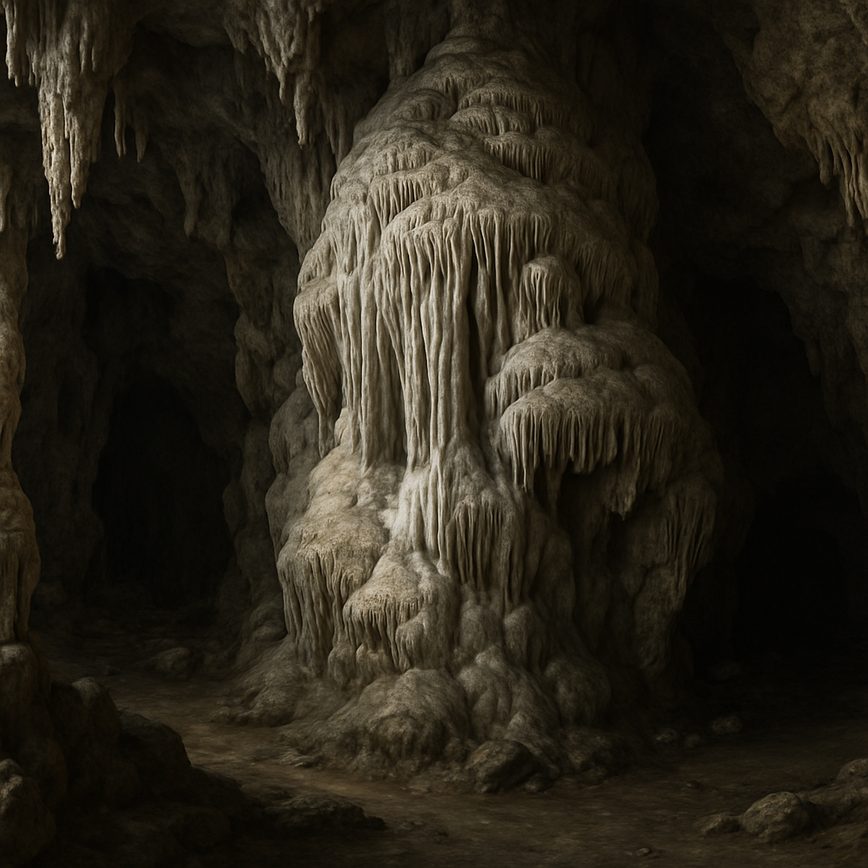
St Michael’s Cave features an extensive network of chambers adorned with impressive stalactites and stalagmites that seem almost otherworldly. These formations have developed over thousands of years, shaped by the slow movement of mineral-rich water through the rock. The largest chamber, often used for concerts and events, showcases the cave’s impressive acoustics and vast interior space, providing a unique ambiance amid the natural surroundings.
As a natural landmark, St Michael’s Cave not only captivates with its visual appeal but also educates about the geological processes that shape cave systems in Gibraltar and around the world. It offers a fascinating cave introduction to the region’s natural history, attracting both casual visitors and serious spelunkers who wish to explore its depths. In summary, St Michael’s Cave stands as a symbol of Gibraltar’s diverse and rich heritage, making it an essential highlight for anyone interested in the natural and historical fabric of this remarkable territory.
Geological formation and natural history
St Michael’s Cave is a remarkable example of the geology of cave systems formed through natural processes over millions of years. The cave is primarily composed of limestone, a sedimentary rock that is particularly susceptible to erosion by acidic water. The cave formation began when rainwater, slightly acidic due to absorbed carbon dioxide, seeped through cracks in the limestone, gradually dissolving the rock and enlarging these fissures into extensive underground chambers. This process, known as chemical weathering, played a pivotal role in shaping the expansive caverns we see today.
The natural history of St Michael’s Cave spans vast geological periods, revealing clues about the environment and climate changes through the ages. The cave’s limestone composition dates back to the Jurassic period, when the region was submerged under a prehistoric sea. Over time, tectonic uplift and fluctuations in sea levels exposed the limestone to surface conditions, enabling cave formation to progress. The cave’s interior showcases stalactites, stalagmites, and other speleothems formed by the slow deposition of minerals from dripping water, illustrating ongoing geological activity.
Through these geological processes and its natural history, St Michael’s Cave stands as an enduring natural monument. Its formation offers valuable insights into the dynamics of limestone caves worldwide and continues to fascinate researchers and visitors alike, highlighting the intricate relationship between geology and natural heritage.
Discovery and early explorations
St Michael’s Cave was discovered centuries ago, though precise records of its initial uncovering remain scarce. The cave’s discovery is often attributed to early explorers who were drawn to its impressive limestone formations and mysterious depths. These initial explorations sparked curiosity and paved the way for more systematic investigations. Early explorers ventured into the cave to map its chambers and document its geological features, fascinated by its natural beauty and the unknown it held beneath the surface.
Following its discovery, the cave became the subject of various archaeological and scientific studies. Initial explorations revealed evidence of prehistoric human occupation, including ancient tools and remains, suggesting the cave might have served as a shelter or a significant site for early inhabitants. Archaeological findings provided important insights into the region’s history and the role the cave played for early communities.
Scientific studies extended beyond archaeology to include geological and biological assessments, which helped understand the cave’s formation and the unique ecosystem within. These early studies were crucial in establishing St Michael’s Cave not only as a natural wonder but also as a site of considerable historical and scientific value.
Historical Significance of St Michael’s Cave
St Michael’s Cave holds a profound place in Gibraltar’s history, having served various vital roles that underscore its historical significance. From its earliest days, the cave has been more than just a natural wonder; it has been a site of strategic importance, shaping Gibraltar’s military use and wartime history over centuries.
Historically, the cave’s location near the Rock of Gibraltar made it a natural fortress that could be leveraged for military advantage. During times of conflict, the cave was often used as a shelter or a secure headquarters, providing protection from enemy attacks. Its vast chambers and natural fortifications allowed soldiers and commanders to plan and organize defensive strategies crucial to Gibraltar’s survival during sieges and wars.
The military use of St Michael’s Cave reached a peak during World War II when Gibraltar’s strategic position as the gateway to the Mediterranean meant it was heavily fortified. The cave was converted into an underground hospital and a command center, capable of withstanding aerial bombardments. This transformation illustrated its ongoing importance in wartime history as a critical component of Gibraltar’s defense infrastructure.
Throughout Gibraltar’s history, the cave has also been a symbol of resilience and adaptability. Its use has evolved from a natural refuge to a sophisticated military complex, showing how the site adapted to meet the demands of changing warfare technologies and tactics. This adaptability underscores the historical significance of St Michael’s Cave far beyond its geological features, marking it as a pivotal landmark in the military chronicles of Gibraltar.
In summary, the historical significance of St Michael’s Cave is deeply rooted in its multifaceted roles over centuries. Its strategic positioning and natural features have made it indispensable in military use and wartime history, securing its place as a key element of Gibraltar’s rich and complex history.
Military role during conflicts
St Michael’s Cave has played a significant role in military history, particularly during times of conflict such as World War II. Due to its natural fortification and strategic location within the Rock of Gibraltar, the cave was utilized as a military bunker and a key defensive position. During wartime, the cave provided shelter and protection for military personnel, while also serving as a secure command center and observation post.
In WWII Gibraltar, the cave’s expansive chambers were adapted to accommodate soldiers and equipment, enabling it to function as an underground fortress. The natural protection offered by the cave’s limestone formations made it an ideal location for storing ammunition and supplies, safe from enemy bombardment. Its use as a military bunker highlighted its strategic importance in the defense of Gibraltar against potential invasions and air raids.
Throughout various conflicts, St Michael’s Cave’s wartime use underscored the military’s reliance on natural formations for tactical advantage. Beyond WWII, the cave’s role as a military stronghold reflects the broader history of Gibraltar as a heavily fortified outpost. Today, its legacy as a wartime cave remains an integral part of Gibraltar’s military heritage and history.
Archaeological finds and prehistoric relevance
St Michael’s Cave has long captivated archaeologists due to its rich array of archaeological discoveries. Excavations within the cave have revealed a wealth of prehistoric artifacts, shedding light on the ancient human presence in the region. Among the most significant findings are tools and remnants that suggest the cave was frequented by prehistoric peoples, including possible Neanderthal evidence. These discoveries provide crucial insight into the lives and environments of early humans who inhabited the area tens of thousands of years ago.
The cave archaeology conducted here has unveiled a fascinating timeline of human evolution and adaptation. Stone tools, pottery shards, and bone fragments found within the cave point to its use as a shelter and a site for various human activities. Notably, some of these prehistoric artifacts align with those typical of the Neanderthal period, highlighting the cave’s importance as a rare site that documents interactions between ancient hominids and their surroundings.
Further analysis of the archaeological discoveries in St Michael’s Cave continues to enhance our understanding of prehistoric life in the Gibraltar region. The evidence of Neanderthal occupation is particularly valuable, as it contributes to broader research about their distribution and behavior. Overall, the cave remains a key site for cave archaeology, enabling scientists to reconstruct important chapters of ancient human history through the artifacts embedded in its depths.
Modern-day Usage and Tourism
Today, St Michael’s Cave stands as one of Gibraltar’s most treasured natural landmarks, drawing thousands of visitors each year. Its significance as a tourist attraction is firmly rooted in its unique geological formations and fascinating history, making it a must-see destination for those exploring Gibraltar. Tourism St Michael’s Cave plays a crucial role in promoting the region’s natural heritage and offers a captivating experience unlike any other.
Beyond its appeal to sightseers, the cave has embraced a variety of modern uses that enhance its cultural value. One of the most notable contemporary functions is as a venue for cave concerts. The cave’s impressive natural acoustics and dramatic atmosphere provide a truly extraordinary setting for musical performances, from classical music recitals to contemporary concerts. These events not only attract locals and tourists but also elevate the cave’s status as a unique cultural space.
The integration of cave concerts into the site’s offerings has helped diversify the visitor experience, adding a layer of entertainment that complements the natural beauty and historical intrigue of the cave. This innovative use underscores St Michael’s Cave’s adaptability and relevance in modern times, transforming it from a purely natural site into a vibrant cultural hub.
As a visitor attraction, the cave is well-equipped to handle a steady stream of tourists, with guided tours that educate attendees about the cave’s geological features, history, and role in Gibraltar’s heritage. These tours foster a deeper appreciation of the cave, ensuring that visitors leave with a meaningful understanding of its significance. The cave’s popularity is supported by its accessibility and the ongoing efforts to maintain and enhance the visitor experience.
Today, the combination of its natural allure, cultural programming such as cave concerts, and its status as a top visitor attraction solidify St Michael’s Cave as a symbol of Gibraltar’s rich past and dynamic present. By blending tourism, entertainment, and education, the cave continues to thrive as a landmark that honors tradition while embracing modern uses.
Cultural and entertainment events
St Michael’s Cave is renowned not only for its stunning natural formations but also for its remarkable role as a cultural and entertainment venue. The cave’s unique acoustics make it an exceptional setting for various events, especially musical performances. Over the years, it has gained considerable popularity as a performance venue, attracting artists and audiences eager to experience concerts in such an extraordinary environment.
The natural echo and sound amplification within the cave create an immersive auditory experience that enhances cave concerts, making them truly unforgettable. From classical music recitals to contemporary shows, the events held in the cave showcase its versatility and charm. The ambiance provided by the glittering stalactites and stalagmites, combined with the intimacy of the location, offers a distinctive atmosphere that cannot be replicated in traditional venues.
Beyond concerts, St Michael’s Cave hosts a range of cultural uses, including theatrical performances and art exhibitions. Its historical significance and breathtaking setting contribute to the allure for organizers seeking an iconic site for special gatherings. As a venue, the cave continues to draw cultural enthusiasts, making it a celebrated hub for creative expression in Gibraltar and beyond.
Visitor experience and facilities
St Michael’s Cave offers well-organized tourism facilities to ensure a memorable visit for all guests. Visitor access is carefully managed to preserve the cave’s natural beauty while providing a comfortable experience. Entrance is available through a designated path, equipped with safety measures and clear signage. For those interested in deeper insight, guided cave tours are available. These tours are led by knowledgeable guides who share fascinating details about the cave’s geological formations and historic significance, enriching the overall visitor experience.
Inside the cave, tourists can find basic visitor information points that provide maps and educational materials about the cave’s history and ecology. Tourist amenities include well-lit walkways and resting areas to make the exploration comfortable and safe. The cave is also equipped to host occasional cultural events, blending natural splendor with entertainment. To enhance your visit, it’s recommended to wear comfortable footwear and bring a light jacket as temperatures inside the cave remain cool year-round.
Planning ahead is essential, especially during peak tourist seasons, to ensure availability on guided tours and to avoid long wait times. Visitors are encouraged to check opening hours and tour schedules, which can vary seasonally. Whether you come for leisurely exploration or a guided educational tour, the well-maintained facilities and professional staff at St Michael’s Cave guarantee an engaging and enjoyable experience for all.

I have always been captivated by the unique cultural tapestry of the Rock, particularly how Moorish, Spanish, and British influences shaped its development over centuries. My passion lies in translating these complex historical narratives into engaging educational resources that make Gibraltar’s past accessible to everyone. I spend my free time exploring military fortifications and reading first-hand accounts of life at the Pillar of Hercules.