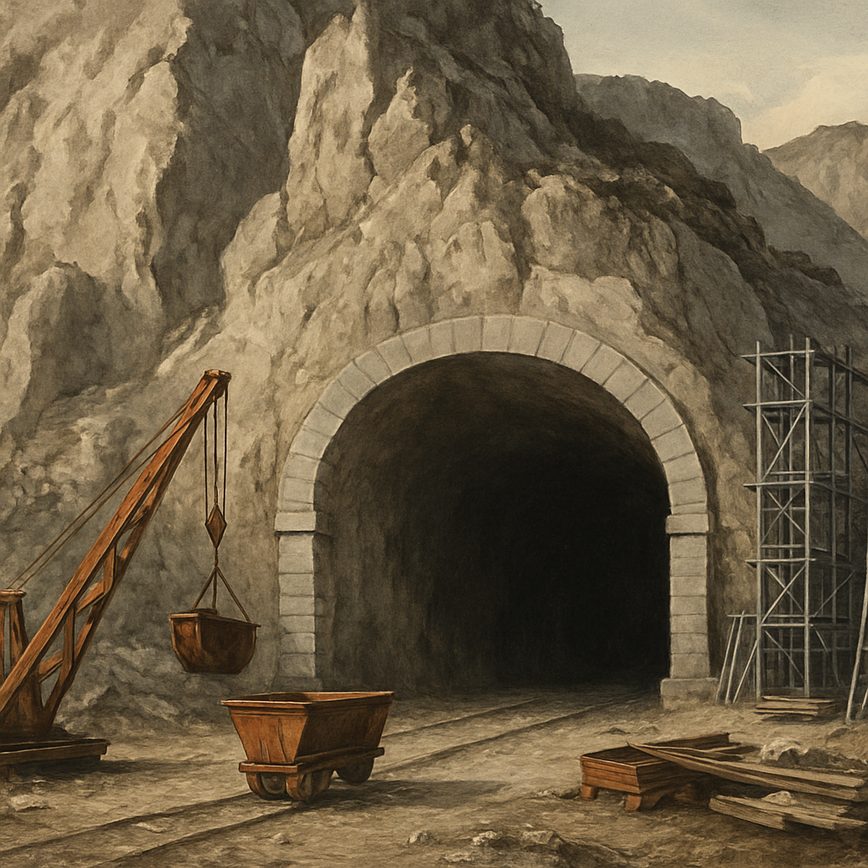
Environmental adaptations also played a crucial role in the tunnel’s design. Ventilation was a key consideration; natural airflow was optimized through a series of carefully positioned ventilation shafts that allowed fresh air to circulate deep within the tunnel complex. This not only improved air quality for those inside but also helped regulate temperature and reduce humidity levels, contributing to a stable and comfortable environment.
Insulation features were integrated to protect the tunnel from extreme temperature fluctuations common in the region. The thick limestone rock surrounding the tunnel provides natural insulation, maintaining cooler temperatures during the hot Mediterranean summers and retaining warmth in the winter months. This thoughtful combination of defensive design and environmental adaptations ensured the tunnel was not only a formidable military structure but also a sustainable and protected space for its occupants.
Significance and Modern Use
The Great Tunnel of Gibraltar holds a unique place in both historical significance and modern use. Originally constructed for military purposes, this impressive engineering feat has transformed into a site of cultural preservation and tourism attraction. Today, it serves as a vivid reminder of Gibraltar’s strategic importance through the ages, while actively contributing to the local economy and educational awareness.
One of the most notable aspects of the tunnel’s modern use is its role in tourism. Visitors from around the world are drawn to the site to explore its extensive passageways and learn about the military history embedded within its walls. Guided tours provide an immersive experience, showcasing the tunnel’s design, historical context, and the stories of those who built and utilized it. This blend of education and exploration has helped the tunnel become a cornerstone of Gibraltar’s tourism industry.
Preservation efforts play a critical role in maintaining the integrity and accessibility of the Great Tunnel. Various conservation programs are in place to protect the structure from natural wear and human impact. These initiatives ensure that the tunnel remains intact for future generations while balancing the need for public access and education. The preservation work highlights the community’s commitment to honoring Gibraltar’s heritage and promoting sustainable tourism practices.
Beyond tourism and preservation, the tunnel also serves several practical functions in contemporary Gibraltar. Parts of the tunnel have been adapted for use as storage spaces, emergency shelters, and even for scientific research. This adaptive use demonstrates the tunnel’s ongoing relevance to modern needs, bridging its historical purpose with current-day applications. Overall, the Great Tunnel of Gibraltar stands as a symbol of resilience and adaptation, deeply rooted in its historical significance yet actively engaged in today’s cultural and functional landscape.
Role in Gibraltar’s Heritage and Tourism
The Great Tunnel of Gibraltar stands as a significant heritage site, deeply woven into the cultural fabric and historical identity of Gibraltar. Its intricate network of passageways and chambers tells the story of military ingenuity and resilience through the centuries, making it an essential landmark that draws history enthusiasts and scholars alike. As a treasured heritage site, it preserves the legacy of Gibraltar’s strategic importance and the ingenuity behind its fortifications.
In addition to its historical value, the Great Tunnel of Gibraltar is a prime tourist attraction. Visitors from around the world are captivated by the unique experience of exploring subterranean tunnels that played a vital role in the region’s defense. The tunnel system, filled with captivating stories and wartime relics, offers a rare glimpse into Gibraltar’s past, enriching the visitor experience and deepening appreciation for this iconic site.
Tourism initiatives have integrated the Great Tunnel seamlessly into Gibraltar’s overall visitor offerings, combining guided tours with interactive exhibits that showcase its heritage significance. This integration not only boosts local tourism but also ensures the conservation of the tunnel as a cultural asset for future generations. As a symbol of Gibraltar’s enduring spirit and historical prominence, the Great Tunnel continues to enhance the visitor experience while firmly establishing itself as a cornerstone of Gibraltar’s heritage and tourism industry.
Preservation and Maintenance Efforts
The Great Tunnel of Gibraltar is not only an engineering marvel but also a significant cultural and historical landmark. To ensure that this important site endures for future generations, extensive preservation and maintenance efforts are continuously underway. These efforts focus on both the structural integrity of the tunnel and the conservation of its historical features.
Regular maintenance activities include thorough inspections to monitor the condition of the tunnel walls, ventilation systems, and lighting. Engineers and conservation specialists work hand in hand to identify any signs of wear or damage caused by natural erosion, weather conditions, or human activity. Prompt repairs are carried out to address any issues before they escalate, thus preventing costly restoration in the long run.
In addition to maintenance, dedicated restoration projects are periodically launched to restore parts of the tunnel that have experienced significant degradation over time. These restoration projects pay special attention to preserving the tunnel’s original materials and design, thereby maintaining its authenticity. Advanced techniques and careful craftsmanship are employed to blend new materials seamlessly with the old.
Local authorities, alongside heritage organizations, also emphasize community involvement and education to raise awareness about the importance of preserving the Great Tunnel of Gibraltar. Through these combined preservation, maintenance, and restoration projects, the tunnel is safeguarded as a lasting testament to Gibraltar’s rich history and engineering heritage.

One of the prominent tunnel challenges was managing groundwater seepage, which created the risk of flooding and structural weakening. Extensive waterproofing and drainage systems were integrated into the design to mitigate water ingress effectively. Ventilation during construction was also critical to remove dust and explosives residues to maintain safe working conditions. These engineering problems necessitated innovative solutions, such as the use of air circulation shafts and advanced ventilation equipment.
Furthermore, the project team had to contend with spatial constraints, as the tunnel needed to accommodate military and logistical requirements while preserving above-ground operations. This limited workspace made equipment maneuvering and material removal more complex, amplifying the intrinsic difficulties of tunnel engineering. Despite these hurdles, the use of cutting-edge construction techniques and problem-solving strategies helped overcome the formidable tunnel challenges, ensuring the structural stability and functional success of this monumental underground passage.
Design and Features of the Great Tunnel
The Great Tunnel of Gibraltar stands as a marvel of engineering, showcasing a sophisticated tunnel design that has withstood the test of time. This tunnel is renowned not only for its impressive dimensions but also for the thoughtful architectural features that distinguish it from other Gibraltar tunnels.
One of the primary design elements of the Great Tunnel is its robust structural integrity achieved through careful selection of materials and construction techniques. The tunnel was carved mostly through solid limestone, a geological feature common in the region, which provided a naturally strong foundation. To further reinforce stability, builders employed concrete and steel supports in key sections where additional strength was necessary. This blending of natural and manmade materials ensures durability and resilience against geological pressures and environmental factors.
In terms of dimensions, the Great Tunnel extends over several kilometers, making it one of the largest underground passageways on the Rock of Gibraltar. Its width and height were meticulously designed to accommodate both military and civilian movements, allowing the passage of vehicles and personnel with ease. This significant scale highlights the tunnel’s dual purpose, reflecting the strategic importance Gibraltar held historically.
Unique features distinct to the Great Tunnel include its branching network of side tunnels and chambers, which served various functions such as ammunition storage, command centers, and living quarters. The tunnel’s ventilation system is another noteworthy aspect—engineered to circulate fresh air efficiently through the extensive underground maze, it ensured a safe and habitable environment for soldiers stationed within for long periods.
Architecturally, the Great Tunnel demonstrates a blend of functionality and tactical design. Its entrance and exit points are strategically camouflaged and fortified, which added to Gibraltar’s defensive capabilities. The overall aesthetic of the tunnel, while primarily utilitarian, subtly reflects the careful planning that went into the broader Gibraltar tunnels complex, integrating the natural landscape with man-made innovation.
In summary, the Great Tunnel’s design and features embody a combination of advanced engineering, strategic military use, and adaptive architectural techniques. Its considerable size, strong materials, and specialized features collectively highlight the ingenuity behind this iconic tunnel on Gibraltar.
Structural Layout and Dimensions
The Great Tunnel of Gibraltar boasts a meticulously planned structural layout that showcases impressive engineering feats. The tunnel extends through the Rock of Gibraltar, serving as a crucial passageway beneath the imposing limestone mass. Its length spans approximately 1.5 miles (2.4 kilometers), providing ample space to accommodate various transportation and military needs. This extensive length is a testament to the tunnel’s strategic importance and the complexity of its construction.
In terms of width, the tunnel maintains a consistent clearance to ensure safe navigation and operational efficiency. The width ranges around 26 feet (8 meters), allowing for the passage of vehicles or trains depending on the designated section within the tunnel. The spacious design accommodates both single and dual-lane usage in different areas, reflecting the adaptability of the tunnel layout to diverse logistical requirements.
The height of the Great Tunnel is equally significant. With an average height of approximately 16 feet (5 meters), it provides sufficient vertical space for heavy machinery, ventilation systems, and additional infrastructure embedded within. This considerable height ensures optimal airflow and accessibility for maintenance operations, highlighting the tunnel’s sophisticated design that balances functionality with structural integrity.
Overall, the tunnel’s structural layout, combined with its substantial length, width, and height, underlines the scale and ambition behind this remarkable underground construction. Every dimension has been carefully calculated to enhance its strategic role while ensuring safety and durability.
Defensive and Environmental Features
The Great Tunnel of Gibraltar was ingeniously designed with multiple defensive features to ensure protection against potential invaders. The tunnel’s strategic construction includes thick, reinforced walls and narrow passageways that provide strong defensive design, making it difficult for attackers to penetrate or advance rapidly. Additionally, the tunnel’s layout incorporates choke points and observation posts, enabling defenders to monitor and control access effectively.
Environmental adaptations also played a crucial role in the tunnel’s design. Ventilation was a key consideration; natural airflow was optimized through a series of carefully positioned ventilation shafts that allowed fresh air to circulate deep within the tunnel complex. This not only improved air quality for those inside but also helped regulate temperature and reduce humidity levels, contributing to a stable and comfortable environment.
Insulation features were integrated to protect the tunnel from extreme temperature fluctuations common in the region. The thick limestone rock surrounding the tunnel provides natural insulation, maintaining cooler temperatures during the hot Mediterranean summers and retaining warmth in the winter months. This thoughtful combination of defensive design and environmental adaptations ensured the tunnel was not only a formidable military structure but also a sustainable and protected space for its occupants.
Significance and Modern Use
The Great Tunnel of Gibraltar holds a unique place in both historical significance and modern use. Originally constructed for military purposes, this impressive engineering feat has transformed into a site of cultural preservation and tourism attraction. Today, it serves as a vivid reminder of Gibraltar’s strategic importance through the ages, while actively contributing to the local economy and educational awareness.
One of the most notable aspects of the tunnel’s modern use is its role in tourism. Visitors from around the world are drawn to the site to explore its extensive passageways and learn about the military history embedded within its walls. Guided tours provide an immersive experience, showcasing the tunnel’s design, historical context, and the stories of those who built and utilized it. This blend of education and exploration has helped the tunnel become a cornerstone of Gibraltar’s tourism industry.
Preservation efforts play a critical role in maintaining the integrity and accessibility of the Great Tunnel. Various conservation programs are in place to protect the structure from natural wear and human impact. These initiatives ensure that the tunnel remains intact for future generations while balancing the need for public access and education. The preservation work highlights the community’s commitment to honoring Gibraltar’s heritage and promoting sustainable tourism practices.
Beyond tourism and preservation, the tunnel also serves several practical functions in contemporary Gibraltar. Parts of the tunnel have been adapted for use as storage spaces, emergency shelters, and even for scientific research. This adaptive use demonstrates the tunnel’s ongoing relevance to modern needs, bridging its historical purpose with current-day applications. Overall, the Great Tunnel of Gibraltar stands as a symbol of resilience and adaptation, deeply rooted in its historical significance yet actively engaged in today’s cultural and functional landscape.
Role in Gibraltar’s Heritage and Tourism
The Great Tunnel of Gibraltar stands as a significant heritage site, deeply woven into the cultural fabric and historical identity of Gibraltar. Its intricate network of passageways and chambers tells the story of military ingenuity and resilience through the centuries, making it an essential landmark that draws history enthusiasts and scholars alike. As a treasured heritage site, it preserves the legacy of Gibraltar’s strategic importance and the ingenuity behind its fortifications.
In addition to its historical value, the Great Tunnel of Gibraltar is a prime tourist attraction. Visitors from around the world are captivated by the unique experience of exploring subterranean tunnels that played a vital role in the region’s defense. The tunnel system, filled with captivating stories and wartime relics, offers a rare glimpse into Gibraltar’s past, enriching the visitor experience and deepening appreciation for this iconic site.
Tourism initiatives have integrated the Great Tunnel seamlessly into Gibraltar’s overall visitor offerings, combining guided tours with interactive exhibits that showcase its heritage significance. This integration not only boosts local tourism but also ensures the conservation of the tunnel as a cultural asset for future generations. As a symbol of Gibraltar’s enduring spirit and historical prominence, the Great Tunnel continues to enhance the visitor experience while firmly establishing itself as a cornerstone of Gibraltar’s heritage and tourism industry.
Preservation and Maintenance Efforts
The Great Tunnel of Gibraltar is not only an engineering marvel but also a significant cultural and historical landmark. To ensure that this important site endures for future generations, extensive preservation and maintenance efforts are continuously underway. These efforts focus on both the structural integrity of the tunnel and the conservation of its historical features.
Regular maintenance activities include thorough inspections to monitor the condition of the tunnel walls, ventilation systems, and lighting. Engineers and conservation specialists work hand in hand to identify any signs of wear or damage caused by natural erosion, weather conditions, or human activity. Prompt repairs are carried out to address any issues before they escalate, thus preventing costly restoration in the long run.
In addition to maintenance, dedicated restoration projects are periodically launched to restore parts of the tunnel that have experienced significant degradation over time. These restoration projects pay special attention to preserving the tunnel’s original materials and design, thereby maintaining its authenticity. Advanced techniques and careful craftsmanship are employed to blend new materials seamlessly with the old.
Local authorities, alongside heritage organizations, also emphasize community involvement and education to raise awareness about the importance of preserving the Great Tunnel of Gibraltar. Through these combined preservation, maintenance, and restoration projects, the tunnel is safeguarded as a lasting testament to Gibraltar’s rich history and engineering heritage.
One of the prominent tunnel challenges was managing groundwater seepage, which created the risk of flooding and structural weakening. Extensive waterproofing and drainage systems were integrated into the design to mitigate water ingress effectively. Ventilation during construction was also critical to remove dust and explosives residues to maintain safe working conditions. These engineering problems necessitated innovative solutions, such as the use of air circulation shafts and advanced ventilation equipment.
Furthermore, the project team had to contend with spatial constraints, as the tunnel needed to accommodate military and logistical requirements while preserving above-ground operations. This limited workspace made equipment maneuvering and material removal more complex, amplifying the intrinsic difficulties of tunnel engineering. Despite these hurdles, the use of cutting-edge construction techniques and problem-solving strategies helped overcome the formidable tunnel challenges, ensuring the structural stability and functional success of this monumental underground passage.
Design and Features of the Great Tunnel
The Great Tunnel of Gibraltar stands as a marvel of engineering, showcasing a sophisticated tunnel design that has withstood the test of time. This tunnel is renowned not only for its impressive dimensions but also for the thoughtful architectural features that distinguish it from other Gibraltar tunnels.
One of the primary design elements of the Great Tunnel is its robust structural integrity achieved through careful selection of materials and construction techniques. The tunnel was carved mostly through solid limestone, a geological feature common in the region, which provided a naturally strong foundation. To further reinforce stability, builders employed concrete and steel supports in key sections where additional strength was necessary. This blending of natural and manmade materials ensures durability and resilience against geological pressures and environmental factors.
In terms of dimensions, the Great Tunnel extends over several kilometers, making it one of the largest underground passageways on the Rock of Gibraltar. Its width and height were meticulously designed to accommodate both military and civilian movements, allowing the passage of vehicles and personnel with ease. This significant scale highlights the tunnel’s dual purpose, reflecting the strategic importance Gibraltar held historically.
Unique features distinct to the Great Tunnel include its branching network of side tunnels and chambers, which served various functions such as ammunition storage, command centers, and living quarters. The tunnel’s ventilation system is another noteworthy aspect—engineered to circulate fresh air efficiently through the extensive underground maze, it ensured a safe and habitable environment for soldiers stationed within for long periods.
Architecturally, the Great Tunnel demonstrates a blend of functionality and tactical design. Its entrance and exit points are strategically camouflaged and fortified, which added to Gibraltar’s defensive capabilities. The overall aesthetic of the tunnel, while primarily utilitarian, subtly reflects the careful planning that went into the broader Gibraltar tunnels complex, integrating the natural landscape with man-made innovation.
In summary, the Great Tunnel’s design and features embody a combination of advanced engineering, strategic military use, and adaptive architectural techniques. Its considerable size, strong materials, and specialized features collectively highlight the ingenuity behind this iconic tunnel on Gibraltar.
Structural Layout and Dimensions
The Great Tunnel of Gibraltar boasts a meticulously planned structural layout that showcases impressive engineering feats. The tunnel extends through the Rock of Gibraltar, serving as a crucial passageway beneath the imposing limestone mass. Its length spans approximately 1.5 miles (2.4 kilometers), providing ample space to accommodate various transportation and military needs. This extensive length is a testament to the tunnel’s strategic importance and the complexity of its construction.
In terms of width, the tunnel maintains a consistent clearance to ensure safe navigation and operational efficiency. The width ranges around 26 feet (8 meters), allowing for the passage of vehicles or trains depending on the designated section within the tunnel. The spacious design accommodates both single and dual-lane usage in different areas, reflecting the adaptability of the tunnel layout to diverse logistical requirements.
The height of the Great Tunnel is equally significant. With an average height of approximately 16 feet (5 meters), it provides sufficient vertical space for heavy machinery, ventilation systems, and additional infrastructure embedded within. This considerable height ensures optimal airflow and accessibility for maintenance operations, highlighting the tunnel’s sophisticated design that balances functionality with structural integrity.
Overall, the tunnel’s structural layout, combined with its substantial length, width, and height, underlines the scale and ambition behind this remarkable underground construction. Every dimension has been carefully calculated to enhance its strategic role while ensuring safety and durability.
Defensive and Environmental Features
The Great Tunnel of Gibraltar was ingeniously designed with multiple defensive features to ensure protection against potential invaders. The tunnel’s strategic construction includes thick, reinforced walls and narrow passageways that provide strong defensive design, making it difficult for attackers to penetrate or advance rapidly. Additionally, the tunnel’s layout incorporates choke points and observation posts, enabling defenders to monitor and control access effectively.
Environmental adaptations also played a crucial role in the tunnel’s design. Ventilation was a key consideration; natural airflow was optimized through a series of carefully positioned ventilation shafts that allowed fresh air to circulate deep within the tunnel complex. This not only improved air quality for those inside but also helped regulate temperature and reduce humidity levels, contributing to a stable and comfortable environment.
Insulation features were integrated to protect the tunnel from extreme temperature fluctuations common in the region. The thick limestone rock surrounding the tunnel provides natural insulation, maintaining cooler temperatures during the hot Mediterranean summers and retaining warmth in the winter months. This thoughtful combination of defensive design and environmental adaptations ensured the tunnel was not only a formidable military structure but also a sustainable and protected space for its occupants.
Significance and Modern Use
The Great Tunnel of Gibraltar holds a unique place in both historical significance and modern use. Originally constructed for military purposes, this impressive engineering feat has transformed into a site of cultural preservation and tourism attraction. Today, it serves as a vivid reminder of Gibraltar’s strategic importance through the ages, while actively contributing to the local economy and educational awareness.
One of the most notable aspects of the tunnel’s modern use is its role in tourism. Visitors from around the world are drawn to the site to explore its extensive passageways and learn about the military history embedded within its walls. Guided tours provide an immersive experience, showcasing the tunnel’s design, historical context, and the stories of those who built and utilized it. This blend of education and exploration has helped the tunnel become a cornerstone of Gibraltar’s tourism industry.
Preservation efforts play a critical role in maintaining the integrity and accessibility of the Great Tunnel. Various conservation programs are in place to protect the structure from natural wear and human impact. These initiatives ensure that the tunnel remains intact for future generations while balancing the need for public access and education. The preservation work highlights the community’s commitment to honoring Gibraltar’s heritage and promoting sustainable tourism practices.
Beyond tourism and preservation, the tunnel also serves several practical functions in contemporary Gibraltar. Parts of the tunnel have been adapted for use as storage spaces, emergency shelters, and even for scientific research. This adaptive use demonstrates the tunnel’s ongoing relevance to modern needs, bridging its historical purpose with current-day applications. Overall, the Great Tunnel of Gibraltar stands as a symbol of resilience and adaptation, deeply rooted in its historical significance yet actively engaged in today’s cultural and functional landscape.
Role in Gibraltar’s Heritage and Tourism
The Great Tunnel of Gibraltar stands as a significant heritage site, deeply woven into the cultural fabric and historical identity of Gibraltar. Its intricate network of passageways and chambers tells the story of military ingenuity and resilience through the centuries, making it an essential landmark that draws history enthusiasts and scholars alike. As a treasured heritage site, it preserves the legacy of Gibraltar’s strategic importance and the ingenuity behind its fortifications.
In addition to its historical value, the Great Tunnel of Gibraltar is a prime tourist attraction. Visitors from around the world are captivated by the unique experience of exploring subterranean tunnels that played a vital role in the region’s defense. The tunnel system, filled with captivating stories and wartime relics, offers a rare glimpse into Gibraltar’s past, enriching the visitor experience and deepening appreciation for this iconic site.
Tourism initiatives have integrated the Great Tunnel seamlessly into Gibraltar’s overall visitor offerings, combining guided tours with interactive exhibits that showcase its heritage significance. This integration not only boosts local tourism but also ensures the conservation of the tunnel as a cultural asset for future generations. As a symbol of Gibraltar’s enduring spirit and historical prominence, the Great Tunnel continues to enhance the visitor experience while firmly establishing itself as a cornerstone of Gibraltar’s heritage and tourism industry.
Preservation and Maintenance Efforts
The Great Tunnel of Gibraltar is not only an engineering marvel but also a significant cultural and historical landmark. To ensure that this important site endures for future generations, extensive preservation and maintenance efforts are continuously underway. These efforts focus on both the structural integrity of the tunnel and the conservation of its historical features.
Regular maintenance activities include thorough inspections to monitor the condition of the tunnel walls, ventilation systems, and lighting. Engineers and conservation specialists work hand in hand to identify any signs of wear or damage caused by natural erosion, weather conditions, or human activity. Prompt repairs are carried out to address any issues before they escalate, thus preventing costly restoration in the long run.
In addition to maintenance, dedicated restoration projects are periodically launched to restore parts of the tunnel that have experienced significant degradation over time. These restoration projects pay special attention to preserving the tunnel’s original materials and design, thereby maintaining its authenticity. Advanced techniques and careful craftsmanship are employed to blend new materials seamlessly with the old.
Local authorities, alongside heritage organizations, also emphasize community involvement and education to raise awareness about the importance of preserving the Great Tunnel of Gibraltar. Through these combined preservation, maintenance, and restoration projects, the tunnel is safeguarded as a lasting testament to Gibraltar’s rich history and engineering heritage.
History and Construction of the Great Tunnel of Gibraltar
The Great Tunnel of Gibraltar stands as a remarkable feat of military engineering, reflecting centuries of strategic importance placed on this rocky outcrop. Its history is deeply intertwined with the military defenses established to protect Gibraltar, especially during times of conflict in the 18th and 20th centuries. The tunnel’s story begins during the Great Siege of Gibraltar (1779–1783), when the British recognized the need for subterranean fortifications to safeguard against Spanish and French forces.
The initial phases of tunnel construction commenced in the late 18th century, utilizing manual labor and rudimentary tools such as black powder for blasting. Over time, the work evolved significantly, particularly during the World Wars, when the tunnel system was expanded extensively to serve as bombproof shelters, ammunition storage, and military headquarters. The timeline of the Great Tunnel of Gibraltar’s construction chronicles both the ingenuity and adaptability of military engineering practices in response to evolving warfare demands.
Engineering techniques used in the construction of the Great Tunnel of Gibraltar were groundbreaking for their time. Early tunneling methods involved drilling into the limestone rock face, followed by controlled explosive blasts to carve out the tunnel system. Workers then reinforced the tunnels with timber supports and stone masonry to ensure stability and safety. During the 20th century expansions, more advanced techniques and machinery were introduced, including pneumatic drills and concrete lining, enhancing both the speed and durability of tunnel construction.
These engineering advancements demonstrate the meticulous planning and resourcefulness of those tasked with creating the Great Tunnel of Gibraltar. Its complex network reflects not only military ingenuity but also a profound understanding of the natural landscape. The tunnel remains an iconic symbol in the history of Gibraltar tunnels, showcasing the evolution of tunnel construction as an essential element of military defense architecture.
Origins and Purpose
The Great Tunnel of Gibraltar was constructed primarily for military defense purposes during World War II. Its origin traces back to the strategic necessity to fortify the Rock of Gibraltar, a critical point controlling the entrance to the Mediterranean Sea. The British military recognized the importance of creating a stronghold that could withstand enemy attacks and provide a secure base for operations. As a result, the tunnel system was designed to house troops, weaponry, and supplies safely within the Rock, protecting them from aerial and naval bombardment.
The purpose of the tunnel extended beyond mere shelter; it served as a crucial communication and logistics hub. In wartime, controlling the Rock meant controlling naval routes to and from the Mediterranean, which was vital for sustaining allied supply lines. The Great Tunnel’s extensive network allowed for rapid troop movements, ammunition storage, and command centers hidden from enemy view. This strategic advantage played a decisive role in maintaining British dominance in the region during the conflict.
In summary, the origin of the tunnel was deeply rooted in military necessity, and its purpose was aligned with providing unparalleled defense capabilities. Its design was a testament to engineering innovation under wartime pressures, turning the Rock of Gibraltar into a formidable fortress that held significant strategic importance in the broader context of military defense.
Construction Methods and Challenges
The construction of the Great Tunnel of Gibraltar involved advanced construction techniques to address the unique geological and engineering challenges posed by the rock formation. Engineers primarily employed controlled drilling and blasting methods to carefully excavate the hard limestone while minimizing vibrations that could compromise the structural integrity of the surrounding tunnel walls. The excavation process required precision as the geological strata varied, presenting unpredictable conditions that demanded constant adaptation of the construction approach.
One of the prominent tunnel challenges was managing groundwater seepage, which created the risk of flooding and structural weakening. Extensive waterproofing and drainage systems were integrated into the design to mitigate water ingress effectively. Ventilation during construction was also critical to remove dust and explosives residues to maintain safe working conditions. These engineering problems necessitated innovative solutions, such as the use of air circulation shafts and advanced ventilation equipment.
Furthermore, the project team had to contend with spatial constraints, as the tunnel needed to accommodate military and logistical requirements while preserving above-ground operations. This limited workspace made equipment maneuvering and material removal more complex, amplifying the intrinsic difficulties of tunnel engineering. Despite these hurdles, the use of cutting-edge construction techniques and problem-solving strategies helped overcome the formidable tunnel challenges, ensuring the structural stability and functional success of this monumental underground passage.
Design and Features of the Great Tunnel
The Great Tunnel of Gibraltar stands as a marvel of engineering, showcasing a sophisticated tunnel design that has withstood the test of time. This tunnel is renowned not only for its impressive dimensions but also for the thoughtful architectural features that distinguish it from other Gibraltar tunnels.
One of the primary design elements of the Great Tunnel is its robust structural integrity achieved through careful selection of materials and construction techniques. The tunnel was carved mostly through solid limestone, a geological feature common in the region, which provided a naturally strong foundation. To further reinforce stability, builders employed concrete and steel supports in key sections where additional strength was necessary. This blending of natural and manmade materials ensures durability and resilience against geological pressures and environmental factors.
In terms of dimensions, the Great Tunnel extends over several kilometers, making it one of the largest underground passageways on the Rock of Gibraltar. Its width and height were meticulously designed to accommodate both military and civilian movements, allowing the passage of vehicles and personnel with ease. This significant scale highlights the tunnel’s dual purpose, reflecting the strategic importance Gibraltar held historically.
Unique features distinct to the Great Tunnel include its branching network of side tunnels and chambers, which served various functions such as ammunition storage, command centers, and living quarters. The tunnel’s ventilation system is another noteworthy aspect—engineered to circulate fresh air efficiently through the extensive underground maze, it ensured a safe and habitable environment for soldiers stationed within for long periods.
Architecturally, the Great Tunnel demonstrates a blend of functionality and tactical design. Its entrance and exit points are strategically camouflaged and fortified, which added to Gibraltar’s defensive capabilities. The overall aesthetic of the tunnel, while primarily utilitarian, subtly reflects the careful planning that went into the broader Gibraltar tunnels complex, integrating the natural landscape with man-made innovation.
In summary, the Great Tunnel’s design and features embody a combination of advanced engineering, strategic military use, and adaptive architectural techniques. Its considerable size, strong materials, and specialized features collectively highlight the ingenuity behind this iconic tunnel on Gibraltar.
Structural Layout and Dimensions
The Great Tunnel of Gibraltar boasts a meticulously planned structural layout that showcases impressive engineering feats. The tunnel extends through the Rock of Gibraltar, serving as a crucial passageway beneath the imposing limestone mass. Its length spans approximately 1.5 miles (2.4 kilometers), providing ample space to accommodate various transportation and military needs. This extensive length is a testament to the tunnel’s strategic importance and the complexity of its construction.
In terms of width, the tunnel maintains a consistent clearance to ensure safe navigation and operational efficiency. The width ranges around 26 feet (8 meters), allowing for the passage of vehicles or trains depending on the designated section within the tunnel. The spacious design accommodates both single and dual-lane usage in different areas, reflecting the adaptability of the tunnel layout to diverse logistical requirements.
The height of the Great Tunnel is equally significant. With an average height of approximately 16 feet (5 meters), it provides sufficient vertical space for heavy machinery, ventilation systems, and additional infrastructure embedded within. This considerable height ensures optimal airflow and accessibility for maintenance operations, highlighting the tunnel’s sophisticated design that balances functionality with structural integrity.
Overall, the tunnel’s structural layout, combined with its substantial length, width, and height, underlines the scale and ambition behind this remarkable underground construction. Every dimension has been carefully calculated to enhance its strategic role while ensuring safety and durability.
Defensive and Environmental Features
The Great Tunnel of Gibraltar was ingeniously designed with multiple defensive features to ensure protection against potential invaders. The tunnel’s strategic construction includes thick, reinforced walls and narrow passageways that provide strong defensive design, making it difficult for attackers to penetrate or advance rapidly. Additionally, the tunnel’s layout incorporates choke points and observation posts, enabling defenders to monitor and control access effectively.
Environmental adaptations also played a crucial role in the tunnel’s design. Ventilation was a key consideration; natural airflow was optimized through a series of carefully positioned ventilation shafts that allowed fresh air to circulate deep within the tunnel complex. This not only improved air quality for those inside but also helped regulate temperature and reduce humidity levels, contributing to a stable and comfortable environment.
Insulation features were integrated to protect the tunnel from extreme temperature fluctuations common in the region. The thick limestone rock surrounding the tunnel provides natural insulation, maintaining cooler temperatures during the hot Mediterranean summers and retaining warmth in the winter months. This thoughtful combination of defensive design and environmental adaptations ensured the tunnel was not only a formidable military structure but also a sustainable and protected space for its occupants.
Significance and Modern Use
The Great Tunnel of Gibraltar holds a unique place in both historical significance and modern use. Originally constructed for military purposes, this impressive engineering feat has transformed into a site of cultural preservation and tourism attraction. Today, it serves as a vivid reminder of Gibraltar’s strategic importance through the ages, while actively contributing to the local economy and educational awareness.
One of the most notable aspects of the tunnel’s modern use is its role in tourism. Visitors from around the world are drawn to the site to explore its extensive passageways and learn about the military history embedded within its walls. Guided tours provide an immersive experience, showcasing the tunnel’s design, historical context, and the stories of those who built and utilized it. This blend of education and exploration has helped the tunnel become a cornerstone of Gibraltar’s tourism industry.
Preservation efforts play a critical role in maintaining the integrity and accessibility of the Great Tunnel. Various conservation programs are in place to protect the structure from natural wear and human impact. These initiatives ensure that the tunnel remains intact for future generations while balancing the need for public access and education. The preservation work highlights the community’s commitment to honoring Gibraltar’s heritage and promoting sustainable tourism practices.
Beyond tourism and preservation, the tunnel also serves several practical functions in contemporary Gibraltar. Parts of the tunnel have been adapted for use as storage spaces, emergency shelters, and even for scientific research. This adaptive use demonstrates the tunnel’s ongoing relevance to modern needs, bridging its historical purpose with current-day applications. Overall, the Great Tunnel of Gibraltar stands as a symbol of resilience and adaptation, deeply rooted in its historical significance yet actively engaged in today’s cultural and functional landscape.
Role in Gibraltar’s Heritage and Tourism
The Great Tunnel of Gibraltar stands as a significant heritage site, deeply woven into the cultural fabric and historical identity of Gibraltar. Its intricate network of passageways and chambers tells the story of military ingenuity and resilience through the centuries, making it an essential landmark that draws history enthusiasts and scholars alike. As a treasured heritage site, it preserves the legacy of Gibraltar’s strategic importance and the ingenuity behind its fortifications.
In addition to its historical value, the Great Tunnel of Gibraltar is a prime tourist attraction. Visitors from around the world are captivated by the unique experience of exploring subterranean tunnels that played a vital role in the region’s defense. The tunnel system, filled with captivating stories and wartime relics, offers a rare glimpse into Gibraltar’s past, enriching the visitor experience and deepening appreciation for this iconic site.
Tourism initiatives have integrated the Great Tunnel seamlessly into Gibraltar’s overall visitor offerings, combining guided tours with interactive exhibits that showcase its heritage significance. This integration not only boosts local tourism but also ensures the conservation of the tunnel as a cultural asset for future generations. As a symbol of Gibraltar’s enduring spirit and historical prominence, the Great Tunnel continues to enhance the visitor experience while firmly establishing itself as a cornerstone of Gibraltar’s heritage and tourism industry.
Preservation and Maintenance Efforts
The Great Tunnel of Gibraltar is not only an engineering marvel but also a significant cultural and historical landmark. To ensure that this important site endures for future generations, extensive preservation and maintenance efforts are continuously underway. These efforts focus on both the structural integrity of the tunnel and the conservation of its historical features.
Regular maintenance activities include thorough inspections to monitor the condition of the tunnel walls, ventilation systems, and lighting. Engineers and conservation specialists work hand in hand to identify any signs of wear or damage caused by natural erosion, weather conditions, or human activity. Prompt repairs are carried out to address any issues before they escalate, thus preventing costly restoration in the long run.
In addition to maintenance, dedicated restoration projects are periodically launched to restore parts of the tunnel that have experienced significant degradation over time. These restoration projects pay special attention to preserving the tunnel’s original materials and design, thereby maintaining its authenticity. Advanced techniques and careful craftsmanship are employed to blend new materials seamlessly with the old.
Local authorities, alongside heritage organizations, also emphasize community involvement and education to raise awareness about the importance of preserving the Great Tunnel of Gibraltar. Through these combined preservation, maintenance, and restoration projects, the tunnel is safeguarded as a lasting testament to Gibraltar’s rich history and engineering heritage.
One of the prominent tunnel challenges was managing groundwater seepage, which created the risk of flooding and structural weakening. Extensive waterproofing and drainage systems were integrated into the design to mitigate water ingress effectively. Ventilation during construction was also critical to remove dust and explosives residues to maintain safe working conditions. These engineering problems necessitated innovative solutions, such as the use of air circulation shafts and advanced ventilation equipment.
Furthermore, the project team had to contend with spatial constraints, as the tunnel needed to accommodate military and logistical requirements while preserving above-ground operations. This limited workspace made equipment maneuvering and material removal more complex, amplifying the intrinsic difficulties of tunnel engineering. Despite these hurdles, the use of cutting-edge construction techniques and problem-solving strategies helped overcome the formidable tunnel challenges, ensuring the structural stability and functional success of this monumental underground passage.
Design and Features of the Great Tunnel
The Great Tunnel of Gibraltar stands as a marvel of engineering, showcasing a sophisticated tunnel design that has withstood the test of time. This tunnel is renowned not only for its impressive dimensions but also for the thoughtful architectural features that distinguish it from other Gibraltar tunnels.
One of the primary design elements of the Great Tunnel is its robust structural integrity achieved through careful selection of materials and construction techniques. The tunnel was carved mostly through solid limestone, a geological feature common in the region, which provided a naturally strong foundation. To further reinforce stability, builders employed concrete and steel supports in key sections where additional strength was necessary. This blending of natural and manmade materials ensures durability and resilience against geological pressures and environmental factors.
In terms of dimensions, the Great Tunnel extends over several kilometers, making it one of the largest underground passageways on the Rock of Gibraltar. Its width and height were meticulously designed to accommodate both military and civilian movements, allowing the passage of vehicles and personnel with ease. This significant scale highlights the tunnel’s dual purpose, reflecting the strategic importance Gibraltar held historically.
Unique features distinct to the Great Tunnel include its branching network of side tunnels and chambers, which served various functions such as ammunition storage, command centers, and living quarters. The tunnel’s ventilation system is another noteworthy aspect—engineered to circulate fresh air efficiently through the extensive underground maze, it ensured a safe and habitable environment for soldiers stationed within for long periods.
Architecturally, the Great Tunnel demonstrates a blend of functionality and tactical design. Its entrance and exit points are strategically camouflaged and fortified, which added to Gibraltar’s defensive capabilities. The overall aesthetic of the tunnel, while primarily utilitarian, subtly reflects the careful planning that went into the broader Gibraltar tunnels complex, integrating the natural landscape with man-made innovation.
In summary, the Great Tunnel’s design and features embody a combination of advanced engineering, strategic military use, and adaptive architectural techniques. Its considerable size, strong materials, and specialized features collectively highlight the ingenuity behind this iconic tunnel on Gibraltar.
Structural Layout and Dimensions
The Great Tunnel of Gibraltar boasts a meticulously planned structural layout that showcases impressive engineering feats. The tunnel extends through the Rock of Gibraltar, serving as a crucial passageway beneath the imposing limestone mass. Its length spans approximately 1.5 miles (2.4 kilometers), providing ample space to accommodate various transportation and military needs. This extensive length is a testament to the tunnel’s strategic importance and the complexity of its construction.
In terms of width, the tunnel maintains a consistent clearance to ensure safe navigation and operational efficiency. The width ranges around 26 feet (8 meters), allowing for the passage of vehicles or trains depending on the designated section within the tunnel. The spacious design accommodates both single and dual-lane usage in different areas, reflecting the adaptability of the tunnel layout to diverse logistical requirements.
The height of the Great Tunnel is equally significant. With an average height of approximately 16 feet (5 meters), it provides sufficient vertical space for heavy machinery, ventilation systems, and additional infrastructure embedded within. This considerable height ensures optimal airflow and accessibility for maintenance operations, highlighting the tunnel’s sophisticated design that balances functionality with structural integrity.
Overall, the tunnel’s structural layout, combined with its substantial length, width, and height, underlines the scale and ambition behind this remarkable underground construction. Every dimension has been carefully calculated to enhance its strategic role while ensuring safety and durability.
Defensive and Environmental Features
The Great Tunnel of Gibraltar was ingeniously designed with multiple defensive features to ensure protection against potential invaders. The tunnel’s strategic construction includes thick, reinforced walls and narrow passageways that provide strong defensive design, making it difficult for attackers to penetrate or advance rapidly. Additionally, the tunnel’s layout incorporates choke points and observation posts, enabling defenders to monitor and control access effectively.
Environmental adaptations also played a crucial role in the tunnel’s design. Ventilation was a key consideration; natural airflow was optimized through a series of carefully positioned ventilation shafts that allowed fresh air to circulate deep within the tunnel complex. This not only improved air quality for those inside but also helped regulate temperature and reduce humidity levels, contributing to a stable and comfortable environment.
Insulation features were integrated to protect the tunnel from extreme temperature fluctuations common in the region. The thick limestone rock surrounding the tunnel provides natural insulation, maintaining cooler temperatures during the hot Mediterranean summers and retaining warmth in the winter months. This thoughtful combination of defensive design and environmental adaptations ensured the tunnel was not only a formidable military structure but also a sustainable and protected space for its occupants.
Significance and Modern Use
The Great Tunnel of Gibraltar holds a unique place in both historical significance and modern use. Originally constructed for military purposes, this impressive engineering feat has transformed into a site of cultural preservation and tourism attraction. Today, it serves as a vivid reminder of Gibraltar’s strategic importance through the ages, while actively contributing to the local economy and educational awareness.
One of the most notable aspects of the tunnel’s modern use is its role in tourism. Visitors from around the world are drawn to the site to explore its extensive passageways and learn about the military history embedded within its walls. Guided tours provide an immersive experience, showcasing the tunnel’s design, historical context, and the stories of those who built and utilized it. This blend of education and exploration has helped the tunnel become a cornerstone of Gibraltar’s tourism industry.
Preservation efforts play a critical role in maintaining the integrity and accessibility of the Great Tunnel. Various conservation programs are in place to protect the structure from natural wear and human impact. These initiatives ensure that the tunnel remains intact for future generations while balancing the need for public access and education. The preservation work highlights the community’s commitment to honoring Gibraltar’s heritage and promoting sustainable tourism practices.
Beyond tourism and preservation, the tunnel also serves several practical functions in contemporary Gibraltar. Parts of the tunnel have been adapted for use as storage spaces, emergency shelters, and even for scientific research. This adaptive use demonstrates the tunnel’s ongoing relevance to modern needs, bridging its historical purpose with current-day applications. Overall, the Great Tunnel of Gibraltar stands as a symbol of resilience and adaptation, deeply rooted in its historical significance yet actively engaged in today’s cultural and functional landscape.
Role in Gibraltar’s Heritage and Tourism
The Great Tunnel of Gibraltar stands as a significant heritage site, deeply woven into the cultural fabric and historical identity of Gibraltar. Its intricate network of passageways and chambers tells the story of military ingenuity and resilience through the centuries, making it an essential landmark that draws history enthusiasts and scholars alike. As a treasured heritage site, it preserves the legacy of Gibraltar’s strategic importance and the ingenuity behind its fortifications.
In addition to its historical value, the Great Tunnel of Gibraltar is a prime tourist attraction. Visitors from around the world are captivated by the unique experience of exploring subterranean tunnels that played a vital role in the region’s defense. The tunnel system, filled with captivating stories and wartime relics, offers a rare glimpse into Gibraltar’s past, enriching the visitor experience and deepening appreciation for this iconic site.
Tourism initiatives have integrated the Great Tunnel seamlessly into Gibraltar’s overall visitor offerings, combining guided tours with interactive exhibits that showcase its heritage significance. This integration not only boosts local tourism but also ensures the conservation of the tunnel as a cultural asset for future generations. As a symbol of Gibraltar’s enduring spirit and historical prominence, the Great Tunnel continues to enhance the visitor experience while firmly establishing itself as a cornerstone of Gibraltar’s heritage and tourism industry.
Preservation and Maintenance Efforts
The Great Tunnel of Gibraltar is not only an engineering marvel but also a significant cultural and historical landmark. To ensure that this important site endures for future generations, extensive preservation and maintenance efforts are continuously underway. These efforts focus on both the structural integrity of the tunnel and the conservation of its historical features.
Regular maintenance activities include thorough inspections to monitor the condition of the tunnel walls, ventilation systems, and lighting. Engineers and conservation specialists work hand in hand to identify any signs of wear or damage caused by natural erosion, weather conditions, or human activity. Prompt repairs are carried out to address any issues before they escalate, thus preventing costly restoration in the long run.
In addition to maintenance, dedicated restoration projects are periodically launched to restore parts of the tunnel that have experienced significant degradation over time. These restoration projects pay special attention to preserving the tunnel’s original materials and design, thereby maintaining its authenticity. Advanced techniques and careful craftsmanship are employed to blend new materials seamlessly with the old.
Local authorities, alongside heritage organizations, also emphasize community involvement and education to raise awareness about the importance of preserving the Great Tunnel of Gibraltar. Through these combined preservation, maintenance, and restoration projects, the tunnel is safeguarded as a lasting testament to Gibraltar’s rich history and engineering heritage.
History and Construction of the Great Tunnel of Gibraltar
The Great Tunnel of Gibraltar stands as a remarkable feat of military engineering, reflecting centuries of strategic importance placed on this rocky outcrop. Its history is deeply intertwined with the military defenses established to protect Gibraltar, especially during times of conflict in the 18th and 20th centuries. The tunnel’s story begins during the Great Siege of Gibraltar (1779–1783), when the British recognized the need for subterranean fortifications to safeguard against Spanish and French forces.
The initial phases of tunnel construction commenced in the late 18th century, utilizing manual labor and rudimentary tools such as black powder for blasting. Over time, the work evolved significantly, particularly during the World Wars, when the tunnel system was expanded extensively to serve as bombproof shelters, ammunition storage, and military headquarters. The timeline of the Great Tunnel of Gibraltar’s construction chronicles both the ingenuity and adaptability of military engineering practices in response to evolving warfare demands.
Engineering techniques used in the construction of the Great Tunnel of Gibraltar were groundbreaking for their time. Early tunneling methods involved drilling into the limestone rock face, followed by controlled explosive blasts to carve out the tunnel system. Workers then reinforced the tunnels with timber supports and stone masonry to ensure stability and safety. During the 20th century expansions, more advanced techniques and machinery were introduced, including pneumatic drills and concrete lining, enhancing both the speed and durability of tunnel construction.
These engineering advancements demonstrate the meticulous planning and resourcefulness of those tasked with creating the Great Tunnel of Gibraltar. Its complex network reflects not only military ingenuity but also a profound understanding of the natural landscape. The tunnel remains an iconic symbol in the history of Gibraltar tunnels, showcasing the evolution of tunnel construction as an essential element of military defense architecture.
Origins and Purpose
The Great Tunnel of Gibraltar was constructed primarily for military defense purposes during World War II. Its origin traces back to the strategic necessity to fortify the Rock of Gibraltar, a critical point controlling the entrance to the Mediterranean Sea. The British military recognized the importance of creating a stronghold that could withstand enemy attacks and provide a secure base for operations. As a result, the tunnel system was designed to house troops, weaponry, and supplies safely within the Rock, protecting them from aerial and naval bombardment.
The purpose of the tunnel extended beyond mere shelter; it served as a crucial communication and logistics hub. In wartime, controlling the Rock meant controlling naval routes to and from the Mediterranean, which was vital for sustaining allied supply lines. The Great Tunnel’s extensive network allowed for rapid troop movements, ammunition storage, and command centers hidden from enemy view. This strategic advantage played a decisive role in maintaining British dominance in the region during the conflict.
In summary, the origin of the tunnel was deeply rooted in military necessity, and its purpose was aligned with providing unparalleled defense capabilities. Its design was a testament to engineering innovation under wartime pressures, turning the Rock of Gibraltar into a formidable fortress that held significant strategic importance in the broader context of military defense.
Construction Methods and Challenges
The construction of the Great Tunnel of Gibraltar involved advanced construction techniques to address the unique geological and engineering challenges posed by the rock formation. Engineers primarily employed controlled drilling and blasting methods to carefully excavate the hard limestone while minimizing vibrations that could compromise the structural integrity of the surrounding tunnel walls. The excavation process required precision as the geological strata varied, presenting unpredictable conditions that demanded constant adaptation of the construction approach.
One of the prominent tunnel challenges was managing groundwater seepage, which created the risk of flooding and structural weakening. Extensive waterproofing and drainage systems were integrated into the design to mitigate water ingress effectively. Ventilation during construction was also critical to remove dust and explosives residues to maintain safe working conditions. These engineering problems necessitated innovative solutions, such as the use of air circulation shafts and advanced ventilation equipment.
Furthermore, the project team had to contend with spatial constraints, as the tunnel needed to accommodate military and logistical requirements while preserving above-ground operations. This limited workspace made equipment maneuvering and material removal more complex, amplifying the intrinsic difficulties of tunnel engineering. Despite these hurdles, the use of cutting-edge construction techniques and problem-solving strategies helped overcome the formidable tunnel challenges, ensuring the structural stability and functional success of this monumental underground passage.
Design and Features of the Great Tunnel
The Great Tunnel of Gibraltar stands as a marvel of engineering, showcasing a sophisticated tunnel design that has withstood the test of time. This tunnel is renowned not only for its impressive dimensions but also for the thoughtful architectural features that distinguish it from other Gibraltar tunnels.
One of the primary design elements of the Great Tunnel is its robust structural integrity achieved through careful selection of materials and construction techniques. The tunnel was carved mostly through solid limestone, a geological feature common in the region, which provided a naturally strong foundation. To further reinforce stability, builders employed concrete and steel supports in key sections where additional strength was necessary. This blending of natural and manmade materials ensures durability and resilience against geological pressures and environmental factors.
In terms of dimensions, the Great Tunnel extends over several kilometers, making it one of the largest underground passageways on the Rock of Gibraltar. Its width and height were meticulously designed to accommodate both military and civilian movements, allowing the passage of vehicles and personnel with ease. This significant scale highlights the tunnel’s dual purpose, reflecting the strategic importance Gibraltar held historically.
Unique features distinct to the Great Tunnel include its branching network of side tunnels and chambers, which served various functions such as ammunition storage, command centers, and living quarters. The tunnel’s ventilation system is another noteworthy aspect—engineered to circulate fresh air efficiently through the extensive underground maze, it ensured a safe and habitable environment for soldiers stationed within for long periods.
Architecturally, the Great Tunnel demonstrates a blend of functionality and tactical design. Its entrance and exit points are strategically camouflaged and fortified, which added to Gibraltar’s defensive capabilities. The overall aesthetic of the tunnel, while primarily utilitarian, subtly reflects the careful planning that went into the broader Gibraltar tunnels complex, integrating the natural landscape with man-made innovation.
In summary, the Great Tunnel’s design and features embody a combination of advanced engineering, strategic military use, and adaptive architectural techniques. Its considerable size, strong materials, and specialized features collectively highlight the ingenuity behind this iconic tunnel on Gibraltar.
Structural Layout and Dimensions
The Great Tunnel of Gibraltar boasts a meticulously planned structural layout that showcases impressive engineering feats. The tunnel extends through the Rock of Gibraltar, serving as a crucial passageway beneath the imposing limestone mass. Its length spans approximately 1.5 miles (2.4 kilometers), providing ample space to accommodate various transportation and military needs. This extensive length is a testament to the tunnel’s strategic importance and the complexity of its construction.
In terms of width, the tunnel maintains a consistent clearance to ensure safe navigation and operational efficiency. The width ranges around 26 feet (8 meters), allowing for the passage of vehicles or trains depending on the designated section within the tunnel. The spacious design accommodates both single and dual-lane usage in different areas, reflecting the adaptability of the tunnel layout to diverse logistical requirements.
The height of the Great Tunnel is equally significant. With an average height of approximately 16 feet (5 meters), it provides sufficient vertical space for heavy machinery, ventilation systems, and additional infrastructure embedded within. This considerable height ensures optimal airflow and accessibility for maintenance operations, highlighting the tunnel’s sophisticated design that balances functionality with structural integrity.
Overall, the tunnel’s structural layout, combined with its substantial length, width, and height, underlines the scale and ambition behind this remarkable underground construction. Every dimension has been carefully calculated to enhance its strategic role while ensuring safety and durability.
Defensive and Environmental Features
The Great Tunnel of Gibraltar was ingeniously designed with multiple defensive features to ensure protection against potential invaders. The tunnel’s strategic construction includes thick, reinforced walls and narrow passageways that provide strong defensive design, making it difficult for attackers to penetrate or advance rapidly. Additionally, the tunnel’s layout incorporates choke points and observation posts, enabling defenders to monitor and control access effectively.
Environmental adaptations also played a crucial role in the tunnel’s design. Ventilation was a key consideration; natural airflow was optimized through a series of carefully positioned ventilation shafts that allowed fresh air to circulate deep within the tunnel complex. This not only improved air quality for those inside but also helped regulate temperature and reduce humidity levels, contributing to a stable and comfortable environment.
Insulation features were integrated to protect the tunnel from extreme temperature fluctuations common in the region. The thick limestone rock surrounding the tunnel provides natural insulation, maintaining cooler temperatures during the hot Mediterranean summers and retaining warmth in the winter months. This thoughtful combination of defensive design and environmental adaptations ensured the tunnel was not only a formidable military structure but also a sustainable and protected space for its occupants.
Significance and Modern Use
The Great Tunnel of Gibraltar holds a unique place in both historical significance and modern use. Originally constructed for military purposes, this impressive engineering feat has transformed into a site of cultural preservation and tourism attraction. Today, it serves as a vivid reminder of Gibraltar’s strategic importance through the ages, while actively contributing to the local economy and educational awareness.
One of the most notable aspects of the tunnel’s modern use is its role in tourism. Visitors from around the world are drawn to the site to explore its extensive passageways and learn about the military history embedded within its walls. Guided tours provide an immersive experience, showcasing the tunnel’s design, historical context, and the stories of those who built and utilized it. This blend of education and exploration has helped the tunnel become a cornerstone of Gibraltar’s tourism industry.
Preservation efforts play a critical role in maintaining the integrity and accessibility of the Great Tunnel. Various conservation programs are in place to protect the structure from natural wear and human impact. These initiatives ensure that the tunnel remains intact for future generations while balancing the need for public access and education. The preservation work highlights the community’s commitment to honoring Gibraltar’s heritage and promoting sustainable tourism practices.
Beyond tourism and preservation, the tunnel also serves several practical functions in contemporary Gibraltar. Parts of the tunnel have been adapted for use as storage spaces, emergency shelters, and even for scientific research. This adaptive use demonstrates the tunnel’s ongoing relevance to modern needs, bridging its historical purpose with current-day applications. Overall, the Great Tunnel of Gibraltar stands as a symbol of resilience and adaptation, deeply rooted in its historical significance yet actively engaged in today’s cultural and functional landscape.
Role in Gibraltar’s Heritage and Tourism
The Great Tunnel of Gibraltar stands as a significant heritage site, deeply woven into the cultural fabric and historical identity of Gibraltar. Its intricate network of passageways and chambers tells the story of military ingenuity and resilience through the centuries, making it an essential landmark that draws history enthusiasts and scholars alike. As a treasured heritage site, it preserves the legacy of Gibraltar’s strategic importance and the ingenuity behind its fortifications.
In addition to its historical value, the Great Tunnel of Gibraltar is a prime tourist attraction. Visitors from around the world are captivated by the unique experience of exploring subterranean tunnels that played a vital role in the region’s defense. The tunnel system, filled with captivating stories and wartime relics, offers a rare glimpse into Gibraltar’s past, enriching the visitor experience and deepening appreciation for this iconic site.
Tourism initiatives have integrated the Great Tunnel seamlessly into Gibraltar’s overall visitor offerings, combining guided tours with interactive exhibits that showcase its heritage significance. This integration not only boosts local tourism but also ensures the conservation of the tunnel as a cultural asset for future generations. As a symbol of Gibraltar’s enduring spirit and historical prominence, the Great Tunnel continues to enhance the visitor experience while firmly establishing itself as a cornerstone of Gibraltar’s heritage and tourism industry.
Preservation and Maintenance Efforts
The Great Tunnel of Gibraltar is not only an engineering marvel but also a significant cultural and historical landmark. To ensure that this important site endures for future generations, extensive preservation and maintenance efforts are continuously underway. These efforts focus on both the structural integrity of the tunnel and the conservation of its historical features.
Regular maintenance activities include thorough inspections to monitor the condition of the tunnel walls, ventilation systems, and lighting. Engineers and conservation specialists work hand in hand to identify any signs of wear or damage caused by natural erosion, weather conditions, or human activity. Prompt repairs are carried out to address any issues before they escalate, thus preventing costly restoration in the long run.
In addition to maintenance, dedicated restoration projects are periodically launched to restore parts of the tunnel that have experienced significant degradation over time. These restoration projects pay special attention to preserving the tunnel’s original materials and design, thereby maintaining its authenticity. Advanced techniques and careful craftsmanship are employed to blend new materials seamlessly with the old.
Local authorities, alongside heritage organizations, also emphasize community involvement and education to raise awareness about the importance of preserving the Great Tunnel of Gibraltar. Through these combined preservation, maintenance, and restoration projects, the tunnel is safeguarded as a lasting testament to Gibraltar’s rich history and engineering heritage.
One of the prominent tunnel challenges was managing groundwater seepage, which created the risk of flooding and structural weakening. Extensive waterproofing and drainage systems were integrated into the design to mitigate water ingress effectively. Ventilation during construction was also critical to remove dust and explosives residues to maintain safe working conditions. These engineering problems necessitated innovative solutions, such as the use of air circulation shafts and advanced ventilation equipment.
Furthermore, the project team had to contend with spatial constraints, as the tunnel needed to accommodate military and logistical requirements while preserving above-ground operations. This limited workspace made equipment maneuvering and material removal more complex, amplifying the intrinsic difficulties of tunnel engineering. Despite these hurdles, the use of cutting-edge construction techniques and problem-solving strategies helped overcome the formidable tunnel challenges, ensuring the structural stability and functional success of this monumental underground passage.
Design and Features of the Great Tunnel
The Great Tunnel of Gibraltar stands as a marvel of engineering, showcasing a sophisticated tunnel design that has withstood the test of time. This tunnel is renowned not only for its impressive dimensions but also for the thoughtful architectural features that distinguish it from other Gibraltar tunnels.
One of the primary design elements of the Great Tunnel is its robust structural integrity achieved through careful selection of materials and construction techniques. The tunnel was carved mostly through solid limestone, a geological feature common in the region, which provided a naturally strong foundation. To further reinforce stability, builders employed concrete and steel supports in key sections where additional strength was necessary. This blending of natural and manmade materials ensures durability and resilience against geological pressures and environmental factors.
In terms of dimensions, the Great Tunnel extends over several kilometers, making it one of the largest underground passageways on the Rock of Gibraltar. Its width and height were meticulously designed to accommodate both military and civilian movements, allowing the passage of vehicles and personnel with ease. This significant scale highlights the tunnel’s dual purpose, reflecting the strategic importance Gibraltar held historically.
Unique features distinct to the Great Tunnel include its branching network of side tunnels and chambers, which served various functions such as ammunition storage, command centers, and living quarters. The tunnel’s ventilation system is another noteworthy aspect—engineered to circulate fresh air efficiently through the extensive underground maze, it ensured a safe and habitable environment for soldiers stationed within for long periods.
Architecturally, the Great Tunnel demonstrates a blend of functionality and tactical design. Its entrance and exit points are strategically camouflaged and fortified, which added to Gibraltar’s defensive capabilities. The overall aesthetic of the tunnel, while primarily utilitarian, subtly reflects the careful planning that went into the broader Gibraltar tunnels complex, integrating the natural landscape with man-made innovation.
In summary, the Great Tunnel’s design and features embody a combination of advanced engineering, strategic military use, and adaptive architectural techniques. Its considerable size, strong materials, and specialized features collectively highlight the ingenuity behind this iconic tunnel on Gibraltar.
Structural Layout and Dimensions
The Great Tunnel of Gibraltar boasts a meticulously planned structural layout that showcases impressive engineering feats. The tunnel extends through the Rock of Gibraltar, serving as a crucial passageway beneath the imposing limestone mass. Its length spans approximately 1.5 miles (2.4 kilometers), providing ample space to accommodate various transportation and military needs. This extensive length is a testament to the tunnel’s strategic importance and the complexity of its construction.
In terms of width, the tunnel maintains a consistent clearance to ensure safe navigation and operational efficiency. The width ranges around 26 feet (8 meters), allowing for the passage of vehicles or trains depending on the designated section within the tunnel. The spacious design accommodates both single and dual-lane usage in different areas, reflecting the adaptability of the tunnel layout to diverse logistical requirements.
The height of the Great Tunnel is equally significant. With an average height of approximately 16 feet (5 meters), it provides sufficient vertical space for heavy machinery, ventilation systems, and additional infrastructure embedded within. This considerable height ensures optimal airflow and accessibility for maintenance operations, highlighting the tunnel’s sophisticated design that balances functionality with structural integrity.
Overall, the tunnel’s structural layout, combined with its substantial length, width, and height, underlines the scale and ambition behind this remarkable underground construction. Every dimension has been carefully calculated to enhance its strategic role while ensuring safety and durability.
Defensive and Environmental Features
The Great Tunnel of Gibraltar was ingeniously designed with multiple defensive features to ensure protection against potential invaders. The tunnel’s strategic construction includes thick, reinforced walls and narrow passageways that provide strong defensive design, making it difficult for attackers to penetrate or advance rapidly. Additionally, the tunnel’s layout incorporates choke points and observation posts, enabling defenders to monitor and control access effectively.
Environmental adaptations also played a crucial role in the tunnel’s design. Ventilation was a key consideration; natural airflow was optimized through a series of carefully positioned ventilation shafts that allowed fresh air to circulate deep within the tunnel complex. This not only improved air quality for those inside but also helped regulate temperature and reduce humidity levels, contributing to a stable and comfortable environment.
Insulation features were integrated to protect the tunnel from extreme temperature fluctuations common in the region. The thick limestone rock surrounding the tunnel provides natural insulation, maintaining cooler temperatures during the hot Mediterranean summers and retaining warmth in the winter months. This thoughtful combination of defensive design and environmental adaptations ensured the tunnel was not only a formidable military structure but also a sustainable and protected space for its occupants.
Significance and Modern Use
The Great Tunnel of Gibraltar holds a unique place in both historical significance and modern use. Originally constructed for military purposes, this impressive engineering feat has transformed into a site of cultural preservation and tourism attraction. Today, it serves as a vivid reminder of Gibraltar’s strategic importance through the ages, while actively contributing to the local economy and educational awareness.
One of the most notable aspects of the tunnel’s modern use is its role in tourism. Visitors from around the world are drawn to the site to explore its extensive passageways and learn about the military history embedded within its walls. Guided tours provide an immersive experience, showcasing the tunnel’s design, historical context, and the stories of those who built and utilized it. This blend of education and exploration has helped the tunnel become a cornerstone of Gibraltar’s tourism industry.
Preservation efforts play a critical role in maintaining the integrity and accessibility of the Great Tunnel. Various conservation programs are in place to protect the structure from natural wear and human impact. These initiatives ensure that the tunnel remains intact for future generations while balancing the need for public access and education. The preservation work highlights the community’s commitment to honoring Gibraltar’s heritage and promoting sustainable tourism practices.
Beyond tourism and preservation, the tunnel also serves several practical functions in contemporary Gibraltar. Parts of the tunnel have been adapted for use as storage spaces, emergency shelters, and even for scientific research. This adaptive use demonstrates the tunnel’s ongoing relevance to modern needs, bridging its historical purpose with current-day applications. Overall, the Great Tunnel of Gibraltar stands as a symbol of resilience and adaptation, deeply rooted in its historical significance yet actively engaged in today’s cultural and functional landscape.
Role in Gibraltar’s Heritage and Tourism
The Great Tunnel of Gibraltar stands as a significant heritage site, deeply woven into the cultural fabric and historical identity of Gibraltar. Its intricate network of passageways and chambers tells the story of military ingenuity and resilience through the centuries, making it an essential landmark that draws history enthusiasts and scholars alike. As a treasured heritage site, it preserves the legacy of Gibraltar’s strategic importance and the ingenuity behind its fortifications.
In addition to its historical value, the Great Tunnel of Gibraltar is a prime tourist attraction. Visitors from around the world are captivated by the unique experience of exploring subterranean tunnels that played a vital role in the region’s defense. The tunnel system, filled with captivating stories and wartime relics, offers a rare glimpse into Gibraltar’s past, enriching the visitor experience and deepening appreciation for this iconic site.
Tourism initiatives have integrated the Great Tunnel seamlessly into Gibraltar’s overall visitor offerings, combining guided tours with interactive exhibits that showcase its heritage significance. This integration not only boosts local tourism but also ensures the conservation of the tunnel as a cultural asset for future generations. As a symbol of Gibraltar’s enduring spirit and historical prominence, the Great Tunnel continues to enhance the visitor experience while firmly establishing itself as a cornerstone of Gibraltar’s heritage and tourism industry.
Preservation and Maintenance Efforts
The Great Tunnel of Gibraltar is not only an engineering marvel but also a significant cultural and historical landmark. To ensure that this important site endures for future generations, extensive preservation and maintenance efforts are continuously underway. These efforts focus on both the structural integrity of the tunnel and the conservation of its historical features.
Regular maintenance activities include thorough inspections to monitor the condition of the tunnel walls, ventilation systems, and lighting. Engineers and conservation specialists work hand in hand to identify any signs of wear or damage caused by natural erosion, weather conditions, or human activity. Prompt repairs are carried out to address any issues before they escalate, thus preventing costly restoration in the long run.
In addition to maintenance, dedicated restoration projects are periodically launched to restore parts of the tunnel that have experienced significant degradation over time. These restoration projects pay special attention to preserving the tunnel’s original materials and design, thereby maintaining its authenticity. Advanced techniques and careful craftsmanship are employed to blend new materials seamlessly with the old.
Local authorities, alongside heritage organizations, also emphasize community involvement and education to raise awareness about the importance of preserving the Great Tunnel of Gibraltar. Through these combined preservation, maintenance, and restoration projects, the tunnel is safeguarded as a lasting testament to Gibraltar’s rich history and engineering heritage.
History and Construction of the Great Tunnel of Gibraltar
The Great Tunnel of Gibraltar stands as a remarkable feat of military engineering, reflecting centuries of strategic importance placed on this rocky outcrop. Its history is deeply intertwined with the military defenses established to protect Gibraltar, especially during times of conflict in the 18th and 20th centuries. The tunnel’s story begins during the Great Siege of Gibraltar (1779–1783), when the British recognized the need for subterranean fortifications to safeguard against Spanish and French forces.
The initial phases of tunnel construction commenced in the late 18th century, utilizing manual labor and rudimentary tools such as black powder for blasting. Over time, the work evolved significantly, particularly during the World Wars, when the tunnel system was expanded extensively to serve as bombproof shelters, ammunition storage, and military headquarters. The timeline of the Great Tunnel of Gibraltar’s construction chronicles both the ingenuity and adaptability of military engineering practices in response to evolving warfare demands.
Engineering techniques used in the construction of the Great Tunnel of Gibraltar were groundbreaking for their time. Early tunneling methods involved drilling into the limestone rock face, followed by controlled explosive blasts to carve out the tunnel system. Workers then reinforced the tunnels with timber supports and stone masonry to ensure stability and safety. During the 20th century expansions, more advanced techniques and machinery were introduced, including pneumatic drills and concrete lining, enhancing both the speed and durability of tunnel construction.
These engineering advancements demonstrate the meticulous planning and resourcefulness of those tasked with creating the Great Tunnel of Gibraltar. Its complex network reflects not only military ingenuity but also a profound understanding of the natural landscape. The tunnel remains an iconic symbol in the history of Gibraltar tunnels, showcasing the evolution of tunnel construction as an essential element of military defense architecture.
Origins and Purpose
The Great Tunnel of Gibraltar was constructed primarily for military defense purposes during World War II. Its origin traces back to the strategic necessity to fortify the Rock of Gibraltar, a critical point controlling the entrance to the Mediterranean Sea. The British military recognized the importance of creating a stronghold that could withstand enemy attacks and provide a secure base for operations. As a result, the tunnel system was designed to house troops, weaponry, and supplies safely within the Rock, protecting them from aerial and naval bombardment.
The purpose of the tunnel extended beyond mere shelter; it served as a crucial communication and logistics hub. In wartime, controlling the Rock meant controlling naval routes to and from the Mediterranean, which was vital for sustaining allied supply lines. The Great Tunnel’s extensive network allowed for rapid troop movements, ammunition storage, and command centers hidden from enemy view. This strategic advantage played a decisive role in maintaining British dominance in the region during the conflict.
In summary, the origin of the tunnel was deeply rooted in military necessity, and its purpose was aligned with providing unparalleled defense capabilities. Its design was a testament to engineering innovation under wartime pressures, turning the Rock of Gibraltar into a formidable fortress that held significant strategic importance in the broader context of military defense.
Construction Methods and Challenges
The construction of the Great Tunnel of Gibraltar involved advanced construction techniques to address the unique geological and engineering challenges posed by the rock formation. Engineers primarily employed controlled drilling and blasting methods to carefully excavate the hard limestone while minimizing vibrations that could compromise the structural integrity of the surrounding tunnel walls. The excavation process required precision as the geological strata varied, presenting unpredictable conditions that demanded constant adaptation of the construction approach.
One of the prominent tunnel challenges was managing groundwater seepage, which created the risk of flooding and structural weakening. Extensive waterproofing and drainage systems were integrated into the design to mitigate water ingress effectively. Ventilation during construction was also critical to remove dust and explosives residues to maintain safe working conditions. These engineering problems necessitated innovative solutions, such as the use of air circulation shafts and advanced ventilation equipment.
Furthermore, the project team had to contend with spatial constraints, as the tunnel needed to accommodate military and logistical requirements while preserving above-ground operations. This limited workspace made equipment maneuvering and material removal more complex, amplifying the intrinsic difficulties of tunnel engineering. Despite these hurdles, the use of cutting-edge construction techniques and problem-solving strategies helped overcome the formidable tunnel challenges, ensuring the structural stability and functional success of this monumental underground passage.
Design and Features of the Great Tunnel
The Great Tunnel of Gibraltar stands as a marvel of engineering, showcasing a sophisticated tunnel design that has withstood the test of time. This tunnel is renowned not only for its impressive dimensions but also for the thoughtful architectural features that distinguish it from other Gibraltar tunnels.
One of the primary design elements of the Great Tunnel is its robust structural integrity achieved through careful selection of materials and construction techniques. The tunnel was carved mostly through solid limestone, a geological feature common in the region, which provided a naturally strong foundation. To further reinforce stability, builders employed concrete and steel supports in key sections where additional strength was necessary. This blending of natural and manmade materials ensures durability and resilience against geological pressures and environmental factors.
In terms of dimensions, the Great Tunnel extends over several kilometers, making it one of the largest underground passageways on the Rock of Gibraltar. Its width and height were meticulously designed to accommodate both military and civilian movements, allowing the passage of vehicles and personnel with ease. This significant scale highlights the tunnel’s dual purpose, reflecting the strategic importance Gibraltar held historically.
Unique features distinct to the Great Tunnel include its branching network of side tunnels and chambers, which served various functions such as ammunition storage, command centers, and living quarters. The tunnel’s ventilation system is another noteworthy aspect—engineered to circulate fresh air efficiently through the extensive underground maze, it ensured a safe and habitable environment for soldiers stationed within for long periods.
Architecturally, the Great Tunnel demonstrates a blend of functionality and tactical design. Its entrance and exit points are strategically camouflaged and fortified, which added to Gibraltar’s defensive capabilities. The overall aesthetic of the tunnel, while primarily utilitarian, subtly reflects the careful planning that went into the broader Gibraltar tunnels complex, integrating the natural landscape with man-made innovation.
In summary, the Great Tunnel’s design and features embody a combination of advanced engineering, strategic military use, and adaptive architectural techniques. Its considerable size, strong materials, and specialized features collectively highlight the ingenuity behind this iconic tunnel on Gibraltar.
Structural Layout and Dimensions
The Great Tunnel of Gibraltar boasts a meticulously planned structural layout that showcases impressive engineering feats. The tunnel extends through the Rock of Gibraltar, serving as a crucial passageway beneath the imposing limestone mass. Its length spans approximately 1.5 miles (2.4 kilometers), providing ample space to accommodate various transportation and military needs. This extensive length is a testament to the tunnel’s strategic importance and the complexity of its construction.
In terms of width, the tunnel maintains a consistent clearance to ensure safe navigation and operational efficiency. The width ranges around 26 feet (8 meters), allowing for the passage of vehicles or trains depending on the designated section within the tunnel. The spacious design accommodates both single and dual-lane usage in different areas, reflecting the adaptability of the tunnel layout to diverse logistical requirements.
The height of the Great Tunnel is equally significant. With an average height of approximately 16 feet (5 meters), it provides sufficient vertical space for heavy machinery, ventilation systems, and additional infrastructure embedded within. This considerable height ensures optimal airflow and accessibility for maintenance operations, highlighting the tunnel’s sophisticated design that balances functionality with structural integrity.
Overall, the tunnel’s structural layout, combined with its substantial length, width, and height, underlines the scale and ambition behind this remarkable underground construction. Every dimension has been carefully calculated to enhance its strategic role while ensuring safety and durability.
Defensive and Environmental Features
The Great Tunnel of Gibraltar was ingeniously designed with multiple defensive features to ensure protection against potential invaders. The tunnel’s strategic construction includes thick, reinforced walls and narrow passageways that provide strong defensive design, making it difficult for attackers to penetrate or advance rapidly. Additionally, the tunnel’s layout incorporates choke points and observation posts, enabling defenders to monitor and control access effectively.
Environmental adaptations also played a crucial role in the tunnel’s design. Ventilation was a key consideration; natural airflow was optimized through a series of carefully positioned ventilation shafts that allowed fresh air to circulate deep within the tunnel complex. This not only improved air quality for those inside but also helped regulate temperature and reduce humidity levels, contributing to a stable and comfortable environment.
Insulation features were integrated to protect the tunnel from extreme temperature fluctuations common in the region. The thick limestone rock surrounding the tunnel provides natural insulation, maintaining cooler temperatures during the hot Mediterranean summers and retaining warmth in the winter months. This thoughtful combination of defensive design and environmental adaptations ensured the tunnel was not only a formidable military structure but also a sustainable and protected space for its occupants.
Significance and Modern Use
The Great Tunnel of Gibraltar holds a unique place in both historical significance and modern use. Originally constructed for military purposes, this impressive engineering feat has transformed into a site of cultural preservation and tourism attraction. Today, it serves as a vivid reminder of Gibraltar’s strategic importance through the ages, while actively contributing to the local economy and educational awareness.
One of the most notable aspects of the tunnel’s modern use is its role in tourism. Visitors from around the world are drawn to the site to explore its extensive passageways and learn about the military history embedded within its walls. Guided tours provide an immersive experience, showcasing the tunnel’s design, historical context, and the stories of those who built and utilized it. This blend of education and exploration has helped the tunnel become a cornerstone of Gibraltar’s tourism industry.
Preservation efforts play a critical role in maintaining the integrity and accessibility of the Great Tunnel. Various conservation programs are in place to protect the structure from natural wear and human impact. These initiatives ensure that the tunnel remains intact for future generations while balancing the need for public access and education. The preservation work highlights the community’s commitment to honoring Gibraltar’s heritage and promoting sustainable tourism practices.
Beyond tourism and preservation, the tunnel also serves several practical functions in contemporary Gibraltar. Parts of the tunnel have been adapted for use as storage spaces, emergency shelters, and even for scientific research. This adaptive use demonstrates the tunnel’s ongoing relevance to modern needs, bridging its historical purpose with current-day applications. Overall, the Great Tunnel of Gibraltar stands as a symbol of resilience and adaptation, deeply rooted in its historical significance yet actively engaged in today’s cultural and functional landscape.
Role in Gibraltar’s Heritage and Tourism
The Great Tunnel of Gibraltar stands as a significant heritage site, deeply woven into the cultural fabric and historical identity of Gibraltar. Its intricate network of passageways and chambers tells the story of military ingenuity and resilience through the centuries, making it an essential landmark that draws history enthusiasts and scholars alike. As a treasured heritage site, it preserves the legacy of Gibraltar’s strategic importance and the ingenuity behind its fortifications.
In addition to its historical value, the Great Tunnel of Gibraltar is a prime tourist attraction. Visitors from around the world are captivated by the unique experience of exploring subterranean tunnels that played a vital role in the region’s defense. The tunnel system, filled with captivating stories and wartime relics, offers a rare glimpse into Gibraltar’s past, enriching the visitor experience and deepening appreciation for this iconic site.
Tourism initiatives have integrated the Great Tunnel seamlessly into Gibraltar’s overall visitor offerings, combining guided tours with interactive exhibits that showcase its heritage significance. This integration not only boosts local tourism but also ensures the conservation of the tunnel as a cultural asset for future generations. As a symbol of Gibraltar’s enduring spirit and historical prominence, the Great Tunnel continues to enhance the visitor experience while firmly establishing itself as a cornerstone of Gibraltar’s heritage and tourism industry.
Preservation and Maintenance Efforts
The Great Tunnel of Gibraltar is not only an engineering marvel but also a significant cultural and historical landmark. To ensure that this important site endures for future generations, extensive preservation and maintenance efforts are continuously underway. These efforts focus on both the structural integrity of the tunnel and the conservation of its historical features.
Regular maintenance activities include thorough inspections to monitor the condition of the tunnel walls, ventilation systems, and lighting. Engineers and conservation specialists work hand in hand to identify any signs of wear or damage caused by natural erosion, weather conditions, or human activity. Prompt repairs are carried out to address any issues before they escalate, thus preventing costly restoration in the long run.
In addition to maintenance, dedicated restoration projects are periodically launched to restore parts of the tunnel that have experienced significant degradation over time. These restoration projects pay special attention to preserving the tunnel’s original materials and design, thereby maintaining its authenticity. Advanced techniques and careful craftsmanship are employed to blend new materials seamlessly with the old.
Local authorities, alongside heritage organizations, also emphasize community involvement and education to raise awareness about the importance of preserving the Great Tunnel of Gibraltar. Through these combined preservation, maintenance, and restoration projects, the tunnel is safeguarded as a lasting testament to Gibraltar’s rich history and engineering heritage.
One of the prominent tunnel challenges was managing groundwater seepage, which created the risk of flooding and structural weakening. Extensive waterproofing and drainage systems were integrated into the design to mitigate water ingress effectively. Ventilation during construction was also critical to remove dust and explosives residues to maintain safe working conditions. These engineering problems necessitated innovative solutions, such as the use of air circulation shafts and advanced ventilation equipment.
Furthermore, the project team had to contend with spatial constraints, as the tunnel needed to accommodate military and logistical requirements while preserving above-ground operations. This limited workspace made equipment maneuvering and material removal more complex, amplifying the intrinsic difficulties of tunnel engineering. Despite these hurdles, the use of cutting-edge construction techniques and problem-solving strategies helped overcome the formidable tunnel challenges, ensuring the structural stability and functional success of this monumental underground passage.
Design and Features of the Great Tunnel
The Great Tunnel of Gibraltar stands as a marvel of engineering, showcasing a sophisticated tunnel design that has withstood the test of time. This tunnel is renowned not only for its impressive dimensions but also for the thoughtful architectural features that distinguish it from other Gibraltar tunnels.
One of the primary design elements of the Great Tunnel is its robust structural integrity achieved through careful selection of materials and construction techniques. The tunnel was carved mostly through solid limestone, a geological feature common in the region, which provided a naturally strong foundation. To further reinforce stability, builders employed concrete and steel supports in key sections where additional strength was necessary. This blending of natural and manmade materials ensures durability and resilience against geological pressures and environmental factors.
In terms of dimensions, the Great Tunnel extends over several kilometers, making it one of the largest underground passageways on the Rock of Gibraltar. Its width and height were meticulously designed to accommodate both military and civilian movements, allowing the passage of vehicles and personnel with ease. This significant scale highlights the tunnel’s dual purpose, reflecting the strategic importance Gibraltar held historically.
Unique features distinct to the Great Tunnel include its branching network of side tunnels and chambers, which served various functions such as ammunition storage, command centers, and living quarters. The tunnel’s ventilation system is another noteworthy aspect—engineered to circulate fresh air efficiently through the extensive underground maze, it ensured a safe and habitable environment for soldiers stationed within for long periods.
Architecturally, the Great Tunnel demonstrates a blend of functionality and tactical design. Its entrance and exit points are strategically camouflaged and fortified, which added to Gibraltar’s defensive capabilities. The overall aesthetic of the tunnel, while primarily utilitarian, subtly reflects the careful planning that went into the broader Gibraltar tunnels complex, integrating the natural landscape with man-made innovation.
In summary, the Great Tunnel’s design and features embody a combination of advanced engineering, strategic military use, and adaptive architectural techniques. Its considerable size, strong materials, and specialized features collectively highlight the ingenuity behind this iconic tunnel on Gibraltar.
Structural Layout and Dimensions
The Great Tunnel of Gibraltar boasts a meticulously planned structural layout that showcases impressive engineering feats. The tunnel extends through the Rock of Gibraltar, serving as a crucial passageway beneath the imposing limestone mass. Its length spans approximately 1.5 miles (2.4 kilometers), providing ample space to accommodate various transportation and military needs. This extensive length is a testament to the tunnel’s strategic importance and the complexity of its construction.
In terms of width, the tunnel maintains a consistent clearance to ensure safe navigation and operational efficiency. The width ranges around 26 feet (8 meters), allowing for the passage of vehicles or trains depending on the designated section within the tunnel. The spacious design accommodates both single and dual-lane usage in different areas, reflecting the adaptability of the tunnel layout to diverse logistical requirements.
The height of the Great Tunnel is equally significant. With an average height of approximately 16 feet (5 meters), it provides sufficient vertical space for heavy machinery, ventilation systems, and additional infrastructure embedded within. This considerable height ensures optimal airflow and accessibility for maintenance operations, highlighting the tunnel’s sophisticated design that balances functionality with structural integrity.
Overall, the tunnel’s structural layout, combined with its substantial length, width, and height, underlines the scale and ambition behind this remarkable underground construction. Every dimension has been carefully calculated to enhance its strategic role while ensuring safety and durability.
Defensive and Environmental Features
The Great Tunnel of Gibraltar was ingeniously designed with multiple defensive features to ensure protection against potential invaders. The tunnel’s strategic construction includes thick, reinforced walls and narrow passageways that provide strong defensive design, making it difficult for attackers to penetrate or advance rapidly. Additionally, the tunnel’s layout incorporates choke points and observation posts, enabling defenders to monitor and control access effectively.
Environmental adaptations also played a crucial role in the tunnel’s design. Ventilation was a key consideration; natural airflow was optimized through a series of carefully positioned ventilation shafts that allowed fresh air to circulate deep within the tunnel complex. This not only improved air quality for those inside but also helped regulate temperature and reduce humidity levels, contributing to a stable and comfortable environment.
Insulation features were integrated to protect the tunnel from extreme temperature fluctuations common in the region. The thick limestone rock surrounding the tunnel provides natural insulation, maintaining cooler temperatures during the hot Mediterranean summers and retaining warmth in the winter months. This thoughtful combination of defensive design and environmental adaptations ensured the tunnel was not only a formidable military structure but also a sustainable and protected space for its occupants.
Significance and Modern Use
The Great Tunnel of Gibraltar holds a unique place in both historical significance and modern use. Originally constructed for military purposes, this impressive engineering feat has transformed into a site of cultural preservation and tourism attraction. Today, it serves as a vivid reminder of Gibraltar’s strategic importance through the ages, while actively contributing to the local economy and educational awareness.
One of the most notable aspects of the tunnel’s modern use is its role in tourism. Visitors from around the world are drawn to the site to explore its extensive passageways and learn about the military history embedded within its walls. Guided tours provide an immersive experience, showcasing the tunnel’s design, historical context, and the stories of those who built and utilized it. This blend of education and exploration has helped the tunnel become a cornerstone of Gibraltar’s tourism industry.
Preservation efforts play a critical role in maintaining the integrity and accessibility of the Great Tunnel. Various conservation programs are in place to protect the structure from natural wear and human impact. These initiatives ensure that the tunnel remains intact for future generations while balancing the need for public access and education. The preservation work highlights the community’s commitment to honoring Gibraltar’s heritage and promoting sustainable tourism practices.
Beyond tourism and preservation, the tunnel also serves several practical functions in contemporary Gibraltar. Parts of the tunnel have been adapted for use as storage spaces, emergency shelters, and even for scientific research. This adaptive use demonstrates the tunnel’s ongoing relevance to modern needs, bridging its historical purpose with current-day applications. Overall, the Great Tunnel of Gibraltar stands as a symbol of resilience and adaptation, deeply rooted in its historical significance yet actively engaged in today’s cultural and functional landscape.
Role in Gibraltar’s Heritage and Tourism
The Great Tunnel of Gibraltar stands as a significant heritage site, deeply woven into the cultural fabric and historical identity of Gibraltar. Its intricate network of passageways and chambers tells the story of military ingenuity and resilience through the centuries, making it an essential landmark that draws history enthusiasts and scholars alike. As a treasured heritage site, it preserves the legacy of Gibraltar’s strategic importance and the ingenuity behind its fortifications.
In addition to its historical value, the Great Tunnel of Gibraltar is a prime tourist attraction. Visitors from around the world are captivated by the unique experience of exploring subterranean tunnels that played a vital role in the region’s defense. The tunnel system, filled with captivating stories and wartime relics, offers a rare glimpse into Gibraltar’s past, enriching the visitor experience and deepening appreciation for this iconic site.
Tourism initiatives have integrated the Great Tunnel seamlessly into Gibraltar’s overall visitor offerings, combining guided tours with interactive exhibits that showcase its heritage significance. This integration not only boosts local tourism but also ensures the conservation of the tunnel as a cultural asset for future generations. As a symbol of Gibraltar’s enduring spirit and historical prominence, the Great Tunnel continues to enhance the visitor experience while firmly establishing itself as a cornerstone of Gibraltar’s heritage and tourism industry.
Preservation and Maintenance Efforts
The Great Tunnel of Gibraltar is not only an engineering marvel but also a significant cultural and historical landmark. To ensure that this important site endures for future generations, extensive preservation and maintenance efforts are continuously underway. These efforts focus on both the structural integrity of the tunnel and the conservation of its historical features.
Regular maintenance activities include thorough inspections to monitor the condition of the tunnel walls, ventilation systems, and lighting. Engineers and conservation specialists work hand in hand to identify any signs of wear or damage caused by natural erosion, weather conditions, or human activity. Prompt repairs are carried out to address any issues before they escalate, thus preventing costly restoration in the long run.
In addition to maintenance, dedicated restoration projects are periodically launched to restore parts of the tunnel that have experienced significant degradation over time. These restoration projects pay special attention to preserving the tunnel’s original materials and design, thereby maintaining its authenticity. Advanced techniques and careful craftsmanship are employed to blend new materials seamlessly with the old.
Local authorities, alongside heritage organizations, also emphasize community involvement and education to raise awareness about the importance of preserving the Great Tunnel of Gibraltar. Through these combined preservation, maintenance, and restoration projects, the tunnel is safeguarded as a lasting testament to Gibraltar’s rich history and engineering heritage.
One of the prominent tunnel challenges was managing groundwater seepage, which created the risk of flooding and structural weakening. Extensive waterproofing and drainage systems were integrated into the design to mitigate water ingress effectively. Ventilation during construction was also critical to remove dust and explosives residues to maintain safe working conditions. These engineering problems necessitated innovative solutions, such as the use of air circulation shafts and advanced ventilation equipment.
Furthermore, the project team had to contend with spatial constraints, as the tunnel needed to accommodate military and logistical requirements while preserving above-ground operations. This limited workspace made equipment maneuvering and material removal more complex, amplifying the intrinsic difficulties of tunnel engineering. Despite these hurdles, the use of cutting-edge construction techniques and problem-solving strategies helped overcome the formidable tunnel challenges, ensuring the structural stability and functional success of this monumental underground passage.
Design and Features of the Great Tunnel
The Great Tunnel of Gibraltar stands as a marvel of engineering, showcasing a sophisticated tunnel design that has withstood the test of time. This tunnel is renowned not only for its impressive dimensions but also for the thoughtful architectural features that distinguish it from other Gibraltar tunnels.
One of the primary design elements of the Great Tunnel is its robust structural integrity achieved through careful selection of materials and construction techniques. The tunnel was carved mostly through solid limestone, a geological feature common in the region, which provided a naturally strong foundation. To further reinforce stability, builders employed concrete and steel supports in key sections where additional strength was necessary. This blending of natural and manmade materials ensures durability and resilience against geological pressures and environmental factors.
In terms of dimensions, the Great Tunnel extends over several kilometers, making it one of the largest underground passageways on the Rock of Gibraltar. Its width and height were meticulously designed to accommodate both military and civilian movements, allowing the passage of vehicles and personnel with ease. This significant scale highlights the tunnel’s dual purpose, reflecting the strategic importance Gibraltar held historically.
Unique features distinct to the Great Tunnel include its branching network of side tunnels and chambers, which served various functions such as ammunition storage, command centers, and living quarters. The tunnel’s ventilation system is another noteworthy aspect—engineered to circulate fresh air efficiently through the extensive underground maze, it ensured a safe and habitable environment for soldiers stationed within for long periods.
Architecturally, the Great Tunnel demonstrates a blend of functionality and tactical design. Its entrance and exit points are strategically camouflaged and fortified, which added to Gibraltar’s defensive capabilities. The overall aesthetic of the tunnel, while primarily utilitarian, subtly reflects the careful planning that went into the broader Gibraltar tunnels complex, integrating the natural landscape with man-made innovation.
In summary, the Great Tunnel’s design and features embody a combination of advanced engineering, strategic military use, and adaptive architectural techniques. Its considerable size, strong materials, and specialized features collectively highlight the ingenuity behind this iconic tunnel on Gibraltar.
Structural Layout and Dimensions
The Great Tunnel of Gibraltar boasts a meticulously planned structural layout that showcases impressive engineering feats. The tunnel extends through the Rock of Gibraltar, serving as a crucial passageway beneath the imposing limestone mass. Its length spans approximately 1.5 miles (2.4 kilometers), providing ample space to accommodate various transportation and military needs. This extensive length is a testament to the tunnel’s strategic importance and the complexity of its construction.
In terms of width, the tunnel maintains a consistent clearance to ensure safe navigation and operational efficiency. The width ranges around 26 feet (8 meters), allowing for the passage of vehicles or trains depending on the designated section within the tunnel. The spacious design accommodates both single and dual-lane usage in different areas, reflecting the adaptability of the tunnel layout to diverse logistical requirements.
The height of the Great Tunnel is equally significant. With an average height of approximately 16 feet (5 meters), it provides sufficient vertical space for heavy machinery, ventilation systems, and additional infrastructure embedded within. This considerable height ensures optimal airflow and accessibility for maintenance operations, highlighting the tunnel’s sophisticated design that balances functionality with structural integrity.
Overall, the tunnel’s structural layout, combined with its substantial length, width, and height, underlines the scale and ambition behind this remarkable underground construction. Every dimension has been carefully calculated to enhance its strategic role while ensuring safety and durability.
Defensive and Environmental Features
The Great Tunnel of Gibraltar was ingeniously designed with multiple defensive features to ensure protection against potential invaders. The tunnel’s strategic construction includes thick, reinforced walls and narrow passageways that provide strong defensive design, making it difficult for attackers to penetrate or advance rapidly. Additionally, the tunnel’s layout incorporates choke points and observation posts, enabling defenders to monitor and control access effectively.
Environmental adaptations also played a crucial role in the tunnel’s design. Ventilation was a key consideration; natural airflow was optimized through a series of carefully positioned ventilation shafts that allowed fresh air to circulate deep within the tunnel complex. This not only improved air quality for those inside but also helped regulate temperature and reduce humidity levels, contributing to a stable and comfortable environment.
Insulation features were integrated to protect the tunnel from extreme temperature fluctuations common in the region. The thick limestone rock surrounding the tunnel provides natural insulation, maintaining cooler temperatures during the hot Mediterranean summers and retaining warmth in the winter months. This thoughtful combination of defensive design and environmental adaptations ensured the tunnel was not only a formidable military structure but also a sustainable and protected space for its occupants.
Significance and Modern Use
The Great Tunnel of Gibraltar holds a unique place in both historical significance and modern use. Originally constructed for military purposes, this impressive engineering feat has transformed into a site of cultural preservation and tourism attraction. Today, it serves as a vivid reminder of Gibraltar’s strategic importance through the ages, while actively contributing to the local economy and educational awareness.
One of the most notable aspects of the tunnel’s modern use is its role in tourism. Visitors from around the world are drawn to the site to explore its extensive passageways and learn about the military history embedded within its walls. Guided tours provide an immersive experience, showcasing the tunnel’s design, historical context, and the stories of those who built and utilized it. This blend of education and exploration has helped the tunnel become a cornerstone of Gibraltar’s tourism industry.
Preservation efforts play a critical role in maintaining the integrity and accessibility of the Great Tunnel. Various conservation programs are in place to protect the structure from natural wear and human impact. These initiatives ensure that the tunnel remains intact for future generations while balancing the need for public access and education. The preservation work highlights the community’s commitment to honoring Gibraltar’s heritage and promoting sustainable tourism practices.
Beyond tourism and preservation, the tunnel also serves several practical functions in contemporary Gibraltar. Parts of the tunnel have been adapted for use as storage spaces, emergency shelters, and even for scientific research. This adaptive use demonstrates the tunnel’s ongoing relevance to modern needs, bridging its historical purpose with current-day applications. Overall, the Great Tunnel of Gibraltar stands as a symbol of resilience and adaptation, deeply rooted in its historical significance yet actively engaged in today’s cultural and functional landscape.
Role in Gibraltar’s Heritage and Tourism
The Great Tunnel of Gibraltar stands as a significant heritage site, deeply woven into the cultural fabric and historical identity of Gibraltar. Its intricate network of passageways and chambers tells the story of military ingenuity and resilience through the centuries, making it an essential landmark that draws history enthusiasts and scholars alike. As a treasured heritage site, it preserves the legacy of Gibraltar’s strategic importance and the ingenuity behind its fortifications.
In addition to its historical value, the Great Tunnel of Gibraltar is a prime tourist attraction. Visitors from around the world are captivated by the unique experience of exploring subterranean tunnels that played a vital role in the region’s defense. The tunnel system, filled with captivating stories and wartime relics, offers a rare glimpse into Gibraltar’s past, enriching the visitor experience and deepening appreciation for this iconic site.
Tourism initiatives have integrated the Great Tunnel seamlessly into Gibraltar’s overall visitor offerings, combining guided tours with interactive exhibits that showcase its heritage significance. This integration not only boosts local tourism but also ensures the conservation of the tunnel as a cultural asset for future generations. As a symbol of Gibraltar’s enduring spirit and historical prominence, the Great Tunnel continues to enhance the visitor experience while firmly establishing itself as a cornerstone of Gibraltar’s heritage and tourism industry.
Preservation and Maintenance Efforts
The Great Tunnel of Gibraltar is not only an engineering marvel but also a significant cultural and historical landmark. To ensure that this important site endures for future generations, extensive preservation and maintenance efforts are continuously underway. These efforts focus on both the structural integrity of the tunnel and the conservation of its historical features.
Regular maintenance activities include thorough inspections to monitor the condition of the tunnel walls, ventilation systems, and lighting. Engineers and conservation specialists work hand in hand to identify any signs of wear or damage caused by natural erosion, weather conditions, or human activity. Prompt repairs are carried out to address any issues before they escalate, thus preventing costly restoration in the long run.
In addition to maintenance, dedicated restoration projects are periodically launched to restore parts of the tunnel that have experienced significant degradation over time. These restoration projects pay special attention to preserving the tunnel’s original materials and design, thereby maintaining its authenticity. Advanced techniques and careful craftsmanship are employed to blend new materials seamlessly with the old.
Local authorities, alongside heritage organizations, also emphasize community involvement and education to raise awareness about the importance of preserving the Great Tunnel of Gibraltar. Through these combined preservation, maintenance, and restoration projects, the tunnel is safeguarded as a lasting testament to Gibraltar’s rich history and engineering heritage.
History and Construction of the Great Tunnel of Gibraltar
The Great Tunnel of Gibraltar stands as a remarkable feat of military engineering, reflecting centuries of strategic importance placed on this rocky outcrop. Its history is deeply intertwined with the military defenses established to protect Gibraltar, especially during times of conflict in the 18th and 20th centuries. The tunnel’s story begins during the Great Siege of Gibraltar (1779–1783), when the British recognized the need for subterranean fortifications to safeguard against Spanish and French forces.
The initial phases of tunnel construction commenced in the late 18th century, utilizing manual labor and rudimentary tools such as black powder for blasting. Over time, the work evolved significantly, particularly during the World Wars, when the tunnel system was expanded extensively to serve as bombproof shelters, ammunition storage, and military headquarters. The timeline of the Great Tunnel of Gibraltar’s construction chronicles both the ingenuity and adaptability of military engineering practices in response to evolving warfare demands.
Engineering techniques used in the construction of the Great Tunnel of Gibraltar were groundbreaking for their time. Early tunneling methods involved drilling into the limestone rock face, followed by controlled explosive blasts to carve out the tunnel system. Workers then reinforced the tunnels with timber supports and stone masonry to ensure stability and safety. During the 20th century expansions, more advanced techniques and machinery were introduced, including pneumatic drills and concrete lining, enhancing both the speed and durability of tunnel construction.
These engineering advancements demonstrate the meticulous planning and resourcefulness of those tasked with creating the Great Tunnel of Gibraltar. Its complex network reflects not only military ingenuity but also a profound understanding of the natural landscape. The tunnel remains an iconic symbol in the history of Gibraltar tunnels, showcasing the evolution of tunnel construction as an essential element of military defense architecture.
Origins and Purpose
The Great Tunnel of Gibraltar was constructed primarily for military defense purposes during World War II. Its origin traces back to the strategic necessity to fortify the Rock of Gibraltar, a critical point controlling the entrance to the Mediterranean Sea. The British military recognized the importance of creating a stronghold that could withstand enemy attacks and provide a secure base for operations. As a result, the tunnel system was designed to house troops, weaponry, and supplies safely within the Rock, protecting them from aerial and naval bombardment.
The purpose of the tunnel extended beyond mere shelter; it served as a crucial communication and logistics hub. In wartime, controlling the Rock meant controlling naval routes to and from the Mediterranean, which was vital for sustaining allied supply lines. The Great Tunnel’s extensive network allowed for rapid troop movements, ammunition storage, and command centers hidden from enemy view. This strategic advantage played a decisive role in maintaining British dominance in the region during the conflict.
In summary, the origin of the tunnel was deeply rooted in military necessity, and its purpose was aligned with providing unparalleled defense capabilities. Its design was a testament to engineering innovation under wartime pressures, turning the Rock of Gibraltar into a formidable fortress that held significant strategic importance in the broader context of military defense.
Construction Methods and Challenges
The construction of the Great Tunnel of Gibraltar involved advanced construction techniques to address the unique geological and engineering challenges posed by the rock formation. Engineers primarily employed controlled drilling and blasting methods to carefully excavate the hard limestone while minimizing vibrations that could compromise the structural integrity of the surrounding tunnel walls. The excavation process required precision as the geological strata varied, presenting unpredictable conditions that demanded constant adaptation of the construction approach.
One of the prominent tunnel challenges was managing groundwater seepage, which created the risk of flooding and structural weakening. Extensive waterproofing and drainage systems were integrated into the design to mitigate water ingress effectively. Ventilation during construction was also critical to remove dust and explosives residues to maintain safe working conditions. These engineering problems necessitated innovative solutions, such as the use of air circulation shafts and advanced ventilation equipment.
Furthermore, the project team had to contend with spatial constraints, as the tunnel needed to accommodate military and logistical requirements while preserving above-ground operations. This limited workspace made equipment maneuvering and material removal more complex, amplifying the intrinsic difficulties of tunnel engineering. Despite these hurdles, the use of cutting-edge construction techniques and problem-solving strategies helped overcome the formidable tunnel challenges, ensuring the structural stability and functional success of this monumental underground passage.
Design and Features of the Great Tunnel
The Great Tunnel of Gibraltar stands as a marvel of engineering, showcasing a sophisticated tunnel design that has withstood the test of time. This tunnel is renowned not only for its impressive dimensions but also for the thoughtful architectural features that distinguish it from other Gibraltar tunnels.
One of the primary design elements of the Great Tunnel is its robust structural integrity achieved through careful selection of materials and construction techniques. The tunnel was carved mostly through solid limestone, a geological feature common in the region, which provided a naturally strong foundation. To further reinforce stability, builders employed concrete and steel supports in key sections where additional strength was necessary. This blending of natural and manmade materials ensures durability and resilience against geological pressures and environmental factors.
In terms of dimensions, the Great Tunnel extends over several kilometers, making it one of the largest underground passageways on the Rock of Gibraltar. Its width and height were meticulously designed to accommodate both military and civilian movements, allowing the passage of vehicles and personnel with ease. This significant scale highlights the tunnel’s dual purpose, reflecting the strategic importance Gibraltar held historically.
Unique features distinct to the Great Tunnel include its branching network of side tunnels and chambers, which served various functions such as ammunition storage, command centers, and living quarters. The tunnel’s ventilation system is another noteworthy aspect—engineered to circulate fresh air efficiently through the extensive underground maze, it ensured a safe and habitable environment for soldiers stationed within for long periods.
Architecturally, the Great Tunnel demonstrates a blend of functionality and tactical design. Its entrance and exit points are strategically camouflaged and fortified, which added to Gibraltar’s defensive capabilities. The overall aesthetic of the tunnel, while primarily utilitarian, subtly reflects the careful planning that went into the broader Gibraltar tunnels complex, integrating the natural landscape with man-made innovation.
In summary, the Great Tunnel’s design and features embody a combination of advanced engineering, strategic military use, and adaptive architectural techniques. Its considerable size, strong materials, and specialized features collectively highlight the ingenuity behind this iconic tunnel on Gibraltar.
Structural Layout and Dimensions
The Great Tunnel of Gibraltar boasts a meticulously planned structural layout that showcases impressive engineering feats. The tunnel extends through the Rock of Gibraltar, serving as a crucial passageway beneath the imposing limestone mass. Its length spans approximately 1.5 miles (2.4 kilometers), providing ample space to accommodate various transportation and military needs. This extensive length is a testament to the tunnel’s strategic importance and the complexity of its construction.
In terms of width, the tunnel maintains a consistent clearance to ensure safe navigation and operational efficiency. The width ranges around 26 feet (8 meters), allowing for the passage of vehicles or trains depending on the designated section within the tunnel. The spacious design accommodates both single and dual-lane usage in different areas, reflecting the adaptability of the tunnel layout to diverse logistical requirements.
The height of the Great Tunnel is equally significant. With an average height of approximately 16 feet (5 meters), it provides sufficient vertical space for heavy machinery, ventilation systems, and additional infrastructure embedded within. This considerable height ensures optimal airflow and accessibility for maintenance operations, highlighting the tunnel’s sophisticated design that balances functionality with structural integrity.
Overall, the tunnel’s structural layout, combined with its substantial length, width, and height, underlines the scale and ambition behind this remarkable underground construction. Every dimension has been carefully calculated to enhance its strategic role while ensuring safety and durability.
Defensive and Environmental Features
The Great Tunnel of Gibraltar was ingeniously designed with multiple defensive features to ensure protection against potential invaders. The tunnel’s strategic construction includes thick, reinforced walls and narrow passageways that provide strong defensive design, making it difficult for attackers to penetrate or advance rapidly. Additionally, the tunnel’s layout incorporates choke points and observation posts, enabling defenders to monitor and control access effectively.
Environmental adaptations also played a crucial role in the tunnel’s design. Ventilation was a key consideration; natural airflow was optimized through a series of carefully positioned ventilation shafts that allowed fresh air to circulate deep within the tunnel complex. This not only improved air quality for those inside but also helped regulate temperature and reduce humidity levels, contributing to a stable and comfortable environment.
Insulation features were integrated to protect the tunnel from extreme temperature fluctuations common in the region. The thick limestone rock surrounding the tunnel provides natural insulation, maintaining cooler temperatures during the hot Mediterranean summers and retaining warmth in the winter months. This thoughtful combination of defensive design and environmental adaptations ensured the tunnel was not only a formidable military structure but also a sustainable and protected space for its occupants.
Significance and Modern Use
The Great Tunnel of Gibraltar holds a unique place in both historical significance and modern use. Originally constructed for military purposes, this impressive engineering feat has transformed into a site of cultural preservation and tourism attraction. Today, it serves as a vivid reminder of Gibraltar’s strategic importance through the ages, while actively contributing to the local economy and educational awareness.
One of the most notable aspects of the tunnel’s modern use is its role in tourism. Visitors from around the world are drawn to the site to explore its extensive passageways and learn about the military history embedded within its walls. Guided tours provide an immersive experience, showcasing the tunnel’s design, historical context, and the stories of those who built and utilized it. This blend of education and exploration has helped the tunnel become a cornerstone of Gibraltar’s tourism industry.
Preservation efforts play a critical role in maintaining the integrity and accessibility of the Great Tunnel. Various conservation programs are in place to protect the structure from natural wear and human impact. These initiatives ensure that the tunnel remains intact for future generations while balancing the need for public access and education. The preservation work highlights the community’s commitment to honoring Gibraltar’s heritage and promoting sustainable tourism practices.
Beyond tourism and preservation, the tunnel also serves several practical functions in contemporary Gibraltar. Parts of the tunnel have been adapted for use as storage spaces, emergency shelters, and even for scientific research. This adaptive use demonstrates the tunnel’s ongoing relevance to modern needs, bridging its historical purpose with current-day applications. Overall, the Great Tunnel of Gibraltar stands as a symbol of resilience and adaptation, deeply rooted in its historical significance yet actively engaged in today’s cultural and functional landscape.
Role in Gibraltar’s Heritage and Tourism
The Great Tunnel of Gibraltar stands as a significant heritage site, deeply woven into the cultural fabric and historical identity of Gibraltar. Its intricate network of passageways and chambers tells the story of military ingenuity and resilience through the centuries, making it an essential landmark that draws history enthusiasts and scholars alike. As a treasured heritage site, it preserves the legacy of Gibraltar’s strategic importance and the ingenuity behind its fortifications.
In addition to its historical value, the Great Tunnel of Gibraltar is a prime tourist attraction. Visitors from around the world are captivated by the unique experience of exploring subterranean tunnels that played a vital role in the region’s defense. The tunnel system, filled with captivating stories and wartime relics, offers a rare glimpse into Gibraltar’s past, enriching the visitor experience and deepening appreciation for this iconic site.
Tourism initiatives have integrated the Great Tunnel seamlessly into Gibraltar’s overall visitor offerings, combining guided tours with interactive exhibits that showcase its heritage significance. This integration not only boosts local tourism but also ensures the conservation of the tunnel as a cultural asset for future generations. As a symbol of Gibraltar’s enduring spirit and historical prominence, the Great Tunnel continues to enhance the visitor experience while firmly establishing itself as a cornerstone of Gibraltar’s heritage and tourism industry.
Preservation and Maintenance Efforts
The Great Tunnel of Gibraltar is not only an engineering marvel but also a significant cultural and historical landmark. To ensure that this important site endures for future generations, extensive preservation and maintenance efforts are continuously underway. These efforts focus on both the structural integrity of the tunnel and the conservation of its historical features.
Regular maintenance activities include thorough inspections to monitor the condition of the tunnel walls, ventilation systems, and lighting. Engineers and conservation specialists work hand in hand to identify any signs of wear or damage caused by natural erosion, weather conditions, or human activity. Prompt repairs are carried out to address any issues before they escalate, thus preventing costly restoration in the long run.
In addition to maintenance, dedicated restoration projects are periodically launched to restore parts of the tunnel that have experienced significant degradation over time. These restoration projects pay special attention to preserving the tunnel’s original materials and design, thereby maintaining its authenticity. Advanced techniques and careful craftsmanship are employed to blend new materials seamlessly with the old.
Local authorities, alongside heritage organizations, also emphasize community involvement and education to raise awareness about the importance of preserving the Great Tunnel of Gibraltar. Through these combined preservation, maintenance, and restoration projects, the tunnel is safeguarded as a lasting testament to Gibraltar’s rich history and engineering heritage.