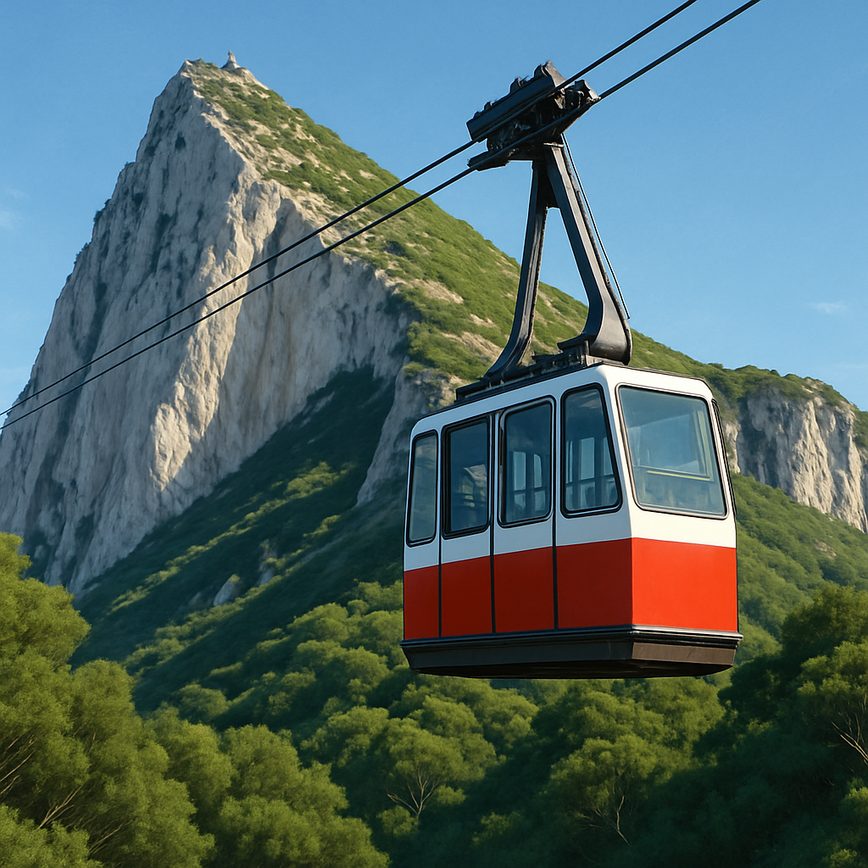
Introduction to the Cable Car of Gibraltar
The Gibraltar cable car is one of the most iconic transportation systems in the region, offering a unique way to explore the famed Rock of Gibraltar. This cable car system provides not only a functional means of transit but also an exceptional sightseeing experience that attracts tourists and locals alike. Serving as a vital link between the lower parts of Gibraltar and the summit of the Rock, the cable car allows passengers to enjoy breathtaking panoramic views of the surrounding areas, including the Mediterranean Sea, the Atlantic Ocean, and even the coastlines of Spain and Morocco on clear days.
Historically, the cable car of Gibraltar holds significant importance as a symbol of modern engineering intertwined with the rich cultural heritage of the territory. Since its inauguration, it has played a critical role in boosting Gibraltar’s tourism industry by providing easy access to the Upper Rock Nature Reserve, home to famous attractions such as the Great Siege Tunnels and the Barbary macaques. The cable car introduction revolutionized transportation within the Rock by offering a swift and scenic alternative to the more challenging road routes, thereby enhancing visitor experience and accessibility.
The significance of the Gibraltar cable car extends beyond its transportation utility. It represents a harmonious blend of innovation and nature, allowing visitors to witness the natural beauty and historical landmarks from an aerial vantage point. The cable car has become a cherished emblem of Gibraltar’s identity, symbolizing progress while respecting the environment and heritage. For many, riding the cable car is the quintessential Gibraltar experience, providing an insightful glimpse into the territory’s history, geography, and culture through a visual and immersive journey.
In summary, the cable car of Gibraltar is not just a means of transportation but a vital feature of the region’s tourism and historical landscape. Its purpose transcends simple conveyance, acting as an introduction and gateway to the multifaceted allure of Gibraltar. Through its history and continued operation, the Gibraltar cable car remains a celebrated attraction, enriching visitors’ understanding and appreciation of the area while delivering unforgettable views and experiences.
Origins and Early Development
The cable car origins in Gibraltar are deeply rooted in the strategic and geographic significance of the Rock of Gibraltar. From its early history, the need for efficient transport to the upper parts of the rock became apparent, especially as the area transformed into a crucial military and tourist destination. The concept of the cable car was initially conceived as a solution to overcome the steep and rugged terrain that made traditional transportation methods challenging and time-consuming. This innovative idea aimed to provide a reliable and swift means of access, linking the town at the base with the Upper Rock area above.
In the broader context of Gibraltar transport history, the development of the cable car was a milestone. Its early history reveals a focus not only on practicality but also on enhancing visitor experience by offering spectacular views during the ascent. The cable car project was designed to balance functionality with tourism appeal, making it an iconic part of Gibraltar’s identity. Over time, this transport method has evolved but continues to serve as a vital link and a symbol of Gibraltar’s adaptation to its unique environment.
Ultimately, the origins and early development of Gibraltar’s cable car reflect a blend of strategic military needs and the growth of tourism. Its successful implementation marked a turning point in the territory’s transport history, demonstrating how innovation can address geographic challenges while fostering economic and cultural growth.
Initial Construction and Launch
The construction timeline of the Gibraltar cable car system began in the early 1960s, marking a significant development in the region’s transportation infrastructure. Planning and groundwork were meticulously carried out to ensure the cable car would become a reliable link between the base and the upper parts of the Rock of Gibraltar. Construction officially commenced in 1966, with engineering teams focused on overcoming the unique challenges posed by the rugged terrain.
After several months of intensive work, the cable car system was completed and ready for its launch. The launch date, set in 1968, attracted considerable local and international attention, as the cable car promised to offer both practical transit and spectacular panoramic views of the surrounding landscape. This made the cable car not only a functional mode of transport but also a popular tourist attraction from the outset.
Early operations of the cable car were characterized by smooth services and high passenger volumes, reflecting its immediate success. The system quickly became an integral part of Gibraltar’s transport network, providing easy access to the Upper Rock Nature Reserve and other key destinations. The cable car’s construction timeline and its launch date stand as notable landmarks in the development of Gibraltar’s modern infrastructure, symbolizing progress and innovation in the territory.
Historical Milestones and Upgrades
The cable car of Gibraltar has witnessed several historical milestones and undergone significant upgrades that have transformed it into a vital part of Gibraltar transport improvements. Since its inauguration, this iconic transport system has not only served as a popular tourist attraction but has also evolved technologically to enhance passenger safety, capacity, and overall efficiency.
One of the earliest historical milestones was the cable car’s official opening in the mid-20th century, marking a revolutionary step in Gibraltar’s transport infrastructure. Initially constructed with basic mechanical technology, the cable car was designed to offer breathtaking views while connecting key points on the Rock of Gibraltar, facilitating easier access to some of its most remote areas.
Over the decades, numerous cable car upgrades have been implemented to keep pace with modern engineering standards and increasing visitor numbers. Significant improvements included the replacement of the original cables and cabins with more durable and weather-resistant materials, ensuring safer and smoother rides even under challenging weather conditions typical of the region.
A notable technological upgrade took place in the late 1990s when the cable car system was modernized with automated control technologies. This advancement allowed for better operational control and monitoring, reducing the risk of mechanical failures and enhancing the reliability of the service. The integration of state-of-the-art safety mechanisms, such as emergency brakes and backup power supplies, further contributed to passenger confidence and industry compliance.
Moreover, Gibraltar transport improvements related to the cable car included the expansion of the boarding stations to accommodate growing tourist demand and streamline the flow of passengers. These infrastructural enhancements were complemented by the installation of environmentally friendly components, aligning the cable car system with contemporary sustainability goals.
In recent years, the cable car has also incorporated digital ticketing and real-time service updates, reflecting the broader trend of digitization in public transport. These technical upgrades have significantly enhanced user convenience, making the cable car not only a historic symbol of Gibraltar’s progress but also a model of modern transport innovation.
Overall, the historical milestones and cable car upgrades in Gibraltar highlight a consistent commitment to improving transport infrastructure. This evolution ensures that the cable car continues to play a crucial role in connecting people while preserving its historic charm and advancing technological sophistication.
Technological Advancements
Over the years, the cable car system in Gibraltar has undergone numerous technology upgrades that have significantly enhanced its efficiency and safety. Early installations relied on basic mechanical components, but with the advent of modernization, key improvements transformed the operation. The introduction of advanced cable car technology allowed for smoother and more reliable rides, reducing downtime and maintenance needs.
One of the major technological advancements was the upgrade to computer-controlled systems, which provided real-time monitoring and precise control over the cable’s tension and speed. This modernization not only increased passenger safety but also improved energy efficiency, lowering operational costs. Additionally, the implementation of weather-resistant materials and improved braking systems ensured consistent performance even under challenging conditions.
Furthermore, the cable car technology was enhanced with modern communication tools, allowing operators to quickly respond to any technical issues or emergencies. These upgrades collectively contributed to a more comfortable and dependable experience for visitors, reflecting Gibraltar’s commitment to leveraging technology to preserve and improve this iconic transport system. As research and development continue, future technology upgrades promise even more innovations to maintain the cable car’s status as a landmark of engineering excellence.
Impact of Historical Events
The cable car of Gibraltar has witnessed significant historical events that have profoundly shaped its existence and operations. Throughout Gibraltar history, various war effects and political changes have left an indelible mark on the cable car system. During times of conflict, especially the World Wars, the cable car’s strategic location meant it was not just a mode of transport but also a critical asset for military surveillance and logistics. This dual use impacted its accessibility to the public and sometimes led to temporary closures or restricted use.
Political shifts in Gibraltar’s governance and territorial disputes also influenced the cable car’s development and maintenance. The historical events impact can be seen in how the cable car adapted to the changing needs of the territory. For instance, increased tensions with neighboring Spain prompted enhancements in security and infrastructure resilience. These adaptations ensured continued service despite the geopolitical uncertainties, underscoring the cable car’s role beyond mere transportation to one of cultural and strategic significance.
Overall, the cable car reflects the broader narrative of Gibraltar’s resilience amid war effects and political fluctuations. Its history is intertwined with the territory’s turbulent past, making it a living monument to the region’s endurance and adaptability in the face of historical challenges.
Cultural and Tourist Significance Today
The cable car of Gibraltar stands as one of the most iconic tourist attractions in the region, offering visitors an unparalleled view of the famous Rock of Gibraltar and its surrounding landscapes. Today, it is much more than just a means of transportation; it represents a vital link to the cultural heritage and tourism economy of Gibraltar.
As a major part of Gibraltar tourism, the cable car attracts thousands of tourists annually who come to experience the unique journey up to the Upper Rock Nature Reserve. From here, visitors can enjoy panoramic vistas of the Mediterranean Sea, the historic town below, and on clear days, even the coast of Africa. This spectacular experience significantly enhances the appeal of Gibraltar as a travel destination, boosting local businesses and hospitality services.
The cultural importance of the cable car extends beyond its function as a tourist attraction. It is a symbol of Gibraltar’s modern development while preserving a connection to its historical and geographical identity. The cable car’s route showcases the diverse flora and fauna of the protected nature reserve, highlighting Gibraltar’s commitment to environmental conservation and education for visitors.
Furthermore, the cable car serves as a gateway to several cultural landmarks, including the famous Apes’ Den, the Great Siege Tunnels, and the World War II observation posts. These sites enrich the visitor experience by telling the story of Gibraltar’s strategic military significance and its resilience through centuries of history.
In essence, the cable car functions as a crucial component of Gibraltar’s tourism infrastructure, seamlessly blending natural beauty, cultural history, and modern leisure. Its continued popularity underscores the role it plays in preserving Gibraltar’s heritage while promoting sustainable tourism practices that benefit both the local community and international visitors.
Visitor Experience and Attractions
The cable car ride in Gibraltar offers visitors a unique and memorable experience, combining stunning panoramic views with easy access to some of the area’s most popular tourist attractions. As you ascend the steep slopes of the Rock of Gibraltar, the ride provides breathtaking vistas of the surrounding sea, the bustling city below, and even the distant coasts of Spain and Morocco on clear days. This bird’s-eye perspective is a highlight for many, giving a new appreciation for the strategic and natural beauty of the region.
Throughout the cable car ride, visitors are enveloped in the excitement of the journey itself, with comfortable cabins ensuring a smooth and enjoyable ascent. Once at the top, the adventure continues with direct access to key attractions such as the famous Upper Rock Nature Reserve, home to the iconic Barbary macaques, the only wild monkey population in Europe. Additionally, historical sites like the Great Siege Tunnels and various World War II fortifications can be reached with ease, enhancing the visitor experience by combining natural beauty with rich history.
Overall, the cable car ride is not merely a mode of transport but a gateway to discovering Gibraltar’s unique blend of scenic views, wildlife encounters, and cultural landmarks. Whether it’s the sweeping landscapes or the well-preserved attractions, the visitor experience here is crafted to leave a lasting impression, making it a must-do activity for all tourists exploring Gibraltar.
Preservation and Future Prospects
Efforts to ensure the preservation of the Gibraltar cable car reflect a broader commitment to maintaining this iconic piece of transportation history. Preservation efforts include regular maintenance of the mechanical systems, updating safety protocols, and restoring the cable car cabins to their original condition while integrating subtle modern enhancements. These actions safeguard the cable car’s operational integrity and historical value, making it a cherished attraction for both locals and tourists.
Looking ahead, there are promising future plans aimed at expanding and improving the cable car system. Proposals include extending the route to connect additional scenic points and enhancing the visitor experience through interactive informational displays and augmented reality features. These developments not only aim to increase accessibility but also to highlight the unique landscapes and rich history of Gibraltar.
The Gibraltar cable car future is therefore shaped by a careful balance of honoring tradition while embracing innovation. By investing in both preservation efforts and future plans, authorities ensure that this transportation marvel continues to thrive as a vital symbol of Gibraltar’s heritage and a key attraction for generations to come.

I have always been captivated by the unique cultural tapestry of the Rock, particularly how Moorish, Spanish, and British influences shaped its development over centuries. My passion lies in translating these complex historical narratives into engaging educational resources that make Gibraltar’s past accessible to everyone. I spend my free time exploring military fortifications and reading first-hand accounts of life at the Pillar of Hercules.