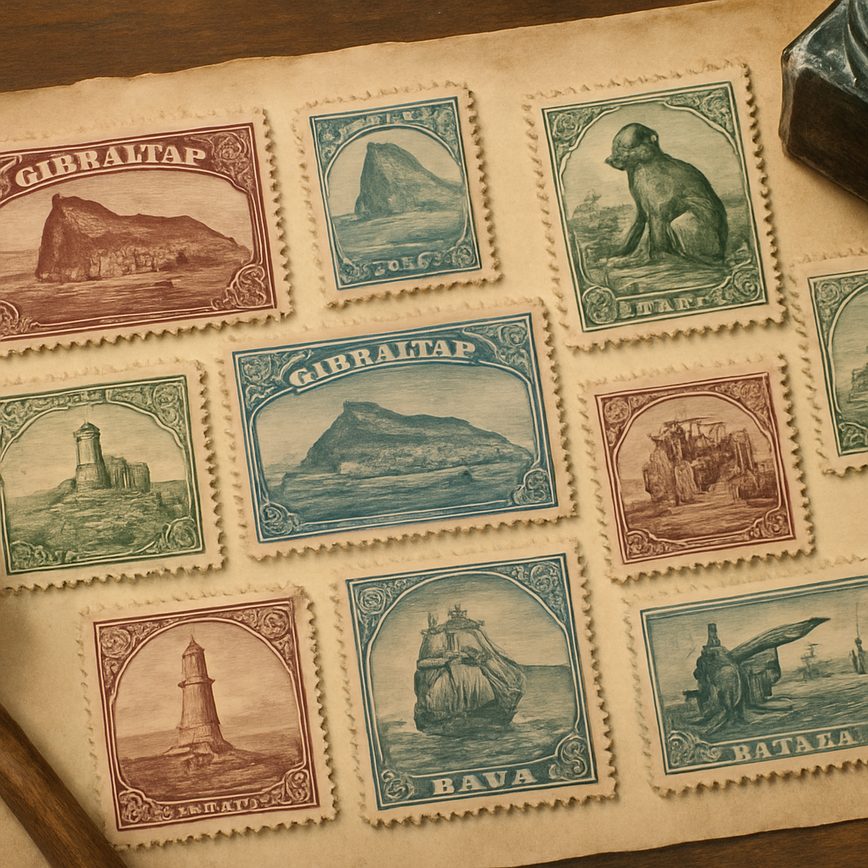
History of Gibraltar Stamps
The history of Gibraltar stamps is a fascinating journey through time, reflecting the rich philately Gibraltar heritage and the evolution of postal services in the region. Gibraltar, a British Overseas Territory located at the southern tip of the Iberian Peninsula, began issuing its own postage stamps in the mid-19th century, marking the start of a unique chapter in stamp collecting and postal history.
The origins of Gibraltar stamps date back to 1886 when the first definitive stamps were issued. These early stamps were characterized by their depiction of the reigning British monarch, Queen Victoria, symbolizing Gibraltar’s status within the British Empire. The initial issues featured simple yet distinct designs that quickly gained recognition and popularity among collectors. These stamps were not only functional for mail delivery but also became cultural artifacts representing Gibraltar’s connection to Britain and its strategic importance.
As philately Gibraltar developed, subsequent reigns of King Edward VII and King George V saw new definitive series that introduced enhanced printing techniques and more intricate designs. Throughout the early 20th century, Gibraltar stamps began to reflect local themes, including iconic landmarks such as the Rock of Gibraltar and the region’s coat of arms. This trend highlighted a growing sense of local identity within the framework of British colonial governance.
Postage stamp evolution in Gibraltar continued through the mid-20th century, especially post World War II, when commemorative and definitive issues began celebrating significant events and anniversaries. These stamps showcased the island’s history, culture, and natural beauty, appealing strongly to collectors worldwide. Over time, Gibraltar incorporated modern printing technologies and broadened the range of subjects portrayed on stamps, encompassing flora, fauna, historical figures, and contemporary events.
Today, the history of Gibraltar stamps encapsulates a rich timeline of philately Gibraltar, demonstrating an ongoing commitment to preserving tradition while embracing modernity. From the earliest Victorian-era issues to contemporary releases, Gibraltar’s stamps offer a compelling narrative of transformation, reflecting both global changes and local pride. Collectors and historians alike value this heritage, as it continues to provide insight into Gibraltar’s unique place in the world of postal history and stamp evolution Gibraltar.
First Issues and Early Designs
The first Gibraltar stamps hold a special place in philatelic history as they marked the beginning of postal services in the territory. Issued in 1886, the initial stamps featured the profile of Queen Victoria, a common element in many British colonial issues of that era. These early stamp designs were simple yet elegant, incorporating a classic vignette of the monarch’s portrait surrounded by intricate frames and ornamental patterns. The color palette was typically limited to shades of red, green, and blue, chosen to signify different denominations.
These first Gibraltar stamps are not only significant for their design but also for their role in establishing Gibraltar’s unique identity within the British Empire. The stamps were inscribed with the name “Gibraltar,” distinguishing them from other British colonies. The historical stamps from this period capture the cultural and political significance of the territory, representing both local pride and imperial connection.
Collectors value these first Gibraltar stamps for their rarity and historical importance. The early stamp designs serve as a visual record of Gibraltar’s postal history and reflect the colonial aesthetics prevalent in late 19th-century philately. Over time, these initial issues laid the foundation for a rich tradition of stamp production that continues to celebrate Gibraltar’s heritage and identity.
Stamp Changes During Political Shifts
The stamp issues of Gibraltar have long reflected the territory’s dynamic political landscape, showcasing significant stamp variations that mirror its colonial and political transitions. During the colonial era, Gibraltar’s stamps prominently displayed British monarchs and symbols, reinforcing its status as a British overseas territory. These colonial era stamps were not only functional but also served as political statements, emphasizing British sovereignty over the region.
As Gibraltar experienced political changes, especially throughout the 20th century, its stamp themes evolved to incorporate local identity elements while maintaining British symbolism. For example, during periods of heightened tensions or political assertion, Gibraltar’s stamps featured local landmarks, historical events, and cultural icons, blending colonial heritage with emerging local pride. These shifts in stamp design highlighted Gibraltar’s unique position amid shifting political currents and underscored the impact of Gibraltar political changes on its philatelic output.
Moreover, political transitions often prompted new stamp issues that marked key events or changes in governance. The variations in stamp designs thus serve as chronological markers of Gibraltar’s political narrative, reflecting everything from administrative reforms to changes in local governance. Consequently, Gibraltar’s stamps offer a fascinating glimpse into how geopolitical developments influenced philately, making them an essential study for both collectors and historians interested in the intersection of politics and postal history.
Themes and Subjects in Gibraltar Philately
Gibraltar stamp themes are a rich and fascinating reflection of the region’s diverse history, culture, and natural environment. Collectors and philatelists are drawn to the variety of philatelic subjects found on stamps issued by Gibraltar, which often carry profound symbolic meanings and highlight the unique identity of this strategic territory. From historical landmarks to native wildlife, Gibraltar’s stamp motifs offer a vivid glimpse into its heritage and ongoing stories.
One of the most prominent themes in Gibraltar philately is its maritime and military significance. Given Gibraltar’s pivotal role as a fortress and naval base, many stamps depict famous military installations, historic battles, and naval vessels. These stamps serve not only as a tribute to Gibraltar’s strategic importance but also as educational tools for collectors interested in military history and defense themes.
Alongside military motifs, Gibraltar stamps frequently portray the Rock of Gibraltar itself, an iconic natural landmark instantly recognizable worldwide. The depiction of the Rock in various forms emphasizes its symbolic stature as a monument of strength and resilience. This enduring motif is often surrounded by images of local flora and fauna that emphasize Gibraltar’s rich biodiversity, including the Barbary macaques, which are native to the region and a famous tourist attraction.
Historical and cultural themes are also well represented in Gibraltar stamp themes. Stamps often celebrate significant events, anniversaries, and cultural festivals that reflect the heritage of the people of Gibraltar. These philatelic subjects help preserve and promote local traditions, ranging from religious celebrations to the multicultural influences seen in the region’s architecture and daily life.
Commemorative issues frequently highlight Gibraltar’s connections to the British Crown, showcasing portraits of reigning monarchs and royal events. These stamps underscore the political and historical ties to the United Kingdom, reinforcing Gibraltar’s status as a British Overseas Territory. Such motifs appeal to collectors interested in royal history and Commonwealth philately.
Overall, Gibraltar’s stamp motifs blend natural, historical, cultural, and political elements to provide a comprehensive narrative of this unique territory. The themes and subjects depicted give collectors diverse avenues to explore the identity and significance of Gibraltar through philately, making each stamp a miniature ambassador of its story and heritage.
Royalty and Historical Figures
Gibraltar’s stamps often serve as miniature tributes to British royalty and prominent historical personages, reflecting the territory’s deep-rooted ties with the United Kingdom. These stamps are not merely postage tools but also commemorative stamps that celebrate significant events and the legacy of influential figures. Images of monarchs such as Queen Elizabeth II and other members of the royal family frequently appear on Gibraltar stamps, symbolizing sovereignty, tradition, and continuity of the crown. These stamps underscore Gibraltar’s status as a British Overseas Territory and provide a connection to British heritage through philately.
Beyond royalty, Gibraltar stamps also honor historical personages who played pivotal roles in the territory’s history or British history at large. These commemorative stamps often feature explorers, military leaders, and other notable figures who have contributed to Gibraltar’s unique story and its strategic importance. Through intricate designs and careful symbolism, these stamps tell stories of courage, leadership, and historical milestones, making them prized collectibles for philatelists worldwide. The combination of royalty stamps Gibraltar and tributes to historical figures on these issues enriches the cultural narrative and preserves the memory of the past.
Overall, the use of royalty and historical personages on Gibraltar stamps exemplifies the power of philately to convey symbolism, honor heritage, and foster a sense of identity. Collectors and enthusiasts value these stamps not only for their aesthetic appeal but also for their role in celebrating Gibraltar’s enduring connection to its royal and historical roots.
Local Flora, Fauna, and Landmarks
Gibraltar’s postage stamps beautifully capture the essence of its rich natural heritage and iconic landmarks, showcasing the unique Gibraltar flora stamps that celebrate native plants. The stamps often feature the distinctive Gibraltar candytuft, a rare flower endemic to the region, symbolizing the territory’s delicate natural environment. Alongside flora, fauna on stamps prominently highlight Gibraltar’s diverse wildlife. Notably, the Barbary macaque, Europe’s only wild monkey population, is frequently depicted, representing Gibraltar’s famous natural inhabitants. Other native species, such as the elegant blue rock thrush—Gibraltar’s national bird—also make appearances, emphasizing the importance of preserving local biodiversity.
In addition to flora and fauna, Gibraltar’s stamps pay homage to local landmarks in philately, with illustrations of iconic structures and sites that define the territory’s cultural and historical landscape. The Rock of Gibraltar itself is a recurrent motif, symbolizing strength and resilience. Various stamps feature the Great Siege Tunnels, an impressive wartime engineering marvel, and the Moorish Castle, representing Gibraltar’s rich historical heritage. These beautifully detailed depictions provide collectors and history enthusiasts a window into Gibraltar’s key landmarks and their significance.
Through these stamps, Gibraltar not only preserves its natural and cultural treasures but also educates the world on the unique flora, fauna, and landmarks that define this iconic region. The integration of Gibraltar flora stamps, fauna on stamps, and local landmarks in philately reflects a profound respect for the territory’s identity and natural beauty, making each stamp a miniature tribute to Gibraltar’s heritage.
Collecting and Valuing Gibraltar Stamps
Gibraltar stamp collecting is a fascinating hobby that combines history, culture, and artistry into a single pursuit. Whether you are a seasoned philatelist or a newcomer to the philately market, collecting stamps from Gibraltar offers a unique glimpse into the territory’s rich heritage and diverse influences. To make the most out of your collection, it is essential to understand the nuances of stamp valuation, rarity, and the popular series sought after by collectors.
When diving into Gibraltar stamp collecting, one of the first things to consider is the condition of the stamps. Stamps in pristine condition—free from tears, heavy cancellations, or discoloration—tend to have higher value. Furthermore, mint condition stamps, especially those still attached to original gum, are particularly prized by collectors and often fetch premium prices in the philately market.
Rarity is another critical factor affecting stamp valuation. Gibraltar has issued numerous commemorative and definitive series over the years, but some are much scarcer than others, either due to limited print runs or historical circumstances that affected distribution. Early issues from the 19th and early 20th centuries, particularly those with unique and intricate designs, are highly sought after. Collectors typically focus on identifying these rare specimens to enhance the prestige and worth of their collections.
Popular series within Gibraltar stamp collecting include those that celebrate the territory’s maritime heritage, the British monarchy, and important local events or landmarks. For instance, stamps featuring the Rock of Gibraltar, military history, or notable anniversaries often attract considerable attention. Limited edition releases and special engravings also play a role in boosting interest and value.
A practical tip for those interested in buying and selling Gibraltar stamps is to stay informed about current market trends and auction results in the philately market. Prices can fluctuate based on collector demand, so monitoring online auction sites, specialized philatelic catalogs, and stamp dealer listings can help you make educated decisions. Networking with other collectors and joining philatelic societies focused on Gibraltar can also provide valuable insights and access to rare finds.
In summary, successful Gibraltar stamp collecting hinges on knowledge of stamp condition, rarity, and the popular series that captivate the philately market. By focusing on these areas and keeping abreast of market developments, collectors can build valuable and meaningful collections that celebrate the unique heritage of Gibraltar.
Notable Rare Stamps and Errors
Among the fascinating world of Gibraltar philately, certain rare Gibraltar stamps stand out due to their scarcity and historical significance. Collectors highly prize early issues from the late 19th and early 20th centuries, particularly those with limited print runs or unique design features. Stamps such as the 1889 Queen Victoria 1d lilac and the 1925 Silver Jubilee series are considered valuable philatelic items because of their condition, rarity, and the stories they tell about Gibraltar’s colonial past.
Stamp errors also hold a special place for collectors, as they are often unintentional and thus rare. In Gibraltar’s philatelic history, errors like color misprints, double impressions, or missing overprints have created some of the most sought-after pieces. These errors provide insight into the printing processes and challenges of their times. For instance, a known error from Gibraltar is the inverted watermark on certain 1938 George VI issues, which makes the stamps exceptionally valuable today.
The allure of rare Gibraltar stamps and stamp errors lies not only in their monetary value but also in their ability to capture moments of postal history. For philatelists, owning such items is a connection to Gibraltar’s cultural heritage and a testament to the intricate art and technical skill involved in stamp production. These rare and error stamps remain a highlight in collections worldwide, continually sparking interest and admiration among enthusiasts.
Tips for New Collectors
For beginners stamp collecting, starting a Gibraltar stamp collection can be both exciting and rewarding. First, gather basic philately tips by exploring reputable resources such as Gibraltar’s official postal service website, philatelic societies, and dedicated stamp collecting forums. These sources offer invaluable information on stamp issues, historical context, and market values.
Next, invest in the right tools and storage materials. Use acid-free stamp albums or stock books specifically designed for preserving stamps. Avoid adhesives directly on the stamps; instead, use stamp mounts or hinges to keep your collection in pristine condition. Proper storage protects your stamps from humidity, sunlight, and physical damage.
As you build your collection of Gibraltar stamps, keep detailed records of each item, including purchase details and condition. This will help you track your progress and enhance the collection’s value over time. Connect with local and international philately clubs to exchange knowledge and possibly trade stamps.
Finally, be patient and enjoy the journey. Collecting Gibraltar stamps offers insights into the rich culture and history of this unique region. By following these philately tips carefully, beginners can create a meaningful and well-preserved stamp collection that they’ll cherish for years to come.

I have always been captivated by the unique cultural tapestry of the Rock, particularly how Moorish, Spanish, and British influences shaped its development over centuries. My passion lies in translating these complex historical narratives into engaging educational resources that make Gibraltar’s past accessible to everyone. I spend my free time exploring military fortifications and reading first-hand accounts of life at the Pillar of Hercules.