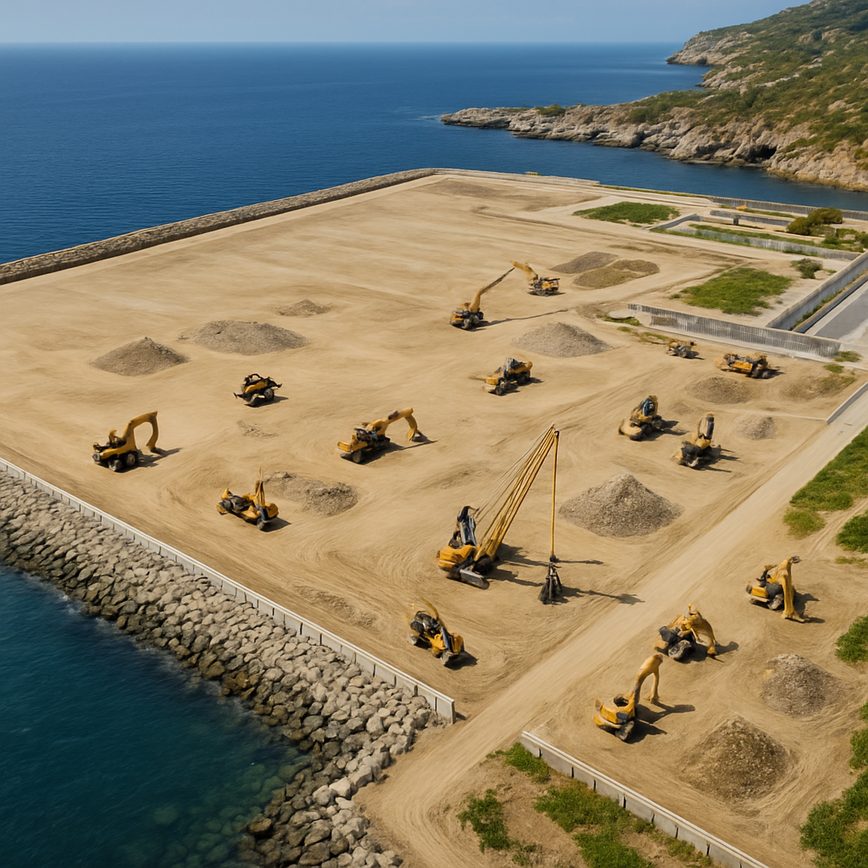
Overview of the Westside Reclamation Project Gibraltar
The Westside reclamation project is a significant development initiative located on the western coast of Gibraltar. This ambitious land reclamation Gibraltar effort aims to expand usable land in this strategically important territory, addressing the growing demand for space and infrastructure improvements. Given Gibraltar’s limited geographical area, the project serves as a pivotal solution to accommodate residential, commercial, and public needs while enhancing the region’s economic potential.
Situated along the western shoreline, the Westside reclamation project involves the creation of new land by filling parts of the sea with engineered materials. This methodical approach to land reclamation Gibraltar is designed to maintain environmental balance while maximizing land usability. The purpose of this project is multifaceted: it not only seeks to provide additional space for urban development but also aims to bolster Gibraltar’s connectivity and facilities, supporting both local communities and the territory’s role as a key maritime hub.
From an economic perspective, the Westside reclamation is a cornerstone project, reinforcing Gibraltar’s infrastructure and enabling new commercial ventures. This project overview highlights the critical role of Westside reclamation in facilitating ongoing growth and sustainability in Gibraltar. With the scarcity of available land typically limiting expansion options, land reclamation Gibraltar projects like this are essential in ensuring the territory can meet future demands while preserving its unique geographic and cultural identity.
Moreover, the Westside reclamation project is recognized for its strategic importance, supporting Gibraltar’s position as a vital international gateway. The increased land space resulting from this project is expected to improve transportation links, enhance port facilities, and provide new areas for housing and business development. This comprehensive project overview underscores the Westside reclamation as a forward-looking initiative that aligns with Gibraltar’s long-term vision for progress and resilience.
History and Background
The Westside reclamation project in Gibraltar has its roots deeply embedded in the region’s ongoing need for urban expansion and modernization. Over the decades, Gibraltar’s limited land area has posed significant challenges to its growing population and economic activities. The project history reflects a strategic response to these spatial constraints, aiming to extend usable land along the western coast.
Gibraltar’s development timeline shows a progression of land reclamation efforts, but the Westside reclamation project marks a pivotal phase characterized by advanced engineering techniques and comprehensive planning. Initiated to accommodate infrastructure growth and enhance the port’s capacity, the project was driven by the necessity to sustain Gibraltar’s economic vitality and support community needs. Originally conceptualized in the late 20th century, it gained momentum as urban development pressures intensified.
The decision to embark on this Gibraltar land reclamation venture was influenced by several factors, including limited natural land availability and the rising demand for commercial, residential, and recreational spaces. Moreover, the project history is closely tied to Gibraltar’s broader strategic vision to balance environmental preservation with urban growth. Consequently, the Westside reclamation initiative not only aims to create new land but also to enhance the overall living and working environment within this unique British Overseas Territory.
Project Objectives and Scope
The Westside reclamation project in Gibraltar is a significant initiative aimed at expanding the territory’s usable land while fostering sustainable development. The primary project goals focus on creating additional space to support residential, commercial, and infrastructural growth to meet the evolving needs of Gibraltar’s population and economy. This reclamation effort is designed to address land scarcity by reclaiming areas on Gibraltar’s west side from the sea, thereby extending the landmass and maximizing the potential for urban expansion.
The scope of reclamation encompasses a broad area along the western shoreline, involving advanced engineering techniques and environmental considerations to ensure minimal ecological disruption. The development objectives include not only expanding land but also integrating modern urban design principles that promote efficient land use, improved transportation links, and enhanced public amenities. This comprehensive approach ensures that the newly reclaimed land serves a variety of purposes, from housing and business districts to parks and recreational spaces.
Ultimately, the intended outcomes of this reclamation effort are to secure Gibraltar’s future growth and economic resilience by providing a solid foundation for new developments. By meeting the project goals, the Westside reclamation aims to boost local employment opportunities, improve living standards, and support Gibraltar’s strategic positioning as a key hub in the region. This project marks a crucial step in shaping a sustainable and prosperous future for Gibraltar through thoughtful expansion and development.
Engineering and Environmental Aspects
The Westside reclamation project in Gibraltar employed advanced engineering methods to ensure both the durability and sustainability of the land reclamation process. Central to the reclamation techniques used was the implementation of state-of-the-art marine engineering practices which involved careful sediment analysis and seabed preparation. These engineering methods were chosen to provide a stable foundation for the reclaimed land, minimizing potential settlement issues and structural failures in future developments.
One of the key reclamation techniques involved the use of geotextiles and rock armoring to reinforce the reclaimed areas and prevent erosion from the surrounding waters. This layering system not only stabilizes the sediments but also effectively manages wave energy, reducing the chance of displacement or degradation of the reclaimed land over time. Additionally, phased construction allowed engineers to monitor and adjust the engineering approach in real-time, safeguarding the integrity of the project throughout its duration.
Environmental impact was a priority throughout the Westside reclamation project. Extensive environmental assessments were conducted before construction began to identify sensitive habitats and species that might be affected by the work. To mitigate these impacts, careful timing of construction activities was arranged to avoid critical breeding and migration periods of local marine and bird life. Furthermore, water quality monitoring ensured that sediment disturbance did not adversely affect adjacent marine ecosystems.
To further reduce environmental impact, the project incorporated sustainable reclamation techniques, such as recycling excavated materials and minimizing waste. The use of eco-friendly materials in construction and sediment containment helped preserve the natural surroundings. Engineers also designed drainage and runoff systems to prevent contamination from the reclaimed land into the marine environment, maintaining water clarity and protecting marine flora.
Overall, the combination of meticulous engineering methods and rigorous environmental considerations exemplifies the balanced approach taken during the Westside reclamation project. By integrating reclamation techniques that address both structural stability and ecological preservation, the project serves as a model for sustainable coastal development. This approach ensures that the reclaimed land will not only meet human needs but also respect and protect Gibraltar’s unique marine environment.
Construction and Engineering Techniques
The Westside reclamation project in Gibraltar employed advanced construction process techniques designed to ensure stability and sustainability. The project utilized modern landfill methods, incorporating a layered approach where inert materials such as rock and sand were carefully deposited to create a solid foundation. This was supplemented by engineered fill to optimize compaction and support future infrastructure development.
Hydraulic engineering played a crucial role in controlling water flow and preventing erosion during the reclamation. Sophisticated drainage systems were integrated into the design to manage surface runoff and groundwater, reducing hydrostatic pressure on the reclaimed land. Engineers also used state-of-the-art modeling technology to predict tidal and wave impacts, enabling the construction of sea defenses tailored to withstand harsh marine conditions.
Construction materials included geotextiles to reinforce soil and prevent mixing of different layers, along with corrosion-resistant concrete for marine structures. Heavy machinery equipped with GPS technology ensured precision throughout the construction process, minimizing human error and optimizing resource use. Together, these engineering and construction methods demonstrate a balanced combination of traditional landfill techniques and cutting-edge hydraulic engineering to achieve a resilient reclamation project.
Environmental Impact and Mitigation
The Westside reclamation project in Gibraltar underwent a comprehensive environmental assessment to evaluate its potential effects on the local marine ecosystem. This assessment identified various risks, including habitat disruption, water quality degradation, and potential disturbances to marine flora and fauna. Recognizing the fragile nature of Gibraltar’s coastal environment, the project incorporated specific impact mitigation strategies to minimize adverse outcomes.
Key measures included the careful management of sediment displacement to prevent turbidity spikes that could harm marine life. Additionally, construction activities were scheduled to avoid critical breeding and migration periods for sensitive species. The project also implemented barriers and containment systems to control pollutants and debris from entering the marine environment during the reclamation works.
To support the marine ecosystem’s resilience, efforts were made to restore and enhance habitats post-reclamation. Artificial reefs and seabed rehabilitation programs were introduced to encourage biodiversity and facilitate the return of native species. Continuous environmental monitoring was established throughout the project’s duration to promptly address any unforeseen impacts and adjust mitigation strategies as needed.
Overall, the environmental assessment and impact mitigation approaches ensured that the reclamation works balanced infrastructural development with the preservation of Gibraltar’s valuable marine and coastal ecosystems, aiming for sustainable progress within the region.
Economic and Social Benefits
The Westside reclamation project is a transformative initiative poised to significantly bolster Gibraltar’s economic growth. By expanding the usable land area, the project will create new opportunities for commercial development, attracting both local and international businesses. This influx is expected to generate employment opportunities across a wide range of sectors including construction, retail, and services, ultimately enhancing the overall economic vitality of Gibraltar.
Beyond immediate economic benefits, the project also promises substantial social impact by improving infrastructure and community facilities. The newly reclaimed areas will support the development of modern social infrastructure such as housing, recreational spaces, and educational institutions tailored to meet the growing needs of Gibraltar’s population. This enhancement in social amenities will contribute to a higher quality of life for residents and promote social cohesion.
Infrastructure development forms a cornerstone of the Westside reclamation effort. Upgraded transport networks, including expanded roadways and improved public transit options, will facilitate better connectivity within Gibraltar and with neighboring regions. These improvements are critical for supporting the increased commercial activity and population density anticipated as the project unfolds.
Moreover, the project aligns with sustainable development goals, aiming to balance economic growth with environmental stewardship. The thoughtful integration of green spaces and environmentally friendly construction practices underscores Gibraltar’s commitment to sustainable urban development. Such efforts not only protect the natural landscape but also enhance the social fabric by providing residents with healthier, more attractive living environments.
In summary, the Westside reclamation project is expected to be a catalyst for economic prosperity and social improvement in Gibraltar. By fostering economic growth, enhancing social infrastructure, and advancing comprehensive infrastructure development, this project will contribute to creating a more dynamic, inclusive, and sustainable community for current and future generations.
Boost to Local Economy
The Westside reclamation project in Gibraltar has brought significant economic advantages, acting as a catalyst for job creation, trade expansion, and investment opportunities. By transforming previously underutilized waterfront areas into dynamic commercial and industrial zones, the project has opened the door to a variety of new employment opportunities. These jobs span across construction, logistics, retail, and services, providing a substantial boost to the local workforce.
Beyond just job creation, the reclamation project has paved the way for trade expansion by enhancing Gibraltar’s capacity to handle increased commercial traffic and cargo operations. This expansion not only supports local businesses but also attracts new enterprises eager to leverage the strategic location for their trading activities. As a result, the project has strengthened Gibraltar’s position as a key player in regional and international commerce.
Moreover, the project has stimulated investment opportunities by making prime real estate available for development. Investors see the reclaimed areas as promising spots for commercial ventures, including new business hubs, warehousing, and maritime services. This influx of investments creates a positive feedback cycle, encouraging further economic growth and diversification in the local economy. Overall, the Westside reclamation project represents a significant opportunity to enhance Gibraltar’s economic resilience and prosperity.
Community and Infrastructure Enhancements
The Westside reclamation project in Gibraltar has brought significant advancements in community development, transforming the reclaimed land into vibrant, functional spaces that serve the public effectively. One of the most notable improvements is the creation of new public amenities designed to enhance the quality of life for residents. These facilities include parks, recreational areas, and community centers that provide spaces for social interaction, leisure, and cultural activities, fostering a stronger sense of community cohesion.
Alongside these community development initiatives, substantial upgrades to transport infrastructure have been implemented to ensure seamless connectivity within Gibraltar and beyond. The project has introduced improved road networks and pedestrian pathways that increase accessibility and safety for all users. Furthermore, enhancements to public transport options, such as better bus routes and upgraded terminals, facilitate efficient and sustainable travel.
These transport upgrades are essential in supporting the area’s growth and development, enabling residents and visitors to navigate the city with greater ease. By integrating these infrastructure improvements with new and improved public amenities, the Westside reclamation project exemplifies a comprehensive approach to urban development that balances functionality with quality of life. Overall, the initiative represents a major step forward in modernizing Gibraltar’s community infrastructure while promoting sustainable growth.

I have always been captivated by the unique cultural tapestry of the Rock, particularly how Moorish, Spanish, and British influences shaped its development over centuries. My passion lies in translating these complex historical narratives into engaging educational resources that make Gibraltar’s past accessible to everyone. I spend my free time exploring military fortifications and reading first-hand accounts of life at the Pillar of Hercules.