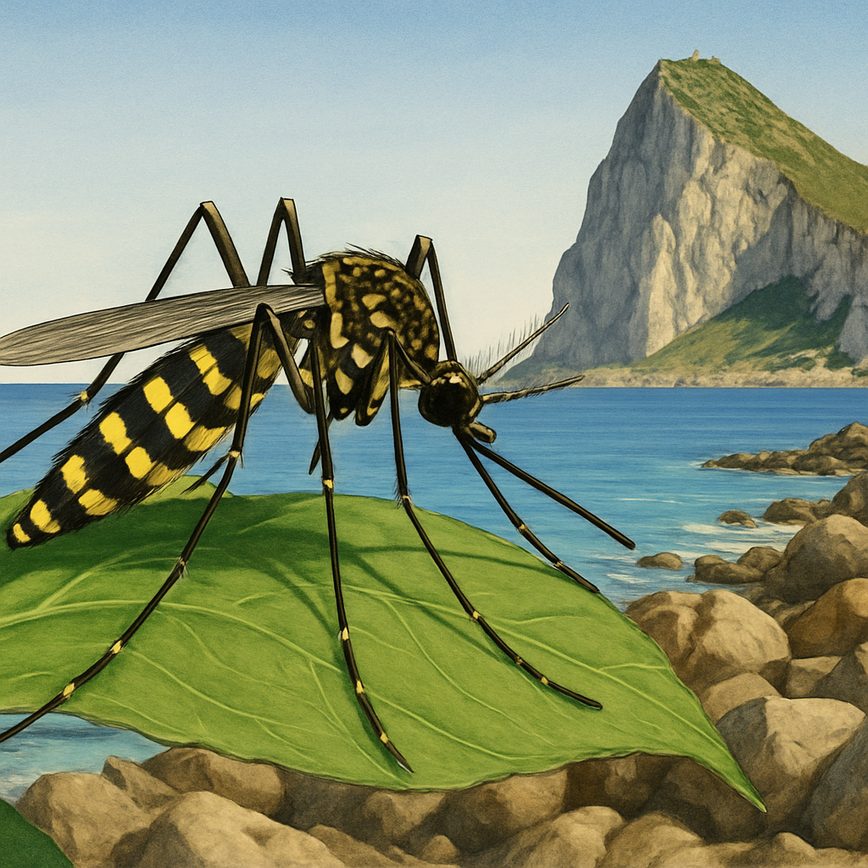
Overview of Yellow Fever Epidemics in Gibraltar
Yellow fever is a viral disease transmitted primarily by infected mosquitoes, known for causing severe symptoms such as high fever, jaundice, and bleeding. Historically, it has been a significant public health threat in many tropical and subtropical regions. Gibraltar, strategically located at the crossroads of the Mediterranean and Atlantic, has experienced several notable yellow fever epidemics that have had profound effects on its population and development.
The historical outbreaks of yellow fever in Gibraltar reveal the vulnerability of this vital port and military stronghold to infectious diseases brought by trade and military movements. During the 18th and 19th centuries, Gibraltar’s status as a bustling naval and commercial hub meant it was frequently exposed to infected ships and travelers, leading to repeated yellow fever epidemics. These epidemics caused widespread illness and high mortality rates, severely impacting the local population and military personnel stationed there.
One of the most devastating Gibraltar epidemics occurred in the 1800s when yellow fever outbreaks significantly reduced the effectiveness of the garrison and disrupted daily life. Efforts to control these outbreaks were hampered by limited medical knowledge and inadequate sanitation practices of the time. The disease’s rapid spread and severe symptoms made it one of the deadliest challenges Gibraltar faced, with historical records documenting the fear and chaos it brought to the community.
Understanding the historical context of yellow fever in Gibraltar helps illustrate the persistent threat infectious diseases posed before modern medicine. The yellow fever epidemics in Gibraltar not only exemplify the impact of historical outbreaks on a strategic location but also highlight the evolution of public health measures in response to disease outbreaks. Gibraltar’s yellow fever history serves as a reminder of the crucial role of disease overview and management in safeguarding communities throughout history.
History of Yellow Fever in Gibraltar
Yellow fever history in Gibraltar reveals a series of significant disease outbreaks that have shaped the region’s public health responses over the centuries. Below is a chronological epidemic timeline outlining the notable yellow fever outbreaks experienced in Gibraltar:
| Year | Outbreak Details | Impact |
|---|---|---|
| 1804 | First major recorded yellow fever epidemic in Gibraltar, coinciding with increased naval activity and trade. | High mortality rates with significant disruptions to military and civilian life. |
| 1828 | A severe outbreak linked to the arrival of ships from the Caribbean, marking one of the worst epidemics in the region. | Hundreds of deaths, increased quarantine measures implemented. |
| 1865 | Resurgence of yellow fever attributed to poor sanitary conditions and mosquito prevalence. | Moderate fatalities; led to early mosquito control initiatives and public health reforms. |
| 1905 | Last major yellow fever outbreak before modern control methods were established in Gibraltar. | Minimal fatalities compared to previous epidemics due to improved medical responses. |
This epidemic timeline highlights Gibraltar disease outbreaks closely tied to its strategic Mediterranean location. The yellow fever history here underscores continuous efforts in managing public health crises over time.
Symptoms and Transmission
Yellow fever symptoms typically begin suddenly and include high fever, chills, severe headache, back pain, general body aches, nausea, and vomiting. In many cases, the disease progresses to a more severe phase characterized by jaundice—hence the name “yellow” fever—bleeding, and organ failure, which can be fatal. Recognizing these yellow fever symptoms early was critical during the epidemics in Gibraltar to manage and contain outbreaks.
The transmission of yellow fever is primarily through the bite of infected mosquitoes, specifically the Aedes aegypti species. The virus spreads when a mosquito feeds on a person already infected with the virus and then bites another individual, passing the infection along. This vector-borne disease transmission method allowed yellow fever to rapidly spread in densely populated areas.
During the yellow fever epidemics in Gibraltar, the virus spread quickly due to the crowded living conditions and the presence of mosquito breeding sites in and around the port area. Ships arriving from endemic regions often inadvertently brought infected mosquitoes or infected passengers, accelerating the disease transmission. Additionally, the lack of effective mosquito control measures at the time allowed the virus to proliferate among the local population, leading to severe outbreaks that heavily impacted Gibraltar’s community and economy.
Impact and Responses to Yellow Fever Epidemics
The yellow fever epidemics in Gibraltar had profound social, economic, and health-related impacts that shaped the community’s experience and responses. The epidemic impact was deeply felt as the disease claimed numerous lives, disrupted daily life, and strained the healthcare resources of the territory. Socially, fear and uncertainty permeated the population, leading to disruptions in community interactions, commerce, and workforce availability. Families were often separated due to illness or quarantine measures, and the loss of loved ones left long-lasting emotional scars.
Economically, Gibraltar faced significant challenges during outbreaks of yellow fever. Trade and port activities, vital to Gibraltar’s economy, slowed markedly as fear of contagion led to restrictions on movement and commerce. Businesses dependent on maritime activity suffered losses, and the cost of managing the epidemic drained local resources. The interruption in workforce productivity due to illness or preventive quarantines further exacerbated economic difficulties, highlighting the vulnerability of a small but strategically important community to health crises.
Health-related impacts were severe given the limitations of medical knowledge and resources at the time. Gibraltar healthcare was overwhelmed by the volume of affected individuals, with hospitals and medical personnel struggling to provide adequate care. The high fatality rate underscored the urgent need for effective disease management and control measures. This crisis spurred improvements in medical infrastructure and heightened awareness of infectious disease management within the local health system.
In response to yellow fever epidemics, Gibraltar implemented a range of public health interventions aimed at controlling the spread and mitigating impact. These included quarantine protocols, isolation of the sick, and sanitation efforts targeting mosquito breeding grounds, given later understanding of the vector’s role in yellow fever transmission. Public health response also involved community education about hygiene and prevention, as well as coordinated efforts across local authorities to enforce health regulations.
While the challenges posed by yellow fever were formidable, Gibraltar’s responses laid the groundwork for modern yellow fever control strategies. The experience underscored the importance of vigilance, rapid response, and cohesive public health measures in managing epidemics. Overall, the dual impact of epidemic threat and proactive local healthcare efforts shaped Gibraltar’s historical resilience and capacity to confront future public health emergencies.
Government and Community Measures
During yellow fever epidemics in Gibraltar, both public health measures and a strong community response played a crucial role in epidemic containment. Authorities quickly implemented quarantine protocols to isolate affected individuals and prevent further transmission. These quarantine measures included the restriction of movement for people showing symptoms or those who had been in contact with infected patients, effectively curbing the spread of the virus.
In addition to quarantine, public health officials conducted thorough inspections and fumigation of homes and public spaces to eliminate the mosquitoes that serve as vectors for yellow fever. Community cooperation was essential, as residents were encouraged to report symptoms early and comply with sanitary regulations. Educational campaigns informed the public about the importance of eliminating standing water to reduce mosquito breeding grounds.
The community response extended beyond adherence to health guidelines; local leaders and voluntary groups mobilized to support affected families, providing food and medical assistance. This collective effort between the government and citizens demonstrated the effectiveness of combined actions in reducing the impact of the epidemic. These measures, emphasizing early quarantine, vector control, and community solidarity, were vital in controlling and preventing the spread of yellow fever in Gibraltar.
Long-Term Effects on Gibraltar’s Public Health Policy
The yellow fever epidemics in Gibraltar played a pivotal role in shaping the public health policy of the territory in the decades that followed. These devastating outbreaks highlighted the urgent need for robust disease prevention strategies to protect the population from future health crises. As a result, Gibraltar’s authorities began to prioritize comprehensive public health planning, emphasizing sanitation improvements, quarantine measures, and vector control to reduce the risk of mosquito-borne diseases like yellow fever.
One of the most significant influences of the yellow fever outbreaks was the establishment of a more proactive and systematic approach to public health. The experience underscored the importance of early detection, swift response, and coordinated efforts between medical professionals and government officials. This led to the development of regulations targeting the elimination of mosquito breeding sites and the implementation of health inspections in ports—critical components of Gibraltar’s disease prevention strategies.
Moreover, the yellow fever influence extended to public education campaigns that raised awareness about hygiene and personal protection against infectious diseases. These initiatives helped foster a culture of health consciousness and community involvement in preventive measures. Over time, Gibraltar’s public health policy evolved into a more resilient framework, capable of managing not just yellow fever, but other infectious diseases as well, thereby ensuring the long-term health and safety of its residents.
Modern Considerations and Prevention
In the contemporary context, yellow fever prevention in Gibraltar relies on a combination of vaccination programs, modern health protocols, and ongoing surveillance measures. Given the historical challenges posed by yellow fever epidemics, Gibraltar has developed stringent approaches to safeguard public health and prevent any resurgence of this potentially deadly disease.
Vaccination remains the cornerstone of yellow fever prevention. Gibraltar’s health authorities ensure that travelers and residents at risk are vaccinated according to international recommendations. The yellow fever vaccine is highly effective and provides immunity for at least ten years, making it a critical tool in controlling the spread of the virus. Vaccination clinics are routinely organized, particularly targeting those traveling to and from regions where yellow fever is endemic, thus reducing the risk of importation.
Alongside vaccination, Gibraltar implements comprehensive modern health protocols designed to monitor and respond to any potential yellow fever threat. These protocols include vector control measures aimed at reducing mosquito populations, which are the primary transmitters of the disease. Regular fumigation, public awareness campaigns about eliminating mosquito breeding sites, and environmental management play key roles in maintaining a low risk of transmission within the territory.
Gibraltar’s health services integrate these prevention strategies into broader public health surveillance systems, facilitating early detection of yellow fever cases. This integrated approach enables rapid response to any suspected cases, minimizing the chances of an outbreak. Health professionals are also trained to recognize symptoms early and act appropriately, ensuring efficient case management and containment.
The collaboration between Gibraltar’s government, healthcare providers, and international health organizations bolsters these efforts by ensuring the latest scientific guidance informs policy and practice. Adherence to World Health Organization (WHO) guidelines regarding yellow fever prevention and control is a critical aspect of Gibraltar health strategy, reflecting its commitment to global health security.
In conclusion, through a robust combination of vaccination programs, vigilant health protocols, and effective vector control, Gibraltar continues to uphold stringent yellow fever prevention standards. These modern considerations not only protect the local population but also contribute to global efforts in managing this historically significant disease.
Vaccination and Travel Regulations
Travelers to Gibraltar must adhere to strict vaccination requirements to prevent the spread of yellow fever. The yellow fever vaccine is mandatory for all individuals arriving from regions where yellow fever is endemic. This vaccine not only protects the traveler but also ensures public health safety within Gibraltar. Residents planning to visit such areas are also strongly advised to receive the vaccination well in advance of their trip.
Gibraltar’s entry requirements include proof of vaccination against yellow fever, typically verified through an International Certificate of Vaccination or Prophylaxis. Travelers without valid documentation may face denial of entry or quarantine measures. Additionally, it is recommended that all travelers consult healthcare providers for updated travel health advice, including any other recommended vaccines or preventive medications based on their travel itinerary.
The local health authorities in Gibraltar emphasize maintaining updated travel health guidelines to minimize the risk of infectious disease outbreaks. Besides vaccination, travelers should observe general health precautions such as mosquito bite prevention, particularly in endemic areas. Staying informed about Gibraltar entry requirements and adhering to vaccination protocols are essential steps for safe and compliant travel.

I have always been captivated by the unique cultural tapestry of the Rock, particularly how Moorish, Spanish, and British influences shaped its development over centuries. My passion lies in translating these complex historical narratives into engaging educational resources that make Gibraltar’s past accessible to everyone. I spend my free time exploring military fortifications and reading first-hand accounts of life at the Pillar of Hercules.