History of the Cathedral of the Holy Trinity Gibraltar
The Cathedral of the Holy Trinity in Gibraltar holds a significant place in the religious and cultural history of this strategic British Overseas Territory. Its origins trace back to the early 19th century when the growing Anglican community in Gibraltar sought a permanent church building to serve their spiritual needs. Prior to the construction of the cathedral, Anglican worship occurred in humble chapels and temporary locations, reflecting the evolving nature of Gibraltar’s population and its military presence.
The foundation of the Cathedral of the Holy Trinity was laid in 1825, marking a pivotal moment in the cathedral history of Gibraltar. The building was constructed to serve as the principal church for the Church of England on the Rock. Over the years, the cathedral has witnessed numerous historical events, including serving as a place of refuge during conflicts and a spiritual center during times of peace. Its location near the heart of Gibraltar underscores its role as a communal gathering point and a symbol of stability.
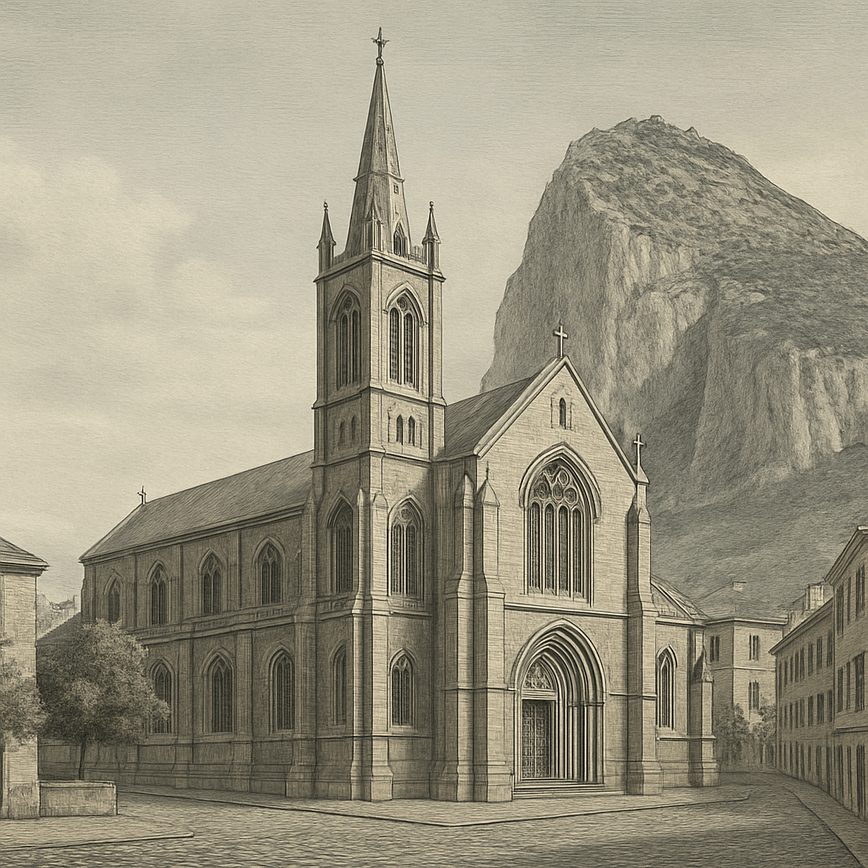
Architecturally, the Gibraltar cathedral has undergone several evolutionary phases since its initial construction. The original design reflected the Gothic Revival style, popular during the era, characterized by pointed arches, ribbed vaults, and flying buttresses. As the congregation expanded, modifications and extensions were made to accommodate the growing number of worshippers, as well as to enhance the acoustic and aesthetic qualities of the interior. Significant restorations in the 20th century ensured the preservation of the cathedral’s structural integrity and historical features.
The historical significance of the Cathedral of the Holy Trinity is rooted not only in its architectural grandeur but also in its role as a witness to Gibraltar’s changing social and political landscape. It has stood through periods of siege, war, and peace, serving as a spiritual anchor for the local community. Today, the cathedral remains a testament to Gibraltar’s diverse heritage and a cherished monument representing faith, resilience, and continuity. Its rich cathedral history continues to attract visitors and historians interested in the origins and development of this iconic Gibraltar landmark.
Construction and Architectural Style
The Cathedral of the Holy Trinity in Gibraltar was constructed during the 19th century, with its foundation stone laid in 1825. The cathedral was built to serve the spiritual needs of the British military garrison stationed in Gibraltar, reflecting the importance of the territory as a strategic naval base. Construction spanned several years, with the building being completed in the mid-1800s.
The architectural design of the cathedral is heavily influenced by the Gothic Revival style, which was prominent in the United Kingdom during this period. This style sought to revive medieval Gothic architecture, characterized by pointed arches, ribbed vaults, and flying buttresses, creating an atmosphere of grandeur and spiritual uplift. The cathedral incorporates several key Gothic Revival features such as lancet windows, intricate stone tracery, and a high vaulted ceiling, all contributing to the aesthetic and structural integrity of the building.
The construction utilized local limestone, blending traditional building materials with the intricate design typical of the Gothic Revival movement. The architects aimed to create a landmark that would not only serve religious functions but also stand as a symbol of British presence and cultural identity. The cathedral’s façade and detailed interiors reflect a mixture of military precision and religious artistry, making it a unique example of 19th-century Gothic Revival architecture in Gibraltar.
Role in Gibraltar’s Religious Community
The Cathedral of the Holy Trinity in Gibraltar serves as a central pillar within the local Anglican community, embodying both spiritual significance and communal unity. As the principal Anglican cathedral in Gibraltar, it has been a vital place of worship, reflection, and religious ceremonies for generations. The cathedral’s religious role extends beyond regular services, hosting significant events such as baptisms, weddings, and funerals, which mark important milestones for many members of the community.
Throughout its history, the cathedral has been a beacon of faith and resilience, fostering a deep sense of belonging among the Anglican population. Its presence in Gibraltar reflects the enduring influence of Anglican traditions and the church’s dedication to supporting its congregation through pastoral care and outreach programs. The cathedral also acts as a cultural hub, where religious festivals and celebrations reinforce community bonds and preserve the rich heritage of the Anglican faith on the Rock.
Over time, the Cathedral of the Holy Trinity has played a critical role in guiding the spiritual lives of its members and addressing the evolving needs of Gibraltar’s diverse religious community. It stands as a testament to the importance of faith in Gibraltar’s social fabric, affirming its position not just as a place of worship but as a cornerstone of community life. Its ongoing commitment to service underscores its pivotal religious role in shaping and sustaining the Anglican presence in Gibraltar.
Architectural Features and Interior Highlights
The Cathedral of the Holy Trinity in Gibraltar is a masterpiece of architectural design and interior artistry, featuring a rich blend of Gothic Revival elements and intricate craftsmanship. The interior captivates visitors with its harmonious combination of structural features and decorative art that together narrate a story of faith and heritage.
Key architectural features within the cathedral include soaring pointed arches, ribbed vaults, and sturdy buttresses that exemplify the Gothic Revival style, providing both aesthetic grandeur and structural integrity. These design elements create a sense of verticality and lightness, drawing the eyes upward toward the intricately crafted ceiling and stained glass windows.
One of the most striking aspects of the interior is the extensive display of stained glass. These vibrant windows depict biblical scenes, saints, and heraldic symbols, using colorful glass pieces that filter natural light to create an ethereal atmosphere within the sacred space. The cathedral’s stained glass serves not only as decoration but also as a storytelling medium, inviting contemplation and reverence.
The interior decorations extend beyond glasswork to include beautifully carved wooden pews, ornate altar pieces, and delicately painted murals. The altar is particularly notable for its intricate woodwork and gold leaf accents, which highlight the craftsmanship that went into the cathedral’s design. These artistic touches enhance the spiritual ambiance and underscore the cathedral’s role as a place of worship and cultural treasure.
Notable artworks within the cathedral also feature religious sculptures and historical plaques that commemorate significant figures associated with Gibraltar’s ecclesiastical history. Each piece is carefully preserved, reflecting the community’s commitment to honoring its past. Together, these features and design elements create a cohesive interior environment filled with symbolic meaning and aesthetic beauty.
Overall, the Cathedral of the Holy Trinity’s interior stands as a testament to the rich tradition of cathedral art and architectural excellence. Visitors can appreciate the meticulous attention to detail, from the grand structural components to the intimate decorative details that celebrate Gibraltar’s religious and artistic heritage.
Stained Glass and Artistic Details
The Cathedral of the Holy Trinity in Gibraltar is renowned for its exquisite stained glass windows, which are a focal point of its interior aesthetic. These windows not only illuminate the space with a kaleidoscope of colors but also depict various biblical scenes and saints, enriching the spiritual atmosphere of the cathedral. The artwork in the stained glass is meticulously crafted, showcasing religious art that reflects both traditional and local influences, creating a unique blend that resonates deeply with visitors and worshippers alike.
Beyond the stained glass, the cathedral is adorned with numerous artistic details that contribute to its solemn and contemplative ambiance. Intricate wood carvings, beautifully painted murals, and finely detailed altar pieces complement the overall decor, each element telling a story of faith and devotion. The religious art throughout the cathedral serves not only as decoration but as a visual sermon, inviting reflection and reverence from all who enter.
These artistic elements, combined with the filtered light from the stained glass, create a mesmerizing interplay of color and shadow that enhances the cathedral’s sacred atmosphere. This harmonious blend of stained glass and artwork makes the Cathedral of the Holy Trinity a treasured spiritual and cultural landmark in Gibraltar, admired for both its beauty and its profound expression of faith.
Structural Design and Materials Used
The Cathedral of the Holy Trinity in Gibraltar stands as a testament to exemplary structural design, combining both durability and aesthetic appeal. The building’s framework employs robust construction techniques that ensure long-lasting stability against the region’s climatic conditions. The foundation and primary walls are crafted from carefully selected stonework, providing not only strength but also a timeless style that reflects traditional architectural values.
The choice of building materials is pivotal in the cathedral’s enduring presence. Locally sourced limestone and other stones form the core components of the structure, chosen for their resilience and ability to withstand erosion. The stonework is meticulously laid, employing techniques that enhance the interlocking strength of each block, contributing to the overall firmness of the cathedral’s edifice.
This structural design emphasizes both form and function, with the stone surfaces showcasing a fine balance of rough texture and smooth finishes. The materials used also facilitate natural regulation of interior temperature, aiding in the comfort and preservation of the sacred space. The cathedral’s architecture eloquently melds durability with elegant style, making it a prominent landmark that honors its historical and religious significance.
Visiting the Cathedral of the Holy Trinity Gibraltar
The Cathedral of the Holy Trinity in Gibraltar is a must-visit for anyone interested in history, architecture, and religious heritage. To make the most of your visit, it’s important to have all the essential visit information at your fingertips. The cathedral is conveniently located in the heart of Gibraltar, easily accessible whether you’re on foot or using local transport.
Located at Europa Road, the cathedral is situated near several notable landmarks, making it a perfect stop on any tourist guide exploring Gibraltar’s rich cultural scene. Visitors will find ample signage directing them to the cathedral, and nearby parking facilities are available for those arriving by car.
The cathedral’s opening hours are designed to accommodate tourists while ensuring the sanctity of services. Generally, it is open from 9:00 AM to 5:00 PM daily, allowing plenty of time to explore the stunning interiors and appreciate the detailed craftsmanship. However, it is advised to check ahead for any changes in opening hours due to special events or maintenance.
For those interested in deeper insights, guided tours are available. These tours offer a comprehensive look at the cathedral’s history, architecture, and the significance of its various features. The knowledgeable guides provide engaging stories and answer questions, enhancing the overall visitor experience. Guided tours can be booked in advance through the cathedral’s official website or at the visitor center.
The cathedral also hosts special events and services throughout the year that visitors may want to attend. These include concerts, religious ceremonies, and community events, which provide a unique opportunity to experience the building’s vibrant role in local culture. Information about upcoming events is usually available on the cathedral’s notice board or online.
In summary, whether you are planning a quick visit or a detailed tour, the Cathedral of the Holy Trinity offers a welcoming atmosphere with practical visiting hours, an accessible location, and enriching guided tours. Make sure to check the schedule for any special events to enrich your tourist experience during your stay in Gibraltar.
Location and Accessibility
The Cathedral of the Holy Trinity is conveniently located in the heart of Gibraltar, making it easily accessible for both locals and visitors. Situated near key landmarks such as Casemates Square and Main Street, the cathedral’s location is ideal for those looking to combine a visit with other sightseeing activities. For precise directions, travelers can use their GPS with the cathedral’s address or follow signage from the city center.
Accessibility to the cathedral is well-considered, with ramps and step-free entrances ensuring that visitors with mobility challenges can enter comfortably. For wheelchair users or those needing assistance, the cathedral staff are known to be accommodating and helpful. Public transport options include frequent bus services that stop near Casemates Square, providing an easy and affordable way to reach the cathedral without the need for parking.
For those arriving by car, there are several parking facilities nearby, including public car parks around the city center. Walking from these spots to the cathedral is straightforward and well-signposted. Additionally, taxis are readily available throughout Gibraltar and can provide direct transport to the cathedral’s entrance. Overall, whether you prefer walking, public transport, or private vehicle, the cathedral’s location and accessibility are well-suited to accommodate various visitor needs.
Visitor Experience and Highlights
Visitors to the Cathedral of the Holy Trinity in Gibraltar can expect an enriching and memorable experience. The cathedral’s stunning architecture and serene atmosphere welcome guests to explore its rich history and religious significance. Key attractions inside include the beautifully crafted stained glass windows that tell biblical stories, the intricate woodwork of the pews and altar, and an impressive collection of historical artifacts and memorial plaques that offer a glimpse into the cathedral’s past.
Beyond the visual delights, visitors can enjoy the peaceful ambiance that invites reflection and contemplation. Special seasonal events add to the appeal, with notable services held during Christmas, Easter, and other significant religious holidays, drawing both locals and tourists alike. These events often feature choir performances, candlelight vigils, and community gatherings that highlight the cathedral’s role as a vibrant center of worship and cultural heritage.
Throughout the year, the cathedral hosts a variety of events that enhance the visitor experience, including guided tours that provide insightful commentary on its historical and architectural features. Whether attending a special service, exploring the highlights on a self-guided visit, or participating in one of the cathedral’s many community events, visitors are sure to leave with a deeper appreciation of this iconic Gibraltar landmark.

I have always been captivated by the unique cultural tapestry of the Rock, particularly how Moorish, Spanish, and British influences shaped its development over centuries. My passion lies in translating these complex historical narratives into engaging educational resources that make Gibraltar’s past accessible to everyone. I spend my free time exploring military fortifications and reading first-hand accounts of life at the Pillar of Hercules.