Historical Depictions of Gibraltar in Literature
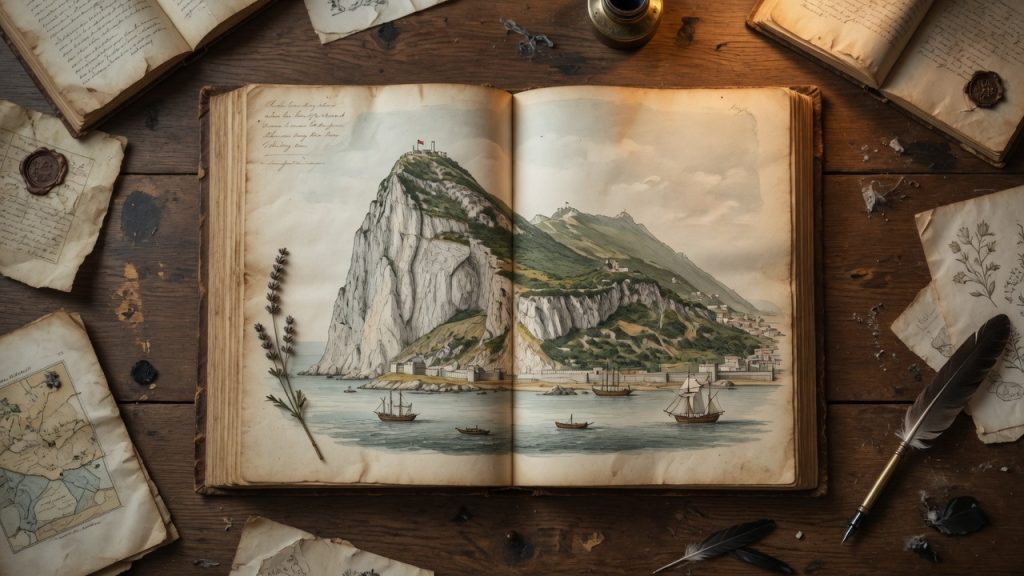
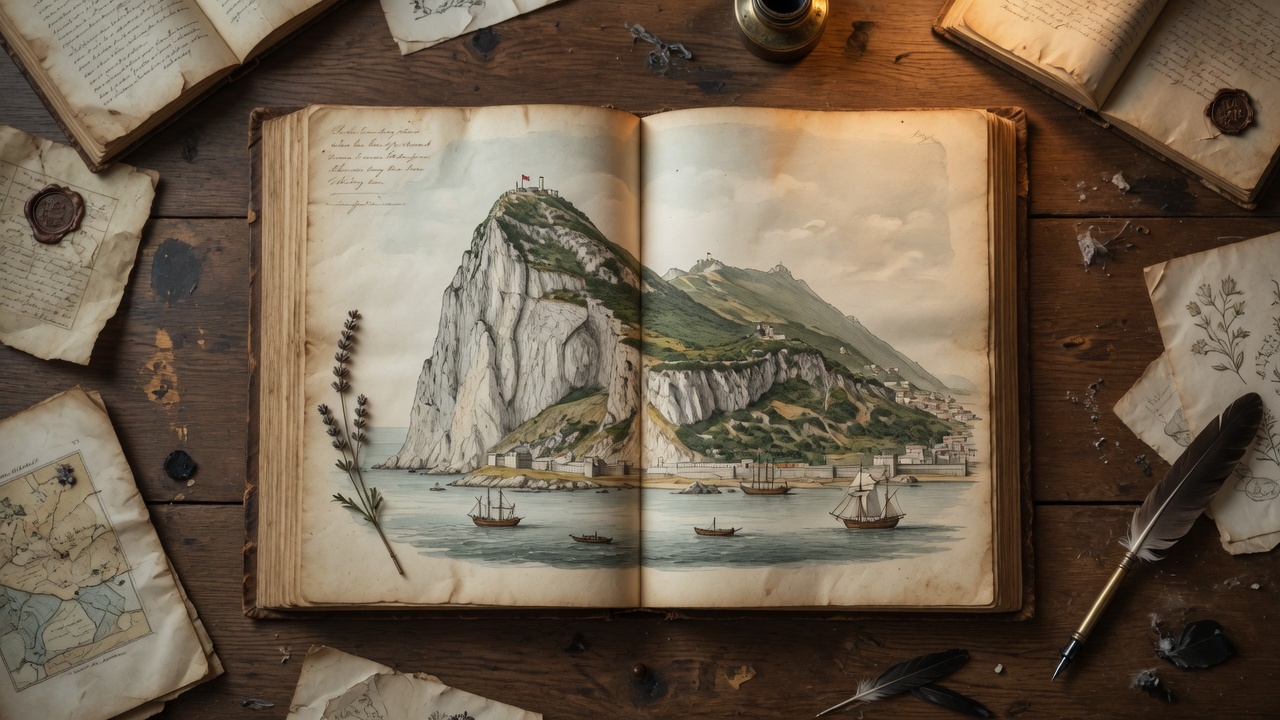
Gibraltar’s rich history has made it a captivating subject in various historical literary works. Throughout centuries, authors have drawn upon Gibraltar’s strategic importance, dramatic landscapes, and unique cultural blend to create vivid literary depictions. These portrayals often explore Gibraltar not just as a geographical location, but as a symbol of resilience and power in the broader narrative of European and Mediterranean history.
In historical literature, Gibraltar frequently appears as a fortress and gateway, reflecting its military and naval significance. Writers emphasizing Gibraltar’s role in military history highlight its status as a key stronghold controlling access between the Atlantic Ocean and the Mediterranean Sea. This historical perspective has been woven into many narratives that capture the conflict, defense, and political intrigue associated with the Rock. Such literary depictions provide readers with a window into Gibraltar’s strategic positioning and its impact on regional and global history.
Literary works that delve into Gibraltar’s history often emphasize the intertwining of cultures and the complex identity forged in this unique enclave. The narratives explore the coexistence of different peoples, languages, and traditions, illustrating Gibraltar as a place where diverse histories converge. This aspect of Gibraltar’s history is significant because it adds depth to the literary depictions, portraying the Rock as a living crossroads of civilization rather than merely a military outpost.
The historical literature concerning Gibraltar not only recounts battles and sieges but also captures the human element behind the historical events. Stories about the lives of soldiers, local inhabitants, and travelers reflect the enduring spirit and adaptability of those connected to Gibraltar. Through these personal narratives, Gibraltar’s history is brought to life, enriching the literary depictions and providing a comprehensive understanding of its significance.
In sum, Gibraltar’s portrayal in historical literary works is multifaceted, often balancing its role as a military stronghold with its cultural and social significance. These literary depictions contribute to a broader appreciation of Gibraltar’s unique place in history and underline the Rock’s importance in shaping the course of historical events. Exploring Gibraltar history through such historical literature reveals not only factual accounts but also the evocative narratives that continue to inspire readers and historians alike.
Classical and Early Modern References
Gibraltar has been a notable landmark in classical literature and early modern writings, frequently mentioned due to its strategic geographic significance. In classical literature, it was often associated with the “Pillars of Hercules,” a term used by ancient Greek and Roman authors to mark the edge of the known world. Writers such as Strabo and Pliny the Elder referenced the rock in their geographical and historical accounts, emphasizing its importance as a gateway between the Mediterranean Sea and the Atlantic Ocean. These historical mentions contributed to Gibraltar’s legendary status and cemented its role as a boundary marker in early cartographic and exploratory narratives.
Moving into the early modern period, Gibraltar continued to capture the imagination of writers and scholars. Early modern writers highlighted its strategic military and trading importance, especially during the era of expanding European empires. Gibraltar became a symbol of power struggles and naval dominance between emerging European states. Its presence in literature from this time reflects broader themes of exploration, conquest, and economic ambition. These early modern references not only provide valuable historical context but also underscore the enduring impact Gibraltar has had on cultural and political discourse throughout history.
Gibraltar’s Role in War Literature
Gibraltar’s military significance has established it as a pivotal subject in war literature, reflecting its strategic importance over centuries of conflict. Positioned at the gateway between the Atlantic Ocean and the Mediterranean Sea, Gibraltar has served as a key naval base and fortress, controlling crucial maritime routes and influencing the outcomes of numerous wars. This commanding role has permeated literary works that explore military themes, highlighting Gibraltar’s steadfast presence in global conflicts.
War literature frequently portrays Gibraltar as a symbol of resilience and strategic might, embodying the tension and stakes that define military confrontations. From historical narratives to fictional accounts, authors depict battles, sieges, and military operations linked to Gibraltar, emphasizing its role in safeguarding empires and securing dominance in contested regions. These narratives richly illustrate how Gibraltar’s geographic and tactical advantages have shaped both actual warfare and the literary imagination surrounding it.
Moreover, Gibraltar in conflicts is not only a backdrop but also a character that influences the course of the stories. Writers delve into the psychological and physical challenges faced by soldiers and commanders, revealing Gibraltar’s significance beyond mere geography. Its enduring presence in war literature underscores the complex interplay between landscape, military strategy, and human experience during times of war, reinforcing Gibraltar as an enduring symbol in military-themed literary works.
Gibraltar in Modern and Contemporary Fiction
Gibraltar has carved a unique niche in modern fiction and contemporary literature, serving as a rich backdrop for numerous stories that explore its multifaceted identity. The territory’s strategic importance, cultural fusion, and geopolitical tensions provide fertile ground for writers seeking to craft narratives that delve into complex themes. From espionage thrillers to intimate human dramas, Gibraltar’s presence in these works reflects its continuing relevance and intriguing character.
Modern fiction often portrays Gibraltar as a crossroads of cultures and ideologies. The territory’s distinctive blend of British and Mediterranean influences creates a vivid setting where characters navigate issues of identity, belonging, and loyalty. Contemporary literature about Gibraltar frequently examines the intersections between history and present-day challenges, using the territory as a symbol of resilience and adaptability amidst political uncertainty.
Many Gibraltar stories in recent years have incorporated themes of espionage and conflict, reflecting the territory’s strategic military significance. Novels set in Gibraltar often explore Cold War tensions or modern security dilemmas, placing the territory at the heart of international intrigue. These narratives use Gibraltar’s unique geography and its position at the entrance to the Mediterranean as key plot elements, highlighting its role in global politics through the lens of contemporary fiction.
The cultural tapestry of Gibraltar also inspires writers to delve into the everyday lives and struggles of its people. Contemporary literature often addresses social issues such as multicultural coexistence and economic challenges, portraying Gibraltar not only as a strategic location but as a living, breathing community with diverse stories to tell. This human-centric approach enriches modern fiction, providing depth and authenticity to narratives set in this distinctive locale.
Overall, modern and contemporary fictional works featuring Gibraltar reveal the territory’s layered identity through varied and compelling themes. Whether through high-stakes drama, historical reflection, or explorations of cultural hybridity, Gibraltar remains a captivating muse for authors. These stories contribute to a broader understanding of the territory, inviting readers to engage with its unique place in both regional and global contexts.
Novels Featuring Gibraltar as a Setting
Gibraltar has served as a compelling setting for numerous novels, establishing a unique backdrop that deeply influences both mood and plot. Its strategic location at the crossroads of Europe and Africa, coupled with its rugged landscape and complex history, provides authors with a rich tapestry to explore themes of conflict, espionage, and cultural convergence. In many novels, Gibraltar acts not just as a physical location but as a symbol of tension and resilience.
Prominent novels featuring Gibraltar often use its geographical and political significance to heighten suspense. For instance, in spy thrillers, Gibraltar’s role as a military stronghold and naval base adds layers of intrigue and danger, infusing the narrative with a palpable sense of urgency and peril. The Rock itself becomes a character, its towering presence shaping the actions and decisions of protagonists and antagonists alike.
Besides thrillers, novels that highlight Gibraltar as a setting frequently explore the local culture, languages, and traditions, illuminating how this melting pot influences the storyline. The distinctive blend of British and Mediterranean influences enriches the mood, fostering a sense of otherness and discovery. This setting allows authors to delve into personal identity and belonging, making Gibraltar not only a backdrop but a catalyst for character development and plot progression.
Overall, novels that place Gibraltar at their core utilize its unique location to craft atmospheres charged with tension, mystery, and cultural depth, making the setting indispensable to the narrative’s emotional and thematic impact.
Symbolism and Themes in Gibraltar Literature
Gibraltar in literature often serves as a rich symbol embodying strength, resilience, and strategic significance. Its imposing Rock is frequently depicted as a steadfast guardian or an emblem of endurance amidst adversity. Authors use this powerful imagery to convey themes of protection, defiance, and unyielding spirit. The symbolism extends beyond its physical form, representing a crossroads of cultures and a meeting point between continents, which introduces layered meanings related to identity, belonging, and the merging of diverse heritages.
Recurring themes tied to Gibraltar in literary analysis include conflict and coexistence, reflecting the territory’s historical role as a contested space and a cultural melting pot. Literature often explores the tension between colonization and native identity, highlighting the complexities of political power and cultural survival. Another central theme involves navigation and transition, where Gibraltar symbolizes a gateway or threshold—both literal and metaphorical—inviting reflection on journeys, encounters, and change.
Through these symbolic meanings and thematic explorations, Gibraltar becomes more than a geographic location; it emerges as a literary motif that invites contemplation on human endurance, the impact of history, and the blending of identities. A literary analysis of works featuring Gibraltar reveals how authors harness its symbolism to enrich narratives, enabling readers to engage with broader questions about place, memory, and meaning.
Gibraltar’s Influence on Poetry and Drama

Gibraltar, a strategically significant and culturally rich enclave, has inspired numerous poets and playwrights over the centuries. Its dramatic landscape, combined with its unique geopolitical position, provides fertile ground for literary exploration. Many works of poetry and drama have drawn upon Gibraltar’s history, its symbolism, and its cultural intersections to create compelling narratives and evocative imagery.
The poetry inspired by Gibraltar often reflects themes of resilience, isolation, and strategic importance. The Rock of Gibraltar itself has become a potent metaphor in works that explore strength and steadfastness. Noted poets have used Gibraltar to symbolize unyielding spirit against adversity. For example, in the poem “The Rock” by William Watson, Gibraltar is portrayed as a steadfast sentinel guarding the passage between the Atlantic and the Mediterranean, illustrating both physical and metaphorical endurance.
In the realm of drama, Gibraltar’s complex cultural and historical tapestry provides rich material. Several plays have been set against the backdrop of Gibraltar’s military history or its multicultural society. The strategic significance of Gibraltar during conflicts such as World War II has been a central theme in theatrical works that explore the tension between war, identity, and survival. One notable play is “Gibraltar,” by Juan Pinazo, which dramatizes the island’s role as a fortress and a refuge, intertwining personal and political struggles.
Literary influence is evident in how Gibraltar figures prominently as both a setting and symbol. It is often used to evoke themes of control and conflict, cultural convergence, and endurance. The blend of English, Spanish, and local Gibraltarian cultures enriches the narratives in poetry and drama, making Gibraltar a unique locale that transcends merely geographic significance.
Overall, Gibraltar’s influence on poetry and drama underscores its importance not only as a physical landmark but also as a powerful literary muse. The rock’s imposing silhouette continues to inspire writers seeking to capture the interplay of history, culture, and human experience in their works.
Poetic Imagery and Themes Related to Gibraltar
Gibraltar has long been a rich source of poetic inspiration, its striking landscapes and symbolic significance weaving through verses around the world. Poets often employ vivid imagery to evoke the imposing Rock of Gibraltar, portraying it as a steadfast sentinel amidst turbulent seas. This imagery not only captures the physical grandeur but also lends itself to metaphorical interpretations, reflecting themes of resilience, endurance, and strategic importance.
In poetry, Gibraltar’s unique position as a bridge between continents often symbolizes transition and cultural intersection. Metaphors rooted in this context explore themes of connection and division—how the physical landmass serves as both union and barrier. These thematic elements resonate deeply with wider human experiences of conflict, identity, and belonging, making Gibraltar a powerful poetic motif.
Moreover, the recurring use of natural imagery around the Rock—such as the sea, sky, and shifting light—adds layers of meaning to poems. Such imagery enhances the emotional texture, illustrating themes of hope, challenge, and the passage of time. Through these poetic devices, Gibraltar becomes more than a geographical feature; it embodies enduring human qualities and historical narratives, immortalized in verse.
Dramatic Works Set in or About Gibraltar
The dramatic literature that features Gibraltar as a setting or theme offers a fascinating glimpse into the strategic and cultural significance of this unique territory. Several plays have used Gibraltar’s geopolitical position as a backdrop for intense character-driven drama and political intrigue. For example, one notable play captures the life of soldiers and civilians during the World War II era, intertwining personal sacrifice with broader themes of loyalty and identity against the looming threat of conflict. The Gibraltar setting adds an authentic tension to the drama, emphasizing the fortress-like isolation and complex colonial history of the peninsula.
Other works explore Gibraltar’s symbolic role as a crossroads of Mediterranean cultures, using the locale to delve into issues of migration, cultural blending, and ambiguity of national identity. These plays often highlight the daily lives of residents dealing with the push and pull of differing political claims and cultural loyalties. Through dialogue and character dynamics, the drama articulates Gibraltar as a site of contested belonging, reflecting the broader geopolitical narratives at play.
Critical interpretations of these dramas frequently focus on how the Gibraltar setting enriches narrative tension and thematic depth. Scholars note that the plays use Gibraltar not merely as a backdrop but also as a metaphor for resilience and conflict. The characters’ struggles become emblematic of larger historical and political issues, making the plays powerful reflections on identity, sovereignty, and human endurance. By capturing the essence of Gibraltar through drama, these works contribute to a fuller understanding of its place in literature and history.

I have always been captivated by the unique cultural tapestry of the Rock, particularly how Moorish, Spanish, and British influences shaped its development over centuries. My passion lies in translating these complex historical narratives into engaging educational resources that make Gibraltar’s past accessible to everyone. I spend my free time exploring military fortifications and reading first-hand accounts of life at the Pillar of Hercules.