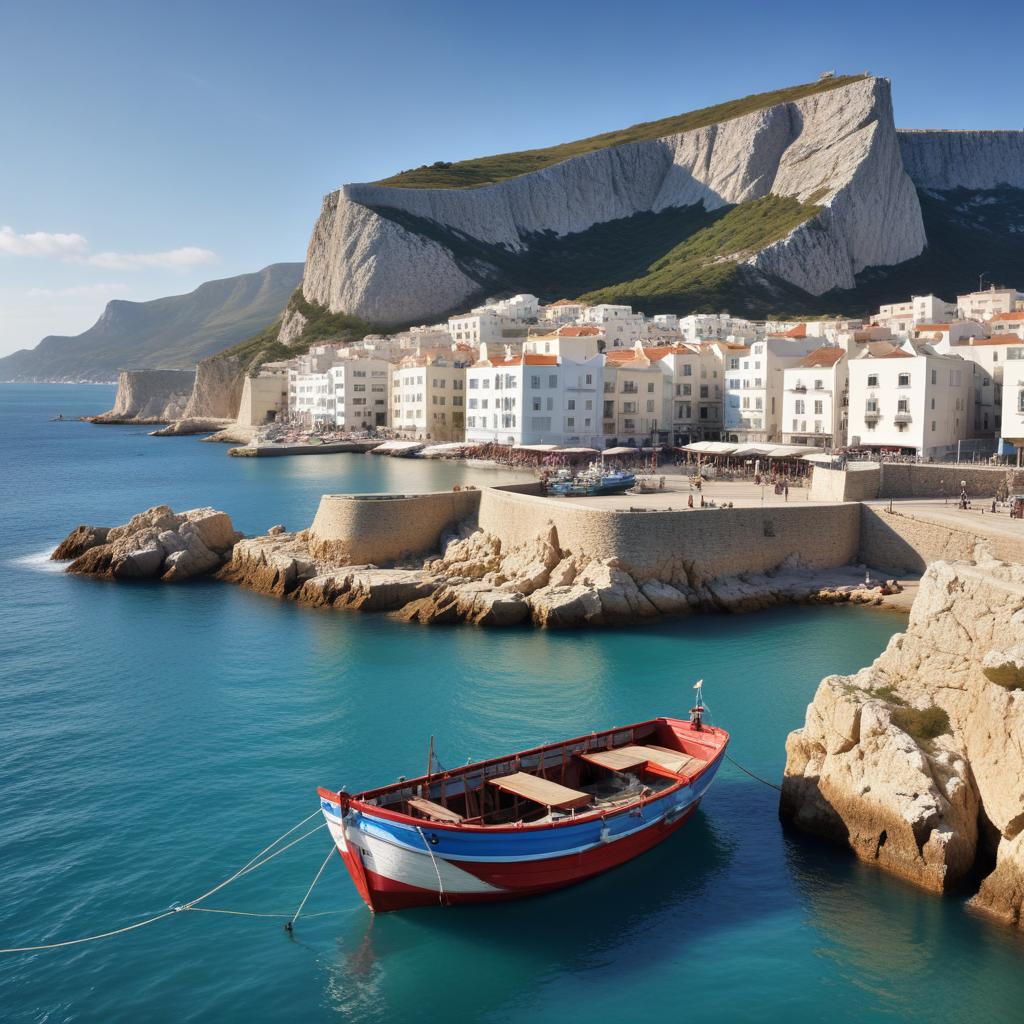
Cultural and Social Contributions of the Maltese in Gibraltar
The Maltese community in Gibraltar has played a significant role in shaping the social and cultural fabric of this unique territory. Their influence is evident not only in the continued preservation of Maltese culture Gibraltar but also in the economic and social contributions that have enriched the wider Gibraltar community. Over the decades, the Maltese have brought their rich traditions, strong work ethic, and vibrant communal spirit, which have become integral to the diverse cultural mosaic that defines Gibraltar today.
The social contributions of the Maltese in Gibraltar are particularly noteworthy. They have historically formed close-knit communities where family values and mutual support are paramount. This community cohesion has fostered a sense of belonging and social stability, benefiting the broader population by promoting solidarity and cross-cultural understanding. Maltese festivals, religious celebrations, and cultural associations serve as important social events that bring together not only Maltese-Gibraltarians but also residents from different backgrounds, enhancing intercultural dialogue and friendship.
Culturally, the Maltese have left a mark through their language, cuisine, music, and traditional crafts. The preservation of the Maltese language within families and community groups in Gibraltar is a testament to their commitment to maintaining their cultural identity. Maltese cuisine, with its distinctive Mediterranean flavors, has been embraced in Gibraltar’s culinary scene, contributing to the territory’s diverse gastronomic offerings. Additionally, Maltese cultural organizations actively promote arts, history, and folklore, ensuring that the younger generations remain connected to their heritage while enriching the cultural landscape of Gibraltar.
Economically, the Maltese community has contributed significantly across various sectors in Gibraltar. From skilled trades and construction to business and public service, Maltese Gibraltarians have been integral to the development and prosperity of the local economy. Their entrepreneurial spirit has led to the establishment of businesses that provide employment opportunities and contribute to the economic vitality of Gibraltar. This economic participation has helped build a thriving and resilient community that is well integrated into Gibraltar’s broader economic framework.
Overall, the Maltese culture Gibraltar is not just a cultural heritage preserved in isolation but a living, dynamic force that actively shapes Gibraltar’s communal life. Their social contributions, cultural practices, and economic involvement highlight the deep connections that the Maltese community has fostered within Gibraltar, making it a richer and more inclusive society. The Maltese legacy continues to be a testament to the enduring bonds of identity, community, and shared progress in Gibraltar.
Language and Religious Influence
The Maltese language and religion have played a significant role in shaping the cultural landscape of Gibraltar. Though English and Spanish are predominant, the Maltese language remains a cherished part of the community’s heritage. Many Gibraltarians of Maltese descent continue to use the language in their homes, preserving it as a vital link to their roots and a symbol of their unique identity within the larger Gibraltarian society.
Religion in Gibraltar, heavily influenced by the Maltese community, predominantly follows Roman Catholicism. The Maltese brought with them their devout religious practices, which have enriched Gibraltar’s spiritual and cultural life. Religious festivals and ceremonies originating from Maltese traditions are observed, creating a vibrant tapestry that illustrates the community’s influence on the territory’s collective faith experience.
This intersection of language and religion within the Maltese community has fostered a strong sense of belonging and cultural pride in Gibraltar. Their sustained contribution to the cultural fabric is evident not only in the retention of the Maltese language but also in the community’s active participation in religious events. These aspects reinforce the enduring legacy and influence of the Maltese in Gibraltar’s diverse cultural mosaic.
Festivals and Community Events
The Maltese community in Gibraltar actively celebrates several Maltese festivals and community gatherings that highlight their rich cultural heritage and reinforce communal bonds. Among the most popular Maltese festivals observed are the traditional feasts of saints, such as the Feast of St. Paul and the Feast of St. George, which hold special significance for the community. These festivals are marked by vibrant processions, communal prayers, and shared meals, reflecting the strong religious and cultural ties to Malta.
Gibraltar events centered around Maltese traditions also include social gatherings on key national days like Independence Day and Republic Day of Malta, where the community comes together to celebrate Maltese identity through music, dance, and traditional cuisine. These community gatherings provide an opportunity for people of all ages to connect with their roots and pass on traditions to younger generations.
These Maltese festivals and Gibraltar events not only serve as a reminder of the community’s origins but also foster a sense of unity and pride among members. The celebrations are often complemented by cultural exhibitions, folk performances, and educational activities that deepen the appreciation of Maltese history and customs. For the Maltese in Gibraltar, these events are vital in sustaining their cultural identity while enriching the broader multicultural tapestry of Gibraltar society.
Current Status and Future of the Maltese Community in Gibraltar
The Maltese community today in Gibraltar represents a vital and integral part of the territory’s diverse demographic makeup. Over the years, the Maltese have established themselves firmly within the social fabric of Gibraltar, offering a unique cultural blend that enriches the local heritage. According to recent Gibraltar demographics, the Maltese population remains one of the significant minority groups, maintaining strong family ties and cultural traditions that continue to thrive across generations.
Socially, the Maltese community is well-integrated yet retains a distinct identity. Members of this community are active in various sectors, including commerce, public services, and cultural organizations. The community has successfully balanced assimilation into broader Gibraltarian society while preserving Maltese customs, language influences, and religious practices, which are often showcased during local festivals and communal gatherings.
Future prospects for the Maltese community in Gibraltar appear promising, driven by strong community cohesion and ongoing cultural engagement. Demographic trends indicate a stable, if modest, growth as younger generations remain connected through education and social institutions. The community’s adaptability to the changing economic and social landscape, combined with Gibraltar’s strategic position as a British Overseas Territory with close Mediterranean ties, supports a forward-looking outlook.
Moreover, initiatives to promote cultural heritage and language preservation are increasingly supported by both community leaders and local government. This collaboration aims to ensure that the Maltese community maintains its heritage while continuing to contribute meaningfully to Gibraltar’s multicultural environment. As Gibraltar continues to evolve, the Maltese community is poised to remain a vibrant and influential segment of its population.
In conclusion, the Maltese community today not only enriches Gibraltar’s demographics but also embodies a dynamic cultural heritage with a resilient future. The blend of social stability, cultural preservation, and proactive community engagement collectively shape the outlook for this important group within Gibraltar’s societal mosaic.
Community Organizations and Representation
The Maltese community in Gibraltar is supported by several key community organizations that play an integral role in both advocacy and cultural preservation. These groups serve as a vital link between individuals of Maltese heritage and the broader Gibraltar society, ensuring that the unique identity and concerns of the Maltese diaspora are recognized and addressed.
One of the most prominent community organizations is the Gibraltar Maltese Association, which actively promotes Maltese culture through a variety of cultural events, language classes, and traditional celebrations. This association also acts as a representative body, advocating for the interests of Maltese residents in local government and social forums. Their efforts help maintain a strong sense of community and foster integration within Gibraltar’s multicultural environment.
In addition to cultural activities, these Maltese representation groups engage in social welfare initiatives, providing support networks for new immigrants and assisting with integration challenges. Through collaboration with other Gibraltar associations, they contribute to a rich tapestry of communal life, reflecting the diverse heritage of the territory.
Overall, community organizations dedicated to Maltese representation in Gibraltar play a crucial role in preserving heritage, shaping public policy, and fostering unity among Maltese descendants. Their continued advocacy ensures that Maltese traditions remain a vibrant and respected part of Gibraltar’s cultural landscape.
Challenges and Opportunities Ahead
The Maltese community in Gibraltar faces several challenges that affect its cohesion and future growth. One of the primary community challenges is preserving cultural identity amidst a rapidly changing demographic landscape. As younger generations integrate more widely into Gibraltar’s broader society, there is a risk that traditional customs and the Maltese language may gradually diminish. Additionally, economic pressures and limited local opportunities sometimes encourage younger members to seek prospects abroad, potentially leading to a decline in community numbers and influence.
Despite these challenges, there are significant future opportunities for the Maltese in Gibraltar. Strengthening community organizations and cultural associations can play a vital role in fostering a sense of belonging and pride. Educational initiatives aimed at teaching the Maltese language, history, and traditions to younger generations could further enhance cohesion. Moreover, leveraging Gibraltar’s unique position as a cultural crossroads offers a platform to promote Maltese heritage through events, festivals, and intercultural collaborations.
Economic opportunities also exist, particularly in sectors like tourism and heritage preservation, where the Maltese community’s unique identity can add value. By capitalizing on these opportunities, the Maltese in Gibraltar can ensure their community remains vibrant and resilient in the years to come, turning challenges into pathways for renewed growth and unity.
History of the Maltese Community in Gibraltar
The Maltese community in Gibraltar has a rich history shaped by waves of migration and settlement driven by economic opportunities and strategic maritime importance. The arrival of Maltese immigrants in Gibraltar dates back to the early 19th century, with a notable increase in the mid-1800s. Many Maltese moved to Gibraltar seeking work, primarily due to the limited economic prospects at home and the booming opportunities presented by Gibraltar’s growing role as a military and naval hub.
One of the key moments in Maltese history in Gibraltar is situated around the 1830s and 1840s, coinciding with Gibraltar’s expansion as a British military fortress and a vital port. During this period, the Maltese immigration was largely fueled by the construction and maintenance projects of the fortress, alongside the needs of the Royal Navy base. Maltese laborers, tradesmen, and their families settled in Gibraltar, gradually forming a distinct community within the territory.
The reasons for this migration were multifaceted: economic hardships in Malta, social instability, and the search for stable employment. Gibraltar’s proximity to Malta and its shared British colonial ties made it a feasible and attractive destination for Maltese settlers. Additionally, Maltese immigrants brought with them their culture, language, and traditions, which enriched the local Gibraltar Maltese community and helped maintain strong bonds between the two Mediterranean regions.
Throughout the late 19th and early 20th centuries, the Maltese community in Gibraltar continued to grow and integrate, contributing significantly to the local economy and society. They were involved in various trades, maritime activities, and commerce, establishing themselves as an essential part of Gibraltar’s social fabric. As a result, the Gibraltar Maltese community today stands as a testament to this historical migration, representing a vibrant blend of Maltese history Gibraltar and Gibraltar’s cultural diversity.
Early Migration Patterns
The early migration patterns of Maltese settlers to Gibraltar form a significant chapter in Gibraltar history. These initial waves of migration began in the 18th and 19th centuries, driven by a combination of socio-economic factors that influenced the movement of Maltese families seeking better opportunities. At the time, Malta faced economic challenges such as limited land availability and high unemployment rates, prompting many to look beyond their island for a more prosperous future.
Gibraltar’s strategic position as a British military stronghold and its growing economy attracted Maltese migrants, who were skilled laborers and craftsmen. Many Maltese settlers were employed in construction, dockyard work, and other trades linked to the expanding naval facilities. This demand for labor facilitated the early migration flow, creating a Maltese community that significantly contributed to Gibraltar’s socio-economic development.
Moreover, the cultural and linguistic similarities between the Maltese and the existing population eased the integration process, making Gibraltar a favorable destination for early migration. These settlers not only sought employment but also aimed to establish stable family lives, which laid the foundation for future generations of Maltese-Gibraltarians. Understanding these early migration patterns highlights the important role Maltese settlers played in shaping Gibraltar history and its diverse community fabric.
Cultural Integration Over Time
The Maltese community in Gibraltar has undergone a remarkable journey of cultural integration while preserving its unique heritage. Over the decades, Maltese traditions have woven seamlessly into the broader fabric of Gibraltar’s multicultural society, creating a rich tapestry of shared customs and mutual respect. This integration has been facilitated by everyday interactions in workplaces, schools, and social settings, where the Maltese people have contributed to the vibrant life of the territory.
Despite blending into Gibraltar’s diverse environment, the Maltese community has maintained distinctive cultural practices, especially around festivals, cuisine, and language. Traditional Maltese celebrations, including religious feasts and folk music, continue to be observed with enthusiasm, reflecting a deep connection to their ancestral roots. These customs not only strengthen community bonds but also enrich Gibraltar’s broader cultural mosaic.
Gibraltar’s multiculturalism has encouraged the Maltese community to share their heritage while embracing influences from other cultural groups. This two-way exchange has fostered an inclusive atmosphere in which cultural integration does not mean assimilation but rather coexistence and mutual appreciation. Such a dynamic has allowed Maltese traditions to thrive and adapt, becoming an integral part of Gibraltar’s identity.
In conclusion, the Maltese community’s cultural integration within Gibraltar exemplifies how traditions can be preserved and celebrated amidst a multicultural setting. Their story is a testament to the strength of maintaining cultural roots while actively participating in the collective life of Gibraltar.
I have always been captivated by the unique cultural tapestry of the Rock, particularly how Moorish, Spanish, and British influences shaped its development over centuries. My passion lies in translating these complex historical narratives into engaging educational resources that make Gibraltar’s past accessible to everyone. I spend my free time exploring military fortifications and reading first-hand accounts of life at the Pillar of Hercules.