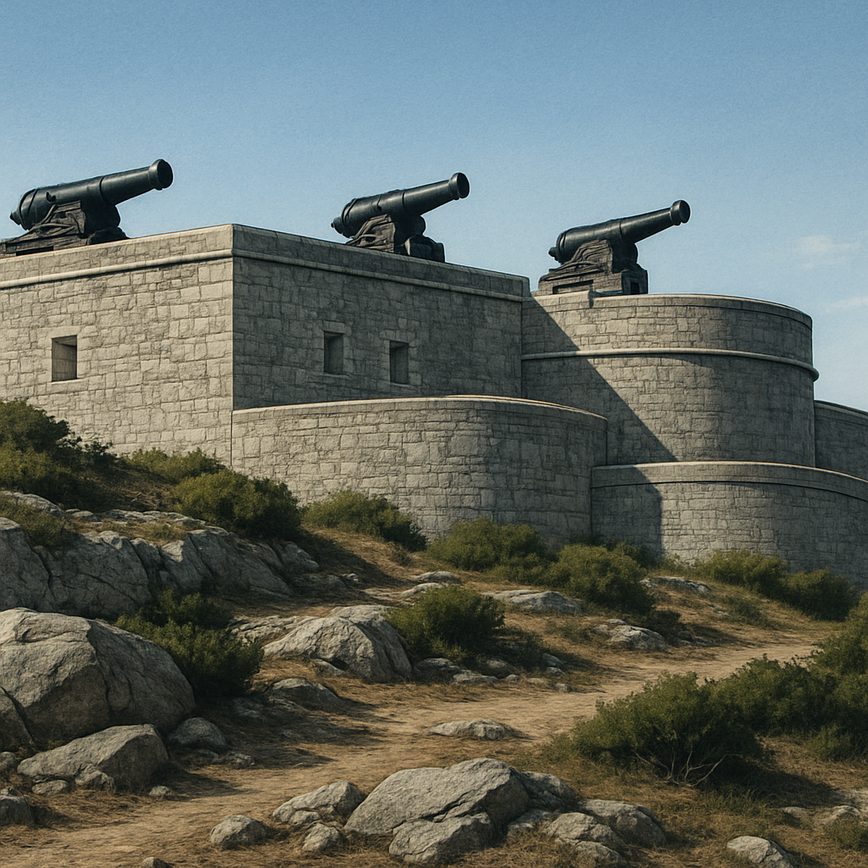
History and Construction of Parson’s Lodge Battery
Parson’s Lodge Battery, an integral part of Gibraltar’s historic fortifications, holds a significant place in the military history of this strategic British Overseas Territory. Its history reflects Gibraltar’s longstanding role as a key defensive stronghold controlling access to the Mediterranean. The battery’s origins date back to the mid-18th century, a period marked by intensified military activity and fortification efforts in response to geopolitical threats. Throughout its existence, Parson’s Lodge Battery has seen various phases of construction, adaptation, and modernization to meet evolving military needs.
The initial construction of Parson’s Lodge Battery took place around the 1760s under the direction of British military engineers tasked with enhancing Gibraltar’s coastal defenses. This era was characterized by the design and erection of artillery batteries aimed at protecting the vulnerable southern approaches of the territory. The battery was strategically positioned to provide overlapping fields of fire with other nearby fortifications, thereby creating a formidable defensive network against potential naval attacks.
Architecturally, the construction of Parson’s Lodge Battery followed typical 18th-century fortification principles, featuring robust stone and masonry structures capable of withstanding sustained bombardments. Its gun emplacements were designed for heavy artillery pieces, with thick parapets and embrasures to shield the gunners. Over successive decades, modifications were made to accommodate advancements in artillery technology, including the installation of more powerful and longer-range guns during the 19th century. These updates ensured the battery remained a critical component of Gibraltar’s defenses well into the modern era.
Key figures in the construction and development of Parson’s Lodge Battery included British military engineers who meticulously planned and oversaw the fortifications of Gibraltar. Among them were engineers serving under the command of the Governor of Gibraltar, whose leadership was vital in coordinating the construction efforts across the territory’s extensive defensive works. The collaboration of skilled laborers, craftsmen, and military personnel ensured the battery’s durable construction and operational efficiency.
In summary, the Parson’s Lodge Battery history embodies the evolution of military architecture in Gibraltar, showcasing the strategic foresight and engineering prowess invested in its construction. Its enduring presence stands as a testament to the importance of Gibraltar fortifications and their role in securing this pivotal gateway between the Atlantic Ocean and the Mediterranean Sea.
Strategic Importance in Gibraltar’s Defense
Parson’s Lodge Battery has played a crucial strategic role in Gibraltar’s defense system for centuries. Positioned at a vantage point on the southern coastline, the battery was integral in monitoring and controlling access to the key maritime routes through the Strait of Gibraltar. Its artillery installations provided a formidable deterrent against naval threats, ensuring that enemy ships could not easily breach the defenses or approach the harbor unnoticed.
The military role of Parson’s Lodge Battery extended beyond mere artillery defense; it was a critical component in the layered security strategy of Gibraltar. The battery worked in coordination with other fortifications around the territory, forming a networked defense system that maximized Gibraltar’s natural geographic advantages. This strategic importance allowed British forces to maintain control over the gateway between the Atlantic Ocean and the Mediterranean Sea, a vital position for naval dominance and trade protection.
Moreover, the battery’s presence influenced local defense strategies by emphasizing the necessity of constant vigilance and rapid response capabilities. It underscored Gibraltar’s role not just as a military stronghold but as a key player in global maritime security. The continued upkeep and modernization of Parson’s Lodge Battery through different historical periods reflect its enduring significance in safeguarding Gibraltar and maintaining regional stability.
Architectural Features and Armaments
Parson’s Lodge Battery showcases distinctive architectural features characteristic of 18th and 19th-century military fortifications. The design incorporates thick limestone walls and elevated platforms, offering both durability and strategic vantage points. Its layout was carefully planned to optimize defense capabilities, including a protective parapet and casemates to shield artillery and personnel from enemy fire. Over time, the battery evolved with advancements in military technology, reflected in its adaptive architectural elements, such as reinforced gun emplacements and underground magazines.
The array of armaments installed at Parson’s Lodge Battery highlights the progression of military technology used to defend Gibraltar. Initially equipped with smoothbore cannons, the battery was later upgraded with rifled muzzle-loading guns, increasing accuracy and range. As military technology advanced further, the battery included breech-loading artillery pieces designed to fire explosive shells, enhancing its offensive strength. These armaments were strategically positioned to cover key access points and sea approaches, maximizing their defensive effectiveness.
Throughout its active use, Parson’s Lodge Battery’s combination of robust architectural features and evolving armaments made it a formidable part of Gibraltar’s coastal defenses. Its design not only facilitated powerful artillery deployment but also ensured the protection of the garrison, reflecting the interplay between architecture and military technology in fortification construction.
Modern-Day Significance and Preservation
Parson’s Lodge Battery today stands as a vital heritage site that reflects Gibraltar’s rich military history and strategic importance. Its preservation is a testament to the ongoing efforts to maintain the legacy of Gibraltar’s fortifications, ensuring that future generations can appreciate this iconic landmark. The battery offers more than just historical value; it symbolizes the resilience and strategic prowess that have shaped Gibraltar over the centuries.
Heritage preservation initiatives have played a crucial role in maintaining Parson’s Lodge Battery in excellent condition. These preservation efforts include restoration of the guns, maintenance of the structures, and informative displays that provide visitors with insights into the battery’s historical context. By focusing on authenticity and careful restoration, these initiatives have ensured the battery remains a tangible connection to Gibraltar’s military past.
The battery’s location, with commanding views over the Bay of Gibraltar and the surrounding coast, enriches its appeal as a cultural and educational site. This modern significance extends to its role as a key attraction within Gibraltar’s tourism sector, drawing visitors who are interested in both history and stunning landscapes. The site is frequently included in guided tours that explore Gibraltar’s extensive network of fortifications, making it accessible and engaging for tourists from around the world.
Tourism Gibraltar benefits significantly from Parson’s Lodge Battery, as it broadens the range of historical experiences available in the region. Visitors often combine a trip to the battery with other historical and natural sites, contributing to a well-rounded cultural itinerary. The battery’s educational value also contributes to community awareness about heritage preservation, encouraging locals and visitors alike to value and protect Gibraltar’s unique historical assets.
In summary, Parson’s Lodge Battery’s modern significance lies not only in its well-preserved state but also in its active role in heritage preservation and tourism in Gibraltar. It stands as a living museum, connecting the past with the present and serving as an inspiring example of how historical sites can be preserved and integrated into contemporary cultural tourism. Through these efforts, the battery remains a cornerstone of Gibraltar’s identity and an essential part of the visitor experience.
Conservation Efforts and Challenges
Parson’s Lodge Battery has been the focus of several dedicated conservation efforts aimed at preserving its unique historical and architectural significance. These restoration projects include structural repairs to the original gun emplacements, weatherproofing measures to combat the harsh coastal climate, and the careful cleaning and stabilization of stonework to prevent further deterioration. Heritage management plays a crucial role in ensuring that any interventions respect the battery’s historical integrity while allowing for public access and educational opportunities.
Despite these initiatives, preservationists face significant challenges in maintaining Parson’s Lodge Battery. The constant exposure to salt spray and fluctuating temperatures accelerates material degradation, demanding ongoing maintenance and innovative conservation techniques. Balancing the need to protect the site with the pressures of tourism and local development is another complex aspect of heritage management. Furthermore, limited funding and resources often restrict the scope and frequency of restoration activities, posing additional challenges for long-term preservation.
Overall, while substantial progress has been made in conserving Parson’s Lodge Battery, the continued success of these conservation efforts depends on addressing restoration challenges through sustainable heritage management strategies, community engagement, and securing adequate support for future projects.
Visitor Experience and Educational Programs
Visitors to Parson’s Lodge Battery can expect an immersive experience that brings Gibraltar’s rich cultural heritage to life. The site offers a unique glimpse into historical military architecture and coastal defense strategies, set within stunning views of the surrounding sea. Throughout the battery, informative displays and restored artillery pieces help tell the story of its strategic importance over the centuries.
The visitor experience is enhanced by guided educational tours, which delve deeper into the history and significance of the battery. Led by knowledgeable guides, these tours are designed to engage visitors of all ages, offering detailed insights into Gibraltar’s military past and the broader context of British fortifications. The tours also provide an opportunity to explore the battery’s subterranean tunnels and gun emplacements, adding an adventurous element to learning.
Educational programs at Parson’s Lodge Battery are tailored to schools, history enthusiasts, and tourists alike. These programs include interactive workshops and talks that focus on the battery’s role in Gibraltar’s defense, encouraging a greater appreciation for the site’s historical value. Through these initiatives, visitors gain a comprehensive understanding of the cultural heritage preserved at Parson’s Lodge, making it both an informative and memorable outing.
Parson’s Lodge Battery in Wider Gibraltar Fortifications
Parson’s Lodge Battery holds a significant position within the extensive network of Gibraltar fortifications, forming a vital component of the territory’s historic defense network. Strategically located on the southern end of the Rock of Gibraltar, this battery was designed not only to protect the southern sea approaches but also to work in tandem with adjacent defensive installations to create a cohesive and overlapping field of fire. Its presence exemplifies the intricate military history that defines Gibraltar as a key fortress in the Mediterranean.
As part of Gibraltar’s layered defense system, Parson’s Lodge Battery served alongside other key fortifications such as Devil’s Tower Battery to the north and the more famous Europa Point defenses nearby. Together, these batteries and fortifications formed a formidable barrier against naval and land threats, ensuring control over access to the Straits of Gibraltar. The design and positioning allowed Parson’s Lodge to cover a critical angle of fire, providing cross-coverage with neighboring defenses and preventing enemy vessels from exploiting weak points.
The military history of Gibraltar reveals a continuous evolution of its fortifications, with Parson’s Lodge Battery playing a pivotal role during the periods of heightened conflict, especially in the 18th and 19th centuries. Its heavy artillery complements other elements of the defense network, including subterranean tunnels, watchtowers, and coastal batteries, which together formed an integrated system to maximize both offensive and defensive capabilities. This synergy exemplifies the strategic foresight in Gibraltar’s military planning.
Moreover, Parson’s Lodge Battery’s relationship with the surrounding fortifications highlights the importance of coordinated defense efforts. The battery acted as both a sentinel and a shield, capable of covering areas that were less accessible to other guns, thus filling crucial gaps in the defense line. This interconnectedness ensured that Gibraltar’s fortifications could respond flexibly and effectively to threats from different directions, underscoring the site’s enduring importance in the overall defense strategy.
In summary, Parson’s Lodge Battery is more than an isolated stronghold; it is an integral part of the Gibraltar fortifications network. Its contribution to the defense network exemplifies Gibraltar’s military history and its role as one of the Mediterranean’s most strategically vital fortresses. Understanding its relationship with neighboring defenses offers valuable insight into how these installations collectively safeguarded the territory through centuries of military challenges.
Integration with Other Defensive Installations
Parson’s Lodge Battery was a critical component in the intricate network of Gibraltar’s defensive installations, playing a vital role in the seamless fortifications integration that characterized the territory’s military strategy. Strategically positioned, the battery did not operate in isolation but coordinated closely with other fortifications such as the nearby Europa Point and the various coastal batteries along the Rock’s perimeter. This coordination ensured overlapping fields of fire and mutual support, which significantly enhanced the overall defensive capability of the region.
The design and placement of Parson’s Lodge Battery took into account the broader military strategy of creating a layered defense system. By working in unison with other strongholds, it contributed to a complex web of artillery coverage that could respond effectively to threats from sea and land. Communication lines between these installations were established early, enabling rapid exchange of intelligence and tactical orders, which was essential for adapting to evolving combat scenarios.
Moreover, the integration of Parson’s Lodge Battery with Gibraltar’s other fortifications was a prime example of how fortifications integration was executed to maximize defense efficiency. This network not only deterred enemy advances but also ensured that any breach in one area could be quickly reinforced by artillery from adjacent batteries. Consequently, Parson’s Lodge was a key piece in Gibraltar’s formidable defense system, embodying the strategic foresight and technological synergy that defined the territory’s military resilience.

I have always been captivated by the unique cultural tapestry of the Rock, particularly how Moorish, Spanish, and British influences shaped its development over centuries. My passion lies in translating these complex historical narratives into engaging educational resources that make Gibraltar’s past accessible to everyone. I spend my free time exploring military fortifications and reading first-hand accounts of life at the Pillar of Hercules.