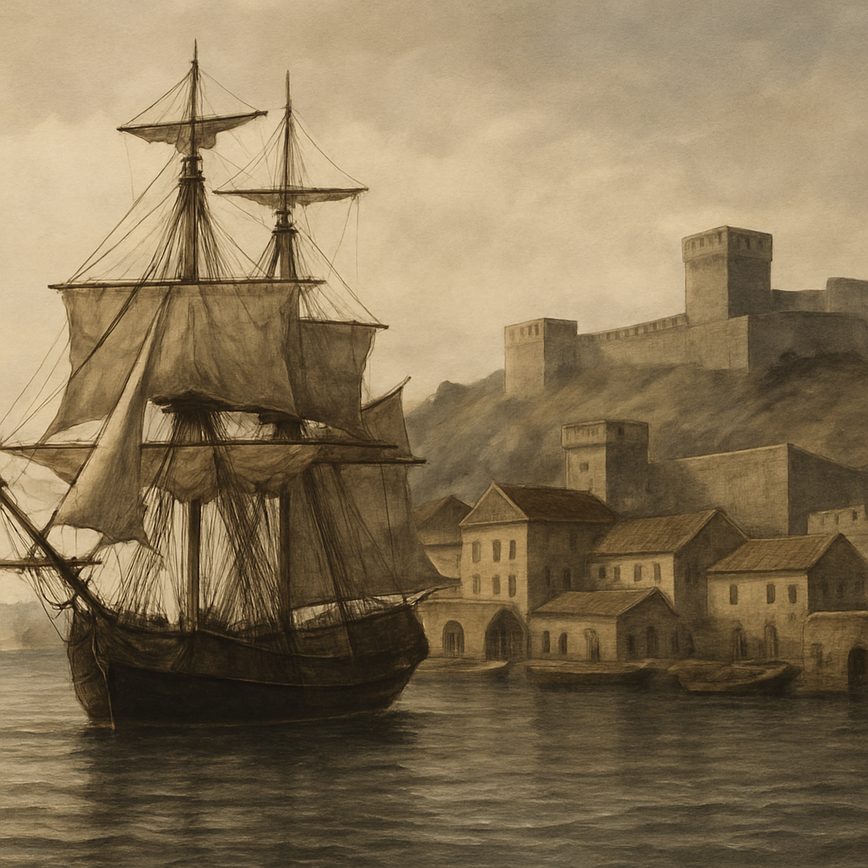
Alongside scientific progress, the development of health infrastructure was pivotal. Gibraltar saw the establishment of dedicated health facilities and isolation hospitals designed specifically for managing contagious diseases like the plague. These facilities provided a controlled environment where patients could receive care while limiting exposure to the broader population.
In terms of treatment, the introduction of new medical practices and better access to healthcare professionals enhanced the overall response to plague incidents. Though specific cures remained elusive, supportive treatments and early detection significantly improved patient outcomes. The focus on sanitary improvements, including better waste disposal and pest control efforts, further strengthened the defense against plague outbreaks.
Collectively, the integration of medical advances with upgraded health infrastructure transformed Gibraltar’s approach to plague management, ultimately helping to curb the severity and frequency of outbreaks. These efforts laid a foundation for modern public health strategies in the region.
Historical Overview of Plague Outbreaks in Gibraltar
The history of plague outbreaks in Gibraltar is a significant chapter in the plague history of Gibraltar, marked by recurrent episodes that have shaped the region’s public health policies and demographic landscape. Gibraltar outbreaks have occurred sporadically over several centuries, each bringing distinct challenges and consequences. Understanding these historical epidemics provides insight into how the territory managed and eventually controlled these deadly diseases.
The earliest recorded plague outbreak in Gibraltar dates back to the 16th century during the period of Spanish rule. The strategic location of Gibraltar as a crucial naval base and trading port made it particularly vulnerable to the spread of infectious diseases, including the plague. These early outbreaks were part of larger epidemics sweeping through Europe and the Mediterranean, contributing to substantial mortality rates and social disruption in the area.
The 17th century saw intensified plague activity, especially during the Great Plague pandemics that affected much of Europe. Gibraltar outbreaks during this time were severe, often exacerbated by the cramped living conditions and the constant movement of ships and soldiers. These historical epidemics underscored the necessity for quarantine measures and improved sanitation, although such implementations were often delayed and inconsistently applied.
One of the most notable plague outbreaks occurred in the early 18th century, amid the War of Spanish Succession, which heightened the movement of troops and refugees through Gibraltar. The plague outbreaks during this period had a profound impact on the population, stalling economic growth and causing widespread fear. The situation compelled authorities to establish stricter health controls and monitoring systems around the port and town.
In the 19th century, plague outbreaks began to decline significantly due to advances in medical knowledge and public health infrastructure. The introduction of quarantine stations and health regulations contributed to controlling the spread during international trade and military activities. Although isolated cases still appeared, the legacy of Gibraltar outbreaks highlighted the evolution of epidemic management in the region.
Overall, the plague history of Gibraltar is characterized by its pivotal role as a Mediterranean port and military stronghold, which made it vulnerable yet resilient in the face of recurring plague outbreaks. These historical epidemics not only shaped public health responses but also influenced Gibraltar’s social and economic trajectories through the centuries.
Major Plague Epidemics in the 18th and 19th Centuries
The 18th century plague outbreaks in Gibraltar stood as some of the most devastating in its history, shaped by the town’s status as a crucial military and trading post. The close quarters, combined with intense naval activity, allowed the plague—primarily transmitted by fleas on rats—to spread rapidly among residents and soldiers. Notably, the 1727 epidemic severely affected the population, causing widespread mortality and disruption. The causes of these outbreaks included unsanitary conditions, dense population clusters, and continuous movement through the port, which facilitated the disease’s transmission.
Moving into the 19th century, Gibraltar faced further plague epidemics, including a significant resurgence in the early 1800s and another outbreak towards the century’s end. These 19th century epidemics underscored the challenges of controlling infectious diseases before modern medicine. Despite some improvements in hygiene and quarantine measures, the persistent presence of rats and the lack of advanced medical knowledge contributed to repeated flare-ups. Each epidemic not only resulted in tragic loss of life but also had economic consequences, disrupting trade and military operations.
Historically, the plague in Gibraltar during these centuries highlighted the fragile balance between strategic importance and public health. Attempts to curb the disease led to evolving health policies and infrastructure improvements. However, the repeated recurrence of plague outbreaks throughout the 18th century plague waves and the 19th century epidemic periods remain a poignant chapter in Gibraltar’s history, reflecting broader patterns of plague impact in Mediterranean port cities.
Impact on Population and Trade
The plague outbreaks in Gibraltar had a profound population impact, drastically reducing the number of inhabitants in affected areas. The rapid spread of the disease led to high mortality rates, which caused significant demographic shifts, including a decrease in the workforce and a disruption in family structures. This sudden decline in population not only strained local resources but also impeded community functions and social stability.
Trade disruption was another critical consequence of the plague. As Gibraltar was an important trading port, the outbreaks severely hampered commercial activities. Quarantine measures and the fear of contagion led to the closure of ports and limited the movement of goods and people. Merchants and sailing ships avoided the area, causing a slowdown in trade flows that affected suppliers and consumers alike.
The economic effects of plague outbreaks in Gibraltar were far-reaching. The decline in population led to a reduction in labor availability, which in turn affected production and services. Businesses that relied on trade faced losses, and the overall economic vitality of the region waned. Recovery was slow, as the interconnected nature of population health and commerce meant that economic revival depended on effective disease control and population stabilization.
Factors Contributing to Plague Spread in Gibraltar
The plague outbreaks in Gibraltar were shaped by a unique combination of environmental, social, and economic factors that significantly influenced the plague causes and transmission factors within the territory. Understanding these elements offers key insights into how the disease was able to spread so rapidly and devastate the population during various historical periods.
One of the critical environmental factors contributing to plague spread in Gibraltar was the region’s dense and compact living conditions, particularly within the old town and military barracks. The hot and humid climate favored the proliferation of rodents and fleas—primary vectors for the plague bacteria Yersinia pestis. These conditions, combined with the limited sanitation infrastructure of the time, created ideal breeding grounds for fleas and rats, which were the main transmitters of the disease. The Gibraltar environment was thus a natural amplifier for the transmission factors associated with plague outbreaks.
Social factors also played a significant role. The population density in Gibraltar was high, with people living and working in close quarters. This overcrowding facilitated direct and indirect transmission of the disease. Poor knowledge of hygiene and limited medical understanding further exacerbated the situation, as frightened and densely packed communities had little means to protect themselves. Additionally, the regular movement of military personnel, traders, and sailors contributed to the introduction and rapid spread of plague across different sectors of society. Social customs, including communal gatherings and markets, created additional opportunities for contagion.
Economically, Gibraltar was an important port and strategic naval base, which influenced the plague transmission factors significantly. The constant influx of ships carrying goods and passengers from various parts of the world increased the chances of plague introduction through infected individuals or contaminated cargo. The port’s bustling trade activity and naval operations also meant frequent human movement and interactions between locals and foreigners, creating multiple channels for plague spread. Economic dependence on these activities made it difficult to impose stringent quarantine measures for fear of damaging commerce.
In summary, the combination of environmental conditions favorable to rodent and flea populations, social dynamics of overcrowding and limited hygiene, alongside Gibraltar’s status as an active maritime hub, made it highly susceptible to plague outbreaks. These plague causes and transmission factors interlinked to create a perfect storm that repeatedly fueled the persistence of plague in Gibraltar’s history.
Geographical and Climatic Influences
Gibraltar’s unique geography and climate significantly influenced the spread and persistence of plague outbreaks throughout its history. The territory’s strategic position at the crossroads of Europe and Africa, coupled with its small land area dominated by the imposing Rock of Gibraltar, created a concentrated urban environment where disease transmission could be swift. The limited space and dense population facilitated close human contact, which is crucial for the spread of plague.
Moreover, the climate of Gibraltar, characterized by mild, wet winters and hot, dry summers, impacted the survival and activity of plague vectors such as fleas and rodents. The temperate climate allowed for year-round habitation of rats, which served as the primary hosts for plague-carrying fleas. Seasonal climatic variations, including periods of increased humidity following rainfall, could enhance flea survival rates, thus promoting disease persistence and transmission within the region.
Additionally, Gibraltar’s status as a vital port and naval base meant frequent movement of ships, goods, and people through its harbor, creating continuous opportunities for the introduction of infected rats or fleas from other plague-affected regions. This geographic and climatic context combined to make Gibraltar particularly vulnerable to recurrent plague outbreaks, highlighting the critical role of environmental factors in the disease’s epidemiology.
Social Conditions and Sanitation
The social conditions and sanitation practices in Gibraltar have played a crucial role in determining the severity and frequency of plague outbreaks throughout its history. Poor living standards, characterized by overcrowded housing and inadequate waste disposal systems, created an environment ripe for the spread of infectious diseases like the plague. Social conditions often meant that many residents lived in cramped quarters where hygiene was difficult to maintain, exacerbating the impact of plague outbreaks.
Sanitation, or rather the lack thereof, was a critical factor that influenced how often and how badly the plague struck Gibraltar. The practices related to waste management, water supply, and general cleanliness were often insufficient to prevent the breeding of rats and fleas, which are primary vectors in the transmission of the plague. In times when sanitation was neglected, the frequency of outbreaks increased, and the disease’s severity was amplified due to rapid and uncontrolled spread.
Improvements in social conditions and sanitation eventually led to a decline in plague incidents. Raising living standards, implementing better waste removal systems, and promoting public health education helped mitigate the factors that facilitated the plague’s transmission. Consequently, these measures directly influenced the reduction in the plague’s impact, underscoring the vital connection between social conditions, sanitation, and public health outcomes in Gibraltar’s history.
Measures Taken to Control and Prevent Plague Outbreaks
In response to the recurrent plague outbreaks that plagued Gibraltar throughout history, authorities implemented a series of stringent public health strategies and disease control measures to curtail the spread and impact of the disease. Central to these efforts was the establishment and enforcement of the Gibraltar quarantine system, which became a critical tool in plague prevention.
The Gibraltar quarantine involved isolating ships, goods, and individuals arriving from plague-affected areas for a mandated period to monitor any signs of illness. This practice effectively limited the introduction of the plague bacterium into the densely populated territory. Ships were required to anchor in designated quarantine zones where passengers and crew underwent thorough health inspections before being allowed to enter the main settlement. This early detection helped prevent contagious individuals from mingling with the healthy population.
Alongside quarantine, authorities enforced sanitary measures that included regular cleaning and fumigation of streets and buildings, strict control of waste disposal, and improvement of water supplies to reduce conditions favorable for rat infestations, which were primary vectors for plague transmission. Public health officials also implemented rodent control programs, such as the use of traps and poisons, to reduce the rat population and break the chain of infection between rats and humans.
Education and public awareness campaigns played an important role in fostering community cooperation and compliance with disease control measures. Citizens were informed about the symptoms of the plague, the importance of personal hygiene, and the necessity of reporting suspected cases promptly. Timely communication helped authorities to isolate cases and conduct contact tracing more effectively, further preventing outbreaks from escalating.
Moreover, health checkpoints and monitored entry points around Gibraltar helped regulate movement during epidemic periods, restricting access from high-risk regions. This control over ingress and egress was vital to containing the disease within isolated zones and protecting the broader population. Together, these layered approaches—quarantine enforcement, sanitation improvements, pest control, public education, and movement regulation—formed a comprehensive framework of plague prevention in Gibraltar that significantly mitigated the impact of outbreaks over time.
Quarantine and Isolation Practices
Historically, quarantine and isolation techniques have been pivotal public health measures in containing plague outbreaks in Gibraltar. The territory, given its strategic Mediterranean location and dense population, faced recurrent threats from plague epidemics that necessitated strict quarantine history. Authorities implemented rigorous quarantine protocols where ships entering Gibraltar’s harbor were held in isolation for a defined period, usually 40 days, a practice from which the term “quarantine” originates. This allowed time to observe any symptoms of the plague before allowing interaction with the local population.
Isolation techniques extended beyond maritime control; individuals suspected of infection were separated in designated lazarettos or quarantine stations. These sites were isolated from the general populace to prevent the spread of contagion. Public health measures also included the isolation of households or neighborhoods affected by the plague, often enforced by local authorities through patrols and checkpoints. These containment strategies reflected an understanding of contagion and attempted to curtail transmission by minimizing contact.
The effectiveness of these measures was variable but generally significant in reducing the scale and duration of outbreaks. While early quarantine and isolation were crude by modern standards, they formed the backbone of Gibraltar’s defense against plague, buying critical time for recovery and preventing widespread mortality. The legacy of these historical practices underscores their importance in shaping contemporary public health responses to infectious diseases.
Advances in Medical Knowledge and Infrastructure
Over the years, significant medical advances have played a crucial role in mitigating the impact of plague outbreaks in Gibraltar. The growing understanding of disease transmission mechanisms marked a turning point in controlling the spread of the plague. As medical knowledge improved, health authorities implemented more effective quarantine protocols and hygiene measures, reducing contagion risks.

I have always been captivated by the unique cultural tapestry of the Rock, particularly how Moorish, Spanish, and British influences shaped its development over centuries. My passion lies in translating these complex historical narratives into engaging educational resources that make Gibraltar’s past accessible to everyone. I spend my free time exploring military fortifications and reading first-hand accounts of life at the Pillar of Hercules.