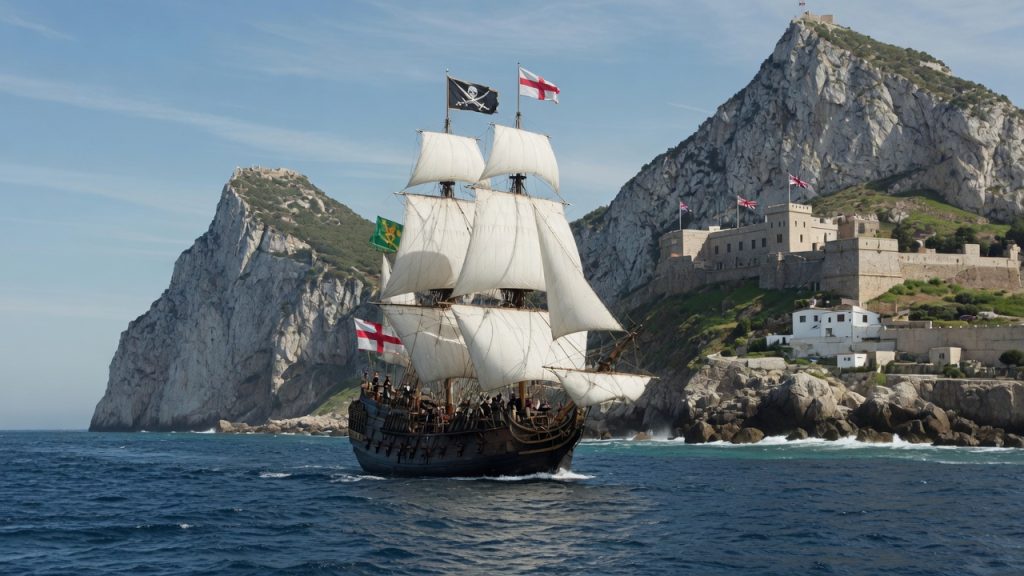
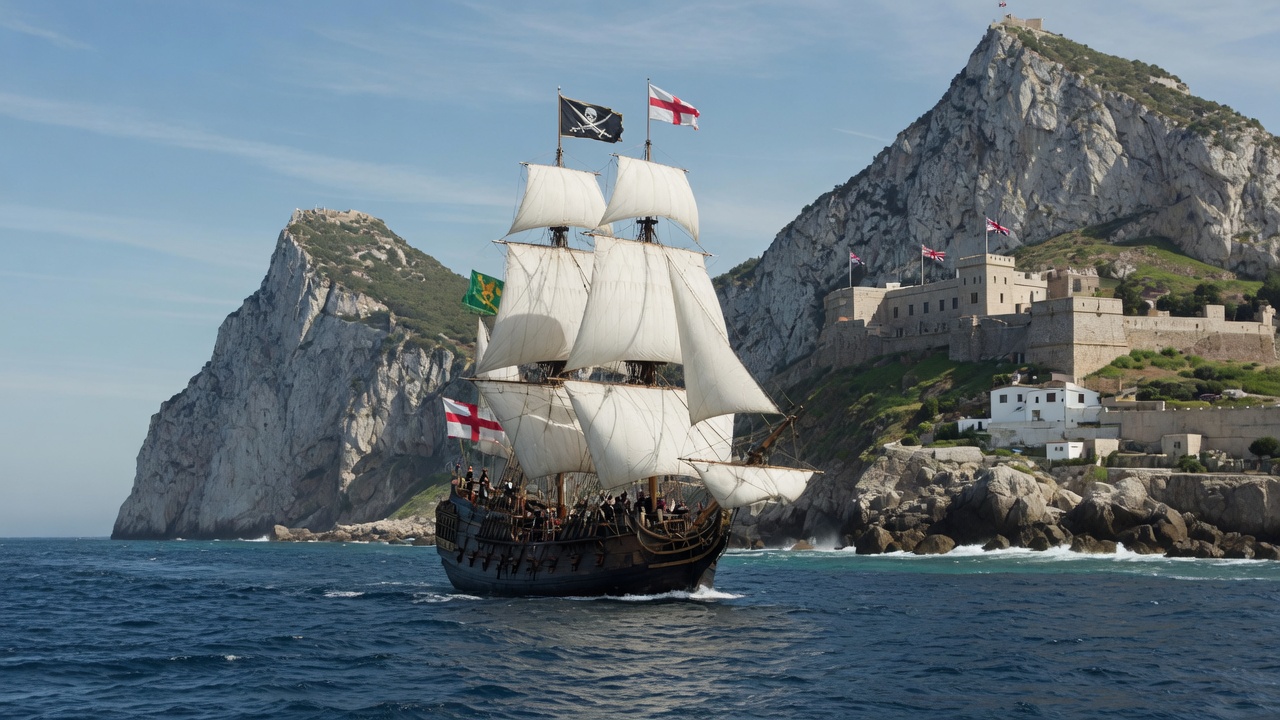
Historical Background of Privateering from Gibraltar
Privateering from Gibraltar has deep roots in the history of maritime warfare, especially during the 18th century when seaborne conflicts were a defining feature of imperial rivalry. The origins of privateering in this region are closely linked to Gibraltar’s strategic location at the entrance to the Mediterranean Sea, making it a crucial naval base for controlling maritime routes and disrupting enemy shipping. This naturally positioned Gibraltar as a hub for privateers—private individuals authorized by governments to attack enemy vessels during wartime, blending state interests with private enterprise in naval warfare.
The practice of privateering from Gibraltar emerged amid the broader political and military conflicts of the time, including the numerous wars between Britain, Spain, and other European powers vying for dominance. Following the capture of Gibraltar by Anglo-Dutch forces in 1704 during the War of the Spanish Succession, the territory became a vital British naval stronghold. This shift not only altered the balance of power in the region but also fostered the development of privateering as a sanctioned method of maritime warfare. Gibraltar privateers operated under letters of marque issued by the British Crown, which legally empowered them to seize enemy merchant ships and cargo, disrupting rival trade networks and supplementing naval efforts with private resources.
The historical context of Gibraltar privateers is characterized by their dual role as both economic opportunists and strategic assets. Their actions were driven by the promise of prize money and the political goal of weakening enemy supply lines. This made privateering an essential aspect of Britain’s naval strategy during the 18th century, especially during the War of Austrian Succession and the Seven Years’ War. Maritime warfare in this period was marked by fierce competition over control of trade routes, and Gibraltar’s position allowed privateers to strike effectively against Spanish and French shipping. The local population often supported privateers, benefiting economically from their successes and the protection they provided to the port.
In summary, the history of privateering from Gibraltar is intertwined with the broader themes of 18th-century maritime warfare and imperial conflict. The combination of Gibraltar’s strategic location, political shifts, and military necessity created an environment where privateering could thrive as both a practical and profitable form of naval engagement. Understanding this historical background sheds light on the significance of Gibraltar privateers in shaping naval history and the political dynamics of the era.
Strategic Importance of Gibraltar
Gibraltar’s strategic location has made it a pivotal point for privateering operations throughout history. Situated at the southern tip of the Iberian Peninsula, Gibraltar offers direct control over the entrance to the Mediterranean Sea from the Atlantic Ocean. This prime position allowed privateers to monitor and intercept merchant ships traveling vital trade routes between Europe, Africa, and the Americas. The ability to quickly access these thoroughfares enabled privateers based in Gibraltar to seize valuable prizes and disrupt enemy commerce effectively.
Moreover, Gibraltar’s establishment as a naval base amplified its influence on naval strategy in the region. The natural fortified rock and surrounding waters provided a secure harbor for ships to resupply, repair, and seek refuge. This stronghold became a hub for naval fleets, offering a strategic advantage in maintaining control over the Mediterranean. By dominating this choke point, naval commanders could restrict enemy movements, protect friendly convoys, and exert power throughout the sea lanes.
In summary, Gibraltar’s unique geographic position and function as a naval base were crucial for the success of privateering ventures and broader military campaigns. Its control over Mediterranean access meant it was far more than just a physical territory; it was a gatekeeper to essential trade routes and a cornerstone of maritime power projection.
Legal Framework and Letters of Marque
Privateering from Gibraltar operated under a well-established legal framework rooted in maritime law and the sovereign authority of the British navy. Key to legitimizing these actions were the letters of marque, official government-issued commissions that authorized private vessels to engage enemy ships during wartime. These letters not only legalized privateering but also differentiated it from piracy, establishing a clear boundary within international law.
The issuance of letters of marque was a formal process whereby the British government delegated naval power to private individuals. These commissions stipulated the terms and conditions under which privateers could operate, ensuring compliance with maritime law and wartime protocols. This legal backing reinforced Gibraltar’s strategic role, allowing privateers to disrupt enemy trade routes while maintaining allegiance to British interests.
Moreover, the British navy played a supervisory role, monitoring privateering activities and ensuring they aligned with national objectives. Gibraltar’s position as a naval base made it an ideal hub for distributing letters of marque and coordinating privateer operations. This symbiotic relationship between government authorization and private enterprise was crucial to sustaining the legitimacy and effectiveness of privateering ventures.
In summary, the privateering legality from Gibraltar hinged on the legal principles articulated through letters of marque, upheld by maritime law, and enforced under the aegis of the British navy. This framework allowed privateers to operate as sanctioned combatants rather than outlaws, reinforcing Gibraltar’s importance in naval warfare and maritime conflict during this era.
Notable Privateers and Their Expeditions

Among the famous privateers who operated from Gibraltar, several stand out for their daring exploits and significant contributions to naval warfare during the age of privateering. These privateers capitalized on Gibraltar’s strategic position to launch raids that disrupted enemy shipping lanes and seized valuable prizes, strengthening the maritime dominance of their sponsors.
One of the most renowned privateers based in Gibraltar was Sir Henry Morgan, whose expeditions became legendary for their boldness. Morgan’s Gibraltar expeditions included raids on Spanish treasure fleets, which yielded captured prizes that were both lucrative and a blow to Spain’s colonial wealth. His naval battles were characterized by calculated risks, sharp tactical maneuvers, and the effective use of fast, well-armed vessels that allowed him to outmatch adversaries and evade capture.
Another notable figure was Captain Edward Collier, whose privateering ventures often targeted French and Spanish ships in the Mediterranean. Collier’s aggressive tactics and well-organized crews enabled him to dominate several naval engagements, securing numerous captured prizes that were celebrated for their high value and impact on enemy supply lines. His Gibraltar expeditions helped maintain British supremacy in the region during times of conflict.
John Hubbard, also operating from Gibraltar, specialized in intercepting merchant vessels en route to the Iberian Peninsula. His strategic knowledge of local waters and swift raids made him a formidable opponent. Hubbard’s naval battles were frequently marked by surprise attacks and rapid retreats, which allowed him to keep his crew and vessels out of harm’s way while consistently expanding his tally of captured prizes.
These privateers, among others, contributed not only to the economic warfare of their nations but also to the rich maritime history of Gibraltar. Their expeditions exemplified the blend of courage, cunning, and naval skill required to succeed in the perilous world of privateering. Through their daring raids and victorious naval engagements, they carved out a legacy that continues to be remembered for the pivotal role they played in shaping the balance of naval power in the Mediterranean and beyond.
Prominent Privateer Captains
The history of privateering from Gibraltar is rich with tales of exceptional privateer leaders who carved their names into naval lore. Among these Gibraltar pirates, several captains stand out not only for their daring raids but also for their innovative naval tactics that gave them an edge over enemies. These captains mastered the seas with acute knowledge of the local waters and the art of surprise, crucial for their success as privateers operating from the strategic port of Gibraltar.
One notable privateer leader was Captain John Mercier, renowned for his swift and cunning strike methods. Mercier’s ability to anticipate enemy movements allowed him to strike lucrative targets while avoiding naval patrols. His captain profile reveals a blend of aggression and strategic patience, hallmarks of the Gibraltar pirates’ approach to privateering. Another distinguished figure was Captain Elena Viera, whose bold raids on enemy merchant ships demonstrated advanced naval tactics and leadership, inspiring many under her command.
These captains’ success was partly due to their intimate knowledge of the region’s maritime geography and tides, enabling them to use the narrow straits and hidden coves as tactical advantages. Their legacy highlights how individual skill and leadership are as important as the ships and weapons they commanded. The privateer leaders based out of Gibraltar were true masters of their trade, shaping naval history with their daring exploits and tactical genius.
Major Maritime Engagements
The history of Gibraltar’s privateers is marked by numerous naval battles and privateer conflicts that shaped Mediterranean warfare and influenced the balance of power in the region. These daring seafarers played a crucial role in intercepting enemy ships and disrupting trade routes, often resulting in significant ship captures that bolstered Gibraltar’s strategic status. One of the most notable engagements occurred during the 18th century when privateers from Gibraltar intercepted Spanish and French vessels, effectively weakening their maritime capabilities and securing safer passage for allied forces.
Privateer skirmishes near vital chokepoints such as the Strait of Gibraltar were intense and frequent, demonstrating the importance of controlling these narrow waterways. The success of these engagements not only dealt economic blows to opposing nations but also enhanced Gibraltar’s influence over Mediterranean maritime routes. Through a combination of skilled seamanship and tactical surprise, Gibraltar’s privateers could outmaneuver larger naval fleets, emphasizing the asymmetric nature of Mediterranean warfare at the time.
These maritime confrontations often resulted in the capture of valuable cargo and ships, which were either repurposed or sold for profit, providing economic sustenance for the privateers and funding further naval campaigns. The impact of these battles extended beyond immediate military victories, as maintaining control over the sea lanes allowed Gibraltar to assert dominance in the Mediterranean and secure its position as a key naval fortress.
Impact and Legacy of Gibraltar Privateering

Gibraltar’s history of privateering left an indelible mark on its maritime legacy, shaping the region’s economic, naval, and diplomatic trajectory. As a strategic hub at the entrance of the Mediterranean, privateering activities contributed significantly to Gibraltar’s local economy by generating wealth through the capture and trade of enemy vessels and goods. This infusion of capital not only supported local businesses but also provided financial resources that bolstered Gibraltar’s development as a bustling port. The economic impact was multifaceted, as privateering created an environment where maritime commerce and military ventures intertwined, driving economic growth beyond traditional trade.
Beyond the immediate economic benefits, privateering played a pivotal role in the advancement of Gibraltar’s naval capabilities. The frequent need to outfit and maintain privateer ships fostered a skilled maritime workforce and stimulated advancements in shipbuilding and naval tactics. These improvements contributed to Gibraltar’s reputation as a formidable naval stronghold and a center of maritime innovation. The knowledge and experience gained during the height of privateering later informed naval strategies, influencing the broader naval history of the region and the British Empire’s maritime dominance.
However, the legacy of privateering is not without its complexities. The decline of privateering in the 19th century, driven by changing international laws and the rise of national navies, marked a significant transition in Gibraltar’s maritime role. This decline forced Gibraltar to adapt its economic model and maritime practices, shifting from a privateering-based economy to one focused on conventional naval defense and global trade. The end of privateering also influenced Gibraltar’s international relations, as its role transitioned from a semi-autonomous privateer base to a more regulated military and commercial port aligned with British imperial interests.
In summary, the impact and legacy of privateering in Gibraltar are evidenced in its maritime legacy—an intertwined history of economic vitality, naval development, and evolving international relations. The era of privateering significantly shaped Gibraltar’s identity and left a lasting imprint on the economic structures and naval traditions that continued to influence the territory long after privateering faded into history.
Economic Contributions and Trade Disruption
Privateering from Gibraltar played a significant role in shaping the local economy by both disrupting enemy trade routes and generating substantial wealth for privateers and their communities. The economic benefits of privateering extended beyond the immediate profits gained from captured ships and cargo; it created a ripple effect that invigorated local markets and industries.
By targeting the maritime trade of adversaries, privateers interrupted the flow of goods essential to enemy economies, weakening their financial stability. This trade interference not only hampered opponents’ commercial activities but also increased demand for locally sourced supplies and repairs, further boosting Gibraltar’s economy. Privateer profits circulated within the community, fueling growth in sectors such as shipbuilding, provisioning, and services related to maritime activities.
The influx of wealth from captured goods and ransoms bolstered the local economy, creating jobs and supporting families dependent on privateering ventures. Additionally, the prominence of privateering encouraged investment in better ships and experienced crews, ensuring sustained economic contributions. Ultimately, privateering established a symbiotic relationship between maritime warfare and civilian prosperity, with Gibraltar’s local economy thriving amidst the complexities of trade disruption.
Decline of Privateering and Transition to Modern Naval Warfare
The decline of privateering from Gibraltar was driven by several key factors that culminated in the modernization of naval warfare. As naval technologies advanced, the efficiency and firepower of formal navies increased, making privateering less viable and more dangerous. The evolution of steam-powered ships and improved artillery meant that state-run navies could maintain tighter control over maritime security, reducing the need for privately commissioned vessels to disrupt enemy trade.
International treaties played a crucial role in the end of privateering. The Declaration of Paris in 1856, signed by major naval powers, outlawed privateering as a legitimate form of warfare. This legal shift reflected a broader consensus that privateering was a destabilizing practice that blurred the lines between piracy and naval combatants, undermining international maritime order. Gibraltar, historically a hub for privateers due to its strategic location, saw this shift sharply reduce the issuance of letters of marque and the acceptance of privateering as a sanctioned activity.
In place of privateering, nations invested heavily in naval modernization, emphasizing professional navies with disciplined crews and standardized tactics. This transition marked a move towards formalized naval engagements governed by internationally recognized laws and codes of conduct. The decline of privateering from Gibraltar thus mirrors the broader trend towards regulated, state-controlled naval power, signaling the end of an era where private interests played a significant role in maritime warfare.

I have always been captivated by the unique cultural tapestry of the Rock, particularly how Moorish, Spanish, and British influences shaped its development over centuries. My passion lies in translating these complex historical narratives into engaging educational resources that make Gibraltar’s past accessible to everyone. I spend my free time exploring military fortifications and reading first-hand accounts of life at the Pillar of Hercules.