Local conservation efforts have been bolstered by active participation from community groups who volunteer their time and resources. These groups work closely with government agencies to ensure that restoration projects are carried out with respect to historical accuracy and environmental sustainability. Through workshops, awareness campaigns, and hands-on restoration activities, community members help foster a collective pride and responsibility for the preservation of Southport Gates.
Moreover, Southport Gates restoration initiatives often involve partnership programs where local historians, architects, and conservationists provide expert guidance. The government’s role in regulating and funding these projects ensures that conservation standards are met and that Gibraltar’s heritage remains vibrant and accessible for future generations. Together, these efforts exemplify a strong commitment to maintaining the cultural and historic fabric of the area.

Due to their location, the Southport Gates were integral to the strategic gates network that safeguarded Gibraltar. Their design and placement allowed for effective defense mechanisms, ensuring that access could be quickly sealed off during threats. This capacity was essential during several sieges, where Gibraltar’s military history was marked by resilience and tactical ingenuity. The defense provided by these gates helped maintain control over the territory and protected crucial naval and land-based operations.
Furthermore, the Southport Gates stand as a testament to Gibraltar’s military engineering evolution. Their fortifications and associated structures reflect advancements in defensive architecture meant to withstand artillery attacks and surprise assaults. As such, the Southport Gates defense was not merely physical but also symbolic of Gibraltar’s broader strategic importance. Today, these gates continue to be a monument to the territory’s rich military past, highlighting how strategic gates like Southport were key to Gibraltar’s enduring defense legacy.
Visitor Experience and Nearby Attractions
A Southport Gates tour offers visitors an immersive experience into Gibraltar’s rich history and remarkable fortifications. As you explore the gates, expect engaging guided tours that highlight the architectural significance, historical battles, and the strategic importance of these fortifications over the centuries. The tours typically include detailed narratives about the gates’ construction, their role in Gibraltar’s defense system, and anecdotes from past military and civilian life in the area.
Visitors will find well-preserved structures, informative plaques, and opportunities to take stunning photographs of the surrounding views. To fully enjoy your visit, it’s advisable to wear comfortable walking shoes and bring water, especially during the warmer months. Guides often share valuable visitor tips Gibraltar, such as the best times to avoid crowds and where to access nearby amenities.
In addition to exploring Southport Gates, there are several Gibraltar attractions nearby worth visiting. Close by, you can explore the bustling Grand Casemates Square with its lively cafés and shops, or the Moorish Castle, an iconic landmark offering panoramic views of the territory. The Gibraltar Museum is also within easy reach, providing deeper insights into the area’s cultural heritage. Whether you’re a history enthusiast or casual traveler, these nearby sites complement the Southport Gates tour perfectly, enriching your overall experience in Gibraltar.
Preservation and Conservation Efforts
The preservation and conservation of Southport Gates in Gibraltar represent a vital commitment to maintaining the rich historical and cultural heritage of the region. These efforts focus on safeguarding the structural integrity and aesthetic value of the gates while ensuring that they remain a tangible link to Gibraltar’s past for future generations. Southport Gates preservation initiatives are spearheaded by local heritage organizations in collaboration with governmental bodies dedicated to cultural conservation.
One of the key elements in Gibraltar heritage conservation is the ongoing restoration projects aimed at addressing the wear and damage caused by centuries of exposure to natural elements and urban development. These restoration projects utilize modern techniques combined with traditional craftsmanship to repair and reinforce the gates without compromising their historical authenticity. Special attention is given to the original materials and architectural styles to preserve the gates’ unique character.
Funding for Southport Gates preservation often comes from a combination of public grants, private donations, and heritage trust funds. This financial support ensures that maintenance can be conducted regularly, preventing deterioration and extending the lifespan of the gates. Community engagement also plays an important role, with local volunteers and historians contributing to educational programs and awareness campaigns that highlight the significance of these historical landmarks.
The collaboration between conservation experts and archaeologists has led to the development of detailed documentation and analysis of Southport Gates. This research not only informs the restoration projects but also serves as an educational resource for schools, tourists, and scholars interested in Gibraltar’s history. By combining preservation with education, Gibraltar ensures that Southport Gates remain a celebrated and well-understood part of its heritage.
Looking ahead, future conservation strategies involve implementing advanced monitoring systems to detect early signs of damage and environmental stress. These proactive measures, paired with sustainable conservation practices, aim to protect Southport Gates against the impacts of climate change and increased urbanization. Ultimately, the goal of these preservation and conservation efforts is to maintain the gates as a cultural treasure, fostering pride and connection within the Gibraltar community and beyond.
Challenges in Conservation
Conserving the Southport Gates in Gibraltar presents numerous challenges, primarily due to various heritage threats Gibraltar faces. Environmental factors such as exposure to harsh weather conditions, including salt-laden sea air and intense sunlight, contribute significantly to the gradual deterioration of the gates’ original materials. These natural elements accelerate erosion and corrosion, demanding ongoing maintenance and restoration efforts to preserve the structure’s historic integrity.
Urban development poses another major challenge in the conservation of Southport Gates. As Gibraltar continues to modernize and expand, increased traffic and nearby construction activities generate vibrations and pollution, which can cause physical damage to the gates. Additionally, pressures for land use and infrastructure upgrades sometimes conflict with preservation priorities, complicating efforts to maintain the site’s authenticity and historical value.
Southport Gates damage is often exacerbated by inadequate funding and limited conservation resources, making it difficult to implement comprehensive protection measures. Addressing conservation challenges requires collaboration between heritage experts, local authorities, and the community to balance development needs with the imperative to safeguard Gibraltar’s cultural legacy. Without proactive management, these heritage threats Gibraltar poses could lead to irreversible loss of this iconic landmark.
Community and Government Initiatives
The conservation of Southport Gates is a testament to the collaborative efforts between local government bodies and community organizations, uniting to preserve Gibraltar’s rich heritage. Gibraltar heritage programs have played a crucial role in this endeavor, providing structured frameworks and funding to support the ongoing restoration and maintenance of historic sites such as Southport Gates. These programs are designed to not only safeguard these landmarks but also to educate the public about their historical significance.
Local conservation efforts have been bolstered by active participation from community groups who volunteer their time and resources. These groups work closely with government agencies to ensure that restoration projects are carried out with respect to historical accuracy and environmental sustainability. Through workshops, awareness campaigns, and hands-on restoration activities, community members help foster a collective pride and responsibility for the preservation of Southport Gates.
Moreover, Southport Gates restoration initiatives often involve partnership programs where local historians, architects, and conservationists provide expert guidance. The government’s role in regulating and funding these projects ensures that conservation standards are met and that Gibraltar’s heritage remains vibrant and accessible for future generations. Together, these efforts exemplify a strong commitment to maintaining the cultural and historic fabric of the area.
Due to their location, the Southport Gates were integral to the strategic gates network that safeguarded Gibraltar. Their design and placement allowed for effective defense mechanisms, ensuring that access could be quickly sealed off during threats. This capacity was essential during several sieges, where Gibraltar’s military history was marked by resilience and tactical ingenuity. The defense provided by these gates helped maintain control over the territory and protected crucial naval and land-based operations.
Furthermore, the Southport Gates stand as a testament to Gibraltar’s military engineering evolution. Their fortifications and associated structures reflect advancements in defensive architecture meant to withstand artillery attacks and surprise assaults. As such, the Southport Gates defense was not merely physical but also symbolic of Gibraltar’s broader strategic importance. Today, these gates continue to be a monument to the territory’s rich military past, highlighting how strategic gates like Southport were key to Gibraltar’s enduring defense legacy.
Visitor Experience and Nearby Attractions
A Southport Gates tour offers visitors an immersive experience into Gibraltar’s rich history and remarkable fortifications. As you explore the gates, expect engaging guided tours that highlight the architectural significance, historical battles, and the strategic importance of these fortifications over the centuries. The tours typically include detailed narratives about the gates’ construction, their role in Gibraltar’s defense system, and anecdotes from past military and civilian life in the area.
Visitors will find well-preserved structures, informative plaques, and opportunities to take stunning photographs of the surrounding views. To fully enjoy your visit, it’s advisable to wear comfortable walking shoes and bring water, especially during the warmer months. Guides often share valuable visitor tips Gibraltar, such as the best times to avoid crowds and where to access nearby amenities.
In addition to exploring Southport Gates, there are several Gibraltar attractions nearby worth visiting. Close by, you can explore the bustling Grand Casemates Square with its lively cafés and shops, or the Moorish Castle, an iconic landmark offering panoramic views of the territory. The Gibraltar Museum is also within easy reach, providing deeper insights into the area’s cultural heritage. Whether you’re a history enthusiast or casual traveler, these nearby sites complement the Southport Gates tour perfectly, enriching your overall experience in Gibraltar.
Preservation and Conservation Efforts
The preservation and conservation of Southport Gates in Gibraltar represent a vital commitment to maintaining the rich historical and cultural heritage of the region. These efforts focus on safeguarding the structural integrity and aesthetic value of the gates while ensuring that they remain a tangible link to Gibraltar’s past for future generations. Southport Gates preservation initiatives are spearheaded by local heritage organizations in collaboration with governmental bodies dedicated to cultural conservation.
One of the key elements in Gibraltar heritage conservation is the ongoing restoration projects aimed at addressing the wear and damage caused by centuries of exposure to natural elements and urban development. These restoration projects utilize modern techniques combined with traditional craftsmanship to repair and reinforce the gates without compromising their historical authenticity. Special attention is given to the original materials and architectural styles to preserve the gates’ unique character.
Funding for Southport Gates preservation often comes from a combination of public grants, private donations, and heritage trust funds. This financial support ensures that maintenance can be conducted regularly, preventing deterioration and extending the lifespan of the gates. Community engagement also plays an important role, with local volunteers and historians contributing to educational programs and awareness campaigns that highlight the significance of these historical landmarks.
The collaboration between conservation experts and archaeologists has led to the development of detailed documentation and analysis of Southport Gates. This research not only informs the restoration projects but also serves as an educational resource for schools, tourists, and scholars interested in Gibraltar’s history. By combining preservation with education, Gibraltar ensures that Southport Gates remain a celebrated and well-understood part of its heritage.
Looking ahead, future conservation strategies involve implementing advanced monitoring systems to detect early signs of damage and environmental stress. These proactive measures, paired with sustainable conservation practices, aim to protect Southport Gates against the impacts of climate change and increased urbanization. Ultimately, the goal of these preservation and conservation efforts is to maintain the gates as a cultural treasure, fostering pride and connection within the Gibraltar community and beyond.
Challenges in Conservation
Conserving the Southport Gates in Gibraltar presents numerous challenges, primarily due to various heritage threats Gibraltar faces. Environmental factors such as exposure to harsh weather conditions, including salt-laden sea air and intense sunlight, contribute significantly to the gradual deterioration of the gates’ original materials. These natural elements accelerate erosion and corrosion, demanding ongoing maintenance and restoration efforts to preserve the structure’s historic integrity.
Urban development poses another major challenge in the conservation of Southport Gates. As Gibraltar continues to modernize and expand, increased traffic and nearby construction activities generate vibrations and pollution, which can cause physical damage to the gates. Additionally, pressures for land use and infrastructure upgrades sometimes conflict with preservation priorities, complicating efforts to maintain the site’s authenticity and historical value.
Southport Gates damage is often exacerbated by inadequate funding and limited conservation resources, making it difficult to implement comprehensive protection measures. Addressing conservation challenges requires collaboration between heritage experts, local authorities, and the community to balance development needs with the imperative to safeguard Gibraltar’s cultural legacy. Without proactive management, these heritage threats Gibraltar poses could lead to irreversible loss of this iconic landmark.
Community and Government Initiatives
The conservation of Southport Gates is a testament to the collaborative efforts between local government bodies and community organizations, uniting to preserve Gibraltar’s rich heritage. Gibraltar heritage programs have played a crucial role in this endeavor, providing structured frameworks and funding to support the ongoing restoration and maintenance of historic sites such as Southport Gates. These programs are designed to not only safeguard these landmarks but also to educate the public about their historical significance.
Local conservation efforts have been bolstered by active participation from community groups who volunteer their time and resources. These groups work closely with government agencies to ensure that restoration projects are carried out with respect to historical accuracy and environmental sustainability. Through workshops, awareness campaigns, and hands-on restoration activities, community members help foster a collective pride and responsibility for the preservation of Southport Gates.
Moreover, Southport Gates restoration initiatives often involve partnership programs where local historians, architects, and conservationists provide expert guidance. The government’s role in regulating and funding these projects ensures that conservation standards are met and that Gibraltar’s heritage remains vibrant and accessible for future generations. Together, these efforts exemplify a strong commitment to maintaining the cultural and historic fabric of the area.
Overview of Southport Gates Gibraltar
The Southport Gates stand as a prominent feature in the rich tapestry of Gibraltar history. Situated in the southern part of the city, these gates have long served as an essential entry and exit point, playing a critical role in the defense and regulation of access to Gibraltar over the centuries. As one of the main city gates Gibraltar is known for, the Southport Gates exemplify the strategic military and architectural significance that the territory has held throughout its existence.
Constructed during the height of Gibraltar’s fortification development, the Southport Gates were designed not only as physical barriers but also as controlled checkpoints that helped to monitor the movement of people and goods in and out of the city. Their location near the southern coastline made them especially important for overseeing maritime activities, as well as for protecting Gibraltar from potential invasions. Over time, the gates witnessed numerous historical events, reflecting the turbulent past and military importance of Gibraltar.
In addition to their defensive function, the Southport Gates serve as a symbol of Gibraltar’s layered history, marked by various periods of occupation and control by different powers. Their architecture reflects influences from different eras, blending elements that tell the story of the city’s evolution through the ages. Visitors to Gibraltar can appreciate the Southport Gates as a tangible connection to the past, offering insights into how the city was structured and defended throughout history.
Today, the Southport Gates remain a key point of interest within Gibraltar, embodying both the historical heritage and cultural identity of this unique territory. Positioned strategically within the city gates Gibraltar is famous for, they continue to attract historians, tourists, and locals alike who are eager to explore and understand the historical significance these gates hold. Their enduring presence is a testament to Gibraltar’s enduring resilience and importance as a crossroads of history and culture.
Historical Background
Southport Gates history dates back to the late 18th century, during a period of significant military and strategic development in Gibraltar. Constructed under British rule, these gates were part of the fortification improvements aimed at strengthening the town’s defenses. Their origin is closely tied to the British Gibraltar era, reflecting the importance of controlling access to the fortified town and ensuring security against potential invasions.
The gates were originally built to serve as controlled entry points between the town and the dockyard area, facilitating military and civilian traffic while maintaining a defensive barrier. Over time, Southport Gates became a crucial element in Gibraltar’s defensive network, showcasing the British commitment to safeguarding their overseas territory. This strategic architecture helped regulate movement and contributed to the military prowess of Gibraltar throughout various conflicts and historical periods.
Throughout its historical timeline, the Southport Gates have witnessed various modifications and restorations, adapting to changing military technologies and urban development. However, their core purpose has remained consistent: protecting the settlement while supporting its maritime and commercial activities. Today, the gates stand as a symbol of Gibraltar’s rich heritage, encapsulating the deep-rooted history of British Gibraltar and its enduring legacy in the region.
Architectural Features
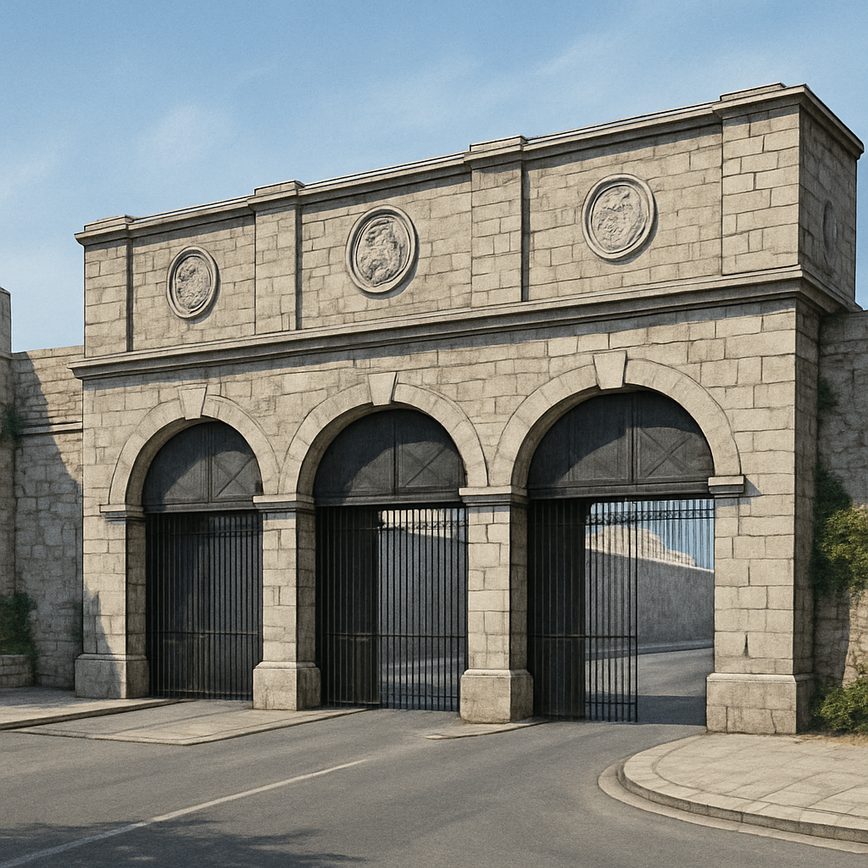
The Southport Gates exhibit distinctive gate design Gibraltar rooted in its historical military significance. This complex of military gates showcases a robust blend of architectural elements designed to withstand and repel attacks. Constructed using solid limestone blocks, which were locally sourced, the gates boast exceptional durability and strength that was critical for defensive structures of the time.
Architecturally, the Southport Gates reflect a strategic military style characterized by simplicity combined with formidable practicality. The masonry work is precise, with thick walls and narrow slits designed for surveillance and musket fire. The gates themselves are arched, framed by heavy stonework that reinforces their imposing presence in Gibraltar’s fortifications.
The defensive features of Southport Gates include iron-studded wooden doors, which were essential in protecting against battering rams and other siege equipment. Additionally, the gate complex is surrounded by bastions and curtain walls that extend the defensive perimeter. Embrasures and loopholes integrated into the structure allowed defenders to monitor the surroundings and launch defensive attacks while remaining shielded.
Overall, Southport Gates architecture exemplifies the military gates designed not only for functional defense but also to symbolize strength and endurance. These features combined have ensured the gates remain an iconic testament to Gibraltar’s fortified heritage.
Cultural and Tourist Importance of Southport Gates
Southport Gates stand as a prominent cultural landmark and a must-see destination for those exploring Gibraltar. These historic gates not only represent an architectural marvel but also hold great historical significance, making Southport Gates tourism an enriching experience for visitors. As one of Gibraltar landmarks, the gates offer a glimpse into the region’s strategic importance through centuries of military history, serving as a gateway that has witnessed pivotal events in Gibraltar’s past.
Visiting Southport Gates offers tourists a unique opportunity to connect with Gibraltar’s cultural heritage. The gates are part of the city’s old fortifications, built during the British colonial era, showcasing the blend of military engineering and design that protected this strategic territory. Their location near other key historic sites makes them an integral part of Gibraltar’s cultural landscape, attracting history enthusiasts and casual visitors alike.
Southport Gates tourism goes beyond the physical structure; it immerses visitors in the stories of defense and resilience that have shaped Gibraltar’s identity. Guided tours and informational displays around the gates bring to life the narratives of soldiers, settlers, and traders who passed through these gates, making them more than just a static monument. This storytelling aspect enhances the cultural value of Southport Gates and contributes to Gibraltar’s appeal as a vibrant tourist destination.
Moreover, the area surrounding Southport Gates is bustling with activity, featuring nearby cafes, shops, and museums that enrich the tourist experience. Visitors often combine their exploration of the gates with walks along the city walls and visits to other Gibraltar landmarks, making it a central point in a comprehensive sightseeing itinerary. The gates’ accessibility and historical allure make them an essential stop for anyone visiting Gibraltar, exemplifying the city’s unique blend of cultures and histories.
In summary, Southport Gates stand as an emblem of Gibraltar’s cultural heritage and a prime tourist attraction. Their historical significance, architectural beauty, and integration into the broader context of Gibraltar’s history make them indispensable for those interested in exploring the rich cultural tapestry of this fascinating territory. Visitors to Southport Gates depart with a deeper understanding of Gibraltar’s past and its continuing legacy as a crossroads of cultures and histories.
Role in Gibraltar’s Defense
The Southport Gates have played a pivotal role in Gibraltar’s military history, serving as critical points in the territory’s extensive defense systems. Positioned strategically, these gates provided controlled access to one of the most important fortified towns in the Mediterranean, enabling defenders to regulate movement and bolster security against potential invaders. The gates have witnessed centuries of military activity, reflecting Gibraltar’s stature as a key stronghold for the British armed forces.
Due to their location, the Southport Gates were integral to the strategic gates network that safeguarded Gibraltar. Their design and placement allowed for effective defense mechanisms, ensuring that access could be quickly sealed off during threats. This capacity was essential during several sieges, where Gibraltar’s military history was marked by resilience and tactical ingenuity. The defense provided by these gates helped maintain control over the territory and protected crucial naval and land-based operations.
Furthermore, the Southport Gates stand as a testament to Gibraltar’s military engineering evolution. Their fortifications and associated structures reflect advancements in defensive architecture meant to withstand artillery attacks and surprise assaults. As such, the Southport Gates defense was not merely physical but also symbolic of Gibraltar’s broader strategic importance. Today, these gates continue to be a monument to the territory’s rich military past, highlighting how strategic gates like Southport were key to Gibraltar’s enduring defense legacy.
Visitor Experience and Nearby Attractions
A Southport Gates tour offers visitors an immersive experience into Gibraltar’s rich history and remarkable fortifications. As you explore the gates, expect engaging guided tours that highlight the architectural significance, historical battles, and the strategic importance of these fortifications over the centuries. The tours typically include detailed narratives about the gates’ construction, their role in Gibraltar’s defense system, and anecdotes from past military and civilian life in the area.
Visitors will find well-preserved structures, informative plaques, and opportunities to take stunning photographs of the surrounding views. To fully enjoy your visit, it’s advisable to wear comfortable walking shoes and bring water, especially during the warmer months. Guides often share valuable visitor tips Gibraltar, such as the best times to avoid crowds and where to access nearby amenities.
In addition to exploring Southport Gates, there are several Gibraltar attractions nearby worth visiting. Close by, you can explore the bustling Grand Casemates Square with its lively cafés and shops, or the Moorish Castle, an iconic landmark offering panoramic views of the territory. The Gibraltar Museum is also within easy reach, providing deeper insights into the area’s cultural heritage. Whether you’re a history enthusiast or casual traveler, these nearby sites complement the Southport Gates tour perfectly, enriching your overall experience in Gibraltar.
Preservation and Conservation Efforts
The preservation and conservation of Southport Gates in Gibraltar represent a vital commitment to maintaining the rich historical and cultural heritage of the region. These efforts focus on safeguarding the structural integrity and aesthetic value of the gates while ensuring that they remain a tangible link to Gibraltar’s past for future generations. Southport Gates preservation initiatives are spearheaded by local heritage organizations in collaboration with governmental bodies dedicated to cultural conservation.
One of the key elements in Gibraltar heritage conservation is the ongoing restoration projects aimed at addressing the wear and damage caused by centuries of exposure to natural elements and urban development. These restoration projects utilize modern techniques combined with traditional craftsmanship to repair and reinforce the gates without compromising their historical authenticity. Special attention is given to the original materials and architectural styles to preserve the gates’ unique character.
Funding for Southport Gates preservation often comes from a combination of public grants, private donations, and heritage trust funds. This financial support ensures that maintenance can be conducted regularly, preventing deterioration and extending the lifespan of the gates. Community engagement also plays an important role, with local volunteers and historians contributing to educational programs and awareness campaigns that highlight the significance of these historical landmarks.
The collaboration between conservation experts and archaeologists has led to the development of detailed documentation and analysis of Southport Gates. This research not only informs the restoration projects but also serves as an educational resource for schools, tourists, and scholars interested in Gibraltar’s history. By combining preservation with education, Gibraltar ensures that Southport Gates remain a celebrated and well-understood part of its heritage.
Looking ahead, future conservation strategies involve implementing advanced monitoring systems to detect early signs of damage and environmental stress. These proactive measures, paired with sustainable conservation practices, aim to protect Southport Gates against the impacts of climate change and increased urbanization. Ultimately, the goal of these preservation and conservation efforts is to maintain the gates as a cultural treasure, fostering pride and connection within the Gibraltar community and beyond.
Challenges in Conservation
Conserving the Southport Gates in Gibraltar presents numerous challenges, primarily due to various heritage threats Gibraltar faces. Environmental factors such as exposure to harsh weather conditions, including salt-laden sea air and intense sunlight, contribute significantly to the gradual deterioration of the gates’ original materials. These natural elements accelerate erosion and corrosion, demanding ongoing maintenance and restoration efforts to preserve the structure’s historic integrity.
Urban development poses another major challenge in the conservation of Southport Gates. As Gibraltar continues to modernize and expand, increased traffic and nearby construction activities generate vibrations and pollution, which can cause physical damage to the gates. Additionally, pressures for land use and infrastructure upgrades sometimes conflict with preservation priorities, complicating efforts to maintain the site’s authenticity and historical value.
Southport Gates damage is often exacerbated by inadequate funding and limited conservation resources, making it difficult to implement comprehensive protection measures. Addressing conservation challenges requires collaboration between heritage experts, local authorities, and the community to balance development needs with the imperative to safeguard Gibraltar’s cultural legacy. Without proactive management, these heritage threats Gibraltar poses could lead to irreversible loss of this iconic landmark.
Community and Government Initiatives
The conservation of Southport Gates is a testament to the collaborative efforts between local government bodies and community organizations, uniting to preserve Gibraltar’s rich heritage. Gibraltar heritage programs have played a crucial role in this endeavor, providing structured frameworks and funding to support the ongoing restoration and maintenance of historic sites such as Southport Gates. These programs are designed to not only safeguard these landmarks but also to educate the public about their historical significance.
Local conservation efforts have been bolstered by active participation from community groups who volunteer their time and resources. These groups work closely with government agencies to ensure that restoration projects are carried out with respect to historical accuracy and environmental sustainability. Through workshops, awareness campaigns, and hands-on restoration activities, community members help foster a collective pride and responsibility for the preservation of Southport Gates.
Moreover, Southport Gates restoration initiatives often involve partnership programs where local historians, architects, and conservationists provide expert guidance. The government’s role in regulating and funding these projects ensures that conservation standards are met and that Gibraltar’s heritage remains vibrant and accessible for future generations. Together, these efforts exemplify a strong commitment to maintaining the cultural and historic fabric of the area.
Due to their location, the Southport Gates were integral to the strategic gates network that safeguarded Gibraltar. Their design and placement allowed for effective defense mechanisms, ensuring that access could be quickly sealed off during threats. This capacity was essential during several sieges, where Gibraltar’s military history was marked by resilience and tactical ingenuity. The defense provided by these gates helped maintain control over the territory and protected crucial naval and land-based operations.
Furthermore, the Southport Gates stand as a testament to Gibraltar’s military engineering evolution. Their fortifications and associated structures reflect advancements in defensive architecture meant to withstand artillery attacks and surprise assaults. As such, the Southport Gates defense was not merely physical but also symbolic of Gibraltar’s broader strategic importance. Today, these gates continue to be a monument to the territory’s rich military past, highlighting how strategic gates like Southport were key to Gibraltar’s enduring defense legacy.
Visitor Experience and Nearby Attractions
A Southport Gates tour offers visitors an immersive experience into Gibraltar’s rich history and remarkable fortifications. As you explore the gates, expect engaging guided tours that highlight the architectural significance, historical battles, and the strategic importance of these fortifications over the centuries. The tours typically include detailed narratives about the gates’ construction, their role in Gibraltar’s defense system, and anecdotes from past military and civilian life in the area.
Visitors will find well-preserved structures, informative plaques, and opportunities to take stunning photographs of the surrounding views. To fully enjoy your visit, it’s advisable to wear comfortable walking shoes and bring water, especially during the warmer months. Guides often share valuable visitor tips Gibraltar, such as the best times to avoid crowds and where to access nearby amenities.
In addition to exploring Southport Gates, there are several Gibraltar attractions nearby worth visiting. Close by, you can explore the bustling Grand Casemates Square with its lively cafés and shops, or the Moorish Castle, an iconic landmark offering panoramic views of the territory. The Gibraltar Museum is also within easy reach, providing deeper insights into the area’s cultural heritage. Whether you’re a history enthusiast or casual traveler, these nearby sites complement the Southport Gates tour perfectly, enriching your overall experience in Gibraltar.
Preservation and Conservation Efforts
The preservation and conservation of Southport Gates in Gibraltar represent a vital commitment to maintaining the rich historical and cultural heritage of the region. These efforts focus on safeguarding the structural integrity and aesthetic value of the gates while ensuring that they remain a tangible link to Gibraltar’s past for future generations. Southport Gates preservation initiatives are spearheaded by local heritage organizations in collaboration with governmental bodies dedicated to cultural conservation.
One of the key elements in Gibraltar heritage conservation is the ongoing restoration projects aimed at addressing the wear and damage caused by centuries of exposure to natural elements and urban development. These restoration projects utilize modern techniques combined with traditional craftsmanship to repair and reinforce the gates without compromising their historical authenticity. Special attention is given to the original materials and architectural styles to preserve the gates’ unique character.
Funding for Southport Gates preservation often comes from a combination of public grants, private donations, and heritage trust funds. This financial support ensures that maintenance can be conducted regularly, preventing deterioration and extending the lifespan of the gates. Community engagement also plays an important role, with local volunteers and historians contributing to educational programs and awareness campaigns that highlight the significance of these historical landmarks.
The collaboration between conservation experts and archaeologists has led to the development of detailed documentation and analysis of Southport Gates. This research not only informs the restoration projects but also serves as an educational resource for schools, tourists, and scholars interested in Gibraltar’s history. By combining preservation with education, Gibraltar ensures that Southport Gates remain a celebrated and well-understood part of its heritage.
Looking ahead, future conservation strategies involve implementing advanced monitoring systems to detect early signs of damage and environmental stress. These proactive measures, paired with sustainable conservation practices, aim to protect Southport Gates against the impacts of climate change and increased urbanization. Ultimately, the goal of these preservation and conservation efforts is to maintain the gates as a cultural treasure, fostering pride and connection within the Gibraltar community and beyond.
Challenges in Conservation
Conserving the Southport Gates in Gibraltar presents numerous challenges, primarily due to various heritage threats Gibraltar faces. Environmental factors such as exposure to harsh weather conditions, including salt-laden sea air and intense sunlight, contribute significantly to the gradual deterioration of the gates’ original materials. These natural elements accelerate erosion and corrosion, demanding ongoing maintenance and restoration efforts to preserve the structure’s historic integrity.
Urban development poses another major challenge in the conservation of Southport Gates. As Gibraltar continues to modernize and expand, increased traffic and nearby construction activities generate vibrations and pollution, which can cause physical damage to the gates. Additionally, pressures for land use and infrastructure upgrades sometimes conflict with preservation priorities, complicating efforts to maintain the site’s authenticity and historical value.
Southport Gates damage is often exacerbated by inadequate funding and limited conservation resources, making it difficult to implement comprehensive protection measures. Addressing conservation challenges requires collaboration between heritage experts, local authorities, and the community to balance development needs with the imperative to safeguard Gibraltar’s cultural legacy. Without proactive management, these heritage threats Gibraltar poses could lead to irreversible loss of this iconic landmark.
Community and Government Initiatives
The conservation of Southport Gates is a testament to the collaborative efforts between local government bodies and community organizations, uniting to preserve Gibraltar’s rich heritage. Gibraltar heritage programs have played a crucial role in this endeavor, providing structured frameworks and funding to support the ongoing restoration and maintenance of historic sites such as Southport Gates. These programs are designed to not only safeguard these landmarks but also to educate the public about their historical significance.
Local conservation efforts have been bolstered by active participation from community groups who volunteer their time and resources. These groups work closely with government agencies to ensure that restoration projects are carried out with respect to historical accuracy and environmental sustainability. Through workshops, awareness campaigns, and hands-on restoration activities, community members help foster a collective pride and responsibility for the preservation of Southport Gates.
Moreover, Southport Gates restoration initiatives often involve partnership programs where local historians, architects, and conservationists provide expert guidance. The government’s role in regulating and funding these projects ensures that conservation standards are met and that Gibraltar’s heritage remains vibrant and accessible for future generations. Together, these efforts exemplify a strong commitment to maintaining the cultural and historic fabric of the area.
Overview of Southport Gates Gibraltar
The Southport Gates stand as a prominent feature in the rich tapestry of Gibraltar history. Situated in the southern part of the city, these gates have long served as an essential entry and exit point, playing a critical role in the defense and regulation of access to Gibraltar over the centuries. As one of the main city gates Gibraltar is known for, the Southport Gates exemplify the strategic military and architectural significance that the territory has held throughout its existence.
Constructed during the height of Gibraltar’s fortification development, the Southport Gates were designed not only as physical barriers but also as controlled checkpoints that helped to monitor the movement of people and goods in and out of the city. Their location near the southern coastline made them especially important for overseeing maritime activities, as well as for protecting Gibraltar from potential invasions. Over time, the gates witnessed numerous historical events, reflecting the turbulent past and military importance of Gibraltar.
In addition to their defensive function, the Southport Gates serve as a symbol of Gibraltar’s layered history, marked by various periods of occupation and control by different powers. Their architecture reflects influences from different eras, blending elements that tell the story of the city’s evolution through the ages. Visitors to Gibraltar can appreciate the Southport Gates as a tangible connection to the past, offering insights into how the city was structured and defended throughout history.
Today, the Southport Gates remain a key point of interest within Gibraltar, embodying both the historical heritage and cultural identity of this unique territory. Positioned strategically within the city gates Gibraltar is famous for, they continue to attract historians, tourists, and locals alike who are eager to explore and understand the historical significance these gates hold. Their enduring presence is a testament to Gibraltar’s enduring resilience and importance as a crossroads of history and culture.
Historical Background
Southport Gates history dates back to the late 18th century, during a period of significant military and strategic development in Gibraltar. Constructed under British rule, these gates were part of the fortification improvements aimed at strengthening the town’s defenses. Their origin is closely tied to the British Gibraltar era, reflecting the importance of controlling access to the fortified town and ensuring security against potential invasions.
The gates were originally built to serve as controlled entry points between the town and the dockyard area, facilitating military and civilian traffic while maintaining a defensive barrier. Over time, Southport Gates became a crucial element in Gibraltar’s defensive network, showcasing the British commitment to safeguarding their overseas territory. This strategic architecture helped regulate movement and contributed to the military prowess of Gibraltar throughout various conflicts and historical periods.
Throughout its historical timeline, the Southport Gates have witnessed various modifications and restorations, adapting to changing military technologies and urban development. However, their core purpose has remained consistent: protecting the settlement while supporting its maritime and commercial activities. Today, the gates stand as a symbol of Gibraltar’s rich heritage, encapsulating the deep-rooted history of British Gibraltar and its enduring legacy in the region.
Architectural Features
The Southport Gates exhibit distinctive gate design Gibraltar rooted in its historical military significance. This complex of military gates showcases a robust blend of architectural elements designed to withstand and repel attacks. Constructed using solid limestone blocks, which were locally sourced, the gates boast exceptional durability and strength that was critical for defensive structures of the time.
Architecturally, the Southport Gates reflect a strategic military style characterized by simplicity combined with formidable practicality. The masonry work is precise, with thick walls and narrow slits designed for surveillance and musket fire. The gates themselves are arched, framed by heavy stonework that reinforces their imposing presence in Gibraltar’s fortifications.
The defensive features of Southport Gates include iron-studded wooden doors, which were essential in protecting against battering rams and other siege equipment. Additionally, the gate complex is surrounded by bastions and curtain walls that extend the defensive perimeter. Embrasures and loopholes integrated into the structure allowed defenders to monitor the surroundings and launch defensive attacks while remaining shielded.
Overall, Southport Gates architecture exemplifies the military gates designed not only for functional defense but also to symbolize strength and endurance. These features combined have ensured the gates remain an iconic testament to Gibraltar’s fortified heritage.
Cultural and Tourist Importance of Southport Gates
Southport Gates stand as a prominent cultural landmark and a must-see destination for those exploring Gibraltar. These historic gates not only represent an architectural marvel but also hold great historical significance, making Southport Gates tourism an enriching experience for visitors. As one of Gibraltar landmarks, the gates offer a glimpse into the region’s strategic importance through centuries of military history, serving as a gateway that has witnessed pivotal events in Gibraltar’s past.
Visiting Southport Gates offers tourists a unique opportunity to connect with Gibraltar’s cultural heritage. The gates are part of the city’s old fortifications, built during the British colonial era, showcasing the blend of military engineering and design that protected this strategic territory. Their location near other key historic sites makes them an integral part of Gibraltar’s cultural landscape, attracting history enthusiasts and casual visitors alike.
Southport Gates tourism goes beyond the physical structure; it immerses visitors in the stories of defense and resilience that have shaped Gibraltar’s identity. Guided tours and informational displays around the gates bring to life the narratives of soldiers, settlers, and traders who passed through these gates, making them more than just a static monument. This storytelling aspect enhances the cultural value of Southport Gates and contributes to Gibraltar’s appeal as a vibrant tourist destination.
Moreover, the area surrounding Southport Gates is bustling with activity, featuring nearby cafes, shops, and museums that enrich the tourist experience. Visitors often combine their exploration of the gates with walks along the city walls and visits to other Gibraltar landmarks, making it a central point in a comprehensive sightseeing itinerary. The gates’ accessibility and historical allure make them an essential stop for anyone visiting Gibraltar, exemplifying the city’s unique blend of cultures and histories.
In summary, Southport Gates stand as an emblem of Gibraltar’s cultural heritage and a prime tourist attraction. Their historical significance, architectural beauty, and integration into the broader context of Gibraltar’s history make them indispensable for those interested in exploring the rich cultural tapestry of this fascinating territory. Visitors to Southport Gates depart with a deeper understanding of Gibraltar’s past and its continuing legacy as a crossroads of cultures and histories.
Role in Gibraltar’s Defense
The Southport Gates have played a pivotal role in Gibraltar’s military history, serving as critical points in the territory’s extensive defense systems. Positioned strategically, these gates provided controlled access to one of the most important fortified towns in the Mediterranean, enabling defenders to regulate movement and bolster security against potential invaders. The gates have witnessed centuries of military activity, reflecting Gibraltar’s stature as a key stronghold for the British armed forces.
Due to their location, the Southport Gates were integral to the strategic gates network that safeguarded Gibraltar. Their design and placement allowed for effective defense mechanisms, ensuring that access could be quickly sealed off during threats. This capacity was essential during several sieges, where Gibraltar’s military history was marked by resilience and tactical ingenuity. The defense provided by these gates helped maintain control over the territory and protected crucial naval and land-based operations.
Furthermore, the Southport Gates stand as a testament to Gibraltar’s military engineering evolution. Their fortifications and associated structures reflect advancements in defensive architecture meant to withstand artillery attacks and surprise assaults. As such, the Southport Gates defense was not merely physical but also symbolic of Gibraltar’s broader strategic importance. Today, these gates continue to be a monument to the territory’s rich military past, highlighting how strategic gates like Southport were key to Gibraltar’s enduring defense legacy.
Visitor Experience and Nearby Attractions
A Southport Gates tour offers visitors an immersive experience into Gibraltar’s rich history and remarkable fortifications. As you explore the gates, expect engaging guided tours that highlight the architectural significance, historical battles, and the strategic importance of these fortifications over the centuries. The tours typically include detailed narratives about the gates’ construction, their role in Gibraltar’s defense system, and anecdotes from past military and civilian life in the area.
Visitors will find well-preserved structures, informative plaques, and opportunities to take stunning photographs of the surrounding views. To fully enjoy your visit, it’s advisable to wear comfortable walking shoes and bring water, especially during the warmer months. Guides often share valuable visitor tips Gibraltar, such as the best times to avoid crowds and where to access nearby amenities.
In addition to exploring Southport Gates, there are several Gibraltar attractions nearby worth visiting. Close by, you can explore the bustling Grand Casemates Square with its lively cafés and shops, or the Moorish Castle, an iconic landmark offering panoramic views of the territory. The Gibraltar Museum is also within easy reach, providing deeper insights into the area’s cultural heritage. Whether you’re a history enthusiast or casual traveler, these nearby sites complement the Southport Gates tour perfectly, enriching your overall experience in Gibraltar.
Preservation and Conservation Efforts
The preservation and conservation of Southport Gates in Gibraltar represent a vital commitment to maintaining the rich historical and cultural heritage of the region. These efforts focus on safeguarding the structural integrity and aesthetic value of the gates while ensuring that they remain a tangible link to Gibraltar’s past for future generations. Southport Gates preservation initiatives are spearheaded by local heritage organizations in collaboration with governmental bodies dedicated to cultural conservation.
One of the key elements in Gibraltar heritage conservation is the ongoing restoration projects aimed at addressing the wear and damage caused by centuries of exposure to natural elements and urban development. These restoration projects utilize modern techniques combined with traditional craftsmanship to repair and reinforce the gates without compromising their historical authenticity. Special attention is given to the original materials and architectural styles to preserve the gates’ unique character.
Funding for Southport Gates preservation often comes from a combination of public grants, private donations, and heritage trust funds. This financial support ensures that maintenance can be conducted regularly, preventing deterioration and extending the lifespan of the gates. Community engagement also plays an important role, with local volunteers and historians contributing to educational programs and awareness campaigns that highlight the significance of these historical landmarks.
The collaboration between conservation experts and archaeologists has led to the development of detailed documentation and analysis of Southport Gates. This research not only informs the restoration projects but also serves as an educational resource for schools, tourists, and scholars interested in Gibraltar’s history. By combining preservation with education, Gibraltar ensures that Southport Gates remain a celebrated and well-understood part of its heritage.
Looking ahead, future conservation strategies involve implementing advanced monitoring systems to detect early signs of damage and environmental stress. These proactive measures, paired with sustainable conservation practices, aim to protect Southport Gates against the impacts of climate change and increased urbanization. Ultimately, the goal of these preservation and conservation efforts is to maintain the gates as a cultural treasure, fostering pride and connection within the Gibraltar community and beyond.
Challenges in Conservation
Conserving the Southport Gates in Gibraltar presents numerous challenges, primarily due to various heritage threats Gibraltar faces. Environmental factors such as exposure to harsh weather conditions, including salt-laden sea air and intense sunlight, contribute significantly to the gradual deterioration of the gates’ original materials. These natural elements accelerate erosion and corrosion, demanding ongoing maintenance and restoration efforts to preserve the structure’s historic integrity.
Urban development poses another major challenge in the conservation of Southport Gates. As Gibraltar continues to modernize and expand, increased traffic and nearby construction activities generate vibrations and pollution, which can cause physical damage to the gates. Additionally, pressures for land use and infrastructure upgrades sometimes conflict with preservation priorities, complicating efforts to maintain the site’s authenticity and historical value.
Southport Gates damage is often exacerbated by inadequate funding and limited conservation resources, making it difficult to implement comprehensive protection measures. Addressing conservation challenges requires collaboration between heritage experts, local authorities, and the community to balance development needs with the imperative to safeguard Gibraltar’s cultural legacy. Without proactive management, these heritage threats Gibraltar poses could lead to irreversible loss of this iconic landmark.
Community and Government Initiatives
The conservation of Southport Gates is a testament to the collaborative efforts between local government bodies and community organizations, uniting to preserve Gibraltar’s rich heritage. Gibraltar heritage programs have played a crucial role in this endeavor, providing structured frameworks and funding to support the ongoing restoration and maintenance of historic sites such as Southport Gates. These programs are designed to not only safeguard these landmarks but also to educate the public about their historical significance.
Local conservation efforts have been bolstered by active participation from community groups who volunteer their time and resources. These groups work closely with government agencies to ensure that restoration projects are carried out with respect to historical accuracy and environmental sustainability. Through workshops, awareness campaigns, and hands-on restoration activities, community members help foster a collective pride and responsibility for the preservation of Southport Gates.
Moreover, Southport Gates restoration initiatives often involve partnership programs where local historians, architects, and conservationists provide expert guidance. The government’s role in regulating and funding these projects ensures that conservation standards are met and that Gibraltar’s heritage remains vibrant and accessible for future generations. Together, these efforts exemplify a strong commitment to maintaining the cultural and historic fabric of the area.
Due to their location, the Southport Gates were integral to the strategic gates network that safeguarded Gibraltar. Their design and placement allowed for effective defense mechanisms, ensuring that access could be quickly sealed off during threats. This capacity was essential during several sieges, where Gibraltar’s military history was marked by resilience and tactical ingenuity. The defense provided by these gates helped maintain control over the territory and protected crucial naval and land-based operations.
Furthermore, the Southport Gates stand as a testament to Gibraltar’s military engineering evolution. Their fortifications and associated structures reflect advancements in defensive architecture meant to withstand artillery attacks and surprise assaults. As such, the Southport Gates defense was not merely physical but also symbolic of Gibraltar’s broader strategic importance. Today, these gates continue to be a monument to the territory’s rich military past, highlighting how strategic gates like Southport were key to Gibraltar’s enduring defense legacy.
Visitor Experience and Nearby Attractions
A Southport Gates tour offers visitors an immersive experience into Gibraltar’s rich history and remarkable fortifications. As you explore the gates, expect engaging guided tours that highlight the architectural significance, historical battles, and the strategic importance of these fortifications over the centuries. The tours typically include detailed narratives about the gates’ construction, their role in Gibraltar’s defense system, and anecdotes from past military and civilian life in the area.
Visitors will find well-preserved structures, informative plaques, and opportunities to take stunning photographs of the surrounding views. To fully enjoy your visit, it’s advisable to wear comfortable walking shoes and bring water, especially during the warmer months. Guides often share valuable visitor tips Gibraltar, such as the best times to avoid crowds and where to access nearby amenities.
In addition to exploring Southport Gates, there are several Gibraltar attractions nearby worth visiting. Close by, you can explore the bustling Grand Casemates Square with its lively cafés and shops, or the Moorish Castle, an iconic landmark offering panoramic views of the territory. The Gibraltar Museum is also within easy reach, providing deeper insights into the area’s cultural heritage. Whether you’re a history enthusiast or casual traveler, these nearby sites complement the Southport Gates tour perfectly, enriching your overall experience in Gibraltar.
Preservation and Conservation Efforts
The preservation and conservation of Southport Gates in Gibraltar represent a vital commitment to maintaining the rich historical and cultural heritage of the region. These efforts focus on safeguarding the structural integrity and aesthetic value of the gates while ensuring that they remain a tangible link to Gibraltar’s past for future generations. Southport Gates preservation initiatives are spearheaded by local heritage organizations in collaboration with governmental bodies dedicated to cultural conservation.
One of the key elements in Gibraltar heritage conservation is the ongoing restoration projects aimed at addressing the wear and damage caused by centuries of exposure to natural elements and urban development. These restoration projects utilize modern techniques combined with traditional craftsmanship to repair and reinforce the gates without compromising their historical authenticity. Special attention is given to the original materials and architectural styles to preserve the gates’ unique character.
Funding for Southport Gates preservation often comes from a combination of public grants, private donations, and heritage trust funds. This financial support ensures that maintenance can be conducted regularly, preventing deterioration and extending the lifespan of the gates. Community engagement also plays an important role, with local volunteers and historians contributing to educational programs and awareness campaigns that highlight the significance of these historical landmarks.
The collaboration between conservation experts and archaeologists has led to the development of detailed documentation and analysis of Southport Gates. This research not only informs the restoration projects but also serves as an educational resource for schools, tourists, and scholars interested in Gibraltar’s history. By combining preservation with education, Gibraltar ensures that Southport Gates remain a celebrated and well-understood part of its heritage.
Looking ahead, future conservation strategies involve implementing advanced monitoring systems to detect early signs of damage and environmental stress. These proactive measures, paired with sustainable conservation practices, aim to protect Southport Gates against the impacts of climate change and increased urbanization. Ultimately, the goal of these preservation and conservation efforts is to maintain the gates as a cultural treasure, fostering pride and connection within the Gibraltar community and beyond.
Challenges in Conservation
Conserving the Southport Gates in Gibraltar presents numerous challenges, primarily due to various heritage threats Gibraltar faces. Environmental factors such as exposure to harsh weather conditions, including salt-laden sea air and intense sunlight, contribute significantly to the gradual deterioration of the gates’ original materials. These natural elements accelerate erosion and corrosion, demanding ongoing maintenance and restoration efforts to preserve the structure’s historic integrity.
Urban development poses another major challenge in the conservation of Southport Gates. As Gibraltar continues to modernize and expand, increased traffic and nearby construction activities generate vibrations and pollution, which can cause physical damage to the gates. Additionally, pressures for land use and infrastructure upgrades sometimes conflict with preservation priorities, complicating efforts to maintain the site’s authenticity and historical value.
Southport Gates damage is often exacerbated by inadequate funding and limited conservation resources, making it difficult to implement comprehensive protection measures. Addressing conservation challenges requires collaboration between heritage experts, local authorities, and the community to balance development needs with the imperative to safeguard Gibraltar’s cultural legacy. Without proactive management, these heritage threats Gibraltar poses could lead to irreversible loss of this iconic landmark.
Community and Government Initiatives
The conservation of Southport Gates is a testament to the collaborative efforts between local government bodies and community organizations, uniting to preserve Gibraltar’s rich heritage. Gibraltar heritage programs have played a crucial role in this endeavor, providing structured frameworks and funding to support the ongoing restoration and maintenance of historic sites such as Southport Gates. These programs are designed to not only safeguard these landmarks but also to educate the public about their historical significance.
Local conservation efforts have been bolstered by active participation from community groups who volunteer their time and resources. These groups work closely with government agencies to ensure that restoration projects are carried out with respect to historical accuracy and environmental sustainability. Through workshops, awareness campaigns, and hands-on restoration activities, community members help foster a collective pride and responsibility for the preservation of Southport Gates.
Moreover, Southport Gates restoration initiatives often involve partnership programs where local historians, architects, and conservationists provide expert guidance. The government’s role in regulating and funding these projects ensures that conservation standards are met and that Gibraltar’s heritage remains vibrant and accessible for future generations. Together, these efforts exemplify a strong commitment to maintaining the cultural and historic fabric of the area.
Overview of Southport Gates Gibraltar
The Southport Gates stand as a prominent feature in the rich tapestry of Gibraltar history. Situated in the southern part of the city, these gates have long served as an essential entry and exit point, playing a critical role in the defense and regulation of access to Gibraltar over the centuries. As one of the main city gates Gibraltar is known for, the Southport Gates exemplify the strategic military and architectural significance that the territory has held throughout its existence.
Constructed during the height of Gibraltar’s fortification development, the Southport Gates were designed not only as physical barriers but also as controlled checkpoints that helped to monitor the movement of people and goods in and out of the city. Their location near the southern coastline made them especially important for overseeing maritime activities, as well as for protecting Gibraltar from potential invasions. Over time, the gates witnessed numerous historical events, reflecting the turbulent past and military importance of Gibraltar.
In addition to their defensive function, the Southport Gates serve as a symbol of Gibraltar’s layered history, marked by various periods of occupation and control by different powers. Their architecture reflects influences from different eras, blending elements that tell the story of the city’s evolution through the ages. Visitors to Gibraltar can appreciate the Southport Gates as a tangible connection to the past, offering insights into how the city was structured and defended throughout history.
Today, the Southport Gates remain a key point of interest within Gibraltar, embodying both the historical heritage and cultural identity of this unique territory. Positioned strategically within the city gates Gibraltar is famous for, they continue to attract historians, tourists, and locals alike who are eager to explore and understand the historical significance these gates hold. Their enduring presence is a testament to Gibraltar’s enduring resilience and importance as a crossroads of history and culture.
Historical Background
Southport Gates history dates back to the late 18th century, during a period of significant military and strategic development in Gibraltar. Constructed under British rule, these gates were part of the fortification improvements aimed at strengthening the town’s defenses. Their origin is closely tied to the British Gibraltar era, reflecting the importance of controlling access to the fortified town and ensuring security against potential invasions.
The gates were originally built to serve as controlled entry points between the town and the dockyard area, facilitating military and civilian traffic while maintaining a defensive barrier. Over time, Southport Gates became a crucial element in Gibraltar’s defensive network, showcasing the British commitment to safeguarding their overseas territory. This strategic architecture helped regulate movement and contributed to the military prowess of Gibraltar throughout various conflicts and historical periods.
Throughout its historical timeline, the Southport Gates have witnessed various modifications and restorations, adapting to changing military technologies and urban development. However, their core purpose has remained consistent: protecting the settlement while supporting its maritime and commercial activities. Today, the gates stand as a symbol of Gibraltar’s rich heritage, encapsulating the deep-rooted history of British Gibraltar and its enduring legacy in the region.
Architectural Features
The Southport Gates exhibit distinctive gate design Gibraltar rooted in its historical military significance. This complex of military gates showcases a robust blend of architectural elements designed to withstand and repel attacks. Constructed using solid limestone blocks, which were locally sourced, the gates boast exceptional durability and strength that was critical for defensive structures of the time.
Architecturally, the Southport Gates reflect a strategic military style characterized by simplicity combined with formidable practicality. The masonry work is precise, with thick walls and narrow slits designed for surveillance and musket fire. The gates themselves are arched, framed by heavy stonework that reinforces their imposing presence in Gibraltar’s fortifications.
The defensive features of Southport Gates include iron-studded wooden doors, which were essential in protecting against battering rams and other siege equipment. Additionally, the gate complex is surrounded by bastions and curtain walls that extend the defensive perimeter. Embrasures and loopholes integrated into the structure allowed defenders to monitor the surroundings and launch defensive attacks while remaining shielded.
Overall, Southport Gates architecture exemplifies the military gates designed not only for functional defense but also to symbolize strength and endurance. These features combined have ensured the gates remain an iconic testament to Gibraltar’s fortified heritage.
Cultural and Tourist Importance of Southport Gates
Southport Gates stand as a prominent cultural landmark and a must-see destination for those exploring Gibraltar. These historic gates not only represent an architectural marvel but also hold great historical significance, making Southport Gates tourism an enriching experience for visitors. As one of Gibraltar landmarks, the gates offer a glimpse into the region’s strategic importance through centuries of military history, serving as a gateway that has witnessed pivotal events in Gibraltar’s past.
Visiting Southport Gates offers tourists a unique opportunity to connect with Gibraltar’s cultural heritage. The gates are part of the city’s old fortifications, built during the British colonial era, showcasing the blend of military engineering and design that protected this strategic territory. Their location near other key historic sites makes them an integral part of Gibraltar’s cultural landscape, attracting history enthusiasts and casual visitors alike.
Southport Gates tourism goes beyond the physical structure; it immerses visitors in the stories of defense and resilience that have shaped Gibraltar’s identity. Guided tours and informational displays around the gates bring to life the narratives of soldiers, settlers, and traders who passed through these gates, making them more than just a static monument. This storytelling aspect enhances the cultural value of Southport Gates and contributes to Gibraltar’s appeal as a vibrant tourist destination.
Moreover, the area surrounding Southport Gates is bustling with activity, featuring nearby cafes, shops, and museums that enrich the tourist experience. Visitors often combine their exploration of the gates with walks along the city walls and visits to other Gibraltar landmarks, making it a central point in a comprehensive sightseeing itinerary. The gates’ accessibility and historical allure make them an essential stop for anyone visiting Gibraltar, exemplifying the city’s unique blend of cultures and histories.
In summary, Southport Gates stand as an emblem of Gibraltar’s cultural heritage and a prime tourist attraction. Their historical significance, architectural beauty, and integration into the broader context of Gibraltar’s history make them indispensable for those interested in exploring the rich cultural tapestry of this fascinating territory. Visitors to Southport Gates depart with a deeper understanding of Gibraltar’s past and its continuing legacy as a crossroads of cultures and histories.
Role in Gibraltar’s Defense
The Southport Gates have played a pivotal role in Gibraltar’s military history, serving as critical points in the territory’s extensive defense systems. Positioned strategically, these gates provided controlled access to one of the most important fortified towns in the Mediterranean, enabling defenders to regulate movement and bolster security against potential invaders. The gates have witnessed centuries of military activity, reflecting Gibraltar’s stature as a key stronghold for the British armed forces.
Due to their location, the Southport Gates were integral to the strategic gates network that safeguarded Gibraltar. Their design and placement allowed for effective defense mechanisms, ensuring that access could be quickly sealed off during threats. This capacity was essential during several sieges, where Gibraltar’s military history was marked by resilience and tactical ingenuity. The defense provided by these gates helped maintain control over the territory and protected crucial naval and land-based operations.
Furthermore, the Southport Gates stand as a testament to Gibraltar’s military engineering evolution. Their fortifications and associated structures reflect advancements in defensive architecture meant to withstand artillery attacks and surprise assaults. As such, the Southport Gates defense was not merely physical but also symbolic of Gibraltar’s broader strategic importance. Today, these gates continue to be a monument to the territory’s rich military past, highlighting how strategic gates like Southport were key to Gibraltar’s enduring defense legacy.
Visitor Experience and Nearby Attractions
A Southport Gates tour offers visitors an immersive experience into Gibraltar’s rich history and remarkable fortifications. As you explore the gates, expect engaging guided tours that highlight the architectural significance, historical battles, and the strategic importance of these fortifications over the centuries. The tours typically include detailed narratives about the gates’ construction, their role in Gibraltar’s defense system, and anecdotes from past military and civilian life in the area.
Visitors will find well-preserved structures, informative plaques, and opportunities to take stunning photographs of the surrounding views. To fully enjoy your visit, it’s advisable to wear comfortable walking shoes and bring water, especially during the warmer months. Guides often share valuable visitor tips Gibraltar, such as the best times to avoid crowds and where to access nearby amenities.
In addition to exploring Southport Gates, there are several Gibraltar attractions nearby worth visiting. Close by, you can explore the bustling Grand Casemates Square with its lively cafés and shops, or the Moorish Castle, an iconic landmark offering panoramic views of the territory. The Gibraltar Museum is also within easy reach, providing deeper insights into the area’s cultural heritage. Whether you’re a history enthusiast or casual traveler, these nearby sites complement the Southport Gates tour perfectly, enriching your overall experience in Gibraltar.
Preservation and Conservation Efforts
The preservation and conservation of Southport Gates in Gibraltar represent a vital commitment to maintaining the rich historical and cultural heritage of the region. These efforts focus on safeguarding the structural integrity and aesthetic value of the gates while ensuring that they remain a tangible link to Gibraltar’s past for future generations. Southport Gates preservation initiatives are spearheaded by local heritage organizations in collaboration with governmental bodies dedicated to cultural conservation.
One of the key elements in Gibraltar heritage conservation is the ongoing restoration projects aimed at addressing the wear and damage caused by centuries of exposure to natural elements and urban development. These restoration projects utilize modern techniques combined with traditional craftsmanship to repair and reinforce the gates without compromising their historical authenticity. Special attention is given to the original materials and architectural styles to preserve the gates’ unique character.
Funding for Southport Gates preservation often comes from a combination of public grants, private donations, and heritage trust funds. This financial support ensures that maintenance can be conducted regularly, preventing deterioration and extending the lifespan of the gates. Community engagement also plays an important role, with local volunteers and historians contributing to educational programs and awareness campaigns that highlight the significance of these historical landmarks.
The collaboration between conservation experts and archaeologists has led to the development of detailed documentation and analysis of Southport Gates. This research not only informs the restoration projects but also serves as an educational resource for schools, tourists, and scholars interested in Gibraltar’s history. By combining preservation with education, Gibraltar ensures that Southport Gates remain a celebrated and well-understood part of its heritage.
Looking ahead, future conservation strategies involve implementing advanced monitoring systems to detect early signs of damage and environmental stress. These proactive measures, paired with sustainable conservation practices, aim to protect Southport Gates against the impacts of climate change and increased urbanization. Ultimately, the goal of these preservation and conservation efforts is to maintain the gates as a cultural treasure, fostering pride and connection within the Gibraltar community and beyond.
Challenges in Conservation
Conserving the Southport Gates in Gibraltar presents numerous challenges, primarily due to various heritage threats Gibraltar faces. Environmental factors such as exposure to harsh weather conditions, including salt-laden sea air and intense sunlight, contribute significantly to the gradual deterioration of the gates’ original materials. These natural elements accelerate erosion and corrosion, demanding ongoing maintenance and restoration efforts to preserve the structure’s historic integrity.
Urban development poses another major challenge in the conservation of Southport Gates. As Gibraltar continues to modernize and expand, increased traffic and nearby construction activities generate vibrations and pollution, which can cause physical damage to the gates. Additionally, pressures for land use and infrastructure upgrades sometimes conflict with preservation priorities, complicating efforts to maintain the site’s authenticity and historical value.
Southport Gates damage is often exacerbated by inadequate funding and limited conservation resources, making it difficult to implement comprehensive protection measures. Addressing conservation challenges requires collaboration between heritage experts, local authorities, and the community to balance development needs with the imperative to safeguard Gibraltar’s cultural legacy. Without proactive management, these heritage threats Gibraltar poses could lead to irreversible loss of this iconic landmark.
Community and Government Initiatives
The conservation of Southport Gates is a testament to the collaborative efforts between local government bodies and community organizations, uniting to preserve Gibraltar’s rich heritage. Gibraltar heritage programs have played a crucial role in this endeavor, providing structured frameworks and funding to support the ongoing restoration and maintenance of historic sites such as Southport Gates. These programs are designed to not only safeguard these landmarks but also to educate the public about their historical significance.
Local conservation efforts have been bolstered by active participation from community groups who volunteer their time and resources. These groups work closely with government agencies to ensure that restoration projects are carried out with respect to historical accuracy and environmental sustainability. Through workshops, awareness campaigns, and hands-on restoration activities, community members help foster a collective pride and responsibility for the preservation of Southport Gates.
Moreover, Southport Gates restoration initiatives often involve partnership programs where local historians, architects, and conservationists provide expert guidance. The government’s role in regulating and funding these projects ensures that conservation standards are met and that Gibraltar’s heritage remains vibrant and accessible for future generations. Together, these efforts exemplify a strong commitment to maintaining the cultural and historic fabric of the area.
Due to their location, the Southport Gates were integral to the strategic gates network that safeguarded Gibraltar. Their design and placement allowed for effective defense mechanisms, ensuring that access could be quickly sealed off during threats. This capacity was essential during several sieges, where Gibraltar’s military history was marked by resilience and tactical ingenuity. The defense provided by these gates helped maintain control over the territory and protected crucial naval and land-based operations.
Furthermore, the Southport Gates stand as a testament to Gibraltar’s military engineering evolution. Their fortifications and associated structures reflect advancements in defensive architecture meant to withstand artillery attacks and surprise assaults. As such, the Southport Gates defense was not merely physical but also symbolic of Gibraltar’s broader strategic importance. Today, these gates continue to be a monument to the territory’s rich military past, highlighting how strategic gates like Southport were key to Gibraltar’s enduring defense legacy.
Visitor Experience and Nearby Attractions
A Southport Gates tour offers visitors an immersive experience into Gibraltar’s rich history and remarkable fortifications. As you explore the gates, expect engaging guided tours that highlight the architectural significance, historical battles, and the strategic importance of these fortifications over the centuries. The tours typically include detailed narratives about the gates’ construction, their role in Gibraltar’s defense system, and anecdotes from past military and civilian life in the area.
Visitors will find well-preserved structures, informative plaques, and opportunities to take stunning photographs of the surrounding views. To fully enjoy your visit, it’s advisable to wear comfortable walking shoes and bring water, especially during the warmer months. Guides often share valuable visitor tips Gibraltar, such as the best times to avoid crowds and where to access nearby amenities.
In addition to exploring Southport Gates, there are several Gibraltar attractions nearby worth visiting. Close by, you can explore the bustling Grand Casemates Square with its lively cafés and shops, or the Moorish Castle, an iconic landmark offering panoramic views of the territory. The Gibraltar Museum is also within easy reach, providing deeper insights into the area’s cultural heritage. Whether you’re a history enthusiast or casual traveler, these nearby sites complement the Southport Gates tour perfectly, enriching your overall experience in Gibraltar.
Preservation and Conservation Efforts
The preservation and conservation of Southport Gates in Gibraltar represent a vital commitment to maintaining the rich historical and cultural heritage of the region. These efforts focus on safeguarding the structural integrity and aesthetic value of the gates while ensuring that they remain a tangible link to Gibraltar’s past for future generations. Southport Gates preservation initiatives are spearheaded by local heritage organizations in collaboration with governmental bodies dedicated to cultural conservation.
One of the key elements in Gibraltar heritage conservation is the ongoing restoration projects aimed at addressing the wear and damage caused by centuries of exposure to natural elements and urban development. These restoration projects utilize modern techniques combined with traditional craftsmanship to repair and reinforce the gates without compromising their historical authenticity. Special attention is given to the original materials and architectural styles to preserve the gates’ unique character.
Funding for Southport Gates preservation often comes from a combination of public grants, private donations, and heritage trust funds. This financial support ensures that maintenance can be conducted regularly, preventing deterioration and extending the lifespan of the gates. Community engagement also plays an important role, with local volunteers and historians contributing to educational programs and awareness campaigns that highlight the significance of these historical landmarks.
The collaboration between conservation experts and archaeologists has led to the development of detailed documentation and analysis of Southport Gates. This research not only informs the restoration projects but also serves as an educational resource for schools, tourists, and scholars interested in Gibraltar’s history. By combining preservation with education, Gibraltar ensures that Southport Gates remain a celebrated and well-understood part of its heritage.
Looking ahead, future conservation strategies involve implementing advanced monitoring systems to detect early signs of damage and environmental stress. These proactive measures, paired with sustainable conservation practices, aim to protect Southport Gates against the impacts of climate change and increased urbanization. Ultimately, the goal of these preservation and conservation efforts is to maintain the gates as a cultural treasure, fostering pride and connection within the Gibraltar community and beyond.
Challenges in Conservation
Conserving the Southport Gates in Gibraltar presents numerous challenges, primarily due to various heritage threats Gibraltar faces. Environmental factors such as exposure to harsh weather conditions, including salt-laden sea air and intense sunlight, contribute significantly to the gradual deterioration of the gates’ original materials. These natural elements accelerate erosion and corrosion, demanding ongoing maintenance and restoration efforts to preserve the structure’s historic integrity.
Urban development poses another major challenge in the conservation of Southport Gates. As Gibraltar continues to modernize and expand, increased traffic and nearby construction activities generate vibrations and pollution, which can cause physical damage to the gates. Additionally, pressures for land use and infrastructure upgrades sometimes conflict with preservation priorities, complicating efforts to maintain the site’s authenticity and historical value.
Southport Gates damage is often exacerbated by inadequate funding and limited conservation resources, making it difficult to implement comprehensive protection measures. Addressing conservation challenges requires collaboration between heritage experts, local authorities, and the community to balance development needs with the imperative to safeguard Gibraltar’s cultural legacy. Without proactive management, these heritage threats Gibraltar poses could lead to irreversible loss of this iconic landmark.
Community and Government Initiatives
The conservation of Southport Gates is a testament to the collaborative efforts between local government bodies and community organizations, uniting to preserve Gibraltar’s rich heritage. Gibraltar heritage programs have played a crucial role in this endeavor, providing structured frameworks and funding to support the ongoing restoration and maintenance of historic sites such as Southport Gates. These programs are designed to not only safeguard these landmarks but also to educate the public about their historical significance.
Local conservation efforts have been bolstered by active participation from community groups who volunteer their time and resources. These groups work closely with government agencies to ensure that restoration projects are carried out with respect to historical accuracy and environmental sustainability. Through workshops, awareness campaigns, and hands-on restoration activities, community members help foster a collective pride and responsibility for the preservation of Southport Gates.
Moreover, Southport Gates restoration initiatives often involve partnership programs where local historians, architects, and conservationists provide expert guidance. The government’s role in regulating and funding these projects ensures that conservation standards are met and that Gibraltar’s heritage remains vibrant and accessible for future generations. Together, these efforts exemplify a strong commitment to maintaining the cultural and historic fabric of the area.
Due to their location, the Southport Gates were integral to the strategic gates network that safeguarded Gibraltar. Their design and placement allowed for effective defense mechanisms, ensuring that access could be quickly sealed off during threats. This capacity was essential during several sieges, where Gibraltar’s military history was marked by resilience and tactical ingenuity. The defense provided by these gates helped maintain control over the territory and protected crucial naval and land-based operations.
Furthermore, the Southport Gates stand as a testament to Gibraltar’s military engineering evolution. Their fortifications and associated structures reflect advancements in defensive architecture meant to withstand artillery attacks and surprise assaults. As such, the Southport Gates defense was not merely physical but also symbolic of Gibraltar’s broader strategic importance. Today, these gates continue to be a monument to the territory’s rich military past, highlighting how strategic gates like Southport were key to Gibraltar’s enduring defense legacy.
Visitor Experience and Nearby Attractions
A Southport Gates tour offers visitors an immersive experience into Gibraltar’s rich history and remarkable fortifications. As you explore the gates, expect engaging guided tours that highlight the architectural significance, historical battles, and the strategic importance of these fortifications over the centuries. The tours typically include detailed narratives about the gates’ construction, their role in Gibraltar’s defense system, and anecdotes from past military and civilian life in the area.
Visitors will find well-preserved structures, informative plaques, and opportunities to take stunning photographs of the surrounding views. To fully enjoy your visit, it’s advisable to wear comfortable walking shoes and bring water, especially during the warmer months. Guides often share valuable visitor tips Gibraltar, such as the best times to avoid crowds and where to access nearby amenities.
In addition to exploring Southport Gates, there are several Gibraltar attractions nearby worth visiting. Close by, you can explore the bustling Grand Casemates Square with its lively cafés and shops, or the Moorish Castle, an iconic landmark offering panoramic views of the territory. The Gibraltar Museum is also within easy reach, providing deeper insights into the area’s cultural heritage. Whether you’re a history enthusiast or casual traveler, these nearby sites complement the Southport Gates tour perfectly, enriching your overall experience in Gibraltar.
Preservation and Conservation Efforts
The preservation and conservation of Southport Gates in Gibraltar represent a vital commitment to maintaining the rich historical and cultural heritage of the region. These efforts focus on safeguarding the structural integrity and aesthetic value of the gates while ensuring that they remain a tangible link to Gibraltar’s past for future generations. Southport Gates preservation initiatives are spearheaded by local heritage organizations in collaboration with governmental bodies dedicated to cultural conservation.
One of the key elements in Gibraltar heritage conservation is the ongoing restoration projects aimed at addressing the wear and damage caused by centuries of exposure to natural elements and urban development. These restoration projects utilize modern techniques combined with traditional craftsmanship to repair and reinforce the gates without compromising their historical authenticity. Special attention is given to the original materials and architectural styles to preserve the gates’ unique character.
Funding for Southport Gates preservation often comes from a combination of public grants, private donations, and heritage trust funds. This financial support ensures that maintenance can be conducted regularly, preventing deterioration and extending the lifespan of the gates. Community engagement also plays an important role, with local volunteers and historians contributing to educational programs and awareness campaigns that highlight the significance of these historical landmarks.
The collaboration between conservation experts and archaeologists has led to the development of detailed documentation and analysis of Southport Gates. This research not only informs the restoration projects but also serves as an educational resource for schools, tourists, and scholars interested in Gibraltar’s history. By combining preservation with education, Gibraltar ensures that Southport Gates remain a celebrated and well-understood part of its heritage.
Looking ahead, future conservation strategies involve implementing advanced monitoring systems to detect early signs of damage and environmental stress. These proactive measures, paired with sustainable conservation practices, aim to protect Southport Gates against the impacts of climate change and increased urbanization. Ultimately, the goal of these preservation and conservation efforts is to maintain the gates as a cultural treasure, fostering pride and connection within the Gibraltar community and beyond.
Challenges in Conservation
Conserving the Southport Gates in Gibraltar presents numerous challenges, primarily due to various heritage threats Gibraltar faces. Environmental factors such as exposure to harsh weather conditions, including salt-laden sea air and intense sunlight, contribute significantly to the gradual deterioration of the gates’ original materials. These natural elements accelerate erosion and corrosion, demanding ongoing maintenance and restoration efforts to preserve the structure’s historic integrity.
Urban development poses another major challenge in the conservation of Southport Gates. As Gibraltar continues to modernize and expand, increased traffic and nearby construction activities generate vibrations and pollution, which can cause physical damage to the gates. Additionally, pressures for land use and infrastructure upgrades sometimes conflict with preservation priorities, complicating efforts to maintain the site’s authenticity and historical value.
Southport Gates damage is often exacerbated by inadequate funding and limited conservation resources, making it difficult to implement comprehensive protection measures. Addressing conservation challenges requires collaboration between heritage experts, local authorities, and the community to balance development needs with the imperative to safeguard Gibraltar’s cultural legacy. Without proactive management, these heritage threats Gibraltar poses could lead to irreversible loss of this iconic landmark.
Community and Government Initiatives
The conservation of Southport Gates is a testament to the collaborative efforts between local government bodies and community organizations, uniting to preserve Gibraltar’s rich heritage. Gibraltar heritage programs have played a crucial role in this endeavor, providing structured frameworks and funding to support the ongoing restoration and maintenance of historic sites such as Southport Gates. These programs are designed to not only safeguard these landmarks but also to educate the public about their historical significance.
Local conservation efforts have been bolstered by active participation from community groups who volunteer their time and resources. These groups work closely with government agencies to ensure that restoration projects are carried out with respect to historical accuracy and environmental sustainability. Through workshops, awareness campaigns, and hands-on restoration activities, community members help foster a collective pride and responsibility for the preservation of Southport Gates.
Moreover, Southport Gates restoration initiatives often involve partnership programs where local historians, architects, and conservationists provide expert guidance. The government’s role in regulating and funding these projects ensures that conservation standards are met and that Gibraltar’s heritage remains vibrant and accessible for future generations. Together, these efforts exemplify a strong commitment to maintaining the cultural and historic fabric of the area.
Overview of Southport Gates Gibraltar
The Southport Gates stand as a prominent feature in the rich tapestry of Gibraltar history. Situated in the southern part of the city, these gates have long served as an essential entry and exit point, playing a critical role in the defense and regulation of access to Gibraltar over the centuries. As one of the main city gates Gibraltar is known for, the Southport Gates exemplify the strategic military and architectural significance that the territory has held throughout its existence.
Constructed during the height of Gibraltar’s fortification development, the Southport Gates were designed not only as physical barriers but also as controlled checkpoints that helped to monitor the movement of people and goods in and out of the city. Their location near the southern coastline made them especially important for overseeing maritime activities, as well as for protecting Gibraltar from potential invasions. Over time, the gates witnessed numerous historical events, reflecting the turbulent past and military importance of Gibraltar.
In addition to their defensive function, the Southport Gates serve as a symbol of Gibraltar’s layered history, marked by various periods of occupation and control by different powers. Their architecture reflects influences from different eras, blending elements that tell the story of the city’s evolution through the ages. Visitors to Gibraltar can appreciate the Southport Gates as a tangible connection to the past, offering insights into how the city was structured and defended throughout history.
Today, the Southport Gates remain a key point of interest within Gibraltar, embodying both the historical heritage and cultural identity of this unique territory. Positioned strategically within the city gates Gibraltar is famous for, they continue to attract historians, tourists, and locals alike who are eager to explore and understand the historical significance these gates hold. Their enduring presence is a testament to Gibraltar’s enduring resilience and importance as a crossroads of history and culture.
Historical Background
Southport Gates history dates back to the late 18th century, during a period of significant military and strategic development in Gibraltar. Constructed under British rule, these gates were part of the fortification improvements aimed at strengthening the town’s defenses. Their origin is closely tied to the British Gibraltar era, reflecting the importance of controlling access to the fortified town and ensuring security against potential invasions.
The gates were originally built to serve as controlled entry points between the town and the dockyard area, facilitating military and civilian traffic while maintaining a defensive barrier. Over time, Southport Gates became a crucial element in Gibraltar’s defensive network, showcasing the British commitment to safeguarding their overseas territory. This strategic architecture helped regulate movement and contributed to the military prowess of Gibraltar throughout various conflicts and historical periods.
Throughout its historical timeline, the Southport Gates have witnessed various modifications and restorations, adapting to changing military technologies and urban development. However, their core purpose has remained consistent: protecting the settlement while supporting its maritime and commercial activities. Today, the gates stand as a symbol of Gibraltar’s rich heritage, encapsulating the deep-rooted history of British Gibraltar and its enduring legacy in the region.
Architectural Features
The Southport Gates exhibit distinctive gate design Gibraltar rooted in its historical military significance. This complex of military gates showcases a robust blend of architectural elements designed to withstand and repel attacks. Constructed using solid limestone blocks, which were locally sourced, the gates boast exceptional durability and strength that was critical for defensive structures of the time.
Architecturally, the Southport Gates reflect a strategic military style characterized by simplicity combined with formidable practicality. The masonry work is precise, with thick walls and narrow slits designed for surveillance and musket fire. The gates themselves are arched, framed by heavy stonework that reinforces their imposing presence in Gibraltar’s fortifications.
The defensive features of Southport Gates include iron-studded wooden doors, which were essential in protecting against battering rams and other siege equipment. Additionally, the gate complex is surrounded by bastions and curtain walls that extend the defensive perimeter. Embrasures and loopholes integrated into the structure allowed defenders to monitor the surroundings and launch defensive attacks while remaining shielded.
Overall, Southport Gates architecture exemplifies the military gates designed not only for functional defense but also to symbolize strength and endurance. These features combined have ensured the gates remain an iconic testament to Gibraltar’s fortified heritage.
Cultural and Tourist Importance of Southport Gates
Southport Gates stand as a prominent cultural landmark and a must-see destination for those exploring Gibraltar. These historic gates not only represent an architectural marvel but also hold great historical significance, making Southport Gates tourism an enriching experience for visitors. As one of Gibraltar landmarks, the gates offer a glimpse into the region’s strategic importance through centuries of military history, serving as a gateway that has witnessed pivotal events in Gibraltar’s past.
Visiting Southport Gates offers tourists a unique opportunity to connect with Gibraltar’s cultural heritage. The gates are part of the city’s old fortifications, built during the British colonial era, showcasing the blend of military engineering and design that protected this strategic territory. Their location near other key historic sites makes them an integral part of Gibraltar’s cultural landscape, attracting history enthusiasts and casual visitors alike.
Southport Gates tourism goes beyond the physical structure; it immerses visitors in the stories of defense and resilience that have shaped Gibraltar’s identity. Guided tours and informational displays around the gates bring to life the narratives of soldiers, settlers, and traders who passed through these gates, making them more than just a static monument. This storytelling aspect enhances the cultural value of Southport Gates and contributes to Gibraltar’s appeal as a vibrant tourist destination.
Moreover, the area surrounding Southport Gates is bustling with activity, featuring nearby cafes, shops, and museums that enrich the tourist experience. Visitors often combine their exploration of the gates with walks along the city walls and visits to other Gibraltar landmarks, making it a central point in a comprehensive sightseeing itinerary. The gates’ accessibility and historical allure make them an essential stop for anyone visiting Gibraltar, exemplifying the city’s unique blend of cultures and histories.
In summary, Southport Gates stand as an emblem of Gibraltar’s cultural heritage and a prime tourist attraction. Their historical significance, architectural beauty, and integration into the broader context of Gibraltar’s history make them indispensable for those interested in exploring the rich cultural tapestry of this fascinating territory. Visitors to Southport Gates depart with a deeper understanding of Gibraltar’s past and its continuing legacy as a crossroads of cultures and histories.
Role in Gibraltar’s Defense
The Southport Gates have played a pivotal role in Gibraltar’s military history, serving as critical points in the territory’s extensive defense systems. Positioned strategically, these gates provided controlled access to one of the most important fortified towns in the Mediterranean, enabling defenders to regulate movement and bolster security against potential invaders. The gates have witnessed centuries of military activity, reflecting Gibraltar’s stature as a key stronghold for the British armed forces.
Due to their location, the Southport Gates were integral to the strategic gates network that safeguarded Gibraltar. Their design and placement allowed for effective defense mechanisms, ensuring that access could be quickly sealed off during threats. This capacity was essential during several sieges, where Gibraltar’s military history was marked by resilience and tactical ingenuity. The defense provided by these gates helped maintain control over the territory and protected crucial naval and land-based operations.
Furthermore, the Southport Gates stand as a testament to Gibraltar’s military engineering evolution. Their fortifications and associated structures reflect advancements in defensive architecture meant to withstand artillery attacks and surprise assaults. As such, the Southport Gates defense was not merely physical but also symbolic of Gibraltar’s broader strategic importance. Today, these gates continue to be a monument to the territory’s rich military past, highlighting how strategic gates like Southport were key to Gibraltar’s enduring defense legacy.
Visitor Experience and Nearby Attractions
A Southport Gates tour offers visitors an immersive experience into Gibraltar’s rich history and remarkable fortifications. As you explore the gates, expect engaging guided tours that highlight the architectural significance, historical battles, and the strategic importance of these fortifications over the centuries. The tours typically include detailed narratives about the gates’ construction, their role in Gibraltar’s defense system, and anecdotes from past military and civilian life in the area.
Visitors will find well-preserved structures, informative plaques, and opportunities to take stunning photographs of the surrounding views. To fully enjoy your visit, it’s advisable to wear comfortable walking shoes and bring water, especially during the warmer months. Guides often share valuable visitor tips Gibraltar, such as the best times to avoid crowds and where to access nearby amenities.
In addition to exploring Southport Gates, there are several Gibraltar attractions nearby worth visiting. Close by, you can explore the bustling Grand Casemates Square with its lively cafés and shops, or the Moorish Castle, an iconic landmark offering panoramic views of the territory. The Gibraltar Museum is also within easy reach, providing deeper insights into the area’s cultural heritage. Whether you’re a history enthusiast or casual traveler, these nearby sites complement the Southport Gates tour perfectly, enriching your overall experience in Gibraltar.
Preservation and Conservation Efforts
The preservation and conservation of Southport Gates in Gibraltar represent a vital commitment to maintaining the rich historical and cultural heritage of the region. These efforts focus on safeguarding the structural integrity and aesthetic value of the gates while ensuring that they remain a tangible link to Gibraltar’s past for future generations. Southport Gates preservation initiatives are spearheaded by local heritage organizations in collaboration with governmental bodies dedicated to cultural conservation.
One of the key elements in Gibraltar heritage conservation is the ongoing restoration projects aimed at addressing the wear and damage caused by centuries of exposure to natural elements and urban development. These restoration projects utilize modern techniques combined with traditional craftsmanship to repair and reinforce the gates without compromising their historical authenticity. Special attention is given to the original materials and architectural styles to preserve the gates’ unique character.
Funding for Southport Gates preservation often comes from a combination of public grants, private donations, and heritage trust funds. This financial support ensures that maintenance can be conducted regularly, preventing deterioration and extending the lifespan of the gates. Community engagement also plays an important role, with local volunteers and historians contributing to educational programs and awareness campaigns that highlight the significance of these historical landmarks.
The collaboration between conservation experts and archaeologists has led to the development of detailed documentation and analysis of Southport Gates. This research not only informs the restoration projects but also serves as an educational resource for schools, tourists, and scholars interested in Gibraltar’s history. By combining preservation with education, Gibraltar ensures that Southport Gates remain a celebrated and well-understood part of its heritage.
Looking ahead, future conservation strategies involve implementing advanced monitoring systems to detect early signs of damage and environmental stress. These proactive measures, paired with sustainable conservation practices, aim to protect Southport Gates against the impacts of climate change and increased urbanization. Ultimately, the goal of these preservation and conservation efforts is to maintain the gates as a cultural treasure, fostering pride and connection within the Gibraltar community and beyond.
Challenges in Conservation
Conserving the Southport Gates in Gibraltar presents numerous challenges, primarily due to various heritage threats Gibraltar faces. Environmental factors such as exposure to harsh weather conditions, including salt-laden sea air and intense sunlight, contribute significantly to the gradual deterioration of the gates’ original materials. These natural elements accelerate erosion and corrosion, demanding ongoing maintenance and restoration efforts to preserve the structure’s historic integrity.
Urban development poses another major challenge in the conservation of Southport Gates. As Gibraltar continues to modernize and expand, increased traffic and nearby construction activities generate vibrations and pollution, which can cause physical damage to the gates. Additionally, pressures for land use and infrastructure upgrades sometimes conflict with preservation priorities, complicating efforts to maintain the site’s authenticity and historical value.
Southport Gates damage is often exacerbated by inadequate funding and limited conservation resources, making it difficult to implement comprehensive protection measures. Addressing conservation challenges requires collaboration between heritage experts, local authorities, and the community to balance development needs with the imperative to safeguard Gibraltar’s cultural legacy. Without proactive management, these heritage threats Gibraltar poses could lead to irreversible loss of this iconic landmark.
Community and Government Initiatives
The conservation of Southport Gates is a testament to the collaborative efforts between local government bodies and community organizations, uniting to preserve Gibraltar’s rich heritage. Gibraltar heritage programs have played a crucial role in this endeavor, providing structured frameworks and funding to support the ongoing restoration and maintenance of historic sites such as Southport Gates. These programs are designed to not only safeguard these landmarks but also to educate the public about their historical significance.
Local conservation efforts have been bolstered by active participation from community groups who volunteer their time and resources. These groups work closely with government agencies to ensure that restoration projects are carried out with respect to historical accuracy and environmental sustainability. Through workshops, awareness campaigns, and hands-on restoration activities, community members help foster a collective pride and responsibility for the preservation of Southport Gates.
Moreover, Southport Gates restoration initiatives often involve partnership programs where local historians, architects, and conservationists provide expert guidance. The government’s role in regulating and funding these projects ensures that conservation standards are met and that Gibraltar’s heritage remains vibrant and accessible for future generations. Together, these efforts exemplify a strong commitment to maintaining the cultural and historic fabric of the area.