Blog » Spy networks in wartime Gibraltar

Spy networks in wartime Gibraltar

The effectiveness of spies operating out of Gibraltar was seen in key wartime victories, where timely information disrupted enemy plans and prevented surprise attacks. For instance, during World War II, intelligence gathered through spy networks helped the Allies monitor Axis naval activity in the Mediterranean, enabling them to safeguard convoy routes crucial for sustaining war efforts. Such intelligence success underscored the importance of maintaining and protecting espionage channels.

Moreover, the direct correlation between spy effectiveness and military outcomes heightened the perceived value of Gibraltar as a core intelligence asset. Commanders often leveraged insights from espionage to adapt their tactics swiftly, preventing losses and securing strategic advantages. In sum, the intelligence impact stemming from Gibraltar’s spy networks was instrumental in altering the course of military campaigns, emphasizing that well-coordinated espionage efforts can decisively influence wartime victories.

Evolution of Intelligence in Gibraltar Post-War

The wartime spy networks in Gibraltar were instrumental in shaping the post-war intelligence landscape of the region. During the conflict, these networks developed sophisticated methods of information gathering, transmission, and counterintelligence, which laid the groundwork for modern intelligence services in Gibraltar. The experience gained from managing complex espionage operations directly influenced the evolution of post-war intelligence strategies, emphasizing the significance of proactive surveillance and the integration of technological advancements.

Following the war, Gibraltar’s security infrastructure expanded noticeably, with intelligence services adopting more formalized roles. The spy network evolution during wartime highlighted the vital need for continuous monitoring and rapid response capabilities to protect the region from emerging threats, especially given its strategic geopolitical position. This recognition led to enhanced cooperation between local security forces and international intelligence agencies, aiming to maintain stability and safeguard Gibraltar’s security interests in a changing global environment.

Moreover, the post-war intelligence apparatus in Gibraltar benefitted from the lessons of deception and counterespionage tactics refined during the war. These experiences fostered a culture of vigilance and adaptability, which has persisted in Gibraltar’s intelligence services. Consequently, the legacy of wartime spy networks significantly informed the strategic development of intelligence and security services, ensuring that Gibraltar remained a secure and resilient outpost well into the post-war period.

Another key player was Elizabeth Parker, a British intelligence agent stationed in Gibraltar. Her expertise in codebreaking and surveillance helped intercept numerous enemy communications, enhancing the operational security of Allied forces. Parker’s work exemplified the critical role that intelligence agents played behind the scenes, often without public recognition.

Additionally, local fishermen and dock workers often doubled as informants, secretly passing along observations on suspicious activities and unusual naval movements. Their familiarity with the terrain and routines around Gibraltar’s harbors made their contributions highly effective in maintaining vigilance. These unsung wartime informants complemented the efforts of official spies, creating a comprehensive intelligence network.

Together, these notable spies and informants helped safeguard Gibraltar during turbulent times. Their spy stories are not only fascinating chronicles of bravery but also a testament to the indispensable role of human intelligence in wartime Gibraltar’s defense strategy.

Impact and Legacy of Spy Networks in Gibraltar

The spy networks active in Gibraltar during wartime have left a profound and lasting impact on both the military history and intelligence practices of the region. These clandestine operations were instrumental not only in shaping the course of the wars in which Gibraltar played a strategic role but also in setting foundational precedents for modern espionage and intelligence-gathering techniques. The spy network impact extends far beyond the immediate tactical advantages achieved during wartime, influencing how intelligence agencies operate in Gibraltar to this day.

During wartime, Gibraltar’s unique position as a fortress and naval base made it a vital hub for espionage activities. The wartime intelligence legacy established here is characterized by the sophisticated use of double agents, coded communications, and covert surveillance that many military historians now recognize as pioneering. These methods contributed significantly to the broader Allied efforts, and their adaptation in post-war intelligence underscores the ongoing relevance of Gibraltar’s espionage history.

The Gibraltar espionage effects are evident in how modern intelligence units incorporate lessons learned from the historic spy networks. For instance, the emphasis on local human intelligence—recruiting informants from within the community—originated from wartime practices. Such methods have had a lasting effect on spy network outcomes by fostering tighter security protocols and more nuanced understanding of counterintelligence threats, which has helped maintain Gibraltar’s strategic defense capabilities.

Moreover, the legacy of espionage has influenced Gibraltar’s military policies and training programs, ensuring that intelligence work remains a cornerstone of its defense strategy. The knowledge accumulated from spy network outcomes has been integrated into both tactical and strategic military education, allowing future generations of officers and intelligence operatives to build upon a robust foundation. This ongoing evolution signifies that Gibraltar’s wartime spy networks have not only shaped historical military successes but continue to define the territory’s defense readiness in a modern context.

In conclusion, the impact and legacy of wartime spy networks in Gibraltar are deeply embedded in the territory’s military history and current intelligence practices. The innovations and strategies developed during periods of conflict have had lasting effects, ensuring that Gibraltar remains a critical and well-defended intelligence hub. Understanding this legacy is essential for appreciating the strategic significance of Gibraltar in global military and espionage arenas.

Effect on Military Campaigns and Outcomes

Espionage in wartime Gibraltar played a pivotal role in shaping military outcomes and significantly influencing the trajectory of various campaigns. The strategic location of Gibraltar made it an invaluable intelligence hub, where spy networks meticulously gathered and relayed critical information about enemy movements, naval deployments, and military strategies. This intelligence impact often tipped the scales in favor of allied forces, allowing for more informed decisions and targeted operations.

The effectiveness of spies operating out of Gibraltar was seen in key wartime victories, where timely information disrupted enemy plans and prevented surprise attacks. For instance, during World War II, intelligence gathered through spy networks helped the Allies monitor Axis naval activity in the Mediterranean, enabling them to safeguard convoy routes crucial for sustaining war efforts. Such intelligence success underscored the importance of maintaining and protecting espionage channels.

Moreover, the direct correlation between spy effectiveness and military outcomes heightened the perceived value of Gibraltar as a core intelligence asset. Commanders often leveraged insights from espionage to adapt their tactics swiftly, preventing losses and securing strategic advantages. In sum, the intelligence impact stemming from Gibraltar’s spy networks was instrumental in altering the course of military campaigns, emphasizing that well-coordinated espionage efforts can decisively influence wartime victories.

Evolution of Intelligence in Gibraltar Post-War

The wartime spy networks in Gibraltar were instrumental in shaping the post-war intelligence landscape of the region. During the conflict, these networks developed sophisticated methods of information gathering, transmission, and counterintelligence, which laid the groundwork for modern intelligence services in Gibraltar. The experience gained from managing complex espionage operations directly influenced the evolution of post-war intelligence strategies, emphasizing the significance of proactive surveillance and the integration of technological advancements.

Following the war, Gibraltar’s security infrastructure expanded noticeably, with intelligence services adopting more formalized roles. The spy network evolution during wartime highlighted the vital need for continuous monitoring and rapid response capabilities to protect the region from emerging threats, especially given its strategic geopolitical position. This recognition led to enhanced cooperation between local security forces and international intelligence agencies, aiming to maintain stability and safeguard Gibraltar’s security interests in a changing global environment.

Moreover, the post-war intelligence apparatus in Gibraltar benefitted from the lessons of deception and counterespionage tactics refined during the war. These experiences fostered a culture of vigilance and adaptability, which has persisted in Gibraltar’s intelligence services. Consequently, the legacy of wartime spy networks significantly informed the strategic development of intelligence and security services, ensuring that Gibraltar remained a secure and resilient outpost well into the post-war period.

Another key player was Elizabeth Parker, a British intelligence agent stationed in Gibraltar. Her expertise in codebreaking and surveillance helped intercept numerous enemy communications, enhancing the operational security of Allied forces. Parker’s work exemplified the critical role that intelligence agents played behind the scenes, often without public recognition.

Additionally, local fishermen and dock workers often doubled as informants, secretly passing along observations on suspicious activities and unusual naval movements. Their familiarity with the terrain and routines around Gibraltar’s harbors made their contributions highly effective in maintaining vigilance. These unsung wartime informants complemented the efforts of official spies, creating a comprehensive intelligence network.

Together, these notable spies and informants helped safeguard Gibraltar during turbulent times. Their spy stories are not only fascinating chronicles of bravery but also a testament to the indispensable role of human intelligence in wartime Gibraltar’s defense strategy.

Impact and Legacy of Spy Networks in Gibraltar

The spy networks active in Gibraltar during wartime have left a profound and lasting impact on both the military history and intelligence practices of the region. These clandestine operations were instrumental not only in shaping the course of the wars in which Gibraltar played a strategic role but also in setting foundational precedents for modern espionage and intelligence-gathering techniques. The spy network impact extends far beyond the immediate tactical advantages achieved during wartime, influencing how intelligence agencies operate in Gibraltar to this day.

During wartime, Gibraltar’s unique position as a fortress and naval base made it a vital hub for espionage activities. The wartime intelligence legacy established here is characterized by the sophisticated use of double agents, coded communications, and covert surveillance that many military historians now recognize as pioneering. These methods contributed significantly to the broader Allied efforts, and their adaptation in post-war intelligence underscores the ongoing relevance of Gibraltar’s espionage history.

The Gibraltar espionage effects are evident in how modern intelligence units incorporate lessons learned from the historic spy networks. For instance, the emphasis on local human intelligence—recruiting informants from within the community—originated from wartime practices. Such methods have had a lasting effect on spy network outcomes by fostering tighter security protocols and more nuanced understanding of counterintelligence threats, which has helped maintain Gibraltar’s strategic defense capabilities.

Moreover, the legacy of espionage has influenced Gibraltar’s military policies and training programs, ensuring that intelligence work remains a cornerstone of its defense strategy. The knowledge accumulated from spy network outcomes has been integrated into both tactical and strategic military education, allowing future generations of officers and intelligence operatives to build upon a robust foundation. This ongoing evolution signifies that Gibraltar’s wartime spy networks have not only shaped historical military successes but continue to define the territory’s defense readiness in a modern context.

In conclusion, the impact and legacy of wartime spy networks in Gibraltar are deeply embedded in the territory’s military history and current intelligence practices. The innovations and strategies developed during periods of conflict have had lasting effects, ensuring that Gibraltar remains a critical and well-defended intelligence hub. Understanding this legacy is essential for appreciating the strategic significance of Gibraltar in global military and espionage arenas.

Effect on Military Campaigns and Outcomes

Espionage in wartime Gibraltar played a pivotal role in shaping military outcomes and significantly influencing the trajectory of various campaigns. The strategic location of Gibraltar made it an invaluable intelligence hub, where spy networks meticulously gathered and relayed critical information about enemy movements, naval deployments, and military strategies. This intelligence impact often tipped the scales in favor of allied forces, allowing for more informed decisions and targeted operations.

The effectiveness of spies operating out of Gibraltar was seen in key wartime victories, where timely information disrupted enemy plans and prevented surprise attacks. For instance, during World War II, intelligence gathered through spy networks helped the Allies monitor Axis naval activity in the Mediterranean, enabling them to safeguard convoy routes crucial for sustaining war efforts. Such intelligence success underscored the importance of maintaining and protecting espionage channels.

Moreover, the direct correlation between spy effectiveness and military outcomes heightened the perceived value of Gibraltar as a core intelligence asset. Commanders often leveraged insights from espionage to adapt their tactics swiftly, preventing losses and securing strategic advantages. In sum, the intelligence impact stemming from Gibraltar’s spy networks was instrumental in altering the course of military campaigns, emphasizing that well-coordinated espionage efforts can decisively influence wartime victories.

Evolution of Intelligence in Gibraltar Post-War

The wartime spy networks in Gibraltar were instrumental in shaping the post-war intelligence landscape of the region. During the conflict, these networks developed sophisticated methods of information gathering, transmission, and counterintelligence, which laid the groundwork for modern intelligence services in Gibraltar. The experience gained from managing complex espionage operations directly influenced the evolution of post-war intelligence strategies, emphasizing the significance of proactive surveillance and the integration of technological advancements.

Following the war, Gibraltar’s security infrastructure expanded noticeably, with intelligence services adopting more formalized roles. The spy network evolution during wartime highlighted the vital need for continuous monitoring and rapid response capabilities to protect the region from emerging threats, especially given its strategic geopolitical position. This recognition led to enhanced cooperation between local security forces and international intelligence agencies, aiming to maintain stability and safeguard Gibraltar’s security interests in a changing global environment.

Moreover, the post-war intelligence apparatus in Gibraltar benefitted from the lessons of deception and counterespionage tactics refined during the war. These experiences fostered a culture of vigilance and adaptability, which has persisted in Gibraltar’s intelligence services. Consequently, the legacy of wartime spy networks significantly informed the strategic development of intelligence and security services, ensuring that Gibraltar remained a secure and resilient outpost well into the post-war period.

Italian intelligence, meanwhile, pursued multifaceted tactics to disrupt Allied operations. They deployed agents within local communities and maritime networks around Gibraltar, aiming to sabotage logistics and naval supply lines. This covert sabotage included attempts to damage critical infrastructure and hamper communication systems that were vital for the Allied war effort.

Both German espionage and Italian intelligence made extensive use of secret codes, dead drops, and clandestine meetings to exchange information without detection. The constant threat of exposure forced Axis spies to adapt rapidly and develop increasingly sophisticated methods to evade the vigilant Allied counterintelligence in the region.

Ultimately, the espionage tactics of the Axis powers in Gibraltar combined intelligence gathering with active sabotage attempts, aiming to destabilize the Allied presence and gain strategic advantage. These operations added a complex layer to the already intense conflict surrounding this critical wartime fortress.

Notable Spies and Informants in Gibraltar

The intelligence landscape in wartime Gibraltar was shaped by a number of notable spies and wartime informants whose contributions left an indelible mark on history. These intelligence agents operated in an intricate web of espionage, providing crucial information that influenced military strategies and security measures in the region.

One of the most prominent figures was Juan Romero, a local informant who managed to relay vital information to British intelligence from within the Spanish and Axis networks. His ability to navigate different communities within Gibraltar made him invaluable in uncovering plots and monitoring enemy movements. Romero’s stories of close calls and daring escapes became legendary among wartime spies.

Another key player was Elizabeth Parker, a British intelligence agent stationed in Gibraltar. Her expertise in codebreaking and surveillance helped intercept numerous enemy communications, enhancing the operational security of Allied forces. Parker’s work exemplified the critical role that intelligence agents played behind the scenes, often without public recognition.

Additionally, local fishermen and dock workers often doubled as informants, secretly passing along observations on suspicious activities and unusual naval movements. Their familiarity with the terrain and routines around Gibraltar’s harbors made their contributions highly effective in maintaining vigilance. These unsung wartime informants complemented the efforts of official spies, creating a comprehensive intelligence network.

Together, these notable spies and informants helped safeguard Gibraltar during turbulent times. Their spy stories are not only fascinating chronicles of bravery but also a testament to the indispensable role of human intelligence in wartime Gibraltar’s defense strategy.

Impact and Legacy of Spy Networks in Gibraltar

The spy networks active in Gibraltar during wartime have left a profound and lasting impact on both the military history and intelligence practices of the region. These clandestine operations were instrumental not only in shaping the course of the wars in which Gibraltar played a strategic role but also in setting foundational precedents for modern espionage and intelligence-gathering techniques. The spy network impact extends far beyond the immediate tactical advantages achieved during wartime, influencing how intelligence agencies operate in Gibraltar to this day.

During wartime, Gibraltar’s unique position as a fortress and naval base made it a vital hub for espionage activities. The wartime intelligence legacy established here is characterized by the sophisticated use of double agents, coded communications, and covert surveillance that many military historians now recognize as pioneering. These methods contributed significantly to the broader Allied efforts, and their adaptation in post-war intelligence underscores the ongoing relevance of Gibraltar’s espionage history.

The Gibraltar espionage effects are evident in how modern intelligence units incorporate lessons learned from the historic spy networks. For instance, the emphasis on local human intelligence—recruiting informants from within the community—originated from wartime practices. Such methods have had a lasting effect on spy network outcomes by fostering tighter security protocols and more nuanced understanding of counterintelligence threats, which has helped maintain Gibraltar’s strategic defense capabilities.

Moreover, the legacy of espionage has influenced Gibraltar’s military policies and training programs, ensuring that intelligence work remains a cornerstone of its defense strategy. The knowledge accumulated from spy network outcomes has been integrated into both tactical and strategic military education, allowing future generations of officers and intelligence operatives to build upon a robust foundation. This ongoing evolution signifies that Gibraltar’s wartime spy networks have not only shaped historical military successes but continue to define the territory’s defense readiness in a modern context.

In conclusion, the impact and legacy of wartime spy networks in Gibraltar are deeply embedded in the territory’s military history and current intelligence practices. The innovations and strategies developed during periods of conflict have had lasting effects, ensuring that Gibraltar remains a critical and well-defended intelligence hub. Understanding this legacy is essential for appreciating the strategic significance of Gibraltar in global military and espionage arenas.

Effect on Military Campaigns and Outcomes

Espionage in wartime Gibraltar played a pivotal role in shaping military outcomes and significantly influencing the trajectory of various campaigns. The strategic location of Gibraltar made it an invaluable intelligence hub, where spy networks meticulously gathered and relayed critical information about enemy movements, naval deployments, and military strategies. This intelligence impact often tipped the scales in favor of allied forces, allowing for more informed decisions and targeted operations.

The effectiveness of spies operating out of Gibraltar was seen in key wartime victories, where timely information disrupted enemy plans and prevented surprise attacks. For instance, during World War II, intelligence gathered through spy networks helped the Allies monitor Axis naval activity in the Mediterranean, enabling them to safeguard convoy routes crucial for sustaining war efforts. Such intelligence success underscored the importance of maintaining and protecting espionage channels.

Moreover, the direct correlation between spy effectiveness and military outcomes heightened the perceived value of Gibraltar as a core intelligence asset. Commanders often leveraged insights from espionage to adapt their tactics swiftly, preventing losses and securing strategic advantages. In sum, the intelligence impact stemming from Gibraltar’s spy networks was instrumental in altering the course of military campaigns, emphasizing that well-coordinated espionage efforts can decisively influence wartime victories.

Evolution of Intelligence in Gibraltar Post-War

The wartime spy networks in Gibraltar were instrumental in shaping the post-war intelligence landscape of the region. During the conflict, these networks developed sophisticated methods of information gathering, transmission, and counterintelligence, which laid the groundwork for modern intelligence services in Gibraltar. The experience gained from managing complex espionage operations directly influenced the evolution of post-war intelligence strategies, emphasizing the significance of proactive surveillance and the integration of technological advancements.

Following the war, Gibraltar’s security infrastructure expanded noticeably, with intelligence services adopting more formalized roles. The spy network evolution during wartime highlighted the vital need for continuous monitoring and rapid response capabilities to protect the region from emerging threats, especially given its strategic geopolitical position. This recognition led to enhanced cooperation between local security forces and international intelligence agencies, aiming to maintain stability and safeguard Gibraltar’s security interests in a changing global environment.

Moreover, the post-war intelligence apparatus in Gibraltar benefitted from the lessons of deception and counterespionage tactics refined during the war. These experiences fostered a culture of vigilance and adaptability, which has persisted in Gibraltar’s intelligence services. Consequently, the legacy of wartime spy networks significantly informed the strategic development of intelligence and security services, ensuring that Gibraltar remained a secure and resilient outpost well into the post-war period.

Italian intelligence, meanwhile, pursued multifaceted tactics to disrupt Allied operations. They deployed agents within local communities and maritime networks around Gibraltar, aiming to sabotage logistics and naval supply lines. This covert sabotage included attempts to damage critical infrastructure and hamper communication systems that were vital for the Allied war effort.

Both German espionage and Italian intelligence made extensive use of secret codes, dead drops, and clandestine meetings to exchange information without detection. The constant threat of exposure forced Axis spies to adapt rapidly and develop increasingly sophisticated methods to evade the vigilant Allied counterintelligence in the region.

Ultimately, the espionage tactics of the Axis powers in Gibraltar combined intelligence gathering with active sabotage attempts, aiming to destabilize the Allied presence and gain strategic advantage. These operations added a complex layer to the already intense conflict surrounding this critical wartime fortress.

Notable Spies and Informants in Gibraltar

The intelligence landscape in wartime Gibraltar was shaped by a number of notable spies and wartime informants whose contributions left an indelible mark on history. These intelligence agents operated in an intricate web of espionage, providing crucial information that influenced military strategies and security measures in the region.

One of the most prominent figures was Juan Romero, a local informant who managed to relay vital information to British intelligence from within the Spanish and Axis networks. His ability to navigate different communities within Gibraltar made him invaluable in uncovering plots and monitoring enemy movements. Romero’s stories of close calls and daring escapes became legendary among wartime spies.

Another key player was Elizabeth Parker, a British intelligence agent stationed in Gibraltar. Her expertise in codebreaking and surveillance helped intercept numerous enemy communications, enhancing the operational security of Allied forces. Parker’s work exemplified the critical role that intelligence agents played behind the scenes, often without public recognition.

Additionally, local fishermen and dock workers often doubled as informants, secretly passing along observations on suspicious activities and unusual naval movements. Their familiarity with the terrain and routines around Gibraltar’s harbors made their contributions highly effective in maintaining vigilance. These unsung wartime informants complemented the efforts of official spies, creating a comprehensive intelligence network.

Together, these notable spies and informants helped safeguard Gibraltar during turbulent times. Their spy stories are not only fascinating chronicles of bravery but also a testament to the indispensable role of human intelligence in wartime Gibraltar’s defense strategy.

Impact and Legacy of Spy Networks in Gibraltar

The spy networks active in Gibraltar during wartime have left a profound and lasting impact on both the military history and intelligence practices of the region. These clandestine operations were instrumental not only in shaping the course of the wars in which Gibraltar played a strategic role but also in setting foundational precedents for modern espionage and intelligence-gathering techniques. The spy network impact extends far beyond the immediate tactical advantages achieved during wartime, influencing how intelligence agencies operate in Gibraltar to this day.

During wartime, Gibraltar’s unique position as a fortress and naval base made it a vital hub for espionage activities. The wartime intelligence legacy established here is characterized by the sophisticated use of double agents, coded communications, and covert surveillance that many military historians now recognize as pioneering. These methods contributed significantly to the broader Allied efforts, and their adaptation in post-war intelligence underscores the ongoing relevance of Gibraltar’s espionage history.

The Gibraltar espionage effects are evident in how modern intelligence units incorporate lessons learned from the historic spy networks. For instance, the emphasis on local human intelligence—recruiting informants from within the community—originated from wartime practices. Such methods have had a lasting effect on spy network outcomes by fostering tighter security protocols and more nuanced understanding of counterintelligence threats, which has helped maintain Gibraltar’s strategic defense capabilities.

Moreover, the legacy of espionage has influenced Gibraltar’s military policies and training programs, ensuring that intelligence work remains a cornerstone of its defense strategy. The knowledge accumulated from spy network outcomes has been integrated into both tactical and strategic military education, allowing future generations of officers and intelligence operatives to build upon a robust foundation. This ongoing evolution signifies that Gibraltar’s wartime spy networks have not only shaped historical military successes but continue to define the territory’s defense readiness in a modern context.

In conclusion, the impact and legacy of wartime spy networks in Gibraltar are deeply embedded in the territory’s military history and current intelligence practices. The innovations and strategies developed during periods of conflict have had lasting effects, ensuring that Gibraltar remains a critical and well-defended intelligence hub. Understanding this legacy is essential for appreciating the strategic significance of Gibraltar in global military and espionage arenas.

Effect on Military Campaigns and Outcomes

Espionage in wartime Gibraltar played a pivotal role in shaping military outcomes and significantly influencing the trajectory of various campaigns. The strategic location of Gibraltar made it an invaluable intelligence hub, where spy networks meticulously gathered and relayed critical information about enemy movements, naval deployments, and military strategies. This intelligence impact often tipped the scales in favor of allied forces, allowing for more informed decisions and targeted operations.

The effectiveness of spies operating out of Gibraltar was seen in key wartime victories, where timely information disrupted enemy plans and prevented surprise attacks. For instance, during World War II, intelligence gathered through spy networks helped the Allies monitor Axis naval activity in the Mediterranean, enabling them to safeguard convoy routes crucial for sustaining war efforts. Such intelligence success underscored the importance of maintaining and protecting espionage channels.

Moreover, the direct correlation between spy effectiveness and military outcomes heightened the perceived value of Gibraltar as a core intelligence asset. Commanders often leveraged insights from espionage to adapt their tactics swiftly, preventing losses and securing strategic advantages. In sum, the intelligence impact stemming from Gibraltar’s spy networks was instrumental in altering the course of military campaigns, emphasizing that well-coordinated espionage efforts can decisively influence wartime victories.

Evolution of Intelligence in Gibraltar Post-War

The wartime spy networks in Gibraltar were instrumental in shaping the post-war intelligence landscape of the region. During the conflict, these networks developed sophisticated methods of information gathering, transmission, and counterintelligence, which laid the groundwork for modern intelligence services in Gibraltar. The experience gained from managing complex espionage operations directly influenced the evolution of post-war intelligence strategies, emphasizing the significance of proactive surveillance and the integration of technological advancements.

Following the war, Gibraltar’s security infrastructure expanded noticeably, with intelligence services adopting more formalized roles. The spy network evolution during wartime highlighted the vital need for continuous monitoring and rapid response capabilities to protect the region from emerging threats, especially given its strategic geopolitical position. This recognition led to enhanced cooperation between local security forces and international intelligence agencies, aiming to maintain stability and safeguard Gibraltar’s security interests in a changing global environment.

Moreover, the post-war intelligence apparatus in Gibraltar benefitted from the lessons of deception and counterespionage tactics refined during the war. These experiences fostered a culture of vigilance and adaptability, which has persisted in Gibraltar’s intelligence services. Consequently, the legacy of wartime spy networks significantly informed the strategic development of intelligence and security services, ensuring that Gibraltar remained a secure and resilient outpost well into the post-war period.

Historical Context of Wartime Gibraltar

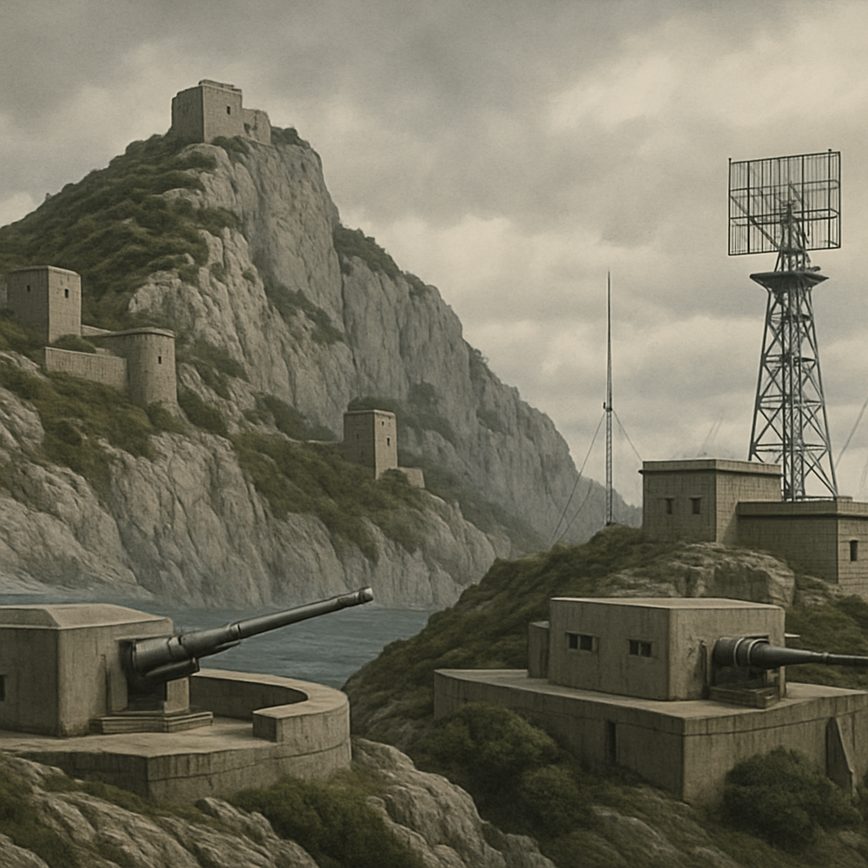
Gibraltar’s history is marked by its extraordinary geopolitical significance, particularly during times of war. Situated at the southern tip of the Iberian Peninsula, this small yet formidable territory has long been recognized for its strategic importance in controlling access to the Mediterranean Sea. Its location allowed it to serve as a critical naval base, controlling the narrow Strait of Gibraltar, through which a vast majority of naval and commercial traffic passed. This control made Gibraltar a linchpin in wartime strategies, particularly during conflicts involving major naval powers.

Throughout military history, Gibraltar has been a symbol of strength and resilience. Its natural rock fortress provided an impregnable defense against enemy attacks, and its well-fortified military installations turned it into a bastion of defense. During wartime Gibraltar became a vital stronghold for the British military, serving as a staging point for naval operations and a hub for intelligence and espionage activities. The territory’s fortifications were continuously enhanced to counter any threats from land, sea, or air.

The strategic importance of wartime Gibraltar extended beyond mere defense. It acted as a crucial supply and refueling point for Allied fleets, enabling sustained naval campaigns in the Mediterranean and North African theaters. The ability to project power from Gibraltar allowed the Allies to restrict Axis naval movements and secure shipping lanes essential for the war effort. This role underscored Gibraltar’s pivotal place in global military history, as its control often tipped the balance of power in regional conflicts.

Moreover, Gibraltar’s wartime legacy includes its role in intelligence and spy networks. Its position as a military stronghold made it a hotbed for espionage, intercepting communications and gathering vital information to support military operations. This blend of natural geography and military engineering cemented Gibraltar’s place in history as an indispensable asset in wartime efforts, illustrating the enduring interplay of geography and strategy in shaping geopolitical outcomes.

Strategic Importance of Gibraltar

Gibraltar’s strategic location at the entrance to the Mediterranean Sea made it a pivotal naval base throughout wartime. Controlling this key point allowed military forces to regulate naval passage between the Atlantic Ocean and the Mediterranean, effectively dominating a vital maritime route. The fortress city’s position enabled the Allies to monitor and intercept enemy ships, thereby securing supply lines and restricting Axis naval movements during critical periods of conflict. Gibraltar’s natural geography, combined with extensive fortifications, enhanced its role as a military stronghold, providing a secure harbor for naval vessels and a launch point for operations across Southern Europe and North Africa. In wartime strategy, maintaining control of Gibraltar meant exerting immense influence over Mediterranean control, crucial for both offensive and defensive maneuvers. This control ensured that the Mediterranean remained accessible for Allied transport and reinforcement, while denying adversaries a significant foothold. The naval base also served as a vital intelligence and communications hub, supporting espionage networks and naval coordination. Overall, Gibraltar’s importance in wartime strategy cannot be overstated; it was a linchpin in the broader effort to dominate Mediterranean waters and secure victory in various military campaigns.

Overview of Wartime Conflicts Involving Gibraltar

Gibraltar has played a crucial role in several major wartime conflicts due to its strategic position at the entrance of the Mediterranean Sea. Throughout history, its unique location made it a focal point in various sieges and military campaigns aimed at controlling naval passage between the Atlantic Ocean and the Mediterranean.

During WWII, Gibraltar was of immense strategic significance as a fortress and naval base, enabling the Allies to control access to the Mediterranean and support operations in North Africa and Southern Europe. The territory was heavily fortified and served as a critical hub for intelligence and military logistics. Its defenses were continuously tested by Axis powers attempting to disrupt Allied control.

Beyond WWII, Gibraltar has experienced numerous wartime conflicts involving sieges and military confrontations, such as during the War of Spanish Succession and the Great Siege of Gibraltar in the late 18th century. These historic conflicts highlight the importance of Gibraltar as a military stronghold whose control influenced broader regional power dynamics.

Overall, the wartime conflicts associated with Gibraltar, from sieges to extensive military campaigns, underscore its enduring strategic importance in global military history, with WWII Gibraltar standing out as a pivotal example of its role in modern warfare.

Spy Networks Operating in Gibraltar During War

Throughout wartime, Gibraltar was a hotbed of extensive spy networks, each playing a critical role in the intricate game of wartime espionage. Due to its strategic location controlling access to the Mediterranean, Gibraltar attracted numerous intelligence operations seeking to gain the upper hand in military and naval engagements. These spy networks, composed of local agents, foreign operatives, and double agents, were essential to the Allied and Axis powers alike.

At the heart of Gibraltar’s espionage scene were the British intelligence services, who established a highly efficient network to monitor Axis movements in the Mediterranean. Their primary objective was to intercept and decode enemy transmissions, gather information about submarine deployments, and prevent sabotage within the fortress. Gibraltar spies embedded within the civilian population and military installations provided critical reports that ensured the safety of naval convoys and readiness of defenses.

Opposing them were Axis spy networks, particularly those linked with German and Italian intelligence. These networks aimed to infiltrate Gibraltar’s defenses and disrupt Allied operations. They relied heavily on clandestine communications, secret drop points, and covert observation posts around the Rock. Their attempts to undermine the Allied control over the Strait of Gibraltar were persistent, involving attempts to spread misinformation and recruit sympathizers among the local and expatriate communities.

In addition to these major players, smaller and independent spy rings also operated in Gibraltar. Some acted on behalf of other nations or rival factions, while others were motivated by profit or ideology. These groups often dealt in the exchange of sensitive information regarding troop movements or the installation of new military hardware. Their activities added another layer of complexity to the intelligence operations on the Rock.

Collectively, the diverse spy networks in wartime Gibraltar exemplify the critical role intelligence operations played in shaping military outcomes. Their vigilance and cunning ensured Gibraltar remained a key strategic asset, guarded against both overt attack and covert threats. The legacy of these Gibraltar spies highlights the enduring importance of espionage in wartime strategy and national security.

British Intelligence and Counterespionage Efforts

During the wartime period, British intelligence took rigorous measures to safeguard Gibraltar from enemy infiltration. British intelligence agencies, notably MI6, implemented a comprehensive network of surveillance and counterespionage operations designed to monitor suspected enemy agents. These efforts were crucial in maintaining wartime security in this strategically vital British territory, which served as a critical naval base and gateway to the Mediterranean.

The British intelligence apparatus in Gibraltar focused on intercepting communications, vetting incoming personnel, and conducting undercover operations to identify spies attempting to gather sensitive military information. MI6 operations coordinated closely with military police and local informants to establish a layered defense against espionage threats. The use of double agents and cryptanalysis further enhanced their capabilities in neutralizing spy networks.

Counterespionage efforts were not limited to human intelligence; physical security was intensified around key installations, and movement within Gibraltar was strictly controlled to prevent enemy agents from gaining access. These proactive intelligence activities were vital in foiling sabotage plans, protecting naval secrets, and ensuring that Gibraltar remained impenetrable to Axis espionage throughout the war.

Overall, British intelligence’s vigilant counterespionage measures in Gibraltar exemplify a multifaceted approach to wartime security that combined technological, human, and strategic resources to maintain Allied dominance in the region.

Axis Powers’ Espionage Activities

During the wartime period, Axis spies played a crucial role in the intelligence battle over Gibraltar. German espionage efforts were particularly focused on intercepting Allied communications and gathering detailed information about military operations and troop movements. Utilizing covert infiltration and radio transmissions, these spies sought to provide the German high command with real-time intelligence to undermine Allied strategies.

Italian intelligence, meanwhile, pursued multifaceted tactics to disrupt Allied operations. They deployed agents within local communities and maritime networks around Gibraltar, aiming to sabotage logistics and naval supply lines. This covert sabotage included attempts to damage critical infrastructure and hamper communication systems that were vital for the Allied war effort.

Both German espionage and Italian intelligence made extensive use of secret codes, dead drops, and clandestine meetings to exchange information without detection. The constant threat of exposure forced Axis spies to adapt rapidly and develop increasingly sophisticated methods to evade the vigilant Allied counterintelligence in the region.

Ultimately, the espionage tactics of the Axis powers in Gibraltar combined intelligence gathering with active sabotage attempts, aiming to destabilize the Allied presence and gain strategic advantage. These operations added a complex layer to the already intense conflict surrounding this critical wartime fortress.

Notable Spies and Informants in Gibraltar

The intelligence landscape in wartime Gibraltar was shaped by a number of notable spies and wartime informants whose contributions left an indelible mark on history. These intelligence agents operated in an intricate web of espionage, providing crucial information that influenced military strategies and security measures in the region.

One of the most prominent figures was Juan Romero, a local informant who managed to relay vital information to British intelligence from within the Spanish and Axis networks. His ability to navigate different communities within Gibraltar made him invaluable in uncovering plots and monitoring enemy movements. Romero’s stories of close calls and daring escapes became legendary among wartime spies.

Another key player was Elizabeth Parker, a British intelligence agent stationed in Gibraltar. Her expertise in codebreaking and surveillance helped intercept numerous enemy communications, enhancing the operational security of Allied forces. Parker’s work exemplified the critical role that intelligence agents played behind the scenes, often without public recognition.

Additionally, local fishermen and dock workers often doubled as informants, secretly passing along observations on suspicious activities and unusual naval movements. Their familiarity with the terrain and routines around Gibraltar’s harbors made their contributions highly effective in maintaining vigilance. These unsung wartime informants complemented the efforts of official spies, creating a comprehensive intelligence network.

Together, these notable spies and informants helped safeguard Gibraltar during turbulent times. Their spy stories are not only fascinating chronicles of bravery but also a testament to the indispensable role of human intelligence in wartime Gibraltar’s defense strategy.

Impact and Legacy of Spy Networks in Gibraltar

The spy networks active in Gibraltar during wartime have left a profound and lasting impact on both the military history and intelligence practices of the region. These clandestine operations were instrumental not only in shaping the course of the wars in which Gibraltar played a strategic role but also in setting foundational precedents for modern espionage and intelligence-gathering techniques. The spy network impact extends far beyond the immediate tactical advantages achieved during wartime, influencing how intelligence agencies operate in Gibraltar to this day.

During wartime, Gibraltar’s unique position as a fortress and naval base made it a vital hub for espionage activities. The wartime intelligence legacy established here is characterized by the sophisticated use of double agents, coded communications, and covert surveillance that many military historians now recognize as pioneering. These methods contributed significantly to the broader Allied efforts, and their adaptation in post-war intelligence underscores the ongoing relevance of Gibraltar’s espionage history.

The Gibraltar espionage effects are evident in how modern intelligence units incorporate lessons learned from the historic spy networks. For instance, the emphasis on local human intelligence—recruiting informants from within the community—originated from wartime practices. Such methods have had a lasting effect on spy network outcomes by fostering tighter security protocols and more nuanced understanding of counterintelligence threats, which has helped maintain Gibraltar’s strategic defense capabilities.

Moreover, the legacy of espionage has influenced Gibraltar’s military policies and training programs, ensuring that intelligence work remains a cornerstone of its defense strategy. The knowledge accumulated from spy network outcomes has been integrated into both tactical and strategic military education, allowing future generations of officers and intelligence operatives to build upon a robust foundation. This ongoing evolution signifies that Gibraltar’s wartime spy networks have not only shaped historical military successes but continue to define the territory’s defense readiness in a modern context.

In conclusion, the impact and legacy of wartime spy networks in Gibraltar are deeply embedded in the territory’s military history and current intelligence practices. The innovations and strategies developed during periods of conflict have had lasting effects, ensuring that Gibraltar remains a critical and well-defended intelligence hub. Understanding this legacy is essential for appreciating the strategic significance of Gibraltar in global military and espionage arenas.

Effect on Military Campaigns and Outcomes

Espionage in wartime Gibraltar played a pivotal role in shaping military outcomes and significantly influencing the trajectory of various campaigns. The strategic location of Gibraltar made it an invaluable intelligence hub, where spy networks meticulously gathered and relayed critical information about enemy movements, naval deployments, and military strategies. This intelligence impact often tipped the scales in favor of allied forces, allowing for more informed decisions and targeted operations.

The effectiveness of spies operating out of Gibraltar was seen in key wartime victories, where timely information disrupted enemy plans and prevented surprise attacks. For instance, during World War II, intelligence gathered through spy networks helped the Allies monitor Axis naval activity in the Mediterranean, enabling them to safeguard convoy routes crucial for sustaining war efforts. Such intelligence success underscored the importance of maintaining and protecting espionage channels.

Moreover, the direct correlation between spy effectiveness and military outcomes heightened the perceived value of Gibraltar as a core intelligence asset. Commanders often leveraged insights from espionage to adapt their tactics swiftly, preventing losses and securing strategic advantages. In sum, the intelligence impact stemming from Gibraltar’s spy networks was instrumental in altering the course of military campaigns, emphasizing that well-coordinated espionage efforts can decisively influence wartime victories.

Evolution of Intelligence in Gibraltar Post-War

The wartime spy networks in Gibraltar were instrumental in shaping the post-war intelligence landscape of the region. During the conflict, these networks developed sophisticated methods of information gathering, transmission, and counterintelligence, which laid the groundwork for modern intelligence services in Gibraltar. The experience gained from managing complex espionage operations directly influenced the evolution of post-war intelligence strategies, emphasizing the significance of proactive surveillance and the integration of technological advancements.

Following the war, Gibraltar’s security infrastructure expanded noticeably, with intelligence services adopting more formalized roles. The spy network evolution during wartime highlighted the vital need for continuous monitoring and rapid response capabilities to protect the region from emerging threats, especially given its strategic geopolitical position. This recognition led to enhanced cooperation between local security forces and international intelligence agencies, aiming to maintain stability and safeguard Gibraltar’s security interests in a changing global environment.

Moreover, the post-war intelligence apparatus in Gibraltar benefitted from the lessons of deception and counterespionage tactics refined during the war. These experiences fostered a culture of vigilance and adaptability, which has persisted in Gibraltar’s intelligence services. Consequently, the legacy of wartime spy networks significantly informed the strategic development of intelligence and security services, ensuring that Gibraltar remained a secure and resilient outpost well into the post-war period.

Another key player was Elizabeth Parker, a British intelligence agent stationed in Gibraltar. Her expertise in codebreaking and surveillance helped intercept numerous enemy communications, enhancing the operational security of Allied forces. Parker’s work exemplified the critical role that intelligence agents played behind the scenes, often without public recognition.

Additionally, local fishermen and dock workers often doubled as informants, secretly passing along observations on suspicious activities and unusual naval movements. Their familiarity with the terrain and routines around Gibraltar’s harbors made their contributions highly effective in maintaining vigilance. These unsung wartime informants complemented the efforts of official spies, creating a comprehensive intelligence network.

Together, these notable spies and informants helped safeguard Gibraltar during turbulent times. Their spy stories are not only fascinating chronicles of bravery but also a testament to the indispensable role of human intelligence in wartime Gibraltar’s defense strategy.

Impact and Legacy of Spy Networks in Gibraltar

The spy networks active in Gibraltar during wartime have left a profound and lasting impact on both the military history and intelligence practices of the region. These clandestine operations were instrumental not only in shaping the course of the wars in which Gibraltar played a strategic role but also in setting foundational precedents for modern espionage and intelligence-gathering techniques. The spy network impact extends far beyond the immediate tactical advantages achieved during wartime, influencing how intelligence agencies operate in Gibraltar to this day.

During wartime, Gibraltar’s unique position as a fortress and naval base made it a vital hub for espionage activities. The wartime intelligence legacy established here is characterized by the sophisticated use of double agents, coded communications, and covert surveillance that many military historians now recognize as pioneering. These methods contributed significantly to the broader Allied efforts, and their adaptation in post-war intelligence underscores the ongoing relevance of Gibraltar’s espionage history.

The Gibraltar espionage effects are evident in how modern intelligence units incorporate lessons learned from the historic spy networks. For instance, the emphasis on local human intelligence—recruiting informants from within the community—originated from wartime practices. Such methods have had a lasting effect on spy network outcomes by fostering tighter security protocols and more nuanced understanding of counterintelligence threats, which has helped maintain Gibraltar’s strategic defense capabilities.

Moreover, the legacy of espionage has influenced Gibraltar’s military policies and training programs, ensuring that intelligence work remains a cornerstone of its defense strategy. The knowledge accumulated from spy network outcomes has been integrated into both tactical and strategic military education, allowing future generations of officers and intelligence operatives to build upon a robust foundation. This ongoing evolution signifies that Gibraltar’s wartime spy networks have not only shaped historical military successes but continue to define the territory’s defense readiness in a modern context.

In conclusion, the impact and legacy of wartime spy networks in Gibraltar are deeply embedded in the territory’s military history and current intelligence practices. The innovations and strategies developed during periods of conflict have had lasting effects, ensuring that Gibraltar remains a critical and well-defended intelligence hub. Understanding this legacy is essential for appreciating the strategic significance of Gibraltar in global military and espionage arenas.

Effect on Military Campaigns and Outcomes

Espionage in wartime Gibraltar played a pivotal role in shaping military outcomes and significantly influencing the trajectory of various campaigns. The strategic location of Gibraltar made it an invaluable intelligence hub, where spy networks meticulously gathered and relayed critical information about enemy movements, naval deployments, and military strategies. This intelligence impact often tipped the scales in favor of allied forces, allowing for more informed decisions and targeted operations.

The effectiveness of spies operating out of Gibraltar was seen in key wartime victories, where timely information disrupted enemy plans and prevented surprise attacks. For instance, during World War II, intelligence gathered through spy networks helped the Allies monitor Axis naval activity in the Mediterranean, enabling them to safeguard convoy routes crucial for sustaining war efforts. Such intelligence success underscored the importance of maintaining and protecting espionage channels.

Moreover, the direct correlation between spy effectiveness and military outcomes heightened the perceived value of Gibraltar as a core intelligence asset. Commanders often leveraged insights from espionage to adapt their tactics swiftly, preventing losses and securing strategic advantages. In sum, the intelligence impact stemming from Gibraltar’s spy networks was instrumental in altering the course of military campaigns, emphasizing that well-coordinated espionage efforts can decisively influence wartime victories.

Evolution of Intelligence in Gibraltar Post-War

The wartime spy networks in Gibraltar were instrumental in shaping the post-war intelligence landscape of the region. During the conflict, these networks developed sophisticated methods of information gathering, transmission, and counterintelligence, which laid the groundwork for modern intelligence services in Gibraltar. The experience gained from managing complex espionage operations directly influenced the evolution of post-war intelligence strategies, emphasizing the significance of proactive surveillance and the integration of technological advancements.

Following the war, Gibraltar’s security infrastructure expanded noticeably, with intelligence services adopting more formalized roles. The spy network evolution during wartime highlighted the vital need for continuous monitoring and rapid response capabilities to protect the region from emerging threats, especially given its strategic geopolitical position. This recognition led to enhanced cooperation between local security forces and international intelligence agencies, aiming to maintain stability and safeguard Gibraltar’s security interests in a changing global environment.

Moreover, the post-war intelligence apparatus in Gibraltar benefitted from the lessons of deception and counterespionage tactics refined during the war. These experiences fostered a culture of vigilance and adaptability, which has persisted in Gibraltar’s intelligence services. Consequently, the legacy of wartime spy networks significantly informed the strategic development of intelligence and security services, ensuring that Gibraltar remained a secure and resilient outpost well into the post-war period.

Historical Context of Wartime Gibraltar

Gibraltar’s history is marked by its extraordinary geopolitical significance, particularly during times of war. Situated at the southern tip of the Iberian Peninsula, this small yet formidable territory has long been recognized for its strategic importance in controlling access to the Mediterranean Sea. Its location allowed it to serve as a critical naval base, controlling the narrow Strait of Gibraltar, through which a vast majority of naval and commercial traffic passed. This control made Gibraltar a linchpin in wartime strategies, particularly during conflicts involving major naval powers.

Throughout military history, Gibraltar has been a symbol of strength and resilience. Its natural rock fortress provided an impregnable defense against enemy attacks, and its well-fortified military installations turned it into a bastion of defense. During wartime Gibraltar became a vital stronghold for the British military, serving as a staging point for naval operations and a hub for intelligence and espionage activities. The territory’s fortifications were continuously enhanced to counter any threats from land, sea, or air.

The strategic importance of wartime Gibraltar extended beyond mere defense. It acted as a crucial supply and refueling point for Allied fleets, enabling sustained naval campaigns in the Mediterranean and North African theaters. The ability to project power from Gibraltar allowed the Allies to restrict Axis naval movements and secure shipping lanes essential for the war effort. This role underscored Gibraltar’s pivotal place in global military history, as its control often tipped the balance of power in regional conflicts.

Moreover, Gibraltar’s wartime legacy includes its role in intelligence and spy networks. Its position as a military stronghold made it a hotbed for espionage, intercepting communications and gathering vital information to support military operations. This blend of natural geography and military engineering cemented Gibraltar’s place in history as an indispensable asset in wartime efforts, illustrating the enduring interplay of geography and strategy in shaping geopolitical outcomes.

Strategic Importance of Gibraltar

Gibraltar’s strategic location at the entrance to the Mediterranean Sea made it a pivotal naval base throughout wartime. Controlling this key point allowed military forces to regulate naval passage between the Atlantic Ocean and the Mediterranean, effectively dominating a vital maritime route. The fortress city’s position enabled the Allies to monitor and intercept enemy ships, thereby securing supply lines and restricting Axis naval movements during critical periods of conflict. Gibraltar’s natural geography, combined with extensive fortifications, enhanced its role as a military stronghold, providing a secure harbor for naval vessels and a launch point for operations across Southern Europe and North Africa. In wartime strategy, maintaining control of Gibraltar meant exerting immense influence over Mediterranean control, crucial for both offensive and defensive maneuvers. This control ensured that the Mediterranean remained accessible for Allied transport and reinforcement, while denying adversaries a significant foothold. The naval base also served as a vital intelligence and communications hub, supporting espionage networks and naval coordination. Overall, Gibraltar’s importance in wartime strategy cannot be overstated; it was a linchpin in the broader effort to dominate Mediterranean waters and secure victory in various military campaigns.

Overview of Wartime Conflicts Involving Gibraltar

Gibraltar has played a crucial role in several major wartime conflicts due to its strategic position at the entrance of the Mediterranean Sea. Throughout history, its unique location made it a focal point in various sieges and military campaigns aimed at controlling naval passage between the Atlantic Ocean and the Mediterranean.

During WWII, Gibraltar was of immense strategic significance as a fortress and naval base, enabling the Allies to control access to the Mediterranean and support operations in North Africa and Southern Europe. The territory was heavily fortified and served as a critical hub for intelligence and military logistics. Its defenses were continuously tested by Axis powers attempting to disrupt Allied control.

Beyond WWII, Gibraltar has experienced numerous wartime conflicts involving sieges and military confrontations, such as during the War of Spanish Succession and the Great Siege of Gibraltar in the late 18th century. These historic conflicts highlight the importance of Gibraltar as a military stronghold whose control influenced broader regional power dynamics.

Overall, the wartime conflicts associated with Gibraltar, from sieges to extensive military campaigns, underscore its enduring strategic importance in global military history, with WWII Gibraltar standing out as a pivotal example of its role in modern warfare.

Spy Networks Operating in Gibraltar During War

Throughout wartime, Gibraltar was a hotbed of extensive spy networks, each playing a critical role in the intricate game of wartime espionage. Due to its strategic location controlling access to the Mediterranean, Gibraltar attracted numerous intelligence operations seeking to gain the upper hand in military and naval engagements. These spy networks, composed of local agents, foreign operatives, and double agents, were essential to the Allied and Axis powers alike.

At the heart of Gibraltar’s espionage scene were the British intelligence services, who established a highly efficient network to monitor Axis movements in the Mediterranean. Their primary objective was to intercept and decode enemy transmissions, gather information about submarine deployments, and prevent sabotage within the fortress. Gibraltar spies embedded within the civilian population and military installations provided critical reports that ensured the safety of naval convoys and readiness of defenses.

Opposing them were Axis spy networks, particularly those linked with German and Italian intelligence. These networks aimed to infiltrate Gibraltar’s defenses and disrupt Allied operations. They relied heavily on clandestine communications, secret drop points, and covert observation posts around the Rock. Their attempts to undermine the Allied control over the Strait of Gibraltar were persistent, involving attempts to spread misinformation and recruit sympathizers among the local and expatriate communities.

In addition to these major players, smaller and independent spy rings also operated in Gibraltar. Some acted on behalf of other nations or rival factions, while others were motivated by profit or ideology. These groups often dealt in the exchange of sensitive information regarding troop movements or the installation of new military hardware. Their activities added another layer of complexity to the intelligence operations on the Rock.

Collectively, the diverse spy networks in wartime Gibraltar exemplify the critical role intelligence operations played in shaping military outcomes. Their vigilance and cunning ensured Gibraltar remained a key strategic asset, guarded against both overt attack and covert threats. The legacy of these Gibraltar spies highlights the enduring importance of espionage in wartime strategy and national security.

British Intelligence and Counterespionage Efforts

During the wartime period, British intelligence took rigorous measures to safeguard Gibraltar from enemy infiltration. British intelligence agencies, notably MI6, implemented a comprehensive network of surveillance and counterespionage operations designed to monitor suspected enemy agents. These efforts were crucial in maintaining wartime security in this strategically vital British territory, which served as a critical naval base and gateway to the Mediterranean.

The British intelligence apparatus in Gibraltar focused on intercepting communications, vetting incoming personnel, and conducting undercover operations to identify spies attempting to gather sensitive military information. MI6 operations coordinated closely with military police and local informants to establish a layered defense against espionage threats. The use of double agents and cryptanalysis further enhanced their capabilities in neutralizing spy networks.

Counterespionage efforts were not limited to human intelligence; physical security was intensified around key installations, and movement within Gibraltar was strictly controlled to prevent enemy agents from gaining access. These proactive intelligence activities were vital in foiling sabotage plans, protecting naval secrets, and ensuring that Gibraltar remained impenetrable to Axis espionage throughout the war.

Overall, British intelligence’s vigilant counterespionage measures in Gibraltar exemplify a multifaceted approach to wartime security that combined technological, human, and strategic resources to maintain Allied dominance in the region.

Axis Powers’ Espionage Activities

During the wartime period, Axis spies played a crucial role in the intelligence battle over Gibraltar. German espionage efforts were particularly focused on intercepting Allied communications and gathering detailed information about military operations and troop movements. Utilizing covert infiltration and radio transmissions, these spies sought to provide the German high command with real-time intelligence to undermine Allied strategies.

Italian intelligence, meanwhile, pursued multifaceted tactics to disrupt Allied operations. They deployed agents within local communities and maritime networks around Gibraltar, aiming to sabotage logistics and naval supply lines. This covert sabotage included attempts to damage critical infrastructure and hamper communication systems that were vital for the Allied war effort.

Both German espionage and Italian intelligence made extensive use of secret codes, dead drops, and clandestine meetings to exchange information without detection. The constant threat of exposure forced Axis spies to adapt rapidly and develop increasingly sophisticated methods to evade the vigilant Allied counterintelligence in the region.

Ultimately, the espionage tactics of the Axis powers in Gibraltar combined intelligence gathering with active sabotage attempts, aiming to destabilize the Allied presence and gain strategic advantage. These operations added a complex layer to the already intense conflict surrounding this critical wartime fortress.

Notable Spies and Informants in Gibraltar

The intelligence landscape in wartime Gibraltar was shaped by a number of notable spies and wartime informants whose contributions left an indelible mark on history. These intelligence agents operated in an intricate web of espionage, providing crucial information that influenced military strategies and security measures in the region.

One of the most prominent figures was Juan Romero, a local informant who managed to relay vital information to British intelligence from within the Spanish and Axis networks. His ability to navigate different communities within Gibraltar made him invaluable in uncovering plots and monitoring enemy movements. Romero’s stories of close calls and daring escapes became legendary among wartime spies.

Another key player was Elizabeth Parker, a British intelligence agent stationed in Gibraltar. Her expertise in codebreaking and surveillance helped intercept numerous enemy communications, enhancing the operational security of Allied forces. Parker’s work exemplified the critical role that intelligence agents played behind the scenes, often without public recognition.

Additionally, local fishermen and dock workers often doubled as informants, secretly passing along observations on suspicious activities and unusual naval movements. Their familiarity with the terrain and routines around Gibraltar’s harbors made their contributions highly effective in maintaining vigilance. These unsung wartime informants complemented the efforts of official spies, creating a comprehensive intelligence network.

Together, these notable spies and informants helped safeguard Gibraltar during turbulent times. Their spy stories are not only fascinating chronicles of bravery but also a testament to the indispensable role of human intelligence in wartime Gibraltar’s defense strategy.

Impact and Legacy of Spy Networks in Gibraltar

The spy networks active in Gibraltar during wartime have left a profound and lasting impact on both the military history and intelligence practices of the region. These clandestine operations were instrumental not only in shaping the course of the wars in which Gibraltar played a strategic role but also in setting foundational precedents for modern espionage and intelligence-gathering techniques. The spy network impact extends far beyond the immediate tactical advantages achieved during wartime, influencing how intelligence agencies operate in Gibraltar to this day.

During wartime, Gibraltar’s unique position as a fortress and naval base made it a vital hub for espionage activities. The wartime intelligence legacy established here is characterized by the sophisticated use of double agents, coded communications, and covert surveillance that many military historians now recognize as pioneering. These methods contributed significantly to the broader Allied efforts, and their adaptation in post-war intelligence underscores the ongoing relevance of Gibraltar’s espionage history.

The Gibraltar espionage effects are evident in how modern intelligence units incorporate lessons learned from the historic spy networks. For instance, the emphasis on local human intelligence—recruiting informants from within the community—originated from wartime practices. Such methods have had a lasting effect on spy network outcomes by fostering tighter security protocols and more nuanced understanding of counterintelligence threats, which has helped maintain Gibraltar’s strategic defense capabilities.

Moreover, the legacy of espionage has influenced Gibraltar’s military policies and training programs, ensuring that intelligence work remains a cornerstone of its defense strategy. The knowledge accumulated from spy network outcomes has been integrated into both tactical and strategic military education, allowing future generations of officers and intelligence operatives to build upon a robust foundation. This ongoing evolution signifies that Gibraltar’s wartime spy networks have not only shaped historical military successes but continue to define the territory’s defense readiness in a modern context.

In conclusion, the impact and legacy of wartime spy networks in Gibraltar are deeply embedded in the territory’s military history and current intelligence practices. The innovations and strategies developed during periods of conflict have had lasting effects, ensuring that Gibraltar remains a critical and well-defended intelligence hub. Understanding this legacy is essential for appreciating the strategic significance of Gibraltar in global military and espionage arenas.

Effect on Military Campaigns and Outcomes

Espionage in wartime Gibraltar played a pivotal role in shaping military outcomes and significantly influencing the trajectory of various campaigns. The strategic location of Gibraltar made it an invaluable intelligence hub, where spy networks meticulously gathered and relayed critical information about enemy movements, naval deployments, and military strategies. This intelligence impact often tipped the scales in favor of allied forces, allowing for more informed decisions and targeted operations.

The effectiveness of spies operating out of Gibraltar was seen in key wartime victories, where timely information disrupted enemy plans and prevented surprise attacks. For instance, during World War II, intelligence gathered through spy networks helped the Allies monitor Axis naval activity in the Mediterranean, enabling them to safeguard convoy routes crucial for sustaining war efforts. Such intelligence success underscored the importance of maintaining and protecting espionage channels.

Moreover, the direct correlation between spy effectiveness and military outcomes heightened the perceived value of Gibraltar as a core intelligence asset. Commanders often leveraged insights from espionage to adapt their tactics swiftly, preventing losses and securing strategic advantages. In sum, the intelligence impact stemming from Gibraltar’s spy networks was instrumental in altering the course of military campaigns, emphasizing that well-coordinated espionage efforts can decisively influence wartime victories.

Evolution of Intelligence in Gibraltar Post-War

The wartime spy networks in Gibraltar were instrumental in shaping the post-war intelligence landscape of the region. During the conflict, these networks developed sophisticated methods of information gathering, transmission, and counterintelligence, which laid the groundwork for modern intelligence services in Gibraltar. The experience gained from managing complex espionage operations directly influenced the evolution of post-war intelligence strategies, emphasizing the significance of proactive surveillance and the integration of technological advancements.

Following the war, Gibraltar’s security infrastructure expanded noticeably, with intelligence services adopting more formalized roles. The spy network evolution during wartime highlighted the vital need for continuous monitoring and rapid response capabilities to protect the region from emerging threats, especially given its strategic geopolitical position. This recognition led to enhanced cooperation between local security forces and international intelligence agencies, aiming to maintain stability and safeguard Gibraltar’s security interests in a changing global environment.

Moreover, the post-war intelligence apparatus in Gibraltar benefitted from the lessons of deception and counterespionage tactics refined during the war. These experiences fostered a culture of vigilance and adaptability, which has persisted in Gibraltar’s intelligence services. Consequently, the legacy of wartime spy networks significantly informed the strategic development of intelligence and security services, ensuring that Gibraltar remained a secure and resilient outpost well into the post-war period.

Another key player was Elizabeth Parker, a British intelligence agent stationed in Gibraltar. Her expertise in codebreaking and surveillance helped intercept numerous enemy communications, enhancing the operational security of Allied forces. Parker’s work exemplified the critical role that intelligence agents played behind the scenes, often without public recognition.

Additionally, local fishermen and dock workers often doubled as informants, secretly passing along observations on suspicious activities and unusual naval movements. Their familiarity with the terrain and routines around Gibraltar’s harbors made their contributions highly effective in maintaining vigilance. These unsung wartime informants complemented the efforts of official spies, creating a comprehensive intelligence network.

Together, these notable spies and informants helped safeguard Gibraltar during turbulent times. Their spy stories are not only fascinating chronicles of bravery but also a testament to the indispensable role of human intelligence in wartime Gibraltar’s defense strategy.

Impact and Legacy of Spy Networks in Gibraltar

The spy networks active in Gibraltar during wartime have left a profound and lasting impact on both the military history and intelligence practices of the region. These clandestine operations were instrumental not only in shaping the course of the wars in which Gibraltar played a strategic role but also in setting foundational precedents for modern espionage and intelligence-gathering techniques. The spy network impact extends far beyond the immediate tactical advantages achieved during wartime, influencing how intelligence agencies operate in Gibraltar to this day.

During wartime, Gibraltar’s unique position as a fortress and naval base made it a vital hub for espionage activities. The wartime intelligence legacy established here is characterized by the sophisticated use of double agents, coded communications, and covert surveillance that many military historians now recognize as pioneering. These methods contributed significantly to the broader Allied efforts, and their adaptation in post-war intelligence underscores the ongoing relevance of Gibraltar’s espionage history.

The Gibraltar espionage effects are evident in how modern intelligence units incorporate lessons learned from the historic spy networks. For instance, the emphasis on local human intelligence—recruiting informants from within the community—originated from wartime practices. Such methods have had a lasting effect on spy network outcomes by fostering tighter security protocols and more nuanced understanding of counterintelligence threats, which has helped maintain Gibraltar’s strategic defense capabilities.

Moreover, the legacy of espionage has influenced Gibraltar’s military policies and training programs, ensuring that intelligence work remains a cornerstone of its defense strategy. The knowledge accumulated from spy network outcomes has been integrated into both tactical and strategic military education, allowing future generations of officers and intelligence operatives to build upon a robust foundation. This ongoing evolution signifies that Gibraltar’s wartime spy networks have not only shaped historical military successes but continue to define the territory’s defense readiness in a modern context.

In conclusion, the impact and legacy of wartime spy networks in Gibraltar are deeply embedded in the territory’s military history and current intelligence practices. The innovations and strategies developed during periods of conflict have had lasting effects, ensuring that Gibraltar remains a critical and well-defended intelligence hub. Understanding this legacy is essential for appreciating the strategic significance of Gibraltar in global military and espionage arenas.

Effect on Military Campaigns and Outcomes

Espionage in wartime Gibraltar played a pivotal role in shaping military outcomes and significantly influencing the trajectory of various campaigns. The strategic location of Gibraltar made it an invaluable intelligence hub, where spy networks meticulously gathered and relayed critical information about enemy movements, naval deployments, and military strategies. This intelligence impact often tipped the scales in favor of allied forces, allowing for more informed decisions and targeted operations.

The effectiveness of spies operating out of Gibraltar was seen in key wartime victories, where timely information disrupted enemy plans and prevented surprise attacks. For instance, during World War II, intelligence gathered through spy networks helped the Allies monitor Axis naval activity in the Mediterranean, enabling them to safeguard convoy routes crucial for sustaining war efforts. Such intelligence success underscored the importance of maintaining and protecting espionage channels.

Moreover, the direct correlation between spy effectiveness and military outcomes heightened the perceived value of Gibraltar as a core intelligence asset. Commanders often leveraged insights from espionage to adapt their tactics swiftly, preventing losses and securing strategic advantages. In sum, the intelligence impact stemming from Gibraltar’s spy networks was instrumental in altering the course of military campaigns, emphasizing that well-coordinated espionage efforts can decisively influence wartime victories.

Evolution of Intelligence in Gibraltar Post-War

The wartime spy networks in Gibraltar were instrumental in shaping the post-war intelligence landscape of the region. During the conflict, these networks developed sophisticated methods of information gathering, transmission, and counterintelligence, which laid the groundwork for modern intelligence services in Gibraltar. The experience gained from managing complex espionage operations directly influenced the evolution of post-war intelligence strategies, emphasizing the significance of proactive surveillance and the integration of technological advancements.

Following the war, Gibraltar’s security infrastructure expanded noticeably, with intelligence services adopting more formalized roles. The spy network evolution during wartime highlighted the vital need for continuous monitoring and rapid response capabilities to protect the region from emerging threats, especially given its strategic geopolitical position. This recognition led to enhanced cooperation between local security forces and international intelligence agencies, aiming to maintain stability and safeguard Gibraltar’s security interests in a changing global environment.

Moreover, the post-war intelligence apparatus in Gibraltar benefitted from the lessons of deception and counterespionage tactics refined during the war. These experiences fostered a culture of vigilance and adaptability, which has persisted in Gibraltar’s intelligence services. Consequently, the legacy of wartime spy networks significantly informed the strategic development of intelligence and security services, ensuring that Gibraltar remained a secure and resilient outpost well into the post-war period.

Historical Context of Wartime Gibraltar

Gibraltar’s history is marked by its extraordinary geopolitical significance, particularly during times of war. Situated at the southern tip of the Iberian Peninsula, this small yet formidable territory has long been recognized for its strategic importance in controlling access to the Mediterranean Sea. Its location allowed it to serve as a critical naval base, controlling the narrow Strait of Gibraltar, through which a vast majority of naval and commercial traffic passed. This control made Gibraltar a linchpin in wartime strategies, particularly during conflicts involving major naval powers.

Throughout military history, Gibraltar has been a symbol of strength and resilience. Its natural rock fortress provided an impregnable defense against enemy attacks, and its well-fortified military installations turned it into a bastion of defense. During wartime Gibraltar became a vital stronghold for the British military, serving as a staging point for naval operations and a hub for intelligence and espionage activities. The territory’s fortifications were continuously enhanced to counter any threats from land, sea, or air.

The strategic importance of wartime Gibraltar extended beyond mere defense. It acted as a crucial supply and refueling point for Allied fleets, enabling sustained naval campaigns in the Mediterranean and North African theaters. The ability to project power from Gibraltar allowed the Allies to restrict Axis naval movements and secure shipping lanes essential for the war effort. This role underscored Gibraltar’s pivotal place in global military history, as its control often tipped the balance of power in regional conflicts.

Moreover, Gibraltar’s wartime legacy includes its role in intelligence and spy networks. Its position as a military stronghold made it a hotbed for espionage, intercepting communications and gathering vital information to support military operations. This blend of natural geography and military engineering cemented Gibraltar’s place in history as an indispensable asset in wartime efforts, illustrating the enduring interplay of geography and strategy in shaping geopolitical outcomes.

Strategic Importance of Gibraltar

Gibraltar’s strategic location at the entrance to the Mediterranean Sea made it a pivotal naval base throughout wartime. Controlling this key point allowed military forces to regulate naval passage between the Atlantic Ocean and the Mediterranean, effectively dominating a vital maritime route. The fortress city’s position enabled the Allies to monitor and intercept enemy ships, thereby securing supply lines and restricting Axis naval movements during critical periods of conflict. Gibraltar’s natural geography, combined with extensive fortifications, enhanced its role as a military stronghold, providing a secure harbor for naval vessels and a launch point for operations across Southern Europe and North Africa. In wartime strategy, maintaining control of Gibraltar meant exerting immense influence over Mediterranean control, crucial for both offensive and defensive maneuvers. This control ensured that the Mediterranean remained accessible for Allied transport and reinforcement, while denying adversaries a significant foothold. The naval base also served as a vital intelligence and communications hub, supporting espionage networks and naval coordination. Overall, Gibraltar’s importance in wartime strategy cannot be overstated; it was a linchpin in the broader effort to dominate Mediterranean waters and secure victory in various military campaigns.

Overview of Wartime Conflicts Involving Gibraltar

Gibraltar has played a crucial role in several major wartime conflicts due to its strategic position at the entrance of the Mediterranean Sea. Throughout history, its unique location made it a focal point in various sieges and military campaigns aimed at controlling naval passage between the Atlantic Ocean and the Mediterranean.

During WWII, Gibraltar was of immense strategic significance as a fortress and naval base, enabling the Allies to control access to the Mediterranean and support operations in North Africa and Southern Europe. The territory was heavily fortified and served as a critical hub for intelligence and military logistics. Its defenses were continuously tested by Axis powers attempting to disrupt Allied control.

Beyond WWII, Gibraltar has experienced numerous wartime conflicts involving sieges and military confrontations, such as during the War of Spanish Succession and the Great Siege of Gibraltar in the late 18th century. These historic conflicts highlight the importance of Gibraltar as a military stronghold whose control influenced broader regional power dynamics.

Overall, the wartime conflicts associated with Gibraltar, from sieges to extensive military campaigns, underscore its enduring strategic importance in global military history, with WWII Gibraltar standing out as a pivotal example of its role in modern warfare.

Spy Networks Operating in Gibraltar During War

Throughout wartime, Gibraltar was a hotbed of extensive spy networks, each playing a critical role in the intricate game of wartime espionage. Due to its strategic location controlling access to the Mediterranean, Gibraltar attracted numerous intelligence operations seeking to gain the upper hand in military and naval engagements. These spy networks, composed of local agents, foreign operatives, and double agents, were essential to the Allied and Axis powers alike.

At the heart of Gibraltar’s espionage scene were the British intelligence services, who established a highly efficient network to monitor Axis movements in the Mediterranean. Their primary objective was to intercept and decode enemy transmissions, gather information about submarine deployments, and prevent sabotage within the fortress. Gibraltar spies embedded within the civilian population and military installations provided critical reports that ensured the safety of naval convoys and readiness of defenses.

Opposing them were Axis spy networks, particularly those linked with German and Italian intelligence. These networks aimed to infiltrate Gibraltar’s defenses and disrupt Allied operations. They relied heavily on clandestine communications, secret drop points, and covert observation posts around the Rock. Their attempts to undermine the Allied control over the Strait of Gibraltar were persistent, involving attempts to spread misinformation and recruit sympathizers among the local and expatriate communities.

In addition to these major players, smaller and independent spy rings also operated in Gibraltar. Some acted on behalf of other nations or rival factions, while others were motivated by profit or ideology. These groups often dealt in the exchange of sensitive information regarding troop movements or the installation of new military hardware. Their activities added another layer of complexity to the intelligence operations on the Rock.

Collectively, the diverse spy networks in wartime Gibraltar exemplify the critical role intelligence operations played in shaping military outcomes. Their vigilance and cunning ensured Gibraltar remained a key strategic asset, guarded against both overt attack and covert threats. The legacy of these Gibraltar spies highlights the enduring importance of espionage in wartime strategy and national security.

British Intelligence and Counterespionage Efforts

During the wartime period, British intelligence took rigorous measures to safeguard Gibraltar from enemy infiltration. British intelligence agencies, notably MI6, implemented a comprehensive network of surveillance and counterespionage operations designed to monitor suspected enemy agents. These efforts were crucial in maintaining wartime security in this strategically vital British territory, which served as a critical naval base and gateway to the Mediterranean.

The British intelligence apparatus in Gibraltar focused on intercepting communications, vetting incoming personnel, and conducting undercover operations to identify spies attempting to gather sensitive military information. MI6 operations coordinated closely with military police and local informants to establish a layered defense against espionage threats. The use of double agents and cryptanalysis further enhanced their capabilities in neutralizing spy networks.

Counterespionage efforts were not limited to human intelligence; physical security was intensified around key installations, and movement within Gibraltar was strictly controlled to prevent enemy agents from gaining access. These proactive intelligence activities were vital in foiling sabotage plans, protecting naval secrets, and ensuring that Gibraltar remained impenetrable to Axis espionage throughout the war.

Overall, British intelligence’s vigilant counterespionage measures in Gibraltar exemplify a multifaceted approach to wartime security that combined technological, human, and strategic resources to maintain Allied dominance in the region.

Axis Powers’ Espionage Activities

During the wartime period, Axis spies played a crucial role in the intelligence battle over Gibraltar. German espionage efforts were particularly focused on intercepting Allied communications and gathering detailed information about military operations and troop movements. Utilizing covert infiltration and radio transmissions, these spies sought to provide the German high command with real-time intelligence to undermine Allied strategies.

Italian intelligence, meanwhile, pursued multifaceted tactics to disrupt Allied operations. They deployed agents within local communities and maritime networks around Gibraltar, aiming to sabotage logistics and naval supply lines. This covert sabotage included attempts to damage critical infrastructure and hamper communication systems that were vital for the Allied war effort.

Both German espionage and Italian intelligence made extensive use of secret codes, dead drops, and clandestine meetings to exchange information without detection. The constant threat of exposure forced Axis spies to adapt rapidly and develop increasingly sophisticated methods to evade the vigilant Allied counterintelligence in the region.

Ultimately, the espionage tactics of the Axis powers in Gibraltar combined intelligence gathering with active sabotage attempts, aiming to destabilize the Allied presence and gain strategic advantage. These operations added a complex layer to the already intense conflict surrounding this critical wartime fortress.

Notable Spies and Informants in Gibraltar

The intelligence landscape in wartime Gibraltar was shaped by a number of notable spies and wartime informants whose contributions left an indelible mark on history. These intelligence agents operated in an intricate web of espionage, providing crucial information that influenced military strategies and security measures in the region.

One of the most prominent figures was Juan Romero, a local informant who managed to relay vital information to British intelligence from within the Spanish and Axis networks. His ability to navigate different communities within Gibraltar made him invaluable in uncovering plots and monitoring enemy movements. Romero’s stories of close calls and daring escapes became legendary among wartime spies.

Another key player was Elizabeth Parker, a British intelligence agent stationed in Gibraltar. Her expertise in codebreaking and surveillance helped intercept numerous enemy communications, enhancing the operational security of Allied forces. Parker’s work exemplified the critical role that intelligence agents played behind the scenes, often without public recognition.

Additionally, local fishermen and dock workers often doubled as informants, secretly passing along observations on suspicious activities and unusual naval movements. Their familiarity with the terrain and routines around Gibraltar’s harbors made their contributions highly effective in maintaining vigilance. These unsung wartime informants complemented the efforts of official spies, creating a comprehensive intelligence network.

Together, these notable spies and informants helped safeguard Gibraltar during turbulent times. Their spy stories are not only fascinating chronicles of bravery but also a testament to the indispensable role of human intelligence in wartime Gibraltar’s defense strategy.

Impact and Legacy of Spy Networks in Gibraltar

The spy networks active in Gibraltar during wartime have left a profound and lasting impact on both the military history and intelligence practices of the region. These clandestine operations were instrumental not only in shaping the course of the wars in which Gibraltar played a strategic role but also in setting foundational precedents for modern espionage and intelligence-gathering techniques. The spy network impact extends far beyond the immediate tactical advantages achieved during wartime, influencing how intelligence agencies operate in Gibraltar to this day.

During wartime, Gibraltar’s unique position as a fortress and naval base made it a vital hub for espionage activities. The wartime intelligence legacy established here is characterized by the sophisticated use of double agents, coded communications, and covert surveillance that many military historians now recognize as pioneering. These methods contributed significantly to the broader Allied efforts, and their adaptation in post-war intelligence underscores the ongoing relevance of Gibraltar’s espionage history.

The Gibraltar espionage effects are evident in how modern intelligence units incorporate lessons learned from the historic spy networks. For instance, the emphasis on local human intelligence—recruiting informants from within the community—originated from wartime practices. Such methods have had a lasting effect on spy network outcomes by fostering tighter security protocols and more nuanced understanding of counterintelligence threats, which has helped maintain Gibraltar’s strategic defense capabilities.

Moreover, the legacy of espionage has influenced Gibraltar’s military policies and training programs, ensuring that intelligence work remains a cornerstone of its defense strategy. The knowledge accumulated from spy network outcomes has been integrated into both tactical and strategic military education, allowing future generations of officers and intelligence operatives to build upon a robust foundation. This ongoing evolution signifies that Gibraltar’s wartime spy networks have not only shaped historical military successes but continue to define the territory’s defense readiness in a modern context.

In conclusion, the impact and legacy of wartime spy networks in Gibraltar are deeply embedded in the territory’s military history and current intelligence practices. The innovations and strategies developed during periods of conflict have had lasting effects, ensuring that Gibraltar remains a critical and well-defended intelligence hub. Understanding this legacy is essential for appreciating the strategic significance of Gibraltar in global military and espionage arenas.

Effect on Military Campaigns and Outcomes

Espionage in wartime Gibraltar played a pivotal role in shaping military outcomes and significantly influencing the trajectory of various campaigns. The strategic location of Gibraltar made it an invaluable intelligence hub, where spy networks meticulously gathered and relayed critical information about enemy movements, naval deployments, and military strategies. This intelligence impact often tipped the scales in favor of allied forces, allowing for more informed decisions and targeted operations.

The effectiveness of spies operating out of Gibraltar was seen in key wartime victories, where timely information disrupted enemy plans and prevented surprise attacks. For instance, during World War II, intelligence gathered through spy networks helped the Allies monitor Axis naval activity in the Mediterranean, enabling them to safeguard convoy routes crucial for sustaining war efforts. Such intelligence success underscored the importance of maintaining and protecting espionage channels.

Moreover, the direct correlation between spy effectiveness and military outcomes heightened the perceived value of Gibraltar as a core intelligence asset. Commanders often leveraged insights from espionage to adapt their tactics swiftly, preventing losses and securing strategic advantages. In sum, the intelligence impact stemming from Gibraltar’s spy networks was instrumental in altering the course of military campaigns, emphasizing that well-coordinated espionage efforts can decisively influence wartime victories.

Evolution of Intelligence in Gibraltar Post-War

The wartime spy networks in Gibraltar were instrumental in shaping the post-war intelligence landscape of the region. During the conflict, these networks developed sophisticated methods of information gathering, transmission, and counterintelligence, which laid the groundwork for modern intelligence services in Gibraltar. The experience gained from managing complex espionage operations directly influenced the evolution of post-war intelligence strategies, emphasizing the significance of proactive surveillance and the integration of technological advancements.

Following the war, Gibraltar’s security infrastructure expanded noticeably, with intelligence services adopting more formalized roles. The spy network evolution during wartime highlighted the vital need for continuous monitoring and rapid response capabilities to protect the region from emerging threats, especially given its strategic geopolitical position. This recognition led to enhanced cooperation between local security forces and international intelligence agencies, aiming to maintain stability and safeguard Gibraltar’s security interests in a changing global environment.

Moreover, the post-war intelligence apparatus in Gibraltar benefitted from the lessons of deception and counterespionage tactics refined during the war. These experiences fostered a culture of vigilance and adaptability, which has persisted in Gibraltar’s intelligence services. Consequently, the legacy of wartime spy networks significantly informed the strategic development of intelligence and security services, ensuring that Gibraltar remained a secure and resilient outpost well into the post-war period.

Italian intelligence, meanwhile, pursued multifaceted tactics to disrupt Allied operations. They deployed agents within local communities and maritime networks around Gibraltar, aiming to sabotage logistics and naval supply lines. This covert sabotage included attempts to damage critical infrastructure and hamper communication systems that were vital for the Allied war effort.

Both German espionage and Italian intelligence made extensive use of secret codes, dead drops, and clandestine meetings to exchange information without detection. The constant threat of exposure forced Axis spies to adapt rapidly and develop increasingly sophisticated methods to evade the vigilant Allied counterintelligence in the region.

Ultimately, the espionage tactics of the Axis powers in Gibraltar combined intelligence gathering with active sabotage attempts, aiming to destabilize the Allied presence and gain strategic advantage. These operations added a complex layer to the already intense conflict surrounding this critical wartime fortress.

Notable Spies and Informants in Gibraltar

The intelligence landscape in wartime Gibraltar was shaped by a number of notable spies and wartime informants whose contributions left an indelible mark on history. These intelligence agents operated in an intricate web of espionage, providing crucial information that influenced military strategies and security measures in the region.

One of the most prominent figures was Juan Romero, a local informant who managed to relay vital information to British intelligence from within the Spanish and Axis networks. His ability to navigate different communities within Gibraltar made him invaluable in uncovering plots and monitoring enemy movements. Romero’s stories of close calls and daring escapes became legendary among wartime spies.

Another key player was Elizabeth Parker, a British intelligence agent stationed in Gibraltar. Her expertise in codebreaking and surveillance helped intercept numerous enemy communications, enhancing the operational security of Allied forces. Parker’s work exemplified the critical role that intelligence agents played behind the scenes, often without public recognition.

Additionally, local fishermen and dock workers often doubled as informants, secretly passing along observations on suspicious activities and unusual naval movements. Their familiarity with the terrain and routines around Gibraltar’s harbors made their contributions highly effective in maintaining vigilance. These unsung wartime informants complemented the efforts of official spies, creating a comprehensive intelligence network.

Together, these notable spies and informants helped safeguard Gibraltar during turbulent times. Their spy stories are not only fascinating chronicles of bravery but also a testament to the indispensable role of human intelligence in wartime Gibraltar’s defense strategy.

Impact and Legacy of Spy Networks in Gibraltar

The spy networks active in Gibraltar during wartime have left a profound and lasting impact on both the military history and intelligence practices of the region. These clandestine operations were instrumental not only in shaping the course of the wars in which Gibraltar played a strategic role but also in setting foundational precedents for modern espionage and intelligence-gathering techniques. The spy network impact extends far beyond the immediate tactical advantages achieved during wartime, influencing how intelligence agencies operate in Gibraltar to this day.

During wartime, Gibraltar’s unique position as a fortress and naval base made it a vital hub for espionage activities. The wartime intelligence legacy established here is characterized by the sophisticated use of double agents, coded communications, and covert surveillance that many military historians now recognize as pioneering. These methods contributed significantly to the broader Allied efforts, and their adaptation in post-war intelligence underscores the ongoing relevance of Gibraltar’s espionage history.

The Gibraltar espionage effects are evident in how modern intelligence units incorporate lessons learned from the historic spy networks. For instance, the emphasis on local human intelligence—recruiting informants from within the community—originated from wartime practices. Such methods have had a lasting effect on spy network outcomes by fostering tighter security protocols and more nuanced understanding of counterintelligence threats, which has helped maintain Gibraltar’s strategic defense capabilities.

Moreover, the legacy of espionage has influenced Gibraltar’s military policies and training programs, ensuring that intelligence work remains a cornerstone of its defense strategy. The knowledge accumulated from spy network outcomes has been integrated into both tactical and strategic military education, allowing future generations of officers and intelligence operatives to build upon a robust foundation. This ongoing evolution signifies that Gibraltar’s wartime spy networks have not only shaped historical military successes but continue to define the territory’s defense readiness in a modern context.

In conclusion, the impact and legacy of wartime spy networks in Gibraltar are deeply embedded in the territory’s military history and current intelligence practices. The innovations and strategies developed during periods of conflict have had lasting effects, ensuring that Gibraltar remains a critical and well-defended intelligence hub. Understanding this legacy is essential for appreciating the strategic significance of Gibraltar in global military and espionage arenas.

Effect on Military Campaigns and Outcomes

Espionage in wartime Gibraltar played a pivotal role in shaping military outcomes and significantly influencing the trajectory of various campaigns. The strategic location of Gibraltar made it an invaluable intelligence hub, where spy networks meticulously gathered and relayed critical information about enemy movements, naval deployments, and military strategies. This intelligence impact often tipped the scales in favor of allied forces, allowing for more informed decisions and targeted operations.

The effectiveness of spies operating out of Gibraltar was seen in key wartime victories, where timely information disrupted enemy plans and prevented surprise attacks. For instance, during World War II, intelligence gathered through spy networks helped the Allies monitor Axis naval activity in the Mediterranean, enabling them to safeguard convoy routes crucial for sustaining war efforts. Such intelligence success underscored the importance of maintaining and protecting espionage channels.

Moreover, the direct correlation between spy effectiveness and military outcomes heightened the perceived value of Gibraltar as a core intelligence asset. Commanders often leveraged insights from espionage to adapt their tactics swiftly, preventing losses and securing strategic advantages. In sum, the intelligence impact stemming from Gibraltar’s spy networks was instrumental in altering the course of military campaigns, emphasizing that well-coordinated espionage efforts can decisively influence wartime victories.

Evolution of Intelligence in Gibraltar Post-War

The wartime spy networks in Gibraltar were instrumental in shaping the post-war intelligence landscape of the region. During the conflict, these networks developed sophisticated methods of information gathering, transmission, and counterintelligence, which laid the groundwork for modern intelligence services in Gibraltar. The experience gained from managing complex espionage operations directly influenced the evolution of post-war intelligence strategies, emphasizing the significance of proactive surveillance and the integration of technological advancements.

Following the war, Gibraltar’s security infrastructure expanded noticeably, with intelligence services adopting more formalized roles. The spy network evolution during wartime highlighted the vital need for continuous monitoring and rapid response capabilities to protect the region from emerging threats, especially given its strategic geopolitical position. This recognition led to enhanced cooperation between local security forces and international intelligence agencies, aiming to maintain stability and safeguard Gibraltar’s security interests in a changing global environment.

Moreover, the post-war intelligence apparatus in Gibraltar benefitted from the lessons of deception and counterespionage tactics refined during the war. These experiences fostered a culture of vigilance and adaptability, which has persisted in Gibraltar’s intelligence services. Consequently, the legacy of wartime spy networks significantly informed the strategic development of intelligence and security services, ensuring that Gibraltar remained a secure and resilient outpost well into the post-war period.

Historical Context of Wartime Gibraltar

Gibraltar’s history is marked by its extraordinary geopolitical significance, particularly during times of war. Situated at the southern tip of the Iberian Peninsula, this small yet formidable territory has long been recognized for its strategic importance in controlling access to the Mediterranean Sea. Its location allowed it to serve as a critical naval base, controlling the narrow Strait of Gibraltar, through which a vast majority of naval and commercial traffic passed. This control made Gibraltar a linchpin in wartime strategies, particularly during conflicts involving major naval powers.

Throughout military history, Gibraltar has been a symbol of strength and resilience. Its natural rock fortress provided an impregnable defense against enemy attacks, and its well-fortified military installations turned it into a bastion of defense. During wartime Gibraltar became a vital stronghold for the British military, serving as a staging point for naval operations and a hub for intelligence and espionage activities. The territory’s fortifications were continuously enhanced to counter any threats from land, sea, or air.

The strategic importance of wartime Gibraltar extended beyond mere defense. It acted as a crucial supply and refueling point for Allied fleets, enabling sustained naval campaigns in the Mediterranean and North African theaters. The ability to project power from Gibraltar allowed the Allies to restrict Axis naval movements and secure shipping lanes essential for the war effort. This role underscored Gibraltar’s pivotal place in global military history, as its control often tipped the balance of power in regional conflicts.

Moreover, Gibraltar’s wartime legacy includes its role in intelligence and spy networks. Its position as a military stronghold made it a hotbed for espionage, intercepting communications and gathering vital information to support military operations. This blend of natural geography and military engineering cemented Gibraltar’s place in history as an indispensable asset in wartime efforts, illustrating the enduring interplay of geography and strategy in shaping geopolitical outcomes.

Strategic Importance of Gibraltar

Gibraltar’s strategic location at the entrance to the Mediterranean Sea made it a pivotal naval base throughout wartime. Controlling this key point allowed military forces to regulate naval passage between the Atlantic Ocean and the Mediterranean, effectively dominating a vital maritime route. The fortress city’s position enabled the Allies to monitor and intercept enemy ships, thereby securing supply lines and restricting Axis naval movements during critical periods of conflict. Gibraltar’s natural geography, combined with extensive fortifications, enhanced its role as a military stronghold, providing a secure harbor for naval vessels and a launch point for operations across Southern Europe and North Africa. In wartime strategy, maintaining control of Gibraltar meant exerting immense influence over Mediterranean control, crucial for both offensive and defensive maneuvers. This control ensured that the Mediterranean remained accessible for Allied transport and reinforcement, while denying adversaries a significant foothold. The naval base also served as a vital intelligence and communications hub, supporting espionage networks and naval coordination. Overall, Gibraltar’s importance in wartime strategy cannot be overstated; it was a linchpin in the broader effort to dominate Mediterranean waters and secure victory in various military campaigns.

Overview of Wartime Conflicts Involving Gibraltar

Gibraltar has played a crucial role in several major wartime conflicts due to its strategic position at the entrance of the Mediterranean Sea. Throughout history, its unique location made it a focal point in various sieges and military campaigns aimed at controlling naval passage between the Atlantic Ocean and the Mediterranean.

During WWII, Gibraltar was of immense strategic significance as a fortress and naval base, enabling the Allies to control access to the Mediterranean and support operations in North Africa and Southern Europe. The territory was heavily fortified and served as a critical hub for intelligence and military logistics. Its defenses were continuously tested by Axis powers attempting to disrupt Allied control.

Beyond WWII, Gibraltar has experienced numerous wartime conflicts involving sieges and military confrontations, such as during the War of Spanish Succession and the Great Siege of Gibraltar in the late 18th century. These historic conflicts highlight the importance of Gibraltar as a military stronghold whose control influenced broader regional power dynamics.

Overall, the wartime conflicts associated with Gibraltar, from sieges to extensive military campaigns, underscore its enduring strategic importance in global military history, with WWII Gibraltar standing out as a pivotal example of its role in modern warfare.

Spy Networks Operating in Gibraltar During War

Throughout wartime, Gibraltar was a hotbed of extensive spy networks, each playing a critical role in the intricate game of wartime espionage. Due to its strategic location controlling access to the Mediterranean, Gibraltar attracted numerous intelligence operations seeking to gain the upper hand in military and naval engagements. These spy networks, composed of local agents, foreign operatives, and double agents, were essential to the Allied and Axis powers alike.

At the heart of Gibraltar’s espionage scene were the British intelligence services, who established a highly efficient network to monitor Axis movements in the Mediterranean. Their primary objective was to intercept and decode enemy transmissions, gather information about submarine deployments, and prevent sabotage within the fortress. Gibraltar spies embedded within the civilian population and military installations provided critical reports that ensured the safety of naval convoys and readiness of defenses.

Opposing them were Axis spy networks, particularly those linked with German and Italian intelligence. These networks aimed to infiltrate Gibraltar’s defenses and disrupt Allied operations. They relied heavily on clandestine communications, secret drop points, and covert observation posts around the Rock. Their attempts to undermine the Allied control over the Strait of Gibraltar were persistent, involving attempts to spread misinformation and recruit sympathizers among the local and expatriate communities.

In addition to these major players, smaller and independent spy rings also operated in Gibraltar. Some acted on behalf of other nations or rival factions, while others were motivated by profit or ideology. These groups often dealt in the exchange of sensitive information regarding troop movements or the installation of new military hardware. Their activities added another layer of complexity to the intelligence operations on the Rock.

Collectively, the diverse spy networks in wartime Gibraltar exemplify the critical role intelligence operations played in shaping military outcomes. Their vigilance and cunning ensured Gibraltar remained a key strategic asset, guarded against both overt attack and covert threats. The legacy of these Gibraltar spies highlights the enduring importance of espionage in wartime strategy and national security.

British Intelligence and Counterespionage Efforts

During the wartime period, British intelligence took rigorous measures to safeguard Gibraltar from enemy infiltration. British intelligence agencies, notably MI6, implemented a comprehensive network of surveillance and counterespionage operations designed to monitor suspected enemy agents. These efforts were crucial in maintaining wartime security in this strategically vital British territory, which served as a critical naval base and gateway to the Mediterranean.

The British intelligence apparatus in Gibraltar focused on intercepting communications, vetting incoming personnel, and conducting undercover operations to identify spies attempting to gather sensitive military information. MI6 operations coordinated closely with military police and local informants to establish a layered defense against espionage threats. The use of double agents and cryptanalysis further enhanced their capabilities in neutralizing spy networks.

Counterespionage efforts were not limited to human intelligence; physical security was intensified around key installations, and movement within Gibraltar was strictly controlled to prevent enemy agents from gaining access. These proactive intelligence activities were vital in foiling sabotage plans, protecting naval secrets, and ensuring that Gibraltar remained impenetrable to Axis espionage throughout the war.

Overall, British intelligence’s vigilant counterespionage measures in Gibraltar exemplify a multifaceted approach to wartime security that combined technological, human, and strategic resources to maintain Allied dominance in the region.

Axis Powers’ Espionage Activities

During the wartime period, Axis spies played a crucial role in the intelligence battle over Gibraltar. German espionage efforts were particularly focused on intercepting Allied communications and gathering detailed information about military operations and troop movements. Utilizing covert infiltration and radio transmissions, these spies sought to provide the German high command with real-time intelligence to undermine Allied strategies.

Italian intelligence, meanwhile, pursued multifaceted tactics to disrupt Allied operations. They deployed agents within local communities and maritime networks around Gibraltar, aiming to sabotage logistics and naval supply lines. This covert sabotage included attempts to damage critical infrastructure and hamper communication systems that were vital for the Allied war effort.

Both German espionage and Italian intelligence made extensive use of secret codes, dead drops, and clandestine meetings to exchange information without detection. The constant threat of exposure forced Axis spies to adapt rapidly and develop increasingly sophisticated methods to evade the vigilant Allied counterintelligence in the region.

Ultimately, the espionage tactics of the Axis powers in Gibraltar combined intelligence gathering with active sabotage attempts, aiming to destabilize the Allied presence and gain strategic advantage. These operations added a complex layer to the already intense conflict surrounding this critical wartime fortress.

Notable Spies and Informants in Gibraltar

The intelligence landscape in wartime Gibraltar was shaped by a number of notable spies and wartime informants whose contributions left an indelible mark on history. These intelligence agents operated in an intricate web of espionage, providing crucial information that influenced military strategies and security measures in the region.

One of the most prominent figures was Juan Romero, a local informant who managed to relay vital information to British intelligence from within the Spanish and Axis networks. His ability to navigate different communities within Gibraltar made him invaluable in uncovering plots and monitoring enemy movements. Romero’s stories of close calls and daring escapes became legendary among wartime spies.

Another key player was Elizabeth Parker, a British intelligence agent stationed in Gibraltar. Her expertise in codebreaking and surveillance helped intercept numerous enemy communications, enhancing the operational security of Allied forces. Parker’s work exemplified the critical role that intelligence agents played behind the scenes, often without public recognition.

Additionally, local fishermen and dock workers often doubled as informants, secretly passing along observations on suspicious activities and unusual naval movements. Their familiarity with the terrain and routines around Gibraltar’s harbors made their contributions highly effective in maintaining vigilance. These unsung wartime informants complemented the efforts of official spies, creating a comprehensive intelligence network.

Together, these notable spies and informants helped safeguard Gibraltar during turbulent times. Their spy stories are not only fascinating chronicles of bravery but also a testament to the indispensable role of human intelligence in wartime Gibraltar’s defense strategy.

Impact and Legacy of Spy Networks in Gibraltar

The spy networks active in Gibraltar during wartime have left a profound and lasting impact on both the military history and intelligence practices of the region. These clandestine operations were instrumental not only in shaping the course of the wars in which Gibraltar played a strategic role but also in setting foundational precedents for modern espionage and intelligence-gathering techniques. The spy network impact extends far beyond the immediate tactical advantages achieved during wartime, influencing how intelligence agencies operate in Gibraltar to this day.

During wartime, Gibraltar’s unique position as a fortress and naval base made it a vital hub for espionage activities. The wartime intelligence legacy established here is characterized by the sophisticated use of double agents, coded communications, and covert surveillance that many military historians now recognize as pioneering. These methods contributed significantly to the broader Allied efforts, and their adaptation in post-war intelligence underscores the ongoing relevance of Gibraltar’s espionage history.

The Gibraltar espionage effects are evident in how modern intelligence units incorporate lessons learned from the historic spy networks. For instance, the emphasis on local human intelligence—recruiting informants from within the community—originated from wartime practices. Such methods have had a lasting effect on spy network outcomes by fostering tighter security protocols and more nuanced understanding of counterintelligence threats, which has helped maintain Gibraltar’s strategic defense capabilities.

Moreover, the legacy of espionage has influenced Gibraltar’s military policies and training programs, ensuring that intelligence work remains a cornerstone of its defense strategy. The knowledge accumulated from spy network outcomes has been integrated into both tactical and strategic military education, allowing future generations of officers and intelligence operatives to build upon a robust foundation. This ongoing evolution signifies that Gibraltar’s wartime spy networks have not only shaped historical military successes but continue to define the territory’s defense readiness in a modern context.

In conclusion, the impact and legacy of wartime spy networks in Gibraltar are deeply embedded in the territory’s military history and current intelligence practices. The innovations and strategies developed during periods of conflict have had lasting effects, ensuring that Gibraltar remains a critical and well-defended intelligence hub. Understanding this legacy is essential for appreciating the strategic significance of Gibraltar in global military and espionage arenas.

Effect on Military Campaigns and Outcomes

Espionage in wartime Gibraltar played a pivotal role in shaping military outcomes and significantly influencing the trajectory of various campaigns. The strategic location of Gibraltar made it an invaluable intelligence hub, where spy networks meticulously gathered and relayed critical information about enemy movements, naval deployments, and military strategies. This intelligence impact often tipped the scales in favor of allied forces, allowing for more informed decisions and targeted operations.

The effectiveness of spies operating out of Gibraltar was seen in key wartime victories, where timely information disrupted enemy plans and prevented surprise attacks. For instance, during World War II, intelligence gathered through spy networks helped the Allies monitor Axis naval activity in the Mediterranean, enabling them to safeguard convoy routes crucial for sustaining war efforts. Such intelligence success underscored the importance of maintaining and protecting espionage channels.

Moreover, the direct correlation between spy effectiveness and military outcomes heightened the perceived value of Gibraltar as a core intelligence asset. Commanders often leveraged insights from espionage to adapt their tactics swiftly, preventing losses and securing strategic advantages. In sum, the intelligence impact stemming from Gibraltar’s spy networks was instrumental in altering the course of military campaigns, emphasizing that well-coordinated espionage efforts can decisively influence wartime victories.

Evolution of Intelligence in Gibraltar Post-War

The wartime spy networks in Gibraltar were instrumental in shaping the post-war intelligence landscape of the region. During the conflict, these networks developed sophisticated methods of information gathering, transmission, and counterintelligence, which laid the groundwork for modern intelligence services in Gibraltar. The experience gained from managing complex espionage operations directly influenced the evolution of post-war intelligence strategies, emphasizing the significance of proactive surveillance and the integration of technological advancements.

Following the war, Gibraltar’s security infrastructure expanded noticeably, with intelligence services adopting more formalized roles. The spy network evolution during wartime highlighted the vital need for continuous monitoring and rapid response capabilities to protect the region from emerging threats, especially given its strategic geopolitical position. This recognition led to enhanced cooperation between local security forces and international intelligence agencies, aiming to maintain stability and safeguard Gibraltar’s security interests in a changing global environment.

Moreover, the post-war intelligence apparatus in Gibraltar benefitted from the lessons of deception and counterespionage tactics refined during the war. These experiences fostered a culture of vigilance and adaptability, which has persisted in Gibraltar’s intelligence services. Consequently, the legacy of wartime spy networks significantly informed the strategic development of intelligence and security services, ensuring that Gibraltar remained a secure and resilient outpost well into the post-war period.

Italian intelligence, meanwhile, pursued multifaceted tactics to disrupt Allied operations. They deployed agents within local communities and maritime networks around Gibraltar, aiming to sabotage logistics and naval supply lines. This covert sabotage included attempts to damage critical infrastructure and hamper communication systems that were vital for the Allied war effort.

Both German espionage and Italian intelligence made extensive use of secret codes, dead drops, and clandestine meetings to exchange information without detection. The constant threat of exposure forced Axis spies to adapt rapidly and develop increasingly sophisticated methods to evade the vigilant Allied counterintelligence in the region.

Ultimately, the espionage tactics of the Axis powers in Gibraltar combined intelligence gathering with active sabotage attempts, aiming to destabilize the Allied presence and gain strategic advantage. These operations added a complex layer to the already intense conflict surrounding this critical wartime fortress.

Notable Spies and Informants in Gibraltar

The intelligence landscape in wartime Gibraltar was shaped by a number of notable spies and wartime informants whose contributions left an indelible mark on history. These intelligence agents operated in an intricate web of espionage, providing crucial information that influenced military strategies and security measures in the region.

One of the most prominent figures was Juan Romero, a local informant who managed to relay vital information to British intelligence from within the Spanish and Axis networks. His ability to navigate different communities within Gibraltar made him invaluable in uncovering plots and monitoring enemy movements. Romero’s stories of close calls and daring escapes became legendary among wartime spies.

Another key player was Elizabeth Parker, a British intelligence agent stationed in Gibraltar. Her expertise in codebreaking and surveillance helped intercept numerous enemy communications, enhancing the operational security of Allied forces. Parker’s work exemplified the critical role that intelligence agents played behind the scenes, often without public recognition.

Additionally, local fishermen and dock workers often doubled as informants, secretly passing along observations on suspicious activities and unusual naval movements. Their familiarity with the terrain and routines around Gibraltar’s harbors made their contributions highly effective in maintaining vigilance. These unsung wartime informants complemented the efforts of official spies, creating a comprehensive intelligence network.

Together, these notable spies and informants helped safeguard Gibraltar during turbulent times. Their spy stories are not only fascinating chronicles of bravery but also a testament to the indispensable role of human intelligence in wartime Gibraltar’s defense strategy.

Impact and Legacy of Spy Networks in Gibraltar

The spy networks active in Gibraltar during wartime have left a profound and lasting impact on both the military history and intelligence practices of the region. These clandestine operations were instrumental not only in shaping the course of the wars in which Gibraltar played a strategic role but also in setting foundational precedents for modern espionage and intelligence-gathering techniques. The spy network impact extends far beyond the immediate tactical advantages achieved during wartime, influencing how intelligence agencies operate in Gibraltar to this day.

During wartime, Gibraltar’s unique position as a fortress and naval base made it a vital hub for espionage activities. The wartime intelligence legacy established here is characterized by the sophisticated use of double agents, coded communications, and covert surveillance that many military historians now recognize as pioneering. These methods contributed significantly to the broader Allied efforts, and their adaptation in post-war intelligence underscores the ongoing relevance of Gibraltar’s espionage history.

The Gibraltar espionage effects are evident in how modern intelligence units incorporate lessons learned from the historic spy networks. For instance, the emphasis on local human intelligence—recruiting informants from within the community—originated from wartime practices. Such methods have had a lasting effect on spy network outcomes by fostering tighter security protocols and more nuanced understanding of counterintelligence threats, which has helped maintain Gibraltar’s strategic defense capabilities.

Moreover, the legacy of espionage has influenced Gibraltar’s military policies and training programs, ensuring that intelligence work remains a cornerstone of its defense strategy. The knowledge accumulated from spy network outcomes has been integrated into both tactical and strategic military education, allowing future generations of officers and intelligence operatives to build upon a robust foundation. This ongoing evolution signifies that Gibraltar’s wartime spy networks have not only shaped historical military successes but continue to define the territory’s defense readiness in a modern context.

In conclusion, the impact and legacy of wartime spy networks in Gibraltar are deeply embedded in the territory’s military history and current intelligence practices. The innovations and strategies developed during periods of conflict have had lasting effects, ensuring that Gibraltar remains a critical and well-defended intelligence hub. Understanding this legacy is essential for appreciating the strategic significance of Gibraltar in global military and espionage arenas.

Effect on Military Campaigns and Outcomes

Espionage in wartime Gibraltar played a pivotal role in shaping military outcomes and significantly influencing the trajectory of various campaigns. The strategic location of Gibraltar made it an invaluable intelligence hub, where spy networks meticulously gathered and relayed critical information about enemy movements, naval deployments, and military strategies. This intelligence impact often tipped the scales in favor of allied forces, allowing for more informed decisions and targeted operations.

The effectiveness of spies operating out of Gibraltar was seen in key wartime victories, where timely information disrupted enemy plans and prevented surprise attacks. For instance, during World War II, intelligence gathered through spy networks helped the Allies monitor Axis naval activity in the Mediterranean, enabling them to safeguard convoy routes crucial for sustaining war efforts. Such intelligence success underscored the importance of maintaining and protecting espionage channels.

Moreover, the direct correlation between spy effectiveness and military outcomes heightened the perceived value of Gibraltar as a core intelligence asset. Commanders often leveraged insights from espionage to adapt their tactics swiftly, preventing losses and securing strategic advantages. In sum, the intelligence impact stemming from Gibraltar’s spy networks was instrumental in altering the course of military campaigns, emphasizing that well-coordinated espionage efforts can decisively influence wartime victories.

Evolution of Intelligence in Gibraltar Post-War

The wartime spy networks in Gibraltar were instrumental in shaping the post-war intelligence landscape of the region. During the conflict, these networks developed sophisticated methods of information gathering, transmission, and counterintelligence, which laid the groundwork for modern intelligence services in Gibraltar. The experience gained from managing complex espionage operations directly influenced the evolution of post-war intelligence strategies, emphasizing the significance of proactive surveillance and the integration of technological advancements.

Following the war, Gibraltar’s security infrastructure expanded noticeably, with intelligence services adopting more formalized roles. The spy network evolution during wartime highlighted the vital need for continuous monitoring and rapid response capabilities to protect the region from emerging threats, especially given its strategic geopolitical position. This recognition led to enhanced cooperation between local security forces and international intelligence agencies, aiming to maintain stability and safeguard Gibraltar’s security interests in a changing global environment.

Moreover, the post-war intelligence apparatus in Gibraltar benefitted from the lessons of deception and counterespionage tactics refined during the war. These experiences fostered a culture of vigilance and adaptability, which has persisted in Gibraltar’s intelligence services. Consequently, the legacy of wartime spy networks significantly informed the strategic development of intelligence and security services, ensuring that Gibraltar remained a secure and resilient outpost well into the post-war period.

Historical Context of Wartime Gibraltar

Gibraltar’s history is marked by its extraordinary geopolitical significance, particularly during times of war. Situated at the southern tip of the Iberian Peninsula, this small yet formidable territory has long been recognized for its strategic importance in controlling access to the Mediterranean Sea. Its location allowed it to serve as a critical naval base, controlling the narrow Strait of Gibraltar, through which a vast majority of naval and commercial traffic passed. This control made Gibraltar a linchpin in wartime strategies, particularly during conflicts involving major naval powers.

Throughout military history, Gibraltar has been a symbol of strength and resilience. Its natural rock fortress provided an impregnable defense against enemy attacks, and its well-fortified military installations turned it into a bastion of defense. During wartime Gibraltar became a vital stronghold for the British military, serving as a staging point for naval operations and a hub for intelligence and espionage activities. The territory’s fortifications were continuously enhanced to counter any threats from land, sea, or air.

The strategic importance of wartime Gibraltar extended beyond mere defense. It acted as a crucial supply and refueling point for Allied fleets, enabling sustained naval campaigns in the Mediterranean and North African theaters. The ability to project power from Gibraltar allowed the Allies to restrict Axis naval movements and secure shipping lanes essential for the war effort. This role underscored Gibraltar’s pivotal place in global military history, as its control often tipped the balance of power in regional conflicts.

Moreover, Gibraltar’s wartime legacy includes its role in intelligence and spy networks. Its position as a military stronghold made it a hotbed for espionage, intercepting communications and gathering vital information to support military operations. This blend of natural geography and military engineering cemented Gibraltar’s place in history as an indispensable asset in wartime efforts, illustrating the enduring interplay of geography and strategy in shaping geopolitical outcomes.

Strategic Importance of Gibraltar

Gibraltar’s strategic location at the entrance to the Mediterranean Sea made it a pivotal naval base throughout wartime. Controlling this key point allowed military forces to regulate naval passage between the Atlantic Ocean and the Mediterranean, effectively dominating a vital maritime route. The fortress city’s position enabled the Allies to monitor and intercept enemy ships, thereby securing supply lines and restricting Axis naval movements during critical periods of conflict. Gibraltar’s natural geography, combined with extensive fortifications, enhanced its role as a military stronghold, providing a secure harbor for naval vessels and a launch point for operations across Southern Europe and North Africa. In wartime strategy, maintaining control of Gibraltar meant exerting immense influence over Mediterranean control, crucial for both offensive and defensive maneuvers. This control ensured that the Mediterranean remained accessible for Allied transport and reinforcement, while denying adversaries a significant foothold. The naval base also served as a vital intelligence and communications hub, supporting espionage networks and naval coordination. Overall, Gibraltar’s importance in wartime strategy cannot be overstated; it was a linchpin in the broader effort to dominate Mediterranean waters and secure victory in various military campaigns.

Overview of Wartime Conflicts Involving Gibraltar

Gibraltar has played a crucial role in several major wartime conflicts due to its strategic position at the entrance of the Mediterranean Sea. Throughout history, its unique location made it a focal point in various sieges and military campaigns aimed at controlling naval passage between the Atlantic Ocean and the Mediterranean.

During WWII, Gibraltar was of immense strategic significance as a fortress and naval base, enabling the Allies to control access to the Mediterranean and support operations in North Africa and Southern Europe. The territory was heavily fortified and served as a critical hub for intelligence and military logistics. Its defenses were continuously tested by Axis powers attempting to disrupt Allied control.

Beyond WWII, Gibraltar has experienced numerous wartime conflicts involving sieges and military confrontations, such as during the War of Spanish Succession and the Great Siege of Gibraltar in the late 18th century. These historic conflicts highlight the importance of Gibraltar as a military stronghold whose control influenced broader regional power dynamics.

Overall, the wartime conflicts associated with Gibraltar, from sieges to extensive military campaigns, underscore its enduring strategic importance in global military history, with WWII Gibraltar standing out as a pivotal example of its role in modern warfare.

Spy Networks Operating in Gibraltar During War

Throughout wartime, Gibraltar was a hotbed of extensive spy networks, each playing a critical role in the intricate game of wartime espionage. Due to its strategic location controlling access to the Mediterranean, Gibraltar attracted numerous intelligence operations seeking to gain the upper hand in military and naval engagements. These spy networks, composed of local agents, foreign operatives, and double agents, were essential to the Allied and Axis powers alike.

At the heart of Gibraltar’s espionage scene were the British intelligence services, who established a highly efficient network to monitor Axis movements in the Mediterranean. Their primary objective was to intercept and decode enemy transmissions, gather information about submarine deployments, and prevent sabotage within the fortress. Gibraltar spies embedded within the civilian population and military installations provided critical reports that ensured the safety of naval convoys and readiness of defenses.

Opposing them were Axis spy networks, particularly those linked with German and Italian intelligence. These networks aimed to infiltrate Gibraltar’s defenses and disrupt Allied operations. They relied heavily on clandestine communications, secret drop points, and covert observation posts around the Rock. Their attempts to undermine the Allied control over the Strait of Gibraltar were persistent, involving attempts to spread misinformation and recruit sympathizers among the local and expatriate communities.

In addition to these major players, smaller and independent spy rings also operated in Gibraltar. Some acted on behalf of other nations or rival factions, while others were motivated by profit or ideology. These groups often dealt in the exchange of sensitive information regarding troop movements or the installation of new military hardware. Their activities added another layer of complexity to the intelligence operations on the Rock.

Collectively, the diverse spy networks in wartime Gibraltar exemplify the critical role intelligence operations played in shaping military outcomes. Their vigilance and cunning ensured Gibraltar remained a key strategic asset, guarded against both overt attack and covert threats. The legacy of these Gibraltar spies highlights the enduring importance of espionage in wartime strategy and national security.

British Intelligence and Counterespionage Efforts

During the wartime period, British intelligence took rigorous measures to safeguard Gibraltar from enemy infiltration. British intelligence agencies, notably MI6, implemented a comprehensive network of surveillance and counterespionage operations designed to monitor suspected enemy agents. These efforts were crucial in maintaining wartime security in this strategically vital British territory, which served as a critical naval base and gateway to the Mediterranean.

The British intelligence apparatus in Gibraltar focused on intercepting communications, vetting incoming personnel, and conducting undercover operations to identify spies attempting to gather sensitive military information. MI6 operations coordinated closely with military police and local informants to establish a layered defense against espionage threats. The use of double agents and cryptanalysis further enhanced their capabilities in neutralizing spy networks.

Counterespionage efforts were not limited to human intelligence; physical security was intensified around key installations, and movement within Gibraltar was strictly controlled to prevent enemy agents from gaining access. These proactive intelligence activities were vital in foiling sabotage plans, protecting naval secrets, and ensuring that Gibraltar remained impenetrable to Axis espionage throughout the war.

Overall, British intelligence’s vigilant counterespionage measures in Gibraltar exemplify a multifaceted approach to wartime security that combined technological, human, and strategic resources to maintain Allied dominance in the region.

Axis Powers’ Espionage Activities

During the wartime period, Axis spies played a crucial role in the intelligence battle over Gibraltar. German espionage efforts were particularly focused on intercepting Allied communications and gathering detailed information about military operations and troop movements. Utilizing covert infiltration and radio transmissions, these spies sought to provide the German high command with real-time intelligence to undermine Allied strategies.

Italian intelligence, meanwhile, pursued multifaceted tactics to disrupt Allied operations. They deployed agents within local communities and maritime networks around Gibraltar, aiming to sabotage logistics and naval supply lines. This covert sabotage included attempts to damage critical infrastructure and hamper communication systems that were vital for the Allied war effort.

Both German espionage and Italian intelligence made extensive use of secret codes, dead drops, and clandestine meetings to exchange information without detection. The constant threat of exposure forced Axis spies to adapt rapidly and develop increasingly sophisticated methods to evade the vigilant Allied counterintelligence in the region.

Ultimately, the espionage tactics of the Axis powers in Gibraltar combined intelligence gathering with active sabotage attempts, aiming to destabilize the Allied presence and gain strategic advantage. These operations added a complex layer to the already intense conflict surrounding this critical wartime fortress.

Notable Spies and Informants in Gibraltar

The intelligence landscape in wartime Gibraltar was shaped by a number of notable spies and wartime informants whose contributions left an indelible mark on history. These intelligence agents operated in an intricate web of espionage, providing crucial information that influenced military strategies and security measures in the region.

One of the most prominent figures was Juan Romero, a local informant who managed to relay vital information to British intelligence from within the Spanish and Axis networks. His ability to navigate different communities within Gibraltar made him invaluable in uncovering plots and monitoring enemy movements. Romero’s stories of close calls and daring escapes became legendary among wartime spies.

Another key player was Elizabeth Parker, a British intelligence agent stationed in Gibraltar. Her expertise in codebreaking and surveillance helped intercept numerous enemy communications, enhancing the operational security of Allied forces. Parker’s work exemplified the critical role that intelligence agents played behind the scenes, often without public recognition.

Additionally, local fishermen and dock workers often doubled as informants, secretly passing along observations on suspicious activities and unusual naval movements. Their familiarity with the terrain and routines around Gibraltar’s harbors made their contributions highly effective in maintaining vigilance. These unsung wartime informants complemented the efforts of official spies, creating a comprehensive intelligence network.

Together, these notable spies and informants helped safeguard Gibraltar during turbulent times. Their spy stories are not only fascinating chronicles of bravery but also a testament to the indispensable role of human intelligence in wartime Gibraltar’s defense strategy.

Impact and Legacy of Spy Networks in Gibraltar

The spy networks active in Gibraltar during wartime have left a profound and lasting impact on both the military history and intelligence practices of the region. These clandestine operations were instrumental not only in shaping the course of the wars in which Gibraltar played a strategic role but also in setting foundational precedents for modern espionage and intelligence-gathering techniques. The spy network impact extends far beyond the immediate tactical advantages achieved during wartime, influencing how intelligence agencies operate in Gibraltar to this day.

During wartime, Gibraltar’s unique position as a fortress and naval base made it a vital hub for espionage activities. The wartime intelligence legacy established here is characterized by the sophisticated use of double agents, coded communications, and covert surveillance that many military historians now recognize as pioneering. These methods contributed significantly to the broader Allied efforts, and their adaptation in post-war intelligence underscores the ongoing relevance of Gibraltar’s espionage history.

The Gibraltar espionage effects are evident in how modern intelligence units incorporate lessons learned from the historic spy networks. For instance, the emphasis on local human intelligence—recruiting informants from within the community—originated from wartime practices. Such methods have had a lasting effect on spy network outcomes by fostering tighter security protocols and more nuanced understanding of counterintelligence threats, which has helped maintain Gibraltar’s strategic defense capabilities.

Moreover, the legacy of espionage has influenced Gibraltar’s military policies and training programs, ensuring that intelligence work remains a cornerstone of its defense strategy. The knowledge accumulated from spy network outcomes has been integrated into both tactical and strategic military education, allowing future generations of officers and intelligence operatives to build upon a robust foundation. This ongoing evolution signifies that Gibraltar’s wartime spy networks have not only shaped historical military successes but continue to define the territory’s defense readiness in a modern context.

In conclusion, the impact and legacy of wartime spy networks in Gibraltar are deeply embedded in the territory’s military history and current intelligence practices. The innovations and strategies developed during periods of conflict have had lasting effects, ensuring that Gibraltar remains a critical and well-defended intelligence hub. Understanding this legacy is essential for appreciating the strategic significance of Gibraltar in global military and espionage arenas.

Effect on Military Campaigns and Outcomes

Espionage in wartime Gibraltar played a pivotal role in shaping military outcomes and significantly influencing the trajectory of various campaigns. The strategic location of Gibraltar made it an invaluable intelligence hub, where spy networks meticulously gathered and relayed critical information about enemy movements, naval deployments, and military strategies. This intelligence impact often tipped the scales in favor of allied forces, allowing for more informed decisions and targeted operations.

The effectiveness of spies operating out of Gibraltar was seen in key wartime victories, where timely information disrupted enemy plans and prevented surprise attacks. For instance, during World War II, intelligence gathered through spy networks helped the Allies monitor Axis naval activity in the Mediterranean, enabling them to safeguard convoy routes crucial for sustaining war efforts. Such intelligence success underscored the importance of maintaining and protecting espionage channels.

Moreover, the direct correlation between spy effectiveness and military outcomes heightened the perceived value of Gibraltar as a core intelligence asset. Commanders often leveraged insights from espionage to adapt their tactics swiftly, preventing losses and securing strategic advantages. In sum, the intelligence impact stemming from Gibraltar’s spy networks was instrumental in altering the course of military campaigns, emphasizing that well-coordinated espionage efforts can decisively influence wartime victories.

Evolution of Intelligence in Gibraltar Post-War

The wartime spy networks in Gibraltar were instrumental in shaping the post-war intelligence landscape of the region. During the conflict, these networks developed sophisticated methods of information gathering, transmission, and counterintelligence, which laid the groundwork for modern intelligence services in Gibraltar. The experience gained from managing complex espionage operations directly influenced the evolution of post-war intelligence strategies, emphasizing the significance of proactive surveillance and the integration of technological advancements.

Following the war, Gibraltar’s security infrastructure expanded noticeably, with intelligence services adopting more formalized roles. The spy network evolution during wartime highlighted the vital need for continuous monitoring and rapid response capabilities to protect the region from emerging threats, especially given its strategic geopolitical position. This recognition led to enhanced cooperation between local security forces and international intelligence agencies, aiming to maintain stability and safeguard Gibraltar’s security interests in a changing global environment.

Moreover, the post-war intelligence apparatus in Gibraltar benefitted from the lessons of deception and counterespionage tactics refined during the war. These experiences fostered a culture of vigilance and adaptability, which has persisted in Gibraltar’s intelligence services. Consequently, the legacy of wartime spy networks significantly informed the strategic development of intelligence and security services, ensuring that Gibraltar remained a secure and resilient outpost well into the post-war period.

Another key player was Elizabeth Parker, a British intelligence agent stationed in Gibraltar. Her expertise in codebreaking and surveillance helped intercept numerous enemy communications, enhancing the operational security of Allied forces. Parker’s work exemplified the critical role that intelligence agents played behind the scenes, often without public recognition.

Additionally, local fishermen and dock workers often doubled as informants, secretly passing along observations on suspicious activities and unusual naval movements. Their familiarity with the terrain and routines around Gibraltar’s harbors made their contributions highly effective in maintaining vigilance. These unsung wartime informants complemented the efforts of official spies, creating a comprehensive intelligence network.

Together, these notable spies and informants helped safeguard Gibraltar during turbulent times. Their spy stories are not only fascinating chronicles of bravery but also a testament to the indispensable role of human intelligence in wartime Gibraltar’s defense strategy.

Impact and Legacy of Spy Networks in Gibraltar

The spy networks active in Gibraltar during wartime have left a profound and lasting impact on both the military history and intelligence practices of the region. These clandestine operations were instrumental not only in shaping the course of the wars in which Gibraltar played a strategic role but also in setting foundational precedents for modern espionage and intelligence-gathering techniques. The spy network impact extends far beyond the immediate tactical advantages achieved during wartime, influencing how intelligence agencies operate in Gibraltar to this day.

During wartime, Gibraltar’s unique position as a fortress and naval base made it a vital hub for espionage activities. The wartime intelligence legacy established here is characterized by the sophisticated use of double agents, coded communications, and covert surveillance that many military historians now recognize as pioneering. These methods contributed significantly to the broader Allied efforts, and their adaptation in post-war intelligence underscores the ongoing relevance of Gibraltar’s espionage history.

The Gibraltar espionage effects are evident in how modern intelligence units incorporate lessons learned from the historic spy networks. For instance, the emphasis on local human intelligence—recruiting informants from within the community—originated from wartime practices. Such methods have had a lasting effect on spy network outcomes by fostering tighter security protocols and more nuanced understanding of counterintelligence threats, which has helped maintain Gibraltar’s strategic defense capabilities.

Moreover, the legacy of espionage has influenced Gibraltar’s military policies and training programs, ensuring that intelligence work remains a cornerstone of its defense strategy. The knowledge accumulated from spy network outcomes has been integrated into both tactical and strategic military education, allowing future generations of officers and intelligence operatives to build upon a robust foundation. This ongoing evolution signifies that Gibraltar’s wartime spy networks have not only shaped historical military successes but continue to define the territory’s defense readiness in a modern context.

In conclusion, the impact and legacy of wartime spy networks in Gibraltar are deeply embedded in the territory’s military history and current intelligence practices. The innovations and strategies developed during periods of conflict have had lasting effects, ensuring that Gibraltar remains a critical and well-defended intelligence hub. Understanding this legacy is essential for appreciating the strategic significance of Gibraltar in global military and espionage arenas.

Effect on Military Campaigns and Outcomes

Espionage in wartime Gibraltar played a pivotal role in shaping military outcomes and significantly influencing the trajectory of various campaigns. The strategic location of Gibraltar made it an invaluable intelligence hub, where spy networks meticulously gathered and relayed critical information about enemy movements, naval deployments, and military strategies. This intelligence impact often tipped the scales in favor of allied forces, allowing for more informed decisions and targeted operations.

The effectiveness of spies operating out of Gibraltar was seen in key wartime victories, where timely information disrupted enemy plans and prevented surprise attacks. For instance, during World War II, intelligence gathered through spy networks helped the Allies monitor Axis naval activity in the Mediterranean, enabling them to safeguard convoy routes crucial for sustaining war efforts. Such intelligence success underscored the importance of maintaining and protecting espionage channels.

Moreover, the direct correlation between spy effectiveness and military outcomes heightened the perceived value of Gibraltar as a core intelligence asset. Commanders often leveraged insights from espionage to adapt their tactics swiftly, preventing losses and securing strategic advantages. In sum, the intelligence impact stemming from Gibraltar’s spy networks was instrumental in altering the course of military campaigns, emphasizing that well-coordinated espionage efforts can decisively influence wartime victories.

Evolution of Intelligence in Gibraltar Post-War

The wartime spy networks in Gibraltar were instrumental in shaping the post-war intelligence landscape of the region. During the conflict, these networks developed sophisticated methods of information gathering, transmission, and counterintelligence, which laid the groundwork for modern intelligence services in Gibraltar. The experience gained from managing complex espionage operations directly influenced the evolution of post-war intelligence strategies, emphasizing the significance of proactive surveillance and the integration of technological advancements.

Following the war, Gibraltar’s security infrastructure expanded noticeably, with intelligence services adopting more formalized roles. The spy network evolution during wartime highlighted the vital need for continuous monitoring and rapid response capabilities to protect the region from emerging threats, especially given its strategic geopolitical position. This recognition led to enhanced cooperation between local security forces and international intelligence agencies, aiming to maintain stability and safeguard Gibraltar’s security interests in a changing global environment.

Moreover, the post-war intelligence apparatus in Gibraltar benefitted from the lessons of deception and counterespionage tactics refined during the war. These experiences fostered a culture of vigilance and adaptability, which has persisted in Gibraltar’s intelligence services. Consequently, the legacy of wartime spy networks significantly informed the strategic development of intelligence and security services, ensuring that Gibraltar remained a secure and resilient outpost well into the post-war period.

Italian intelligence, meanwhile, pursued multifaceted tactics to disrupt Allied operations. They deployed agents within local communities and maritime networks around Gibraltar, aiming to sabotage logistics and naval supply lines. This covert sabotage included attempts to damage critical infrastructure and hamper communication systems that were vital for the Allied war effort.

Both German espionage and Italian intelligence made extensive use of secret codes, dead drops, and clandestine meetings to exchange information without detection. The constant threat of exposure forced Axis spies to adapt rapidly and develop increasingly sophisticated methods to evade the vigilant Allied counterintelligence in the region.

Ultimately, the espionage tactics of the Axis powers in Gibraltar combined intelligence gathering with active sabotage attempts, aiming to destabilize the Allied presence and gain strategic advantage. These operations added a complex layer to the already intense conflict surrounding this critical wartime fortress.

Notable Spies and Informants in Gibraltar

The intelligence landscape in wartime Gibraltar was shaped by a number of notable spies and wartime informants whose contributions left an indelible mark on history. These intelligence agents operated in an intricate web of espionage, providing crucial information that influenced military strategies and security measures in the region.

One of the most prominent figures was Juan Romero, a local informant who managed to relay vital information to British intelligence from within the Spanish and Axis networks. His ability to navigate different communities within Gibraltar made him invaluable in uncovering plots and monitoring enemy movements. Romero’s stories of close calls and daring escapes became legendary among wartime spies.

Another key player was Elizabeth Parker, a British intelligence agent stationed in Gibraltar. Her expertise in codebreaking and surveillance helped intercept numerous enemy communications, enhancing the operational security of Allied forces. Parker’s work exemplified the critical role that intelligence agents played behind the scenes, often without public recognition.

Additionally, local fishermen and dock workers often doubled as informants, secretly passing along observations on suspicious activities and unusual naval movements. Their familiarity with the terrain and routines around Gibraltar’s harbors made their contributions highly effective in maintaining vigilance. These unsung wartime informants complemented the efforts of official spies, creating a comprehensive intelligence network.

Together, these notable spies and informants helped safeguard Gibraltar during turbulent times. Their spy stories are not only fascinating chronicles of bravery but also a testament to the indispensable role of human intelligence in wartime Gibraltar’s defense strategy.

Impact and Legacy of Spy Networks in Gibraltar

The spy networks active in Gibraltar during wartime have left a profound and lasting impact on both the military history and intelligence practices of the region. These clandestine operations were instrumental not only in shaping the course of the wars in which Gibraltar played a strategic role but also in setting foundational precedents for modern espionage and intelligence-gathering techniques. The spy network impact extends far beyond the immediate tactical advantages achieved during wartime, influencing how intelligence agencies operate in Gibraltar to this day.

During wartime, Gibraltar’s unique position as a fortress and naval base made it a vital hub for espionage activities. The wartime intelligence legacy established here is characterized by the sophisticated use of double agents, coded communications, and covert surveillance that many military historians now recognize as pioneering. These methods contributed significantly to the broader Allied efforts, and their adaptation in post-war intelligence underscores the ongoing relevance of Gibraltar’s espionage history.

The Gibraltar espionage effects are evident in how modern intelligence units incorporate lessons learned from the historic spy networks. For instance, the emphasis on local human intelligence—recruiting informants from within the community—originated from wartime practices. Such methods have had a lasting effect on spy network outcomes by fostering tighter security protocols and more nuanced understanding of counterintelligence threats, which has helped maintain Gibraltar’s strategic defense capabilities.

Moreover, the legacy of espionage has influenced Gibraltar’s military policies and training programs, ensuring that intelligence work remains a cornerstone of its defense strategy. The knowledge accumulated from spy network outcomes has been integrated into both tactical and strategic military education, allowing future generations of officers and intelligence operatives to build upon a robust foundation. This ongoing evolution signifies that Gibraltar’s wartime spy networks have not only shaped historical military successes but continue to define the territory’s defense readiness in a modern context.

In conclusion, the impact and legacy of wartime spy networks in Gibraltar are deeply embedded in the territory’s military history and current intelligence practices. The innovations and strategies developed during periods of conflict have had lasting effects, ensuring that Gibraltar remains a critical and well-defended intelligence hub. Understanding this legacy is essential for appreciating the strategic significance of Gibraltar in global military and espionage arenas.

Effect on Military Campaigns and Outcomes

Espionage in wartime Gibraltar played a pivotal role in shaping military outcomes and significantly influencing the trajectory of various campaigns. The strategic location of Gibraltar made it an invaluable intelligence hub, where spy networks meticulously gathered and relayed critical information about enemy movements, naval deployments, and military strategies. This intelligence impact often tipped the scales in favor of allied forces, allowing for more informed decisions and targeted operations.

The effectiveness of spies operating out of Gibraltar was seen in key wartime victories, where timely information disrupted enemy plans and prevented surprise attacks. For instance, during World War II, intelligence gathered through spy networks helped the Allies monitor Axis naval activity in the Mediterranean, enabling them to safeguard convoy routes crucial for sustaining war efforts. Such intelligence success underscored the importance of maintaining and protecting espionage channels.

Moreover, the direct correlation between spy effectiveness and military outcomes heightened the perceived value of Gibraltar as a core intelligence asset. Commanders often leveraged insights from espionage to adapt their tactics swiftly, preventing losses and securing strategic advantages. In sum, the intelligence impact stemming from Gibraltar’s spy networks was instrumental in altering the course of military campaigns, emphasizing that well-coordinated espionage efforts can decisively influence wartime victories.

Evolution of Intelligence in Gibraltar Post-War

The wartime spy networks in Gibraltar were instrumental in shaping the post-war intelligence landscape of the region. During the conflict, these networks developed sophisticated methods of information gathering, transmission, and counterintelligence, which laid the groundwork for modern intelligence services in Gibraltar. The experience gained from managing complex espionage operations directly influenced the evolution of post-war intelligence strategies, emphasizing the significance of proactive surveillance and the integration of technological advancements.

Following the war, Gibraltar’s security infrastructure expanded noticeably, with intelligence services adopting more formalized roles. The spy network evolution during wartime highlighted the vital need for continuous monitoring and rapid response capabilities to protect the region from emerging threats, especially given its strategic geopolitical position. This recognition led to enhanced cooperation between local security forces and international intelligence agencies, aiming to maintain stability and safeguard Gibraltar’s security interests in a changing global environment.

Moreover, the post-war intelligence apparatus in Gibraltar benefitted from the lessons of deception and counterespionage tactics refined during the war. These experiences fostered a culture of vigilance and adaptability, which has persisted in Gibraltar’s intelligence services. Consequently, the legacy of wartime spy networks significantly informed the strategic development of intelligence and security services, ensuring that Gibraltar remained a secure and resilient outpost well into the post-war period.

Historical Context of Wartime Gibraltar

Gibraltar’s history is marked by its extraordinary geopolitical significance, particularly during times of war. Situated at the southern tip of the Iberian Peninsula, this small yet formidable territory has long been recognized for its strategic importance in controlling access to the Mediterranean Sea. Its location allowed it to serve as a critical naval base, controlling the narrow Strait of Gibraltar, through which a vast majority of naval and commercial traffic passed. This control made Gibraltar a linchpin in wartime strategies, particularly during conflicts involving major naval powers.

Throughout military history, Gibraltar has been a symbol of strength and resilience. Its natural rock fortress provided an impregnable defense against enemy attacks, and its well-fortified military installations turned it into a bastion of defense. During wartime Gibraltar became a vital stronghold for the British military, serving as a staging point for naval operations and a hub for intelligence and espionage activities. The territory’s fortifications were continuously enhanced to counter any threats from land, sea, or air.

The strategic importance of wartime Gibraltar extended beyond mere defense. It acted as a crucial supply and refueling point for Allied fleets, enabling sustained naval campaigns in the Mediterranean and North African theaters. The ability to project power from Gibraltar allowed the Allies to restrict Axis naval movements and secure shipping lanes essential for the war effort. This role underscored Gibraltar’s pivotal place in global military history, as its control often tipped the balance of power in regional conflicts.

Moreover, Gibraltar’s wartime legacy includes its role in intelligence and spy networks. Its position as a military stronghold made it a hotbed for espionage, intercepting communications and gathering vital information to support military operations. This blend of natural geography and military engineering cemented Gibraltar’s place in history as an indispensable asset in wartime efforts, illustrating the enduring interplay of geography and strategy in shaping geopolitical outcomes.

Strategic Importance of Gibraltar

Gibraltar’s strategic location at the entrance to the Mediterranean Sea made it a pivotal naval base throughout wartime. Controlling this key point allowed military forces to regulate naval passage between the Atlantic Ocean and the Mediterranean, effectively dominating a vital maritime route. The fortress city’s position enabled the Allies to monitor and intercept enemy ships, thereby securing supply lines and restricting Axis naval movements during critical periods of conflict. Gibraltar’s natural geography, combined with extensive fortifications, enhanced its role as a military stronghold, providing a secure harbor for naval vessels and a launch point for operations across Southern Europe and North Africa. In wartime strategy, maintaining control of Gibraltar meant exerting immense influence over Mediterranean control, crucial for both offensive and defensive maneuvers. This control ensured that the Mediterranean remained accessible for Allied transport and reinforcement, while denying adversaries a significant foothold. The naval base also served as a vital intelligence and communications hub, supporting espionage networks and naval coordination. Overall, Gibraltar’s importance in wartime strategy cannot be overstated; it was a linchpin in the broader effort to dominate Mediterranean waters and secure victory in various military campaigns.

Overview of Wartime Conflicts Involving Gibraltar

Gibraltar has played a crucial role in several major wartime conflicts due to its strategic position at the entrance of the Mediterranean Sea. Throughout history, its unique location made it a focal point in various sieges and military campaigns aimed at controlling naval passage between the Atlantic Ocean and the Mediterranean.

During WWII, Gibraltar was of immense strategic significance as a fortress and naval base, enabling the Allies to control access to the Mediterranean and support operations in North Africa and Southern Europe. The territory was heavily fortified and served as a critical hub for intelligence and military logistics. Its defenses were continuously tested by Axis powers attempting to disrupt Allied control.

Beyond WWII, Gibraltar has experienced numerous wartime conflicts involving sieges and military confrontations, such as during the War of Spanish Succession and the Great Siege of Gibraltar in the late 18th century. These historic conflicts highlight the importance of Gibraltar as a military stronghold whose control influenced broader regional power dynamics.

Overall, the wartime conflicts associated with Gibraltar, from sieges to extensive military campaigns, underscore its enduring strategic importance in global military history, with WWII Gibraltar standing out as a pivotal example of its role in modern warfare.

Spy Networks Operating in Gibraltar During War

Throughout wartime, Gibraltar was a hotbed of extensive spy networks, each playing a critical role in the intricate game of wartime espionage. Due to its strategic location controlling access to the Mediterranean, Gibraltar attracted numerous intelligence operations seeking to gain the upper hand in military and naval engagements. These spy networks, composed of local agents, foreign operatives, and double agents, were essential to the Allied and Axis powers alike.

At the heart of Gibraltar’s espionage scene were the British intelligence services, who established a highly efficient network to monitor Axis movements in the Mediterranean. Their primary objective was to intercept and decode enemy transmissions, gather information about submarine deployments, and prevent sabotage within the fortress. Gibraltar spies embedded within the civilian population and military installations provided critical reports that ensured the safety of naval convoys and readiness of defenses.

Opposing them were Axis spy networks, particularly those linked with German and Italian intelligence. These networks aimed to infiltrate Gibraltar’s defenses and disrupt Allied operations. They relied heavily on clandestine communications, secret drop points, and covert observation posts around the Rock. Their attempts to undermine the Allied control over the Strait of Gibraltar were persistent, involving attempts to spread misinformation and recruit sympathizers among the local and expatriate communities.

In addition to these major players, smaller and independent spy rings also operated in Gibraltar. Some acted on behalf of other nations or rival factions, while others were motivated by profit or ideology. These groups often dealt in the exchange of sensitive information regarding troop movements or the installation of new military hardware. Their activities added another layer of complexity to the intelligence operations on the Rock.

Collectively, the diverse spy networks in wartime Gibraltar exemplify the critical role intelligence operations played in shaping military outcomes. Their vigilance and cunning ensured Gibraltar remained a key strategic asset, guarded against both overt attack and covert threats. The legacy of these Gibraltar spies highlights the enduring importance of espionage in wartime strategy and national security.

British Intelligence and Counterespionage Efforts

During the wartime period, British intelligence took rigorous measures to safeguard Gibraltar from enemy infiltration. British intelligence agencies, notably MI6, implemented a comprehensive network of surveillance and counterespionage operations designed to monitor suspected enemy agents. These efforts were crucial in maintaining wartime security in this strategically vital British territory, which served as a critical naval base and gateway to the Mediterranean.

The British intelligence apparatus in Gibraltar focused on intercepting communications, vetting incoming personnel, and conducting undercover operations to identify spies attempting to gather sensitive military information. MI6 operations coordinated closely with military police and local informants to establish a layered defense against espionage threats. The use of double agents and cryptanalysis further enhanced their capabilities in neutralizing spy networks.

Counterespionage efforts were not limited to human intelligence; physical security was intensified around key installations, and movement within Gibraltar was strictly controlled to prevent enemy agents from gaining access. These proactive intelligence activities were vital in foiling sabotage plans, protecting naval secrets, and ensuring that Gibraltar remained impenetrable to Axis espionage throughout the war.

Overall, British intelligence’s vigilant counterespionage measures in Gibraltar exemplify a multifaceted approach to wartime security that combined technological, human, and strategic resources to maintain Allied dominance in the region.

Axis Powers’ Espionage Activities

During the wartime period, Axis spies played a crucial role in the intelligence battle over Gibraltar. German espionage efforts were particularly focused on intercepting Allied communications and gathering detailed information about military operations and troop movements. Utilizing covert infiltration and radio transmissions, these spies sought to provide the German high command with real-time intelligence to undermine Allied strategies.

Italian intelligence, meanwhile, pursued multifaceted tactics to disrupt Allied operations. They deployed agents within local communities and maritime networks around Gibraltar, aiming to sabotage logistics and naval supply lines. This covert sabotage included attempts to damage critical infrastructure and hamper communication systems that were vital for the Allied war effort.

Both German espionage and Italian intelligence made extensive use of secret codes, dead drops, and clandestine meetings to exchange information without detection. The constant threat of exposure forced Axis spies to adapt rapidly and develop increasingly sophisticated methods to evade the vigilant Allied counterintelligence in the region.

Ultimately, the espionage tactics of the Axis powers in Gibraltar combined intelligence gathering with active sabotage attempts, aiming to destabilize the Allied presence and gain strategic advantage. These operations added a complex layer to the already intense conflict surrounding this critical wartime fortress.

Notable Spies and Informants in Gibraltar

The intelligence landscape in wartime Gibraltar was shaped by a number of notable spies and wartime informants whose contributions left an indelible mark on history. These intelligence agents operated in an intricate web of espionage, providing crucial information that influenced military strategies and security measures in the region.

One of the most prominent figures was Juan Romero, a local informant who managed to relay vital information to British intelligence from within the Spanish and Axis networks. His ability to navigate different communities within Gibraltar made him invaluable in uncovering plots and monitoring enemy movements. Romero’s stories of close calls and daring escapes became legendary among wartime spies.

Another key player was Elizabeth Parker, a British intelligence agent stationed in Gibraltar. Her expertise in codebreaking and surveillance helped intercept numerous enemy communications, enhancing the operational security of Allied forces. Parker’s work exemplified the critical role that intelligence agents played behind the scenes, often without public recognition.

Additionally, local fishermen and dock workers often doubled as informants, secretly passing along observations on suspicious activities and unusual naval movements. Their familiarity with the terrain and routines around Gibraltar’s harbors made their contributions highly effective in maintaining vigilance. These unsung wartime informants complemented the efforts of official spies, creating a comprehensive intelligence network.

Together, these notable spies and informants helped safeguard Gibraltar during turbulent times. Their spy stories are not only fascinating chronicles of bravery but also a testament to the indispensable role of human intelligence in wartime Gibraltar’s defense strategy.

Impact and Legacy of Spy Networks in Gibraltar

The spy networks active in Gibraltar during wartime have left a profound and lasting impact on both the military history and intelligence practices of the region. These clandestine operations were instrumental not only in shaping the course of the wars in which Gibraltar played a strategic role but also in setting foundational precedents for modern espionage and intelligence-gathering techniques. The spy network impact extends far beyond the immediate tactical advantages achieved during wartime, influencing how intelligence agencies operate in Gibraltar to this day.

During wartime, Gibraltar’s unique position as a fortress and naval base made it a vital hub for espionage activities. The wartime intelligence legacy established here is characterized by the sophisticated use of double agents, coded communications, and covert surveillance that many military historians now recognize as pioneering. These methods contributed significantly to the broader Allied efforts, and their adaptation in post-war intelligence underscores the ongoing relevance of Gibraltar’s espionage history.

The Gibraltar espionage effects are evident in how modern intelligence units incorporate lessons learned from the historic spy networks. For instance, the emphasis on local human intelligence—recruiting informants from within the community—originated from wartime practices. Such methods have had a lasting effect on spy network outcomes by fostering tighter security protocols and more nuanced understanding of counterintelligence threats, which has helped maintain Gibraltar’s strategic defense capabilities.

Moreover, the legacy of espionage has influenced Gibraltar’s military policies and training programs, ensuring that intelligence work remains a cornerstone of its defense strategy. The knowledge accumulated from spy network outcomes has been integrated into both tactical and strategic military education, allowing future generations of officers and intelligence operatives to build upon a robust foundation. This ongoing evolution signifies that Gibraltar’s wartime spy networks have not only shaped historical military successes but continue to define the territory’s defense readiness in a modern context.

In conclusion, the impact and legacy of wartime spy networks in Gibraltar are deeply embedded in the territory’s military history and current intelligence practices. The innovations and strategies developed during periods of conflict have had lasting effects, ensuring that Gibraltar remains a critical and well-defended intelligence hub. Understanding this legacy is essential for appreciating the strategic significance of Gibraltar in global military and espionage arenas.

Effect on Military Campaigns and Outcomes

Espionage in wartime Gibraltar played a pivotal role in shaping military outcomes and significantly influencing the trajectory of various campaigns. The strategic location of Gibraltar made it an invaluable intelligence hub, where spy networks meticulously gathered and relayed critical information about enemy movements, naval deployments, and military strategies. This intelligence impact often tipped the scales in favor of allied forces, allowing for more informed decisions and targeted operations.

The effectiveness of spies operating out of Gibraltar was seen in key wartime victories, where timely information disrupted enemy plans and prevented surprise attacks. For instance, during World War II, intelligence gathered through spy networks helped the Allies monitor Axis naval activity in the Mediterranean, enabling them to safeguard convoy routes crucial for sustaining war efforts. Such intelligence success underscored the importance of maintaining and protecting espionage channels.

Moreover, the direct correlation between spy effectiveness and military outcomes heightened the perceived value of Gibraltar as a core intelligence asset. Commanders often leveraged insights from espionage to adapt their tactics swiftly, preventing losses and securing strategic advantages. In sum, the intelligence impact stemming from Gibraltar’s spy networks was instrumental in altering the course of military campaigns, emphasizing that well-coordinated espionage efforts can decisively influence wartime victories.

Evolution of Intelligence in Gibraltar Post-War

The wartime spy networks in Gibraltar were instrumental in shaping the post-war intelligence landscape of the region. During the conflict, these networks developed sophisticated methods of information gathering, transmission, and counterintelligence, which laid the groundwork for modern intelligence services in Gibraltar. The experience gained from managing complex espionage operations directly influenced the evolution of post-war intelligence strategies, emphasizing the significance of proactive surveillance and the integration of technological advancements.

Following the war, Gibraltar’s security infrastructure expanded noticeably, with intelligence services adopting more formalized roles. The spy network evolution during wartime highlighted the vital need for continuous monitoring and rapid response capabilities to protect the region from emerging threats, especially given its strategic geopolitical position. This recognition led to enhanced cooperation between local security forces and international intelligence agencies, aiming to maintain stability and safeguard Gibraltar’s security interests in a changing global environment.

Moreover, the post-war intelligence apparatus in Gibraltar benefitted from the lessons of deception and counterespionage tactics refined during the war. These experiences fostered a culture of vigilance and adaptability, which has persisted in Gibraltar’s intelligence services. Consequently, the legacy of wartime spy networks significantly informed the strategic development of intelligence and security services, ensuring that Gibraltar remained a secure and resilient outpost well into the post-war period.

Another key player was Elizabeth Parker, a British intelligence agent stationed in Gibraltar. Her expertise in codebreaking and surveillance helped intercept numerous enemy communications, enhancing the operational security of Allied forces. Parker’s work exemplified the critical role that intelligence agents played behind the scenes, often without public recognition.

Additionally, local fishermen and dock workers often doubled as informants, secretly passing along observations on suspicious activities and unusual naval movements. Their familiarity with the terrain and routines around Gibraltar’s harbors made their contributions highly effective in maintaining vigilance. These unsung wartime informants complemented the efforts of official spies, creating a comprehensive intelligence network.

Together, these notable spies and informants helped safeguard Gibraltar during turbulent times. Their spy stories are not only fascinating chronicles of bravery but also a testament to the indispensable role of human intelligence in wartime Gibraltar’s defense strategy.

Impact and Legacy of Spy Networks in Gibraltar

The spy networks active in Gibraltar during wartime have left a profound and lasting impact on both the military history and intelligence practices of the region. These clandestine operations were instrumental not only in shaping the course of the wars in which Gibraltar played a strategic role but also in setting foundational precedents for modern espionage and intelligence-gathering techniques. The spy network impact extends far beyond the immediate tactical advantages achieved during wartime, influencing how intelligence agencies operate in Gibraltar to this day.

During wartime, Gibraltar’s unique position as a fortress and naval base made it a vital hub for espionage activities. The wartime intelligence legacy established here is characterized by the sophisticated use of double agents, coded communications, and covert surveillance that many military historians now recognize as pioneering. These methods contributed significantly to the broader Allied efforts, and their adaptation in post-war intelligence underscores the ongoing relevance of Gibraltar’s espionage history.

The Gibraltar espionage effects are evident in how modern intelligence units incorporate lessons learned from the historic spy networks. For instance, the emphasis on local human intelligence—recruiting informants from within the community—originated from wartime practices. Such methods have had a lasting effect on spy network outcomes by fostering tighter security protocols and more nuanced understanding of counterintelligence threats, which has helped maintain Gibraltar’s strategic defense capabilities.

Moreover, the legacy of espionage has influenced Gibraltar’s military policies and training programs, ensuring that intelligence work remains a cornerstone of its defense strategy. The knowledge accumulated from spy network outcomes has been integrated into both tactical and strategic military education, allowing future generations of officers and intelligence operatives to build upon a robust foundation. This ongoing evolution signifies that Gibraltar’s wartime spy networks have not only shaped historical military successes but continue to define the territory’s defense readiness in a modern context.

In conclusion, the impact and legacy of wartime spy networks in Gibraltar are deeply embedded in the territory’s military history and current intelligence practices. The innovations and strategies developed during periods of conflict have had lasting effects, ensuring that Gibraltar remains a critical and well-defended intelligence hub. Understanding this legacy is essential for appreciating the strategic significance of Gibraltar in global military and espionage arenas.

Effect on Military Campaigns and Outcomes

Espionage in wartime Gibraltar played a pivotal role in shaping military outcomes and significantly influencing the trajectory of various campaigns. The strategic location of Gibraltar made it an invaluable intelligence hub, where spy networks meticulously gathered and relayed critical information about enemy movements, naval deployments, and military strategies. This intelligence impact often tipped the scales in favor of allied forces, allowing for more informed decisions and targeted operations.

The effectiveness of spies operating out of Gibraltar was seen in key wartime victories, where timely information disrupted enemy plans and prevented surprise attacks. For instance, during World War II, intelligence gathered through spy networks helped the Allies monitor Axis naval activity in the Mediterranean, enabling them to safeguard convoy routes crucial for sustaining war efforts. Such intelligence success underscored the importance of maintaining and protecting espionage channels.

Moreover, the direct correlation between spy effectiveness and military outcomes heightened the perceived value of Gibraltar as a core intelligence asset. Commanders often leveraged insights from espionage to adapt their tactics swiftly, preventing losses and securing strategic advantages. In sum, the intelligence impact stemming from Gibraltar’s spy networks was instrumental in altering the course of military campaigns, emphasizing that well-coordinated espionage efforts can decisively influence wartime victories.

Evolution of Intelligence in Gibraltar Post-War

The wartime spy networks in Gibraltar were instrumental in shaping the post-war intelligence landscape of the region. During the conflict, these networks developed sophisticated methods of information gathering, transmission, and counterintelligence, which laid the groundwork for modern intelligence services in Gibraltar. The experience gained from managing complex espionage operations directly influenced the evolution of post-war intelligence strategies, emphasizing the significance of proactive surveillance and the integration of technological advancements.

Following the war, Gibraltar’s security infrastructure expanded noticeably, with intelligence services adopting more formalized roles. The spy network evolution during wartime highlighted the vital need for continuous monitoring and rapid response capabilities to protect the region from emerging threats, especially given its strategic geopolitical position. This recognition led to enhanced cooperation between local security forces and international intelligence agencies, aiming to maintain stability and safeguard Gibraltar’s security interests in a changing global environment.

Moreover, the post-war intelligence apparatus in Gibraltar benefitted from the lessons of deception and counterespionage tactics refined during the war. These experiences fostered a culture of vigilance and adaptability, which has persisted in Gibraltar’s intelligence services. Consequently, the legacy of wartime spy networks significantly informed the strategic development of intelligence and security services, ensuring that Gibraltar remained a secure and resilient outpost well into the post-war period.

Italian intelligence, meanwhile, pursued multifaceted tactics to disrupt Allied operations. They deployed agents within local communities and maritime networks around Gibraltar, aiming to sabotage logistics and naval supply lines. This covert sabotage included attempts to damage critical infrastructure and hamper communication systems that were vital for the Allied war effort.

Both German espionage and Italian intelligence made extensive use of secret codes, dead drops, and clandestine meetings to exchange information without detection. The constant threat of exposure forced Axis spies to adapt rapidly and develop increasingly sophisticated methods to evade the vigilant Allied counterintelligence in the region.

Ultimately, the espionage tactics of the Axis powers in Gibraltar combined intelligence gathering with active sabotage attempts, aiming to destabilize the Allied presence and gain strategic advantage. These operations added a complex layer to the already intense conflict surrounding this critical wartime fortress.

Notable Spies and Informants in Gibraltar

The intelligence landscape in wartime Gibraltar was shaped by a number of notable spies and wartime informants whose contributions left an indelible mark on history. These intelligence agents operated in an intricate web of espionage, providing crucial information that influenced military strategies and security measures in the region.

One of the most prominent figures was Juan Romero, a local informant who managed to relay vital information to British intelligence from within the Spanish and Axis networks. His ability to navigate different communities within Gibraltar made him invaluable in uncovering plots and monitoring enemy movements. Romero’s stories of close calls and daring escapes became legendary among wartime spies.

Another key player was Elizabeth Parker, a British intelligence agent stationed in Gibraltar. Her expertise in codebreaking and surveillance helped intercept numerous enemy communications, enhancing the operational security of Allied forces. Parker’s work exemplified the critical role that intelligence agents played behind the scenes, often without public recognition.

Additionally, local fishermen and dock workers often doubled as informants, secretly passing along observations on suspicious activities and unusual naval movements. Their familiarity with the terrain and routines around Gibraltar’s harbors made their contributions highly effective in maintaining vigilance. These unsung wartime informants complemented the efforts of official spies, creating a comprehensive intelligence network.

Together, these notable spies and informants helped safeguard Gibraltar during turbulent times. Their spy stories are not only fascinating chronicles of bravery but also a testament to the indispensable role of human intelligence in wartime Gibraltar’s defense strategy.

Impact and Legacy of Spy Networks in Gibraltar

The spy networks active in Gibraltar during wartime have left a profound and lasting impact on both the military history and intelligence practices of the region. These clandestine operations were instrumental not only in shaping the course of the wars in which Gibraltar played a strategic role but also in setting foundational precedents for modern espionage and intelligence-gathering techniques. The spy network impact extends far beyond the immediate tactical advantages achieved during wartime, influencing how intelligence agencies operate in Gibraltar to this day.

During wartime, Gibraltar’s unique position as a fortress and naval base made it a vital hub for espionage activities. The wartime intelligence legacy established here is characterized by the sophisticated use of double agents, coded communications, and covert surveillance that many military historians now recognize as pioneering. These methods contributed significantly to the broader Allied efforts, and their adaptation in post-war intelligence underscores the ongoing relevance of Gibraltar’s espionage history.

The Gibraltar espionage effects are evident in how modern intelligence units incorporate lessons learned from the historic spy networks. For instance, the emphasis on local human intelligence—recruiting informants from within the community—originated from wartime practices. Such methods have had a lasting effect on spy network outcomes by fostering tighter security protocols and more nuanced understanding of counterintelligence threats, which has helped maintain Gibraltar’s strategic defense capabilities.

Moreover, the legacy of espionage has influenced Gibraltar’s military policies and training programs, ensuring that intelligence work remains a cornerstone of its defense strategy. The knowledge accumulated from spy network outcomes has been integrated into both tactical and strategic military education, allowing future generations of officers and intelligence operatives to build upon a robust foundation. This ongoing evolution signifies that Gibraltar’s wartime spy networks have not only shaped historical military successes but continue to define the territory’s defense readiness in a modern context.

In conclusion, the impact and legacy of wartime spy networks in Gibraltar are deeply embedded in the territory’s military history and current intelligence practices. The innovations and strategies developed during periods of conflict have had lasting effects, ensuring that Gibraltar remains a critical and well-defended intelligence hub. Understanding this legacy is essential for appreciating the strategic significance of Gibraltar in global military and espionage arenas.

Effect on Military Campaigns and Outcomes

Espionage in wartime Gibraltar played a pivotal role in shaping military outcomes and significantly influencing the trajectory of various campaigns. The strategic location of Gibraltar made it an invaluable intelligence hub, where spy networks meticulously gathered and relayed critical information about enemy movements, naval deployments, and military strategies. This intelligence impact often tipped the scales in favor of allied forces, allowing for more informed decisions and targeted operations.

The effectiveness of spies operating out of Gibraltar was seen in key wartime victories, where timely information disrupted enemy plans and prevented surprise attacks. For instance, during World War II, intelligence gathered through spy networks helped the Allies monitor Axis naval activity in the Mediterranean, enabling them to safeguard convoy routes crucial for sustaining war efforts. Such intelligence success underscored the importance of maintaining and protecting espionage channels.

Moreover, the direct correlation between spy effectiveness and military outcomes heightened the perceived value of Gibraltar as a core intelligence asset. Commanders often leveraged insights from espionage to adapt their tactics swiftly, preventing losses and securing strategic advantages. In sum, the intelligence impact stemming from Gibraltar’s spy networks was instrumental in altering the course of military campaigns, emphasizing that well-coordinated espionage efforts can decisively influence wartime victories.

Evolution of Intelligence in Gibraltar Post-War

The wartime spy networks in Gibraltar were instrumental in shaping the post-war intelligence landscape of the region. During the conflict, these networks developed sophisticated methods of information gathering, transmission, and counterintelligence, which laid the groundwork for modern intelligence services in Gibraltar. The experience gained from managing complex espionage operations directly influenced the evolution of post-war intelligence strategies, emphasizing the significance of proactive surveillance and the integration of technological advancements.

Following the war, Gibraltar’s security infrastructure expanded noticeably, with intelligence services adopting more formalized roles. The spy network evolution during wartime highlighted the vital need for continuous monitoring and rapid response capabilities to protect the region from emerging threats, especially given its strategic geopolitical position. This recognition led to enhanced cooperation between local security forces and international intelligence agencies, aiming to maintain stability and safeguard Gibraltar’s security interests in a changing global environment.

Moreover, the post-war intelligence apparatus in Gibraltar benefitted from the lessons of deception and counterespionage tactics refined during the war. These experiences fostered a culture of vigilance and adaptability, which has persisted in Gibraltar’s intelligence services. Consequently, the legacy of wartime spy networks significantly informed the strategic development of intelligence and security services, ensuring that Gibraltar remained a secure and resilient outpost well into the post-war period.

Historical Context of Wartime Gibraltar

Gibraltar’s history is marked by its extraordinary geopolitical significance, particularly during times of war. Situated at the southern tip of the Iberian Peninsula, this small yet formidable territory has long been recognized for its strategic importance in controlling access to the Mediterranean Sea. Its location allowed it to serve as a critical naval base, controlling the narrow Strait of Gibraltar, through which a vast majority of naval and commercial traffic passed. This control made Gibraltar a linchpin in wartime strategies, particularly during conflicts involving major naval powers.

Throughout military history, Gibraltar has been a symbol of strength and resilience. Its natural rock fortress provided an impregnable defense against enemy attacks, and its well-fortified military installations turned it into a bastion of defense. During wartime Gibraltar became a vital stronghold for the British military, serving as a staging point for naval operations and a hub for intelligence and espionage activities. The territory’s fortifications were continuously enhanced to counter any threats from land, sea, or air.

The strategic importance of wartime Gibraltar extended beyond mere defense. It acted as a crucial supply and refueling point for Allied fleets, enabling sustained naval campaigns in the Mediterranean and North African theaters. The ability to project power from Gibraltar allowed the Allies to restrict Axis naval movements and secure shipping lanes essential for the war effort. This role underscored Gibraltar’s pivotal place in global military history, as its control often tipped the balance of power in regional conflicts.

Moreover, Gibraltar’s wartime legacy includes its role in intelligence and spy networks. Its position as a military stronghold made it a hotbed for espionage, intercepting communications and gathering vital information to support military operations. This blend of natural geography and military engineering cemented Gibraltar’s place in history as an indispensable asset in wartime efforts, illustrating the enduring interplay of geography and strategy in shaping geopolitical outcomes.

Strategic Importance of Gibraltar

Gibraltar’s strategic location at the entrance to the Mediterranean Sea made it a pivotal naval base throughout wartime. Controlling this key point allowed military forces to regulate naval passage between the Atlantic Ocean and the Mediterranean, effectively dominating a vital maritime route. The fortress city’s position enabled the Allies to monitor and intercept enemy ships, thereby securing supply lines and restricting Axis naval movements during critical periods of conflict. Gibraltar’s natural geography, combined with extensive fortifications, enhanced its role as a military stronghold, providing a secure harbor for naval vessels and a launch point for operations across Southern Europe and North Africa. In wartime strategy, maintaining control of Gibraltar meant exerting immense influence over Mediterranean control, crucial for both offensive and defensive maneuvers. This control ensured that the Mediterranean remained accessible for Allied transport and reinforcement, while denying adversaries a significant foothold. The naval base also served as a vital intelligence and communications hub, supporting espionage networks and naval coordination. Overall, Gibraltar’s importance in wartime strategy cannot be overstated; it was a linchpin in the broader effort to dominate Mediterranean waters and secure victory in various military campaigns.

Overview of Wartime Conflicts Involving Gibraltar

Gibraltar has played a crucial role in several major wartime conflicts due to its strategic position at the entrance of the Mediterranean Sea. Throughout history, its unique location made it a focal point in various sieges and military campaigns aimed at controlling naval passage between the Atlantic Ocean and the Mediterranean.

During WWII, Gibraltar was of immense strategic significance as a fortress and naval base, enabling the Allies to control access to the Mediterranean and support operations in North Africa and Southern Europe. The territory was heavily fortified and served as a critical hub for intelligence and military logistics. Its defenses were continuously tested by Axis powers attempting to disrupt Allied control.

Beyond WWII, Gibraltar has experienced numerous wartime conflicts involving sieges and military confrontations, such as during the War of Spanish Succession and the Great Siege of Gibraltar in the late 18th century. These historic conflicts highlight the importance of Gibraltar as a military stronghold whose control influenced broader regional power dynamics.

Overall, the wartime conflicts associated with Gibraltar, from sieges to extensive military campaigns, underscore its enduring strategic importance in global military history, with WWII Gibraltar standing out as a pivotal example of its role in modern warfare.

Spy Networks Operating in Gibraltar During War

Throughout wartime, Gibraltar was a hotbed of extensive spy networks, each playing a critical role in the intricate game of wartime espionage. Due to its strategic location controlling access to the Mediterranean, Gibraltar attracted numerous intelligence operations seeking to gain the upper hand in military and naval engagements. These spy networks, composed of local agents, foreign operatives, and double agents, were essential to the Allied and Axis powers alike.

At the heart of Gibraltar’s espionage scene were the British intelligence services, who established a highly efficient network to monitor Axis movements in the Mediterranean. Their primary objective was to intercept and decode enemy transmissions, gather information about submarine deployments, and prevent sabotage within the fortress. Gibraltar spies embedded within the civilian population and military installations provided critical reports that ensured the safety of naval convoys and readiness of defenses.

Opposing them were Axis spy networks, particularly those linked with German and Italian intelligence. These networks aimed to infiltrate Gibraltar’s defenses and disrupt Allied operations. They relied heavily on clandestine communications, secret drop points, and covert observation posts around the Rock. Their attempts to undermine the Allied control over the Strait of Gibraltar were persistent, involving attempts to spread misinformation and recruit sympathizers among the local and expatriate communities.

In addition to these major players, smaller and independent spy rings also operated in Gibraltar. Some acted on behalf of other nations or rival factions, while others were motivated by profit or ideology. These groups often dealt in the exchange of sensitive information regarding troop movements or the installation of new military hardware. Their activities added another layer of complexity to the intelligence operations on the Rock.

Collectively, the diverse spy networks in wartime Gibraltar exemplify the critical role intelligence operations played in shaping military outcomes. Their vigilance and cunning ensured Gibraltar remained a key strategic asset, guarded against both overt attack and covert threats. The legacy of these Gibraltar spies highlights the enduring importance of espionage in wartime strategy and national security.

British Intelligence and Counterespionage Efforts

During the wartime period, British intelligence took rigorous measures to safeguard Gibraltar from enemy infiltration. British intelligence agencies, notably MI6, implemented a comprehensive network of surveillance and counterespionage operations designed to monitor suspected enemy agents. These efforts were crucial in maintaining wartime security in this strategically vital British territory, which served as a critical naval base and gateway to the Mediterranean.

The British intelligence apparatus in Gibraltar focused on intercepting communications, vetting incoming personnel, and conducting undercover operations to identify spies attempting to gather sensitive military information. MI6 operations coordinated closely with military police and local informants to establish a layered defense against espionage threats. The use of double agents and cryptanalysis further enhanced their capabilities in neutralizing spy networks.

Counterespionage efforts were not limited to human intelligence; physical security was intensified around key installations, and movement within Gibraltar was strictly controlled to prevent enemy agents from gaining access. These proactive intelligence activities were vital in foiling sabotage plans, protecting naval secrets, and ensuring that Gibraltar remained impenetrable to Axis espionage throughout the war.

Overall, British intelligence’s vigilant counterespionage measures in Gibraltar exemplify a multifaceted approach to wartime security that combined technological, human, and strategic resources to maintain Allied dominance in the region.

Axis Powers’ Espionage Activities

During the wartime period, Axis spies played a crucial role in the intelligence battle over Gibraltar. German espionage efforts were particularly focused on intercepting Allied communications and gathering detailed information about military operations and troop movements. Utilizing covert infiltration and radio transmissions, these spies sought to provide the German high command with real-time intelligence to undermine Allied strategies.

Italian intelligence, meanwhile, pursued multifaceted tactics to disrupt Allied operations. They deployed agents within local communities and maritime networks around Gibraltar, aiming to sabotage logistics and naval supply lines. This covert sabotage included attempts to damage critical infrastructure and hamper communication systems that were vital for the Allied war effort.

Both German espionage and Italian intelligence made extensive use of secret codes, dead drops, and clandestine meetings to exchange information without detection. The constant threat of exposure forced Axis spies to adapt rapidly and develop increasingly sophisticated methods to evade the vigilant Allied counterintelligence in the region.

Ultimately, the espionage tactics of the Axis powers in Gibraltar combined intelligence gathering with active sabotage attempts, aiming to destabilize the Allied presence and gain strategic advantage. These operations added a complex layer to the already intense conflict surrounding this critical wartime fortress.

Notable Spies and Informants in Gibraltar

The intelligence landscape in wartime Gibraltar was shaped by a number of notable spies and wartime informants whose contributions left an indelible mark on history. These intelligence agents operated in an intricate web of espionage, providing crucial information that influenced military strategies and security measures in the region.

One of the most prominent figures was Juan Romero, a local informant who managed to relay vital information to British intelligence from within the Spanish and Axis networks. His ability to navigate different communities within Gibraltar made him invaluable in uncovering plots and monitoring enemy movements. Romero’s stories of close calls and daring escapes became legendary among wartime spies.

Another key player was Elizabeth Parker, a British intelligence agent stationed in Gibraltar. Her expertise in codebreaking and surveillance helped intercept numerous enemy communications, enhancing the operational security of Allied forces. Parker’s work exemplified the critical role that intelligence agents played behind the scenes, often without public recognition.

Additionally, local fishermen and dock workers often doubled as informants, secretly passing along observations on suspicious activities and unusual naval movements. Their familiarity with the terrain and routines around Gibraltar’s harbors made their contributions highly effective in maintaining vigilance. These unsung wartime informants complemented the efforts of official spies, creating a comprehensive intelligence network.

Together, these notable spies and informants helped safeguard Gibraltar during turbulent times. Their spy stories are not only fascinating chronicles of bravery but also a testament to the indispensable role of human intelligence in wartime Gibraltar’s defense strategy.

Impact and Legacy of Spy Networks in Gibraltar

The spy networks active in Gibraltar during wartime have left a profound and lasting impact on both the military history and intelligence practices of the region. These clandestine operations were instrumental not only in shaping the course of the wars in which Gibraltar played a strategic role but also in setting foundational precedents for modern espionage and intelligence-gathering techniques. The spy network impact extends far beyond the immediate tactical advantages achieved during wartime, influencing how intelligence agencies operate in Gibraltar to this day.

During wartime, Gibraltar’s unique position as a fortress and naval base made it a vital hub for espionage activities. The wartime intelligence legacy established here is characterized by the sophisticated use of double agents, coded communications, and covert surveillance that many military historians now recognize as pioneering. These methods contributed significantly to the broader Allied efforts, and their adaptation in post-war intelligence underscores the ongoing relevance of Gibraltar’s espionage history.

The Gibraltar espionage effects are evident in how modern intelligence units incorporate lessons learned from the historic spy networks. For instance, the emphasis on local human intelligence—recruiting informants from within the community—originated from wartime practices. Such methods have had a lasting effect on spy network outcomes by fostering tighter security protocols and more nuanced understanding of counterintelligence threats, which has helped maintain Gibraltar’s strategic defense capabilities.

Moreover, the legacy of espionage has influenced Gibraltar’s military policies and training programs, ensuring that intelligence work remains a cornerstone of its defense strategy. The knowledge accumulated from spy network outcomes has been integrated into both tactical and strategic military education, allowing future generations of officers and intelligence operatives to build upon a robust foundation. This ongoing evolution signifies that Gibraltar’s wartime spy networks have not only shaped historical military successes but continue to define the territory’s defense readiness in a modern context.

In conclusion, the impact and legacy of wartime spy networks in Gibraltar are deeply embedded in the territory’s military history and current intelligence practices. The innovations and strategies developed during periods of conflict have had lasting effects, ensuring that Gibraltar remains a critical and well-defended intelligence hub. Understanding this legacy is essential for appreciating the strategic significance of Gibraltar in global military and espionage arenas.

Effect on Military Campaigns and Outcomes

Espionage in wartime Gibraltar played a pivotal role in shaping military outcomes and significantly influencing the trajectory of various campaigns. The strategic location of Gibraltar made it an invaluable intelligence hub, where spy networks meticulously gathered and relayed critical information about enemy movements, naval deployments, and military strategies. This intelligence impact often tipped the scales in favor of allied forces, allowing for more informed decisions and targeted operations.

The effectiveness of spies operating out of Gibraltar was seen in key wartime victories, where timely information disrupted enemy plans and prevented surprise attacks. For instance, during World War II, intelligence gathered through spy networks helped the Allies monitor Axis naval activity in the Mediterranean, enabling them to safeguard convoy routes crucial for sustaining war efforts. Such intelligence success underscored the importance of maintaining and protecting espionage channels.

Moreover, the direct correlation between spy effectiveness and military outcomes heightened the perceived value of Gibraltar as a core intelligence asset. Commanders often leveraged insights from espionage to adapt their tactics swiftly, preventing losses and securing strategic advantages. In sum, the intelligence impact stemming from Gibraltar’s spy networks was instrumental in altering the course of military campaigns, emphasizing that well-coordinated espionage efforts can decisively influence wartime victories.

Evolution of Intelligence in Gibraltar Post-War

The wartime spy networks in Gibraltar were instrumental in shaping the post-war intelligence landscape of the region. During the conflict, these networks developed sophisticated methods of information gathering, transmission, and counterintelligence, which laid the groundwork for modern intelligence services in Gibraltar. The experience gained from managing complex espionage operations directly influenced the evolution of post-war intelligence strategies, emphasizing the significance of proactive surveillance and the integration of technological advancements.

Following the war, Gibraltar’s security infrastructure expanded noticeably, with intelligence services adopting more formalized roles. The spy network evolution during wartime highlighted the vital need for continuous monitoring and rapid response capabilities to protect the region from emerging threats, especially given its strategic geopolitical position. This recognition led to enhanced cooperation between local security forces and international intelligence agencies, aiming to maintain stability and safeguard Gibraltar’s security interests in a changing global environment.

Moreover, the post-war intelligence apparatus in Gibraltar benefitted from the lessons of deception and counterespionage tactics refined during the war. These experiences fostered a culture of vigilance and adaptability, which has persisted in Gibraltar’s intelligence services. Consequently, the legacy of wartime spy networks significantly informed the strategic development of intelligence and security services, ensuring that Gibraltar remained a secure and resilient outpost well into the post-war period.

Italian intelligence, meanwhile, pursued multifaceted tactics to disrupt Allied operations. They deployed agents within local communities and maritime networks around Gibraltar, aiming to sabotage logistics and naval supply lines. This covert sabotage included attempts to damage critical infrastructure and hamper communication systems that were vital for the Allied war effort.

Both German espionage and Italian intelligence made extensive use of secret codes, dead drops, and clandestine meetings to exchange information without detection. The constant threat of exposure forced Axis spies to adapt rapidly and develop increasingly sophisticated methods to evade the vigilant Allied counterintelligence in the region.

Ultimately, the espionage tactics of the Axis powers in Gibraltar combined intelligence gathering with active sabotage attempts, aiming to destabilize the Allied presence and gain strategic advantage. These operations added a complex layer to the already intense conflict surrounding this critical wartime fortress.

Notable Spies and Informants in Gibraltar

The intelligence landscape in wartime Gibraltar was shaped by a number of notable spies and wartime informants whose contributions left an indelible mark on history. These intelligence agents operated in an intricate web of espionage, providing crucial information that influenced military strategies and security measures in the region.

One of the most prominent figures was Juan Romero, a local informant who managed to relay vital information to British intelligence from within the Spanish and Axis networks. His ability to navigate different communities within Gibraltar made him invaluable in uncovering plots and monitoring enemy movements. Romero’s stories of close calls and daring escapes became legendary among wartime spies.

Another key player was Elizabeth Parker, a British intelligence agent stationed in Gibraltar. Her expertise in codebreaking and surveillance helped intercept numerous enemy communications, enhancing the operational security of Allied forces. Parker’s work exemplified the critical role that intelligence agents played behind the scenes, often without public recognition.

Additionally, local fishermen and dock workers often doubled as informants, secretly passing along observations on suspicious activities and unusual naval movements. Their familiarity with the terrain and routines around Gibraltar’s harbors made their contributions highly effective in maintaining vigilance. These unsung wartime informants complemented the efforts of official spies, creating a comprehensive intelligence network.

Together, these notable spies and informants helped safeguard Gibraltar during turbulent times. Their spy stories are not only fascinating chronicles of bravery but also a testament to the indispensable role of human intelligence in wartime Gibraltar’s defense strategy.

Impact and Legacy of Spy Networks in Gibraltar

The spy networks active in Gibraltar during wartime have left a profound and lasting impact on both the military history and intelligence practices of the region. These clandestine operations were instrumental not only in shaping the course of the wars in which Gibraltar played a strategic role but also in setting foundational precedents for modern espionage and intelligence-gathering techniques. The spy network impact extends far beyond the immediate tactical advantages achieved during wartime, influencing how intelligence agencies operate in Gibraltar to this day.

During wartime, Gibraltar’s unique position as a fortress and naval base made it a vital hub for espionage activities. The wartime intelligence legacy established here is characterized by the sophisticated use of double agents, coded communications, and covert surveillance that many military historians now recognize as pioneering. These methods contributed significantly to the broader Allied efforts, and their adaptation in post-war intelligence underscores the ongoing relevance of Gibraltar’s espionage history.

The Gibraltar espionage effects are evident in how modern intelligence units incorporate lessons learned from the historic spy networks. For instance, the emphasis on local human intelligence—recruiting informants from within the community—originated from wartime practices. Such methods have had a lasting effect on spy network outcomes by fostering tighter security protocols and more nuanced understanding of counterintelligence threats, which has helped maintain Gibraltar’s strategic defense capabilities.

Moreover, the legacy of espionage has influenced Gibraltar’s military policies and training programs, ensuring that intelligence work remains a cornerstone of its defense strategy. The knowledge accumulated from spy network outcomes has been integrated into both tactical and strategic military education, allowing future generations of officers and intelligence operatives to build upon a robust foundation. This ongoing evolution signifies that Gibraltar’s wartime spy networks have not only shaped historical military successes but continue to define the territory’s defense readiness in a modern context.

In conclusion, the impact and legacy of wartime spy networks in Gibraltar are deeply embedded in the territory’s military history and current intelligence practices. The innovations and strategies developed during periods of conflict have had lasting effects, ensuring that Gibraltar remains a critical and well-defended intelligence hub. Understanding this legacy is essential for appreciating the strategic significance of Gibraltar in global military and espionage arenas.

Effect on Military Campaigns and Outcomes

Espionage in wartime Gibraltar played a pivotal role in shaping military outcomes and significantly influencing the trajectory of various campaigns. The strategic location of Gibraltar made it an invaluable intelligence hub, where spy networks meticulously gathered and relayed critical information about enemy movements, naval deployments, and military strategies. This intelligence impact often tipped the scales in favor of allied forces, allowing for more informed decisions and targeted operations.

The effectiveness of spies operating out of Gibraltar was seen in key wartime victories, where timely information disrupted enemy plans and prevented surprise attacks. For instance, during World War II, intelligence gathered through spy networks helped the Allies monitor Axis naval activity in the Mediterranean, enabling them to safeguard convoy routes crucial for sustaining war efforts. Such intelligence success underscored the importance of maintaining and protecting espionage channels.

Moreover, the direct correlation between spy effectiveness and military outcomes heightened the perceived value of Gibraltar as a core intelligence asset. Commanders often leveraged insights from espionage to adapt their tactics swiftly, preventing losses and securing strategic advantages. In sum, the intelligence impact stemming from Gibraltar’s spy networks was instrumental in altering the course of military campaigns, emphasizing that well-coordinated espionage efforts can decisively influence wartime victories.

Evolution of Intelligence in Gibraltar Post-War

The wartime spy networks in Gibraltar were instrumental in shaping the post-war intelligence landscape of the region. During the conflict, these networks developed sophisticated methods of information gathering, transmission, and counterintelligence, which laid the groundwork for modern intelligence services in Gibraltar. The experience gained from managing complex espionage operations directly influenced the evolution of post-war intelligence strategies, emphasizing the significance of proactive surveillance and the integration of technological advancements.

Following the war, Gibraltar’s security infrastructure expanded noticeably, with intelligence services adopting more formalized roles. The spy network evolution during wartime highlighted the vital need for continuous monitoring and rapid response capabilities to protect the region from emerging threats, especially given its strategic geopolitical position. This recognition led to enhanced cooperation between local security forces and international intelligence agencies, aiming to maintain stability and safeguard Gibraltar’s security interests in a changing global environment.

Moreover, the post-war intelligence apparatus in Gibraltar benefitted from the lessons of deception and counterespionage tactics refined during the war. These experiences fostered a culture of vigilance and adaptability, which has persisted in Gibraltar’s intelligence services. Consequently, the legacy of wartime spy networks significantly informed the strategic development of intelligence and security services, ensuring that Gibraltar remained a secure and resilient outpost well into the post-war period.

Italian intelligence, meanwhile, pursued multifaceted tactics to disrupt Allied operations. They deployed agents within local communities and maritime networks around Gibraltar, aiming to sabotage logistics and naval supply lines. This covert sabotage included attempts to damage critical infrastructure and hamper communication systems that were vital for the Allied war effort.

Both German espionage and Italian intelligence made extensive use of secret codes, dead drops, and clandestine meetings to exchange information without detection. The constant threat of exposure forced Axis spies to adapt rapidly and develop increasingly sophisticated methods to evade the vigilant Allied counterintelligence in the region.

Ultimately, the espionage tactics of the Axis powers in Gibraltar combined intelligence gathering with active sabotage attempts, aiming to destabilize the Allied presence and gain strategic advantage. These operations added a complex layer to the already intense conflict surrounding this critical wartime fortress.

Notable Spies and Informants in Gibraltar

The intelligence landscape in wartime Gibraltar was shaped by a number of notable spies and wartime informants whose contributions left an indelible mark on history. These intelligence agents operated in an intricate web of espionage, providing crucial information that influenced military strategies and security measures in the region.

One of the most prominent figures was Juan Romero, a local informant who managed to relay vital information to British intelligence from within the Spanish and Axis networks. His ability to navigate different communities within Gibraltar made him invaluable in uncovering plots and monitoring enemy movements. Romero’s stories of close calls and daring escapes became legendary among wartime spies.

Another key player was Elizabeth Parker, a British intelligence agent stationed in Gibraltar. Her expertise in codebreaking and surveillance helped intercept numerous enemy communications, enhancing the operational security of Allied forces. Parker’s work exemplified the critical role that intelligence agents played behind the scenes, often without public recognition.

Additionally, local fishermen and dock workers often doubled as informants, secretly passing along observations on suspicious activities and unusual naval movements. Their familiarity with the terrain and routines around Gibraltar’s harbors made their contributions highly effective in maintaining vigilance. These unsung wartime informants complemented the efforts of official spies, creating a comprehensive intelligence network.

Together, these notable spies and informants helped safeguard Gibraltar during turbulent times. Their spy stories are not only fascinating chronicles of bravery but also a testament to the indispensable role of human intelligence in wartime Gibraltar’s defense strategy.

Impact and Legacy of Spy Networks in Gibraltar

The spy networks active in Gibraltar during wartime have left a profound and lasting impact on both the military history and intelligence practices of the region. These clandestine operations were instrumental not only in shaping the course of the wars in which Gibraltar played a strategic role but also in setting foundational precedents for modern espionage and intelligence-gathering techniques. The spy network impact extends far beyond the immediate tactical advantages achieved during wartime, influencing how intelligence agencies operate in Gibraltar to this day.

During wartime, Gibraltar’s unique position as a fortress and naval base made it a vital hub for espionage activities. The wartime intelligence legacy established here is characterized by the sophisticated use of double agents, coded communications, and covert surveillance that many military historians now recognize as pioneering. These methods contributed significantly to the broader Allied efforts, and their adaptation in post-war intelligence underscores the ongoing relevance of Gibraltar’s espionage history.

The Gibraltar espionage effects are evident in how modern intelligence units incorporate lessons learned from the historic spy networks. For instance, the emphasis on local human intelligence—recruiting informants from within the community—originated from wartime practices. Such methods have had a lasting effect on spy network outcomes by fostering tighter security protocols and more nuanced understanding of counterintelligence threats, which has helped maintain Gibraltar’s strategic defense capabilities.

Moreover, the legacy of espionage has influenced Gibraltar’s military policies and training programs, ensuring that intelligence work remains a cornerstone of its defense strategy. The knowledge accumulated from spy network outcomes has been integrated into both tactical and strategic military education, allowing future generations of officers and intelligence operatives to build upon a robust foundation. This ongoing evolution signifies that Gibraltar’s wartime spy networks have not only shaped historical military successes but continue to define the territory’s defense readiness in a modern context.

In conclusion, the impact and legacy of wartime spy networks in Gibraltar are deeply embedded in the territory’s military history and current intelligence practices. The innovations and strategies developed during periods of conflict have had lasting effects, ensuring that Gibraltar remains a critical and well-defended intelligence hub. Understanding this legacy is essential for appreciating the strategic significance of Gibraltar in global military and espionage arenas.

Effect on Military Campaigns and Outcomes

Espionage in wartime Gibraltar played a pivotal role in shaping military outcomes and significantly influencing the trajectory of various campaigns. The strategic location of Gibraltar made it an invaluable intelligence hub, where spy networks meticulously gathered and relayed critical information about enemy movements, naval deployments, and military strategies. This intelligence impact often tipped the scales in favor of allied forces, allowing for more informed decisions and targeted operations.

The effectiveness of spies operating out of Gibraltar was seen in key wartime victories, where timely information disrupted enemy plans and prevented surprise attacks. For instance, during World War II, intelligence gathered through spy networks helped the Allies monitor Axis naval activity in the Mediterranean, enabling them to safeguard convoy routes crucial for sustaining war efforts. Such intelligence success underscored the importance of maintaining and protecting espionage channels.

Moreover, the direct correlation between spy effectiveness and military outcomes heightened the perceived value of Gibraltar as a core intelligence asset. Commanders often leveraged insights from espionage to adapt their tactics swiftly, preventing losses and securing strategic advantages. In sum, the intelligence impact stemming from Gibraltar’s spy networks was instrumental in altering the course of military campaigns, emphasizing that well-coordinated espionage efforts can decisively influence wartime victories.

Evolution of Intelligence in Gibraltar Post-War

The wartime spy networks in Gibraltar were instrumental in shaping the post-war intelligence landscape of the region. During the conflict, these networks developed sophisticated methods of information gathering, transmission, and counterintelligence, which laid the groundwork for modern intelligence services in Gibraltar. The experience gained from managing complex espionage operations directly influenced the evolution of post-war intelligence strategies, emphasizing the significance of proactive surveillance and the integration of technological advancements.

Following the war, Gibraltar’s security infrastructure expanded noticeably, with intelligence services adopting more formalized roles. The spy network evolution during wartime highlighted the vital need for continuous monitoring and rapid response capabilities to protect the region from emerging threats, especially given its strategic geopolitical position. This recognition led to enhanced cooperation between local security forces and international intelligence agencies, aiming to maintain stability and safeguard Gibraltar’s security interests in a changing global environment.

Moreover, the post-war intelligence apparatus in Gibraltar benefitted from the lessons of deception and counterespionage tactics refined during the war. These experiences fostered a culture of vigilance and adaptability, which has persisted in Gibraltar’s intelligence services. Consequently, the legacy of wartime spy networks significantly informed the strategic development of intelligence and security services, ensuring that Gibraltar remained a secure and resilient outpost well into the post-war period.

Historical Context of Wartime Gibraltar

Gibraltar’s history is marked by its extraordinary geopolitical significance, particularly during times of war. Situated at the southern tip of the Iberian Peninsula, this small yet formidable territory has long been recognized for its strategic importance in controlling access to the Mediterranean Sea. Its location allowed it to serve as a critical naval base, controlling the narrow Strait of Gibraltar, through which a vast majority of naval and commercial traffic passed. This control made Gibraltar a linchpin in wartime strategies, particularly during conflicts involving major naval powers.

Throughout military history, Gibraltar has been a symbol of strength and resilience. Its natural rock fortress provided an impregnable defense against enemy attacks, and its well-fortified military installations turned it into a bastion of defense. During wartime Gibraltar became a vital stronghold for the British military, serving as a staging point for naval operations and a hub for intelligence and espionage activities. The territory’s fortifications were continuously enhanced to counter any threats from land, sea, or air.

The strategic importance of wartime Gibraltar extended beyond mere defense. It acted as a crucial supply and refueling point for Allied fleets, enabling sustained naval campaigns in the Mediterranean and North African theaters. The ability to project power from Gibraltar allowed the Allies to restrict Axis naval movements and secure shipping lanes essential for the war effort. This role underscored Gibraltar’s pivotal place in global military history, as its control often tipped the balance of power in regional conflicts.

Moreover, Gibraltar’s wartime legacy includes its role in intelligence and spy networks. Its position as a military stronghold made it a hotbed for espionage, intercepting communications and gathering vital information to support military operations. This blend of natural geography and military engineering cemented Gibraltar’s place in history as an indispensable asset in wartime efforts, illustrating the enduring interplay of geography and strategy in shaping geopolitical outcomes.

Strategic Importance of Gibraltar

Gibraltar’s strategic location at the entrance to the Mediterranean Sea made it a pivotal naval base throughout wartime. Controlling this key point allowed military forces to regulate naval passage between the Atlantic Ocean and the Mediterranean, effectively dominating a vital maritime route. The fortress city’s position enabled the Allies to monitor and intercept enemy ships, thereby securing supply lines and restricting Axis naval movements during critical periods of conflict. Gibraltar’s natural geography, combined with extensive fortifications, enhanced its role as a military stronghold, providing a secure harbor for naval vessels and a launch point for operations across Southern Europe and North Africa. In wartime strategy, maintaining control of Gibraltar meant exerting immense influence over Mediterranean control, crucial for both offensive and defensive maneuvers. This control ensured that the Mediterranean remained accessible for Allied transport and reinforcement, while denying adversaries a significant foothold. The naval base also served as a vital intelligence and communications hub, supporting espionage networks and naval coordination. Overall, Gibraltar’s importance in wartime strategy cannot be overstated; it was a linchpin in the broader effort to dominate Mediterranean waters and secure victory in various military campaigns.

Overview of Wartime Conflicts Involving Gibraltar

Gibraltar has played a crucial role in several major wartime conflicts due to its strategic position at the entrance of the Mediterranean Sea. Throughout history, its unique location made it a focal point in various sieges and military campaigns aimed at controlling naval passage between the Atlantic Ocean and the Mediterranean.

During WWII, Gibraltar was of immense strategic significance as a fortress and naval base, enabling the Allies to control access to the Mediterranean and support operations in North Africa and Southern Europe. The territory was heavily fortified and served as a critical hub for intelligence and military logistics. Its defenses were continuously tested by Axis powers attempting to disrupt Allied control.

Beyond WWII, Gibraltar has experienced numerous wartime conflicts involving sieges and military confrontations, such as during the War of Spanish Succession and the Great Siege of Gibraltar in the late 18th century. These historic conflicts highlight the importance of Gibraltar as a military stronghold whose control influenced broader regional power dynamics.

Overall, the wartime conflicts associated with Gibraltar, from sieges to extensive military campaigns, underscore its enduring strategic importance in global military history, with WWII Gibraltar standing out as a pivotal example of its role in modern warfare.

Spy Networks Operating in Gibraltar During War

Throughout wartime, Gibraltar was a hotbed of extensive spy networks, each playing a critical role in the intricate game of wartime espionage. Due to its strategic location controlling access to the Mediterranean, Gibraltar attracted numerous intelligence operations seeking to gain the upper hand in military and naval engagements. These spy networks, composed of local agents, foreign operatives, and double agents, were essential to the Allied and Axis powers alike.

At the heart of Gibraltar’s espionage scene were the British intelligence services, who established a highly efficient network to monitor Axis movements in the Mediterranean. Their primary objective was to intercept and decode enemy transmissions, gather information about submarine deployments, and prevent sabotage within the fortress. Gibraltar spies embedded within the civilian population and military installations provided critical reports that ensured the safety of naval convoys and readiness of defenses.

Opposing them were Axis spy networks, particularly those linked with German and Italian intelligence. These networks aimed to infiltrate Gibraltar’s defenses and disrupt Allied operations. They relied heavily on clandestine communications, secret drop points, and covert observation posts around the Rock. Their attempts to undermine the Allied control over the Strait of Gibraltar were persistent, involving attempts to spread misinformation and recruit sympathizers among the local and expatriate communities.

In addition to these major players, smaller and independent spy rings also operated in Gibraltar. Some acted on behalf of other nations or rival factions, while others were motivated by profit or ideology. These groups often dealt in the exchange of sensitive information regarding troop movements or the installation of new military hardware. Their activities added another layer of complexity to the intelligence operations on the Rock.

Collectively, the diverse spy networks in wartime Gibraltar exemplify the critical role intelligence operations played in shaping military outcomes. Their vigilance and cunning ensured Gibraltar remained a key strategic asset, guarded against both overt attack and covert threats. The legacy of these Gibraltar spies highlights the enduring importance of espionage in wartime strategy and national security.

British Intelligence and Counterespionage Efforts

During the wartime period, British intelligence took rigorous measures to safeguard Gibraltar from enemy infiltration. British intelligence agencies, notably MI6, implemented a comprehensive network of surveillance and counterespionage operations designed to monitor suspected enemy agents. These efforts were crucial in maintaining wartime security in this strategically vital British territory, which served as a critical naval base and gateway to the Mediterranean.

The British intelligence apparatus in Gibraltar focused on intercepting communications, vetting incoming personnel, and conducting undercover operations to identify spies attempting to gather sensitive military information. MI6 operations coordinated closely with military police and local informants to establish a layered defense against espionage threats. The use of double agents and cryptanalysis further enhanced their capabilities in neutralizing spy networks.

Counterespionage efforts were not limited to human intelligence; physical security was intensified around key installations, and movement within Gibraltar was strictly controlled to prevent enemy agents from gaining access. These proactive intelligence activities were vital in foiling sabotage plans, protecting naval secrets, and ensuring that Gibraltar remained impenetrable to Axis espionage throughout the war.

Overall, British intelligence’s vigilant counterespionage measures in Gibraltar exemplify a multifaceted approach to wartime security that combined technological, human, and strategic resources to maintain Allied dominance in the region.

Axis Powers’ Espionage Activities

During the wartime period, Axis spies played a crucial role in the intelligence battle over Gibraltar. German espionage efforts were particularly focused on intercepting Allied communications and gathering detailed information about military operations and troop movements. Utilizing covert infiltration and radio transmissions, these spies sought to provide the German high command with real-time intelligence to undermine Allied strategies.

Italian intelligence, meanwhile, pursued multifaceted tactics to disrupt Allied operations. They deployed agents within local communities and maritime networks around Gibraltar, aiming to sabotage logistics and naval supply lines. This covert sabotage included attempts to damage critical infrastructure and hamper communication systems that were vital for the Allied war effort.

Both German espionage and Italian intelligence made extensive use of secret codes, dead drops, and clandestine meetings to exchange information without detection. The constant threat of exposure forced Axis spies to adapt rapidly and develop increasingly sophisticated methods to evade the vigilant Allied counterintelligence in the region.

Ultimately, the espionage tactics of the Axis powers in Gibraltar combined intelligence gathering with active sabotage attempts, aiming to destabilize the Allied presence and gain strategic advantage. These operations added a complex layer to the already intense conflict surrounding this critical wartime fortress.

Notable Spies and Informants in Gibraltar

The intelligence landscape in wartime Gibraltar was shaped by a number of notable spies and wartime informants whose contributions left an indelible mark on history. These intelligence agents operated in an intricate web of espionage, providing crucial information that influenced military strategies and security measures in the region.

One of the most prominent figures was Juan Romero, a local informant who managed to relay vital information to British intelligence from within the Spanish and Axis networks. His ability to navigate different communities within Gibraltar made him invaluable in uncovering plots and monitoring enemy movements. Romero’s stories of close calls and daring escapes became legendary among wartime spies.

Another key player was Elizabeth Parker, a British intelligence agent stationed in Gibraltar. Her expertise in codebreaking and surveillance helped intercept numerous enemy communications, enhancing the operational security of Allied forces. Parker’s work exemplified the critical role that intelligence agents played behind the scenes, often without public recognition.

Additionally, local fishermen and dock workers often doubled as informants, secretly passing along observations on suspicious activities and unusual naval movements. Their familiarity with the terrain and routines around Gibraltar’s harbors made their contributions highly effective in maintaining vigilance. These unsung wartime informants complemented the efforts of official spies, creating a comprehensive intelligence network.

Together, these notable spies and informants helped safeguard Gibraltar during turbulent times. Their spy stories are not only fascinating chronicles of bravery but also a testament to the indispensable role of human intelligence in wartime Gibraltar’s defense strategy.

Impact and Legacy of Spy Networks in Gibraltar

The spy networks active in Gibraltar during wartime have left a profound and lasting impact on both the military history and intelligence practices of the region. These clandestine operations were instrumental not only in shaping the course of the wars in which Gibraltar played a strategic role but also in setting foundational precedents for modern espionage and intelligence-gathering techniques. The spy network impact extends far beyond the immediate tactical advantages achieved during wartime, influencing how intelligence agencies operate in Gibraltar to this day.

During wartime, Gibraltar’s unique position as a fortress and naval base made it a vital hub for espionage activities. The wartime intelligence legacy established here is characterized by the sophisticated use of double agents, coded communications, and covert surveillance that many military historians now recognize as pioneering. These methods contributed significantly to the broader Allied efforts, and their adaptation in post-war intelligence underscores the ongoing relevance of Gibraltar’s espionage history.

The Gibraltar espionage effects are evident in how modern intelligence units incorporate lessons learned from the historic spy networks. For instance, the emphasis on local human intelligence—recruiting informants from within the community—originated from wartime practices. Such methods have had a lasting effect on spy network outcomes by fostering tighter security protocols and more nuanced understanding of counterintelligence threats, which has helped maintain Gibraltar’s strategic defense capabilities.

Moreover, the legacy of espionage has influenced Gibraltar’s military policies and training programs, ensuring that intelligence work remains a cornerstone of its defense strategy. The knowledge accumulated from spy network outcomes has been integrated into both tactical and strategic military education, allowing future generations of officers and intelligence operatives to build upon a robust foundation. This ongoing evolution signifies that Gibraltar’s wartime spy networks have not only shaped historical military successes but continue to define the territory’s defense readiness in a modern context.

In conclusion, the impact and legacy of wartime spy networks in Gibraltar are deeply embedded in the territory’s military history and current intelligence practices. The innovations and strategies developed during periods of conflict have had lasting effects, ensuring that Gibraltar remains a critical and well-defended intelligence hub. Understanding this legacy is essential for appreciating the strategic significance of Gibraltar in global military and espionage arenas.

Effect on Military Campaigns and Outcomes

Espionage in wartime Gibraltar played a pivotal role in shaping military outcomes and significantly influencing the trajectory of various campaigns. The strategic location of Gibraltar made it an invaluable intelligence hub, where spy networks meticulously gathered and relayed critical information about enemy movements, naval deployments, and military strategies. This intelligence impact often tipped the scales in favor of allied forces, allowing for more informed decisions and targeted operations.

The effectiveness of spies operating out of Gibraltar was seen in key wartime victories, where timely information disrupted enemy plans and prevented surprise attacks. For instance, during World War II, intelligence gathered through spy networks helped the Allies monitor Axis naval activity in the Mediterranean, enabling them to safeguard convoy routes crucial for sustaining war efforts. Such intelligence success underscored the importance of maintaining and protecting espionage channels.

Moreover, the direct correlation between spy effectiveness and military outcomes heightened the perceived value of Gibraltar as a core intelligence asset. Commanders often leveraged insights from espionage to adapt their tactics swiftly, preventing losses and securing strategic advantages. In sum, the intelligence impact stemming from Gibraltar’s spy networks was instrumental in altering the course of military campaigns, emphasizing that well-coordinated espionage efforts can decisively influence wartime victories.

Evolution of Intelligence in Gibraltar Post-War

The wartime spy networks in Gibraltar were instrumental in shaping the post-war intelligence landscape of the region. During the conflict, these networks developed sophisticated methods of information gathering, transmission, and counterintelligence, which laid the groundwork for modern intelligence services in Gibraltar. The experience gained from managing complex espionage operations directly influenced the evolution of post-war intelligence strategies, emphasizing the significance of proactive surveillance and the integration of technological advancements.

Following the war, Gibraltar’s security infrastructure expanded noticeably, with intelligence services adopting more formalized roles. The spy network evolution during wartime highlighted the vital need for continuous monitoring and rapid response capabilities to protect the region from emerging threats, especially given its strategic geopolitical position. This recognition led to enhanced cooperation between local security forces and international intelligence agencies, aiming to maintain stability and safeguard Gibraltar’s security interests in a changing global environment.

Moreover, the post-war intelligence apparatus in Gibraltar benefitted from the lessons of deception and counterespionage tactics refined during the war. These experiences fostered a culture of vigilance and adaptability, which has persisted in Gibraltar’s intelligence services. Consequently, the legacy of wartime spy networks significantly informed the strategic development of intelligence and security services, ensuring that Gibraltar remained a secure and resilient outpost well into the post-war period.

Another key player was Elizabeth Parker, a British intelligence agent stationed in Gibraltar. Her expertise in codebreaking and surveillance helped intercept numerous enemy communications, enhancing the operational security of Allied forces. Parker’s work exemplified the critical role that intelligence agents played behind the scenes, often without public recognition.

Additionally, local fishermen and dock workers often doubled as informants, secretly passing along observations on suspicious activities and unusual naval movements. Their familiarity with the terrain and routines around Gibraltar’s harbors made their contributions highly effective in maintaining vigilance. These unsung wartime informants complemented the efforts of official spies, creating a comprehensive intelligence network.

Together, these notable spies and informants helped safeguard Gibraltar during turbulent times. Their spy stories are not only fascinating chronicles of bravery but also a testament to the indispensable role of human intelligence in wartime Gibraltar’s defense strategy.

Impact and Legacy of Spy Networks in Gibraltar

The spy networks active in Gibraltar during wartime have left a profound and lasting impact on both the military history and intelligence practices of the region. These clandestine operations were instrumental not only in shaping the course of the wars in which Gibraltar played a strategic role but also in setting foundational precedents for modern espionage and intelligence-gathering techniques. The spy network impact extends far beyond the immediate tactical advantages achieved during wartime, influencing how intelligence agencies operate in Gibraltar to this day.

During wartime, Gibraltar’s unique position as a fortress and naval base made it a vital hub for espionage activities. The wartime intelligence legacy established here is characterized by the sophisticated use of double agents, coded communications, and covert surveillance that many military historians now recognize as pioneering. These methods contributed significantly to the broader Allied efforts, and their adaptation in post-war intelligence underscores the ongoing relevance of Gibraltar’s espionage history.

The Gibraltar espionage effects are evident in how modern intelligence units incorporate lessons learned from the historic spy networks. For instance, the emphasis on local human intelligence—recruiting informants from within the community—originated from wartime practices. Such methods have had a lasting effect on spy network outcomes by fostering tighter security protocols and more nuanced understanding of counterintelligence threats, which has helped maintain Gibraltar’s strategic defense capabilities.

Moreover, the legacy of espionage has influenced Gibraltar’s military policies and training programs, ensuring that intelligence work remains a cornerstone of its defense strategy. The knowledge accumulated from spy network outcomes has been integrated into both tactical and strategic military education, allowing future generations of officers and intelligence operatives to build upon a robust foundation. This ongoing evolution signifies that Gibraltar’s wartime spy networks have not only shaped historical military successes but continue to define the territory’s defense readiness in a modern context.

In conclusion, the impact and legacy of wartime spy networks in Gibraltar are deeply embedded in the territory’s military history and current intelligence practices. The innovations and strategies developed during periods of conflict have had lasting effects, ensuring that Gibraltar remains a critical and well-defended intelligence hub. Understanding this legacy is essential for appreciating the strategic significance of Gibraltar in global military and espionage arenas.

Effect on Military Campaigns and Outcomes

Espionage in wartime Gibraltar played a pivotal role in shaping military outcomes and significantly influencing the trajectory of various campaigns. The strategic location of Gibraltar made it an invaluable intelligence hub, where spy networks meticulously gathered and relayed critical information about enemy movements, naval deployments, and military strategies. This intelligence impact often tipped the scales in favor of allied forces, allowing for more informed decisions and targeted operations.

The effectiveness of spies operating out of Gibraltar was seen in key wartime victories, where timely information disrupted enemy plans and prevented surprise attacks. For instance, during World War II, intelligence gathered through spy networks helped the Allies monitor Axis naval activity in the Mediterranean, enabling them to safeguard convoy routes crucial for sustaining war efforts. Such intelligence success underscored the importance of maintaining and protecting espionage channels.

Moreover, the direct correlation between spy effectiveness and military outcomes heightened the perceived value of Gibraltar as a core intelligence asset. Commanders often leveraged insights from espionage to adapt their tactics swiftly, preventing losses and securing strategic advantages. In sum, the intelligence impact stemming from Gibraltar’s spy networks was instrumental in altering the course of military campaigns, emphasizing that well-coordinated espionage efforts can decisively influence wartime victories.

Evolution of Intelligence in Gibraltar Post-War

The wartime spy networks in Gibraltar were instrumental in shaping the post-war intelligence landscape of the region. During the conflict, these networks developed sophisticated methods of information gathering, transmission, and counterintelligence, which laid the groundwork for modern intelligence services in Gibraltar. The experience gained from managing complex espionage operations directly influenced the evolution of post-war intelligence strategies, emphasizing the significance of proactive surveillance and the integration of technological advancements.

Following the war, Gibraltar’s security infrastructure expanded noticeably, with intelligence services adopting more formalized roles. The spy network evolution during wartime highlighted the vital need for continuous monitoring and rapid response capabilities to protect the region from emerging threats, especially given its strategic geopolitical position. This recognition led to enhanced cooperation between local security forces and international intelligence agencies, aiming to maintain stability and safeguard Gibraltar’s security interests in a changing global environment.

Moreover, the post-war intelligence apparatus in Gibraltar benefitted from the lessons of deception and counterespionage tactics refined during the war. These experiences fostered a culture of vigilance and adaptability, which has persisted in Gibraltar’s intelligence services. Consequently, the legacy of wartime spy networks significantly informed the strategic development of intelligence and security services, ensuring that Gibraltar remained a secure and resilient outpost well into the post-war period.

Italian intelligence, meanwhile, pursued multifaceted tactics to disrupt Allied operations. They deployed agents within local communities and maritime networks around Gibraltar, aiming to sabotage logistics and naval supply lines. This covert sabotage included attempts to damage critical infrastructure and hamper communication systems that were vital for the Allied war effort.

Both German espionage and Italian intelligence made extensive use of secret codes, dead drops, and clandestine meetings to exchange information without detection. The constant threat of exposure forced Axis spies to adapt rapidly and develop increasingly sophisticated methods to evade the vigilant Allied counterintelligence in the region.

Ultimately, the espionage tactics of the Axis powers in Gibraltar combined intelligence gathering with active sabotage attempts, aiming to destabilize the Allied presence and gain strategic advantage. These operations added a complex layer to the already intense conflict surrounding this critical wartime fortress.

Notable Spies and Informants in Gibraltar

The intelligence landscape in wartime Gibraltar was shaped by a number of notable spies and wartime informants whose contributions left an indelible mark on history. These intelligence agents operated in an intricate web of espionage, providing crucial information that influenced military strategies and security measures in the region.

One of the most prominent figures was Juan Romero, a local informant who managed to relay vital information to British intelligence from within the Spanish and Axis networks. His ability to navigate different communities within Gibraltar made him invaluable in uncovering plots and monitoring enemy movements. Romero’s stories of close calls and daring escapes became legendary among wartime spies.

Another key player was Elizabeth Parker, a British intelligence agent stationed in Gibraltar. Her expertise in codebreaking and surveillance helped intercept numerous enemy communications, enhancing the operational security of Allied forces. Parker’s work exemplified the critical role that intelligence agents played behind the scenes, often without public recognition.

Additionally, local fishermen and dock workers often doubled as informants, secretly passing along observations on suspicious activities and unusual naval movements. Their familiarity with the terrain and routines around Gibraltar’s harbors made their contributions highly effective in maintaining vigilance. These unsung wartime informants complemented the efforts of official spies, creating a comprehensive intelligence network.

Together, these notable spies and informants helped safeguard Gibraltar during turbulent times. Their spy stories are not only fascinating chronicles of bravery but also a testament to the indispensable role of human intelligence in wartime Gibraltar’s defense strategy.

Impact and Legacy of Spy Networks in Gibraltar

The spy networks active in Gibraltar during wartime have left a profound and lasting impact on both the military history and intelligence practices of the region. These clandestine operations were instrumental not only in shaping the course of the wars in which Gibraltar played a strategic role but also in setting foundational precedents for modern espionage and intelligence-gathering techniques. The spy network impact extends far beyond the immediate tactical advantages achieved during wartime, influencing how intelligence agencies operate in Gibraltar to this day.

During wartime, Gibraltar’s unique position as a fortress and naval base made it a vital hub for espionage activities. The wartime intelligence legacy established here is characterized by the sophisticated use of double agents, coded communications, and covert surveillance that many military historians now recognize as pioneering. These methods contributed significantly to the broader Allied efforts, and their adaptation in post-war intelligence underscores the ongoing relevance of Gibraltar’s espionage history.

The Gibraltar espionage effects are evident in how modern intelligence units incorporate lessons learned from the historic spy networks. For instance, the emphasis on local human intelligence—recruiting informants from within the community—originated from wartime practices. Such methods have had a lasting effect on spy network outcomes by fostering tighter security protocols and more nuanced understanding of counterintelligence threats, which has helped maintain Gibraltar’s strategic defense capabilities.

Moreover, the legacy of espionage has influenced Gibraltar’s military policies and training programs, ensuring that intelligence work remains a cornerstone of its defense strategy. The knowledge accumulated from spy network outcomes has been integrated into both tactical and strategic military education, allowing future generations of officers and intelligence operatives to build upon a robust foundation. This ongoing evolution signifies that Gibraltar’s wartime spy networks have not only shaped historical military successes but continue to define the territory’s defense readiness in a modern context.

In conclusion, the impact and legacy of wartime spy networks in Gibraltar are deeply embedded in the territory’s military history and current intelligence practices. The innovations and strategies developed during periods of conflict have had lasting effects, ensuring that Gibraltar remains a critical and well-defended intelligence hub. Understanding this legacy is essential for appreciating the strategic significance of Gibraltar in global military and espionage arenas.

Effect on Military Campaigns and Outcomes

Espionage in wartime Gibraltar played a pivotal role in shaping military outcomes and significantly influencing the trajectory of various campaigns. The strategic location of Gibraltar made it an invaluable intelligence hub, where spy networks meticulously gathered and relayed critical information about enemy movements, naval deployments, and military strategies. This intelligence impact often tipped the scales in favor of allied forces, allowing for more informed decisions and targeted operations.

The effectiveness of spies operating out of Gibraltar was seen in key wartime victories, where timely information disrupted enemy plans and prevented surprise attacks. For instance, during World War II, intelligence gathered through spy networks helped the Allies monitor Axis naval activity in the Mediterranean, enabling them to safeguard convoy routes crucial for sustaining war efforts. Such intelligence success underscored the importance of maintaining and protecting espionage channels.

Moreover, the direct correlation between spy effectiveness and military outcomes heightened the perceived value of Gibraltar as a core intelligence asset. Commanders often leveraged insights from espionage to adapt their tactics swiftly, preventing losses and securing strategic advantages. In sum, the intelligence impact stemming from Gibraltar’s spy networks was instrumental in altering the course of military campaigns, emphasizing that well-coordinated espionage efforts can decisively influence wartime victories.

Evolution of Intelligence in Gibraltar Post-War

The wartime spy networks in Gibraltar were instrumental in shaping the post-war intelligence landscape of the region. During the conflict, these networks developed sophisticated methods of information gathering, transmission, and counterintelligence, which laid the groundwork for modern intelligence services in Gibraltar. The experience gained from managing complex espionage operations directly influenced the evolution of post-war intelligence strategies, emphasizing the significance of proactive surveillance and the integration of technological advancements.

Following the war, Gibraltar’s security infrastructure expanded noticeably, with intelligence services adopting more formalized roles. The spy network evolution during wartime highlighted the vital need for continuous monitoring and rapid response capabilities to protect the region from emerging threats, especially given its strategic geopolitical position. This recognition led to enhanced cooperation between local security forces and international intelligence agencies, aiming to maintain stability and safeguard Gibraltar’s security interests in a changing global environment.

Moreover, the post-war intelligence apparatus in Gibraltar benefitted from the lessons of deception and counterespionage tactics refined during the war. These experiences fostered a culture of vigilance and adaptability, which has persisted in Gibraltar’s intelligence services. Consequently, the legacy of wartime spy networks significantly informed the strategic development of intelligence and security services, ensuring that Gibraltar remained a secure and resilient outpost well into the post-war period.

Italian intelligence, meanwhile, pursued multifaceted tactics to disrupt Allied operations. They deployed agents within local communities and maritime networks around Gibraltar, aiming to sabotage logistics and naval supply lines. This covert sabotage included attempts to damage critical infrastructure and hamper communication systems that were vital for the Allied war effort.

Both German espionage and Italian intelligence made extensive use of secret codes, dead drops, and clandestine meetings to exchange information without detection. The constant threat of exposure forced Axis spies to adapt rapidly and develop increasingly sophisticated methods to evade the vigilant Allied counterintelligence in the region.

Ultimately, the espionage tactics of the Axis powers in Gibraltar combined intelligence gathering with active sabotage attempts, aiming to destabilize the Allied presence and gain strategic advantage. These operations added a complex layer to the already intense conflict surrounding this critical wartime fortress.

Notable Spies and Informants in Gibraltar

The intelligence landscape in wartime Gibraltar was shaped by a number of notable spies and wartime informants whose contributions left an indelible mark on history. These intelligence agents operated in an intricate web of espionage, providing crucial information that influenced military strategies and security measures in the region.

One of the most prominent figures was Juan Romero, a local informant who managed to relay vital information to British intelligence from within the Spanish and Axis networks. His ability to navigate different communities within Gibraltar made him invaluable in uncovering plots and monitoring enemy movements. Romero’s stories of close calls and daring escapes became legendary among wartime spies.

Another key player was Elizabeth Parker, a British intelligence agent stationed in Gibraltar. Her expertise in codebreaking and surveillance helped intercept numerous enemy communications, enhancing the operational security of Allied forces. Parker’s work exemplified the critical role that intelligence agents played behind the scenes, often without public recognition.

Additionally, local fishermen and dock workers often doubled as informants, secretly passing along observations on suspicious activities and unusual naval movements. Their familiarity with the terrain and routines around Gibraltar’s harbors made their contributions highly effective in maintaining vigilance. These unsung wartime informants complemented the efforts of official spies, creating a comprehensive intelligence network.

Together, these notable spies and informants helped safeguard Gibraltar during turbulent times. Their spy stories are not only fascinating chronicles of bravery but also a testament to the indispensable role of human intelligence in wartime Gibraltar’s defense strategy.

Impact and Legacy of Spy Networks in Gibraltar

The spy networks active in Gibraltar during wartime have left a profound and lasting impact on both the military history and intelligence practices of the region. These clandestine operations were instrumental not only in shaping the course of the wars in which Gibraltar played a strategic role but also in setting foundational precedents for modern espionage and intelligence-gathering techniques. The spy network impact extends far beyond the immediate tactical advantages achieved during wartime, influencing how intelligence agencies operate in Gibraltar to this day.

During wartime, Gibraltar’s unique position as a fortress and naval base made it a vital hub for espionage activities. The wartime intelligence legacy established here is characterized by the sophisticated use of double agents, coded communications, and covert surveillance that many military historians now recognize as pioneering. These methods contributed significantly to the broader Allied efforts, and their adaptation in post-war intelligence underscores the ongoing relevance of Gibraltar’s espionage history.

The Gibraltar espionage effects are evident in how modern intelligence units incorporate lessons learned from the historic spy networks. For instance, the emphasis on local human intelligence—recruiting informants from within the community—originated from wartime practices. Such methods have had a lasting effect on spy network outcomes by fostering tighter security protocols and more nuanced understanding of counterintelligence threats, which has helped maintain Gibraltar’s strategic defense capabilities.

Moreover, the legacy of espionage has influenced Gibraltar’s military policies and training programs, ensuring that intelligence work remains a cornerstone of its defense strategy. The knowledge accumulated from spy network outcomes has been integrated into both tactical and strategic military education, allowing future generations of officers and intelligence operatives to build upon a robust foundation. This ongoing evolution signifies that Gibraltar’s wartime spy networks have not only shaped historical military successes but continue to define the territory’s defense readiness in a modern context.

In conclusion, the impact and legacy of wartime spy networks in Gibraltar are deeply embedded in the territory’s military history and current intelligence practices. The innovations and strategies developed during periods of conflict have had lasting effects, ensuring that Gibraltar remains a critical and well-defended intelligence hub. Understanding this legacy is essential for appreciating the strategic significance of Gibraltar in global military and espionage arenas.

Effect on Military Campaigns and Outcomes

Espionage in wartime Gibraltar played a pivotal role in shaping military outcomes and significantly influencing the trajectory of various campaigns. The strategic location of Gibraltar made it an invaluable intelligence hub, where spy networks meticulously gathered and relayed critical information about enemy movements, naval deployments, and military strategies. This intelligence impact often tipped the scales in favor of allied forces, allowing for more informed decisions and targeted operations.

The effectiveness of spies operating out of Gibraltar was seen in key wartime victories, where timely information disrupted enemy plans and prevented surprise attacks. For instance, during World War II, intelligence gathered through spy networks helped the Allies monitor Axis naval activity in the Mediterranean, enabling them to safeguard convoy routes crucial for sustaining war efforts. Such intelligence success underscored the importance of maintaining and protecting espionage channels.

Moreover, the direct correlation between spy effectiveness and military outcomes heightened the perceived value of Gibraltar as a core intelligence asset. Commanders often leveraged insights from espionage to adapt their tactics swiftly, preventing losses and securing strategic advantages. In sum, the intelligence impact stemming from Gibraltar’s spy networks was instrumental in altering the course of military campaigns, emphasizing that well-coordinated espionage efforts can decisively influence wartime victories.

Evolution of Intelligence in Gibraltar Post-War

The wartime spy networks in Gibraltar were instrumental in shaping the post-war intelligence landscape of the region. During the conflict, these networks developed sophisticated methods of information gathering, transmission, and counterintelligence, which laid the groundwork for modern intelligence services in Gibraltar. The experience gained from managing complex espionage operations directly influenced the evolution of post-war intelligence strategies, emphasizing the significance of proactive surveillance and the integration of technological advancements.

Following the war, Gibraltar’s security infrastructure expanded noticeably, with intelligence services adopting more formalized roles. The spy network evolution during wartime highlighted the vital need for continuous monitoring and rapid response capabilities to protect the region from emerging threats, especially given its strategic geopolitical position. This recognition led to enhanced cooperation between local security forces and international intelligence agencies, aiming to maintain stability and safeguard Gibraltar’s security interests in a changing global environment.

Moreover, the post-war intelligence apparatus in Gibraltar benefitted from the lessons of deception and counterespionage tactics refined during the war. These experiences fostered a culture of vigilance and adaptability, which has persisted in Gibraltar’s intelligence services. Consequently, the legacy of wartime spy networks significantly informed the strategic development of intelligence and security services, ensuring that Gibraltar remained a secure and resilient outpost well into the post-war period.

Historical Context of Wartime Gibraltar

Gibraltar’s history is marked by its extraordinary geopolitical significance, particularly during times of war. Situated at the southern tip of the Iberian Peninsula, this small yet formidable territory has long been recognized for its strategic importance in controlling access to the Mediterranean Sea. Its location allowed it to serve as a critical naval base, controlling the narrow Strait of Gibraltar, through which a vast majority of naval and commercial traffic passed. This control made Gibraltar a linchpin in wartime strategies, particularly during conflicts involving major naval powers.

Throughout military history, Gibraltar has been a symbol of strength and resilience. Its natural rock fortress provided an impregnable defense against enemy attacks, and its well-fortified military installations turned it into a bastion of defense. During wartime Gibraltar became a vital stronghold for the British military, serving as a staging point for naval operations and a hub for intelligence and espionage activities. The territory’s fortifications were continuously enhanced to counter any threats from land, sea, or air.

The strategic importance of wartime Gibraltar extended beyond mere defense. It acted as a crucial supply and refueling point for Allied fleets, enabling sustained naval campaigns in the Mediterranean and North African theaters. The ability to project power from Gibraltar allowed the Allies to restrict Axis naval movements and secure shipping lanes essential for the war effort. This role underscored Gibraltar’s pivotal place in global military history, as its control often tipped the balance of power in regional conflicts.

Moreover, Gibraltar’s wartime legacy includes its role in intelligence and spy networks. Its position as a military stronghold made it a hotbed for espionage, intercepting communications and gathering vital information to support military operations. This blend of natural geography and military engineering cemented Gibraltar’s place in history as an indispensable asset in wartime efforts, illustrating the enduring interplay of geography and strategy in shaping geopolitical outcomes.

Strategic Importance of Gibraltar

Gibraltar’s strategic location at the entrance to the Mediterranean Sea made it a pivotal naval base throughout wartime. Controlling this key point allowed military forces to regulate naval passage between the Atlantic Ocean and the Mediterranean, effectively dominating a vital maritime route. The fortress city’s position enabled the Allies to monitor and intercept enemy ships, thereby securing supply lines and restricting Axis naval movements during critical periods of conflict. Gibraltar’s natural geography, combined with extensive fortifications, enhanced its role as a military stronghold, providing a secure harbor for naval vessels and a launch point for operations across Southern Europe and North Africa. In wartime strategy, maintaining control of Gibraltar meant exerting immense influence over Mediterranean control, crucial for both offensive and defensive maneuvers. This control ensured that the Mediterranean remained accessible for Allied transport and reinforcement, while denying adversaries a significant foothold. The naval base also served as a vital intelligence and communications hub, supporting espionage networks and naval coordination. Overall, Gibraltar’s importance in wartime strategy cannot be overstated; it was a linchpin in the broader effort to dominate Mediterranean waters and secure victory in various military campaigns.

Overview of Wartime Conflicts Involving Gibraltar

Gibraltar has played a crucial role in several major wartime conflicts due to its strategic position at the entrance of the Mediterranean Sea. Throughout history, its unique location made it a focal point in various sieges and military campaigns aimed at controlling naval passage between the Atlantic Ocean and the Mediterranean.

During WWII, Gibraltar was of immense strategic significance as a fortress and naval base, enabling the Allies to control access to the Mediterranean and support operations in North Africa and Southern Europe. The territory was heavily fortified and served as a critical hub for intelligence and military logistics. Its defenses were continuously tested by Axis powers attempting to disrupt Allied control.

Beyond WWII, Gibraltar has experienced numerous wartime conflicts involving sieges and military confrontations, such as during the War of Spanish Succession and the Great Siege of Gibraltar in the late 18th century. These historic conflicts highlight the importance of Gibraltar as a military stronghold whose control influenced broader regional power dynamics.

Overall, the wartime conflicts associated with Gibraltar, from sieges to extensive military campaigns, underscore its enduring strategic importance in global military history, with WWII Gibraltar standing out as a pivotal example of its role in modern warfare.

Spy Networks Operating in Gibraltar During War

Throughout wartime, Gibraltar was a hotbed of extensive spy networks, each playing a critical role in the intricate game of wartime espionage. Due to its strategic location controlling access to the Mediterranean, Gibraltar attracted numerous intelligence operations seeking to gain the upper hand in military and naval engagements. These spy networks, composed of local agents, foreign operatives, and double agents, were essential to the Allied and Axis powers alike.

At the heart of Gibraltar’s espionage scene were the British intelligence services, who established a highly efficient network to monitor Axis movements in the Mediterranean. Their primary objective was to intercept and decode enemy transmissions, gather information about submarine deployments, and prevent sabotage within the fortress. Gibraltar spies embedded within the civilian population and military installations provided critical reports that ensured the safety of naval convoys and readiness of defenses.

Opposing them were Axis spy networks, particularly those linked with German and Italian intelligence. These networks aimed to infiltrate Gibraltar’s defenses and disrupt Allied operations. They relied heavily on clandestine communications, secret drop points, and covert observation posts around the Rock. Their attempts to undermine the Allied control over the Strait of Gibraltar were persistent, involving attempts to spread misinformation and recruit sympathizers among the local and expatriate communities.

In addition to these major players, smaller and independent spy rings also operated in Gibraltar. Some acted on behalf of other nations or rival factions, while others were motivated by profit or ideology. These groups often dealt in the exchange of sensitive information regarding troop movements or the installation of new military hardware. Their activities added another layer of complexity to the intelligence operations on the Rock.

Collectively, the diverse spy networks in wartime Gibraltar exemplify the critical role intelligence operations played in shaping military outcomes. Their vigilance and cunning ensured Gibraltar remained a key strategic asset, guarded against both overt attack and covert threats. The legacy of these Gibraltar spies highlights the enduring importance of espionage in wartime strategy and national security.

British Intelligence and Counterespionage Efforts

During the wartime period, British intelligence took rigorous measures to safeguard Gibraltar from enemy infiltration. British intelligence agencies, notably MI6, implemented a comprehensive network of surveillance and counterespionage operations designed to monitor suspected enemy agents. These efforts were crucial in maintaining wartime security in this strategically vital British territory, which served as a critical naval base and gateway to the Mediterranean.

The British intelligence apparatus in Gibraltar focused on intercepting communications, vetting incoming personnel, and conducting undercover operations to identify spies attempting to gather sensitive military information. MI6 operations coordinated closely with military police and local informants to establish a layered defense against espionage threats. The use of double agents and cryptanalysis further enhanced their capabilities in neutralizing spy networks.

Counterespionage efforts were not limited to human intelligence; physical security was intensified around key installations, and movement within Gibraltar was strictly controlled to prevent enemy agents from gaining access. These proactive intelligence activities were vital in foiling sabotage plans, protecting naval secrets, and ensuring that Gibraltar remained impenetrable to Axis espionage throughout the war.

Overall, British intelligence’s vigilant counterespionage measures in Gibraltar exemplify a multifaceted approach to wartime security that combined technological, human, and strategic resources to maintain Allied dominance in the region.

Axis Powers’ Espionage Activities

During the wartime period, Axis spies played a crucial role in the intelligence battle over Gibraltar. German espionage efforts were particularly focused on intercepting Allied communications and gathering detailed information about military operations and troop movements. Utilizing covert infiltration and radio transmissions, these spies sought to provide the German high command with real-time intelligence to undermine Allied strategies.

Italian intelligence, meanwhile, pursued multifaceted tactics to disrupt Allied operations. They deployed agents within local communities and maritime networks around Gibraltar, aiming to sabotage logistics and naval supply lines. This covert sabotage included attempts to damage critical infrastructure and hamper communication systems that were vital for the Allied war effort.

Both German espionage and Italian intelligence made extensive use of secret codes, dead drops, and clandestine meetings to exchange information without detection. The constant threat of exposure forced Axis spies to adapt rapidly and develop increasingly sophisticated methods to evade the vigilant Allied counterintelligence in the region.

Ultimately, the espionage tactics of the Axis powers in Gibraltar combined intelligence gathering with active sabotage attempts, aiming to destabilize the Allied presence and gain strategic advantage. These operations added a complex layer to the already intense conflict surrounding this critical wartime fortress.

Notable Spies and Informants in Gibraltar

The intelligence landscape in wartime Gibraltar was shaped by a number of notable spies and wartime informants whose contributions left an indelible mark on history. These intelligence agents operated in an intricate web of espionage, providing crucial information that influenced military strategies and security measures in the region.

One of the most prominent figures was Juan Romero, a local informant who managed to relay vital information to British intelligence from within the Spanish and Axis networks. His ability to navigate different communities within Gibraltar made him invaluable in uncovering plots and monitoring enemy movements. Romero’s stories of close calls and daring escapes became legendary among wartime spies.

Another key player was Elizabeth Parker, a British intelligence agent stationed in Gibraltar. Her expertise in codebreaking and surveillance helped intercept numerous enemy communications, enhancing the operational security of Allied forces. Parker’s work exemplified the critical role that intelligence agents played behind the scenes, often without public recognition.

Additionally, local fishermen and dock workers often doubled as informants, secretly passing along observations on suspicious activities and unusual naval movements. Their familiarity with the terrain and routines around Gibraltar’s harbors made their contributions highly effective in maintaining vigilance. These unsung wartime informants complemented the efforts of official spies, creating a comprehensive intelligence network.

Together, these notable spies and informants helped safeguard Gibraltar during turbulent times. Their spy stories are not only fascinating chronicles of bravery but also a testament to the indispensable role of human intelligence in wartime Gibraltar’s defense strategy.

Impact and Legacy of Spy Networks in Gibraltar

The spy networks active in Gibraltar during wartime have left a profound and lasting impact on both the military history and intelligence practices of the region. These clandestine operations were instrumental not only in shaping the course of the wars in which Gibraltar played a strategic role but also in setting foundational precedents for modern espionage and intelligence-gathering techniques. The spy network impact extends far beyond the immediate tactical advantages achieved during wartime, influencing how intelligence agencies operate in Gibraltar to this day.

During wartime, Gibraltar’s unique position as a fortress and naval base made it a vital hub for espionage activities. The wartime intelligence legacy established here is characterized by the sophisticated use of double agents, coded communications, and covert surveillance that many military historians now recognize as pioneering. These methods contributed significantly to the broader Allied efforts, and their adaptation in post-war intelligence underscores the ongoing relevance of Gibraltar’s espionage history.

The Gibraltar espionage effects are evident in how modern intelligence units incorporate lessons learned from the historic spy networks. For instance, the emphasis on local human intelligence—recruiting informants from within the community—originated from wartime practices. Such methods have had a lasting effect on spy network outcomes by fostering tighter security protocols and more nuanced understanding of counterintelligence threats, which has helped maintain Gibraltar’s strategic defense capabilities.

Moreover, the legacy of espionage has influenced Gibraltar’s military policies and training programs, ensuring that intelligence work remains a cornerstone of its defense strategy. The knowledge accumulated from spy network outcomes has been integrated into both tactical and strategic military education, allowing future generations of officers and intelligence operatives to build upon a robust foundation. This ongoing evolution signifies that Gibraltar’s wartime spy networks have not only shaped historical military successes but continue to define the territory’s defense readiness in a modern context.

In conclusion, the impact and legacy of wartime spy networks in Gibraltar are deeply embedded in the territory’s military history and current intelligence practices. The innovations and strategies developed during periods of conflict have had lasting effects, ensuring that Gibraltar remains a critical and well-defended intelligence hub. Understanding this legacy is essential for appreciating the strategic significance of Gibraltar in global military and espionage arenas.

Effect on Military Campaigns and Outcomes

Espionage in wartime Gibraltar played a pivotal role in shaping military outcomes and significantly influencing the trajectory of various campaigns. The strategic location of Gibraltar made it an invaluable intelligence hub, where spy networks meticulously gathered and relayed critical information about enemy movements, naval deployments, and military strategies. This intelligence impact often tipped the scales in favor of allied forces, allowing for more informed decisions and targeted operations.

The effectiveness of spies operating out of Gibraltar was seen in key wartime victories, where timely information disrupted enemy plans and prevented surprise attacks. For instance, during World War II, intelligence gathered through spy networks helped the Allies monitor Axis naval activity in the Mediterranean, enabling them to safeguard convoy routes crucial for sustaining war efforts. Such intelligence success underscored the importance of maintaining and protecting espionage channels.

Moreover, the direct correlation between spy effectiveness and military outcomes heightened the perceived value of Gibraltar as a core intelligence asset. Commanders often leveraged insights from espionage to adapt their tactics swiftly, preventing losses and securing strategic advantages. In sum, the intelligence impact stemming from Gibraltar’s spy networks was instrumental in altering the course of military campaigns, emphasizing that well-coordinated espionage efforts can decisively influence wartime victories.

Evolution of Intelligence in Gibraltar Post-War

The wartime spy networks in Gibraltar were instrumental in shaping the post-war intelligence landscape of the region. During the conflict, these networks developed sophisticated methods of information gathering, transmission, and counterintelligence, which laid the groundwork for modern intelligence services in Gibraltar. The experience gained from managing complex espionage operations directly influenced the evolution of post-war intelligence strategies, emphasizing the significance of proactive surveillance and the integration of technological advancements.

Following the war, Gibraltar’s security infrastructure expanded noticeably, with intelligence services adopting more formalized roles. The spy network evolution during wartime highlighted the vital need for continuous monitoring and rapid response capabilities to protect the region from emerging threats, especially given its strategic geopolitical position. This recognition led to enhanced cooperation between local security forces and international intelligence agencies, aiming to maintain stability and safeguard Gibraltar’s security interests in a changing global environment.

Moreover, the post-war intelligence apparatus in Gibraltar benefitted from the lessons of deception and counterespionage tactics refined during the war. These experiences fostered a culture of vigilance and adaptability, which has persisted in Gibraltar’s intelligence services. Consequently, the legacy of wartime spy networks significantly informed the strategic development of intelligence and security services, ensuring that Gibraltar remained a secure and resilient outpost well into the post-war period.

Another key player was Elizabeth Parker, a British intelligence agent stationed in Gibraltar. Her expertise in codebreaking and surveillance helped intercept numerous enemy communications, enhancing the operational security of Allied forces. Parker’s work exemplified the critical role that intelligence agents played behind the scenes, often without public recognition.

Additionally, local fishermen and dock workers often doubled as informants, secretly passing along observations on suspicious activities and unusual naval movements. Their familiarity with the terrain and routines around Gibraltar’s harbors made their contributions highly effective in maintaining vigilance. These unsung wartime informants complemented the efforts of official spies, creating a comprehensive intelligence network.

Together, these notable spies and informants helped safeguard Gibraltar during turbulent times. Their spy stories are not only fascinating chronicles of bravery but also a testament to the indispensable role of human intelligence in wartime Gibraltar’s defense strategy.

Impact and Legacy of Spy Networks in Gibraltar

The spy networks active in Gibraltar during wartime have left a profound and lasting impact on both the military history and intelligence practices of the region. These clandestine operations were instrumental not only in shaping the course of the wars in which Gibraltar played a strategic role but also in setting foundational precedents for modern espionage and intelligence-gathering techniques. The spy network impact extends far beyond the immediate tactical advantages achieved during wartime, influencing how intelligence agencies operate in Gibraltar to this day.

During wartime, Gibraltar’s unique position as a fortress and naval base made it a vital hub for espionage activities. The wartime intelligence legacy established here is characterized by the sophisticated use of double agents, coded communications, and covert surveillance that many military historians now recognize as pioneering. These methods contributed significantly to the broader Allied efforts, and their adaptation in post-war intelligence underscores the ongoing relevance of Gibraltar’s espionage history.

The Gibraltar espionage effects are evident in how modern intelligence units incorporate lessons learned from the historic spy networks. For instance, the emphasis on local human intelligence—recruiting informants from within the community—originated from wartime practices. Such methods have had a lasting effect on spy network outcomes by fostering tighter security protocols and more nuanced understanding of counterintelligence threats, which has helped maintain Gibraltar’s strategic defense capabilities.

Moreover, the legacy of espionage has influenced Gibraltar’s military policies and training programs, ensuring that intelligence work remains a cornerstone of its defense strategy. The knowledge accumulated from spy network outcomes has been integrated into both tactical and strategic military education, allowing future generations of officers and intelligence operatives to build upon a robust foundation. This ongoing evolution signifies that Gibraltar’s wartime spy networks have not only shaped historical military successes but continue to define the territory’s defense readiness in a modern context.

In conclusion, the impact and legacy of wartime spy networks in Gibraltar are deeply embedded in the territory’s military history and current intelligence practices. The innovations and strategies developed during periods of conflict have had lasting effects, ensuring that Gibraltar remains a critical and well-defended intelligence hub. Understanding this legacy is essential for appreciating the strategic significance of Gibraltar in global military and espionage arenas.

Effect on Military Campaigns and Outcomes

Espionage in wartime Gibraltar played a pivotal role in shaping military outcomes and significantly influencing the trajectory of various campaigns. The strategic location of Gibraltar made it an invaluable intelligence hub, where spy networks meticulously gathered and relayed critical information about enemy movements, naval deployments, and military strategies. This intelligence impact often tipped the scales in favor of allied forces, allowing for more informed decisions and targeted operations.

The effectiveness of spies operating out of Gibraltar was seen in key wartime victories, where timely information disrupted enemy plans and prevented surprise attacks. For instance, during World War II, intelligence gathered through spy networks helped the Allies monitor Axis naval activity in the Mediterranean, enabling them to safeguard convoy routes crucial for sustaining war efforts. Such intelligence success underscored the importance of maintaining and protecting espionage channels.

Moreover, the direct correlation between spy effectiveness and military outcomes heightened the perceived value of Gibraltar as a core intelligence asset. Commanders often leveraged insights from espionage to adapt their tactics swiftly, preventing losses and securing strategic advantages. In sum, the intelligence impact stemming from Gibraltar’s spy networks was instrumental in altering the course of military campaigns, emphasizing that well-coordinated espionage efforts can decisively influence wartime victories.

Evolution of Intelligence in Gibraltar Post-War

The wartime spy networks in Gibraltar were instrumental in shaping the post-war intelligence landscape of the region. During the conflict, these networks developed sophisticated methods of information gathering, transmission, and counterintelligence, which laid the groundwork for modern intelligence services in Gibraltar. The experience gained from managing complex espionage operations directly influenced the evolution of post-war intelligence strategies, emphasizing the significance of proactive surveillance and the integration of technological advancements.

Following the war, Gibraltar’s security infrastructure expanded noticeably, with intelligence services adopting more formalized roles. The spy network evolution during wartime highlighted the vital need for continuous monitoring and rapid response capabilities to protect the region from emerging threats, especially given its strategic geopolitical position. This recognition led to enhanced cooperation between local security forces and international intelligence agencies, aiming to maintain stability and safeguard Gibraltar’s security interests in a changing global environment.

Moreover, the post-war intelligence apparatus in Gibraltar benefitted from the lessons of deception and counterespionage tactics refined during the war. These experiences fostered a culture of vigilance and adaptability, which has persisted in Gibraltar’s intelligence services. Consequently, the legacy of wartime spy networks significantly informed the strategic development of intelligence and security services, ensuring that Gibraltar remained a secure and resilient outpost well into the post-war period.

Italian intelligence, meanwhile, pursued multifaceted tactics to disrupt Allied operations. They deployed agents within local communities and maritime networks around Gibraltar, aiming to sabotage logistics and naval supply lines. This covert sabotage included attempts to damage critical infrastructure and hamper communication systems that were vital for the Allied war effort.

Both German espionage and Italian intelligence made extensive use of secret codes, dead drops, and clandestine meetings to exchange information without detection. The constant threat of exposure forced Axis spies to adapt rapidly and develop increasingly sophisticated methods to evade the vigilant Allied counterintelligence in the region.

Ultimately, the espionage tactics of the Axis powers in Gibraltar combined intelligence gathering with active sabotage attempts, aiming to destabilize the Allied presence and gain strategic advantage. These operations added a complex layer to the already intense conflict surrounding this critical wartime fortress.

Notable Spies and Informants in Gibraltar

The intelligence landscape in wartime Gibraltar was shaped by a number of notable spies and wartime informants whose contributions left an indelible mark on history. These intelligence agents operated in an intricate web of espionage, providing crucial information that influenced military strategies and security measures in the region.

One of the most prominent figures was Juan Romero, a local informant who managed to relay vital information to British intelligence from within the Spanish and Axis networks. His ability to navigate different communities within Gibraltar made him invaluable in uncovering plots and monitoring enemy movements. Romero’s stories of close calls and daring escapes became legendary among wartime spies.

Another key player was Elizabeth Parker, a British intelligence agent stationed in Gibraltar. Her expertise in codebreaking and surveillance helped intercept numerous enemy communications, enhancing the operational security of Allied forces. Parker’s work exemplified the critical role that intelligence agents played behind the scenes, often without public recognition.

Additionally, local fishermen and dock workers often doubled as informants, secretly passing along observations on suspicious activities and unusual naval movements. Their familiarity with the terrain and routines around Gibraltar’s harbors made their contributions highly effective in maintaining vigilance. These unsung wartime informants complemented the efforts of official spies, creating a comprehensive intelligence network.

Together, these notable spies and informants helped safeguard Gibraltar during turbulent times. Their spy stories are not only fascinating chronicles of bravery but also a testament to the indispensable role of human intelligence in wartime Gibraltar’s defense strategy.

Impact and Legacy of Spy Networks in Gibraltar

The spy networks active in Gibraltar during wartime have left a profound and lasting impact on both the military history and intelligence practices of the region. These clandestine operations were instrumental not only in shaping the course of the wars in which Gibraltar played a strategic role but also in setting foundational precedents for modern espionage and intelligence-gathering techniques. The spy network impact extends far beyond the immediate tactical advantages achieved during wartime, influencing how intelligence agencies operate in Gibraltar to this day.

During wartime, Gibraltar’s unique position as a fortress and naval base made it a vital hub for espionage activities. The wartime intelligence legacy established here is characterized by the sophisticated use of double agents, coded communications, and covert surveillance that many military historians now recognize as pioneering. These methods contributed significantly to the broader Allied efforts, and their adaptation in post-war intelligence underscores the ongoing relevance of Gibraltar’s espionage history.

The Gibraltar espionage effects are evident in how modern intelligence units incorporate lessons learned from the historic spy networks. For instance, the emphasis on local human intelligence—recruiting informants from within the community—originated from wartime practices. Such methods have had a lasting effect on spy network outcomes by fostering tighter security protocols and more nuanced understanding of counterintelligence threats, which has helped maintain Gibraltar’s strategic defense capabilities.

Moreover, the legacy of espionage has influenced Gibraltar’s military policies and training programs, ensuring that intelligence work remains a cornerstone of its defense strategy. The knowledge accumulated from spy network outcomes has been integrated into both tactical and strategic military education, allowing future generations of officers and intelligence operatives to build upon a robust foundation. This ongoing evolution signifies that Gibraltar’s wartime spy networks have not only shaped historical military successes but continue to define the territory’s defense readiness in a modern context.

In conclusion, the impact and legacy of wartime spy networks in Gibraltar are deeply embedded in the territory’s military history and current intelligence practices. The innovations and strategies developed during periods of conflict have had lasting effects, ensuring that Gibraltar remains a critical and well-defended intelligence hub. Understanding this legacy is essential for appreciating the strategic significance of Gibraltar in global military and espionage arenas.

Effect on Military Campaigns and Outcomes

Espionage in wartime Gibraltar played a pivotal role in shaping military outcomes and significantly influencing the trajectory of various campaigns. The strategic location of Gibraltar made it an invaluable intelligence hub, where spy networks meticulously gathered and relayed critical information about enemy movements, naval deployments, and military strategies. This intelligence impact often tipped the scales in favor of allied forces, allowing for more informed decisions and targeted operations.

The effectiveness of spies operating out of Gibraltar was seen in key wartime victories, where timely information disrupted enemy plans and prevented surprise attacks. For instance, during World War II, intelligence gathered through spy networks helped the Allies monitor Axis naval activity in the Mediterranean, enabling them to safeguard convoy routes crucial for sustaining war efforts. Such intelligence success underscored the importance of maintaining and protecting espionage channels.

Moreover, the direct correlation between spy effectiveness and military outcomes heightened the perceived value of Gibraltar as a core intelligence asset. Commanders often leveraged insights from espionage to adapt their tactics swiftly, preventing losses and securing strategic advantages. In sum, the intelligence impact stemming from Gibraltar’s spy networks was instrumental in altering the course of military campaigns, emphasizing that well-coordinated espionage efforts can decisively influence wartime victories.

Evolution of Intelligence in Gibraltar Post-War

The wartime spy networks in Gibraltar were instrumental in shaping the post-war intelligence landscape of the region. During the conflict, these networks developed sophisticated methods of information gathering, transmission, and counterintelligence, which laid the groundwork for modern intelligence services in Gibraltar. The experience gained from managing complex espionage operations directly influenced the evolution of post-war intelligence strategies, emphasizing the significance of proactive surveillance and the integration of technological advancements.

Following the war, Gibraltar’s security infrastructure expanded noticeably, with intelligence services adopting more formalized roles. The spy network evolution during wartime highlighted the vital need for continuous monitoring and rapid response capabilities to protect the region from emerging threats, especially given its strategic geopolitical position. This recognition led to enhanced cooperation between local security forces and international intelligence agencies, aiming to maintain stability and safeguard Gibraltar’s security interests in a changing global environment.

Moreover, the post-war intelligence apparatus in Gibraltar benefitted from the lessons of deception and counterespionage tactics refined during the war. These experiences fostered a culture of vigilance and adaptability, which has persisted in Gibraltar’s intelligence services. Consequently, the legacy of wartime spy networks significantly informed the strategic development of intelligence and security services, ensuring that Gibraltar remained a secure and resilient outpost well into the post-war period.

Italian intelligence, meanwhile, pursued multifaceted tactics to disrupt Allied operations. They deployed agents within local communities and maritime networks around Gibraltar, aiming to sabotage logistics and naval supply lines. This covert sabotage included attempts to damage critical infrastructure and hamper communication systems that were vital for the Allied war effort.

Both German espionage and Italian intelligence made extensive use of secret codes, dead drops, and clandestine meetings to exchange information without detection. The constant threat of exposure forced Axis spies to adapt rapidly and develop increasingly sophisticated methods to evade the vigilant Allied counterintelligence in the region.

Ultimately, the espionage tactics of the Axis powers in Gibraltar combined intelligence gathering with active sabotage attempts, aiming to destabilize the Allied presence and gain strategic advantage. These operations added a complex layer to the already intense conflict surrounding this critical wartime fortress.

Notable Spies and Informants in Gibraltar

The intelligence landscape in wartime Gibraltar was shaped by a number of notable spies and wartime informants whose contributions left an indelible mark on history. These intelligence agents operated in an intricate web of espionage, providing crucial information that influenced military strategies and security measures in the region.

One of the most prominent figures was Juan Romero, a local informant who managed to relay vital information to British intelligence from within the Spanish and Axis networks. His ability to navigate different communities within Gibraltar made him invaluable in uncovering plots and monitoring enemy movements. Romero’s stories of close calls and daring escapes became legendary among wartime spies.

Another key player was Elizabeth Parker, a British intelligence agent stationed in Gibraltar. Her expertise in codebreaking and surveillance helped intercept numerous enemy communications, enhancing the operational security of Allied forces. Parker’s work exemplified the critical role that intelligence agents played behind the scenes, often without public recognition.

Additionally, local fishermen and dock workers often doubled as informants, secretly passing along observations on suspicious activities and unusual naval movements. Their familiarity with the terrain and routines around Gibraltar’s harbors made their contributions highly effective in maintaining vigilance. These unsung wartime informants complemented the efforts of official spies, creating a comprehensive intelligence network.

Together, these notable spies and informants helped safeguard Gibraltar during turbulent times. Their spy stories are not only fascinating chronicles of bravery but also a testament to the indispensable role of human intelligence in wartime Gibraltar’s defense strategy.

Impact and Legacy of Spy Networks in Gibraltar

The spy networks active in Gibraltar during wartime have left a profound and lasting impact on both the military history and intelligence practices of the region. These clandestine operations were instrumental not only in shaping the course of the wars in which Gibraltar played a strategic role but also in setting foundational precedents for modern espionage and intelligence-gathering techniques. The spy network impact extends far beyond the immediate tactical advantages achieved during wartime, influencing how intelligence agencies operate in Gibraltar to this day.

During wartime, Gibraltar’s unique position as a fortress and naval base made it a vital hub for espionage activities. The wartime intelligence legacy established here is characterized by the sophisticated use of double agents, coded communications, and covert surveillance that many military historians now recognize as pioneering. These methods contributed significantly to the broader Allied efforts, and their adaptation in post-war intelligence underscores the ongoing relevance of Gibraltar’s espionage history.

The Gibraltar espionage effects are evident in how modern intelligence units incorporate lessons learned from the historic spy networks. For instance, the emphasis on local human intelligence—recruiting informants from within the community—originated from wartime practices. Such methods have had a lasting effect on spy network outcomes by fostering tighter security protocols and more nuanced understanding of counterintelligence threats, which has helped maintain Gibraltar’s strategic defense capabilities.

Moreover, the legacy of espionage has influenced Gibraltar’s military policies and training programs, ensuring that intelligence work remains a cornerstone of its defense strategy. The knowledge accumulated from spy network outcomes has been integrated into both tactical and strategic military education, allowing future generations of officers and intelligence operatives to build upon a robust foundation. This ongoing evolution signifies that Gibraltar’s wartime spy networks have not only shaped historical military successes but continue to define the territory’s defense readiness in a modern context.

In conclusion, the impact and legacy of wartime spy networks in Gibraltar are deeply embedded in the territory’s military history and current intelligence practices. The innovations and strategies developed during periods of conflict have had lasting effects, ensuring that Gibraltar remains a critical and well-defended intelligence hub. Understanding this legacy is essential for appreciating the strategic significance of Gibraltar in global military and espionage arenas.

Effect on Military Campaigns and Outcomes

Espionage in wartime Gibraltar played a pivotal role in shaping military outcomes and significantly influencing the trajectory of various campaigns. The strategic location of Gibraltar made it an invaluable intelligence hub, where spy networks meticulously gathered and relayed critical information about enemy movements, naval deployments, and military strategies. This intelligence impact often tipped the scales in favor of allied forces, allowing for more informed decisions and targeted operations.

The effectiveness of spies operating out of Gibraltar was seen in key wartime victories, where timely information disrupted enemy plans and prevented surprise attacks. For instance, during World War II, intelligence gathered through spy networks helped the Allies monitor Axis naval activity in the Mediterranean, enabling them to safeguard convoy routes crucial for sustaining war efforts. Such intelligence success underscored the importance of maintaining and protecting espionage channels.

Moreover, the direct correlation between spy effectiveness and military outcomes heightened the perceived value of Gibraltar as a core intelligence asset. Commanders often leveraged insights from espionage to adapt their tactics swiftly, preventing losses and securing strategic advantages. In sum, the intelligence impact stemming from Gibraltar’s spy networks was instrumental in altering the course of military campaigns, emphasizing that well-coordinated espionage efforts can decisively influence wartime victories.

Evolution of Intelligence in Gibraltar Post-War

The wartime spy networks in Gibraltar were instrumental in shaping the post-war intelligence landscape of the region. During the conflict, these networks developed sophisticated methods of information gathering, transmission, and counterintelligence, which laid the groundwork for modern intelligence services in Gibraltar. The experience gained from managing complex espionage operations directly influenced the evolution of post-war intelligence strategies, emphasizing the significance of proactive surveillance and the integration of technological advancements.

Following the war, Gibraltar’s security infrastructure expanded noticeably, with intelligence services adopting more formalized roles. The spy network evolution during wartime highlighted the vital need for continuous monitoring and rapid response capabilities to protect the region from emerging threats, especially given its strategic geopolitical position. This recognition led to enhanced cooperation between local security forces and international intelligence agencies, aiming to maintain stability and safeguard Gibraltar’s security interests in a changing global environment.

Moreover, the post-war intelligence apparatus in Gibraltar benefitted from the lessons of deception and counterespionage tactics refined during the war. These experiences fostered a culture of vigilance and adaptability, which has persisted in Gibraltar’s intelligence services. Consequently, the legacy of wartime spy networks significantly informed the strategic development of intelligence and security services, ensuring that Gibraltar remained a secure and resilient outpost well into the post-war period.

Historical Context of Wartime Gibraltar

Gibraltar’s history is marked by its extraordinary geopolitical significance, particularly during times of war. Situated at the southern tip of the Iberian Peninsula, this small yet formidable territory has long been recognized for its strategic importance in controlling access to the Mediterranean Sea. Its location allowed it to serve as a critical naval base, controlling the narrow Strait of Gibraltar, through which a vast majority of naval and commercial traffic passed. This control made Gibraltar a linchpin in wartime strategies, particularly during conflicts involving major naval powers.

Throughout military history, Gibraltar has been a symbol of strength and resilience. Its natural rock fortress provided an impregnable defense against enemy attacks, and its well-fortified military installations turned it into a bastion of defense. During wartime Gibraltar became a vital stronghold for the British military, serving as a staging point for naval operations and a hub for intelligence and espionage activities. The territory’s fortifications were continuously enhanced to counter any threats from land, sea, or air.

The strategic importance of wartime Gibraltar extended beyond mere defense. It acted as a crucial supply and refueling point for Allied fleets, enabling sustained naval campaigns in the Mediterranean and North African theaters. The ability to project power from Gibraltar allowed the Allies to restrict Axis naval movements and secure shipping lanes essential for the war effort. This role underscored Gibraltar’s pivotal place in global military history, as its control often tipped the balance of power in regional conflicts.

Moreover, Gibraltar’s wartime legacy includes its role in intelligence and spy networks. Its position as a military stronghold made it a hotbed for espionage, intercepting communications and gathering vital information to support military operations. This blend of natural geography and military engineering cemented Gibraltar’s place in history as an indispensable asset in wartime efforts, illustrating the enduring interplay of geography and strategy in shaping geopolitical outcomes.

Strategic Importance of Gibraltar

Gibraltar’s strategic location at the entrance to the Mediterranean Sea made it a pivotal naval base throughout wartime. Controlling this key point allowed military forces to regulate naval passage between the Atlantic Ocean and the Mediterranean, effectively dominating a vital maritime route. The fortress city’s position enabled the Allies to monitor and intercept enemy ships, thereby securing supply lines and restricting Axis naval movements during critical periods of conflict. Gibraltar’s natural geography, combined with extensive fortifications, enhanced its role as a military stronghold, providing a secure harbor for naval vessels and a launch point for operations across Southern Europe and North Africa. In wartime strategy, maintaining control of Gibraltar meant exerting immense influence over Mediterranean control, crucial for both offensive and defensive maneuvers. This control ensured that the Mediterranean remained accessible for Allied transport and reinforcement, while denying adversaries a significant foothold. The naval base also served as a vital intelligence and communications hub, supporting espionage networks and naval coordination. Overall, Gibraltar’s importance in wartime strategy cannot be overstated; it was a linchpin in the broader effort to dominate Mediterranean waters and secure victory in various military campaigns.

Overview of Wartime Conflicts Involving Gibraltar

Gibraltar has played a crucial role in several major wartime conflicts due to its strategic position at the entrance of the Mediterranean Sea. Throughout history, its unique location made it a focal point in various sieges and military campaigns aimed at controlling naval passage between the Atlantic Ocean and the Mediterranean.

During WWII, Gibraltar was of immense strategic significance as a fortress and naval base, enabling the Allies to control access to the Mediterranean and support operations in North Africa and Southern Europe. The territory was heavily fortified and served as a critical hub for intelligence and military logistics. Its defenses were continuously tested by Axis powers attempting to disrupt Allied control.

Beyond WWII, Gibraltar has experienced numerous wartime conflicts involving sieges and military confrontations, such as during the War of Spanish Succession and the Great Siege of Gibraltar in the late 18th century. These historic conflicts highlight the importance of Gibraltar as a military stronghold whose control influenced broader regional power dynamics.

Overall, the wartime conflicts associated with Gibraltar, from sieges to extensive military campaigns, underscore its enduring strategic importance in global military history, with WWII Gibraltar standing out as a pivotal example of its role in modern warfare.

Spy Networks Operating in Gibraltar During War

Throughout wartime, Gibraltar was a hotbed of extensive spy networks, each playing a critical role in the intricate game of wartime espionage. Due to its strategic location controlling access to the Mediterranean, Gibraltar attracted numerous intelligence operations seeking to gain the upper hand in military and naval engagements. These spy networks, composed of local agents, foreign operatives, and double agents, were essential to the Allied and Axis powers alike.

At the heart of Gibraltar’s espionage scene were the British intelligence services, who established a highly efficient network to monitor Axis movements in the Mediterranean. Their primary objective was to intercept and decode enemy transmissions, gather information about submarine deployments, and prevent sabotage within the fortress. Gibraltar spies embedded within the civilian population and military installations provided critical reports that ensured the safety of naval convoys and readiness of defenses.

Opposing them were Axis spy networks, particularly those linked with German and Italian intelligence. These networks aimed to infiltrate Gibraltar’s defenses and disrupt Allied operations. They relied heavily on clandestine communications, secret drop points, and covert observation posts around the Rock. Their attempts to undermine the Allied control over the Strait of Gibraltar were persistent, involving attempts to spread misinformation and recruit sympathizers among the local and expatriate communities.

In addition to these major players, smaller and independent spy rings also operated in Gibraltar. Some acted on behalf of other nations or rival factions, while others were motivated by profit or ideology. These groups often dealt in the exchange of sensitive information regarding troop movements or the installation of new military hardware. Their activities added another layer of complexity to the intelligence operations on the Rock.

Collectively, the diverse spy networks in wartime Gibraltar exemplify the critical role intelligence operations played in shaping military outcomes. Their vigilance and cunning ensured Gibraltar remained a key strategic asset, guarded against both overt attack and covert threats. The legacy of these Gibraltar spies highlights the enduring importance of espionage in wartime strategy and national security.

British Intelligence and Counterespionage Efforts

During the wartime period, British intelligence took rigorous measures to safeguard Gibraltar from enemy infiltration. British intelligence agencies, notably MI6, implemented a comprehensive network of surveillance and counterespionage operations designed to monitor suspected enemy agents. These efforts were crucial in maintaining wartime security in this strategically vital British territory, which served as a critical naval base and gateway to the Mediterranean.

The British intelligence apparatus in Gibraltar focused on intercepting communications, vetting incoming personnel, and conducting undercover operations to identify spies attempting to gather sensitive military information. MI6 operations coordinated closely with military police and local informants to establish a layered defense against espionage threats. The use of double agents and cryptanalysis further enhanced their capabilities in neutralizing spy networks.

Counterespionage efforts were not limited to human intelligence; physical security was intensified around key installations, and movement within Gibraltar was strictly controlled to prevent enemy agents from gaining access. These proactive intelligence activities were vital in foiling sabotage plans, protecting naval secrets, and ensuring that Gibraltar remained impenetrable to Axis espionage throughout the war.

Overall, British intelligence’s vigilant counterespionage measures in Gibraltar exemplify a multifaceted approach to wartime security that combined technological, human, and strategic resources to maintain Allied dominance in the region.

Axis Powers’ Espionage Activities

During the wartime period, Axis spies played a crucial role in the intelligence battle over Gibraltar. German espionage efforts were particularly focused on intercepting Allied communications and gathering detailed information about military operations and troop movements. Utilizing covert infiltration and radio transmissions, these spies sought to provide the German high command with real-time intelligence to undermine Allied strategies.

Italian intelligence, meanwhile, pursued multifaceted tactics to disrupt Allied operations. They deployed agents within local communities and maritime networks around Gibraltar, aiming to sabotage logistics and naval supply lines. This covert sabotage included attempts to damage critical infrastructure and hamper communication systems that were vital for the Allied war effort.

Both German espionage and Italian intelligence made extensive use of secret codes, dead drops, and clandestine meetings to exchange information without detection. The constant threat of exposure forced Axis spies to adapt rapidly and develop increasingly sophisticated methods to evade the vigilant Allied counterintelligence in the region.

Ultimately, the espionage tactics of the Axis powers in Gibraltar combined intelligence gathering with active sabotage attempts, aiming to destabilize the Allied presence and gain strategic advantage. These operations added a complex layer to the already intense conflict surrounding this critical wartime fortress.

Notable Spies and Informants in Gibraltar

The intelligence landscape in wartime Gibraltar was shaped by a number of notable spies and wartime informants whose contributions left an indelible mark on history. These intelligence agents operated in an intricate web of espionage, providing crucial information that influenced military strategies and security measures in the region.

One of the most prominent figures was Juan Romero, a local informant who managed to relay vital information to British intelligence from within the Spanish and Axis networks. His ability to navigate different communities within Gibraltar made him invaluable in uncovering plots and monitoring enemy movements. Romero’s stories of close calls and daring escapes became legendary among wartime spies.

Another key player was Elizabeth Parker, a British intelligence agent stationed in Gibraltar. Her expertise in codebreaking and surveillance helped intercept numerous enemy communications, enhancing the operational security of Allied forces. Parker’s work exemplified the critical role that intelligence agents played behind the scenes, often without public recognition.

Additionally, local fishermen and dock workers often doubled as informants, secretly passing along observations on suspicious activities and unusual naval movements. Their familiarity with the terrain and routines around Gibraltar’s harbors made their contributions highly effective in maintaining vigilance. These unsung wartime informants complemented the efforts of official spies, creating a comprehensive intelligence network.

Together, these notable spies and informants helped safeguard Gibraltar during turbulent times. Their spy stories are not only fascinating chronicles of bravery but also a testament to the indispensable role of human intelligence in wartime Gibraltar’s defense strategy.

Impact and Legacy of Spy Networks in Gibraltar

The spy networks active in Gibraltar during wartime have left a profound and lasting impact on both the military history and intelligence practices of the region. These clandestine operations were instrumental not only in shaping the course of the wars in which Gibraltar played a strategic role but also in setting foundational precedents for modern espionage and intelligence-gathering techniques. The spy network impact extends far beyond the immediate tactical advantages achieved during wartime, influencing how intelligence agencies operate in Gibraltar to this day.

During wartime, Gibraltar’s unique position as a fortress and naval base made it a vital hub for espionage activities. The wartime intelligence legacy established here is characterized by the sophisticated use of double agents, coded communications, and covert surveillance that many military historians now recognize as pioneering. These methods contributed significantly to the broader Allied efforts, and their adaptation in post-war intelligence underscores the ongoing relevance of Gibraltar’s espionage history.

The Gibraltar espionage effects are evident in how modern intelligence units incorporate lessons learned from the historic spy networks. For instance, the emphasis on local human intelligence—recruiting informants from within the community—originated from wartime practices. Such methods have had a lasting effect on spy network outcomes by fostering tighter security protocols and more nuanced understanding of counterintelligence threats, which has helped maintain Gibraltar’s strategic defense capabilities.

Moreover, the legacy of espionage has influenced Gibraltar’s military policies and training programs, ensuring that intelligence work remains a cornerstone of its defense strategy. The knowledge accumulated from spy network outcomes has been integrated into both tactical and strategic military education, allowing future generations of officers and intelligence operatives to build upon a robust foundation. This ongoing evolution signifies that Gibraltar’s wartime spy networks have not only shaped historical military successes but continue to define the territory’s defense readiness in a modern context.

In conclusion, the impact and legacy of wartime spy networks in Gibraltar are deeply embedded in the territory’s military history and current intelligence practices. The innovations and strategies developed during periods of conflict have had lasting effects, ensuring that Gibraltar remains a critical and well-defended intelligence hub. Understanding this legacy is essential for appreciating the strategic significance of Gibraltar in global military and espionage arenas.

Effect on Military Campaigns and Outcomes

Espionage in wartime Gibraltar played a pivotal role in shaping military outcomes and significantly influencing the trajectory of various campaigns. The strategic location of Gibraltar made it an invaluable intelligence hub, where spy networks meticulously gathered and relayed critical information about enemy movements, naval deployments, and military strategies. This intelligence impact often tipped the scales in favor of allied forces, allowing for more informed decisions and targeted operations.

The effectiveness of spies operating out of Gibraltar was seen in key wartime victories, where timely information disrupted enemy plans and prevented surprise attacks. For instance, during World War II, intelligence gathered through spy networks helped the Allies monitor Axis naval activity in the Mediterranean, enabling them to safeguard convoy routes crucial for sustaining war efforts. Such intelligence success underscored the importance of maintaining and protecting espionage channels.

Moreover, the direct correlation between spy effectiveness and military outcomes heightened the perceived value of Gibraltar as a core intelligence asset. Commanders often leveraged insights from espionage to adapt their tactics swiftly, preventing losses and securing strategic advantages. In sum, the intelligence impact stemming from Gibraltar’s spy networks was instrumental in altering the course of military campaigns, emphasizing that well-coordinated espionage efforts can decisively influence wartime victories.

Evolution of Intelligence in Gibraltar Post-War

The wartime spy networks in Gibraltar were instrumental in shaping the post-war intelligence landscape of the region. During the conflict, these networks developed sophisticated methods of information gathering, transmission, and counterintelligence, which laid the groundwork for modern intelligence services in Gibraltar. The experience gained from managing complex espionage operations directly influenced the evolution of post-war intelligence strategies, emphasizing the significance of proactive surveillance and the integration of technological advancements.

Following the war, Gibraltar’s security infrastructure expanded noticeably, with intelligence services adopting more formalized roles. The spy network evolution during wartime highlighted the vital need for continuous monitoring and rapid response capabilities to protect the region from emerging threats, especially given its strategic geopolitical position. This recognition led to enhanced cooperation between local security forces and international intelligence agencies, aiming to maintain stability and safeguard Gibraltar’s security interests in a changing global environment.

Moreover, the post-war intelligence apparatus in Gibraltar benefitted from the lessons of deception and counterespionage tactics refined during the war. These experiences fostered a culture of vigilance and adaptability, which has persisted in Gibraltar’s intelligence services. Consequently, the legacy of wartime spy networks significantly informed the strategic development of intelligence and security services, ensuring that Gibraltar remained a secure and resilient outpost well into the post-war period.

Another key player was Elizabeth Parker, a British intelligence agent stationed in Gibraltar. Her expertise in codebreaking and surveillance helped intercept numerous enemy communications, enhancing the operational security of Allied forces. Parker’s work exemplified the critical role that intelligence agents played behind the scenes, often without public recognition.

Additionally, local fishermen and dock workers often doubled as informants, secretly passing along observations on suspicious activities and unusual naval movements. Their familiarity with the terrain and routines around Gibraltar’s harbors made their contributions highly effective in maintaining vigilance. These unsung wartime informants complemented the efforts of official spies, creating a comprehensive intelligence network.

Together, these notable spies and informants helped safeguard Gibraltar during turbulent times. Their spy stories are not only fascinating chronicles of bravery but also a testament to the indispensable role of human intelligence in wartime Gibraltar’s defense strategy.

Impact and Legacy of Spy Networks in Gibraltar

The spy networks active in Gibraltar during wartime have left a profound and lasting impact on both the military history and intelligence practices of the region. These clandestine operations were instrumental not only in shaping the course of the wars in which Gibraltar played a strategic role but also in setting foundational precedents for modern espionage and intelligence-gathering techniques. The spy network impact extends far beyond the immediate tactical advantages achieved during wartime, influencing how intelligence agencies operate in Gibraltar to this day.

During wartime, Gibraltar’s unique position as a fortress and naval base made it a vital hub for espionage activities. The wartime intelligence legacy established here is characterized by the sophisticated use of double agents, coded communications, and covert surveillance that many military historians now recognize as pioneering. These methods contributed significantly to the broader Allied efforts, and their adaptation in post-war intelligence underscores the ongoing relevance of Gibraltar’s espionage history.

The Gibraltar espionage effects are evident in how modern intelligence units incorporate lessons learned from the historic spy networks. For instance, the emphasis on local human intelligence—recruiting informants from within the community—originated from wartime practices. Such methods have had a lasting effect on spy network outcomes by fostering tighter security protocols and more nuanced understanding of counterintelligence threats, which has helped maintain Gibraltar’s strategic defense capabilities.

Moreover, the legacy of espionage has influenced Gibraltar’s military policies and training programs, ensuring that intelligence work remains a cornerstone of its defense strategy. The knowledge accumulated from spy network outcomes has been integrated into both tactical and strategic military education, allowing future generations of officers and intelligence operatives to build upon a robust foundation. This ongoing evolution signifies that Gibraltar’s wartime spy networks have not only shaped historical military successes but continue to define the territory’s defense readiness in a modern context.

In conclusion, the impact and legacy of wartime spy networks in Gibraltar are deeply embedded in the territory’s military history and current intelligence practices. The innovations and strategies developed during periods of conflict have had lasting effects, ensuring that Gibraltar remains a critical and well-defended intelligence hub. Understanding this legacy is essential for appreciating the strategic significance of Gibraltar in global military and espionage arenas.

Effect on Military Campaigns and Outcomes

Espionage in wartime Gibraltar played a pivotal role in shaping military outcomes and significantly influencing the trajectory of various campaigns. The strategic location of Gibraltar made it an invaluable intelligence hub, where spy networks meticulously gathered and relayed critical information about enemy movements, naval deployments, and military strategies. This intelligence impact often tipped the scales in favor of allied forces, allowing for more informed decisions and targeted operations.

The effectiveness of spies operating out of Gibraltar was seen in key wartime victories, where timely information disrupted enemy plans and prevented surprise attacks. For instance, during World War II, intelligence gathered through spy networks helped the Allies monitor Axis naval activity in the Mediterranean, enabling them to safeguard convoy routes crucial for sustaining war efforts. Such intelligence success underscored the importance of maintaining and protecting espionage channels.

Moreover, the direct correlation between spy effectiveness and military outcomes heightened the perceived value of Gibraltar as a core intelligence asset. Commanders often leveraged insights from espionage to adapt their tactics swiftly, preventing losses and securing strategic advantages. In sum, the intelligence impact stemming from Gibraltar’s spy networks was instrumental in altering the course of military campaigns, emphasizing that well-coordinated espionage efforts can decisively influence wartime victories.

Evolution of Intelligence in Gibraltar Post-War

The wartime spy networks in Gibraltar were instrumental in shaping the post-war intelligence landscape of the region. During the conflict, these networks developed sophisticated methods of information gathering, transmission, and counterintelligence, which laid the groundwork for modern intelligence services in Gibraltar. The experience gained from managing complex espionage operations directly influenced the evolution of post-war intelligence strategies, emphasizing the significance of proactive surveillance and the integration of technological advancements.

Following the war, Gibraltar’s security infrastructure expanded noticeably, with intelligence services adopting more formalized roles. The spy network evolution during wartime highlighted the vital need for continuous monitoring and rapid response capabilities to protect the region from emerging threats, especially given its strategic geopolitical position. This recognition led to enhanced cooperation between local security forces and international intelligence agencies, aiming to maintain stability and safeguard Gibraltar’s security interests in a changing global environment.

Moreover, the post-war intelligence apparatus in Gibraltar benefitted from the lessons of deception and counterespionage tactics refined during the war. These experiences fostered a culture of vigilance and adaptability, which has persisted in Gibraltar’s intelligence services. Consequently, the legacy of wartime spy networks significantly informed the strategic development of intelligence and security services, ensuring that Gibraltar remained a secure and resilient outpost well into the post-war period.

Another key player was Elizabeth Parker, a British intelligence agent stationed in Gibraltar. Her expertise in codebreaking and surveillance helped intercept numerous enemy communications, enhancing the operational security of Allied forces. Parker’s work exemplified the critical role that intelligence agents played behind the scenes, often without public recognition.

Additionally, local fishermen and dock workers often doubled as informants, secretly passing along observations on suspicious activities and unusual naval movements. Their familiarity with the terrain and routines around Gibraltar’s harbors made their contributions highly effective in maintaining vigilance. These unsung wartime informants complemented the efforts of official spies, creating a comprehensive intelligence network.

Together, these notable spies and informants helped safeguard Gibraltar during turbulent times. Their spy stories are not only fascinating chronicles of bravery but also a testament to the indispensable role of human intelligence in wartime Gibraltar’s defense strategy.

Impact and Legacy of Spy Networks in Gibraltar

The spy networks active in Gibraltar during wartime have left a profound and lasting impact on both the military history and intelligence practices of the region. These clandestine operations were instrumental not only in shaping the course of the wars in which Gibraltar played a strategic role but also in setting foundational precedents for modern espionage and intelligence-gathering techniques. The spy network impact extends far beyond the immediate tactical advantages achieved during wartime, influencing how intelligence agencies operate in Gibraltar to this day.

During wartime, Gibraltar’s unique position as a fortress and naval base made it a vital hub for espionage activities. The wartime intelligence legacy established here is characterized by the sophisticated use of double agents, coded communications, and covert surveillance that many military historians now recognize as pioneering. These methods contributed significantly to the broader Allied efforts, and their adaptation in post-war intelligence underscores the ongoing relevance of Gibraltar’s espionage history.

The Gibraltar espionage effects are evident in how modern intelligence units incorporate lessons learned from the historic spy networks. For instance, the emphasis on local human intelligence—recruiting informants from within the community—originated from wartime practices. Such methods have had a lasting effect on spy network outcomes by fostering tighter security protocols and more nuanced understanding of counterintelligence threats, which has helped maintain Gibraltar’s strategic defense capabilities.

Moreover, the legacy of espionage has influenced Gibraltar’s military policies and training programs, ensuring that intelligence work remains a cornerstone of its defense strategy. The knowledge accumulated from spy network outcomes has been integrated into both tactical and strategic military education, allowing future generations of officers and intelligence operatives to build upon a robust foundation. This ongoing evolution signifies that Gibraltar’s wartime spy networks have not only shaped historical military successes but continue to define the territory’s defense readiness in a modern context.

In conclusion, the impact and legacy of wartime spy networks in Gibraltar are deeply embedded in the territory’s military history and current intelligence practices. The innovations and strategies developed during periods of conflict have had lasting effects, ensuring that Gibraltar remains a critical and well-defended intelligence hub. Understanding this legacy is essential for appreciating the strategic significance of Gibraltar in global military and espionage arenas.

Effect on Military Campaigns and Outcomes

Espionage in wartime Gibraltar played a pivotal role in shaping military outcomes and significantly influencing the trajectory of various campaigns. The strategic location of Gibraltar made it an invaluable intelligence hub, where spy networks meticulously gathered and relayed critical information about enemy movements, naval deployments, and military strategies. This intelligence impact often tipped the scales in favor of allied forces, allowing for more informed decisions and targeted operations.

The effectiveness of spies operating out of Gibraltar was seen in key wartime victories, where timely information disrupted enemy plans and prevented surprise attacks. For instance, during World War II, intelligence gathered through spy networks helped the Allies monitor Axis naval activity in the Mediterranean, enabling them to safeguard convoy routes crucial for sustaining war efforts. Such intelligence success underscored the importance of maintaining and protecting espionage channels.

Moreover, the direct correlation between spy effectiveness and military outcomes heightened the perceived value of Gibraltar as a core intelligence asset. Commanders often leveraged insights from espionage to adapt their tactics swiftly, preventing losses and securing strategic advantages. In sum, the intelligence impact stemming from Gibraltar’s spy networks was instrumental in altering the course of military campaigns, emphasizing that well-coordinated espionage efforts can decisively influence wartime victories.

Evolution of Intelligence in Gibraltar Post-War

The wartime spy networks in Gibraltar were instrumental in shaping the post-war intelligence landscape of the region. During the conflict, these networks developed sophisticated methods of information gathering, transmission, and counterintelligence, which laid the groundwork for modern intelligence services in Gibraltar. The experience gained from managing complex espionage operations directly influenced the evolution of post-war intelligence strategies, emphasizing the significance of proactive surveillance and the integration of technological advancements.

Following the war, Gibraltar’s security infrastructure expanded noticeably, with intelligence services adopting more formalized roles. The spy network evolution during wartime highlighted the vital need for continuous monitoring and rapid response capabilities to protect the region from emerging threats, especially given its strategic geopolitical position. This recognition led to enhanced cooperation between local security forces and international intelligence agencies, aiming to maintain stability and safeguard Gibraltar’s security interests in a changing global environment.

Moreover, the post-war intelligence apparatus in Gibraltar benefitted from the lessons of deception and counterespionage tactics refined during the war. These experiences fostered a culture of vigilance and adaptability, which has persisted in Gibraltar’s intelligence services. Consequently, the legacy of wartime spy networks significantly informed the strategic development of intelligence and security services, ensuring that Gibraltar remained a secure and resilient outpost well into the post-war period.

Italian intelligence, meanwhile, pursued multifaceted tactics to disrupt Allied operations. They deployed agents within local communities and maritime networks around Gibraltar, aiming to sabotage logistics and naval supply lines. This covert sabotage included attempts to damage critical infrastructure and hamper communication systems that were vital for the Allied war effort.

Both German espionage and Italian intelligence made extensive use of secret codes, dead drops, and clandestine meetings to exchange information without detection. The constant threat of exposure forced Axis spies to adapt rapidly and develop increasingly sophisticated methods to evade the vigilant Allied counterintelligence in the region.

Ultimately, the espionage tactics of the Axis powers in Gibraltar combined intelligence gathering with active sabotage attempts, aiming to destabilize the Allied presence and gain strategic advantage. These operations added a complex layer to the already intense conflict surrounding this critical wartime fortress.

Notable Spies and Informants in Gibraltar

The intelligence landscape in wartime Gibraltar was shaped by a number of notable spies and wartime informants whose contributions left an indelible mark on history. These intelligence agents operated in an intricate web of espionage, providing crucial information that influenced military strategies and security measures in the region.

One of the most prominent figures was Juan Romero, a local informant who managed to relay vital information to British intelligence from within the Spanish and Axis networks. His ability to navigate different communities within Gibraltar made him invaluable in uncovering plots and monitoring enemy movements. Romero’s stories of close calls and daring escapes became legendary among wartime spies.

Another key player was Elizabeth Parker, a British intelligence agent stationed in Gibraltar. Her expertise in codebreaking and surveillance helped intercept numerous enemy communications, enhancing the operational security of Allied forces. Parker’s work exemplified the critical role that intelligence agents played behind the scenes, often without public recognition.

Additionally, local fishermen and dock workers often doubled as informants, secretly passing along observations on suspicious activities and unusual naval movements. Their familiarity with the terrain and routines around Gibraltar’s harbors made their contributions highly effective in maintaining vigilance. These unsung wartime informants complemented the efforts of official spies, creating a comprehensive intelligence network.

Together, these notable spies and informants helped safeguard Gibraltar during turbulent times. Their spy stories are not only fascinating chronicles of bravery but also a testament to the indispensable role of human intelligence in wartime Gibraltar’s defense strategy.

Impact and Legacy of Spy Networks in Gibraltar

The spy networks active in Gibraltar during wartime have left a profound and lasting impact on both the military history and intelligence practices of the region. These clandestine operations were instrumental not only in shaping the course of the wars in which Gibraltar played a strategic role but also in setting foundational precedents for modern espionage and intelligence-gathering techniques. The spy network impact extends far beyond the immediate tactical advantages achieved during wartime, influencing how intelligence agencies operate in Gibraltar to this day.

During wartime, Gibraltar’s unique position as a fortress and naval base made it a vital hub for espionage activities. The wartime intelligence legacy established here is characterized by the sophisticated use of double agents, coded communications, and covert surveillance that many military historians now recognize as pioneering. These methods contributed significantly to the broader Allied efforts, and their adaptation in post-war intelligence underscores the ongoing relevance of Gibraltar’s espionage history.

The Gibraltar espionage effects are evident in how modern intelligence units incorporate lessons learned from the historic spy networks. For instance, the emphasis on local human intelligence—recruiting informants from within the community—originated from wartime practices. Such methods have had a lasting effect on spy network outcomes by fostering tighter security protocols and more nuanced understanding of counterintelligence threats, which has helped maintain Gibraltar’s strategic defense capabilities.

Moreover, the legacy of espionage has influenced Gibraltar’s military policies and training programs, ensuring that intelligence work remains a cornerstone of its defense strategy. The knowledge accumulated from spy network outcomes has been integrated into both tactical and strategic military education, allowing future generations of officers and intelligence operatives to build upon a robust foundation. This ongoing evolution signifies that Gibraltar’s wartime spy networks have not only shaped historical military successes but continue to define the territory’s defense readiness in a modern context.

In conclusion, the impact and legacy of wartime spy networks in Gibraltar are deeply embedded in the territory’s military history and current intelligence practices. The innovations and strategies developed during periods of conflict have had lasting effects, ensuring that Gibraltar remains a critical and well-defended intelligence hub. Understanding this legacy is essential for appreciating the strategic significance of Gibraltar in global military and espionage arenas.

Effect on Military Campaigns and Outcomes

Espionage in wartime Gibraltar played a pivotal role in shaping military outcomes and significantly influencing the trajectory of various campaigns. The strategic location of Gibraltar made it an invaluable intelligence hub, where spy networks meticulously gathered and relayed critical information about enemy movements, naval deployments, and military strategies. This intelligence impact often tipped the scales in favor of allied forces, allowing for more informed decisions and targeted operations.

The effectiveness of spies operating out of Gibraltar was seen in key wartime victories, where timely information disrupted enemy plans and prevented surprise attacks. For instance, during World War II, intelligence gathered through spy networks helped the Allies monitor Axis naval activity in the Mediterranean, enabling them to safeguard convoy routes crucial for sustaining war efforts. Such intelligence success underscored the importance of maintaining and protecting espionage channels.

Moreover, the direct correlation between spy effectiveness and military outcomes heightened the perceived value of Gibraltar as a core intelligence asset. Commanders often leveraged insights from espionage to adapt their tactics swiftly, preventing losses and securing strategic advantages. In sum, the intelligence impact stemming from Gibraltar’s spy networks was instrumental in altering the course of military campaigns, emphasizing that well-coordinated espionage efforts can decisively influence wartime victories.

Evolution of Intelligence in Gibraltar Post-War

The wartime spy networks in Gibraltar were instrumental in shaping the post-war intelligence landscape of the region. During the conflict, these networks developed sophisticated methods of information gathering, transmission, and counterintelligence, which laid the groundwork for modern intelligence services in Gibraltar. The experience gained from managing complex espionage operations directly influenced the evolution of post-war intelligence strategies, emphasizing the significance of proactive surveillance and the integration of technological advancements.

Following the war, Gibraltar’s security infrastructure expanded noticeably, with intelligence services adopting more formalized roles. The spy network evolution during wartime highlighted the vital need for continuous monitoring and rapid response capabilities to protect the region from emerging threats, especially given its strategic geopolitical position. This recognition led to enhanced cooperation between local security forces and international intelligence agencies, aiming to maintain stability and safeguard Gibraltar’s security interests in a changing global environment.

Moreover, the post-war intelligence apparatus in Gibraltar benefitted from the lessons of deception and counterespionage tactics refined during the war. These experiences fostered a culture of vigilance and adaptability, which has persisted in Gibraltar’s intelligence services. Consequently, the legacy of wartime spy networks significantly informed the strategic development of intelligence and security services, ensuring that Gibraltar remained a secure and resilient outpost well into the post-war period.

Italian intelligence, meanwhile, pursued multifaceted tactics to disrupt Allied operations. They deployed agents within local communities and maritime networks around Gibraltar, aiming to sabotage logistics and naval supply lines. This covert sabotage included attempts to damage critical infrastructure and hamper communication systems that were vital for the Allied war effort.

Both German espionage and Italian intelligence made extensive use of secret codes, dead drops, and clandestine meetings to exchange information without detection. The constant threat of exposure forced Axis spies to adapt rapidly and develop increasingly sophisticated methods to evade the vigilant Allied counterintelligence in the region.

Ultimately, the espionage tactics of the Axis powers in Gibraltar combined intelligence gathering with active sabotage attempts, aiming to destabilize the Allied presence and gain strategic advantage. These operations added a complex layer to the already intense conflict surrounding this critical wartime fortress.

Notable Spies and Informants in Gibraltar

The intelligence landscape in wartime Gibraltar was shaped by a number of notable spies and wartime informants whose contributions left an indelible mark on history. These intelligence agents operated in an intricate web of espionage, providing crucial information that influenced military strategies and security measures in the region.

One of the most prominent figures was Juan Romero, a local informant who managed to relay vital information to British intelligence from within the Spanish and Axis networks. His ability to navigate different communities within Gibraltar made him invaluable in uncovering plots and monitoring enemy movements. Romero’s stories of close calls and daring escapes became legendary among wartime spies.

Another key player was Elizabeth Parker, a British intelligence agent stationed in Gibraltar. Her expertise in codebreaking and surveillance helped intercept numerous enemy communications, enhancing the operational security of Allied forces. Parker’s work exemplified the critical role that intelligence agents played behind the scenes, often without public recognition.

Additionally, local fishermen and dock workers often doubled as informants, secretly passing along observations on suspicious activities and unusual naval movements. Their familiarity with the terrain and routines around Gibraltar’s harbors made their contributions highly effective in maintaining vigilance. These unsung wartime informants complemented the efforts of official spies, creating a comprehensive intelligence network.

Together, these notable spies and informants helped safeguard Gibraltar during turbulent times. Their spy stories are not only fascinating chronicles of bravery but also a testament to the indispensable role of human intelligence in wartime Gibraltar’s defense strategy.

Impact and Legacy of Spy Networks in Gibraltar

The spy networks active in Gibraltar during wartime have left a profound and lasting impact on both the military history and intelligence practices of the region. These clandestine operations were instrumental not only in shaping the course of the wars in which Gibraltar played a strategic role but also in setting foundational precedents for modern espionage and intelligence-gathering techniques. The spy network impact extends far beyond the immediate tactical advantages achieved during wartime, influencing how intelligence agencies operate in Gibraltar to this day.

During wartime, Gibraltar’s unique position as a fortress and naval base made it a vital hub for espionage activities. The wartime intelligence legacy established here is characterized by the sophisticated use of double agents, coded communications, and covert surveillance that many military historians now recognize as pioneering. These methods contributed significantly to the broader Allied efforts, and their adaptation in post-war intelligence underscores the ongoing relevance of Gibraltar’s espionage history.

The Gibraltar espionage effects are evident in how modern intelligence units incorporate lessons learned from the historic spy networks. For instance, the emphasis on local human intelligence—recruiting informants from within the community—originated from wartime practices. Such methods have had a lasting effect on spy network outcomes by fostering tighter security protocols and more nuanced understanding of counterintelligence threats, which has helped maintain Gibraltar’s strategic defense capabilities.

Moreover, the legacy of espionage has influenced Gibraltar’s military policies and training programs, ensuring that intelligence work remains a cornerstone of its defense strategy. The knowledge accumulated from spy network outcomes has been integrated into both tactical and strategic military education, allowing future generations of officers and intelligence operatives to build upon a robust foundation. This ongoing evolution signifies that Gibraltar’s wartime spy networks have not only shaped historical military successes but continue to define the territory’s defense readiness in a modern context.

In conclusion, the impact and legacy of wartime spy networks in Gibraltar are deeply embedded in the territory’s military history and current intelligence practices. The innovations and strategies developed during periods of conflict have had lasting effects, ensuring that Gibraltar remains a critical and well-defended intelligence hub. Understanding this legacy is essential for appreciating the strategic significance of Gibraltar in global military and espionage arenas.

Effect on Military Campaigns and Outcomes

Espionage in wartime Gibraltar played a pivotal role in shaping military outcomes and significantly influencing the trajectory of various campaigns. The strategic location of Gibraltar made it an invaluable intelligence hub, where spy networks meticulously gathered and relayed critical information about enemy movements, naval deployments, and military strategies. This intelligence impact often tipped the scales in favor of allied forces, allowing for more informed decisions and targeted operations.

The effectiveness of spies operating out of Gibraltar was seen in key wartime victories, where timely information disrupted enemy plans and prevented surprise attacks. For instance, during World War II, intelligence gathered through spy networks helped the Allies monitor Axis naval activity in the Mediterranean, enabling them to safeguard convoy routes crucial for sustaining war efforts. Such intelligence success underscored the importance of maintaining and protecting espionage channels.

Moreover, the direct correlation between spy effectiveness and military outcomes heightened the perceived value of Gibraltar as a core intelligence asset. Commanders often leveraged insights from espionage to adapt their tactics swiftly, preventing losses and securing strategic advantages. In sum, the intelligence impact stemming from Gibraltar’s spy networks was instrumental in altering the course of military campaigns, emphasizing that well-coordinated espionage efforts can decisively influence wartime victories.

Evolution of Intelligence in Gibraltar Post-War

The wartime spy networks in Gibraltar were instrumental in shaping the post-war intelligence landscape of the region. During the conflict, these networks developed sophisticated methods of information gathering, transmission, and counterintelligence, which laid the groundwork for modern intelligence services in Gibraltar. The experience gained from managing complex espionage operations directly influenced the evolution of post-war intelligence strategies, emphasizing the significance of proactive surveillance and the integration of technological advancements.

Following the war, Gibraltar’s security infrastructure expanded noticeably, with intelligence services adopting more formalized roles. The spy network evolution during wartime highlighted the vital need for continuous monitoring and rapid response capabilities to protect the region from emerging threats, especially given its strategic geopolitical position. This recognition led to enhanced cooperation between local security forces and international intelligence agencies, aiming to maintain stability and safeguard Gibraltar’s security interests in a changing global environment.

Moreover, the post-war intelligence apparatus in Gibraltar benefitted from the lessons of deception and counterespionage tactics refined during the war. These experiences fostered a culture of vigilance and adaptability, which has persisted in Gibraltar’s intelligence services. Consequently, the legacy of wartime spy networks significantly informed the strategic development of intelligence and security services, ensuring that Gibraltar remained a secure and resilient outpost well into the post-war period.

Historical Context of Wartime Gibraltar

Gibraltar’s history is marked by its extraordinary geopolitical significance, particularly during times of war. Situated at the southern tip of the Iberian Peninsula, this small yet formidable territory has long been recognized for its strategic importance in controlling access to the Mediterranean Sea. Its location allowed it to serve as a critical naval base, controlling the narrow Strait of Gibraltar, through which a vast majority of naval and commercial traffic passed. This control made Gibraltar a linchpin in wartime strategies, particularly during conflicts involving major naval powers.

Throughout military history, Gibraltar has been a symbol of strength and resilience. Its natural rock fortress provided an impregnable defense against enemy attacks, and its well-fortified military installations turned it into a bastion of defense. During wartime Gibraltar became a vital stronghold for the British military, serving as a staging point for naval operations and a hub for intelligence and espionage activities. The territory’s fortifications were continuously enhanced to counter any threats from land, sea, or air.

The strategic importance of wartime Gibraltar extended beyond mere defense. It acted as a crucial supply and refueling point for Allied fleets, enabling sustained naval campaigns in the Mediterranean and North African theaters. The ability to project power from Gibraltar allowed the Allies to restrict Axis naval movements and secure shipping lanes essential for the war effort. This role underscored Gibraltar’s pivotal place in global military history, as its control often tipped the balance of power in regional conflicts.

Moreover, Gibraltar’s wartime legacy includes its role in intelligence and spy networks. Its position as a military stronghold made it a hotbed for espionage, intercepting communications and gathering vital information to support military operations. This blend of natural geography and military engineering cemented Gibraltar’s place in history as an indispensable asset in wartime efforts, illustrating the enduring interplay of geography and strategy in shaping geopolitical outcomes.

Strategic Importance of Gibraltar

Gibraltar’s strategic location at the entrance to the Mediterranean Sea made it a pivotal naval base throughout wartime. Controlling this key point allowed military forces to regulate naval passage between the Atlantic Ocean and the Mediterranean, effectively dominating a vital maritime route. The fortress city’s position enabled the Allies to monitor and intercept enemy ships, thereby securing supply lines and restricting Axis naval movements during critical periods of conflict. Gibraltar’s natural geography, combined with extensive fortifications, enhanced its role as a military stronghold, providing a secure harbor for naval vessels and a launch point for operations across Southern Europe and North Africa. In wartime strategy, maintaining control of Gibraltar meant exerting immense influence over Mediterranean control, crucial for both offensive and defensive maneuvers. This control ensured that the Mediterranean remained accessible for Allied transport and reinforcement, while denying adversaries a significant foothold. The naval base also served as a vital intelligence and communications hub, supporting espionage networks and naval coordination. Overall, Gibraltar’s importance in wartime strategy cannot be overstated; it was a linchpin in the broader effort to dominate Mediterranean waters and secure victory in various military campaigns.

Overview of Wartime Conflicts Involving Gibraltar

Gibraltar has played a crucial role in several major wartime conflicts due to its strategic position at the entrance of the Mediterranean Sea. Throughout history, its unique location made it a focal point in various sieges and military campaigns aimed at controlling naval passage between the Atlantic Ocean and the Mediterranean.

During WWII, Gibraltar was of immense strategic significance as a fortress and naval base, enabling the Allies to control access to the Mediterranean and support operations in North Africa and Southern Europe. The territory was heavily fortified and served as a critical hub for intelligence and military logistics. Its defenses were continuously tested by Axis powers attempting to disrupt Allied control.

Beyond WWII, Gibraltar has experienced numerous wartime conflicts involving sieges and military confrontations, such as during the War of Spanish Succession and the Great Siege of Gibraltar in the late 18th century. These historic conflicts highlight the importance of Gibraltar as a military stronghold whose control influenced broader regional power dynamics.

Overall, the wartime conflicts associated with Gibraltar, from sieges to extensive military campaigns, underscore its enduring strategic importance in global military history, with WWII Gibraltar standing out as a pivotal example of its role in modern warfare.

Spy Networks Operating in Gibraltar During War

Throughout wartime, Gibraltar was a hotbed of extensive spy networks, each playing a critical role in the intricate game of wartime espionage. Due to its strategic location controlling access to the Mediterranean, Gibraltar attracted numerous intelligence operations seeking to gain the upper hand in military and naval engagements. These spy networks, composed of local agents, foreign operatives, and double agents, were essential to the Allied and Axis powers alike.

At the heart of Gibraltar’s espionage scene were the British intelligence services, who established a highly efficient network to monitor Axis movements in the Mediterranean. Their primary objective was to intercept and decode enemy transmissions, gather information about submarine deployments, and prevent sabotage within the fortress. Gibraltar spies embedded within the civilian population and military installations provided critical reports that ensured the safety of naval convoys and readiness of defenses.

Opposing them were Axis spy networks, particularly those linked with German and Italian intelligence. These networks aimed to infiltrate Gibraltar’s defenses and disrupt Allied operations. They relied heavily on clandestine communications, secret drop points, and covert observation posts around the Rock. Their attempts to undermine the Allied control over the Strait of Gibraltar were persistent, involving attempts to spread misinformation and recruit sympathizers among the local and expatriate communities.

In addition to these major players, smaller and independent spy rings also operated in Gibraltar. Some acted on behalf of other nations or rival factions, while others were motivated by profit or ideology. These groups often dealt in the exchange of sensitive information regarding troop movements or the installation of new military hardware. Their activities added another layer of complexity to the intelligence operations on the Rock.

Collectively, the diverse spy networks in wartime Gibraltar exemplify the critical role intelligence operations played in shaping military outcomes. Their vigilance and cunning ensured Gibraltar remained a key strategic asset, guarded against both overt attack and covert threats. The legacy of these Gibraltar spies highlights the enduring importance of espionage in wartime strategy and national security.

British Intelligence and Counterespionage Efforts

During the wartime period, British intelligence took rigorous measures to safeguard Gibraltar from enemy infiltration. British intelligence agencies, notably MI6, implemented a comprehensive network of surveillance and counterespionage operations designed to monitor suspected enemy agents. These efforts were crucial in maintaining wartime security in this strategically vital British territory, which served as a critical naval base and gateway to the Mediterranean.

The British intelligence apparatus in Gibraltar focused on intercepting communications, vetting incoming personnel, and conducting undercover operations to identify spies attempting to gather sensitive military information. MI6 operations coordinated closely with military police and local informants to establish a layered defense against espionage threats. The use of double agents and cryptanalysis further enhanced their capabilities in neutralizing spy networks.

Counterespionage efforts were not limited to human intelligence; physical security was intensified around key installations, and movement within Gibraltar was strictly controlled to prevent enemy agents from gaining access. These proactive intelligence activities were vital in foiling sabotage plans, protecting naval secrets, and ensuring that Gibraltar remained impenetrable to Axis espionage throughout the war.

Overall, British intelligence’s vigilant counterespionage measures in Gibraltar exemplify a multifaceted approach to wartime security that combined technological, human, and strategic resources to maintain Allied dominance in the region.

Axis Powers’ Espionage Activities

During the wartime period, Axis spies played a crucial role in the intelligence battle over Gibraltar. German espionage efforts were particularly focused on intercepting Allied communications and gathering detailed information about military operations and troop movements. Utilizing covert infiltration and radio transmissions, these spies sought to provide the German high command with real-time intelligence to undermine Allied strategies.

Italian intelligence, meanwhile, pursued multifaceted tactics to disrupt Allied operations. They deployed agents within local communities and maritime networks around Gibraltar, aiming to sabotage logistics and naval supply lines. This covert sabotage included attempts to damage critical infrastructure and hamper communication systems that were vital for the Allied war effort.

Both German espionage and Italian intelligence made extensive use of secret codes, dead drops, and clandestine meetings to exchange information without detection. The constant threat of exposure forced Axis spies to adapt rapidly and develop increasingly sophisticated methods to evade the vigilant Allied counterintelligence in the region.

Ultimately, the espionage tactics of the Axis powers in Gibraltar combined intelligence gathering with active sabotage attempts, aiming to destabilize the Allied presence and gain strategic advantage. These operations added a complex layer to the already intense conflict surrounding this critical wartime fortress.

Notable Spies and Informants in Gibraltar

The intelligence landscape in wartime Gibraltar was shaped by a number of notable spies and wartime informants whose contributions left an indelible mark on history. These intelligence agents operated in an intricate web of espionage, providing crucial information that influenced military strategies and security measures in the region.

One of the most prominent figures was Juan Romero, a local informant who managed to relay vital information to British intelligence from within the Spanish and Axis networks. His ability to navigate different communities within Gibraltar made him invaluable in uncovering plots and monitoring enemy movements. Romero’s stories of close calls and daring escapes became legendary among wartime spies.

Another key player was Elizabeth Parker, a British intelligence agent stationed in Gibraltar. Her expertise in codebreaking and surveillance helped intercept numerous enemy communications, enhancing the operational security of Allied forces. Parker’s work exemplified the critical role that intelligence agents played behind the scenes, often without public recognition.

Additionally, local fishermen and dock workers often doubled as informants, secretly passing along observations on suspicious activities and unusual naval movements. Their familiarity with the terrain and routines around Gibraltar’s harbors made their contributions highly effective in maintaining vigilance. These unsung wartime informants complemented the efforts of official spies, creating a comprehensive intelligence network.

Together, these notable spies and informants helped safeguard Gibraltar during turbulent times. Their spy stories are not only fascinating chronicles of bravery but also a testament to the indispensable role of human intelligence in wartime Gibraltar’s defense strategy.

Impact and Legacy of Spy Networks in Gibraltar

The spy networks active in Gibraltar during wartime have left a profound and lasting impact on both the military history and intelligence practices of the region. These clandestine operations were instrumental not only in shaping the course of the wars in which Gibraltar played a strategic role but also in setting foundational precedents for modern espionage and intelligence-gathering techniques. The spy network impact extends far beyond the immediate tactical advantages achieved during wartime, influencing how intelligence agencies operate in Gibraltar to this day.

During wartime, Gibraltar’s unique position as a fortress and naval base made it a vital hub for espionage activities. The wartime intelligence legacy established here is characterized by the sophisticated use of double agents, coded communications, and covert surveillance that many military historians now recognize as pioneering. These methods contributed significantly to the broader Allied efforts, and their adaptation in post-war intelligence underscores the ongoing relevance of Gibraltar’s espionage history.

The Gibraltar espionage effects are evident in how modern intelligence units incorporate lessons learned from the historic spy networks. For instance, the emphasis on local human intelligence—recruiting informants from within the community—originated from wartime practices. Such methods have had a lasting effect on spy network outcomes by fostering tighter security protocols and more nuanced understanding of counterintelligence threats, which has helped maintain Gibraltar’s strategic defense capabilities.

Moreover, the legacy of espionage has influenced Gibraltar’s military policies and training programs, ensuring that intelligence work remains a cornerstone of its defense strategy. The knowledge accumulated from spy network outcomes has been integrated into both tactical and strategic military education, allowing future generations of officers and intelligence operatives to build upon a robust foundation. This ongoing evolution signifies that Gibraltar’s wartime spy networks have not only shaped historical military successes but continue to define the territory’s defense readiness in a modern context.

In conclusion, the impact and legacy of wartime spy networks in Gibraltar are deeply embedded in the territory’s military history and current intelligence practices. The innovations and strategies developed during periods of conflict have had lasting effects, ensuring that Gibraltar remains a critical and well-defended intelligence hub. Understanding this legacy is essential for appreciating the strategic significance of Gibraltar in global military and espionage arenas.

Effect on Military Campaigns and Outcomes

Espionage in wartime Gibraltar played a pivotal role in shaping military outcomes and significantly influencing the trajectory of various campaigns. The strategic location of Gibraltar made it an invaluable intelligence hub, where spy networks meticulously gathered and relayed critical information about enemy movements, naval deployments, and military strategies. This intelligence impact often tipped the scales in favor of allied forces, allowing for more informed decisions and targeted operations.

The effectiveness of spies operating out of Gibraltar was seen in key wartime victories, where timely information disrupted enemy plans and prevented surprise attacks. For instance, during World War II, intelligence gathered through spy networks helped the Allies monitor Axis naval activity in the Mediterranean, enabling them to safeguard convoy routes crucial for sustaining war efforts. Such intelligence success underscored the importance of maintaining and protecting espionage channels.

Moreover, the direct correlation between spy effectiveness and military outcomes heightened the perceived value of Gibraltar as a core intelligence asset. Commanders often leveraged insights from espionage to adapt their tactics swiftly, preventing losses and securing strategic advantages. In sum, the intelligence impact stemming from Gibraltar’s spy networks was instrumental in altering the course of military campaigns, emphasizing that well-coordinated espionage efforts can decisively influence wartime victories.

Evolution of Intelligence in Gibraltar Post-War

The wartime spy networks in Gibraltar were instrumental in shaping the post-war intelligence landscape of the region. During the conflict, these networks developed sophisticated methods of information gathering, transmission, and counterintelligence, which laid the groundwork for modern intelligence services in Gibraltar. The experience gained from managing complex espionage operations directly influenced the evolution of post-war intelligence strategies, emphasizing the significance of proactive surveillance and the integration of technological advancements.

Following the war, Gibraltar’s security infrastructure expanded noticeably, with intelligence services adopting more formalized roles. The spy network evolution during wartime highlighted the vital need for continuous monitoring and rapid response capabilities to protect the region from emerging threats, especially given its strategic geopolitical position. This recognition led to enhanced cooperation between local security forces and international intelligence agencies, aiming to maintain stability and safeguard Gibraltar’s security interests in a changing global environment.

Moreover, the post-war intelligence apparatus in Gibraltar benefitted from the lessons of deception and counterespionage tactics refined during the war. These experiences fostered a culture of vigilance and adaptability, which has persisted in Gibraltar’s intelligence services. Consequently, the legacy of wartime spy networks significantly informed the strategic development of intelligence and security services, ensuring that Gibraltar remained a secure and resilient outpost well into the post-war period.

Categories: