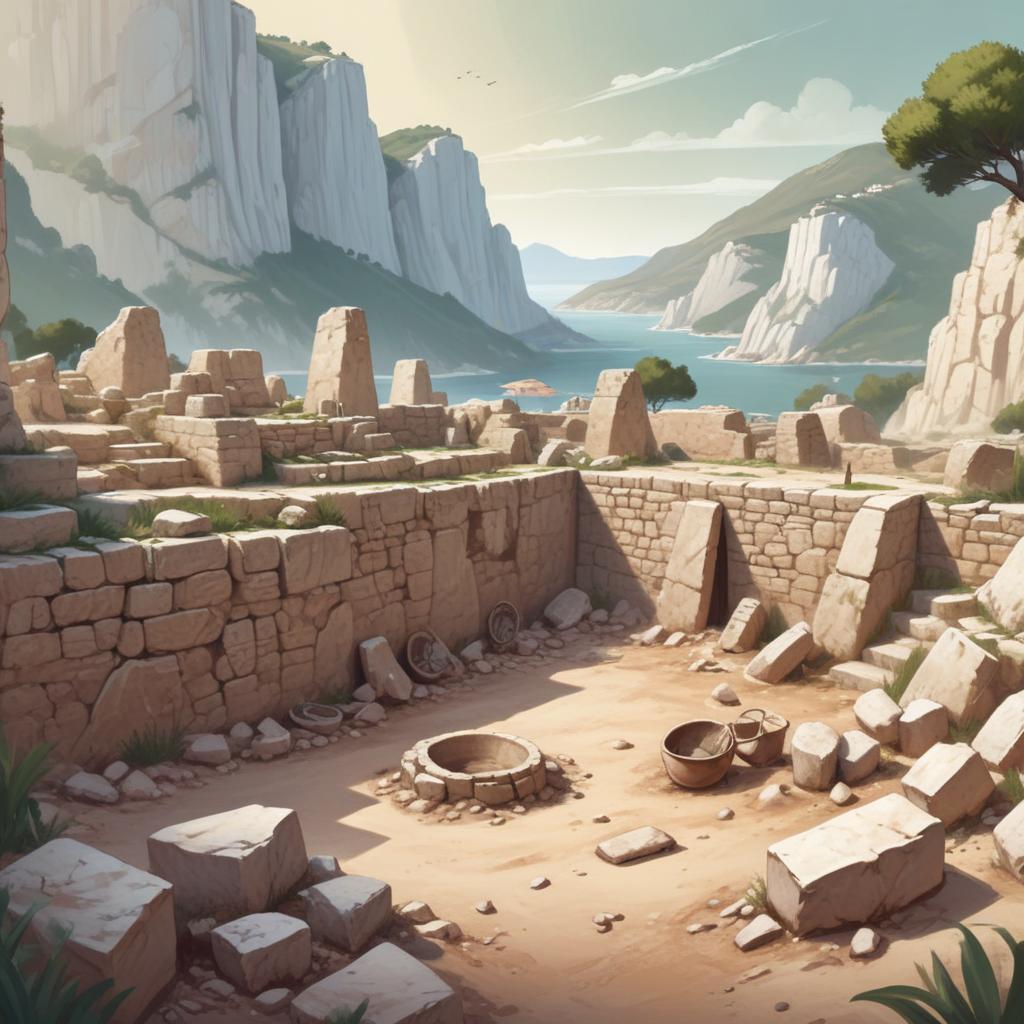
Overview of Archaeological Sites in Gibraltar
Gibraltar, located at the crossroads of Europe and Africa, is a treasure trove of archaeological significance. Its strategic position at the entrance to the Mediterranean Sea has made it a key point of interest throughout history, attracting civilizations from various eras. This rich historical tapestry is vividly reflected in the diverse archaeological sites found across Gibraltar, offering a unique glimpse into the past.
The Gibraltar archaeology landscape spans an impressive range of periods, from prehistoric times through to the modern era. One of the most remarkable aspects of this region is the concentration of sites representing different phases of human habitation. These include evidence of Neanderthal presence, Roman military installations, Moorish fortifications, and British colonial structures. Each site contributes to the comprehensive archaeological overview that helps scholars and visitors alike understand the complex history of this small but vital peninsula.
What sets Gibraltar apart in the realm of historic sites is not just the wealth of artifacts and ruins but also the story they collectively tell about human adaptation and survival in a geopolitically significant location. From ancient caves that sheltered early humans to waves of military architecture designed to protect empires, Gibraltar’s archaeological record captures a broad spectrum of historical narratives. This makes the study and preservation of these sites crucial in appreciating the full scope of Gibraltar archaeology.
Exploring the archaeological sites in Gibraltar offers invaluable insights into how different cultures have interacted with this land over millennia. The region’s complex past, marked by conquest, trade, and cultural exchange, is embedded in the very fabric of its historic sites. For anyone interested in archaeology or history, Gibraltar presents a compelling overview of an area where the past is palpably preserved and continuously studied.
Historical Significance of Gibraltar
Gibraltar’s historical significance is rooted deeply in its unique geographical position and has played a crucial role in Gibraltar history for centuries. Situated at the crossroads of Europe and Africa, at the entrance to the Mediterranean Sea, it has served as a strategic stronghold for various cultures and empires. This small but mighty rock has been a coveted asset for controlling naval access and trade routes, highlighting its strategic importance consistently throughout history.
Throughout its rich past, Gibraltar has been influenced by multiple civilizations, including the Phoenicians, Romans, Moors, and British Empire, each contributing layers to its cultural heritage. Its fortified nature and commanding views over the surrounding seas made it an essential military outpost, particularly during periods of conflict such as the Napoleonic Wars and World War II. These historical episodes underline Gibraltar’s role in safeguarding maritime interests and its importance in military strategy.
The blend of cultures over centuries has enriched Gibraltar’s cultural heritage, making it a unique melting pot where traditions and histories from different empires coexist. This multifaceted history continues to attract historians, archaeologists, and visitors interested in understanding the strategic importance that has shaped the region’s identity. As a result, Gibraltar stands not only as a military bastion but as a symbol of enduring cultural legacy and historical significance.
Types of Archaeological Sites Found in Gibraltar
Gibraltar is home to a diverse range of archaeological sites that offer a glimpse into its rich and varied history. Among the most notable are the cave sites, which have yielded significant prehistoric artifacts and evidence of early human habitation. These caves, such as Gorham’s Cave, are renowned for their well-preserved remains that provide critical insight into Neanderthal life and prehistoric activities in the region.
In addition to prehistoric sites, Gibraltar features ancient fortifications that reflect its strategic military importance over the centuries. These fortifications include impressive walls, bastions, and tunnels constructed by the Moors, Spanish, and British. They illustrate the continuous efforts to defend the Rock from various sieges and invasions, making them a key element in Gibraltar’s archaeological landscape.
Roman ruins also contribute to the archaeological diversity found here. Evidence of Roman presence includes remnants of structures and artifacts that speak to Gibraltar’s role within the Roman Empire. These remains highlight the region’s significance as a trading and military outpost during Roman times, adding another layer to its complex history.
Overall, the archaeological sites in Gibraltar, ranging from cave sites and prehistoric locations to ancient fortifications and Roman ruins, together paint a vivid picture of the island’s multifaceted past. Each type of site offers unique insights into different periods and cultures that have shaped Gibraltar over millennia.
Notable Archaeological Sites to Visit in Gibraltar
Gibraltar is a treasure trove of archaeological wonders, offering visitors a unique glimpse into the distant past through its remarkable caves and heritage locations. Among the most iconic Gibraltar caves is the famous Gorham’s Cave, a UNESCO World Heritage Site known for its exceptional Neanderthal archaeological remains. This site provides invaluable insights into the life and environment of Neanderthals, making it a cornerstone for understanding human evolution in Europe.
Close to Gorham’s Cave, Vanguard Cave stands out as another key Neanderthal site. It contains important evidence of Mousterian stone tools and animal bones, painting a vivid picture of the survival strategies employed by our ancient relatives. Together with Gorham’s, Vanguard Cave forms a complex that captures the advanced prehistoric culture and its adaptation to the changing climate and landscape of the region.
Visitors interested in stepping back into this ancient world can explore these caves through guided archaeological tours, which are designed to enhance understanding of their significant historical context. These tours not only delve into the archaeological findings but also emphasize the conservation efforts necessary to protect these fragile sites for future generations.
Another notable heritage location is the Rock of Gibraltar itself, peppered with historical fortifications and excavation spots that reveal layers of human activity spanning thousands of years. The Upper Rock Nature Reserve hosts several pathways that connect these sites, allowing enthusiasts to combine natural beauty with a profound archaeological journey.
Exploring Gibraltar’s archaeological sites offers a compelling narrative of human perseverance and cultural richness. Whether wandering through the eerie, ancient Gibraltar caves or participating in specialized archaeological tours, visitors can appreciate the timeless importance of these heritage locations and their role in unraveling the prehistoric past.
The Gorham’s Cave Complex
The Gorham’s Cave Complex is a prominent archaeological site located in Gibraltar, renowned for its significant role as a Neanderthal habitat. This complex of caves offers a rare glimpse into the life and environment of Neanderthals who inhabited the region over 50,000 years ago. Among its remarkable features are the well-preserved Neanderthal remains discovered within the caves, which provide valuable insights into their physical characteristics, behavior, and survival strategies during the Paleolithic era.
Recognized for its exceptional cultural and historical importance, the Gorham’s Cave Complex was designated a UNESCO World Heritage site, underscoring its global significance. The designation highlights the caves’ contribution to understanding human evolution and prehistoric cultures. The site not only preserves evidence of early human habitation but also reflects the intricate relationship between Neanderthals and their natural surroundings, offering a crucial narrative about human ancestry.
Today, Gorham’s Cave attracts archaeologists and historians worldwide due to its abundance of artifacts and the continuous discoveries that shape our knowledge about Neanderthal life. Its status as a UNESCO site ensures that this cultural treasure is protected and studied meticulously, enabling ongoing research that enriches our comprehension of prehistoric times and the cultural importance of Neanderthals in human history.
The Rock of Gibraltar’s Upper Rock Nature Reserve
The Upper Rock Nature Reserve in Gibraltar is not only a haven for wildlife and breathtaking views but also a significant archaeological and historical site. This area is rich with archaeological remains that offer a glimpse into Gibraltar’s ancient past, including cave systems and relics left by early inhabitants.
Among the most compelling features of the Upper Rock are the military sites, which stand as a testament to Gibraltar’s strategic importance over the centuries. Fortifications such as the Great Siege Tunnels, Moorish Castle, and various batteries reveal the complex defensive measures taken to protect the territory. These structures reflect Gibraltar’s role as a fortress, particularly during periods of conflict like the Great Siege of the late 18th century.
Visitors exploring the reserve can follow historical trails that wind through these military installations and archaeological spots. These trails provide an immersive experience, connecting the natural landscape with the historical narrative of the region. The Upper Rock thus serves not just as a natural landmark but also as a living museum of Gibraltar’s heritage, preserving both its archaeological remains and military history for future generations.
Catalan Bay and Roman Remains
Catalan Bay stands as a site of considerable archaeological importance, particularly due to its wealth of evidence from the Roman period and earlier settlements. This quaint bay, nestled on the eastern side of Gibraltar, has yielded significant Roman heritage remains that shed light on ancient occupation patterns in the region. Archaeological findings here include remnants of Roman structures and artifacts, which suggest that the bay was an inhabited area or a strategic point during Roman times.
The discovery of ancient settlements in Catalan Bay reflects its role as a critical location in the broader context of Mediterranean historical geography. Researchers have unearthed pottery shards, building foundations, and tools indicative of daily life and trade during the Roman era. These findings have helped historians and archaeologists piece together aspects of Gibraltar’s early history, illustrating how the area functioned as a coastal hub for commerce and settlement.
Overall, Catalan Bay’s archaeological significance lies in its ability to provide tangible links to the past, specifically highlighting the persistence of human activity from ancient times through the Roman period. The combination of natural landscape and archaeological heritage makes it a key site for understanding the evolution of Gibraltar’s ancient communities and their interactions within the Mediterranean world.
Preservation and Research Efforts in Gibraltar Archaeology
Gibraltar’s rich archaeological heritage is safeguarded through a series of dedicated archaeological preservation and heritage conservation initiatives. These efforts are crucial for maintaining the integrity of the region’s unique historical sites and for ensuring that future generations can study and appreciate the area’s ancient legacy. Local authorities, in collaboration with international research institutions, are actively engaged in a variety of excavation projects that uncover invaluable artifacts and provide deeper insights into Gibraltar’s past.
One of the main focuses of these initiatives is to protect vulnerable sites from natural deterioration and human-induced damage. Protective measures include controlled access to sensitive areas, implementation of cutting-edge preservation technologies, and continuous monitoring of environmental conditions. These strategies help mitigate the risks posed by natural erosion and urban development, preserving Gibraltar’s archaeological landscapes in their authentic state.
Research efforts in Gibraltar are characterized by interdisciplinary collaboration, bringing together experts in archaeology, history, conservation science, and related fields. Modern archaeological research employs advanced techniques such as ground-penetrating radar, 3D mapping, and digital modeling, which enhance the precision and scope of excavation projects. These tools enable researchers to uncover hidden features beneath the surface without causing significant disruption, facilitating a more sustainable approach to archaeology.
Excavation projects are carefully planned and documented to maximize the knowledge gained while minimizing impact. Notable projects have revealed significant Neanderthal remains, artifacts from the Moorish period, and relics dating back to prehistoric times. Such discoveries not only enrich our understanding of Gibraltar’s role through various epochs but also raise public awareness about the importance of archaeological preservation.
In addition to onsite efforts, Gibraltar’s archaeological research is supported by educational programs and community engagement initiatives. These programs aim to foster appreciation for heritage conservation among locals and visitors alike, encouraging stewardship of the archaeological sites. The combination of rigorous scientific inquiry with proactive heritage conservation policies helps ensure that Gibraltar’s archaeological legacy remains protected and studied for many years to come.
UNESCO World Heritage Status and Impact
The designation of Gibraltar’s archaeological sites as a UNESCO World Heritage site has had a profound impact on both the conservation strategies employed and the global recognition of the region’s rich heritage. This prestigious heritage status not only highlights the outstanding universal value of Gibraltar’s archaeological treasures but also serves as a catalyst for enhanced preservation efforts. With UNESCO Gibraltar recognition, funding and resources have been made more accessible, facilitating advanced research, site maintenance, and protective measures that ensure the longevity of these invaluable cultural assets.
Moreover, the heritage status has elevated the profile of Gibraltar’s archaeological sites on the world stage, attracting scholars, tourists, and cultural enthusiasts alike. This influx helps foster a wider appreciation for the historical significance embedded in the territory, reinforcing the importance of its conservation. The conservation impact extends beyond physical preservation, promoting sustainable tourism practices and educational programs that engage the public and stakeholders in safeguarding Gibraltar’s past for future generations.
Overall, UNESCO Gibraltar designation has been instrumental in shaping a robust framework that balances protection with accessibility, ensuring that these archaeological sites remain a vital part of global heritage. The commitment to maintaining the integrity of these sites underlines the value of international collaboration in cultural preservation and spotlights Gibraltar as a key destination for understanding human history.
Recent Archaeological Excavations and Discoveries
Recent excavations in Gibraltar have unveiled a wealth of archaeological finds that shed new light on the region’s complex historical tapestry. These discoveries have provided significant insights into past civilizations that inhabited the area, showcasing the rich and diverse cultural heritage of Gibraltar. Excavation teams have unearthed artifacts ranging from ancient tools and pottery to remnants of early settlements and burial sites.
The continued archaeological efforts have not only expanded our understanding of Gibraltar’s strategic and cultural importance through the ages but also revealed connections to broader Mediterranean civilizations. Among the Gibraltar discoveries, recent digs have revealed evidence of Neanderthal habitation as well as later Roman and Moorish influences, underscoring the site’s long-standing significance as a crossroad of cultures.
These recent excavations highlight the importance of ongoing research and conservation efforts. By documenting and analyzing each find meticulously, archaeologists are piecing together a more comprehensive narrative of Gibraltar’s past. The accumulation of archaeological finds serves as a bridge to understanding the daily lives, customs, and interactions of ancient communities within this emblematic region, making Gibraltar a key focus for historical and cultural studies.

I have always been captivated by the unique cultural tapestry of the Rock, particularly how Moorish, Spanish, and British influences shaped its development over centuries. My passion lies in translating these complex historical narratives into engaging educational resources that make Gibraltar’s past accessible to everyone. I spend my free time exploring military fortifications and reading first-hand accounts of life at the Pillar of Hercules.