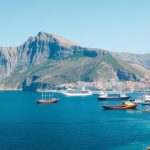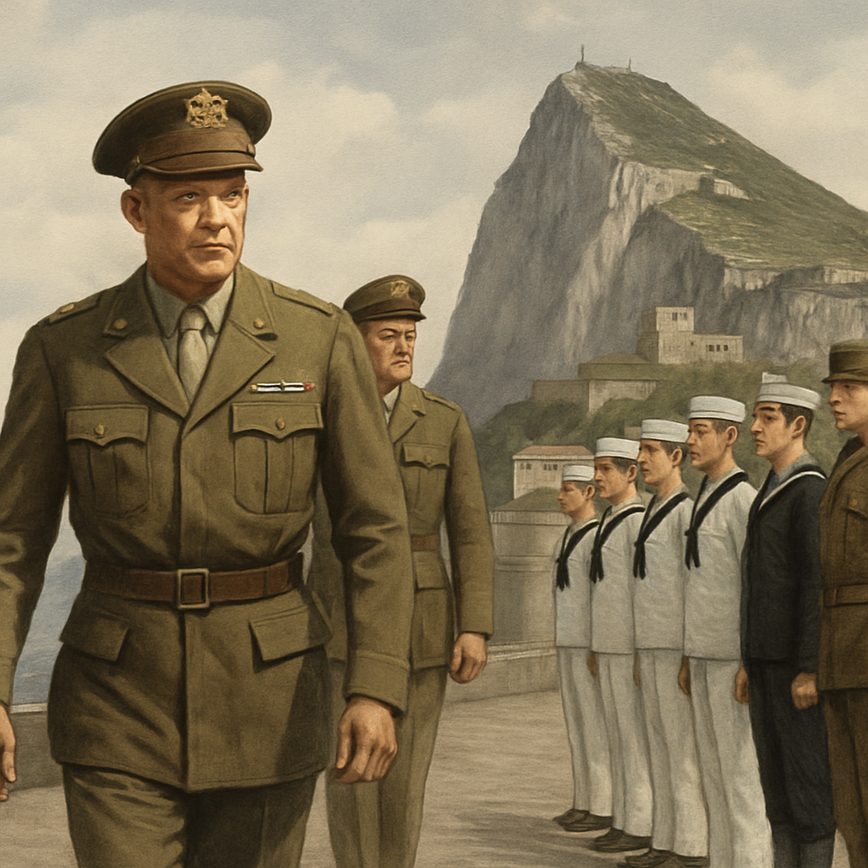
The fortress-like nature of Gibraltar provided a secure environment where Eisenhower and his staff could efficiently plan and orchestrate the deployment of troops and resources across the Mediterranean and the Atlantic. This made it possible to synchronize operations critical to the invasion’s success, including amphibious landings, air support, and naval engagements. The location also offered logistical advantages, such as access to supply routes and the ability to stage equipment and personnel in preparation for the massive assault on Nazi-occupied France.
Ultimately, Gibraltar’s role in the invasion preparation was indispensable to the Allied strategy. It allowed Eisenhower to maintain the element of surprise and coordinate the multifaceted aspects of the European theater with precision. The success of D-Day and the subsequent liberation of Western Europe hinged significantly on the secure and effective use of Gibraltar as both a military stronghold and a vital communications nexus.
Legacy of Dwight Eisenhower in Gibraltar
Dwight Eisenhower’s legacy in Gibraltar is both profound and enduring, reflecting his critical role during World War II and his lasting impact on military strategy and international relations. Today, Eisenhower’s visit and contributions to Gibraltar are commemorated through various memorials, museums, and historical recognitions that celebrate his leadership and the strategic significance of Gibraltar during the war.
The military history of Gibraltar is deeply intertwined with Eisenhower’s planning and operations, as the territory served as a pivotal base for the Allied forces. This historical significance is preserved in several Gibraltar memorials dedicated to the figures and events that shaped the outcome of the war. Among these, plaques and monuments honoring Eisenhower’s leadership can be found, serving as a constant reminder of his strategic vision and diplomatic efforts that helped secure victory.
One of the key places where Eisenhower’s legacy is kept alive is the Gibraltar Museum. The museum offers detailed exhibits on World War II, highlighting Eisenhower’s role in the Mediterranean theater. Visitors can explore artifacts, documents, and multimedia displays that illustrate how Eisenhower’s decisions were crucial for the success of operations launched from Gibraltar. These exhibits provide a comprehensive look at the historical significance of his visit and the broader impact on the region’s military history.
In addition to physical memorials, Gibraltar hosts annual commemorations and educational programs that reflect on the strategic partnerships forged during Eisenhower’s time. These events foster awareness and appreciation among locals and tourists alike, ensuring that the lessons of history and the importance of Eisenhower’s leadership continue to inspire future generations. Such activities also emphasize the enduring relationship between Gibraltar and the United States, forged in part by Eisenhower’s efforts.
Overall, the Eisenhower legacy in Gibraltar is enshrined through a combination of tangible memorials, museum exhibitions, and cultural commemorations that collectively celebrate his contributions. These efforts not only honor a pivotal figure in military history but also underscore the ongoing relevance of Gibraltar as a symbol of strategic resilience and international cooperation.
Commemorations and Memorials in Gibraltar
Gibraltar is home to several important memorials and historical sites that honor the legacy of World War II and figures such as Dwight Eisenhower. Among the notable Gibraltar memorials is the Eisenhower Statue, a prominent tribute to the Supreme Allied Commander who played a crucial role in the planning and execution of Operation Torch, the Allied invasion of North Africa. This statue stands as a symbol of gratitude and respect, located near key military and historical landmarks in Gibraltar.
Beyond the Eisenhower statue, Gibraltar boasts a range of historical sites that commemorate its strategic military importance during the war. These include various bunkers, tunnels, and artillery batteries preserved as reminders of the fortress’s defensive efforts. These sites serve as popular attractions for those interested in military history and provide insight into Gibraltar’s role as a vital stronghold in World War II.
Military museums in Gibraltar further enrich the tribute to this era, showcasing artifacts, photographs, and personal accounts from soldiers and commanders. These museums not only highlight the island’s contribution to the Allied victory but also commemorate the broader context of the conflict in which Eisenhower’s leadership was pivotal. Collectively, these memorials and museums ensure that the history and sacrifices associated with Gibraltar remain deeply etched in public memory.
Eisenhower’s Influence on Post-War Gibraltar
Dwight Eisenhower’s leadership and visit to Gibraltar during World War II left a lasting imprint on the territory’s military history impact and development. Post-war Gibraltar continued to hold strategic military importance, largely due to Eisenhower’s recognition of its vital position in controlling access to the Mediterranean. His influence contributed to Gibraltar’s sustained role as a key naval base for the British military, reinforcing its geopolitical significance during the Cold War era and beyond.
Eisenhower’s strategic foresight ensured that Gibraltar was not merely a wartime asset but evolved into a prominent military hub with modernized facilities. The continued military presence and upgrade of defenses helped safeguard Western interests in the region, emphasizing the military history impact that stemmed directly from his leadership. This also fostered political stability and heightened the territory’s importance within international defense frameworks.
In terms of broader Gibraltar development, Eisenhower’s visit symbolized Allied commitment to the territory’s defense and integration within global security concerns. Post-war Gibraltar benefited from infrastructural improvements and greater political attention, securing its position as a pivotal military and political asset. Eisenhower’s influence ensured that Gibraltar’s legacy transcended the war years, shaping its role in post-war geopolitics and affirming its enduring significance.
Dwight Eisenhower’s Visit to Gibraltar: Historical Context
During World War II, Gibraltar held immense strategic importance as a fortress controlling the entrance and exit to the Mediterranean Sea. Its unique geographical position at the southern tip of the Iberian Peninsula made it a critical military asset for controlling naval and air routes between the Atlantic Ocean and the Mediterranean. This made Gibraltar a focal point for Allied military strategy, serving as a vital base for operations against Axis powers in North Africa and southern Europe.
Dwight Eisenhower’s visit to Gibraltar was a key event during the conflict, symbolizing the importance of the territory in the Allied war effort. Eisenhower, then a prominent military leader, understood that control over Gibraltar was essential for launching successful military campaigns, including the planning and execution of Operation Torch, the Allied invasion of North Africa in 1942. The visit underscored the necessity of Gibraltar as a staging ground and command center for coordinating forces across multiple theaters of war.
The significance of Eisenhower’s Gibraltar visit transcended mere military logistics; it also represented the collaboration between Allied powers. Gibraltar was under British control, and Eisenhower’s presence highlighted the close cooperation between the United States and the United Kingdom. This alliance was crucial for maintaining the momentum against Axis forces and ensuring secure supply lines, reinforcements, and communications throughout the Mediterranean region.
Furthermore, Gibraltar’s strong defenses and well-established infrastructure made it an ideal location for Eisenhower and his staff to oversee military operations and plan further strategies. The visit allowed Eisenhower to assess the fortifications and logistical capabilities of Gibraltar firsthand, enhancing his ability to coordinate complex operations involving land, sea, and air forces in one of the most strategically significant regions of the war.
In summary, Dwight Eisenhower’s Gibraltar visit during World War II was a pivotal moment that reflected the territory’s critical strategic role. It was not only a demonstration of military foresight but also a testament to the effective Allied cooperation that helped secure victory in the Mediterranean theater. This historical event remains a significant example of how Gibraltar’s unique position shaped military strategy and contributed to the Allied success during the war.
Gibraltar’s Strategic Role in World War II
Gibraltar played a pivotal role during World War II, serving as a critical military base for the Allied forces. Its strategic location at the entrance to the Mediterranean Sea allowed the Allies to control naval traffic between the Atlantic Ocean and the Mediterranean, a vital route for the movement of troops, supplies, and equipment. The rock’s fortified position enabled it to serve as a formidable naval and air base, providing a secure foothold for the Allies in a region heavily contested by Axis powers.
The geographical position of Gibraltar made it an essential chokepoint during the war. By holding Gibraltar, the Allies could effectively monitor and restrict Axis naval operations, reducing their ability to disrupt crucial supply lines. Additionally, Gibraltar’s proximity to North Africa allowed it to support campaigns in that theater by providing a base for launching air raids and coordinating naval assaults. Its defenses and infrastructure were constantly enhanced throughout the war to withstand potential enemy attacks, reflecting its importance as a military stronghold.
Overall, Gibraltar’s strategic location in WWII not only enabled the Allies to safeguard maritime routes but also to maintain a significant presence in the Mediterranean region. This military base proved indispensable in the broader Allied war effort, ensuring control of a key maritime gateway while facilitating the projection of power across multiple fronts.
Eisenhower’s Leadership and Military Planning
As Supreme Commander of the Allied Expeditionary Force during World War II, Dwight Eisenhower demonstrated exemplary leadership and strategic foresight. His role was pivotal in coordinating the complex efforts required for the successful execution of the Allied invasion of Europe. Eisenhower’s leadership was marked by his ability to unify diverse Allied forces and make critical decisions under immense pressure, ensuring effective collaboration among the various military branches involved.
One of Eisenhower’s key contributions was his meticulous military planning, which involved balancing risk and opportunity to optimize the chances of success while minimizing casualties. His strategic decisions encompassed everything from the timing and location of landings to the allocation of resources and the management of intelligence. Eisenhower’s approach was especially significant in orchestrating Operation Torch and subsequently the Normandy invasion, both of which required careful coordination across multiple fronts.
During his visit to Gibraltar, Eisenhower gained valuable insight into the strategic importance of the Mediterranean Theater and logistical considerations pivotal for the Allied invasion plans. Gibraltar’s unique position as a fortress and naval base provided a crucial staging ground for operations, influencing Eisenhower’s broader military planning. This visit allowed him to better understand the terrain, supply routes, and potential challenges that informed his decisions and helped refine operational strategies for the eventual push into continental Europe.
Ultimately, Eisenhower’s leadership and strategic vision were instrumental in shaping military planning that led to the successful Allied invasion. His ability to integrate intelligence, manage multinational forces, and adapt to evolving battlefield conditions underscored the effectiveness of his command. The lessons learned from Gibraltar and other key locations under his directive played a critical role in the ultimate victory of the Allied forces during World War II.
Impact of Eisenhower’s Gibraltar Visit on Allied Operations
Dwight Eisenhower’s visit to Gibraltar marked a significant turning point in the efficiency and coordination of Allied operations during World War II. Serving as a critical strategic base, Gibraltar was essential for controlling access to the Mediterranean Sea, and Eisenhower’s presence there underscored the importance of this location in the broader Allied campaign. His visit not only boosted morale but also led to tangible improvements in military coordination among the diverse Allied forces stationed at the base.
One of the key impacts of Eisenhower’s visit was the enhancement of joint planning and communication protocols. Prior to his visit, coordination among the multinational forces—British, American, and others—was challenged by differing operational procedures and communication standards. Eisenhower’s leadership and diplomatic skills helped unify these approaches, fostering a more integrated command structure. This integration was crucial for streamlining decision-making processes and ensuring that operations could be executed swiftly and effectively.
Furthermore, Eisenhower emphasized the significance of Gibraltar as a forward base for launching naval and air operations across the Mediterranean theater. His awareness of the base’s strategic value translated into increased resource allocation and improved logistical support. These enhancements allowed the Allied forces to maintain pressure on Axis supply lines, directly influencing the success of campaigns in North Africa and Southern Europe.
Military coordination saw a marked improvement during and after Eisenhower’s visit, as joint exercises and coordinated missions became more frequent and sophisticated. Eisenhower’s presence served as a catalyst for greater cooperation among the forces, breaking down barriers and encouraging the sharing of intelligence and resources. This collaborative spirit ensured that the Allied military efforts were more cohesive and adaptable to evolving operational demands.
In summary, Eisenhower’s visit to Gibraltar had a profound impact on Allied operations by reinforcing the strategic importance of the base, streamlining military coordination, and enhancing the overall effectiveness of the forces stationed there. His influence helped create a unified command environment that was crucial for the successful execution of numerous military operations throughout the Mediterranean region.
Coordination Between Allied Forces
Dwight Eisenhower’s presence in Gibraltar was pivotal in fostering unparalleled Allied coordination during World War II. As the Supreme Commander of the Allied Expeditionary Force, Eisenhower used Gibraltar as a strategic hub to facilitate collaboration among the diverse military alliance. This collaboration ensured streamlined communication and unified military efforts in the European and Mediterranean theaters.
Key meetings held in Gibraltar under Eisenhower’s guidance brought together commanders from the United States, the United Kingdom, and other Allied nations. These high-level discussions focused on refining strategic operations and joint planning crucial for the success of upcoming campaigns. The meetings underscored the value of Gibraltar collaboration as a critical logistical and command center.
The effectiveness of Allied coordination was evident in the decisions made at these gatherings, which addressed troop deployments, resource allocation, and synchronized offensives. Eisenhower’s leadership fostered a spirit of cooperation and trust, essential for overcoming complex military challenges. This collaborative approach not only enhanced operational efficiency but also strengthened the bonds within the military alliance, ultimately contributing to the Allied victory.
Preparation for the Invasion of Europe
Gibraltar played a crucial role as a staging ground and communication hub during the meticulous invasion preparation for the European theater under Dwight Eisenhower’s command. Its strategic location at the entrance to the Mediterranean allowed Allied forces to coordinate complex military movements and secure vital intelligence essential for the success of D-Day planning. As Eisenhower devised the overarching Allied strategy to liberate Europe from Axis control, Gibraltar served as a key point for transmitting orders, receiving updates, and maintaining secure lines of communication between headquarters and frontline forces.

I have always been captivated by the unique cultural tapestry of the Rock, particularly how Moorish, Spanish, and British influences shaped its development over centuries. My passion lies in translating these complex historical narratives into engaging educational resources that make Gibraltar’s past accessible to everyone. I spend my free time exploring military fortifications and reading first-hand accounts of life at the Pillar of Hercules.