Historical Overview of Piracy in Gibraltar
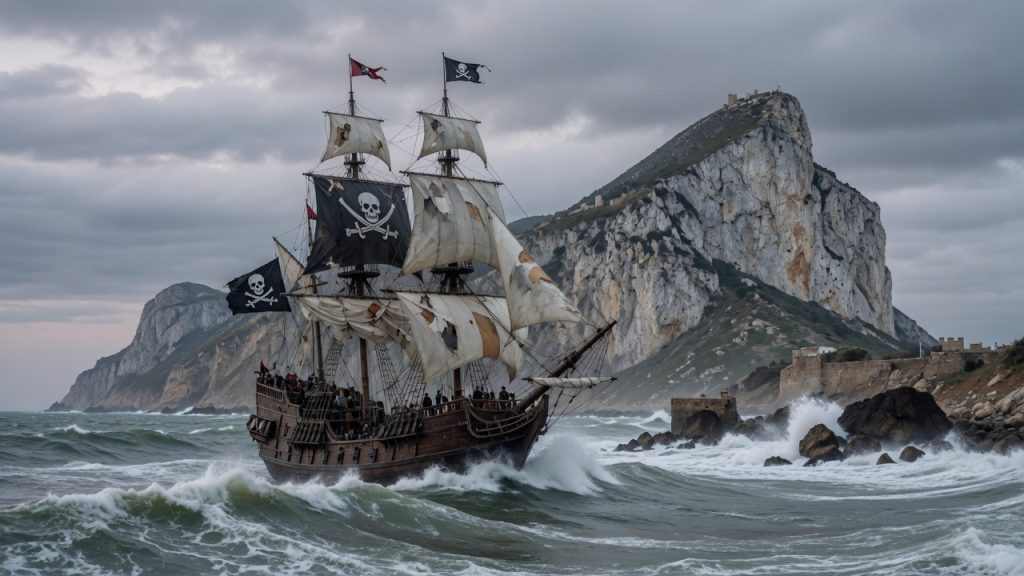
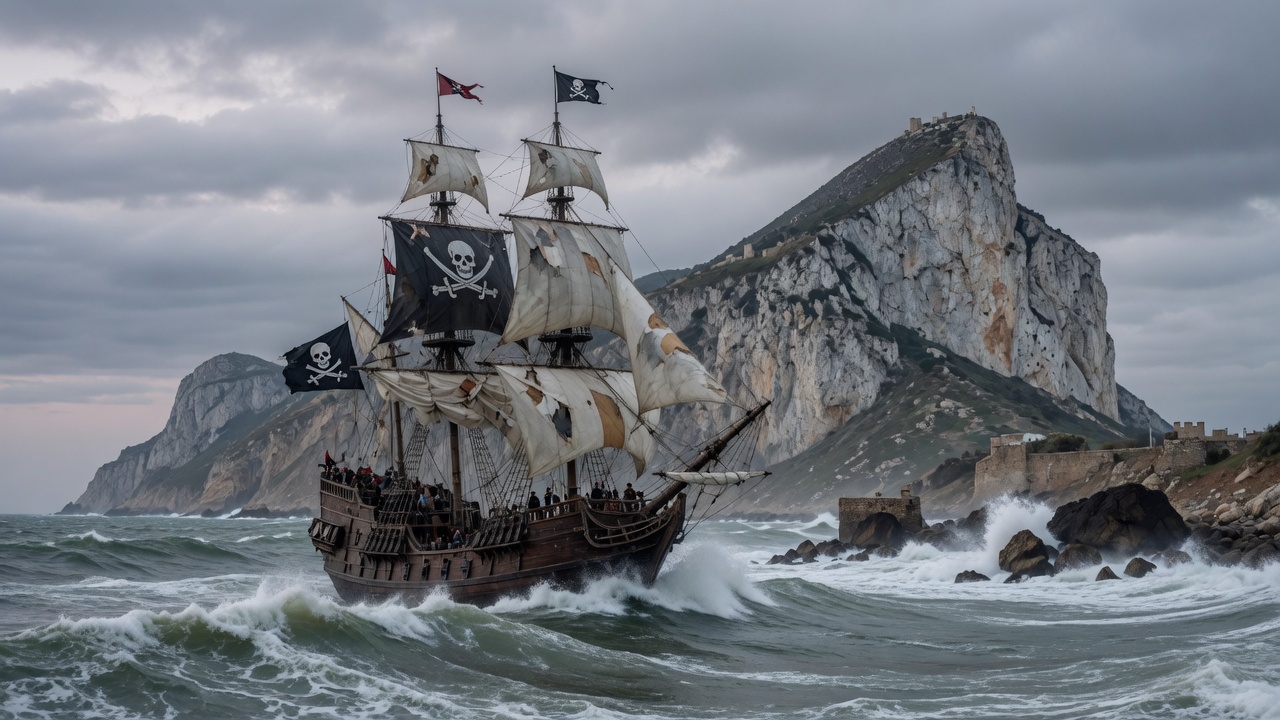
The history of piracy around Gibraltar is a colorful tapestry woven through centuries of maritime raids and pirate activity. Positioned strategically at the entrance to the Mediterranean Sea, Gibraltar has long been a coveted location for pirates Gibraltar, who sought control of this vital choke point. The piracy history of the region can be traced back to ancient times, but it gained particular notoriety during the early modern period when both state-sponsored corsairs and independent marauders prowled the waters.
During the 16th and 17th centuries, piracy history in Gibraltar intertwined with the larger geopolitical struggles between European powers, most notably the Spanish and the British. The Strait of Gibraltar was an essential trade route, making it a hotspot for maritime raids by pirates Gibraltar eager to intercept treasure fleets and merchant vessels. Notorious privateers, sometimes operating under the guise of legitimate naval forces, contributed significantly to the turbulent security situation in the area.
The 18th century saw a decline and transformation in piracy history as naval powers enhanced their patrol efforts around Gibraltar. Despite this, maritime raids by smaller pirate groups persisted, exploiting moments of weakness during wars or political upheavals. The evolving military presence in Gibraltar made it increasingly difficult for pirate factions to maintain strongholds near the peninsula, forcing them to adopt more covert tactics.
By the 19th century, piracy history around Gibraltar was largely relegated to the past, with enhanced naval control from British authorities curbing the era of rampant piracy. Still, the stories of Gibraltar pirates remained deeply ingrained in local folklore and maritime lore, symbolizing the wild and unpredictable nature of the sea. Today, the historical legacy of maritime raids and piracy in Gibraltar continues to be a fascinating subject for historians and enthusiasts, reflecting the ongoing strategic importance of the region through the ages.
Early Maritime Piracy in the Strait of Gibraltar
During the medieval period, the Strait of Gibraltar was a hotspot for early piracy, posing significant challenges to maritime trade routes that linked the Mediterranean with the Atlantic. Various pirate groups, often composed of renegade sailors and local corsairs, exploited the narrow and strategic waterways to launch attacks on merchant vessels. These medieval pirates capitalized on the geographic choke point that the strait provided, enabling them to effectively disrupt the flow of goods and wealth.
Early piracy in the Strait of Gibraltar was not merely opportunistic; it was often systematic and organized. Pirate groups frequently operated with a deep understanding of maritime routes, timing their raids to coincide with the busiest shipping periods. The impact on trade was substantial, as ships faced frequent threats of seizure, ransom demands, and loss of cargo. This intimidation led to increased costs for merchants, who sometimes had to pay protection fees or reroute their journeys to avoid known pirate-infested waters.
Moreover, these pirate activities fueled ongoing conflicts between regional powers vying for control of the strait. Some pirate factions received tacit or explicit support from local rulers who saw piracy as a tool to weaken rival economies and assert territorial dominance. The blend of political intrigue and maritime crime made the Strait of Gibraltar one of the most contested and perilous maritime passages of the medieval era, shaping its historical narrative around security and commerce challenges posed by piracy.
The Role of Gibraltar in 17th and 18th Century Piracy
Gibraltar’s strategic location at the entrance to the Mediterranean Sea made it a crucial fortress and hub for maritime activity during the 17th and 18th centuries. Its position allowed control over the narrow Strait of Gibraltar, a vital chokepoint for trade and naval movement, which directly influenced piracy and naval conflicts in the region. The Gibraltar fortress served as a stronghold for naval powers seeking to secure safe passage and suppress piracy, but it also became an alluring target for 17th century piracy and 18th century pirates aiming to exploit the dense maritime traffic.
Famous pirate encounters near Gibraltar often involved confrontations between pirates and naval forces trying to maintain control over this strategic waterway. The natural geography and fortified defenses of Gibraltar created a dynamic battleground for these naval conflicts. Pirates used hidden coves and the proximity to busy trade routes to launch surprise attacks on merchant ships. At the same time, naval powers fortified Gibraltar to protect their interests and effectively hunt down pirates.
Throughout this period, Gibraltar’s role as a naval bastion shaped the broader struggle for dominance in the Mediterranean. The fortress’s presence dissuaded piracy to some extent but also intensified clashes as pirates adapted their tactics to evade naval patrols. Ultimately, Gibraltar’s influence on 17th century piracy and 18th century pirates underscores its enduring importance in maritime history and naval warfare during a volatile era.
Impact of Piracy on Gibraltar’s Development

Piracy has left a profound mark on Gibraltar, influencing its economic, social, and military development throughout history. The strategic location of Gibraltar at the entrance to the Mediterranean Sea made it a hotspot for maritime traffic and, consequently, a target for pirates seeking to exploit the lucrative trade routes. This persistent threat shaped not only the local economy but also the region’s approach to maritime security.
Economically, piracy presented both challenges and opportunities for Gibraltar. On one hand, pirate attacks disrupted trade, leading to losses for merchants and instability in the local market. On the other hand, the presence of pirates occasionally fostered a shadow economy around smuggling and illicit goods, which some locals found profitable. Over time, the negative piracy effects, however, outweighed any economic benefits as sustained attacks deterred legitimate commercial ventures and threatened the overall prosperity of Gibraltar’s economy.
Socially, piracy contributed to a culture of vigilance and resilience among the inhabitants of Gibraltar. The local population had to adapt to the constant threat posed by pirates, leading to a community closely tied to the sea and maritime activities. This created a social fabric where knowledge of naval defense and maritime strategy was common, fostering a unique identity centered on protecting their homeland from external threats.
Militarily, the impact of piracy on Gibraltar was significant in prompting the development of robust naval defenses. The necessity to protect maritime traffic and secure Gibraltar’s strategic position led to the strengthening of fortifications and the establishment of naval patrols specifically targeting piracy. Over centuries, Gibraltar became a fortified bastion, renowned for its military prowess in maritime security. These measures not only curtailed pirate activities but also enhanced Gibraltar’s role as a critical naval base in the region.
Efforts to control piracy involved multi-faceted approaches including increased military presence, alliances with other maritime powers, and enhanced surveillance and patrolling of surrounding waters. The British Navy, once Gibraltar came under British control, played a crucial role in suppressing piracy by deploying warships and coordinating anti-pirate operations. These sustained measures gradually diminished the prevalence of piracy, allowing Gibraltar to evolve into a safer and more stable hub for international trade and military operations.
In summary, piracy had a lasting historical impact on Gibraltar, profoundly influencing its economy, society, and military infrastructure. The efforts to mitigate piracy not only protected vital trade routes but also propelled Gibraltar into a position of maritime strength, shaping its development as a key strategic point in the Mediterranean.
Economic Consequences of Piracy
Piracy had a significant economic impact on Gibraltar, severely affecting both local merchants and international trade. The thriving port of Gibraltar was a strategic hub for maritime commerce, but frequent pirate raids created disruption and uncertainty. Pirates targeted merchant vessels and coastal shipments, resulting in substantial financial losses for traders. These losses were not limited to the seizure of goods; they also included damage to ships and increased insurance costs for vessel owners.
The trade disruption caused by piracy meant that the flow of goods through Gibraltar port was frequently interrupted, reducing the volume of commerce and diminishing the port’s reputation as a reliable trading point. Local merchants suffered from reduced business activities and the constant threat of raids, which forced many to raise prices to cover their risks, thereby impacting the broader economy. The costs associated with defending against and recovering from pirate raids drained resources that could otherwise have been invested in economic development.
Internationally, shipping routes passing near Gibraltar had to contend with the dangers posed by pirates, leading to rerouted voyages that increased travel times and expenses. This overall economic instability contributed to a decline in trade profitability and hindered economic growth in the region. In sum, piracy’s economic consequences were far-reaching, affecting not just individual merchants but also the wider commercial networks dependent on Gibraltar’s strategic location.
Military and Political Responses to Piracy
Gibraltar’s strategic location made it a key naval defense point in the British Empire’s efforts to secure maritime routes from persistent piracy threats. The British navy Gibraltar stationed warships and patrol fleets around the Rock, enhancing surveillance and rapid response capabilities in areas known for pirate activity. This naval defense not only ensured safer passage for merchant ships but also disrupted pirate strongholds, reducing their influence significantly.
In addition to military efforts, political actions played a crucial role in combating piracy. Gibraltar’s authorities coordinated closely with the British government to enforce anti-piracy measures, including tighter control over local ports and increased regulation of shipping activities. Diplomatic pressure was also applied to neighboring regions where pirate factions operated, fostering cooperation between colonial powers to clamp down on these threats collaboratively.
The British Empire’s integrated approach combined aggressive naval patrols with legislative reforms that penalized piracy more harshly. This dual strategy of military might and political resolve helped stabilize the waters around Gibraltar, securing its role as a vital naval hub. Over time, these efforts diminished piracy’s impact, ensuring safer trade routes and reinforcing Gibraltar’s importance in Britain’s broader geopolitical strategy.
Legacy of Piracy in Modern Gibraltar
The legacy of piracy in Gibraltar continues to shape the cultural heritage and identity of modern Gibraltar in profound ways. This rich history of seafaring rogues, privateers, and daring pirate exploits has become an integral part of the local folklore and collective memory, influencing how the region presents itself to the world today. Visitors to Gibraltar are drawn not only by its strategic position at the entrance to the Mediterranean but also by its enthralling tales of piracy that have been carefully preserved and celebrated.
Modern Gibraltar embraces its piracy legacy through various cultural and tourism initiatives. Museums dedicated to maritime history prominently feature exhibits on piracy, showcasing artifacts, maps, and documents that give insight into the lives of pirates who once roamed these waters. These institutions serve both to educate and entertain, ensuring that the stories of the past remain vivid for new generations and visitors alike.
Tourism piracy is a notable aspect of Gibraltar’s attractions, with tours specifically designed to explore the pirate history of the region. These guided tours often include visits to historic ports, hidden coves, and cliffside lookouts where pirates are said to have once lurked. Storytelling is at the heart of these experiences, with local guides relaying legends and true accounts passed down through time, enriching the visitor’s connection to Gibraltar’s maritime heritage.
Moreover, the influence of the piracy legacy extends beyond just historical education. It has seeped into Gibraltar’s cultural identity, with festivals, events, and theatrical performances celebrating the daring exploits of pirates. These events not only boost tourism but also foster a sense of pride among locals in their unique heritage. The pirate theme has also found its way into local art, crafts, and souvenirs, reinforcing the image of Gibraltar as a place where history and legend intertwine.
In summary, the history of piracy profoundly influences modern Gibraltar’s culture and tourism, providing a distinct character and an engaging narrative that continues to captivate residents and visitors alike. Through museums, tours, and vibrant local stories, the piracy legacy remains a vital part of Gibraltar’s identity and its appeal as a historical destination.
Piracy in Gibraltar’s Cultural Identity
Pirate myths and historical tales have long been woven into the cultural identity of Gibraltar, deeply influencing its traditions and popular media. The stories of piracy, smuggling, and maritime adventure not only form captivating folklore but also serve as a reflection of Gibraltar’s strategic position at the crossroads of the Mediterranean and Atlantic. These legends contribute to a shared heritage that resonates with the local population, fostering a sense of pride and connection to their unique history.
The influence of pirate narratives can be observed in various cultural expressions, from festivals to storytelling and local art. Gibraltar legends often feature daring pirates and seafarers, whose exploits encapsulate themes of bravery, cunning, and resilience—qualities embraced as part of the community’s identity. These historic influences continue to inspire modern interpretations in books, television, and tourism, further embedding pirate myths into the contemporary cultural landscape.
Moreover, the persistence of these stories helps preserve Gibraltar’s maritime heritage, reminding residents and visitors alike of the region’s complex past beyond its well-known military and geopolitical significance. By celebrating these pirate myths, Gibraltar maintains a distinctive cultural identity that honors its multifaceted history while enriching its traditions and popular media.
Piracy and Tourism in Gibraltar
Gibraltar’s rich pirate heritage serves as a compelling tourism asset, drawing visitors eager to explore its fascinating maritime past. The region leverages this legacy through a variety of museums dedicated to showcasing pirate artifacts, shipwrecks, and historical narratives that bring the thrilling era of piracy to life. These establishments offer immersive experiences that highlight the significance of piracy in Gibraltar’s development and cultural identity.
Guided historical tours are another popular attraction, allowing tourists to explore legendary pirate hideouts, ancient fortifications, and coastal landmarks once central to pirate activity. Knowledgeable guides share captivating stories of infamous buccaneers and their exploits, creating an engaging visitor experience that blends education and adventure. These pirate-themed tours have become a staple for those interested in understanding Gibraltar’s complex maritime history.
Additionally, Gibraltar hosts events and festivals celebrating its piracy heritage, which further enhance visitor experiences. These events often include reenactments, themed markets, and interactive activities that invite tourists to step back in time and experience the allure of the pirate lifestyle. Together, these museums, tours, and events form a comprehensive pirate attractions network that enriches Gibraltar’s tourism landscape by connecting guests with a captivating and storied past.

I have always been captivated by the unique cultural tapestry of the Rock, particularly how Moorish, Spanish, and British influences shaped its development over centuries. My passion lies in translating these complex historical narratives into engaging educational resources that make Gibraltar’s past accessible to everyone. I spend my free time exploring military fortifications and reading first-hand accounts of life at the Pillar of Hercules.