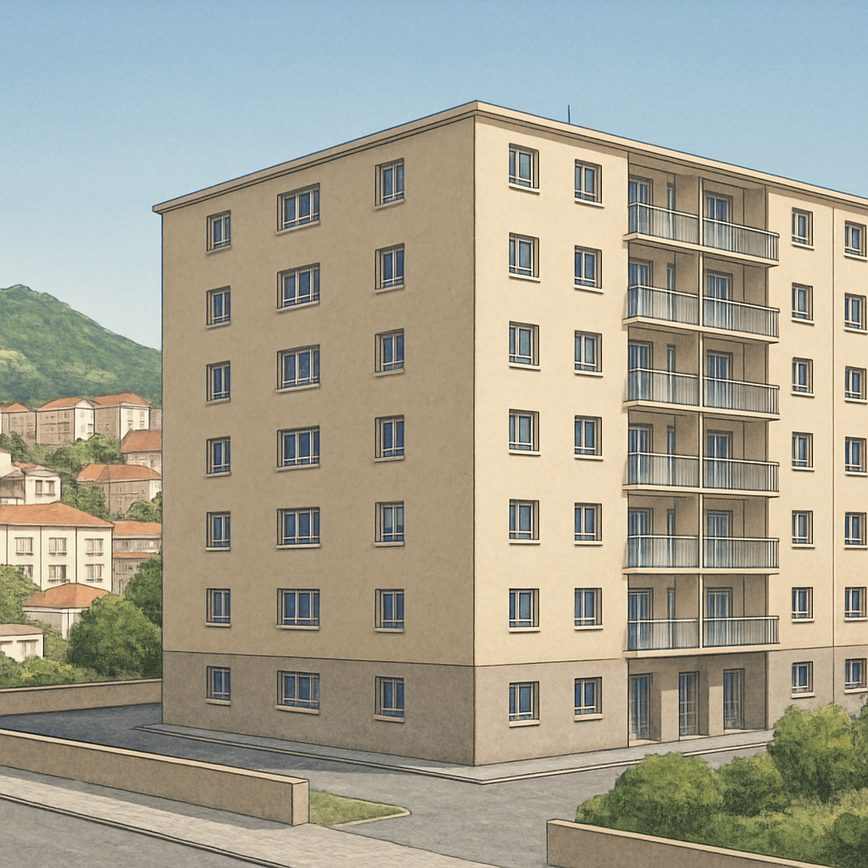
Origins and Development of Social Housing Estates in Gibraltar
The establishment of social housing estates in Gibraltar has a rich history that dates back to the early 20th century. With rapidly growing populations and increasing housing demands, the government recognized the urgent need to provide affordable and adequate living conditions for its citizens. The concept of social housing Gibraltar saw its initial momentum during the interwar period, driven by public health concerns and the necessity to replace substandard dwellings.
One of the key reasons behind the creation of social housing estates was to address overcrowding in the old town areas. The cramped and often unhygienic living quarters posed significant challenges to residents’ health and wellbeing. This situation pushed housing authorities and planners to seek comprehensive solutions to modernize housing infrastructure while ensuring affordability. The establishment of dedicated housing estates emerged as a viable answer to these challenges, promising a higher quality of life and improved community environments.
The first major projects in Gibraltar housing development began in the 1920s and 1930s. Notably, estates such as the famous Ballestar Gardens and Rosia Estate were developed during this period. These early projects reflected the architectural and social ideals of their time, focused on creating self-contained communities with adequate amenities. The layout of these estates was designed to maximize space efficiency while providing residents with pleasant open areas, marking a departure from the congested streets of older neighborhoods.
Social housing in Gibraltar continued to evolve significantly after World War II when population pressures intensified due to geopolitical changes and economic shifts. Throughout the mid-20th century, the government expanded its commitment to social housing by initiating larger-scale housing estates and introducing modern construction techniques. These advances not only addressed immediate housing shortages but also played a crucial role in shaping the urban landscape of Gibraltar.
Overall, the history of Gibraltar housing development is deeply intertwined with the social and economic needs of its people. The origins and development of social housing estates were motivated by the desire to improve living standards, alleviate overcrowding, and foster sustainable community development. These early developments laid the groundwork for the continued growth and modernization of Gibraltar’s social housing sector in the decades that followed.
Pre-World War II Housing Conditions
Before World War II, the housing situation in Gibraltar was marked by significant challenges that reflected the broader socio-economic conditions of the time. The pre-war housing in Gibraltar consisted primarily of overcrowded and substandard dwellings, often characterized by inadequate sanitation and limited living space. Many families lived in cramped quarters, and the early housing conditions were a direct result of rapid population growth combined with limited land availability on the Rock.
The historical housing challenges in Gibraltar before the war were compounded by its strategic military importance. The fortifications and military installations constrained urban development, leaving little room for expansion or improvement of civilian housing. This created a pressing need for better living conditions, as the existing homes could not adequately accommodate the needs of the civilian population, especially working-class families who formed the backbone of the local economy.
These early housing conditions underscored the urgent demand for social housing estates, which were envisioned as a solution to alleviate overcrowding and improve living standards. The pre-war housing Gibraltar experienced was a catalyst for post-war housing reforms, as the government recognized that providing decent, affordable housing was essential for social stability and community welfare. Thus, the foundation for social housing estates was laid by the necessity to address the limitations and challenges inherent in Gibraltar’s housing landscape before World War II.
Post-War Housing Initiatives
Following the end of World War II, the Gibraltar government recognized the urgent need to improve living conditions for its residents. The post-war housing Gibraltar initiatives marked a significant shift towards modernizing and expanding social housing across the territory. With increasing demand due to population growth and war-related housing shortages, government housing projects became a top priority. These projects focused on the construction of new housing estates designed to replace outdated and overcrowded accommodations, offering more space, better sanitation, and improved infrastructure.
One of the key strategies in the post-war period was housing estate expansion, aiming to provide affordable and quality housing for working-class families. The government invested in building new estates with thoughtfully planned layouts, green spaces, and community facilities, which contributed to enhancing the overall quality of life. These initiatives also helped to address the critical housing shortage, supporting the social stability of Gibraltar during a period of reconstruction and economic recovery.
Overall, the post-war housing Gibraltar program not only improved physical living conditions but also fostered a sense of community and progress. The government housing projects undertaken during this time laid the foundation for the modern social housing system in Gibraltar, reflecting a commitment to social welfare and urban development that continues to influence housing policies today.
Key Social Housing Estates in Gibraltar
Gibraltar’s social housing projects have played a pivotal role in shaping the community’s living standards and urban development over the decades. Among the most important housing estates in Gibraltar, several stand out for their historical significance, architectural features, and contribution to addressing housing needs.
One of the earliest and most prominent estates is the Catalan Bay estate, established in the mid-20th century. This estate was designed to provide modern, affordable housing to local families, combining practical living spaces with proximity to essential amenities. Its establishment marked a significant step in Gibraltar estates history as it set a precedent for future social housing developments.
Another landmark social housing project is Windmill Hill, developed in the post-war era. Known for its strategic location and panoramic views, Windmill Hill was built to accommodate a growing population and to replace older, substandard housing conditions. The estate’s layout and design reflected modern urban planning principles and were geared towards fostering a strong sense of community.
Rosia Heights is also key among Gibraltar’s social housing estates. Established in the latter half of the 20th century, it features a mix of low-rise flats and townhouses, providing a diverse housing option catering to families of varying sizes and needs. Rosia Heights’ significance extends beyond its residential function, as it also acted as a catalyst for further infrastructural improvements in the area.
More recent additions like the Devil’s Tower estate exemplify advances in social housing with an emphasis on sustainability and community services. These estates highlight Gibraltar’s ongoing commitment to improving living conditions while respecting the territory’s unique geographical and social context. Each of these important housing estates collectively tells the story of Gibraltar estates history through their development phases, architecture, and social impact.
Overall, the social housing projects in Gibraltar serve not only as homes but as vital components of community-building and social cohesion. Their continued evolution reflects the government’s dedication to providing quality housing to all its citizens, ensuring that the historical legacy of these estates remains integral to Gibraltar’s urban identity.
Catalan Bay Estate
The Catalan Bay estate holds a significant place in the history of social housing in Gibraltar. Established as a response to the growing need for affordable living spaces for local residents, this estate reflects an essential chapter in the evolution of housing policy on the Rock. Located in the scenic area of Catalan Bay, the estate combines both historical coastal village roots and modern community planning.
The development of Catalan Bay housing began in the mid-20th century, designed to accommodate families displaced by urban redevelopment projects and population growth. It stood as one of the early examples of government-led social housing schemes in Gibraltar, aimed at improving living standards while preserving community cohesion. The estate’s design was thoughtfully planned to integrate green spaces and communal areas, promoting social interaction among residents.
Structurally, the Catalan Bay estate features a variety of housing units ranging from single-story flats to multi-bedroom apartments, built to withstand the harsh coastal climate. The use of robust materials and functional design principles ensured durability and comfort, setting a precedent for future social housing projects. Today, the estate remains a vibrant example of Catalan Bay housing, continuing to serve as a home for numerous families and a testament to the enduring legacy of Gibraltar’s social housing development.
Eastside and Westside Social Housing
The development of social housing estates on the Eastside and Westside of Gibraltar represents a significant chapter in the evolution of Gibraltar housing areas. These estates were established to address the growing demand for affordable housing amid Gibraltar’s expanding population. The Eastside housing estates were among the earliest to be developed, characterized by their proximity to the industrial and commercial zones. These estates typically offered practical, modest homes designed to accommodate working-class families. Over time, the Eastside housing areas became known for their strong community spirit and accessibility to essential services.
Conversely, the Westside estates were developed later and often featured more modern architectural styles and improved infrastructure compared to their Eastside counterparts. The Westside housing areas benefit from closer proximity to Gibraltar’s scenic coastal regions, offering residents a blend of urban convenience and natural beauty. These estates were designed with a focus on enhancing the quality of life, providing ample green spaces and recreational facilities. The social housing estates on the Westside have played a crucial role in promoting social cohesion by integrating diverse communities within Gibraltar.
Together, the Eastside housing and Westside estates highlight the strategic approach Gibraltar has taken towards social housing development. By balancing practical living spaces with community-oriented designs, these Gibraltar housing areas continue to serve as vital components of the territory’s urban landscape, reflecting the social and economic needs of its residents.
Impact and Evolution of Social Housing in Gibraltar
Social housing estates in Gibraltar have played a pivotal role in shaping the community’s fabric and fostering inclusive development throughout the territory’s history. From their inception, these housing estates were designed to provide affordable and decent living conditions for the working-class population, ultimately contributing to social stability and cohesion. The social housing impact on Gibraltar extends far beyond mere shelter; it encompasses economic upliftment, enhanced quality of life, and a strengthened sense of identity among residents.
The evolution of housing estates in Gibraltar reflects broader societal changes and the territory’s adaptive responses to increasing urban demands. Early developments focused primarily on addressing urgent housing shortages in cramped and unsanitary conditions post-World War II. Over time, the approach evolved towards creating well-planned neighborhoods with improved infrastructure, community amenities, and green spaces that encouraged social interaction and community building. This evolution demonstrates a clear commitment to enhancing residents’ lifestyle rather than simply providing accommodation.
Moreover, the Gibraltar community development driven by social housing initiatives has been instrumental in reducing social inequality and supporting vulnerable groups. These housing estates have offered a foundation for diverse social networks, contributing to cultural exchange and mutual support systems within neighbourhoods. The resulting communal atmosphere promotes resilience and shared responsibility, which are essential characteristics of Gibraltar’s tightly-knit society.
The continuous modernization of social housing estates further illustrates the dynamic nature of Gibraltar’s approach to urban living. By integrating contemporary design principles and sustainable building practices, these estates remain relevant to current and future generations. This blend of tradition and innovation ensures that social housing remains a cornerstone in Gibraltar’s urban landscape and its ongoing community development efforts.
In conclusion, the impact of social housing estates on Gibraltar’s community is profound, encompassing improvements in living standards, social inclusion, and community cohesion. Their evolution from basic shelter to modern, amenity-rich neighborhoods underscores the importance of sustainable housing policies in supporting the territory’s growth and well-being. Thus, the history and development of social housing estates stand as a testament to Gibraltar’s commitment to nurturing a thriving and united community.
Social and Economic Effects
Social housing estates in Gibraltar have played a pivotal role in shaping both the economic impact and social benefits housing brings to the community. By providing affordable housing options, these estates have increased access to safe and stable living conditions for many residents, fostering greater social inclusion and reducing homelessness. This contributes directly to community development, as people residing in secure environments are better able to engage in employment and local activities, helping to boost the local economy.
The economic impact of these estates extends beyond just housing affordability. They can stimulate local businesses by increasing demand for goods and services and offering employment opportunities in construction, maintenance, and management sectors. Moreover, social housing supports families and individuals at lower income levels, ensuring that economic disparities are somewhat balanced and that a wider portion of the population can participate in economic growth.
However, challenges remain. Some social housing estates face issues such as overcrowding, underfunding, and social stigmatization that can undermine the intended social benefits housing provide. Addressing these challenges requires ongoing investment and community engagement to ensure estates contribute positively to community development. In Gibraltar, sustained efforts aim to enhance these estates not only as living spaces but also as vibrant, integrated parts of the wider community.
Recent Developments and Future Prospects
In recent years, Gibraltar has seen significant strides in the modernization of its social housing estates. Efforts to revitalize aging buildings and improve living conditions have been at the forefront, with numerous housing estate upgrades bringing enhanced facilities and energy efficiency to residents. These modern housing Gibraltar initiatives focus on making residences more sustainable and comfortable, integrating contemporary designs while respecting the unique cultural heritage of the area.
Looking ahead, the future of social housing in Gibraltar appears promising with several strategic plans underway. Authorities are committed to expanding the stock of affordable homes to meet growing demand, incorporating innovative building techniques and smart technologies aimed at fostering community wellbeing. Future social housing projects will not only increase accessibility but also prioritize environmental sustainability, aligning with broader governmental policies.
Additionally, ongoing housing estate upgrades emphasize community-oriented spaces and improved infrastructure to support residents’ quality of life. These developments reflect a dedication to creating vibrant neighborhoods that encourage social interaction while providing safe, modern accommodations. Gibraltar’s approach to social housing continues to evolve, blending tradition with forward-thinking solutions to address the housing needs of today and tomorrow.

I have always been captivated by the unique cultural tapestry of the Rock, particularly how Moorish, Spanish, and British influences shaped its development over centuries. My passion lies in translating these complex historical narratives into engaging educational resources that make Gibraltar’s past accessible to everyone. I spend my free time exploring military fortifications and reading first-hand accounts of life at the Pillar of Hercules.