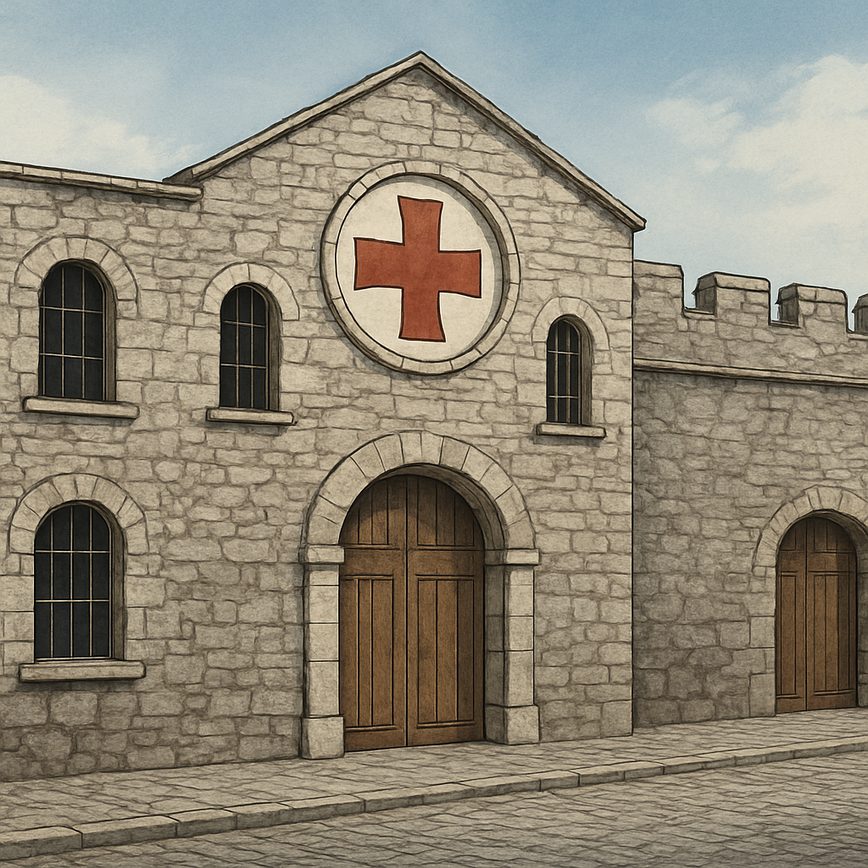
As the first dedicated military hospital in the region, it played a crucial role in stabilizing the health and readiness of the garrison. The facility not only treated injuries sustained in battle but also addressed the various diseases and illnesses prevalent among the troops due to Gibraltar’s unique climate and conditions. This proactive approach to military health care set a precedent for future medical facilities within the army.
The impact of this early military hospital extended beyond the army itself, influencing the broader community by introducing structured medical practices previously unseen in the area. It fostered a culture of health awareness and contributed to the development of Gibraltar as a hub for military medical care. Ultimately, the hospital’s establishment was a foundational step in the evolution of healthcare services in Gibraltar, reflecting the strategic priority placed on maintaining a healthy and capable military force.
Civilian Medical Services Expansion
The expansion of civilian healthcare in Gibraltar marked a significant development in the territory’s public health landscape. Initially, medical services were primarily focused on military personnel, but as the civilian population grew, so did the demand for accessible and comprehensive healthcare. This shift led to the establishment of dedicated medical facilities and services aimed specifically at civilians, broadening the scope of care beyond military needs.
Key developments during this period included the construction of civilian hospitals and clinics equipped to handle a variety of health concerns. Efforts were made to integrate public health programs that addressed sanitation, infectious diseases, and maternal and child health, which were critical challenges at the time. The introduction of vaccinations and health education campaigns played a vital role in improving overall public health standards among civilians.
Despite these advances, the expansion of medical services faced numerous challenges. Limited resources, both in terms of funding and medical personnel, constrained the ability to fully meet the healthcare needs of the growing population. Additionally, the geographic constraints of Gibraltar presented logistical difficulties in expanding infrastructure. However, through persistent efforts and community support, significant progress was made in establishing a more robust civilian healthcare system.
Overall, the period of medical expansion in Gibraltar was marked by important strides toward inclusive healthcare. The focus on civilian healthcare improved access and quality of services, contributing to better public health outcomes and laying the foundation for future developments in the territory’s medical landscape.
Evolution of Hospital Infrastructure
The hospital infrastructure in Gibraltar has seen significant advancements over the years, reflecting a dedicated commitment to hospital improvements and healthcare modernization. From its early foundations to the present day, the transformation of Gibraltar’s medical facilities showcases an ongoing effort to provide high-quality care in line with contemporary medical standards.
Initially, medical care in Gibraltar was provided in modest and often makeshift facilities, struggling to meet the demands of a growing population and the challenges posed by various health crises. However, as awareness of healthcare needs increased, so did investments in infrastructure. The introduction of purpose-built hospital buildings marked a pivotal shift, providing patients with more sterile environments and better-equipped treatment areas.
One of the most noteworthy phases of development took place in the late 20th and early 21st centuries when modernization efforts accelerated. Gibraltar’s healthcare system embraced contemporary designs that incorporated advanced architectural strategies focused on patient comfort and operational efficiency. This era witnessed the expansion of existing facilities and the construction of new hospital wings, incorporating cutting-edge technology and medical equipment that dramatically enhanced diagnostic and therapeutic capabilities.
Central to these advancements has been the integration of state-of-the-art technologies. From the adoption of sophisticated imaging machines and digital record-keeping systems to innovations in surgical tools and telemedicine platforms, Gibraltar’s medical facilities have positioned themselves to cater to both routine and complex medical needs. These new technologies have not only improved patient outcomes but also ensured faster, more accurate diagnosis and treatment, reflecting the broader global trend of healthcare modernization.
Moreover, investments in infrastructure have also prioritized sustainability and resilience, with new hospital buildings designed to be energy-efficient and adaptable to future technological advances. This forward-thinking approach ensures that Gibraltar’s healthcare system remains robust and capable of meeting emerging health challenges. The continuous evolution of hospital infrastructure signals Gibraltar’s unwavering dedication to providing exceptional medical care, thereby strengthening the overall health and well-being of its community.
Post-World War II Developments
The aftermath of World War II marked a significant turning point for healthcare in Gibraltar. The extensive demands of the war exposed the limitations of existing medical facilities and underscored the urgent need for postwar healthcare improvements. As a result, Gibraltar saw a concerted effort to upgrade and expand its hospital infrastructure to better serve the local population and military personnel alike.
The war catalyzed a series of hospital upgrades, which included modernizing operating theatres, enhancing medical equipment, and expanding patient wards to accommodate a growing and diverse patient base. These improvements not only addressed immediate wartime casualties but also laid the foundation for a more resilient healthcare system capable of managing future health crises.
Moreover, medical advancements made during the war influenced Gibraltar’s healthcare practices. Techniques in surgery, emergency care, and infectious disease control introduced in wartime settings were integrated into civilian healthcare, significantly improving patient outcomes. This period also saw increased investment in medical training and research, fostering a new generation of healthcare professionals equipped with cutting-edge knowledge and skills.
Overall, the postwar era was characterized by a transformative approach to healthcare in Gibraltar, driven by the lessons of World War II. These developments ensured the territory’s hospitals could provide advanced medical care, ultimately enhancing the quality of life for its residents.
Establishment of the St. Bernard’s Hospital
St. Bernard’s Hospital stands as a cornerstone in the history of healthcare in Gibraltar, marking a significant milestone in the development of modern medical facilities on the Rock. Founded in the early 19th century, the hospital was established to address the growing healthcare needs of Gibraltar’s population at a time when the territory was expanding both in strategic importance and population size. The creation of St. Bernard’s Hospital signaled a shift from smaller, makeshift medical facilities to a more organized and comprehensive healthcare center.
The hospital quickly became the main medical facility in Gibraltar, known for its advanced medical services and ability to cater to a broad range of health issues. Throughout its history, St. Bernard’s Hospital has played a pivotal role not only in treating the local community but also in serving military personnel stationed in the territory, reflecting its dual importance in both civilian and military healthcare.
Over the years, St. Bernard’s Hospital has undergone significant growth and modernization to keep pace with advancements in medical technology and increased demand for healthcare services. Today, it remains the principal healthcare center in Gibraltar, embodying a legacy of resilience and innovation. Its continued evolution underscores the commitment of Gibraltar to provide high-quality medical care and support the health and well-being of its citizens and visitors alike.
Current Role and Future Outlook
The hospitals in Gibraltar today play a crucial role in providing comprehensive medical services to the local population and visitors alike. With a well-established healthcare infrastructure, these facilities cater to a wide range of medical needs, from emergency care to specialized treatments. Gibraltar health services have consistently focused on combining traditional care with modern advancements to ensure the best possible outcomes for patients.
Currently, Gibraltar hospital today embraces the integration of advanced medical technologies and patient-centered care models. Efforts to improve hospital infrastructure and service delivery continue to enhance patient experiences and outcomes. The healthcare workforce in Gibraltar is dedicated to maintaining high standards, supported by ongoing training and access to new medical information and techniques. These aspects collectively support the robust functioning of Gibraltar’s hospital system in the present day.
Looking towards the future, healthcare plans in Gibraltar focus heavily on innovation and sustainability. Future healthcare plans envision expanding telemedicine services to improve accessibility, especially for those who may find it difficult to travel. This shift aims to reduce pressures on physical hospital facilities while ensuring continuity of care. Additionally, there is a strong emphasis on implementing digital health records, which will streamline patient information sharing across different care providers and enhance coordination.
Another key aspect of future healthcare plans involves investing in cutting-edge medical equipment and adopting new treatment protocols that reflect global healthcare advancements. Such innovation is expected to elevate the quality of medical services and attract specialized healthcare professionals to Gibraltar. The government and health authorities are also committed to fostering collaborations with international health institutions to exchange knowledge and best practices.
Despite these promising developments, Gibraltar’s healthcare system faces challenges such as managing rising healthcare costs, addressing the needs of an aging population, and ensuring the continued availability of skilled personnel. Balancing the demands of modernization with the necessities of universal healthcare access requires careful policy and financial planning. Overcoming these challenges will be critical to sustaining the progress of Gibraltar’s medical services innovation.
In summary, Gibraltar hospital today stands as a beacon of effective medical care, underpinned by a commitment to progress and innovation. Future healthcare plans are aligned with global trends, focusing on technology adoption, enhanced accessibility, and sustainability to meet the evolving health needs of the community. With strategic planning and ongoing investments, the future outlook for Gibraltar’s healthcare system remains optimistic and forward-thinking.
Present-day Healthcare Services
Gibraltar’s hospitals today offer a comprehensive range of current hospital services designed to meet the diverse healthcare needs of its population. These services cover various medical specialties including cardiology, orthopedics, general surgery, pediatrics, and emergency care. The healthcare infrastructure is equipped with modern diagnostic tools and treatment technologies to provide high standards of healthcare quality.
Patient care in Gibraltar is characterized by a patient-centered approach that emphasizes both clinical excellence and compassionate support. Gibraltar’s healthcare professionals maintain rigorous protocols to ensure effective and timely treatment, emphasizing safety and comfort. The integration of multidisciplinary teams allows for coordinated care across specialties, enhancing outcomes for patients with complex medical conditions.
In addition to specialized services, Gibraltar’s hospitals provide robust outpatient and rehabilitation programs to support patients through their recovery and ongoing health needs. The commitment to delivering exemplary Gibraltar patient care is reflected in continuous investments in staff training and facility upgrades, ensuring that the hospitals remain at the forefront of medical advancements while maintaining a personalized level of care.
Future Developments and Challenges
Gibraltar’s healthcare plans for the future focus on expanding hospital infrastructure and incorporating advanced medical technologies to enhance patient care. Proposed future developments include the upgrade of existing facilities and the construction of specialized units to address the growing needs of the population. Emphasizing the hospital’s future, these initiatives aim to ensure that Gibraltar’s healthcare system remains resilient and adaptable in the face of evolving medical demands.
Technological innovations play a pivotal role in these plans, with investments in telemedicine, electronic health records, and diagnostic tools expected to streamline operations and improve treatment accuracy. These advancements will also facilitate better healthcare access for remote or vulnerable patients, supporting a more inclusive system. The integration of technology is anticipated to not only enhance efficiency but also contribute to more personalized and preventive healthcare services.
However, Gibraltar’s healthcare system faces several medical challenges that could impact its progress. These include an aging population, increasing prevalence of chronic diseases, and the need for specialized medical personnel. Additionally, managing healthcare costs while maintaining quality care presents a significant hurdle. Addressing these issues will require strategic planning, continuous staff training, and fostering partnerships with international medical institutions.
Overall, Gibraltar’s vision for the future of its hospital and healthcare system is one of modernization and resilience, ensuring it can meet the complex needs of its community while adapting to new medical challenges.
Origins of Healthcare in Gibraltar
The history of healthcare in Gibraltar is deeply intertwined with its strategic military and maritime significance. The origins of healthcare in Gibraltar date back to the early days of British control in the early 18th century, when the need for medical services became paramount to support the garrison and local population. Gibraltar hospital history reveals the establishment of some of the earliest medical facilities designed to cater to soldiers, sailors, and civilians alike, marking the beginnings of organized medical care in this unique territory.
Early healthcare in Gibraltar was primarily focused on addressing the challenges posed by diseases common in a fortified and maritime environment. The first dedicated hospital in Gibraltar was established soon after the British took control in 1704. This facility was designed largely as a military hospital to care for troops stationed on the Rock, providing treatment for wounds sustained in battles as well as prevalent illnesses such as scurvy, dysentery, and malaria. The establishment of such hospitals was crucial in maintaining the health and readiness of the garrison.
Besides military healthcare, historic medical services in Gibraltar also evolved to serve the increasing civilian population and transient naval visitors. Early hospitals operated under challenging circumstances, with limited resources and facilities, often repurposing existing buildings for healthcare needs. Records from Gibraltar hospital history show that over time, these healthcare institutions expanded and improved, incorporating advancements in medicine and public health to better serve the local population.
The development of healthcare institutions in Gibraltar reflects a broader trend in historic medical services during the 18th and 19th centuries, where military needs often motivated the creation of medical infrastructure that also benefited civilians. Gibraltar, with its strategic location and diverse population, became a hub for early medical innovation and facility development, setting a foundation for the modern healthcare system that exists today. Understanding Gibraltar hospital history and its origins offers valuable insight into how historic medical services laid the groundwork for contemporary healthcare practices in this unique region.
The First Military Hospital
The establishment of the first military hospital in Gibraltar marked a significant milestone in the territory’s early medical care. Designed primarily to serve the Gibraltar army hospital needs, this institution was created to provide specialized medical treatment to soldiers stationed in the fortress. Its creation was driven by the strategic military importance of Gibraltar, ensuring that wounded and ill soldiers received prompt and effective care close to their posts.

I have always been captivated by the unique cultural tapestry of the Rock, particularly how Moorish, Spanish, and British influences shaped its development over centuries. My passion lies in translating these complex historical narratives into engaging educational resources that make Gibraltar’s past accessible to everyone. I spend my free time exploring military fortifications and reading first-hand accounts of life at the Pillar of Hercules.