Modern Urban Planning and Infrastructure
Gibraltar has embraced modern urban planning strategies to meet the demands of its growing population and to optimize its limited land resources. The government prioritizes sustainable development, aiming to balance environmental preservation with urban expansion. Current urban planning initiatives focus on the efficient use of space through vertical development, mixed-use zones, and enhanced public areas that promote community interaction and improve quality of life.
Key to Gibraltar’s modernization efforts is the comprehensive improvement of its infrastructure. Significant projects include the upgrading of utilities, roads, and public facilities to support both residents and the increasing number of businesses. Infrastructure development is guided by forward-thinking policies that integrate smart technologies to enhance operational efficiency and sustainability across the territory.
Transportation development is a cornerstone of Gibraltar’s urban planning. Modernizing transport networks includes expanding public transit options and enhancing pedestrian-friendly pathways to reduce congestion in the densely populated area. Efforts are underway to improve connectivity within Gibraltar and to neighboring regions, facilitating smoother movement of people and goods. This includes advancements in road systems and improvements to the iconic airport runway and port facilities, which are vital for trade and tourism.
In summary, Gibraltar’s approach to modern urban planning and Gibraltar infrastructure focuses on sustainable growth, efficient land use, and enhancing connectivity. By implementing innovative infrastructure projects and transportation development schemes, Gibraltar is shaping a resilient, future-ready urban environment that can support economic growth while preserving its unique heritage and environment.
Sustainable Development Initiatives
Gibraltar has embraced sustainable urban development as a core principle to ensure balanced growth while preserving its unique environment. The government has implemented a series of policies aimed at integrating green infrastructure into urban planning, which includes the development of parks, green roofs, and urban gardens. These initiatives not only enhance the aesthetic appeal of the city but also improve air quality and biodiversity.
Central to Gibraltar’s environmental planning is the emphasis on reducing carbon emissions through sustainable transport options and energy-efficient buildings. By promoting public transportation and encouraging the use of electric vehicles, the city aims to minimize traffic congestion and pollution. Moreover, building codes now require the incorporation of energy-saving technologies, which further supports the environmental objectives.
Efforts to preserve natural habitats alongside urban expansion showcase Gibraltar’s commitment to green initiatives. The creation of buffer zones and protected areas ensures that urban development does not encroach on critical ecosystems. Additionally, water conservation and waste management programs are integral parts of environmental planning, helping to mitigate the ecological footprint of urban growth.
Overall, Gibraltar’s sustainable urban development policies and green infrastructure projects represent a balanced approach that addresses both the needs of a growing urban population and the imperative to protect the environment for future generations.
Transportation and Connectivity Enhancements
Gibraltar has made significant strides in its transportation development to improve urban connectivity and enhance mobility for residents and visitors alike. The strategic focus on upgrading public transit options has been central to these efforts, aiming to reduce traffic congestion and promote sustainable travel within the densely populated territory.
One of the key improvements has been the modernization of the bus network, which now offers more frequent and reliable services connecting key areas across Gibraltar. This enhanced public transit system has improved accessibility to commercial hubs, residential areas, and the airport, fostering greater ease of movement for daily commuters and tourists. Additionally, investments in pedestrian pathways and cycling lanes have encouraged alternative modes of transportation, supporting healthier and environmentally friendly travel options.
Furthermore, Gibraltar’s transportation development includes upgrades to road infrastructure and traffic management systems, which have optimized traffic flow and minimized bottlenecks. Connectivity improvements extend to the integration of transport options, making transfers between buses, taxis, and other modes seamless. These enhancements collectively contribute to a more connected and accessible urban environment, reflecting Gibraltar’s commitment to efficient and forward-thinking urban mobility solutions.
Challenges and Future Prospects
Gibraltar faces several urban challenges that impact its future urban development. Due to its limited land area and strategic location, city planning challenges are particularly pronounced, creating constraints on expansion and infrastructure improvement. The urban landscape is continuously pressured by a growing population, increased tourism, and the need to balance environmental preservation with modern development demands.
One of the primary urban challenges is the scarcity of available land, which limits new construction and housing projects. This limitation forces urban planners to make difficult decisions about land use, prioritizing developments that can support economic growth while preserving green spaces and historical sites. Additionally, Gibraltar must address traffic congestion and transportation infrastructure to improve mobility and reduce environmental impact within its compact urban area.
Future urban development in Gibraltar is increasingly focused on sustainability. Plans include optimizing space with vertical development and innovative architectural solutions, promoting energy-efficient buildings, and expanding public transport options to reduce reliance on private vehicles. These efforts aim to create a more livable and environmentally friendly urban environment that can adapt to the pressures of modernization without sacrificing quality of life.
City planning challenges in Gibraltar also involve integrating new technologies and smart city solutions to enhance urban management. Embracing digital tools for data-driven decision-making will help tackle issues such as resource allocation, waste management, and emergency response. Furthermore, community engagement is a crucial aspect, ensuring that residents have a voice in shaping the future of their city.
Despite the complexities, the future prospects for Gibraltar’s urban development are promising. By addressing current urban challenges proactively, the city can foster sustainable growth that supports economic vitality, environmental health, and social well-being. Strategic planning and innovative solutions will be key to overcoming constraints and building a resilient urban future for Gibraltar.
Space Constraints and Population Growth
Gibraltar faces significant challenges in urban development due to severe space limitations and increasing population density. The territory’s geographical confines leave minimal room for horizontal expansion, compelling planners to find innovative solutions to accommodate a growing number of inhabitants within a limited area. These space constraints directly impact the efficiency and feasibility of urban expansion strategies, as the scarcity of land hampers the creation of new residential, commercial, and public infrastructure.
Population growth further exacerbates these limitations, placing immense pressure on existing housing and essential services. High population density results in overcrowded living conditions, which can reduce the overall quality of life and strain urban resources. Urban development must therefore balance the need for additional housing with the challenges posed by the lack of available land and the necessity to preserve environmental and historical assets.
Addressing these urban expansion issues requires strategic planning that incorporates vertical development, efficient land use, and revitalization of underutilized spaces. Policymakers must also focus on sustainable growth models that mitigate the negative impacts of population density, such as traffic congestion, pollution, and infrastructure overburden. Overall, space limitations combined with rapid population growth create a complex scenario that demands thoughtful and innovative urban development strategies tailored to Gibraltar’s unique context.
Plans for Renovation and Development
Gibraltar’s urban landscape is set to undergo significant transformation through a series of carefully designed development plans aimed at revitalizing the city while preserving its unique heritage. Central to these initiatives are urban renovation projects focused on modernizing aging infrastructure and enhancing the livability of the area. Renovation efforts will prioritize upgrading road networks, improving public transport systems, and expanding green spaces to foster a healthier urban environment.
Key infrastructure projects include the redevelopment of waterfront areas and the refurbishment of historical buildings to integrate contemporary functionality without compromising cultural value. These developments are part of a broader strategy to support sustainable urban growth and increase economic opportunities by attracting investment and tourism. The policies governing these plans emphasize community involvement and environmental responsibility, ensuring that progress benefits all residents.
Moreover, ongoing studies and consultations are investigating ways to improve housing availability and optimize land use to accommodate population growth. With careful planning, Gibraltar’s urban renovation will enhance the quality of life while reinforcing the city’s role as a vibrant and modern Mediterranean hub. These development plans reflect a forward-looking vision that balances innovation with tradition, aiming for a dynamic urban future.
Historical Development of Gibraltar
The urban development of Gibraltar is deeply rooted in its rich and complex history, spanning several centuries and marked by strategic military and geopolitical significance. The Gibraltar history is essential to understanding its urban growth, as the town has evolved under the influence of many key historical events, shaping its unique character and structure today.
The earliest phases of urban development in Gibraltar can be traced back to its initial settlement by various ancient civilizations including the Phoenicians, Romans, and Moors. Each successive wave of inhabitants contributed to the town’s early structures and fortifications. However, the most significant transformation began in 1704, when British forces captured Gibraltar during the War of the Spanish Succession. This event set the stage for a new era of urban expansion under British control.
Following the 1704 capture, Gibraltar’s urban development was largely driven by its military importance as a fortress and naval base. The British fortified the Rock extensively, constructing bastions, walls, and tunnels to defend the territory. Around these military installations, civilian areas began to grow, with new neighborhoods emerging to house the increasing population of soldiers, merchants, and their families. This period marks a critical phase of historical growth for Gibraltar, as the town expanded both in population and infrastructure.
The 19th century saw further growth fueled by Gibraltar’s role in global maritime trade and the opening of the Suez Canal, which increased its strategic importance as a naval hub. Urban development continued with improvements in transportation, housing, and public services. The town’s layout reflected a blend of military and civilian needs, resulting in a densely built environment with narrow streets and compact residential areas.
In the 20th century, Gibraltar faced new challenges that influenced its urban landscape, including World War II evacuations and the imposition of border restrictions with Spain. Despite these, the town continued to modernize, with expanded road networks, modern housing, and the development of commercial and tourism sectors. The historical context of these phases reveals how Gibraltar’s urban development is a story of adaptation and resilience in response to both internal growth and external pressures.
In summary, Gibraltar’s historical development is characterized by its transformation from a strategic military stronghold to a vibrant urban center influenced by its pivotal location and geopolitical history. The phases of urban growth demonstrate the interplay between military needs and civilian expansion, shaped by key historical events that continue to define the town’s unique identity and urban fabric.
Early Settlements and Military Influence
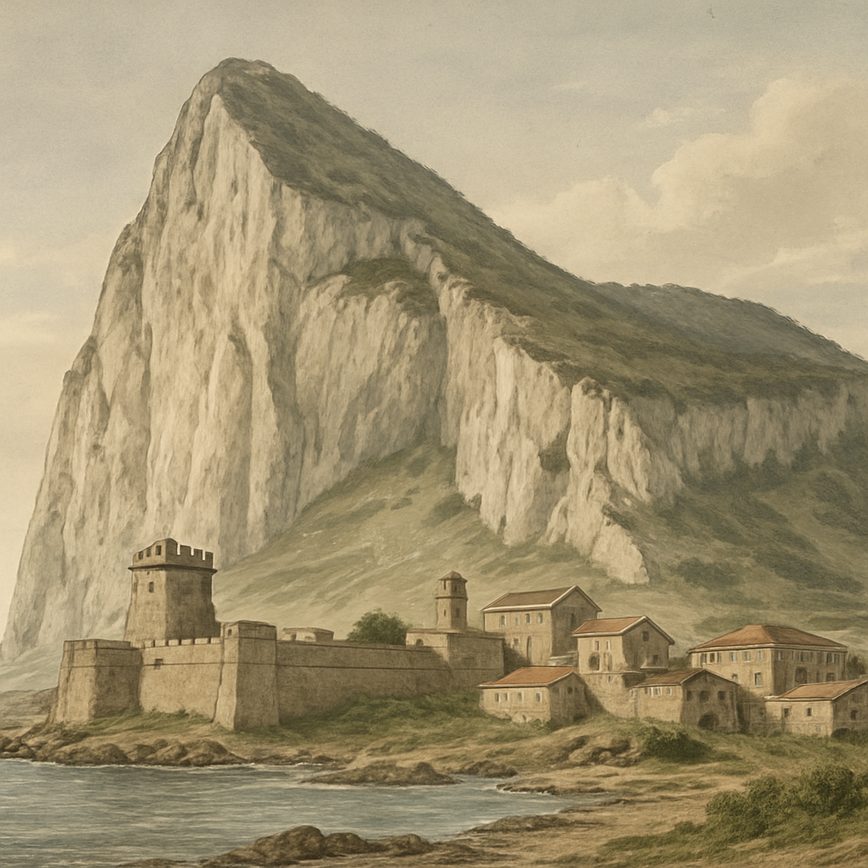
The early settlements of Gibraltar were significantly shaped by military needs, which played a crucial role in defining the urban layout and infrastructure of the area. From its inception, the strategic importance of Gibraltar as a fortress and naval base required a settlement pattern that prioritized defense and security. Military architecture dominated the design of the town, with structures built not only to accommodate residents but also to withstand and repel attacks. This focus on defense led to the development of extensive Gibraltar fortifications, including thick walls, bastions, and lookout points strategically placed to provide maximum visibility and protection.
The urban layout was therefore heavily influenced by the terrain and the necessity for controlling key points along the rock. Streets and buildings were aligned to support rapid movement of troops and the efficient deployment of artillery. Early settlements clustered within the secure confines of fortified boundaries, creating a dense network of streets optimized for defense rather than expansion. Military needs dictated the placement of barracks, armories, and storage facilities within close proximity to the fortifications, ensuring readiness and resilience in times of conflict.
Thus, the early settlement patterns and infrastructure of Gibraltar were a direct response to military imperatives. The interplay between civilian life and military strategy is evident throughout the historic town, where every architectural and urban planning decision was influenced by the need to maintain a formidable defensive stronghold. This military-centric urban development has left a lasting imprint on Gibraltar’s identity and physical form.
Post-World War II Urban Expansion
Following World War II, Gibraltar experienced significant urban expansion as part of its post-war development efforts. The pressing need to accommodate a growing population led to extensive housing expansion projects, which were crucial in transforming the urban landscape. These initiatives focused on creating new residential areas that could house returning servicemen, their families, and civilians who were migrating to the region for economic opportunities.
Urban planning during this period was marked by strategic efforts to not only increase housing availability but also to improve infrastructure and public services. Careful planning ensured that new neighborhoods were equipped with necessary amenities, including schools, healthcare facilities, and transportation links. This holistic approach was essential in fostering a sustainable urban environment capable of supporting rapid growth without compromising quality of life.
The government collaborated closely with architects, engineers, and planners to design efficient layouts that maximized space usage while addressing the community’s needs. Infrastructure projects such as road expansions, utilities upgrades, and recreational spaces were also prioritized. These developments collectively contributed to modernizing Gibraltar’s urban framework and enhancing its economic potential in the post-war era.
Overall, the post-war development phase marked a turning point for Gibraltar, demonstrating a commitment to progressive urban planning and the successful implementation of housing expansion and infrastructure projects. This period laid the foundation for the contemporary urban fabric seen in Gibraltar today.

I have always been captivated by the unique cultural tapestry of the Rock, particularly how Moorish, Spanish, and British influences shaped its development over centuries. My passion lies in translating these complex historical narratives into engaging educational resources that make Gibraltar’s past accessible to everyone. I spend my free time exploring military fortifications and reading first-hand accounts of life at the Pillar of Hercules.