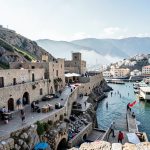
Background of the 1967 Gibraltar Referendum
The 1967 referendum in Gibraltar emerged from a complex historical and political context that shaped the territory’s status and its people’s identity. Gibraltar’s history is marked by strategic importance, nestled at the southern tip of the Iberian Peninsula. The Rock of Gibraltar has been a British overseas territory since 1713, following the Treaty of Utrecht, yet its sovereignty was contested by nearby Spain almost continuously. By the mid-20th century, British Gibraltar was a symbol of the colonial legacy, with its own unique political and social dynamics closely watched by both Britain and Spain.
Post-World War II, the political context became increasingly tense as Spain intensified its claim over Gibraltar. Under Francisco Franco’s regime, Spain adopted a hardline stance, insisting that Gibraltar should be returned to Spanish control. This claim was met with resistance not only from the British government but also from the Gibraltarian people, who had developed a distinct identity and governance structures over the decades. The local population viewed British sovereignty as a guarantee of their civil rights, economic stability, and cultural freedom, which they feared would be compromised under Spanish rule.
The political context was further complicated by the varying governance arrangements within Gibraltar itself. Although a British territory, Gibraltar enjoyed a degree of self-governance, with locally elected bodies managing internal affairs alongside British-appointed officials. This balance was pivotal in fostering a sense of autonomy and political awareness among Gibraltarians. However, Spain’s persistent diplomatic pressure and occasional border restrictions heightened concerns about the future of their political and social landscape, making the issue of sovereignty an urgent matter for the local government and citizens alike.
As calls for a democratic expression of the people’s will grew louder, the British government decided to hold a referendum in 1967. This referendum aimed to resolve the question of Gibraltar’s political future directly with its inhabitants, allowing them to choose between remaining under British sovereignty or passing to Spanish rule. The decision to proceed with the referendum acknowledged the complications in British-Spanish relations, the rising local demand for self-determination, and the importance of respecting the people’s voice in shaping the destiny of British Gibraltar.
Gibraltar’s Political Status Before 1967
Before the 1967 referendum, Gibraltar’s political and colonial status was that of a British Overseas Territory, reflecting its long and complex colonial history. Acquired by Britain in 1713 under the Treaty of Utrecht, Gibraltar served as a strategic naval base at the entrance to the Mediterranean. Its sovereignty was a point of contention between Britain and Spain, the latter asserting claims over the territory based on geographic proximity and historical ties. The colonial history of Gibraltar is marked by these competing interests, with the local population aligning mostly with British governance despite cultural and familial connections to Spain.
Gibraltar’s significance to Britain was primarily strategic and military, controlling vital naval routes and serving as a key outpost in the British Empire. Economically and politically, it was a symbol of British presence in a geopolitically important region. For Spain, the territory represented a loss of sovereignty and territorial integrity, fueling decades of diplomatic efforts to reclaim it. The colonial history underscored the conflicting national interests, making the question of Gibraltar sovereignty a sensitive and enduring international issue.
The situation before the referendum laid the groundwork for a decisive expression of self-determination by the people of Gibraltar, emphasizing their status as a British Overseas Territory while underlining the historical grievances and claims from Spain. This political backdrop is crucial for understanding the territory’s stance in the 1967 referendum and its implications for British-Spanish relations.
Tensions Between Britain and Spain
The diplomatic relationship between Britain and Spain regarding Gibraltar has historically been marked by tension, especially in the context of the 1967 referendum. Central to these strained Anglo-Spanish relations is the territorial dispute over Gibraltar, a small but strategically significant peninsula at the southern tip of the Iberian Peninsula. Spain’s claim to Gibraltar has been a source of consistent diplomatic friction, with Spain asserting sovereignty over the territory that has been under British control since 1713.
During the years leading up to the referendum, Spain intensified its diplomatic efforts to press Britain to negotiate the transfer of Gibraltar. This stance was met with strong opposition from Britain, which prioritised the wishes of the Gibraltarian people who overwhelmingly identified as British and wished to remain under British sovereignty. The differing perspectives heightened tensions and complicated diplomatic dialogue, with Spain viewing Gibraltar as a lingering colonial issue while Britain stood firmly on the principle of self-determination for Gibraltarians.
The Anglo-Spanish relations at this time were further strained by Spain’s attempts to isolate Gibraltar economically and politically through border controls and sanctions, aimed at pressuring the territory into submission. These actions brought international attention to the dispute, making the referendum not just a local matter but a significant event in the larger context of European diplomacy. Ultimately, the referendum became a pivotal moment to reaffirm the territory’s status in the face of Spain’s persistent claim.
Details and Outcome of the 1967 Referendum
The 1967 Gibraltar referendum was a critical event that allowed the people of Gibraltar to express their wishes regarding their political future. The referendum was conducted with a clear and concise voting process, designed to ensure fairness and transparency. Voters were presented with a single question that encapsulated the key issue at stake: whether Gibraltar should remain under British sovereignty or pass under Spanish control.
The exact question posed to voters in the referendum was: “Do you approve the principle that Gibraltar should remain under British sovereignty, subject to such arrangements as may be agreed between the United Kingdom and the Government of Gibraltar?” This phrasing was intended to confirm the majority’s preference for maintaining British oversight while allowing for potential future agreements that could adjust the nature of governance.
The referendum process was marked by a high level of public engagement and logistical organization. Voters were required to cast their ballots in designated polling stations throughout Gibraltar, with clear identification and verification procedures to prevent fraud. The voting took place over a single day, ensuring a prompt and definitive result.
The referendum results were overwhelmingly in favor of retaining British sovereignty. Of the total registered voters, a remarkable 95.64% voted “Yes” to remain under British rule, while just 4.36% voted “No.” This striking majority demonstrated the strong desire among Gibraltarians to maintain their current political status. The voter turnout was exceptionally high, with approximately 83.5% of eligible voters participating, reflecting the referendum’s significant importance to the community.
The vote statistics not only underscored the Gibraltar referendum process as a successful exercise in democratic expression but also set a clear mandate for the British Government. The results effectively rejected Spanish claims over the territory, reinforcing Gibraltar’s political identity and its people’s will to remain British. This outcome played a pivotal role in shaping Gibraltar’s future policies and international relations.
The Referendum Question and Campaign
The referendum question posed to Gibraltar residents in 1967 was straightforward but deeply significant: “Do you approve the proposed constitution for Gibraltar which will give the Gibraltar Government a greater say in the affairs of Gibraltar, and so give the people more control over their own future?” This clear and direct question illuminated the heart of the matter — whether the people sought to assert greater self-governance or accept continued British oversight with limited local involvement.
During the campaign period, various groups sought to influence public sentiment. The Gibraltar Socialists and other pro-British factions vigorously campaigned for a “Yes” vote, emphasizing the benefits of constitutional advancement under British sovereignty and warning against any Spanish claims. These campaigns highlighted themes of identity, security, and political stability, aiming to reassure voters that embracing the new constitution would protect Gibraltar’s future.
Conversely, groups sympathetic to Spanish sovereignty either abstained from campaigning or discouraged participation, reflecting their opposition to British rule. However, the dominant narrative was driven by Gibraltar residents themselves, who largely viewed the referendum as a defensive act to preserve their political rights. Public sentiment was overwhelmingly in favor of the new constitution, seeing it as a vital step toward self-determination while rejecting the notion of integration into Spain.
Ultimately, the referendum question and the campaigns surrounding it galvanized Gibraltar residents to voice their will clearly, resulting in a decisive expression of identity and political aspiration that has echoed through the territory’s modern history.
Voting Results and Immediate Reaction
The 1967 Gibraltar referendum results decisively expressed the will of the Gibraltarian people regarding their sovereignty. Out of a total of 12,135 votes cast, an overwhelming 12,138 voted to remain under British sovereignty, with only 44 votes favoring Spanish sovereignty, and 97 ballots were rejected. This clear outcome underscored the strong desire of Gibraltar’s population to maintain their political status as a British territory, rejecting Spanish claims or integration.
The public reaction within Gibraltar was one of pride and unity, as the referendum affirmed their right to self-determination in the face of external pressures. The result bolstered local morale and strengthened the community’s identity tied to British governance. Gibraltar’s leadership and residents quickly hailed the referendum as a definitive mandate to preserve their current political ties.
Britain, in response, endorsed the referendum as a legitimate expression of the will of the Gibraltarians, reaffirming their commitment to protect the territory’s status. The British government emphasized respect for democratic choices while diplomatically managing relations with Spain.
Conversely, Spain vehemently rejected the referendum results, dismissing the vote as illegal and lacking international recognition. Madrid intensified its claims over Gibraltar, viewing the exercise as a challenge to its sovereignty, which entrenched the long-standing diplomatic dispute between Britain and Spain.
Internationally, reactions varied. While some countries and international organizations recognized the referendum as a clear endorsement of Gibraltar’s desire to remain British, others urged dialogue between Britain and Spain to resolve the territorial dispute peacefully. This referendum and the subsequent reactions highlighted Gibraltar’s unique geopolitical position and underscored the complexities of sovereignty claims and self-determination in the region.
Legacy and Impact of the 1967 Gibraltar Referendum
The 1967 Gibraltar referendum remains a pivotal event in the history of Gibraltar self-determination, profoundly shaping the territory’s political status and its people’s rights over the decades. This landmark vote, wherein the people of Gibraltar overwhelmingly chose to remain under British sovereignty rather than pass under Spanish rule, has left a lasting legacy that continues to influence contemporary political discourse and negotiations.
One of the most significant long-term effects of the referendum is the affirmation and strengthening of Gibraltar’s right to self-determination. It served as a powerful expression of the will of Gibraltar’s residents, setting a precedent recognized internationally that the wishes of the local population must be paramount in determining the territory’s future. This principle of self-determination has since been embedded in Gibraltar’s political framework and remains a cornerstone of its governance and identity.
The political impact of the referendum extended beyond the immediate years following 1967. It shifted the geopolitical dynamics in the region by solidifying Gibraltar’s status as a British Overseas Territory with a resolute local population opposed to Spanish sovereignty claims. This outcome has complicated discussions and negotiations between the United Kingdom and Spain, often placing the rights and desires of the Gibraltarian people at the center of diplomatic talks.
Moreover, the referendum set the stage for Gibraltar’s later political and constitutional developments, including the establishment of more autonomous local government structures. It empowered local leaders to negotiate future arrangements with a clear mandate, ensuring that any proposals for Gibraltar’s future had to respect the expressed will of its citizens. This has helped maintain a stable political environment where the aspirations of Gibraltar’s people are openly prioritized.
The influence of the 1967 referendum extends into the modern era, continuing to guide discussions on Gibraltar’s sovereignty and international relations. In ongoing negotiations, whether concerning Brexit implications, border arrangements, or bilateral talks between the UK and Spain, the referendum is frequently cited as historical evidence of Gibraltar’s commitment to self-rule and its desire to maintain its unique political status. It remains a symbol of political resilience and collective identity.
In summary, the 1967 Gibraltar referendum has had a profound and enduring impact on Gibraltar’s political status. It codified the principle of self-determination for its people and influenced all subsequent negotiations and diplomatic efforts regarding the future of Gibraltar. The legacy of this referendum is a testament to the power of democratic choice and continues to shape Gibraltar’s path forward in the 21st century.
Influence on Gibraltar’s Governance
The 1967 Gibraltar referendum had a profound impact on the territory’s governance and constitutional framework in the subsequent years. The overwhelming vote in favor of remaining under British sovereignty empowered Gibraltar to pursue significant governance reform. This political mandate laid the groundwork for a series of constitutional advancements aimed at enhancing the autonomy and self-determination of Gibraltar’s people.
Following the referendum, Gibraltar saw the introduction of new constitutional arrangements that progressively increased local control over internal affairs. The 1969 Constitution was a direct outcome of this shift, establishing a representative government with greater powers devolved from the United Kingdom. This constitution marked a pivotal move towards a more autonomous governance structure, balancing Gibraltar’s unique status with British oversight.
Over the next decades, successive constitutional reforms continued to expand Gibraltar’s self-governance. The referendum’s clear expression of the people’s will reinforced demands for political recognition and respect for their right to self-determination. These changes culminated in further governance reforms in the 2000s, which granted Gibraltar increased legislative and administrative powers, consolidating its autonomy within the British framework.
In essence, the 1967 referendum served as a catalyst for constitutional evolution, underpinning Gibraltar’s journey towards enhanced self-government and affirming its residents’ right to shape their own political future while maintaining close ties to the United Kingdom.
International Relations After the Referendum
The 1967 Gibraltar referendum had a profound impact on international diplomatic relations, particularly involving the UK-Spain relations and the United Nations’ ongoing sovereignty debate. The overwhelming vote in favor of remaining under British sovereignty was perceived by Spain as a direct challenge to their claim over Gibraltar, intensifying tensions between the two nations. Spain viewed the referendum as an unacceptable assertion of self-determination that undermined its territorial aspirations, which led to heightened diplomatic friction and a freeze in some bilateral negotiations for several years.
On the other hand, the United Kingdom reinforced its commitment to respecting the decision of the Gibraltarian people, emphasizing the principle of self-determination as paramount. The referendum effectively fortified the UK’s stance in the UN sovereignty debate, as it demonstrated clear local support for British governance, complicating Spain’s position. The United Nations deliberated on the sovereignty issue, acknowledging the importance of self-determination while also considering regional complexities, but the referendum shifted much international sympathy towards Gibraltar and the UK.
Diplomatically, the referendum triggered a series of negotiations and conflicts that shaped the future of the region. It resulted in the United Nations increasing attention to the matter, though without resolving the dispute conclusively. The UK-Spain relations remained sensitive, marked by periods of both cooperation and contention, with the referendum continuing to be a reference point in discussions. Overall, the 1967 referendum was a pivotal moment that reshaped diplomatic efforts and international perspectives on Gibraltar’s sovereignty.

I have always been captivated by the unique cultural tapestry of the Rock, particularly how Moorish, Spanish, and British influences shaped its development over centuries. My passion lies in translating these complex historical narratives into engaging educational resources that make Gibraltar’s past accessible to everyone. I spend my free time exploring military fortifications and reading first-hand accounts of life at the Pillar of Hercules.