The Historical Significance of Gibraltar
Gibraltar has long been a pivotal point of military and strategic importance, sitting at the entrance of the Mediterranean Sea. Its location allows control over naval passage between Europe and Africa, and throughout history, various powers sought to claim and fortify it. The British Army’s defense of Gibraltar is a remarkable narrative of resilience and tactical ingenuity, particularly highlighted during significant events such as the Great Siege of Gibraltar from 1779 to 1783. This article explores the evolution of the British Army’s defense mechanisms and strategies employed to protect this critical territory over the centuries.
Early Defenses of Gibraltar
The Origins of Gibraltar trace back to periods before British control, when it was held by powers like the Moors and the Spanish. The British captured it in 1704 during the War of the Spanish Succession. Initially, the fortifications consisted of basic walls and gun emplacements designed to repel attacks. Over time, these defenses were enhanced, especially after the British recognized the strategic value of Gibraltar as a naval base. The construction of more robust fortifications began in the 18th century, incorporating advanced artillery and military engineering techniques.
The formation of specialized military units, such as the Royal Engineers in 1716, played a crucial role in this development. These troops were tasked with constructing and maintaining fortifications, and their expertise allowed for the implementation of significant upgrades to Gibraltar’s defenses, effectively transforming it into a formidable stronghold.
The Great Siege of Gibraltar: 1779-1783
The Great Siege is perhaps the most notable episode in the history of Gibraltar’s defenses. Following the outbreak of the American Revolutionary War, Spain and France sought to capitalize on Britain’s preoccupation with its colonies. On June 16, 1779, Spain declared war against Britain, marking the beginning of a coordinated effort to capture Gibraltar.
During the siege, approximately 65,000 Spanish and French troops surrounded the British garrison, which consisted of around 7,500 defenders. The attackers employed a strategy of blockade, cutting off supplies and bombarding the fortress with heavy artillery. Despite facing dire conditions, including shortages of food and rampant disease, the British garrison, under the command of General George Eliott, mounted a valiant defense. Their resilience was bolstered by clever tactics and the innovative use of artillery, which proved essential in repelling numerous assaults.
Innovations in Military Technology
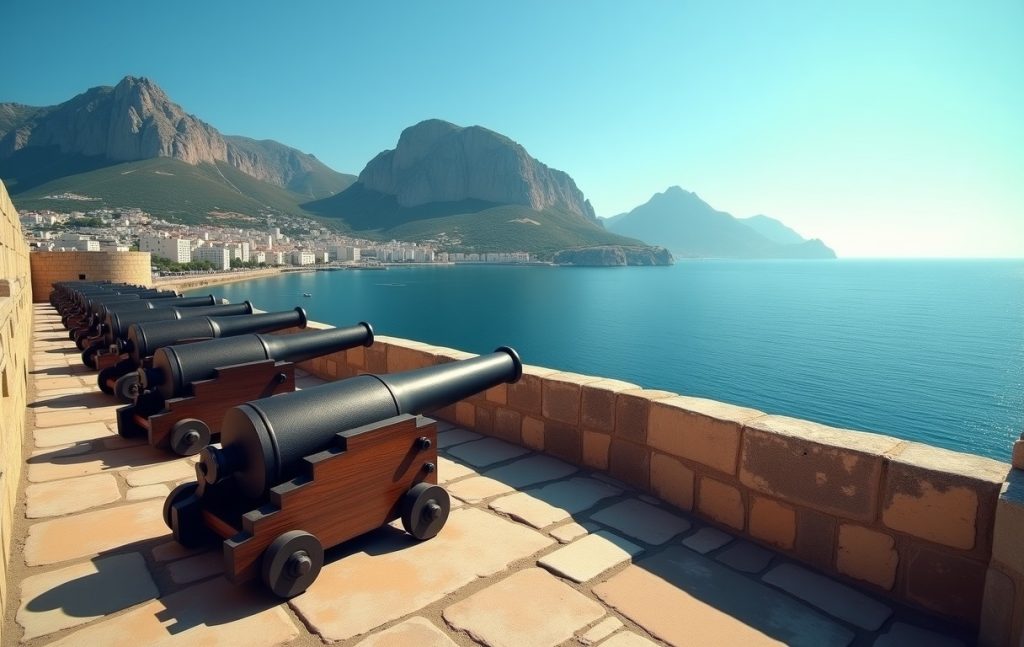
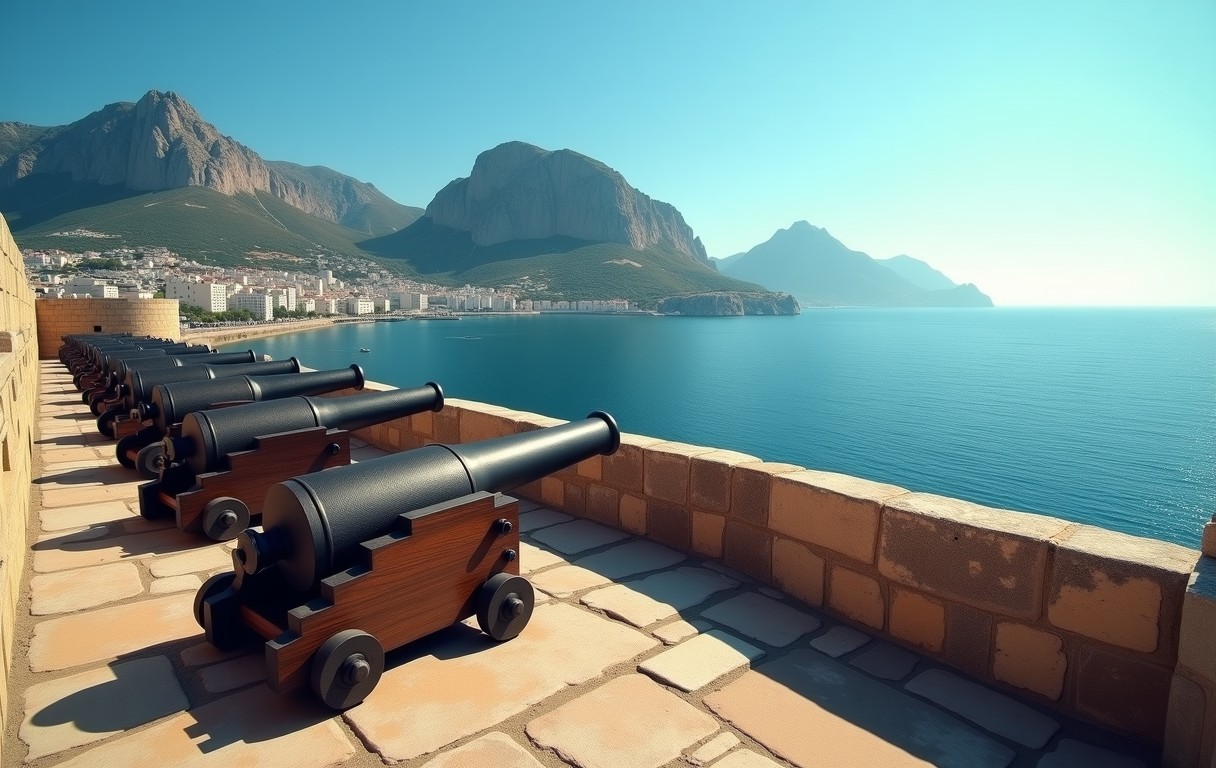
Throughout the Great Siege, the British Army demonstrated remarkable adaptability in the face of overwhelming odds. One of the key innovations during this period was the use of artillery. The British gunners utilized a combination of traditional cannons and newly developed siege artillery to counter the Franco-Spanish fleet’s attacks effectively. The construction of the King’s Bastion and other fortifications allowed for improved firing positions, enabling defenders to inflict significant damage on the besieging forces.
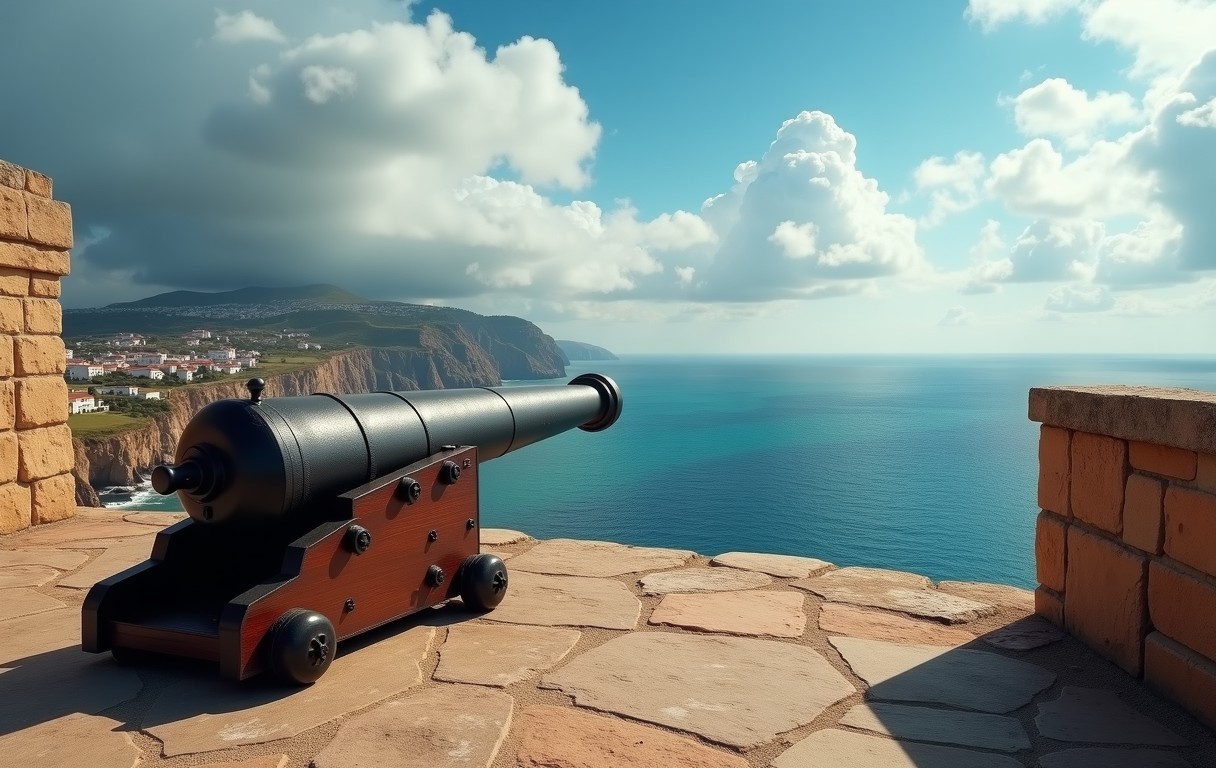
Additionally, the British adapted their tactics by employing floating batteries, which were specially designed ships equipped with heavy guns. These vessels were used to counter the Spanish floating batteries, which had been constructed to withstand bombardment. The innovative use of these military technologies not only showcased the British Army’s engineering prowess but also contributed significantly to their eventual success in breaking the siege.
Post-Siege Developments and Fortifications
The end of the Great Siege in 1783 marked a turning point in Gibraltar’s military history. The successful defense solidified British control over the territory, prompting further investment in its defenses. The fortifications were expanded and modernized, reflecting advances in military architecture and artillery technology. The construction of the new lines of defense transformed Gibraltar into one of the most fortified locations in the world.
In the years following the siege, the British Army continued to enhance the garrison’s capabilities. The introduction of improved artillery pieces and the establishment of training programs for soldiers ensured that the defenders remained well-prepared for any potential threats. These developments were crucial as tensions in Europe continued to escalate, prompting the need for a strong military presence in Gibraltar.
Gibraltar in the 19th Century: A Strategic Naval Base
Throughout the 19th century, Gibraltar’s strategic importance grew, particularly during the Napoleonic Wars. The British Army maintained a strong military presence on the Rock, ensuring that it remained a vital naval base for operations in the Mediterranean. The fortifications were continuously upgraded to meet the challenges posed by evolving military technology.
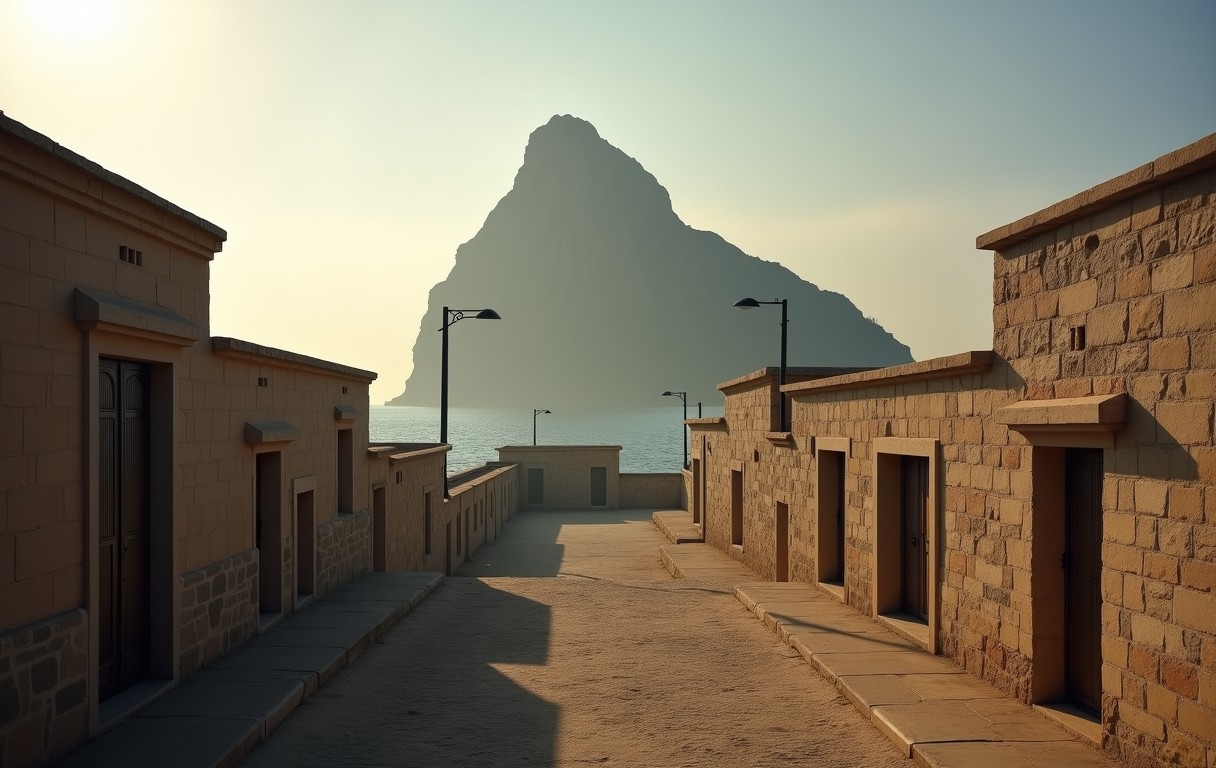
During this period, the British Army also focused on improving the living conditions for soldiers stationed in Gibraltar. Barracks were constructed, and facilities were established to support the health and well-being of the troops. This emphasis on soldier welfare reflected a broader understanding of the importance of morale and readiness in military operations.
Gibraltar in the 20th Century: World Wars and Beyond
Throughout the 20th century, Gibraltar played a vital role as a critical military outpost in European history. During both World Wars, its strategic location made it an essential base for Allied operations. The British Army fortified Gibraltar further, preparing for potential attacks from Axis powers. The Rock’s defenses included advanced anti-aircraft systems and coastal artillery, reflecting the changing nature of warfare.
In World War II, Gibraltar played a significant role as a staging ground for operations in North Africa and the Mediterranean. The British Army’s experience during the Great Siege and subsequent conflicts informed their strategies, enabling them to adapt effectively to new threats. The lessons learned from previous sieges and battles shaped the evolution of military tactics and fortifications.
Modern Day Gibraltar: A Legacy of Defense
Today, Gibraltar stands as a symbol of British military heritage and resilience. The fortifications that once protected the garrison from siege now serve as historical landmarks, attracting visitors interested in the rich military history of the Rock. The British Army’s defense of Gibraltar through time illustrates a continuous commitment to safeguarding this strategically important territory.
Modern Gibraltar remains a bustling community with a unique blend of British and Mediterranean cultures. The legacy of its military past is preserved through museums, historical sites, and ongoing commemorative events. The British Army’s enduring presence on the Rock reflects the ongoing significance of Gibraltar in contemporary geopolitics and military strategy.

I have always been captivated by the unique cultural tapestry of the Rock, particularly how Moorish, Spanish, and British influences shaped its development over centuries. My passion lies in translating these complex historical narratives into engaging educational resources that make Gibraltar’s past accessible to everyone. I spend my free time exploring military fortifications and reading first-hand accounts of life at the Pillar of Hercules.