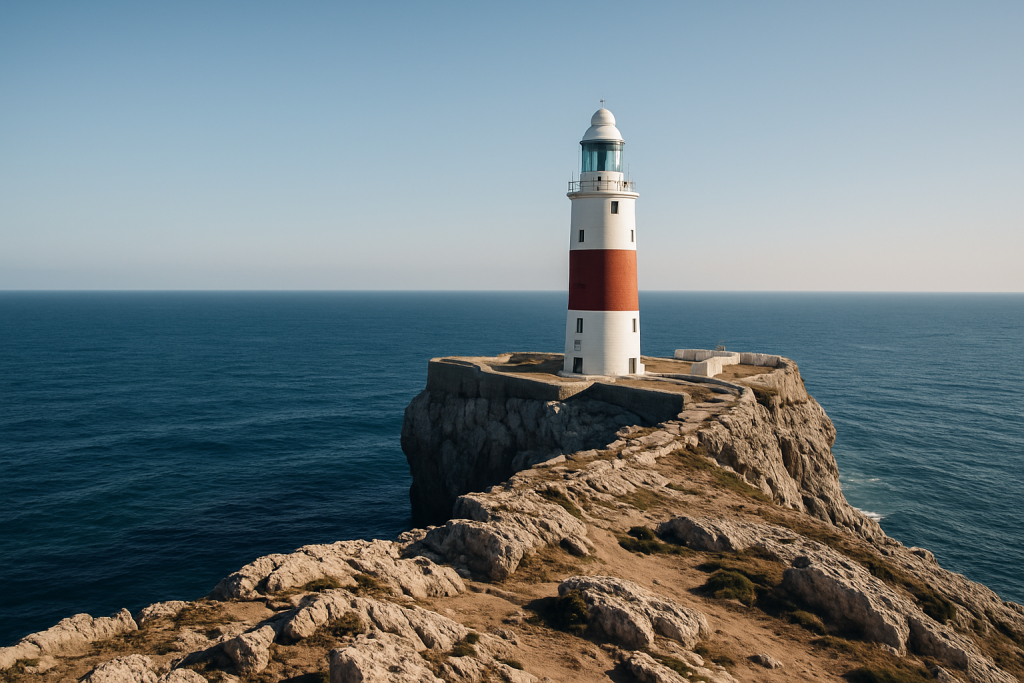
Introduction to Europa Point Gibraltar
Europa Point is the southernmost tip of Gibraltar, a British Overseas Territory located at the strategic crossroads of the Mediterranean Sea and the Atlantic Ocean. This prominent geographical landmark provides a breathtaking vantage point where the Mediterranean meets the vast expanse of the Atlantic, making it a focal point of natural beauty and strategic importance. The location of Europa Point at the gateway between two seas has made it a site of great historical significance, serving as a sentinel over crucial maritime routes for centuries.
Gibraltar itself is a small yet geopolitically vital area on the southern coast of the Iberian Peninsula. Europa Point lies approximately three miles from the mainland of Spain and faces the coast of North Africa just across the Strait of Gibraltar. This unique position has shaped the cultural and historical development of the region throughout history. The overview of Europa Point cannot be fully appreciated without understanding its role in navigation, defense, and cultural exchange in the Mediterranean world.
Historically, Europa Point has served as a key lookout and defensive position because it overlooks the narrow strait that links the Atlantic Ocean to the Mediterranean Sea. This narrow passage, often referred to as the “Gateway to the Mediterranean,” has been of immense strategic value for military, trade, and exploration purposes. Over the centuries, control of Europa Point—and Gibraltar as a whole—has been fiercely contested by various empires seeking dominance over this vital maritime chokepoint.
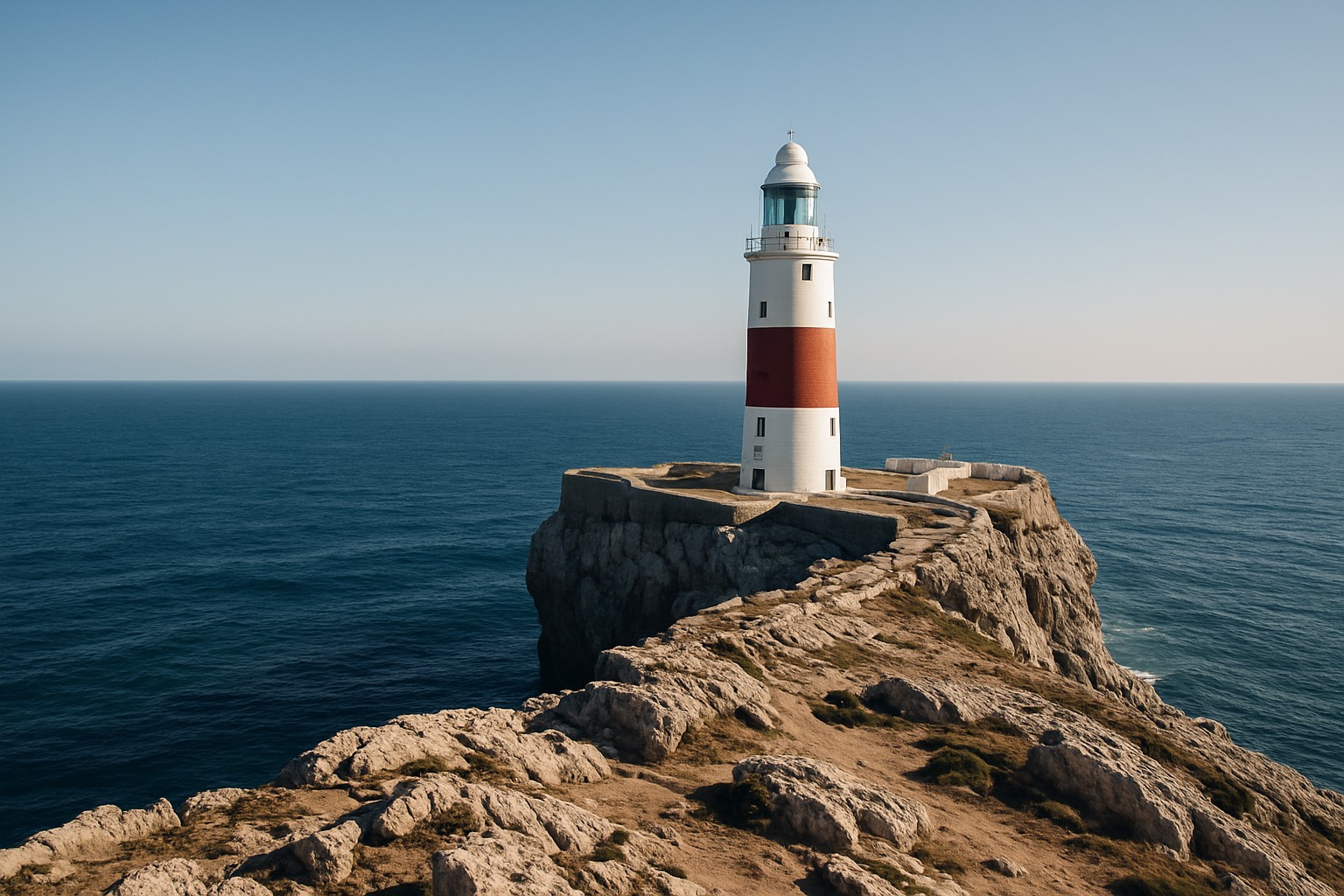
In addition to its military and navigational roles, Europa Point holds cultural and historical landmarks that reflect its diverse past. The area hosts several significant monuments and buildings, including the iconic Europa Point Lighthouse, which has guided sailors through these often challenging waters for over a century. These features contribute to the rich tapestry that defines Europa Point’s historical significance and continue to attract visitors interested in its legacy and stunning vistas.
In summary, Europa Point in Gibraltar offers not only an exceptional overview of one of the world’s most important maritime routes but also stands as a testament to centuries of historical significance. Its geography and history are inseparably linked, making it a unique and invaluable location in the broader context of Mediterranean and Atlantic maritime history.
Historical Background of Europa Point
Europa Point, located at the southernmost tip of Gibraltar, holds a prominent place in the history of this strategic peninsula. Its history spans centuries, reflecting the evolving geopolitical importance of Gibraltar and the surrounding region. As the gateway between the Mediterranean Sea and the Atlantic Ocean, Europa Point has been a focal point for military, navigational, and cultural developments throughout its historical timeline.
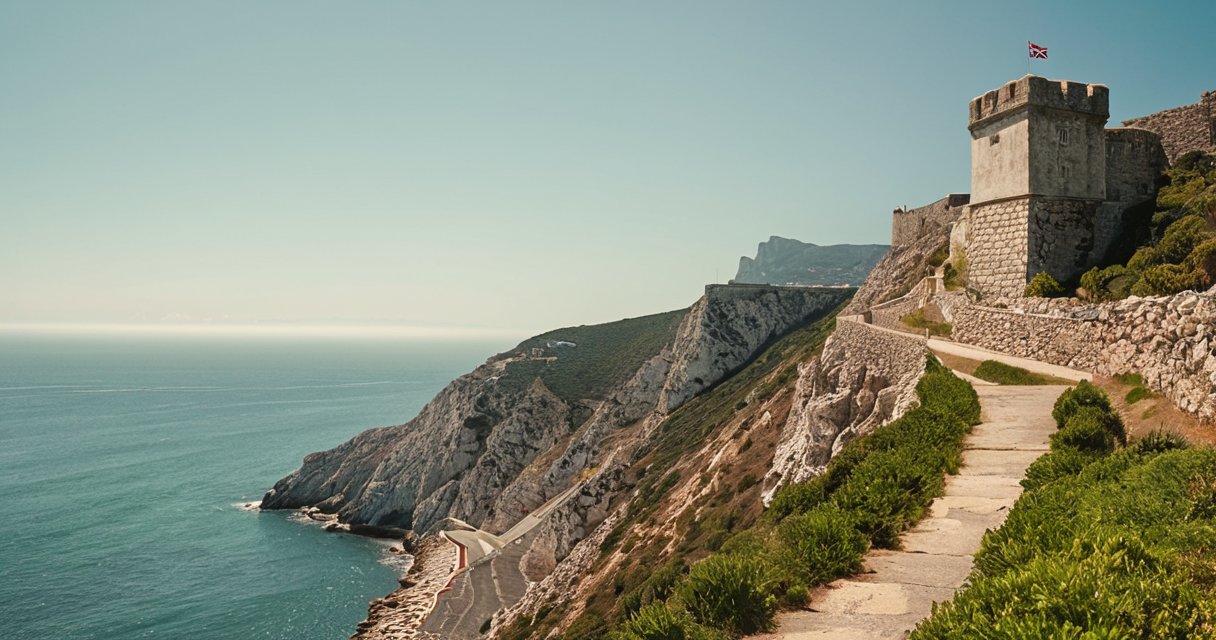
The earliest recorded history of Europa Point ties back to the period of Moorish control over Gibraltar, which began in the early 8th century. During this era, the area was of strategic interest for controlling naval routes and protecting the entrance to the Mediterranean. The presence of fortifications and watchtowers marked Europa Point’s importance even in the medieval period, establishing it as a defensive stronghold.
With the capture of Gibraltar by Spanish forces in 1462, Europa Point continued to develop as an essential part of the region’s defense system. The Spanish reinforced existing fortifications and monitored naval traffic through the Strait of Gibraltar, recognizing Europa Point as a critical vantage point. This period added significant layers to the historical timeline of the area, as new structures and defenses were established.
The capture of Gibraltar by the British in 1704 marked a new era in the history of Europa Point. Under British rule, Europa Point’s military significance was further enhanced, particularly during the 18th and 19th centuries. The British constructed the renowned Europa Point Lighthouse in 1841, which remains a symbolic landmark and navigational aid to this day. Additionally, various batteries and fortifications, such as the Harding’s Battery, were built to secure the naval dominance of Gibraltar.
Throughout the 20th century, Europa Point maintained its strategic value, particularly during World War II, when Gibraltar was a critical military base for the Allies. The area was heavily fortified, with anti-aircraft guns and observation posts established to protect the Strait and monitor enemy movements. This period added significant military layers to the historical timeline of Europa Point, reinforcing its status within Gibraltar’s defense infrastructure.
Today, Europa Point stands not only as an important historical site but also as a symbol of Gibraltar’s rich and diverse heritage. The historical timeline of Europa Point encapsulates centuries of military strategy, cultural transformation, and maritime significance, underscoring its vital role in Gibraltar’s history. Its history reflects the complex interplay of powers that have shaped the region, making Europa Point a key landmark in understanding Gibraltar’s historical narrative.
Strategic Military Role
Europa Point has held a pivotal position in military history due to its strategic location at the southern tip of Gibraltar. Over centuries, its vantage point overlooking the confluence of the Atlantic Ocean and the Mediterranean Sea has made it an essential stronghold for controlling naval traffic and defending the gateway to the Mediterranean. This strategic location allowed various powers to monitor and regulate maritime movements, giving Europa Point enduring military significance.
Throughout history, Europa Point has been fortified extensively to protect Gibraltar from invasion and ensure dominance over the surrounding waters. The area features a range of military fortifications, including batteries, towers, and bunkers, which were developed and upgraded by different ruling forces. These structures provided critical artillery positions to repel sea-based threats and secured the land front against potential assaults.
The military uses of Europa Point expanded notably during the 18th and 19th centuries, especially under British rule, when Gibraltar became a key naval base. The fortifications here played a crucial role during conflicts such as the Great Siege of Gibraltar and both World Wars, demonstrating the enduring strategic military role of this location. Today, Europa Point’s historical fortifications stand as a testament to its importance in military history and continue to attract interest for their architectural and historical value.
Cultural and Religious Influence
Europa Point stands as a significant emblem of Gibraltar’s rich cultural and religious heritage. This southernmost point of the British Overseas Territory is home to remarkable landmarks that reflect the spiritual diversity and historical depth of the area. Among the most notable is the Ibrahim-al-Ibrahim Mosque, also known as the King Fahd bin Abdul Aziz Mosque. This striking structure represents the Islamic faith and is one of the largest mosques in a non-Muslim country, symbolizing Gibraltar’s role as a crossroads of cultures and religions throughout history.
In close proximity, the Shrine of Our Lady of Europe Chapel serves as a testament to the Christian heritage embedded in Europa Point. Dedicated to the Virgin Mary under the title of Our Lady of Europe, the chapel has been a focal point for devotion and pilgrimage since the late 15th century. Its origins date back to when Gibraltar was under Christian rule, and it has continued to be a place of worship and cultural significance for generations. The chapel not only serves religious functions but also preserves historical artifacts and traditions that narrate the story of the region’s past.
Together, these landmarks at Europa Point highlight the coexistence and interaction of different religious communities over the centuries. They contribute profoundly to Gibraltar’s cultural heritage, providing insight into the spiritual landscape that has shaped the identity of this unique territory. The mosque and chapel stand as enduring symbols of intercultural respect and historical continuity, making Europa Point a place of both cultural reverence and historical importance.
Europa Point’s Role in Modern-day Gibraltar
Europa Point holds a prominent place in Gibraltar’s modern significance, serving as a vital link between the territory’s rich historical past and its thriving present. As the southernmost tip of Gibraltar, Europa Point today is not only a geographical landmark but also a focal point for tourism and cultural identity, attracting visitors from across the globe who come to experience its breathtaking views and unique ambiance.
Tourism at Europa Point plays a crucial role in sustaining Gibraltar’s economy and cultural heritage. Visitors are drawn to the site’s panoramic vistas overlooking the meeting point of the Atlantic Ocean and the Mediterranean Sea, where the African coast is visible on clear days. The iconic Europa Point Lighthouse stands as a symbol of guidance and continuity, inviting tourists to explore the rich maritime history embedded in the location. Europa Point today is also home to important landmarks such as the Shrine of Our Lady of Europe, which further enriches the cultural tapestry of Gibraltar by connecting faith, history, and local traditions.
In addition to its natural beauty and historical sites, Europa Point functions as a gathering place for community events and outdoor activities, solidifying its role in Gibraltar’s cultural identity. The area is well-developed with facilities that cater to both residents and tourists, including walking paths, picnic spots, and viewpoints designed to enhance the visitor experience. Such amenities ensure that Europa Point remains a vibrant part of Gibraltar’s social and recreational life.
Moreover, Europa Point serves as a symbol of Gibraltar’s resilience and openness, representing a bridge between continents and cultures. In the context of Gibraltar’s modern significance, it exemplifies how historical sites can evolve to meet contemporary needs without losing their essence. Whether it’s for leisurely exploration, historical education, or cultural celebration, Europa Point today continues to be an essential destination that highlights the unique charm and significance of Gibraltar in the modern era.
Preservation and Future Prospects
Efforts toward the preservation of Europa Point have long been a priority for heritage conservationists, local authorities, and community stakeholders. Recognized for its unique historical and cultural value, Europa Point stands as a symbol of Gibraltar’s rich past and strategic importance. These preservation initiatives focus on maintaining the structural integrity of key landmarks, such as the iconic Trinity Lighthouse, and protecting the natural environment surrounding the area. Conservation projects have been carefully designed to respect the original architectural elements while incorporating modern techniques to ensure longevity.
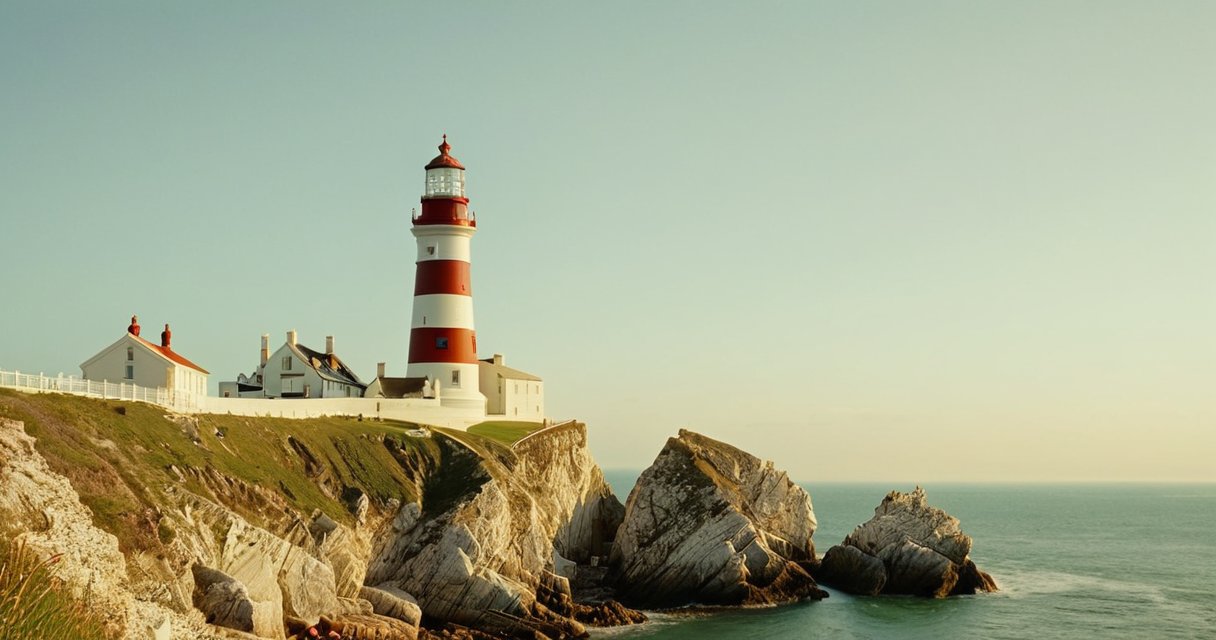
Heritage conservation at Europa Point embraces both physical restoration and educational outreach. Interpretive programs and informational signage have been implemented to engage visitors and locals alike, fostering a deeper understanding of the site’s historical context. Collaborations with historical societies and universities contribute to ongoing research, facilitating informed decisions that guide preservation strategies. These combined efforts aim to balance tourism, education, and conservation, ensuring that Europa Point remains accessible and meaningful for future generations.
Looking ahead, future plans for Europa Point focus on enhancing its historical significance while supporting sustainable development. Proposed projects include the expansion of museum facilities and interactive exhibits that showcase the region’s maritime and military heritage. There are also initiatives to improve visitor amenities without compromising the site’s authentic atmosphere. Environmental preservation remains a critical component of these plans, addressing challenges such as coastal erosion and habitat protection through green infrastructure and regular monitoring.
Moreover, local government and heritage organizations continue to explore partnerships and funding opportunities to ensure the long-term maintenance of Europa Point. Efforts to integrate smart technologies, such as augmented reality tours and digital archives, are in preliminary stages to enrich visitor experience and educational engagement. Through strategic planning and community involvement, the future outlook for Europa Point is one of careful stewardship aimed at preserving its heritage and amplifying its significance for years to come.

I have always been captivated by the unique cultural tapestry of the Rock, particularly how Moorish, Spanish, and British influences shaped its development over centuries. My passion lies in translating these complex historical narratives into engaging educational resources that make Gibraltar’s past accessible to everyone. I spend my free time exploring military fortifications and reading first-hand accounts of life at the Pillar of Hercules.