Origins of Popular Sovereignty in Gibraltar
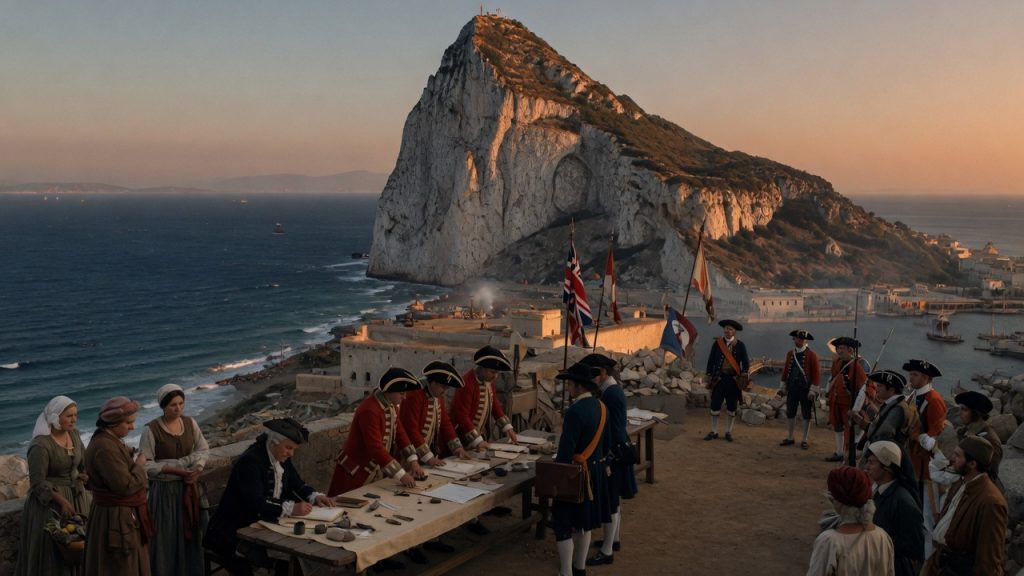
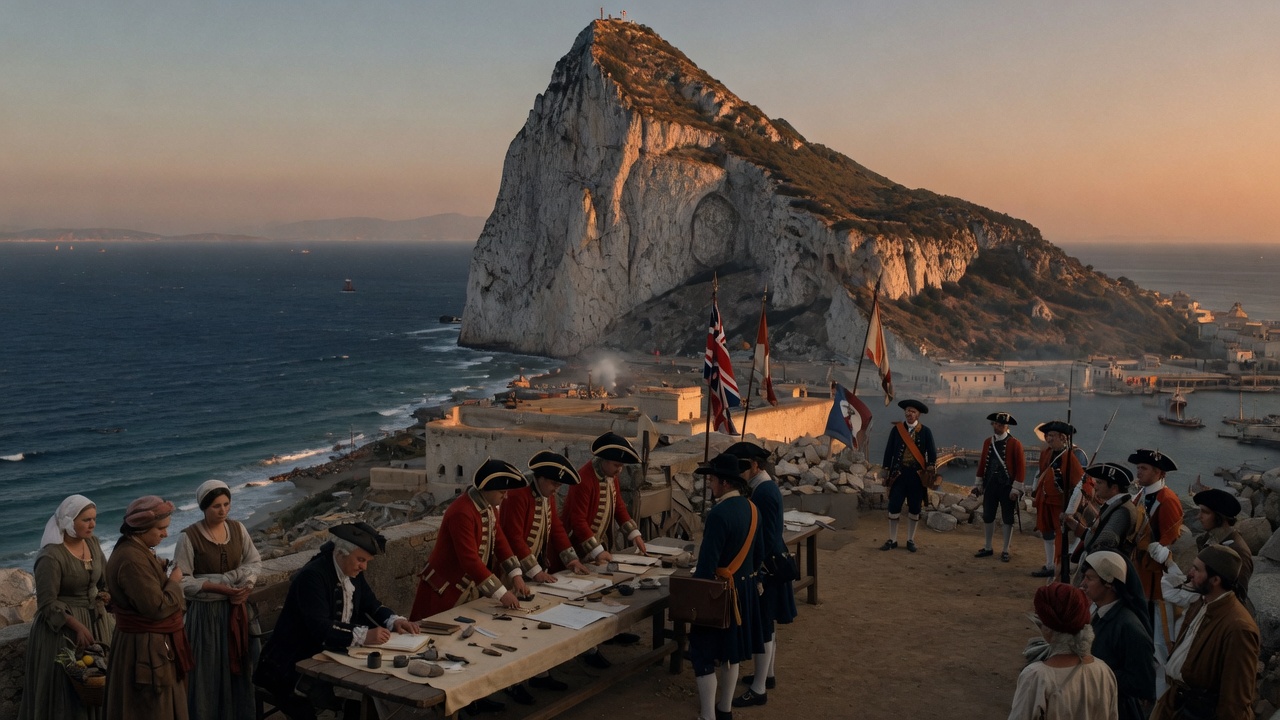
The early historical context of Gibraltar reveals a land shaped by successive conquerors, from Phoenicians and Moors to Spanish rulers, before its pivotal transformation in the eighteenth century. During the War of the Spanish Succession, British and Dutch forces captured the Rock in 1704, an event that would profoundly influence gibraltar history for centuries to come. This military action established the foundation for what would become a enduring british territory, strategically positioned at the gateway to the Mediterranean.
The Treaty of Utrecht in 1713 formally ceded Gibraltar to Britain, marking the beginning of popular sovereignty origins as local residents gradually asserted influence over their affairs. Initially governed by military authorities, the growing civilian population of Genoese, Maltese, and other settlers sought greater participation in decision-making. Over time, these demands evolved into structured calls for self-determination, embedding the principle that political authority derives from the people rather than external imposition.
As the nineteenth century progressed, reforms such as the creation of elected municipal bodies allowed Gibraltarians to shape local policies, reinforcing popular sovereignty as a core element of governance. External pressures, particularly Spain’s territorial claims, further galvanized this development, prompting residents to unite around democratic expressions of their collective will. These efforts transformed popular sovereignty origins into a defining feature of the territory’s political identity within the british territory framework.
By the mid-twentieth century, referendums and constitutional advancements exemplified how self-determination guided Gibraltar’s path. The population consistently demonstrated its preference for continued British association through free votes, solidifying popular sovereignty as the bedrock of resistance to unwanted changes. This historical trajectory underscores the enduring role of the people’s voice in establishing resilient governance structures amid geopolitical challenges.
Ultimately, the interplay of strategic conquest, demographic growth, and democratic reforms in gibraltar history cemented popular sovereignty origins as an indispensable principle. It empowered residents to direct their destiny, ensuring that self-determination remains central to the british territory’s identity and future decisions.
Key Referendums Defining Gibraltar’s Sovereignty
The gibraltar referendum tradition stands as a cornerstone of democratic expression, allowing residents to voice their stance on critical sovereignty matters amid ongoing external pressures. These votes have consistently highlighted the territory’s commitment to self-determination, serving as direct affirmations of popular sovereignty against claims from neighboring Spain and broader geopolitical interests.
In the 1967 sovereignty vote, Gibraltarians participated in a landmark decision that shaped the modern trajectory of their homeland. With voter turnout reaching an impressive 95.67 percent, a resounding 12,138 individuals opted to retain British sovereignty while just 44 favored union with Spain. This decisive result not only rejected annexation but also crystallized the public will to maintain autonomy and cultural identity under established governance structures.
Decades later, the 2002 referendum results further reinforced these principles when proposals for joint sovereignty with Spain were put to the electorate. An overwhelming 98.97 percent of voters rejected the arrangement, with turnout at 87.9 percent demonstrating sustained civic engagement. The outcome sent an unambiguous message that any dilution of British ties would contradict the expressed desires of the population, solidifying popular sovereignty as the guiding force in Gibraltar’s political landscape.
Collectively, these referendums have played an instrumental role in affirming the territory’s right to determine its own path. By channeling the public will through transparent and high-participation processes, Gibraltar has effectively countered external sovereignty claims and established precedents for democratic resolution. The enduring legacy of the gibraltar referendum, exemplified by both the 1967 sovereignty vote and the 2002 referendum results, underscores how citizen participation can safeguard self-governance against persistent challenges.
These historical exercises continue to inform contemporary discussions on Gibraltar’s status, ensuring that future negotiations respect the foundational voice of the people. High engagement levels across both votes illustrate a mature electorate dedicated to preserving sovereignty through informed consent rather than imposed arrangements.
Impact on UK and Spain Sovereignty Negotiations
The expressions of popular sovereignty have profoundly influenced diplomatic negotiations between the United Kingdom and Spain in the gibraltar spain dispute. These public assertions of preference have become indispensable in sovereignty talks, compelling both countries to factor in the will of the people when discussing the future of the british overseas territory. Residents have shown their attachment to the current arrangement through various means, making it difficult for external powers to ignore their input.
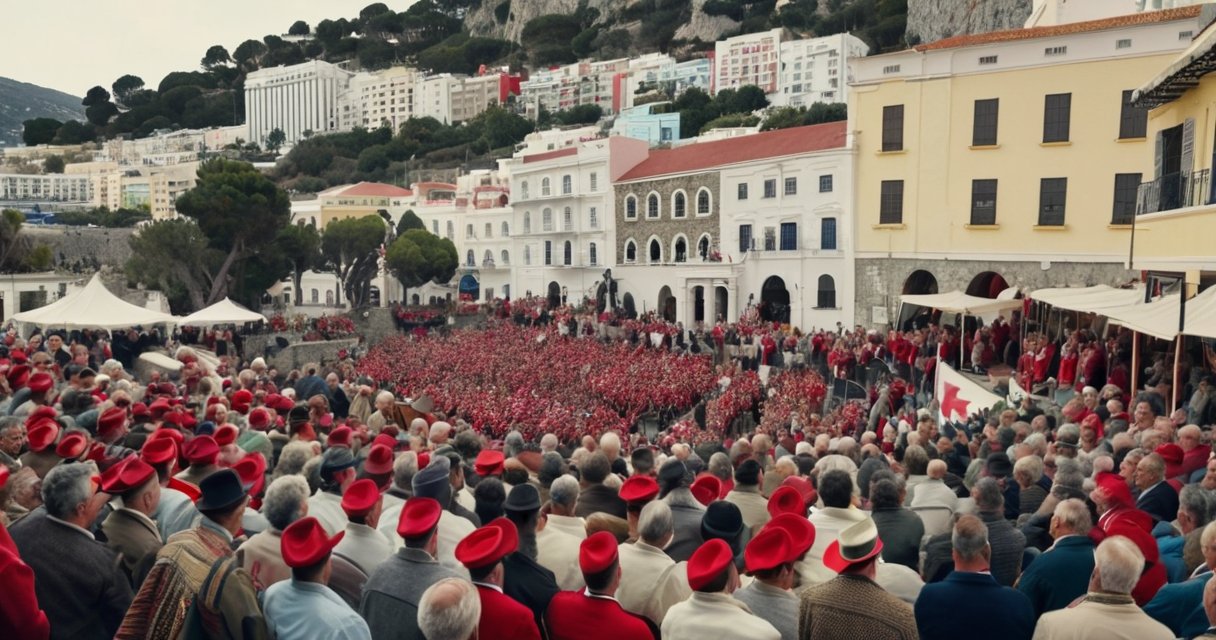
Gibraltar’s residents have consistently utilized democratic mechanisms to express their desire to remain under British sovereignty. This has created a powerful democratic mandate that the United Kingdom leverages to uphold the territory’s current status during negotiations. Spain, seeking to reclaim sovereignty, must navigate these expressions, which often result in stalled progress or revised proposals that respect self-determination. The consistent rejection of alternative arrangements has forced Spain to reconsider its tactics over the decades.
For example, historical referendums have shown near-unanimous opposition to any form of joint sovereignty, directly impacting the agenda of sovereignty talks. The UK government has repeatedly stated that it will not agree to changes without the consent of Gibraltarians, a position strengthened by these votes. Consequently, Spain has explored indirect methods to advance its claims, such as through European Union channels or bilateral agreements on other issues. This has included efforts to limit Gibraltar’s access to certain benefits or to pressure through international bodies.
This dynamic has led to a more nuanced approach in recent years, where negotiations focus on practical cooperation rather than contentious sovereignty issues. The democratic mandate ensures that popular sovereignty remains a central theme, preventing unilateral decisions and promoting dialogue that considers local sentiments. Over time, this has contributed to a more stable, albeit unresolved, situation in the gibraltar spain dispute. Analysts note that without addressing these popular expressions, meaningful progress remains elusive.
In conclusion, expressions of popular sovereignty have transformed the nature of sovereignty talks, embedding democratic principles into what was once a purely state-to-state matter and highlighting the enduring impact on the gibraltar spain dispute.
Modern Role of Popular Sovereignty in Gibraltar
In contemporary Gibraltar politics, popular sovereignty remains a cornerstone that empowers residents to shape their future through direct democratic participation. This ongoing importance manifests clearly in gibraltar self governance, where local leaders operate under mandates derived from citizen referendums and elections, ensuring decisions reflect the collective will rather than external impositions.
The territory’s eu relations further highlight how popular sovereignty influences international positioning. Following Brexit, Gibraltar navigated complex negotiations with the European Union while upholding its distinct status, demonstrating that sovereignty today allows the population to balance economic ties with Britain against regional cooperation needs without compromising core autonomy.
Democratic principles underpin these dynamics, fostering transparent governance structures that prioritize public input on issues ranging from taxation to border policies. Local assemblies regularly consult citizens, reinforcing accountability and preventing elite capture in decision-making processes that affect daily life and long-term security.
Overall, the effects on local governance include strengthened institutions responsive to voter priorities, while international positioning benefits from a unified stance rooted in popular consent. This framework sustains Gibraltar’s resilience amid geopolitical pressures, affirming that sovereignty today thrives when citizens actively exercise their rights to self-determination and collective authority.
Future Prospects for Gibraltar Sovereignty
As the world navigates an era of evolving political alliances and economic shifts, the gibraltar future hinges significantly on the principle of popular sovereignty. This enduring concept ensures that any decisions regarding the territory’s status reflect the genuine will of its citizens. The Brexit impact has notably influenced Gibraltar’s position, creating both hurdles in cross-border relations with Spain and opportunities for redefining its international role.

Public opinion polls have been instrumental in gauging sentiments, revealing consistent support for remaining under British sovereignty while seeking closer ties with the European Union. These surveys highlight the importance of incorporating citizen voices into discussions about sovereignty options. Potential scenarios include a bespoke agreement that allows Gibraltar to benefit from EU single market access without compromising its UK links.
Moreover, the possibility of joint sovereignty with Spain remains a topic of debate, though it would necessitate broad approval through democratic processes rooted in popular sovereignty. Global dynamics, such as changing UK foreign policies and Spanish domestic politics, will undoubtedly shape these outcomes. In all cases, the focus remains on empowering Gibraltarians to chart their course.
Looking further ahead, independence could emerge as a viable path if public sentiment shifts, supported by economic diversification and strengthened local governance. However, public opinion polls suggest this is not currently favored. The Brexit impact continues to drive calls for creative sovereignty options that mitigate uncertainties in travel and commerce.
In conclusion, the integration of popular sovereignty into all future planning ensures that Gibraltar can adapt effectively to whatever challenges arise from international politics. By prioritizing the input from public opinion polls and carefully evaluating all sovereignty options in light of the Brexit impact, the territory is well-positioned to secure a prosperous gibraltar future. This approach not only honors historical precedents but also paves the way for innovative solutions in an interconnected world.

I have always been captivated by the unique cultural tapestry of the Rock, particularly how Moorish, Spanish, and British influences shaped its development over centuries. My passion lies in translating these complex historical narratives into engaging educational resources that make Gibraltar’s past accessible to everyone. I spend my free time exploring military fortifications and reading first-hand accounts of life at the Pillar of Hercules.