Origins of Botanical Gardens in Gibraltar
The botanical gardens in Gibraltar have a rich and fascinating history that dates back to the early 19th century. These gardens were established with the aim of showcasing a variety of plants from different parts of the world, taking advantage of Gibraltar’s unique climate and geographical position. The origins of these botanical gardens are deeply intertwined with the strategic and scientific interests of the British military and local authorities during that period.
The foundation of the botanical gardens in Gibraltar can be traced to the year 1816 when General George Don, then Governor of Gibraltar, initiated the transformation of what had been neglected military wasteland into a flourishing public garden. General Don was a pivotal figure in the history of gardens in Gibraltar, recognizing the importance of both conservation and study of exotic plant species that could survive in this Mediterranean environment. Under his guidance, the early botanical garden began to take shape, with a focus on both aesthetic beauty and botanical research.
Another key figure who contributed to the development of Gibraltar’s botanical gardens was Major General Sir Alexander Woodford, governor from 1836 to 1843, who continued efforts to expand and improve the gardens. During Woodford’s administration, the gardens gained more recognition, and the planting focused on acclimatizing various plants, including succulents, palms, and flowering shrubs, many of which were sourced from British colonies around the world. This effort helped establish the gardens as a critical point for botanical collection and study within the region.
The early history of the botanical gardens in Gibraltar is marked by significant milestones and careful planning. The gardens not only served as a recreational area for residents and visitors but also as a living laboratory for botanists and horticulturists interested in plant adaptation and biodiversity. The careful curation of plant species and landscaping from the garden’s inception remains central to the botanical gardens Gibraltar takes pride in today.
In summary, the history of gardens in Gibraltar stands on the contributions of visionary leaders like General George Don and Major General Sir Alexander Woodford, and their foresight in using botanical gardens to blend scientific inquiry with public enjoyment. These origins highlight how botanical gardens in Gibraltar evolved through deliberate efforts beginning in the early 1800s, maintaining a legacy that continues to thrive.
Early Establishment and Purpose
The early botanical gardens in Gibraltar were established primarily as a strategic and scientific initiative to support the growing interest in plant collection and study during the colonial era. These gardens were not mere ornamental spaces but played a crucial role in cultivating plants that were essential for medicinal, culinary, and experimental purposes. The garden purpose extended beyond aesthetics; it served as a living repository for a diverse Gibraltar plant collection, showcasing species brought from various parts of the world due to Gibraltar’s unique position as a maritime hub.
The initial role of these early botanical gardens was to act as a center for botanical research and education, enabling scientists and visitors alike to learn about different plant species and their uses. Furthermore, the gardens were instrumental in acclimatizing exotic plants to the local Mediterranean climate, which later contributed to the economic and ecological development of the region. This garden purpose helped establish Gibraltar as a key location for botanical exchange and study, supporting both military and civil needs through the sustainable provision of plants.
Over time, the early botanical gardens became a symbol of Gibraltar’s dedication to preserving plant biodiversity and fostering scientific advancement. The careful curation of the Gibraltar plant collection reflected a broader colonial ambition to harness botanical knowledge for practical benefits while providing a serene environment for locals and visitors. In summary, the botanical gardens’ early establishment was driven by both functional and educational motives, setting a foundation for their continuing significance in Gibraltar’s history.
Influence of British Colonial Era
The British colonial era played a pivotal role in shaping the botanical gardens in Gibraltar, leaving a lasting imprint on their development and design. As Gibraltar came under British control, the colonial administration introduced a systematic approach to garden planning, reflecting the aesthetics and horticultural practices of British colonial gardens found across the empire. The influence of British colonial gardens is evident in the structured layouts, use of exotic plant species, and the integration of both aesthetic and functional elements designed to serve educational and recreational purposes.
During this period, the gardens were not only seen as places of beauty but also as symbols of British presence and power. The colonial botanical impact was marked by the introduction of plants from various parts of the British Empire, which enriched the biodiversity of Gibraltar’s gardens. This incorporation of diverse flora was intended to showcase the breadth of the empire’s reach and its botanical wealth. Furthermore, the British administration emphasized the scientific study and acclimatization of plants, which contributed to the gardens becoming centers for botanical research and conservation.
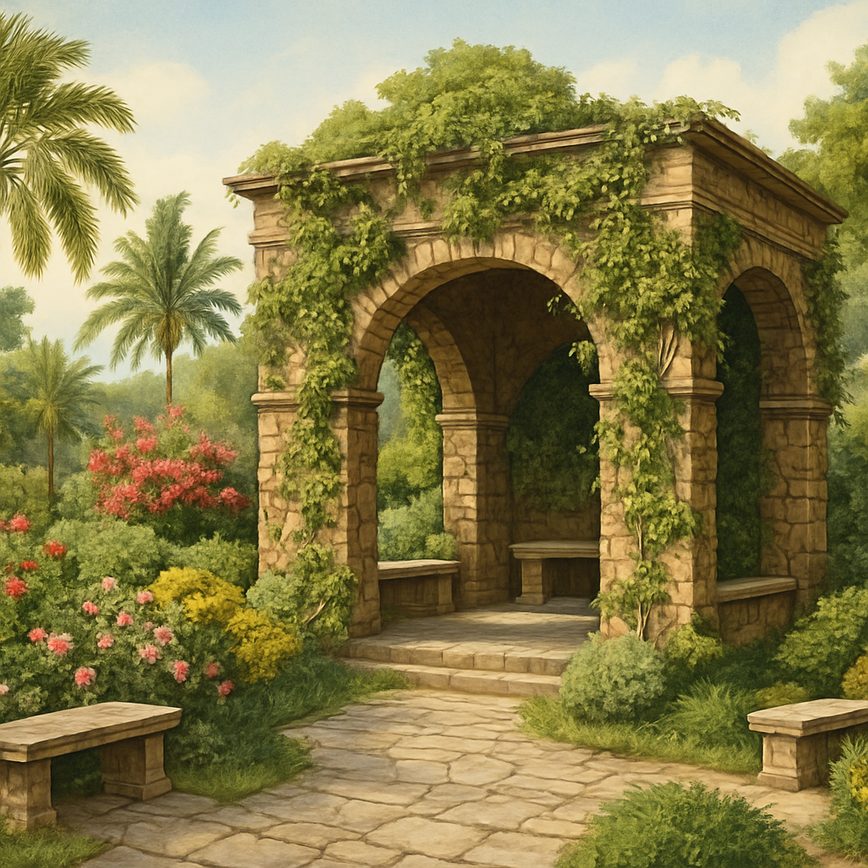
Architectural features such as wrought iron gates, gazebos, and meticulously laid pathways also reflected British tastes and garden culture. The influence of British colonial gardens in Gibraltar history is thus seen not only in the physical structures but also in the enduring legacy of horticultural practices, plant collections, and landscape design principles that continue to define these gardens today.
Evolution and Development Over Time
The botanical gardens of Gibraltar have undergone significant garden development and botanical evolution, reflecting broader environmental, cultural, and scientific changes through the years. Initially established as modest collections aimed at the study and preservation of native flora, these gardens have dramatically expanded, both in scope and infrastructure, to become a vital hub for the conservation and celebration of Gibraltar flora.
In the early phases of the gardens’ existence, the focus was primarily on cultivating indigenous plant species that could thrive in Gibraltar’s unique Mediterranean climate. This period marked the beginning of detailed documentation and classification of shrubs, succulents, and flowering plants native to the region. The garden development was modest, involving simple pathways and basic watering systems designed to support these local species.
As botanical knowledge and horticultural techniques progressed, the gardens saw a diversification of plant collections. Exotic species began to be introduced alongside native flora, enriching the botanical evolution of the site and inviting further scientific study. This period coincided with the construction of more sophisticated greenhouses and conservatories, allowing for the cultivation of tropical and subtropical plants that would not survive outdoors in Gibraltar’s climate.
The infrastructure experienced continuous enhancements to support the expanding collections and visitor engagement. Modern irrigation technologies replaced earlier systems, ensuring sustainable water use aligned with ecological conservation principles. Additionally, educational facilities and research centers were established within the gardens, emphasizing their role as a place of learning and community involvement in plant science and conservation efforts.
In recent years, efforts have been made to focus on the preservation and reintroduction of endangered species within Gibraltar’s flora, further reflecting the gardens’ evolving mission. Botanical gardens now serve not only as places of beauty but as crucial ecological and educational resources dedicated to protecting biodiversity. The ongoing garden development continues to balance historical heritage with innovative practices, ensuring that Gibraltar’s botanical gardens remain a dynamic testament to botanical evolution and environmental stewardship.
Expansion of Plant Collections
The expansion of plant collections at the botanical gardens of Gibraltar marked a significant milestone in the garden’s history, aimed at enhancing garden biodiversity and showcasing a rich variety of plant varieties. This growth began in earnest during the mid-20th century when concerted efforts to diversify the garden’s holdings were initiated. Curators focused not only on increasing the number of species but also on balancing the inclusion of exotic and native plants to reflect both global botanical richness and local ecological heritage.
Throughout the subsequent decades, the garden’s collection grew exponentially. This expansion was driven by passionate botanists and horticulturists who introduced a wide array of exotic species from around the world, including tropical and subtropical plants that thrived in Gibraltar’s unique Mediterranean climate. Simultaneously, attention was given to cultivating native species from the region to preserve local biodiversity and educate visitors about Gibraltar’s natural flora.
The growing collection not only contributed to a visually diverse and educationally rich environment but also played a crucial role in conservation efforts. By growing both indigenous and non-native species, the garden became a living repository that supported scientific research and environmental awareness. This dynamic collection growth remains a cornerstone of the garden’s mission, continuously enriching the variety of plant varieties accessible to the public and researchers alike.
Modern Enhancements and Preservation Efforts
In recent years, the botanical gardens of Gibraltar have seen significant modern enhancements aimed at both improving visitor experience and ensuring the long-term preservation of this unique green space. These modern gardens integrate cutting-edge horticultural techniques and sustainable practices to maintain the delicate balance of local and exotic plant species. Advanced irrigation systems and eco-friendly pest management have been introduced, significantly reducing water use and chemical impact on the environment.
Preservation efforts today focus extensively on conservation projects that protect rare plants and promote biodiversity within the gardens. Collaboration with botanical institutions worldwide has enabled Gibraltar’s gardens to partake in seed exchange programs and restoration initiatives, safeguarding endangered species and enriching the plant collection. Volunteer and educational programs play a crucial role in raising awareness and actively involving the community in the gardens’ stewardship.
In terms of Gibraltar botanical maintenance, ongoing research and monitoring help adapt conservation strategies to changing climate conditions. The gardens are managed with a holistic approach, balancing historical heritage with ecological sensitivity, ensuring that these living archives continue to thrive for future generations. Modern infrastructure improvements also enhance accessibility, making the gardens a welcoming space for all visitors while maintaining their integrity and beauty.
Cultural and Educational Significance
The botanical gardens of Gibraltar hold a unique cultural and educational role within the territory, serving as an important hub for cultural impact, educational programs, and public engagement. These gardens not only celebrate the rich biodiversity of the region but also act as living classrooms where visitors and locals alike can learn about plant species, conservation efforts, and the historical interplay between nature and human activity in Gibraltar.
Through a variety of educational programs, the gardens provide structured learning opportunities for schools, community groups, and tourists. These include guided tours, workshops, and interactive exhibits that highlight the botanical diversity of Gibraltar and its ecological significance. Such programs foster environmental awareness and encourage sustainable practices among participants, reinforcing the gardens’ role as a key educational resource in the community.
The cultural impact of Gibraltar’s botanical gardens extends beyond education, playing a vital part in promoting local heritage and identity. The gardens frequently host cultural events that celebrate the fusion of Mediterranean and British influences characteristic of Gibraltar’s diverse population. These events, which can include art exhibitions, botanical festivals, and traditional craft fairs, help to strengthen community ties and attract visitors interested in the cultural fabric of the territory.
Tourism benefits significantly from the botanical gardens as well, with the site being a major attraction for nature lovers and cultural enthusiasts visiting Gibraltar. The gardens offer a peaceful retreat showcasing both native and exotic plant species, complemented by scenic landscapes and historical features that enhance the visitor experience. By integrating educational content and cultural activities, the gardens elevate their appeal and contribute to the local economy through increased tourism engagement.
In summary, Gibraltar’s botanical gardens serve as a dynamic space where cultural impact, educational programs, and public engagement intersect. They not only help preserve and promote the natural heritage of Gibraltar but also foster a deeper understanding and appreciation of nature within the community and among visitors. This multifaceted role underscores the significance of the gardens as an integral part of Gibraltar’s cultural and educational landscape.
Role in Local Culture and Tourism
The botanical gardens in Gibraltar hold a significant place in the fabric of local culture and have become a vital element in Gibraltar tourism. Serving not only as a peaceful retreat for residents but also as a vibrant cultural landmark, these gardens encapsulate the unique natural heritage of the area. The cultural significance of the gardens is deeply rooted in their historical development and the diverse collection of plant species they house, reflecting Gibraltar’s rich botanical legacy.
As a visitor attraction, the gardens draw tourists from around the globe who come to experience their serene beauty and educational value. Tourists are attracted by the opportunity to explore rare and indigenous plants, many of which are showcased alongside informative displays about their origins and importance. This unique blend of nature and culture serves to educate visitors on the environmental and historical context of Gibraltar, fostering a deeper appreciation for the region.
Moreover, the botanical gardens often host cultural events and community activities, further strengthening their role in promoting local traditions and environmental awareness. By connecting tourists with the natural and cultural essence of Gibraltar, the gardens contribute significantly to the local economy and enhance the overall tourism experience. In this way, the gardens are more than just a green space; they are a cornerstone of Gibraltar’s cultural identity and a cherished visitor attraction.
Educational Initiatives and Community Engagement
The botanical gardens in Gibraltar serve not only as a sanctuary for diverse plant species but also as a vital hub for education and community engagement. Through a variety of educational programs, the gardens provide invaluable learning opportunities for visitors of all ages. These initiatives are designed to deepen understanding of plant biology, conservation efforts, and the ecological importance of maintaining biodiversity.
Community programs play a central role in the gardens’ mission. Regularly organized events bring together local residents, schools, and environmental groups to foster a sense of stewardship for the natural environment. These programs often include guided tours, volunteer planting days, and interactive sessions that provide hands-on experience in the garden’s upkeep and sustainable practices.
Additionally, garden workshops are a popular feature, offering thematic sessions focused on topics such as native plants, herbal medicine, and eco-friendly gardening techniques. These workshops are led by experts who share their knowledge, encouraging participants to apply what they learn at home or in community spaces. Overall, the educational initiatives and community engagement activities at the botanical gardens enrich public awareness and contribute to a collective effort to preserve Gibraltar’s natural heritage.

I have always been captivated by the unique cultural tapestry of the Rock, particularly how Moorish, Spanish, and British influences shaped its development over centuries. My passion lies in translating these complex historical narratives into engaging educational resources that make Gibraltar’s past accessible to everyone. I spend my free time exploring military fortifications and reading first-hand accounts of life at the Pillar of Hercules.