Early History of the Gibraltar-Spain Border
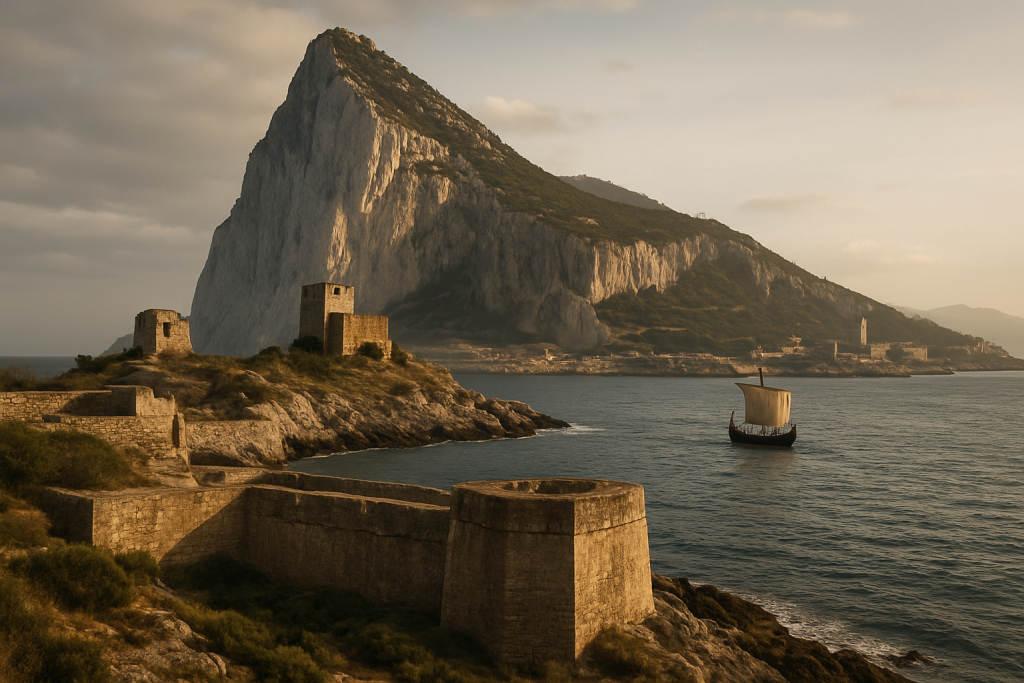
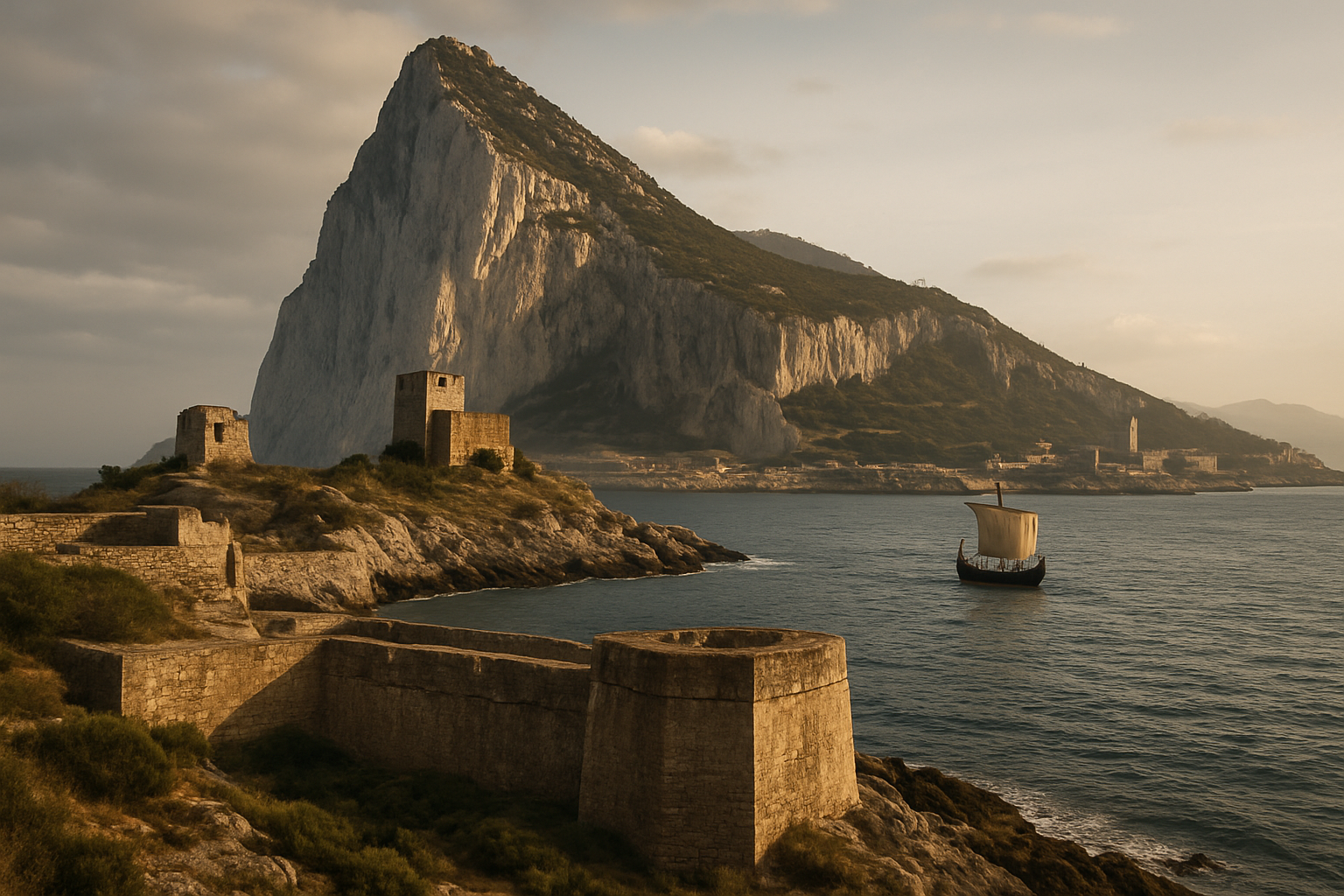
The gibraltar border history stretches back thousands of years, shaped by its position at the narrow strait linking the Mediterranean Sea and the Atlantic Ocean. Ancient Phoenician traders established outposts near the Rock of Gibraltar as early as the 8th century BCE, recognizing its value for controlling maritime routes. Later Roman settlements reinforced this strategic importance, with the area serving as a vital link in their empire’s western defenses.
Spain gibraltar origins trace further through the Visigothic period, when the territory remained a contested frontier zone between Christian and emerging Islamic forces. The moorish conquest of 711 CE marked a decisive turning point, as Tariq ibn Ziyad led North African forces across the strait and captured the Rock, naming it Jabal Tariq. This event transformed the historical frontier into a fortified Moorish stronghold that guarded the passage between continents for centuries.
Under successive Muslim dynasties, the region flourished as a center of trade and military power. Fortifications expanded, and the border area became essential for monitoring movements between the Iberian Peninsula and North Africa. Agricultural innovations and cultural exchanges thrived alongside the defensive structures that defined the early gibraltar border history.
By the late medieval era, Christian kingdoms intensified efforts to reclaim the territory. The Reconquista reached Gibraltar in 1462 when Spanish forces seized the Rock from Moorish control. This shift altered the historical frontier once again, establishing Spanish sovereignty while preserving the area’s enduring strategic value for naval dominance and overland routes.
Into the early modern period, the border continued evolving amid conflicts between Spain and other European powers. The combination of natural geography and successive conquests cemented Gibraltar’s role as a pivotal chokepoint, influencing trade, migration, and military strategy well beyond its immediate surroundings.
The 1713 Treaty of Utrecht
The treaty of utrecht signed in 1713 was a landmark event that ended the War of the Spanish Succession and redrew maps across Europe. Its significance extends to the establishment of new power dynamics, particularly through the britain spain agreement that facilitated the gibraltar cession. Britain gained control of the Rock of Gibraltar, a key strategic point, in exchange for supporting the Bourbon candidate for the Spanish throne.
This gibraltar cession had immediate effects on the region. The border establishment created a defined boundary at the northern end of the isthmus connecting Gibraltar to the Spanish mainland. Spain lost direct access to the territory, leading to economic and military adjustments. Britain, on the other hand, began developing Gibraltar as a major naval base, enhancing its Mediterranean influence.
Initial border implications included the construction of walls and the stationing of troops by both Spain and the UK. Tensions arose quickly as smuggling and disputes over the neutral ground became common. The agreement aimed to stabilize relations but instead sowed seeds for future conflicts over access and jurisdiction.
Over the long term, the sovereignty effects of the treaty of utrecht have been enduring. Gibraltar has remained under British control, becoming a symbol of colonial legacy and self-determination. Spain has never fully accepted the loss, leading to repeated diplomatic efforts and referendums where locals voted to stay British. The border establishment has evolved with modern infrastructure, yet it continues to represent divided loyalties and international law interpretations from that 1713 pact. Furthermore, the treaty’s provisions regarding Gibraltar included clauses about religious freedoms and trade, which influenced local governance. The britain spain agreement set precedents for territorial transfers that would be referenced in later treaties.
Border Closures and Reopenings in the 20th Century
The 20th century history of the Gibraltar Spain border is marked by significant periods of closure that shaped relations between the territory and its neighbor. In 1969, Spain under Francisco Franco implemented the gibraltar border closure, sealing the spanish frontier completely. This drastic measure stemmed from ongoing sovereignty disputes and Franco’s desire to pressure Britain into negotiations over Gibraltar’s status.
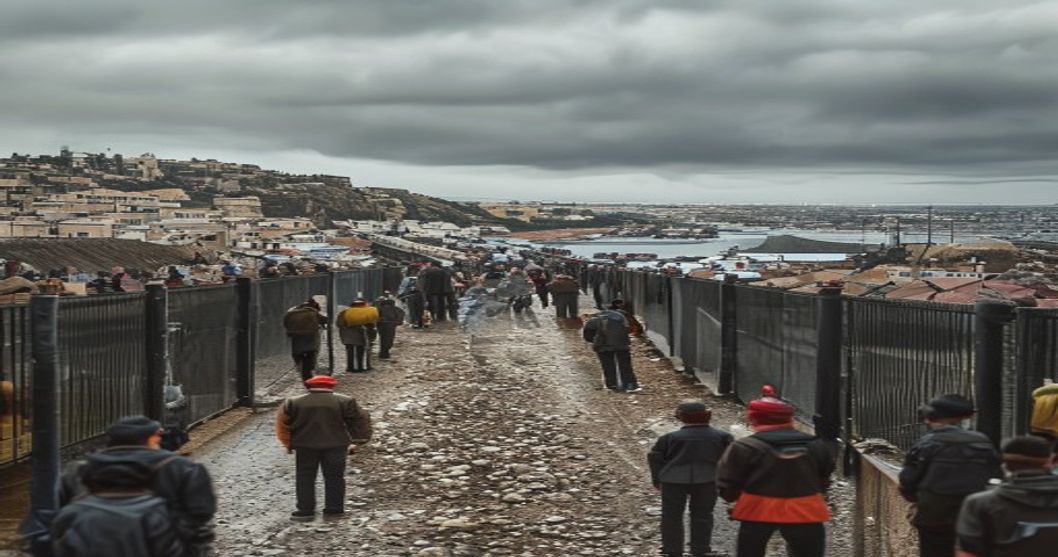
During the franco era border restrictions, daily life for residents on both sides suffered immensely. Thousands of Spanish workers who commuted to jobs in Gibraltar lost their livelihoods overnight, leading to economic hardship in the surrounding Spanish towns. Families were separated, and cross-border trade halted, creating long-term social divisions that persisted for years.
The closure remained in effect until 1985, when Spain’s entry into the European Community prompted the reopening of the border. This decision eased tensions and allowed renewed movement of people and goods. Local communities gradually recovered as economic ties strengthened, though lingering mistrust from the franco era border period continued to influence attitudes.
Overall, these events highlight how political decisions during the 20th century history affected everyday citizens. The gibraltar border closure disrupted regional stability, while the eventual reopening fostered greater cooperation and economic growth for communities on both sides of the spanish frontier.
The Role of Brexit in Border Negotiations
Brexit significantly transformed the Gibraltar-Spain border, shifting it from an internal EU frontier to an external boundary with new layers of scrutiny. The brexit gibraltar dynamic introduced fresh complexities around sovereignty, daily cross-border travel, and economic ties that had previously benefited from seamless EU integration.
Negotiations intensified as both sides grappled with eu border issues, including the need for customs declarations and immigration checks that had not existed for decades. Post-brexit arrangements became essential to prevent major disruptions for the thousands of Spanish workers who commute into Gibraltar each day and for Gibraltarians who rely on access to Spanish services and markets.
Customs and immigration concerns quickly rose to the forefront. Without a framework in place, goods faced potential tariffs and lengthy inspections, while people risked delays at crossing points. The spain uk deal emerged as a critical step toward addressing these challenges, establishing protocols that allow for fluid movement of people and goods while respecting Gibraltar’s non-EU status and Spain’s obligations within the European Union.
Agreements reached so far focus on maintaining free movement for frontier workers and residents, alongside coordinated customs procedures that minimize bottlenecks. Trade provisions aim to facilitate the flow of essential supplies without compromising regulatory standards. Ongoing talks continue to refine these post-brexit arrangements, balancing security requirements with the practical needs of a tightly integrated border region.
Overall, Brexit forced a re-examination of long-standing practices at the Gibraltar-Spain border, prompting pragmatic solutions that prioritize stability and economic continuity for all parties involved.
Current Status and Future Outlook
The Gibraltar border today operates efficiently yet with notable procedures that reflect its special status. Border officials conduct checks on both sides, ensuring compliance with UK and Spanish regulations. This setup accommodates the thousands who cross daily for work, shopping, or leisure. The flow is generally smooth, but occasional backlogs occur due to heightened security or holiday periods.
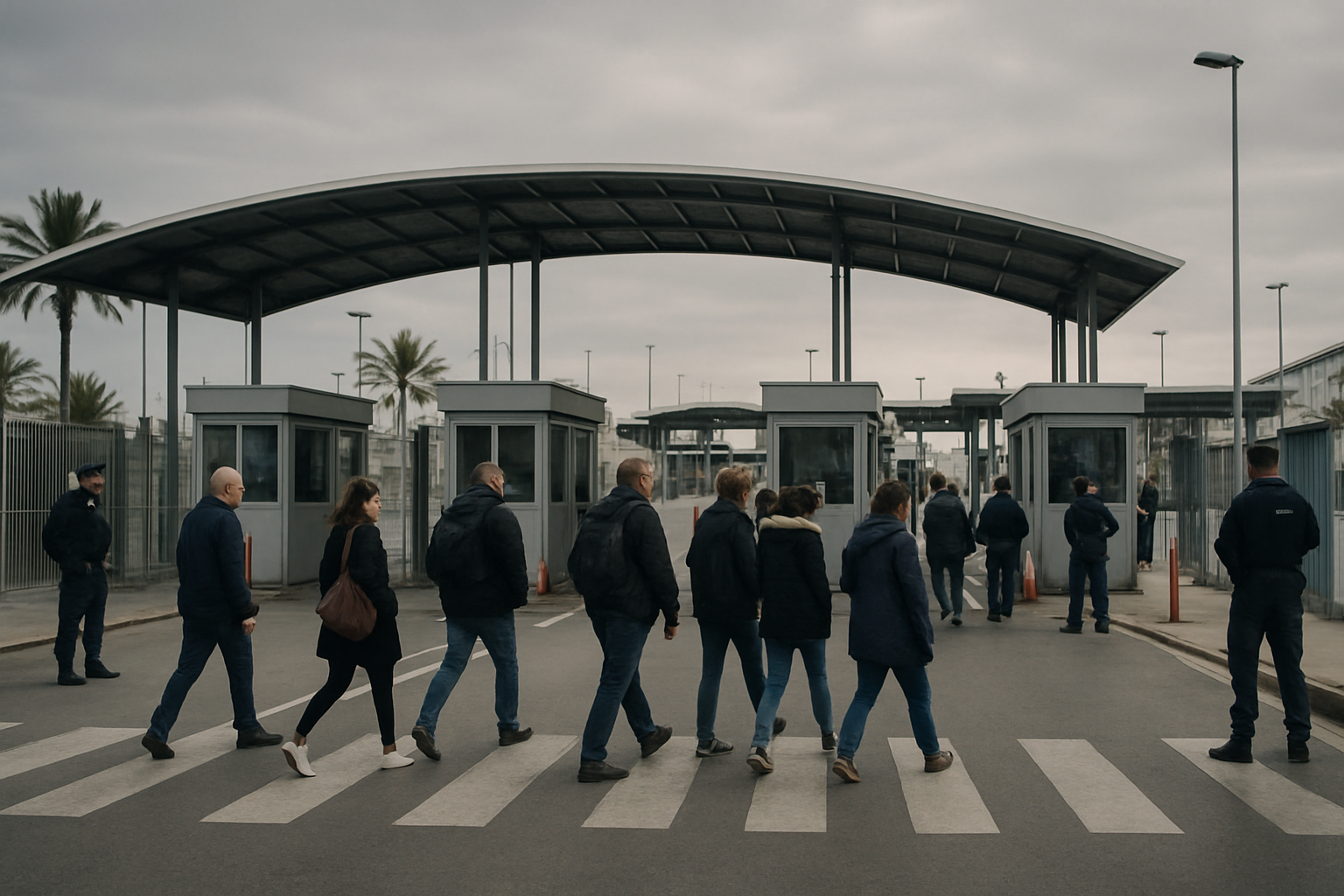
Daily crossing realities underscore the close ties between Gibraltar and Spain, with many residents depending on the border for their livelihoods. Spanish workers form a significant part of Gibraltar’s workforce, crossing regularly without major issues in most cases. The sovereignty dispute persists as a point of contention, influencing how border policies are formulated and implemented over time.
Gibraltar’s position outside the Schengen area access means that border controls are essential to manage entries into the European Union’s free movement zone. This setup requires careful planning for those traveling between the areas, adding an extra layer of verification for non-residents.
Future border plans are being discussed to adapt to new realities, particularly concerning Schengen area access for Gibraltarians and visitors. Negotiations continue to seek arrangements that reduce friction post-Brexit. Potential scenarios include the implementation of smart border technologies or agreements that allow for seamless movement under specific conditions.
In potential future scenarios, a resolution to the sovereignty dispute could transform the border into a model of international cooperation, fostering greater economic integration and stability for the region. Stakeholders anticipate that practical measures will prevail to maintain open and efficient crossings while addressing underlying territorial issues.

I have always been captivated by the unique cultural tapestry of the Rock, particularly how Moorish, Spanish, and British influences shaped its development over centuries. My passion lies in translating these complex historical narratives into engaging educational resources that make Gibraltar’s past accessible to everyone. I spend my free time exploring military fortifications and reading first-hand accounts of life at the Pillar of Hercules.