The Origins of the Moorish Castle in Gibraltar
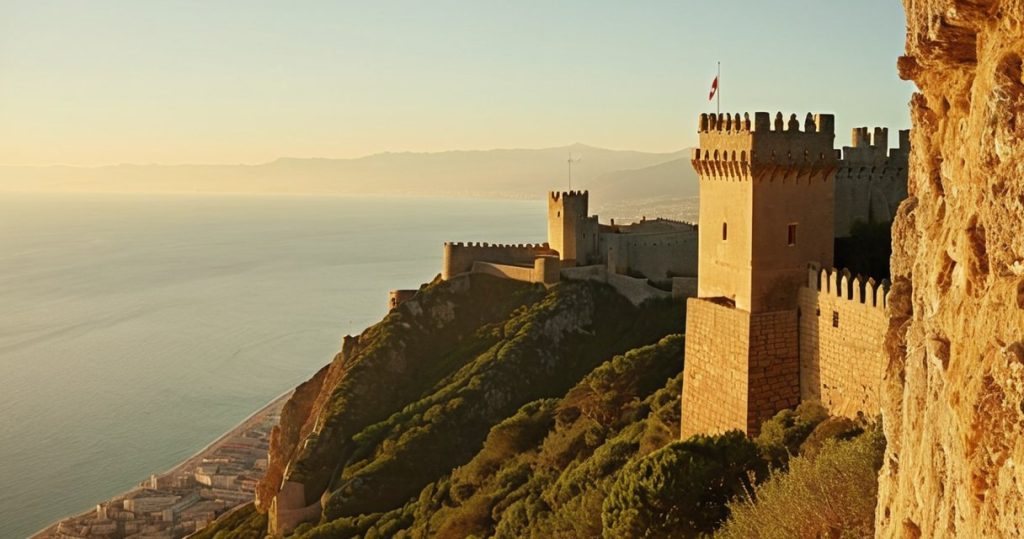
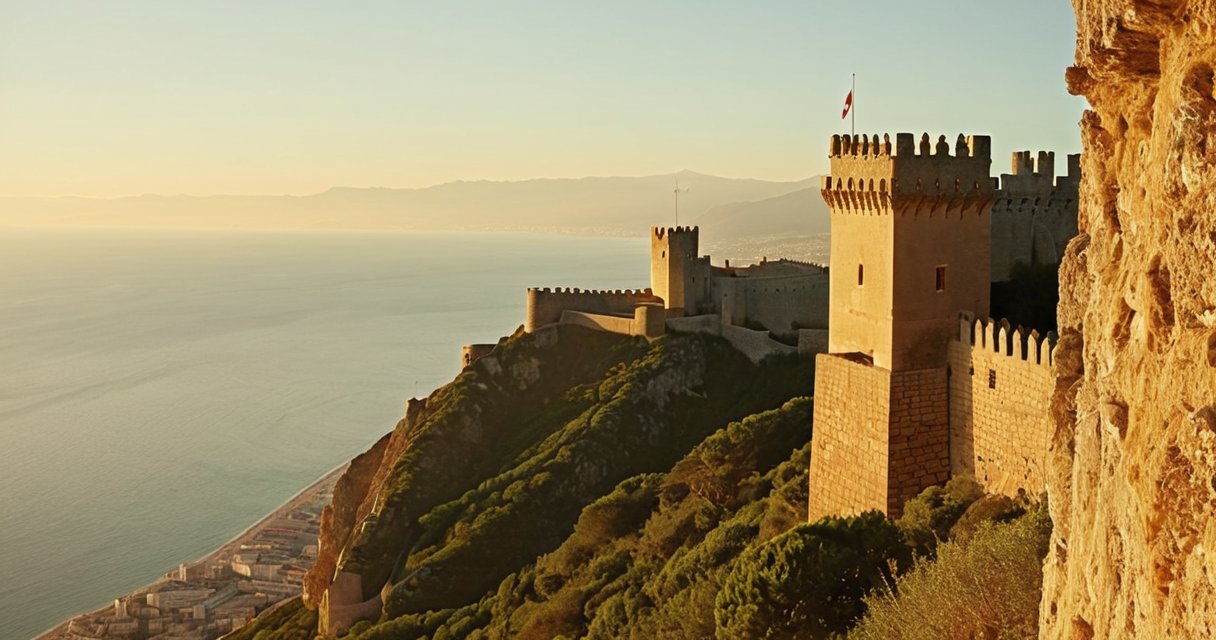
The moorish castle stands as a testament to the rich gibraltar history that began unfolding in the early eighth century. Constructed around 711 AD following the Moorish conquest of the Iberian Peninsula, this ancient fortress was initially developed under the leadership of Tariq ibn Ziyad, the Umayyad general whose forces landed at the Rock of Gibraltar. The strategic location overlooking the Strait of Gibraltar made the site invaluable for controlling maritime routes between the Mediterranean Sea and the Atlantic Ocean.
Moorish rulers continued to enhance the structure over subsequent centuries, with notable expansions attributed to Abd al-Mu’min of the Almohad dynasty in the twelfth century. These leaders integrated sophisticated defensive features that reflected advanced moorish architecture, including thick stone walls, watchtowers, and intricate vaulted chambers designed to withstand sieges. The ancient fortress quickly became a central hub for military operations, serving as both a residence for governors and a barracks for troops tasked with protecting the vital peninsula.
Its position at the southern tip of Europe underscored its importance in early gibraltar history, acting as a gateway for trade and cultural exchange while deterring invasions from Christian kingdoms to the north. The moorish castle’s design emphasized functionality and aesthetics, blending robust fortifications with elegant geometric patterns typical of Islamic building traditions. Over time, these elements solidified the site’s reputation as an impregnable stronghold that shaped regional power dynamics for generations.
Archaeological evidence suggests that initial construction utilized local limestone quarried directly from the Rock, allowing for rapid assembly of the core defenses. Moorish engineers employed innovative water management systems, including cisterns and aqueducts, to sustain the garrison during prolonged conflicts. This foresight in planning highlighted the rulers’ understanding of the harsh environment and the need for self-sufficiency within the ancient fortress.
Throughout its formative years, the moorish castle played a pivotal role in broader campaigns across the Strait, influencing alliances and territorial disputes that defined medieval Iberia. Its enduring presence continues to offer insights into the military and cultural priorities of the era, illustrating how strategic geography and architectural prowess combined to create one of history’s most resilient landmarks.
Key Architectural Features of the Moorish Castle
The Moorish Castle in Gibraltar exemplifies exceptional castle architecture through its innovative moorish design. The structure’s imposing walls, built with precisely cut stones, form a formidable barrier that integrates seamlessly with the natural rock formations of the Rock of Gibraltar. These walls feature multiple layers of defense, including thick ramparts and strategically placed towers that allowed defenders to monitor approaching threats from both land and sea. The use of sloped bases helped deflect projectiles, a hallmark of Moorish engineering that enhanced the overall resilience of the fortifications.
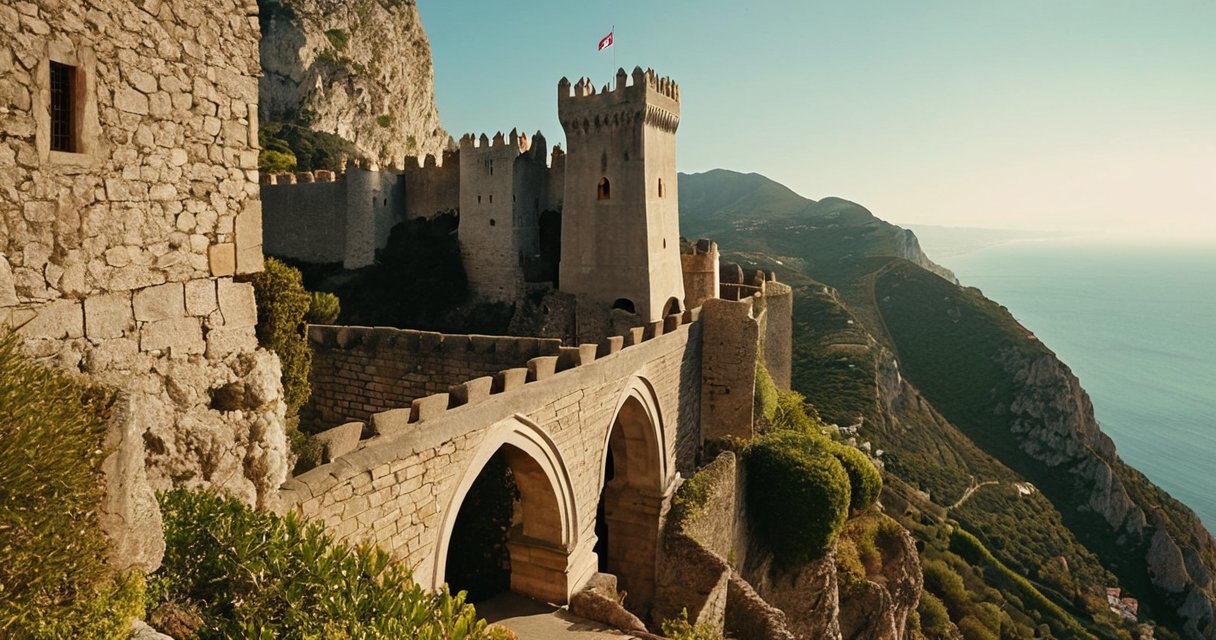
Central to the castle’s layout are its fortified gates, such as the original entrance points adorned with horseshoe arches typical of moorish design. These gates not only served as controlled access points but also incorporated defensive mechanisms like portcullises and murder holes. Intricate carvings and geometric patterns on the gates reflect the cultural influences while serving practical purposes in fortification. The main gate, often referred to in historical records, was positioned to funnel attackers into kill zones, demonstrating tactical brilliance.
The defensive systems of this historical structure highlight advanced techniques in fortification. Battlements along the walls provided cover for archers, while internal water cisterns ensured a reliable supply during prolonged conflicts. Underground passages and storage areas were ingeniously designed to support long sieges. As prominent gibraltar landmarks, the Moorish Castle’s features continue to draw visitors interested in historical structures and their enduring legacy.
Furthermore, the towers within the castle, including the prominent Tower of Homage, utilize corbelled construction methods that are characteristic of the period’s castle architecture. These elements not only bolstered the defensive capabilities but also contributed to the aesthetic grandeur of the moorish design seen in many historical structures across the region. Today, these features make the site a must-visit among gibraltar landmarks for enthusiasts of military history and architecture.
The Tower of Homage and Its Significance
The Tower of Homage is an iconic structure located within the Moorish Castle of Gibraltar. Built in the 14th century during the period of Moorish control, this moorish tower was designed to provide both defense and surveillance over the surrounding landscape. Its strategic location made it an essential component of Gibraltar’s fortifications.
Standing at a height of over 30 meters, the gibraltar tower features robust stone construction with walls up to 3 meters thick. Unique elements such as its octagonal shape on the upper levels and decorative motifs reflect the architectural sophistication of Moorish builders. These aspects make it a standout historical monument in the Mediterranean region.
Throughout history, the tower of homage has served as a symbol of Moorish power, representing the dominance and cultural influence of the Moors in southern Europe. It has withstood sieges and time, preserving the legacy of its creators. Today, it attracts historians and tourists alike, offering insights into the rich past of Gibraltar.
The moorish tower continues to be a focal point for understanding the military tactics employed during medieval times. Its preservation efforts highlight its value as a historical monument that bridges ancient and modern eras. Exploring this gibraltar tower reveals the intricate blend of functionality and artistry that defined Moorish architecture.
Major Historical Events and Sieges
The Moorish Castle in Gibraltar has been central to numerous historical events from the 14th century onward, with repeated castle conquests reshaping regional power. Early moorish battles established the fortress as a strategic prize amid shifting alliances and invasions across the Strait.
In 1309 Castilian troops seized the castle, yet Moorish forces reclaimed it just 24 years later after a determined siege. This cycle of capture and recapture illustrated the relentless pattern of gibraltar sieges that defined medieval control over the peninsula.
By 1462 Spanish armies achieved a decisive victory, ending centuries of Moorish rule and incorporating the castle into Christian domains. Subsequent historical events saw the stronghold adapted for artillery defense while retaining core Moorish architecture.
Throughout the 18th century, gibraltar sieges tested British-held fortifications during the War of the Spanish Succession and the Great Siege of 1779–1783. Earlier moorish battles had already proven the site’s tactical value, guiding later engineering improvements and castle conquests.
These layered conflicts cemented the Moorish Castle’s reputation as a symbol of endurance, its walls bearing witness to centuries of warfare and political transformation.
Visiting the Moorish Castle Today
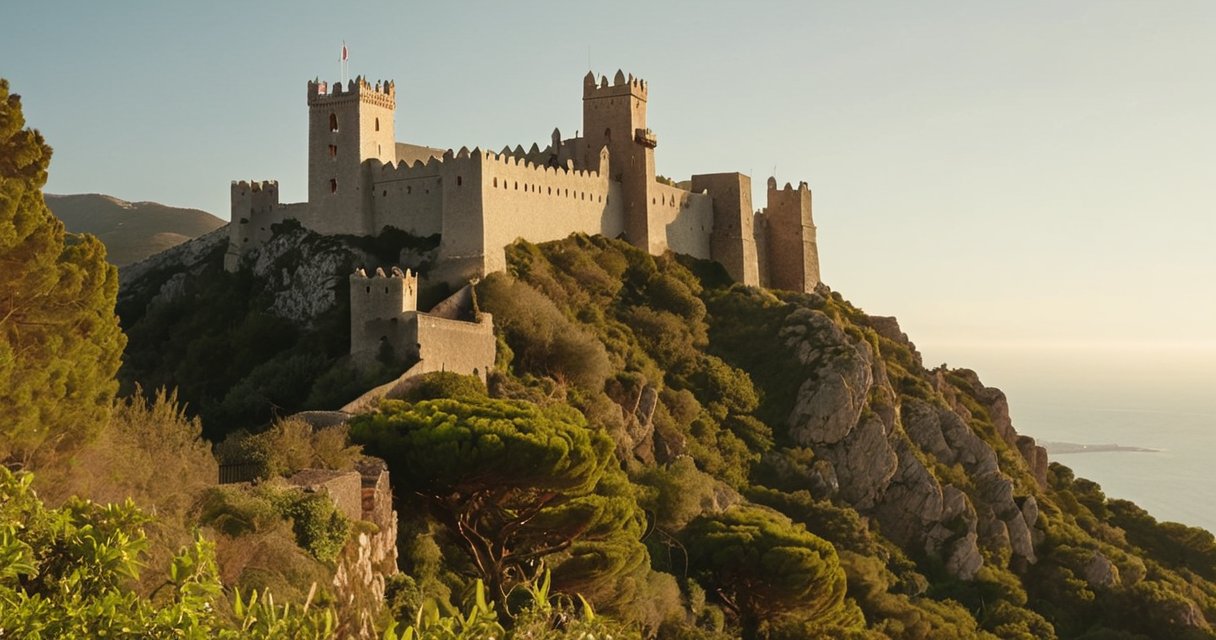
When you visit Gibraltar, delving into its past at the Moorish Castle is an unforgettable experience. A guided Moorish Castle tour reveals the strategic importance of this fortress through detailed exhibits and preserved structures. Recognized as one of the top Gibraltar attractions, it stands proudly among other historical sites that showcase the region’s diverse heritage. The castle’s elevated position offers sweeping views that make every step worthwhile for travelers seeking both education and scenery.
Practical information for visitors includes convenient opening hours. The site operates daily from 9:00 a.m. to 5:30 p.m., with extended hours during peak tourist seasons. Ticket prices are set at £7 for adults, £3.50 for children aged 5 to 15, and £18 for a family of four, making it an accessible option for all budgets. Online reservations help avoid queues and guarantee entry during busy periods.
Accessibility is prioritized with ramps installed throughout the lower levels and designated parking for disabled visitors. However, the upper battlements may pose challenges due to uneven terrain, so mobility aids are recommended for those with difficulties. Staff members are available to assist and provide alternative routes where needed, ensuring an inclusive experience for everyone exploring these historical sites.
Combining your visit with other nearby attractions enhances the day out. Explore the Great Siege Tunnels or take a cable car ride up the Rock for breathtaking vistas. These additions provide a well-rounded look at Gibraltar’s military history and pair perfectly after completing a Moorish Castle tour. Local cafes nearby offer refreshments to recharge before continuing your adventure among Gibraltar attractions.
Safety tips include staying hydrated and following marked paths to avoid restricted areas. Photography is allowed but flash is prohibited in certain chambers to protect artifacts. The entire visit generally takes one to two hours, giving ample time to appreciate the architecture and learn through interpretive panels without feeling rushed.
The Moorish Castle continues to captivate audiences with its blend of history and natural beauty, ensuring a memorable outing for families and solo travelers alike. Whether traveling solo or with a group, this destination remains essential when you visit Gibraltar and ranks among must-see Gibraltar attractions for any itinerary focused on historical sites.

I have always been captivated by the unique cultural tapestry of the Rock, particularly how Moorish, Spanish, and British influences shaped its development over centuries. My passion lies in translating these complex historical narratives into engaging educational resources that make Gibraltar’s past accessible to everyone. I spend my free time exploring military fortifications and reading first-hand accounts of life at the Pillar of Hercules.