Overview of Gibraltar’s Music Traditions
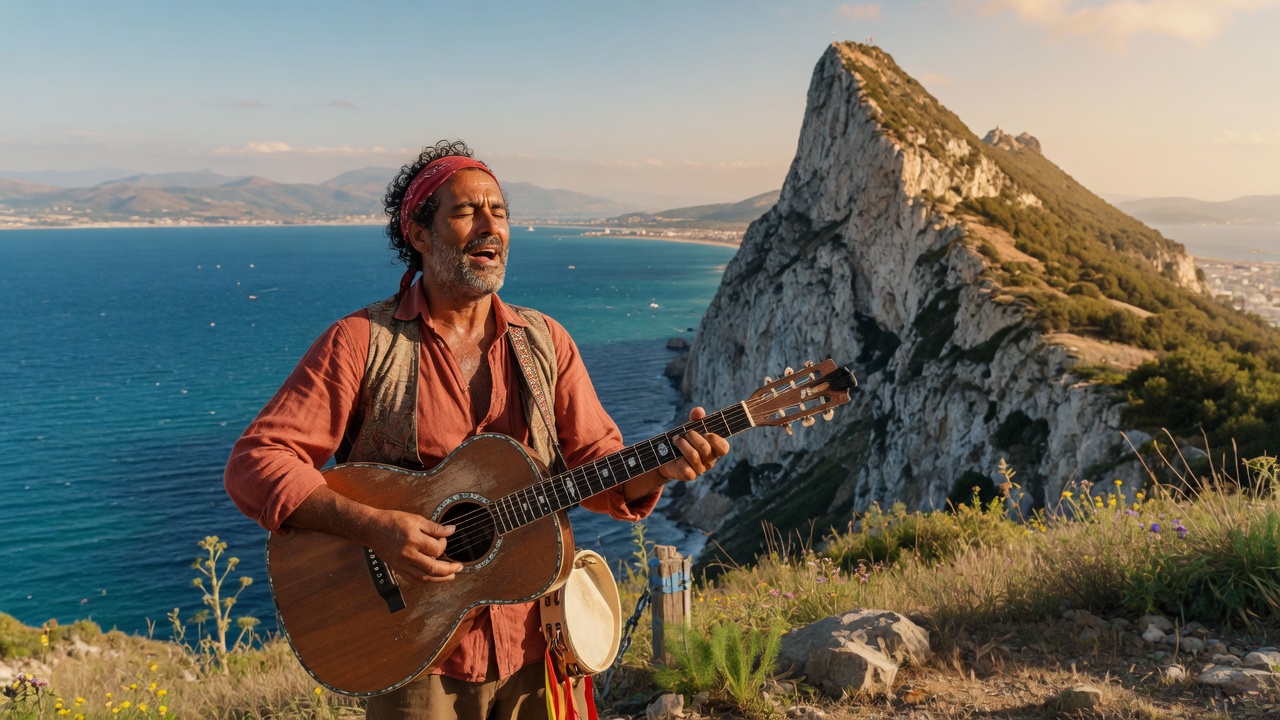
Gibraltar’s music traditions are a vibrant reflection of its diverse cultural heritage and rich historical background. Situated at the crossroads of Europe and Africa, Gibraltar has long been a melting pot of various ethnicities and influences. This unique geographical position has deeply shaped the development of its music, blending elements from British, Spanish, Moorish, and other Mediterranean cultures. The result is a distinctive soundscape that sets Gibraltar music apart from other regional traditions.
The music traditions of Gibraltar are closely linked to the daily life and identity of its people, known as Gibraltarians or Llanitos. This community’s linguistic diversity, speaking a mix of English, Spanish, and Llanito—a local vernacular—also seeps into their musical expressions, creating a cultural music tapestry that is both unique and representative of the area’s pluralism. Styles and rhythms range from traditional folk songs to lively Mediterranean dances, often performed during festivals and communal gatherings where music acts as a bridge connecting old customs with contemporary life.
Historically, Gibraltar has been an important military and naval base, and this has influenced the music traditions through the introduction of martial and sea shanty songs that narrate the life and struggles associated with its strategic importance. At the same time, the influence of Spanish flamenco can be seen in the passionate and rhythmic aspects of local music, showing the close ties to neighboring Andalusia. Other cultural music influences stem from the Jewish, Genoese, and North African communities, which have contributed their own instruments, melodies, and techniques to the Gibraltar music scene.
Overall, Gibraltar music is characterized by its eclectic nature, highlighting the convergence of different cultural currents over centuries. It is through these music traditions that one can truly appreciate the historical background and dynamic cultural life of Gibraltar, where each song and rhythm tells a story of a resilient and diverse community that continues to embrace its multifaceted identity.
Historical Influences on Gibraltar’s Music
The music traditions of Gibraltar have been profoundly shaped by a rich tapestry of historical influences that reflect the region’s unique cultural crossroads. Gibraltar’s music history is a testament to its strategic position at the southern tip of the Iberian Peninsula, where Mediterranean sounds intertwine seamlessly with British elements. The Mediterranean influence is evident in the rhythmic and melodic patterns common to the area, drawing from Spanish flamenco, Italian folk tunes, and North African musical heritage. This blend reflects centuries of trade, migration, and cultural exchange that have enriched Gibraltar’s musical identity.
At the same time, British influence has left a distinct imprint on Gibraltar’s music culture, especially following the territory’s status as a British Overseas Territory. The introduction of British military bands, traditional folk music, and naval songs contributed to the evolving soundscape, infusing Gibraltar’s music traditions with new forms and styles. This fusion of Mediterranean warmth and British structure creates a fascinating dialogue within Gibraltar’s musical expressions, representing both continuity and change over time.
Overall, the historical music of Gibraltar embodies the blend of diverse cultural currents, making its music traditions a vibrant reflection of Gibraltar culture. The ongoing interplay between these Mediterranean and British influences continues to shape contemporary musical practices, ensuring that Gibraltar’s music history remains a dynamic and culturally enriching narrative.
Common Instruments Used in Gibraltar
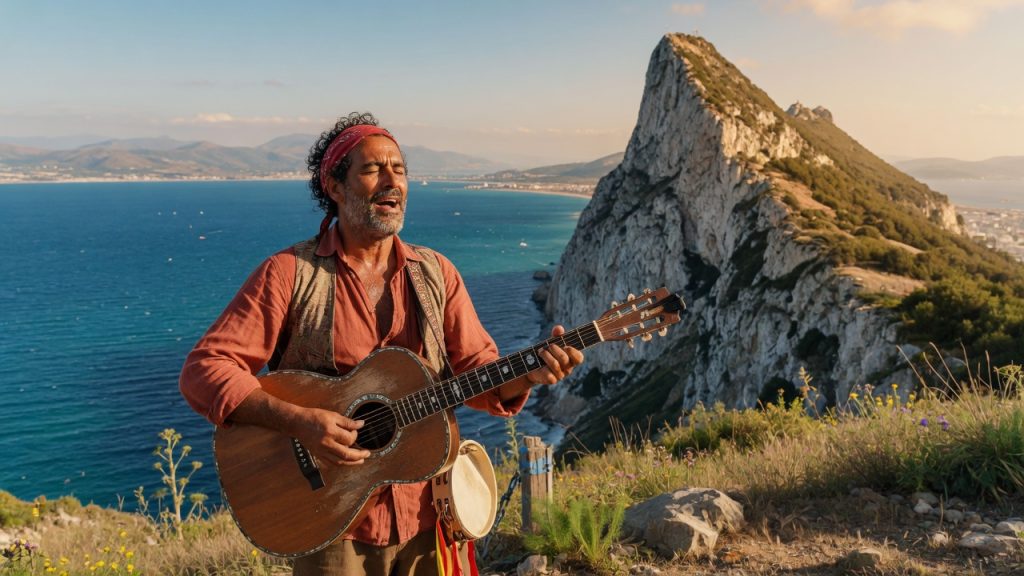
The music traditions of Gibraltar are deeply enriched by a variety of music instruments that reflect the cultural blend unique to the region. Folk instruments play a vital role in Gibraltar’s music culture, combining influences from Spanish, British, and Moorish heritage. Among the most iconic Gibraltar instruments is the guitar, which is widely used in both traditional and contemporary music settings. This string instrument adapts well to the rhythmic and melodic nuances of local folk tunes, making it indispensable in many performances.
Percussion also features prominently among the folk instruments of Gibraltar, with instruments like the cajón, castanets, and tambourine adding vibrant beats and rhythms that drive the music forward. These percussion instruments not only add texture but also bring a festive atmosphere to celebrations and cultural gatherings. The lively use of percussion highlights the dynamic nature of Gibraltar’s music scene.
Additionally, the usage of wind instruments such as flutes and whistles can be found in traditional music ensembles. These instruments often mimic birdsong and natural sounds, weaving a melodic layer that complements the more robust guitar and percussion sections. Together, these music instruments paint a rich auditory portrait of Gibraltar’s cultural identity, where every sound carries a story from the past into the present.
Popular Music Genres in Gibraltar
Gibraltar boasts a vibrant music scene that reflects its rich cultural heritage and unique geographical location. The music genres popular in Gibraltar today encompass a diverse range of styles, from traditional folk to contemporary pop and innovative fusion styles that blend various influences. These genres showcase the dynamic nature of Gibraltar popular music, offering a glimpse into the local music styles cherished by its people.
Folk music holds a special place in Gibraltar’s musical landscape. Rooted deeply in the traditions passed down through generations, folk music often features instruments like the guitar, accordion, and drums. The melodies and rhythms tell stories of the community’s history, daily life, and celebrations, providing a strong connection to the past. These traditional tunes are commonly performed at local festivals and events, reinforcing cultural identity and pride among Gibraltarians.
Alongside folk music, pop music has gained immense popularity in Gibraltar, particularly among younger audiences. Modern Gibraltarian pop artists draw inspiration from international trends while incorporating local elements into their music. This genre is characterized by catchy melodies, electronic beats, and relatable lyrics that resonate with contemporary experiences. Gibraltar’s pop music scene has produced several notable artists who have achieved recognition beyond its borders, helping to elevate the local music styles on a global stage.
Fusion styles are another exciting aspect of Gibraltar’s music genres. These styles creatively combine traditional folk rhythms with modern genres such as rock, reggae, and electronic music. This blending results in unique sounds that reflect Gibraltar’s multicultural fabric. Fusion music often challenges conventional boundaries, encouraging experimentation and innovation. It also serves as a bridge between generations and cultures, making it a vital part of Gibraltar’s musical identity.
In conclusion, the popular music genres in Gibraltar today highlight a rich tapestry of sounds and influences. From the heartfelt expressions of folk music to the energetic beats of pop and the adventurous nature of fusion styles, Gibraltar popular music continues to thrive and evolve. These local music styles not only entertain but also preserve the cultural heritage and foster community spirit, making music an integral part of life in Gibraltar.
Folk and Traditional Music
Folk music in Gibraltar is a vibrant reflection of the territory’s diverse cultural heritage, embodying the rich tapestry of influences that have shaped its identity over centuries. The traditional songs of Gibraltar blend elements from Mediterranean, British, Spanish, and North African musical styles, creating a unique sound that resonates deeply with the local community. These songs often feature storytelling lyrics, passed down through generations, which celebrate everyday life, history, and the shared experiences of Gibraltarians.
Characteristically, Gibraltar’s folk music incorporates lively rhythms and melodies played on traditional instruments such as the guitar, tambourine, and accordion. The use of the Llanito language in many traditional songs highlights the importance of keeping this hybrid dialect alive, further reinforcing local identity and pride. Traditional music gatherings and festivals serve as essential occasions where the community unites to preserve and promote their heritage through music and dance.
Overall, folk and traditional music in Gibraltar not only offer entertainment but play a crucial role in preserving Gibraltar’s cultural identity. By maintaining these musical traditions, Gibraltarians honor their ancestors and cultural roots, ensuring that their distinctive heritage continues to thrive in the modern world. This commitment to folk music thus strengthens the social fabric and fosters a strong sense of belonging among the people of Gibraltar.
Contemporary and Fusion Music
In modern Gibraltar, the music scene has evolved significantly, giving rise to contemporary music styles that skillfully blend traditional sounds with modern influences. This fusion is a vibrant reflection of the territory’s diverse cultural heritage and evolving identity. Contemporary Gibraltar music embraces a variety of styles, from pop and rock to electronic and hip-hop, each incorporating elements from the unique traditional music of Gibraltar, such as Llanito folk tunes and Mediterranean rhythms.
Fusion genres have become particularly popular, as musicians experiment with combining the old and the new. This often involves the use of traditional instruments alongside electronic beats or integrating Spanish and British musical elements to create fresh, innovative sounds. Such musical experimentation not only honors Gibraltar’s rich heritage but also attracts younger audiences eager for modern expressions that still resonate with their roots.
The emerging contemporary music scene in Gibraltar signifies a dynamic cultural shift. It represents a bridge between past and present, where artists pay homage to traditional forms while pushing creative boundaries. Through festivals, live performances, and digital platforms, modern Gibraltar music continues to grow, establishing itself as a unique voice in the broader world music landscape. This blend of tradition and modernity ensures that Gibraltar’s musical legacy remains vibrant and relevant today.
Music Festivals and Cultural Events in Gibraltar
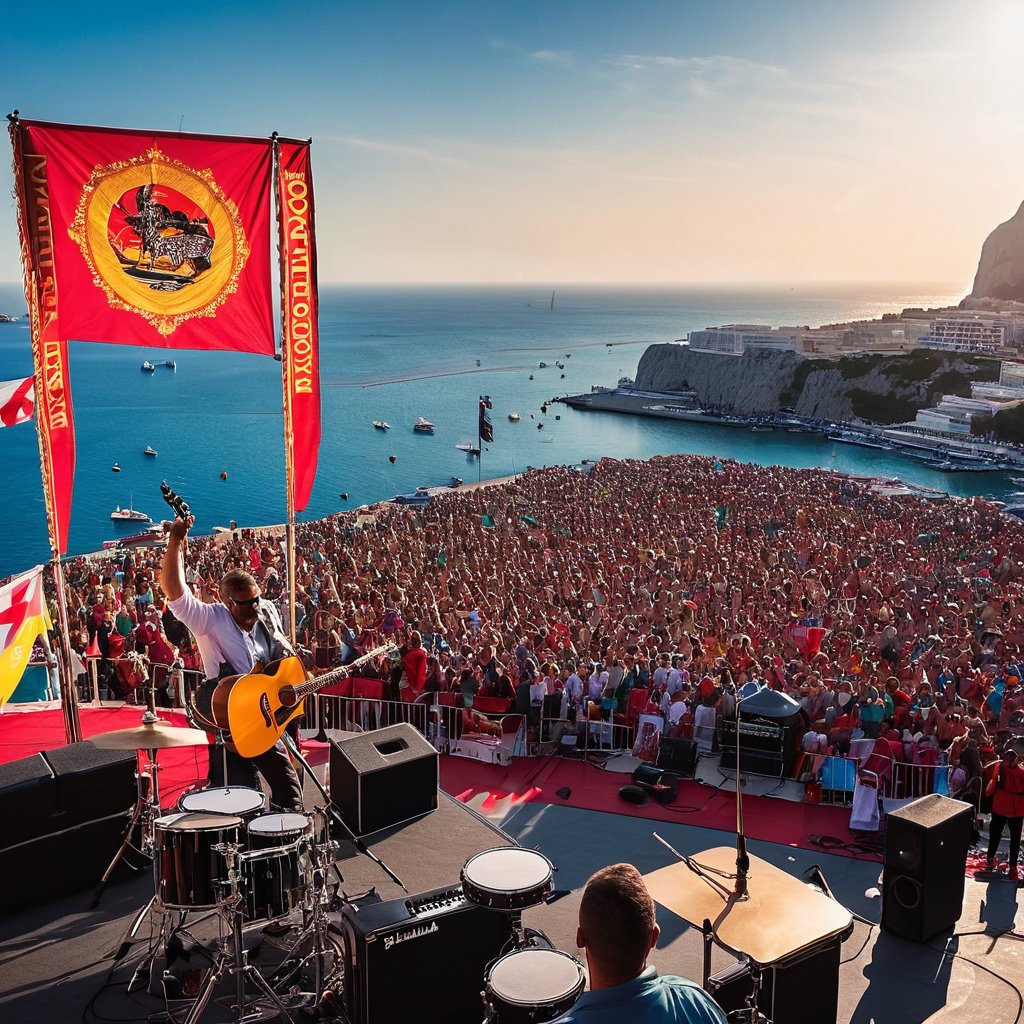
Gibraltar is a vibrant cultural hub where music festivals and cultural events play a crucial role in showcasing its rich music traditions and uniting the community. These celebrations not only highlight the unique blend of influences that define Gibraltar’s musical heritage but also serve as a platform for local artists and international performers to share their talent with enthusiastic audiences.
One of the most prominent music festivals in Gibraltar is the Gibraltar International Jazz Festival. This annual event attracts world-renowned jazz musicians and local talent, offering a diverse lineup that spans various jazz styles. It has become a key highlight on the Gibraltar events calendar, celebrated for its lively atmosphere and contribution to the cultural landscape. The festival fosters a deep appreciation for jazz while encouraging community participation and cultural exchange.
Besides jazz, Gibraltar’s rich folklore is celebrated during the Gibraltar Music Festival, which emphasizes traditional and contemporary music. This festival is a celebration of the territory’s diverse musical roots influenced by British, Spanish, and North African cultures. The event includes performances of Llanito songs, Flamenco, and other traditional forms, reflecting the multicultural fabric of Gibraltar. It provides an opportunity for locals and visitors alike to experience the vibrant sounds that have shaped the region’s identity.
Cultural celebrations such as the Gibraltar National Day also feature music prominently. The day is marked by a variety of performances, including street music, choirs, and orchestras, enhancing community spirit and showcasing local talent. These events are more than just celebrations—they are expressions of cultural pride and social cohesion, bringing people together through the power of music.
Other notable Gibraltar events include the St. Michael’s Cave Concerts, held in the iconic natural amphitheater. This unique venue offers an extraordinary acoustic experience, hosting a range of performances from classical to contemporary music. These concerts highlight both the natural beauty and musical heritage of Gibraltar, creating memorable experiences for audiences and artists alike.
Overall, music festivals and cultural celebrations in Gibraltar play an essential role in preserving and promoting the territory’s musical traditions. They cultivate community spirit, encourage cultural exchange, and offer a dynamic platform where the old meets the new. Whether through jazz, folk, or classical performances, these events continue to enrich Gibraltar’s cultural tapestry and bring its people together in harmony.
Annual Music Festivals
Gibraltar hosts several vibrant annual festivals that celebrate its rich musical heritage and provide an eclectic mix of live performances. These annual festivals are pivotal in promoting local talent alongside internationally acclaimed artists, making them key Gibraltar music events on the cultural calendar. One of the most anticipated events is the Gibraltar Music Festival, which draws thousands of music lovers each year. This festival showcases a diverse range of genres, from traditional folk music to modern rock and electronic beats, featuring key performers from both Gibraltar and abroad.
Another significant festival is the Gibraltar International Jazz Festival, renowned for attracting world-class jazz musicians. This event not only highlights the art of jazz but also fosters cultural exchange through music workshops and collaborative performances. These Gibraltar music events serve an essential role in enhancing the cultural vibrancy of the region and supporting the local music scene. Live performances during these festivals are held in various iconic venues, including open-air stages and historic sites, creating a unique atmosphere for attendees.
The significance of these festivals goes beyond entertainment; they contribute to Gibraltar’s identity as a dynamic music hub in the Mediterranean. They provide opportunities for emerging artists to gain exposure and for audiences to experience a rich tapestry of musical styles. In sum, Gibraltar’s annual festivals celebrate its diverse musical traditions and foster a thriving community spirit centered on the joy of live music.
Community and Religious Celebrations
In Gibraltar, community music and religious music play a vital role in the rich tapestry of cultural traditions. Various celebrations across the territory showcase traditional songs and performances that bring people together, reflecting the deep bond between music and communal identity. One of the standout events is the annual Gibraltar National Day, where vibrant musical performances featuring traditional Llanito songs captivate audiences, expressing communal pride and heritage.
Religious celebrations, particularly those linked to Gibraltar’s Catholic community, also feature prominently in the musical landscape. Processions during Holy Week and the Feast of Our Lady of Europe include solemn chants and hymns sung in traditional styles, creating an atmosphere of reverence and spiritual reflection. These events highlight how religious music is woven into the daily lives and beliefs of Gibraltarians.
Beyond formal religious occasions, various neighborhood festivals and local gatherings incorporate community music to preserve and promote cultural traditions. These performances often involve traditional instruments and folk songs passed down through generations, reinforcing community bonds and a sense of shared history. Thus, music-related celebrations in Gibraltar serve not only as entertainment but also as important custodians of the territory’s unique multicultural identity.

I have always been captivated by the unique cultural tapestry of the Rock, particularly how Moorish, Spanish, and British influences shaped its development over centuries. My passion lies in translating these complex historical narratives into engaging educational resources that make Gibraltar’s past accessible to everyone. I spend my free time exploring military fortifications and reading first-hand accounts of life at the Pillar of Hercules.