Origins of the Neutral Ground in Gibraltar
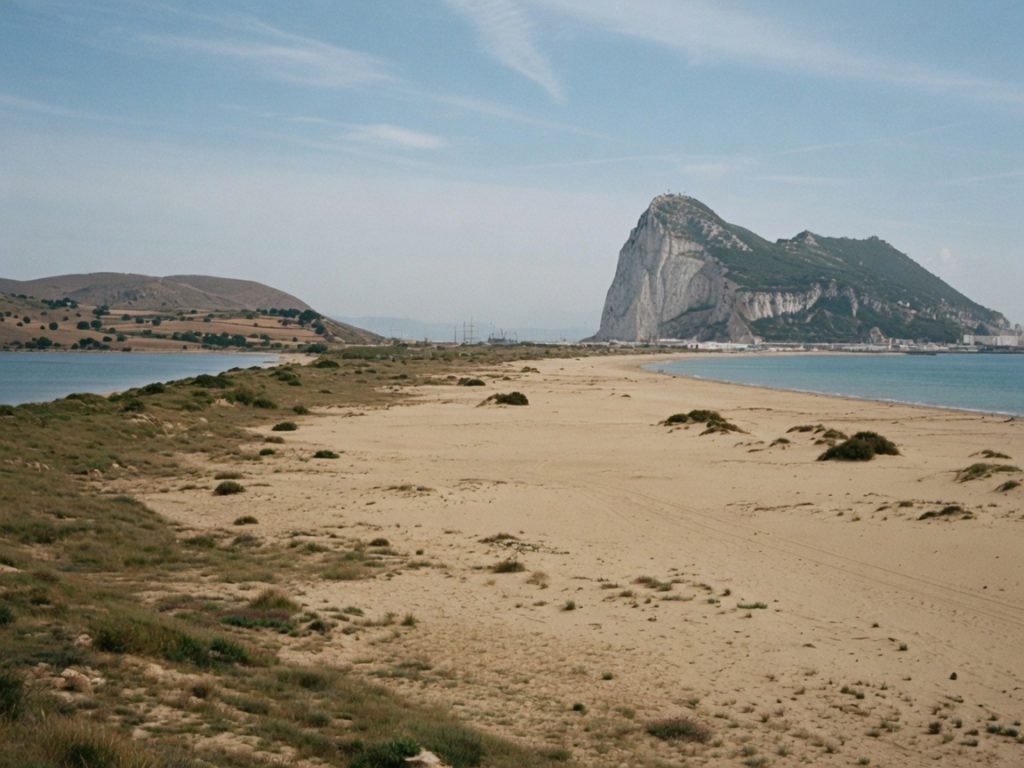
The Neutral Ground history traces back to the Treaty of Utrecht in 1713. This pivotal agreement ended hostilities and transferred sovereignty of Gibraltar to Britain. As part of the arrangements, the Neutral Ground was established on the Gibraltar isthmus as a demilitarized buffer zone. Its role as a Spanish border buffer was essential in preventing direct confrontations between British and Spanish forces.
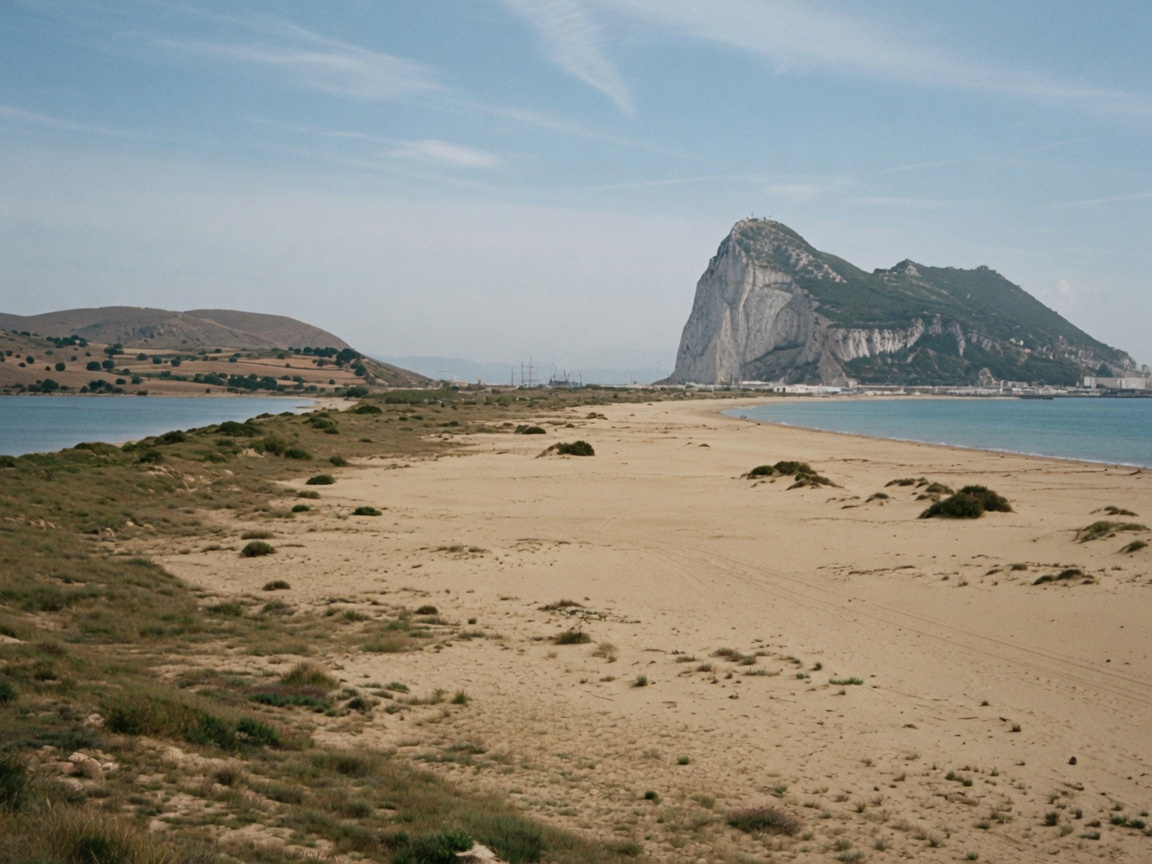
Geographically, the Gibraltar isthmus is a low-lying sandy area connecting the peninsula to mainland Spain. The Neutral Ground covered much of this territory, creating a no-man’s-land approximately one kilometer wide. The initial purpose was to maintain a neutral space where neither side could station troops or erect defenses, promoting a fragile peace in the region.
The creation of this buffer zone reflected the cautious diplomacy following the Treaty of Utrecht. Spain sought assurances that British expansion would be limited, while Britain aimed to secure its new possession. Over the years, the Neutral Ground has remained a symbol of this historical compromise, influencing border relations for centuries.
In addition to its strategic importance, the area had practical implications for local populations and trade. Movement across the isthmus was regulated, with checkpoints eventually developing at the edges of the Neutral Ground. This setup underscored the zone’s function as an effective Spanish border buffer during a time of political uncertainty.
Today, understanding the origins of the Neutral Ground provides insight into the enduring geopolitical dynamics of Gibraltar. The legacy of the Treaty of Utrecht continues to shape discussions around sovereignty and territorial integrity in the area.
Furthermore, the Neutral Ground history highlights the complexities of colonial acquisitions in the 18th century. The demilitarized status was not always strictly observed, leading to occasional disputes. Nevertheless, it served its purpose as a Spanish border buffer for many decades, allowing for a period of relative stability.
The geography of the Gibraltar isthmus made it an ideal location for such a zone, with its flat terrain facilitating surveillance from both sides. This natural feature enhanced the effectiveness of the buffer established post-Treaty of Utrecht.
Ultimately, the Neutral Ground stands as a testament to the negotiated peace that followed major European conflicts, embodying the tensions and resolutions between Britain and Spain.
The Neutral Ground in 18th Century Conflicts
The Neutral Ground, the narrow isthmus separating Gibraltar from mainland Spain, assumed critical importance throughout 18th century history during the recurring Anglo-Spanish wars. Although formally designated neutral territory after the 1713 Treaty of Utrecht, the area was repeatedly drawn into military operations because of its position as the sole land route to the Rock.
The most intense period of activity occurred during the Great Siege of Gibraltar from 1779 to 1783. Spanish and French forces established extensive siege lines, batteries, and supply depots directly along the Neutral Ground, bringing their artillery within effective range of British fortifications. The open, level terrain proved ideal for constructing parallels and trenches, turning the zone into the primary staging area for the besieging armies.
Neutral Ground battles consisted of frequent British sorties launched to destroy enemy works and spike guns. Garrison troops crossed into the strip under cover of night, engaging in sharp clashes before withdrawing. These raids underscored the zone’s tactical value, as whoever controlled movement across the isthmus could influence the outcome of the entire siege.
Over the course of the century, changes over time altered the Neutral Ground’s character. In the earlier Anglo-Spanish wars, such as the 1727 siege and the conflicts of the 1740s, the land served mainly as a buffer for prisoner exchanges and limited truces. By the 1770s, both sides had erected more permanent redoubts and observation posts, transforming the once-empty strip into a fortified frontier.
The flat landscape also accommodated cavalry maneuvers and large troop concentrations during the Anglo-Spanish wars, although exposure to plunging fire from Gibraltar’s heights made prolonged occupation hazardous. Temporary camps, field hospitals, and supply depots appeared whenever hostilities resumed, illustrating the area’s continuing military utility.
By the close of the 1700s, the Neutral Ground had evolved from a simple demilitarized buffer into a contested corridor whose strategic importance shaped both siege tactics and long-term defensive planning around Gibraltar.
Developments in the 19th and 20th Centuries
In the 1800s, the Neutral Ground underwent major infrastructure upgrades driven by British military history. New roads, barracks, and supply depots were built across the isthmus, improving troop mobility and logistics while supporting the expansion of Gibraltar fortifications.
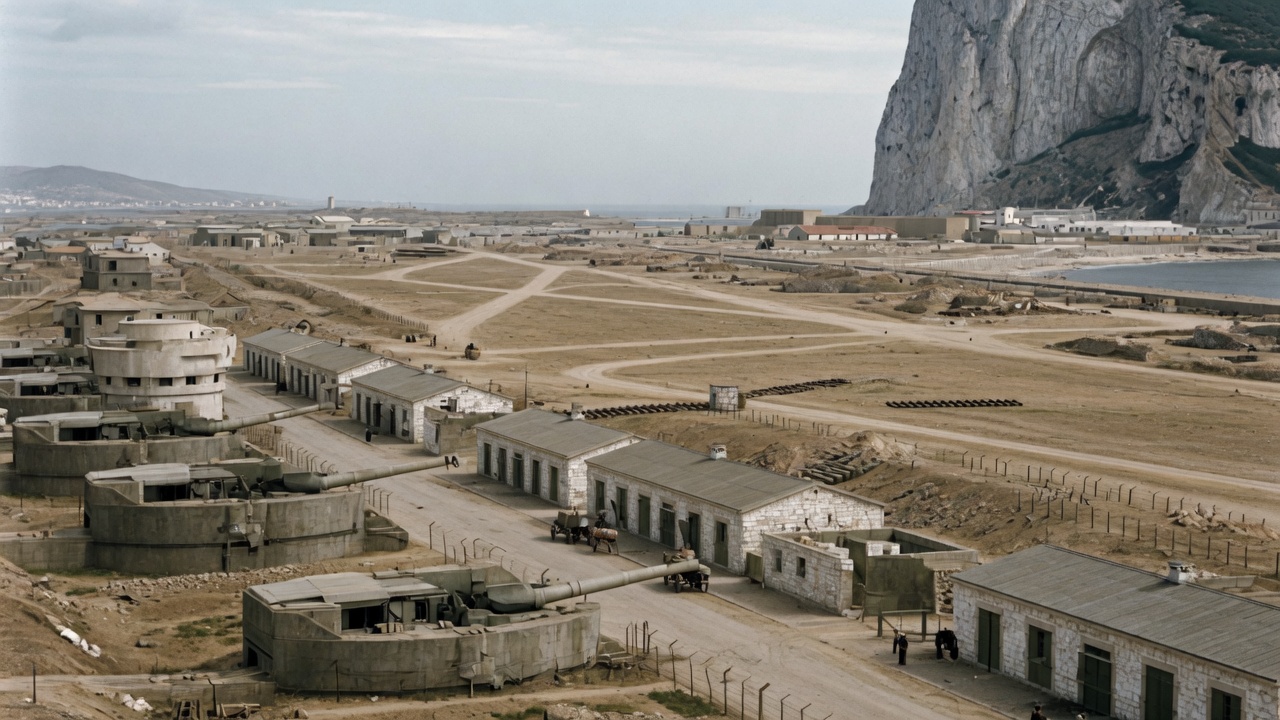
The Neutral Ground evolution during this era reflected growing strategic demands. Land reclamation and basic drainage works stabilized the terrain, and additional gun batteries and observation posts were added to strengthen defensive lines along the frontier.
Entering the 1900s, the 20th century border emerged through formalized checkpoints and customs posts. Geopolitical shifts prompted tighter controls, while Gibraltar fortifications were modernized with concrete emplacements and early anti-aircraft defenses to meet the challenges of industrialized warfare.
Throughout both world wars, the Neutral Ground served as a vital staging area within British military history. Electricity, piped water, and telegraph networks were introduced, enhancing operational capacity and supporting the adjacent civilian population.
By the close of the century, the area had transformed from a simple buffer into a layered military zone. The 20th century border remained a site of ongoing negotiation, underscoring the enduring role of the Neutral Ground evolution in Gibraltar’s defense posture.
Modern Significance of the Neutral Ground
The Neutral Ground today serves as a pivotal area in shaping Gibraltar Spain relations. It functions as both a reminder of past conflicts and a platform for current diplomatic efforts aimed at resolving border disputes. Through contemporary history, this land has adapted to new realities, balancing sovereignty concerns with practical needs for cooperation.
In diplomacy, the Neutral Ground is frequently at the center of discussions between British and Spanish authorities. These conversations focus on enhancing security measures while promoting fluid movement across the border. Such engagements have led to several bilateral agreements that address everything from customs procedures to environmental concerns in the shared space.
Travel across the Neutral Ground is integral to the daily routines of thousands. Whether for employment opportunities in Gibraltar or leisure activities in Spain, the border crossing via this zone remains vital. Improvements in infrastructure have reduced wait times, although challenges persist during peak periods or political tensions.
Local life benefits immensely from the Neutral Ground’s role as a connector. Families and friends maintain ties across the divide, and cultural exchanges flourish thanks to easy access. This aspect of coexistence highlights how the area supports vibrant communities on either side. Economic ties also strengthen as businesses depend on steady cross-border flows.
Historical legacies continue to impact the Neutral Ground, with agreements dating back centuries still influencing its use today. Contemporary history shows ongoing negotiations, especially in light of changing European dynamics, ensuring that the zone evolves without erasing its unique background.
Visiting the Neutral Ground Historical Sites
Gibraltar tourism draws thousands of visitors each year eager to explore the Neutral Ground, a historic buffer zone that once separated British and Spanish territories. Today this area serves as a living reminder of centuries of conflict and cooperation, making it one of the most compelling visitor attractions on the Rock. Travelers interested in the Neutral Ground’s layered past will find a wealth of Neutral Ground landmarks, from 18th-century fortifications to preserved sentry posts that still stand along the old frontier line.
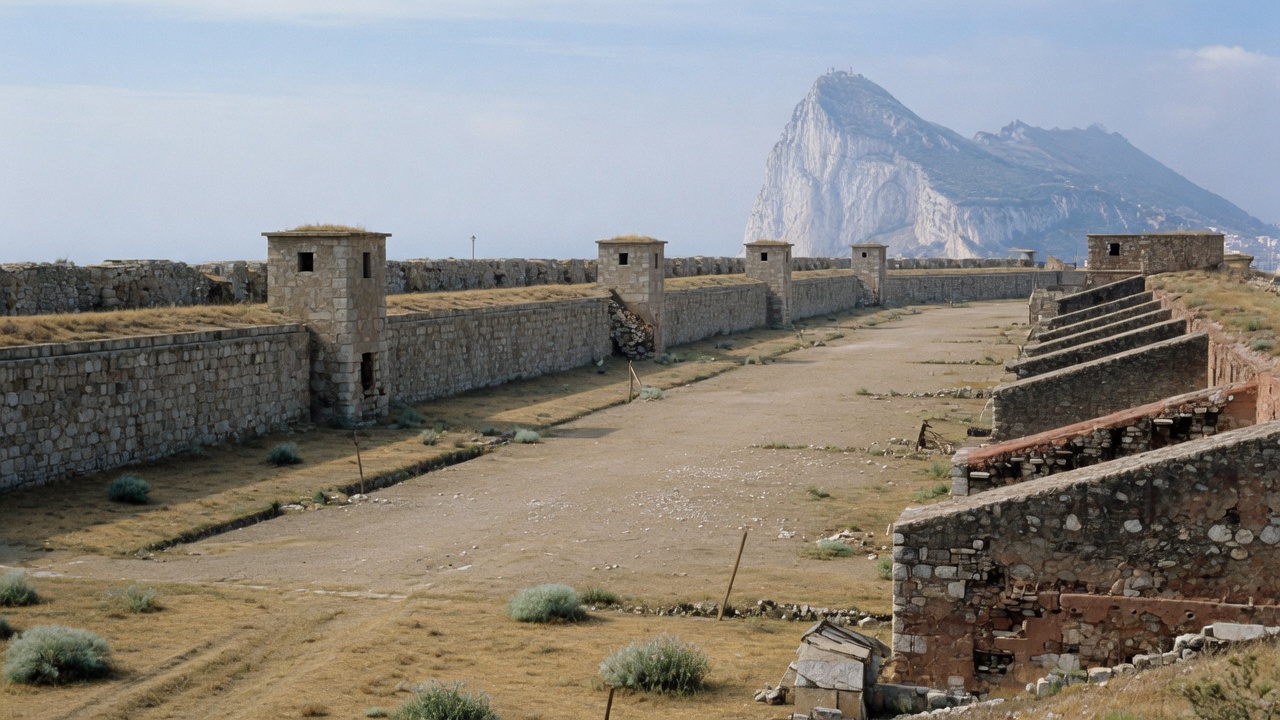
Key sites include the remains of the original Spanish lines and the British counterworks that defined the Neutral Ground for generations. Guided historical tours allow visitors to walk the precise boundary where no-man’s-land once existed, learning how both nations agreed to keep the strip demilitarized. Local experts explain preservation efforts that protect these fragile earthworks and stone structures from modern development, ensuring future generations can appreciate their strategic importance.
Museums located near the Neutral Ground offer deeper context through artifacts, maps, and interactive displays. The Gibraltar Museum houses documents detailing daily life along the frontier, while smaller exhibits at the Moorish Castle complex highlight archaeological finds from the buffer zone itself. These institutions work closely with heritage groups to maintain accurate records and restore original features whenever possible.
Experiences for history enthusiasts range from self-guided walks with downloadable audio tours to specialized evening events that recreate 19th-century guard changes. Many visitors combine a Neutral Ground visit with cable-car rides or dolphin-watching excursions, creating full-day itineraries that showcase both natural beauty and cultural heritage. Preservation efforts remain visible everywhere, with signage explaining ongoing conservation projects funded through Gibraltar tourism revenue.
Whether you spend an afternoon tracing the old border or join a multi-hour historical tour, the Neutral Ground delivers an unforgettable encounter with Gibraltar’s unique past. Respect for the site’s protected status ensures these landmarks continue to educate and inspire, making every visit both enjoyable and meaningful.

I have always been captivated by the unique cultural tapestry of the Rock, particularly how Moorish, Spanish, and British influences shaped its development over centuries. My passion lies in translating these complex historical narratives into engaging educational resources that make Gibraltar’s past accessible to everyone. I spend my free time exploring military fortifications and reading first-hand accounts of life at the Pillar of Hercules.