Supply reliability has also been a priority, with investments made to upgrade pipelines, reservoirs, and pumping stations. These infrastructure improvements help reduce water loss due to leaks and enhance the consistency of supply, even during periods of high demand or adverse weather conditions. The adoption of smart water management systems has allowed for better monitoring and maintenance, ensuring that the population has continuous access to water resources.
In parallel, waste management systems have undergone significant transformation. Modern waste utilities now emphasize efficient collection, sorting, and disposal methods designed to minimize environmental impact. Recycling programs have been expanded, and waste-to-energy initiatives have been introduced to reduce the volume of waste sent to landfills. Together, these water management and waste utilities improvements form a robust approach to supporting Gibraltar’s sustainable development and enhancing the quality of life for its residents.
Historical Overview of Public Utilities in Gibraltar
The public utilities history of Gibraltar reflects a fascinating journey of infrastructure development that began in the 19th century, shaping the territory’s urban and economic growth. As an important British naval base and a strategic point at the entrance of the Mediterranean, Gibraltar required reliable and advanced public utilities to support both its civilian population and military operations.
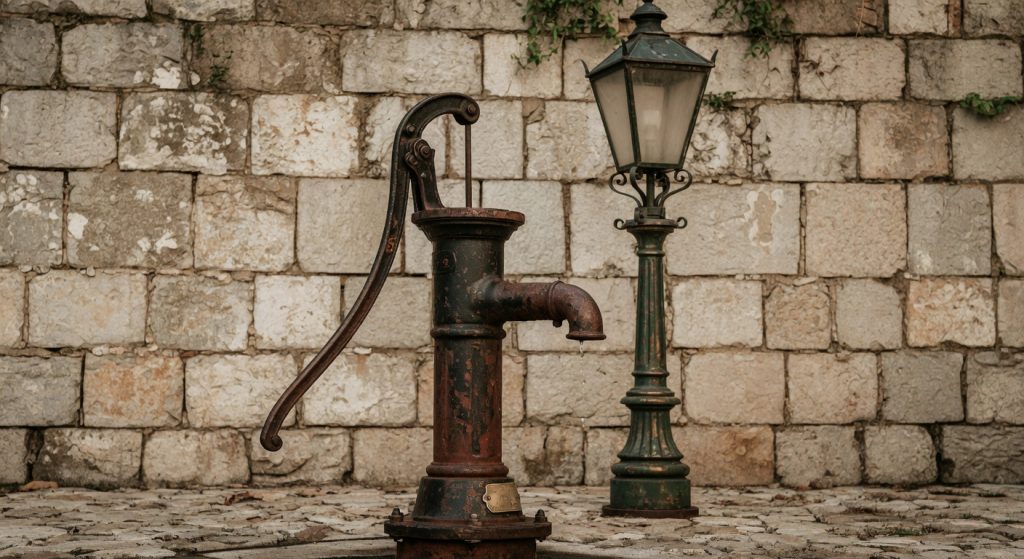
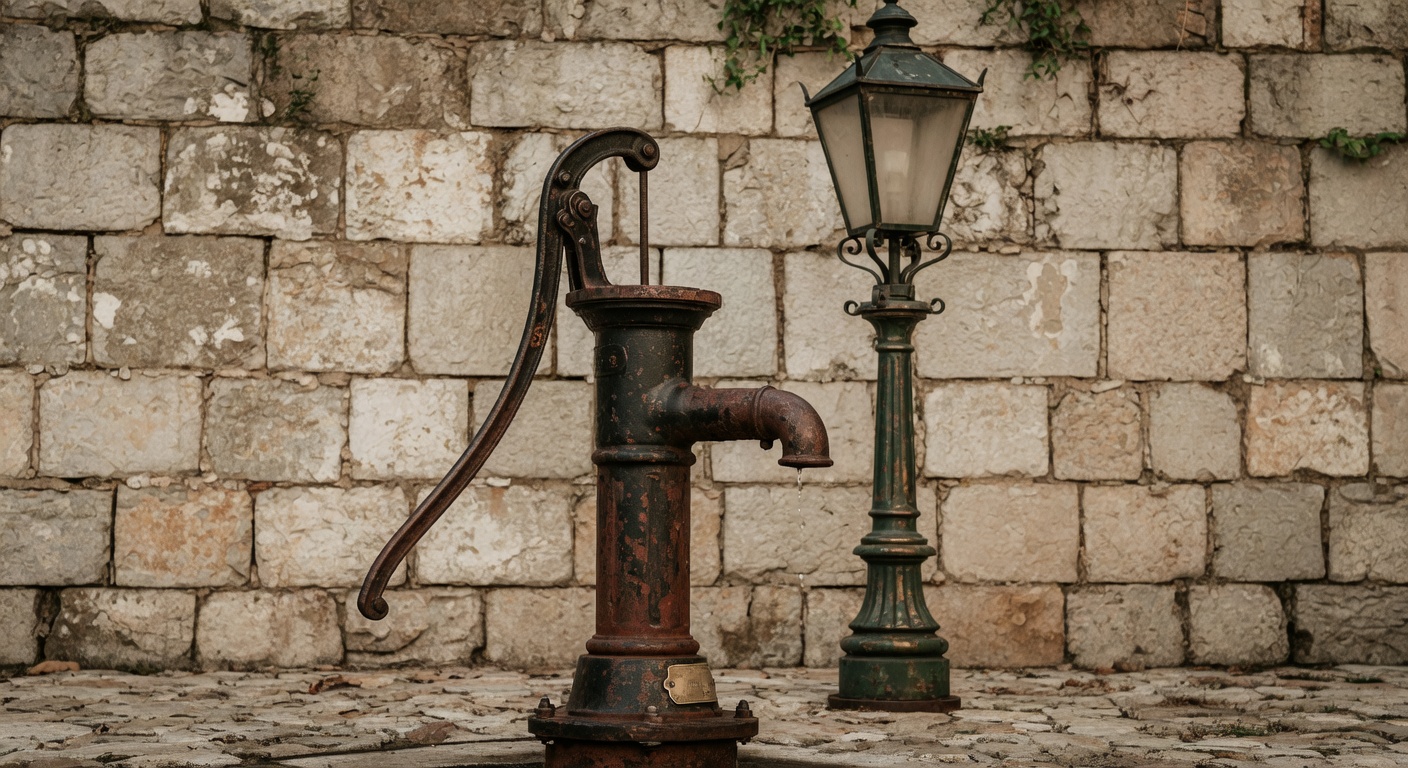
One of the earliest utilities to be developed was the water supply system. Initially, Gibraltar relied heavily on natural sources such as rainwater catchments and wells. However, as the population expanded and demand increased, these methods proved insufficient. By the mid-19th century, concerted efforts were made to improve water infrastructure. The construction of reservoirs and the introduction of piped water distribution marked a significant milestone, ensuring a more consistent and hygienic water supply. This development was crucial for public health and the daily lives of residents, laying the groundwork for future utilities expansion.
The introduction of gas services in Gibraltar followed closely, driven by the need for better street lighting and domestic energy solutions. Gas lighting began to replace traditional oil lamps in the streets during the late 1800s, greatly enhancing nighttime visibility and public safety. The establishment of gasworks facilities enabled local production and distribution of gas, which also found use in homes and businesses. This period marked the beginning of Gibraltar’s modern utilities infrastructure, mirroring developments occurring in larger European cities.
Electricity was one of the last major utilities to be introduced in Gibraltar before the 20th century. Initially used for public lighting and certain military applications, the electrification process gained momentum in the early 1900s. The installation of electric generators and the installation of a basic grid expanded access beyond just public spaces to include private premises. This shift heralded a new era of technological advancement and economic progress in Gibraltar, as electricity began to facilitate industrial activities and improve quality of life.
Overall, the early development of Gibraltar utilities represents a key chapter in the territory’s public utilities history. These foundational steps in water, gas, and electricity services were instrumental in establishing resilient infrastructure. They supported the needs of a growing population and the demands of a strategic military outpost, setting the stage for continued modernization and urban development throughout the 20th century.
Early Water Supply Systems

The water supply history of Gibraltar reveals a fascinating journey of ingenuity and adaptation, especially during the initial establishment of potable water systems. Early utilities were crucial for sustaining both the civilian population and the military installations that occupied this strategic peninsula. Gibraltar’s challenging geography, marked by its rocky terrain and limited natural freshwater sources, demanded effective solutions to secure a reliable water supply.
Initial methods of water collection leaned heavily on rainwater harvesting. Residents and military engineers alike constructed cisterns and reservoirs to capture and store rainwater from rooftops and natural catchment areas. This system provided the foundation of Gibraltar water management in the early days, ensuring a basic yet vital supply to meet essential needs.
In parallel, wells were dug in selected spots where groundwater could be accessed, although these were limited and often inadequate for the growing demand. To supplement these sources, water was sometimes imported by ship, highlighting the early utilities’ dependence on external supply lines during dry periods.
Infrastructure development soon progressed to incorporate aqueducts and piped distribution networks within the military fortress and community. These advances allowed better water pressure control and distribution efficiency, underscoring the strategic importance of water supply history in Gibraltar as a critical component of its defense and civilian life.
Overall, the early water supply systems in Gibraltar reflected the ingenuity required to overcome natural scarcity, becoming a significant chapter in the history of early utilities in this unique region.
Establishment of Gas and Electricity Services

The establishment of gas utilities and the introduction of electricity services in Gibraltar marked significant milestones in the territory’s modern infrastructure development. The journey towards reliable Gibraltar power began in the late 19th century, when the demand for gas lighting and energy grew alongside urban expansion. The initial challenges included limited technology, high costs, and the difficulty of laying down the necessary infrastructure in a densely populated and strategically important location.
One of the earliest milestones was the introduction of coal gas services in the 1880s, which replaced oil lamps and candles and greatly improved street and home lighting. Prominent local entrepreneurs and external companies collaborated to set up the first gasworks, navigating technical and logistical obstacles related to supply and safety. This development also reflected Gibraltar’s strategic importance as a British naval base, where efficient lighting was essential for both civilian and military operations.
The electricity history of Gibraltar officially began in the early 20th century when the first power station was established. This advancement brought about a new era of electricity consumption for homes, businesses, and public services. Despite initial skepticism and infrastructure challenges, electricity rapidly transformed Gibraltar’s economy and quality of life. Key players included British colonial authorities and local firms that invested heavily in modernizing the power supply.
Throughout the 20th century, continuous improvements in gas utilities and Gibraltar power infrastructure overcame geographic and economic challenges, eventually leading to a robust and stable energy system. These utilities laid the foundation for Gibraltar’s ongoing development and modernization, illustrating the territory’s ability to adapt and innovate within the demanding context of its unique environment.
Modernization and Expansion of Gibraltar’s Utilities

In the second half of the 20th century, Gibraltar witnessed significant utility modernization that transformed the territory’s infrastructure and utility services. As the population grew, so did the demand for more reliable and efficient public utilities. To meet these demands, extensive efforts were undertaken to upgrade outdated systems and expand utility coverage across Gibraltar.
One of the key areas of focus was the enhancement of water supply and sanitation services. Advanced treatment technologies were implemented to ensure cleaner and safer water for all residents. Modern pumping systems and expanded reservoirs allowed for a more consistent distribution, reducing shortages and service interruptions. These infrastructural improvements were central to supporting Gibraltar’s burgeoning population and their increasing water needs.
The electrical grid also underwent comprehensive upgrades aimed at improving reliability and capacity. New power stations were constructed, and existing electrical networks were fortified with modern transformers and distribution lines. This utility modernization ensured that homes and businesses could access stable electricity despite rising consumption, supporting both residential life and economic growth within Gibraltar.
Moreover, the expansion of utility services included the introduction of advanced telecommunications infrastructure. This development was crucial in connecting Gibraltar to the wider world and fostering communication both locally and internationally. The deployment of newer technologies paved the way for more efficient data and voice services, aligning Gibraltar’s infrastructure with contemporary standards.
Efforts to modernize and expand utilities also embraced gas and waste management systems, with investments made to improve safety, efficiency, and environmental compliance. These enhancements contributed significantly to the overall quality of life in Gibraltar, delivering essential services more effectively to a growing and modernizing community.
Overall, the second half of the 20th century marked a pivotal period of transformation for Gibraltar’s utility sector. The modernization initiatives and service expansion not only addressed immediate needs but also laid the foundation for future development, ensuring sustainable and efficient utility services for Gibraltar’s residents in the decades to follow.
Electrification Upgrades and Renewable Energy Initiatives
In recent decades, Gibraltar has undergone significant electrification upgrades aimed at modernizing its electrical grid. These efforts have been critical in enhancing the stability and efficiency of the energy supply throughout the territory. The upgrade initiatives have included the installation of advanced grid management technologies and the replacement of outdated infrastructure, enabling better distribution and reduced energy losses. This modernization has ensured that Gibraltar’s power network can meet the growing demands of its population and support economic development effectively.
Alongside these upgrades, Gibraltar has made a notable shift toward incorporating renewable energy sources into its energy mix. Recognizing the importance of sustainability and environmental responsibility, local utility authorities have prioritized renewable energy projects such as solar power installations and wind energy exploration. These initiatives not only reduce carbon emissions but also enhance energy security by lessening dependence on imported fossil fuels.
The combined focus on electrification improvements and renewable energy adoption exemplifies Gibraltar’s forward-thinking approach to utility upgrades. The integration of clean technologies within the modernized electrical grid highlights a commitment to future-proofing the territory’s energy infrastructure. This ongoing transition supports Gibraltar’s goals of achieving a greener, more resilient energy system that aligns with global trends and environmental standards.
Water and Waste Management Improvements
Over the years, Gibraltar has made significant strides in water management and waste utilities to modernize its infrastructure. Efforts to improve water treatment processes have focused on increasing the quality and safety of water supplied to residents and businesses. Advanced filtration and purification technologies have been integrated into water treatment plants to ensure compliance with stringent health standards, addressing contemporary demands for clean and reliable water.

I have always been captivated by the unique cultural tapestry of the Rock, particularly how Moorish, Spanish, and British influences shaped its development over centuries. My passion lies in translating these complex historical narratives into engaging educational resources that make Gibraltar’s past accessible to everyone. I spend my free time exploring military fortifications and reading first-hand accounts of life at the Pillar of Hercules.