The narrow passage of water separating Europe from Africa has long served as the ultimate choke point in the history of Western civilization. For ancient mariners, the Strait of Gibraltar represented both a formidable physical barrier and a gateway to immense wealth and resources. This narrow channel, roughly thirteen kilometers wide at its narrowest point, funneled all maritime traffic between the Atlantic Ocean and the Mediterranean Sea. Control over this passage allowed dominant powers to tax trade, project naval power, and dictate the economic fortunes of entire regions. The history of the Strait is not merely a record of naval battles but a complex narrative of how human ingenuity overcame challenging natural forces to connect distant cultures.
The Phoenician Arrival and the Foundation of Gadir
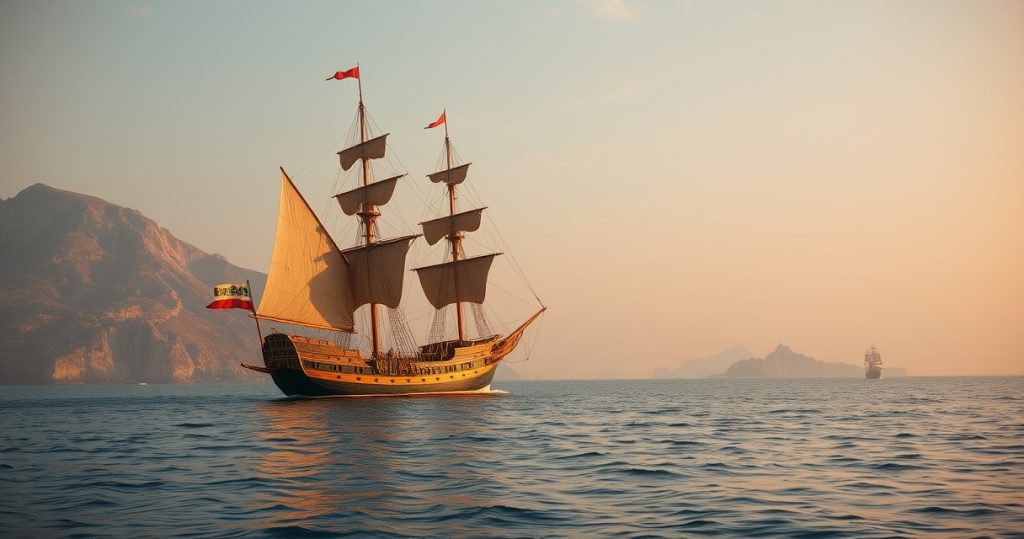
The Phoenicians were the first great Mediterranean civilization to recognize and exploit the strategic potential of the Strait of Gibraltar around the ninth century BC. Hailing from the coastal cities of modern day Lebanon, these master seafarers ventured far beyond the Pillars of Hercules in search of raw metals and new markets. They established a network of trading posts and colonies along the southern coast of Iberia, with the most significant being Gadir, known today as Cadiz. This settlement acted as the southern terminus for the tin trade, a metal essential for bronze production, which was brought from the distant Cassiterides Islands, likely modern day Cornwall or Brittany.
Navigating the Strait required immense skill and courage due to the strong currents and unpredictable winds that characterize the area. Phoenician captains developed specialized sailing techniques and likely hugged the coastline to manage the risk of being swept out into the Atlantic. Their presence transformed the region from a remote periphery into a vibrant commercial hub. Archaeological evidence, such as the necropolis of the Algarve, suggests they maintained a permanent and culturally rich presence. They introduced advanced metallurgy, pottery, and writing systems to the indigenous Tartessian people, fundamentally altering the local socio-economic landscape.
Mythology and the Pillars of Hercules
The ancient Greeks viewed the Strait of Gibraltar through a lens of myth and legend, which profoundly influenced their approach to exploration and trade. They identified the Rock of Gibraltar as Mons Calpe and the mountain across the water in Morocco as Mons Abyla, collectively known as the Pillars of Hercules. According to legend, these mountains marked the western limit of the known world, a boundary established by the demigod Hercules during his labors. Beyond these pillars lay the terrifying and endless Ocean, a place where ships were believed to sail off the edge of the earth or encounter sea monsters, making the Strait a psychological as well as a physical barrier.
This mythological reputation served to deter widespread Greek exploration for centuries, effectively leaving the Atlantic trade largely to the Phoenicians and their Carthaginian successors. The Greeks eventually established the city of Mainake on the southern coast, but their focus remained primarily on the safer waters of the eastern Mediterranean. However, as geographical knowledge expanded, the Pillars of Hercules became a symbol of the transition from the civilized order of the Mediterranean to the wild unknown. The gradual shift in perception allowed Greek geographers like Strabo to document the region more accurately, paving the way for Roman integration of the Strait into a wider economic network.
Roman Expansion and the Port of Carteia
The rise of the Roman Republic brought a new level of organization and military power to the Strait of Gibraltar. Following the Second Punic War, Rome defeated Carthage and took control of the Iberian Peninsula, integrating the region into its vast empire. The Romans recognized the strategic importance of the Strait and moved to secure it against piracy and foreign incursions. A key development during this period was the elevation of Carteia, located just across the bay from the Rock of Gibraltar, to the status of a Roman colony. This was the first town in Spain to attain this rank, highlighting its importance as a naval base and trading center.
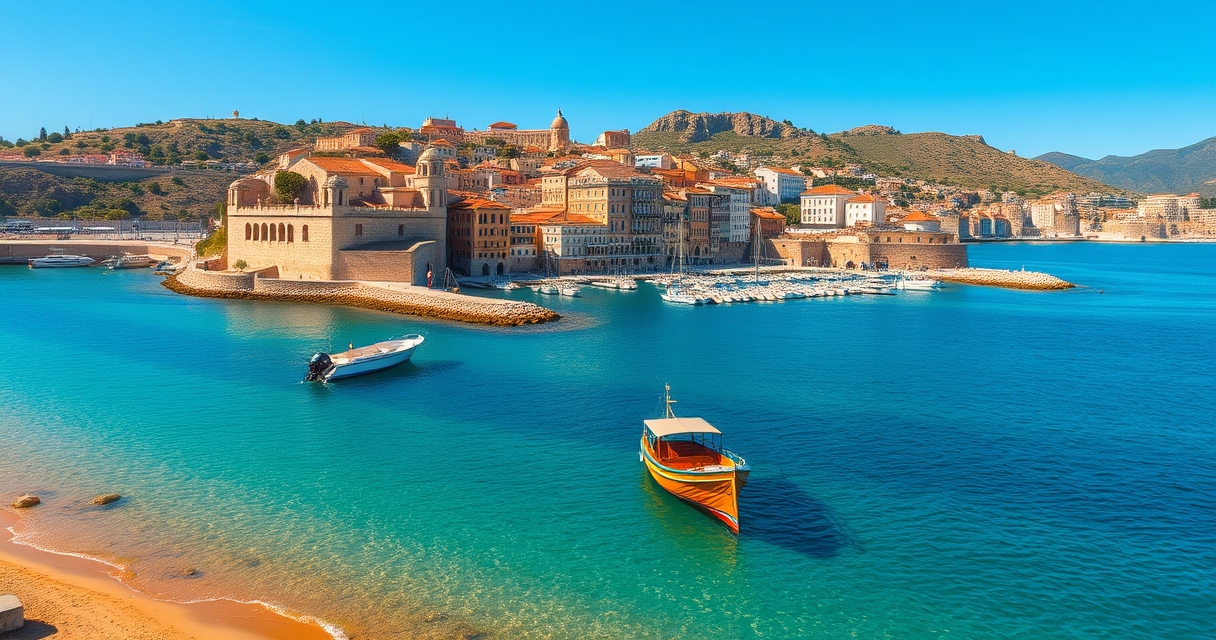
Under Roman rule, the Strait became a bustling highway for the transport of goods such as olive oil, garum, a fermented fish sauce that was a staple of the Roman diet, and metals from Spanish mines. The Romans engineered infrastructure projects, including roads and watchtowers, to support maritime operations and facilitate the movement of troops. The waters around Gibraltar were heavily patrolled by the Roman navy to ensure the safety of merchant vessels transporting grain from North Africa to Rome. This period of stability allowed the local economy to flourish, and the remnants of Roman fishing factories and villas can still be found along the coastline today.
Navigating the Wind and Currents
Successful trade through the Strait of Gibraltar depended entirely on understanding the unique and often harsh environmental conditions of the waterway. The Strait acts as a bottleneck where the Mediterranean Sea, which evaporates more water than it receives from rivers, exchanges water with the Atlantic Ocean. This creates a strong two layer current system where surface water flows into the Mediterranean while denser saltier water flows out at depth. Ancient sailors, lacking modern engines, had to time their passages carefully to work with these currents rather than fighting against them, often waiting for days in safe harbors for the right wind conditions.
Wind patterns in the Strait are equally complex and dictated the sailing schedules of ancient merchant fleets. The easterly Levanter wind can funnel through the Strait with gale force, creating dangerous seas, while the westerly Poniente offers a smoother ride into the Mediterranean. Ancient texts describe the difficulty of entering the Mediterranean against the prevailing westerly winds, forcing ships to tack or even row their way through. Mariners likely used the Rock of Gibraltar as a massive windbreak, hugging the European coast to find shelter from strong gusts, and later a Gibraltar lighthouse was built to aid navigation. Mastery of these meteorological and oceanographic signs was a closely guarded secret among experienced captains and was essential for profitable trade.
Commodities of the Ancient Strait

I have always been captivated by the unique cultural tapestry of the Rock, particularly how Moorish, Spanish, and British influences shaped its development over centuries. My passion lies in translating these complex historical narratives into engaging educational resources that make Gibraltar’s past accessible to everyone. I spend my free time exploring military fortifications and reading first-hand accounts of life at the Pillar of Hercules.