

The Treaty of Utrecht, signed in 1713, marked a significant turning point in the history of Gibraltar, establishing its status as a British territory. The implications of this treaty have reverberated through the centuries, shaping the ongoing debate about sovereignty and governance in this strategically located enclave. Gibraltar’s unique position at the gateway to the Mediterranean has made it a focal point for geopolitical tensions, particularly between Spain and the United Kingdom. Understanding the impact of the Treaty of Utrecht on Gibraltar’s sovereignty involves exploring historical contexts, legal ramifications, and contemporary challenges.
Historical Context of the Treaty of Utrecht
The Treaty of Utrecht was part of a series of agreements that concluded the War of the Spanish Succession, a conflict that involved multiple European powers. As a result of this treaty, Spain ceded Gibraltar to Britain, which was viewed as a strategic asset due to its location at the entrance to the Mediterranean Sea. The British Crown recognized the value of Gibraltar not only for its military advantages but also for its role in expanding trade routes. This transfer set the stage for centuries of British governance, shaping the identity and culture of Gibraltar.
At the time of the treaty, Gibraltar was a small, fortified town with a population that included a mix of Spanish, Italian, and Jewish communities. The British administration began to fortify the territory, enhancing its military importance. Over the years, Gibraltar developed into a bustling port and a vital naval base, further entrenching British interests in the region. The historical context of the Treaty of Utrecht is crucial for understanding the complexities of Gibraltar’s sovereignty today.
Legal Implications of the Treaty
The legal ramifications of the Treaty of Utrecht have been a subject of extensive debate. The treaty explicitly recognized British sovereignty over Gibraltar, establishing a legal framework that has been contested by Spain ever since. Article 10 of the treaty states that “the town and castle of Gibraltar, with the port and all the dependencies thereof,” would be permanently ceded to Britain. This provision has been the cornerstone of the British claim to sovereignty, despite ongoing disputes from Spain regarding its status.
In the centuries following the treaty, various legal interpretations have emerged, particularly in the context of international law. Spain argues that the treaty’s terms should be re-evaluated, especially in light of changing geopolitical realities. However, the British government maintains that Gibraltar’s status is secure under international law, citing the principle of self-determination as a crucial factor. The legal implications of the Treaty of Utrecht continue to influence contemporary discussions about Gibraltar’s future.
The Impact on Gibraltar’s Identity
The Treaty of Utrecht has played a pivotal role in shaping the identity of Gibraltar. Over the years, the population has developed a unique cultural blend, often referred to as “Llanito,” which includes influences from British, Spanish, and Mediterranean cultures. This cultural identity is deeply tied to the territory’s historical experiences, particularly its status as a British Overseas Territory.

The enduring British presence has fostered a distinct sense of community among Gibraltarians, who often express pride in their unique heritage. This identity is further reinforced by political developments, such as referendums on sovereignty, which have consistently shown overwhelming support for remaining British. The Treaty of Utrecht, therefore, is not just a legal document but a symbol of Gibraltar’s resilience and commitment to its identity.
Geopolitical Tensions and Contemporary Challenges
The geopolitical landscape surrounding Gibraltar remains fraught with tension. Spain has consistently sought to challenge British sovereignty, particularly in the context of Brexit, which has altered the dynamics of the region. The withdrawal of the United Kingdom from the European Union has raised concerns about border controls, trade, and the free movement of people between Gibraltar and Spain. These issues are compounded by Spain’s ongoing claims over Gibraltar, which it views as a relic of colonialism.
The challenges posed by these geopolitical tensions are multifaceted. Gibraltar’s economy, heavily reliant on tourism and financial services, faces uncertainties as new regulations come into play. The implications of Brexit have sparked discussions about the future of Gibraltar’s relationship with both the UK and the EU. The Treaty of Utrecht’s legacy continues to influence these discussions, as Gibraltar navigates its path amid shifting political landscapes.
Recent Developments and Future Outlook
Recent developments indicate a renewed focus on the question of Gibraltar’s sovereignty and its future governance. The 2026 Gibraltar Agreement, a framework aiming to address the post-Brexit realities, highlights ongoing negotiations between the UK, Spain, and Gibraltar. This agreement seeks to establish a cooperative approach to issues such as border management and economic cooperation, while respecting Gibraltar’s existing sovereignty.
As discussions progress, the fundamental question of sovereignty remains at the forefront. Gibraltarians have consistently expressed their desire to remain British, with referendums in 1967 and 2002 demonstrating overwhelming support for British sovereignty. However, Spain’s insistence on reclaiming Gibraltar adds complexity to future negotiations. The legacy of the Treaty of Utrecht will continue to influence these discussions, as both sides seek to find a path forward that respects historical commitments while addressing contemporary realities.
The Role of Self-Determination
The principle of self-determination is central to the discourse surrounding Gibraltar’s sovereignty. Gibraltarians have repeatedly asserted their right to determine their own future, a stance that has been recognized in various international forums. The 2006 Constitution of Gibraltar further solidified this principle, granting greater autonomy to the territory while reaffirming its status as a British Overseas Territory.
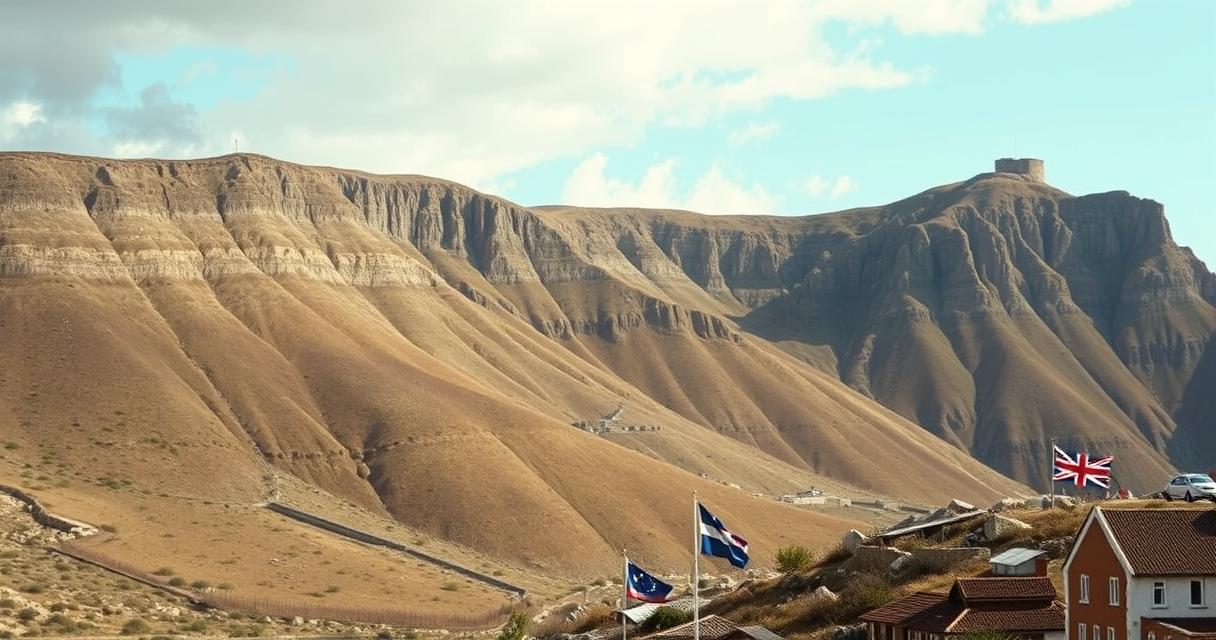
International bodies, including the United Nations, have acknowledged the importance of self-determination in the context of Gibraltar. The ongoing debate over sovereignty must take into account the wishes of the Gibraltarian people, who have consistently expressed their desire to remain British. This principle serves as a guiding force in negotiations and discussions about Gibraltar’s future, echoing the sentiments established by the Treaty of Utrecht over three centuries ago.
Cultural and Societal Implications
The cultural and societal implications of the Treaty of Utrecht are profound. The treaty not only established British rule but also facilitated the development of a unique Gibraltarian identity. This identity is characterized by a blend of cultures, languages, and traditions, making Gibraltar a vibrant and diverse community. The influences of British, Spanish, and Mediterranean cultures can be seen in everything from cuisine to festivals, contributing to a rich tapestry of life in Gibraltar.
The societal dynamics in Gibraltar are also shaped by its historical context. The population’s diverse backgrounds have fostered a spirit of tolerance and cooperation, which is evident in the community’s daily life. However, the ongoing tensions surrounding sovereignty can sometimes strain these relationships. As Gibraltar looks to the future, maintaining this cultural harmony while navigating external pressures will be crucial for sustaining its unique societal fabric.

I have always been captivated by the unique cultural tapestry of the Rock, particularly how Moorish, Spanish, and British influences shaped its development over centuries. My passion lies in translating these complex historical narratives into engaging educational resources that make Gibraltar’s past accessible to everyone. I spend my free time exploring military fortifications and reading first-hand accounts of life at the Pillar of Hercules.